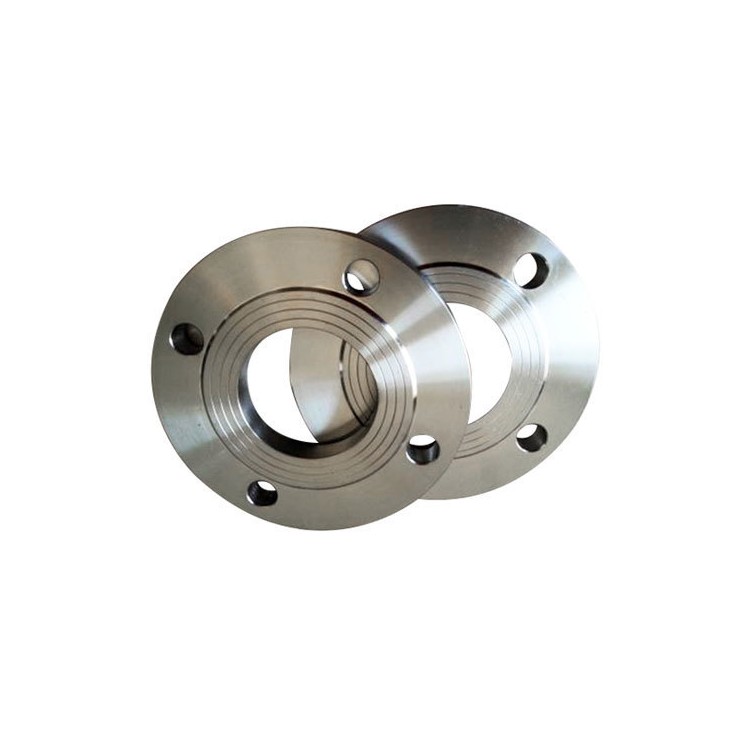


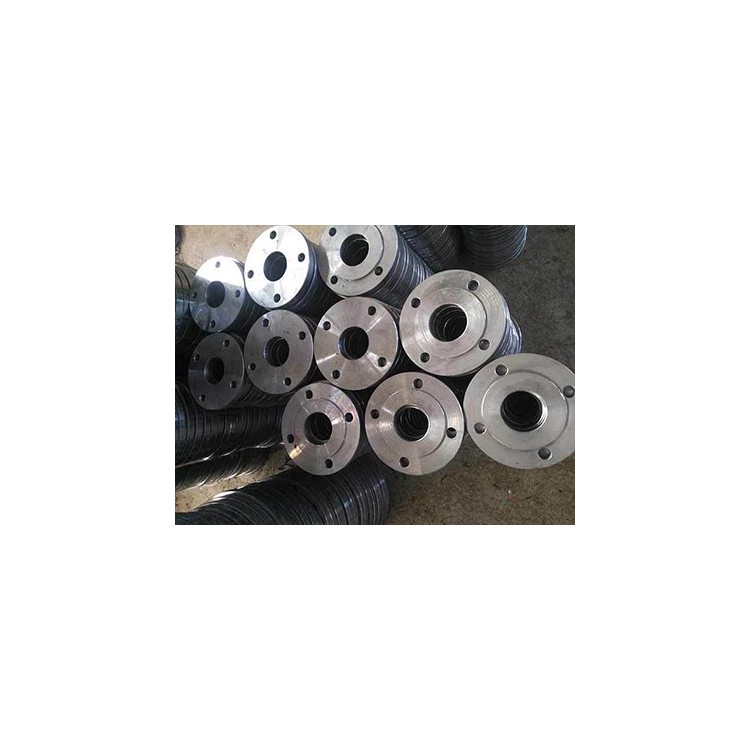
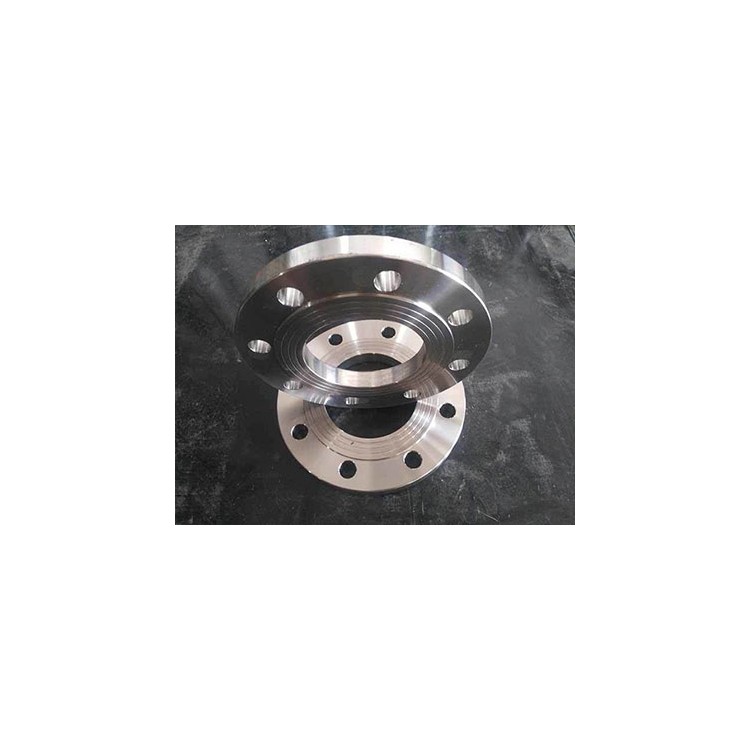







Introduction to Alloy Flat Welding Flange
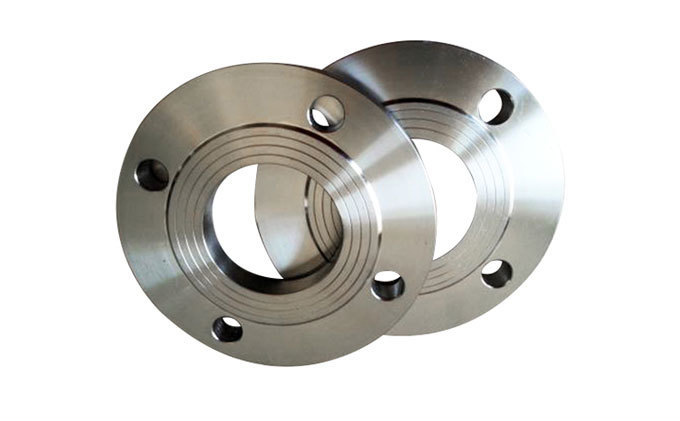
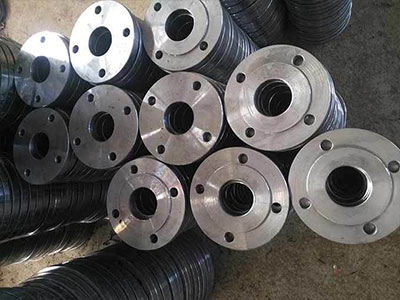
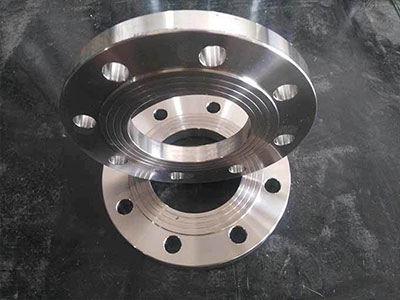
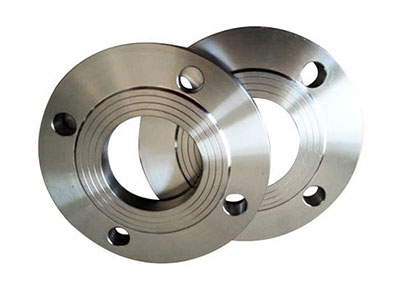
An alloy flat welding flange, simply put, is a flange made of alloy steel, also known as a flat welding flange. In other words, it is categorized by material type.
Features of Alloy Flat Welding Flange
High strength, high toughness, resistant to abrasion, resistant to corrosion, resistant to low temperatures, resistant to high temperatures, non-magnetic;
Alloy flanges differ from common carbon steel flanges like 20#, Q235, and are primarily used for pipelines and piping with special characteristics. They are often employed in high-temperature and high-pressure locations. Common materials include 12Cr1MoV, 15CrMo, P91, P22, 10CrMo910, and more.
Specification Model
DN15-DN600
Pressure Grade
PN2.5,PN6,PN10,PN16,PN25,PN40;
Alloy flat welding flange material
Alloy Steel: ASTM A182 F1, F5a, F9, F11, F12, F22, F91, A182F12, A182F11, 16MnR, Cr5Mo, 12Cr1MoV, 15CrMo, 12Cr2Mo1, A335P22, St45.8/Ⅲ
Sealing Surface Type
Full Face Plate Flanged (FF), Raised Face Plate Flanged (RF)
Standard of Implementation
Chemical Industry Standard: HG20593-2009, HG20615-2009
National Standards: GB/T9119-2010, GB/T2555-81
Mechanical Department Standards: JB/T81-94, JB/T74-94, JB/T75-94
Marine Standard: CB M1001-81
Connection Type
Single-sided welding, double-sided nut connection;
Application Fields
Due to the excellent comprehensive properties of alloy steel flanges, they are widely used in fundamental engineering sectors such as chemicals, construction, water supply, drainage, oil, heavy and light industries, refrigeration, sanitation, plumbing, fire protection, electricity, aerospace, and shipbuilding.
Procurement Recommendation
1: Recommend purchasing from a legitimate flange manufacturer with a certain production scale.
2: manufacturers of flanges need to provide material inspection reports and related documents for plate-type alloy flanges.
3: Alloy flange plates must have corresponding specification and model embossed markings and identification.