








Introduction to Large Diameter Stainless Steel Flanges
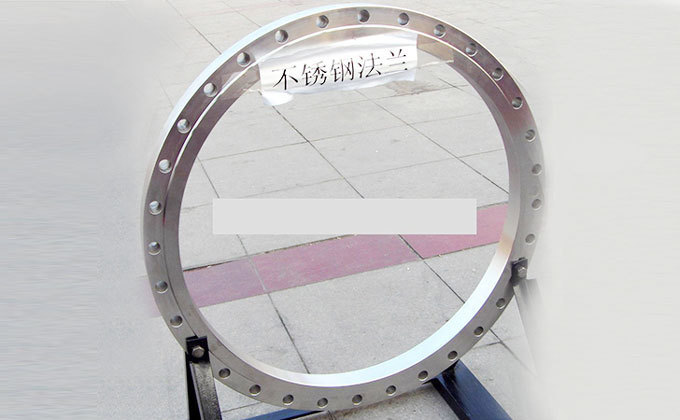
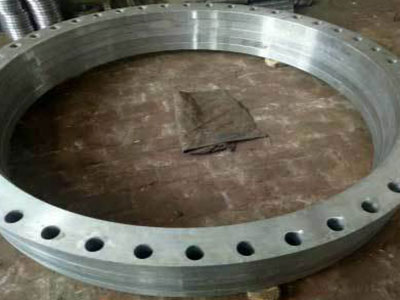
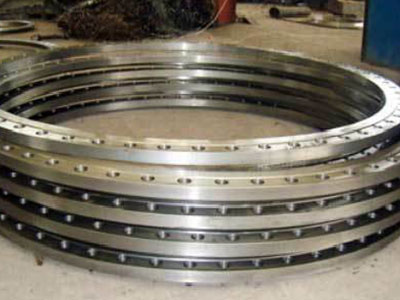
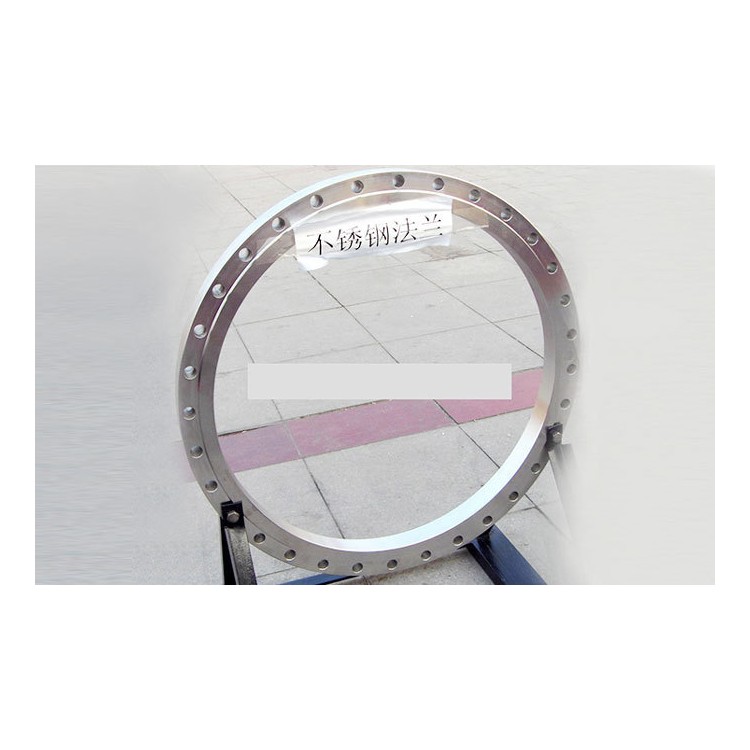
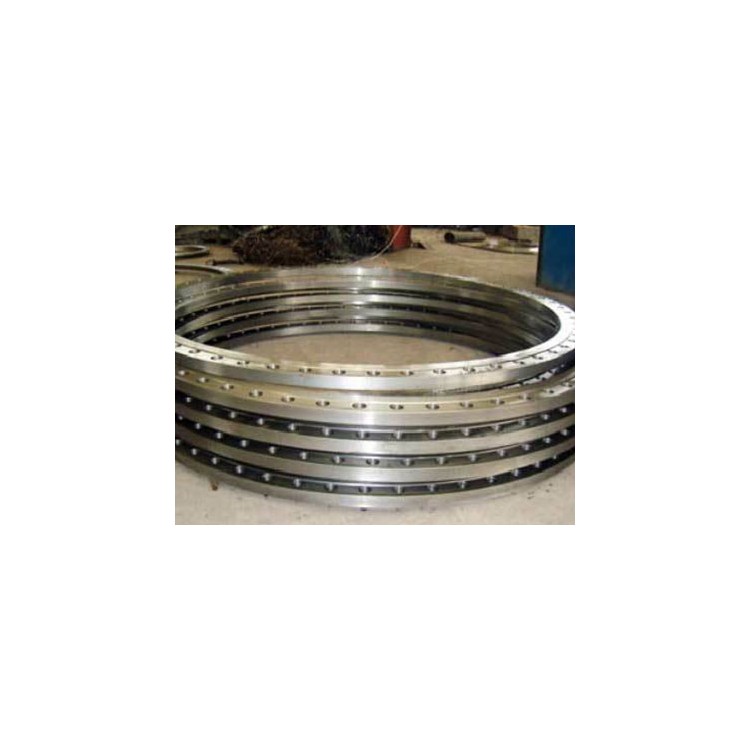
Stainless steel large-diameter flanges, also known as large flat welding flanges made of stainless steel or large diameter flange plates, vary in name by region.
Large diameter flanges are typically referred to as such when their diameters are above DN600.
Large diameter flanges are widely used and promoted in the mechanical, chemical, wind power, and wastewater treatment industries, receiving positive reviews and popularity from users. The applications of large diameter flanges are extensive.

Features of Stainless Steel Large Diameter Flanges
Large bore specifications, combined with the chemical composition of stainless steel, are suitable for large pipeline applications in fields such as ***corrosion resistance, ***high temperature resistance, ***alkali resistance, and ***corrosion prevention.
Specification Model
DN15-DN2000
Available for customization to larger sizes per customer request; the above are standard large diameter flanges.
Pressure Rating
PN2.5~PN100
Sealing Surface Type
Roughness (RF), Full Flat (FF).
Stainless steel large diameter flange common materials
304, 304L, 316, 316L, 321 stainless steel grades.
Standard of Execution
Chemical Industry Department Standards, Machinery Department Standards, GB*** Standards, etc.
Connection Type
The connection style is the same as that of a flat welding flange, but with a larger diameter.
Insert the pipe into the flange inner diameter for welding, and secure both sides with bolts.
Production Process
Forging or rolling, the extra-large sizes can only be rolled.
Basic Process of Free Forging: During free forging, the shape of the forging is gradually formed from the billet through a series of basic deformation processes.
Basic processes in free forging include upsetting, drawing out, piercing, bending, and cutting, etc.
1. Swaging - Swaging is the process of forging the stock material along its axial direction, reducing its height and increasing its cross-sectional area. This operation is commonly used in forging gear blanks and other disk-shaped forgings. Swaging is categorized into two types: full swaging and local swaging.
2. Forging to Lengthen - Lengthening forging involves increasing the length of the billet while reducing its cross-section, commonly used to produce rough castings for shaft components such as lathe spindles and connecting rods.
3. Punching - The forging process of creating through holes or blind holes in the blank using a punch.
4. Bending - The forging process of bending the billet to a certain angle or shape.
5. Twisting - A forging process where a portion of the stock is rotated relative to another by a certain angle.
6. Cutting - The forging process for splitting billets or trimming off material ends.
Rolling Flange Process
The process of cutting strips from medium plates and then rolling them into circles is called rolling, commonly used in the production of large flanges. After rolling, welding is performed, followed by flattening and then the processing of waterlines and bolt holes.
Advantages of Large Diameter Stainless Steel Flanges
1: Stainless steel 304 material large diameter flanges offer excellent corrosion and heat resistance, low-temperature strength, and mechanical properties; good for hot forming and bending, with no hardening after heat treatment (operating temperature -196℃ to 800℃).
2: 304 stainless steel large diameter flanges may experience atmospheric corrosion; in industrial atmospheres or heavily polluted areas, timely cleaning is required to prevent corrosion.
3: 304 stainless steel large diameter flanges are suitable for food processing, storage, and transportation. They offer excellent machinability and weldability.
4: Stainless steel 316 large diameter flanges, enhanced with Mo, offer excellent corrosion resistance, atmospheric corrosion resistance, and high-temperature strength, suitable for use under severe conditions; exhibit good work-hardening properties (non-magnetic); possess superior high-temperature strength; are non-magnetic in the solution heat-treated state; offer a glossy and attractive appearance for cold-rolled products; are more expensive than stainless steel 304 welding flanges.
Procurement Recommendations
1: We recommend purchasing from a reputable stainless steel flange manufacturer with a certain production scale.
2: Manufacturers of large diameter flanges must provide material inspection reports and other relevant documents for large diameter flanges.
3: Large diameter flanges require corresponding specification model embossed markings and identification.