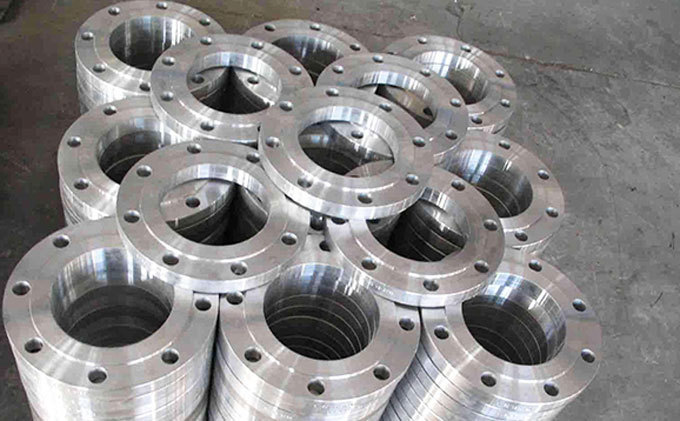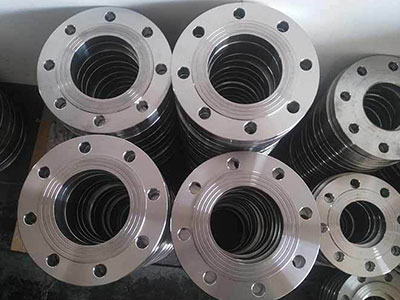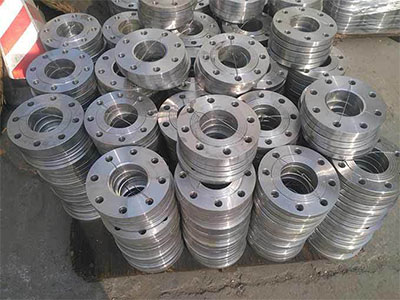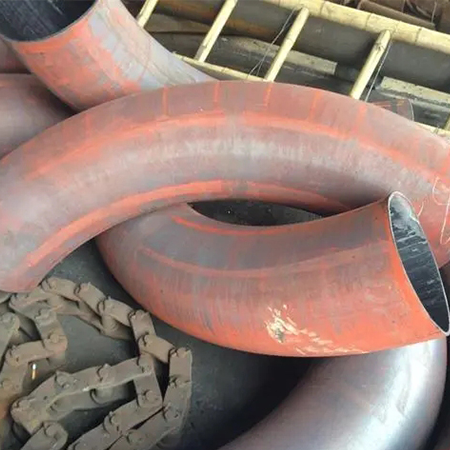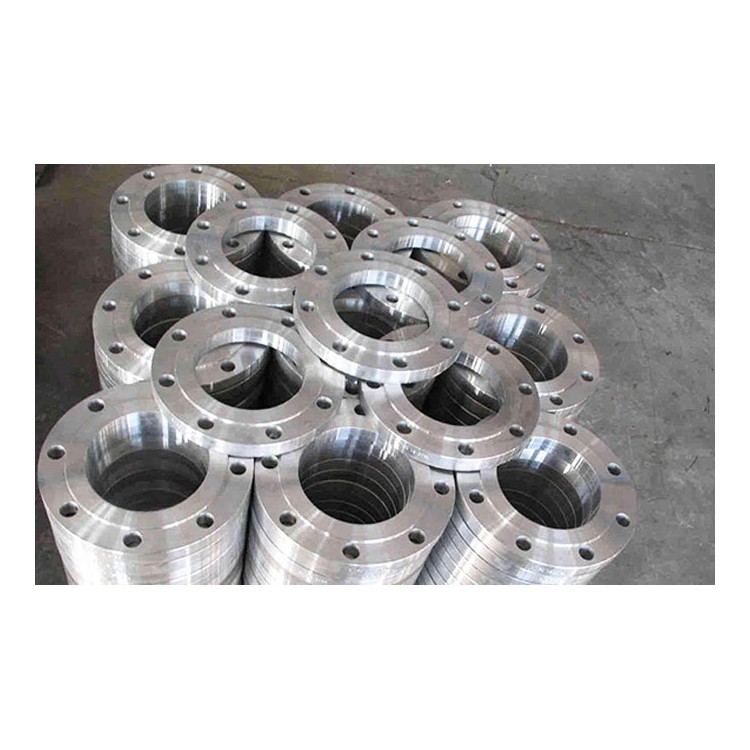

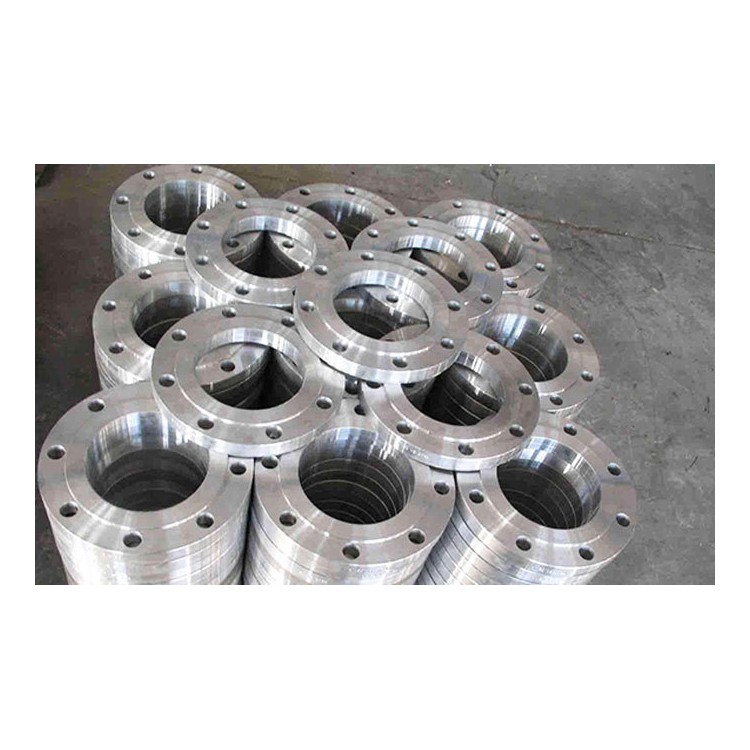
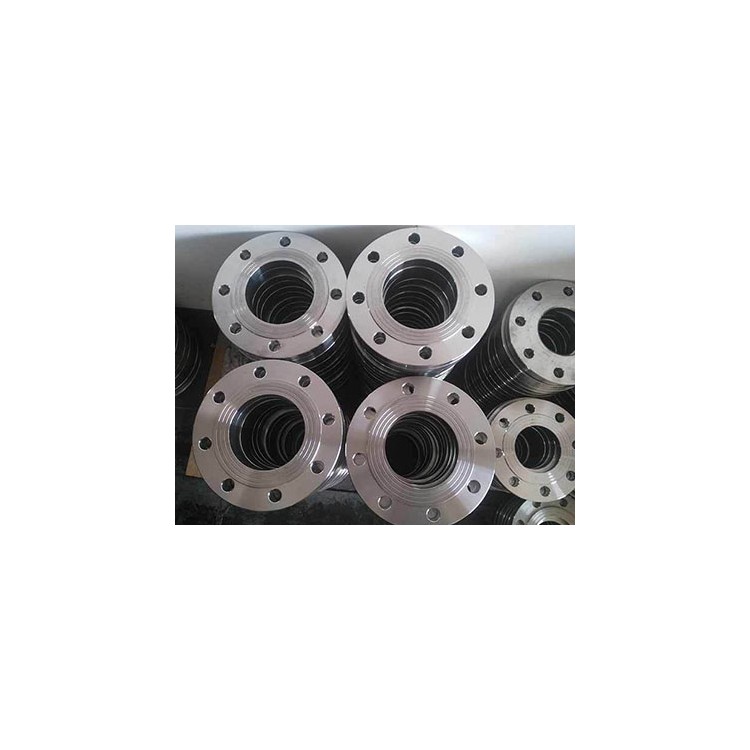
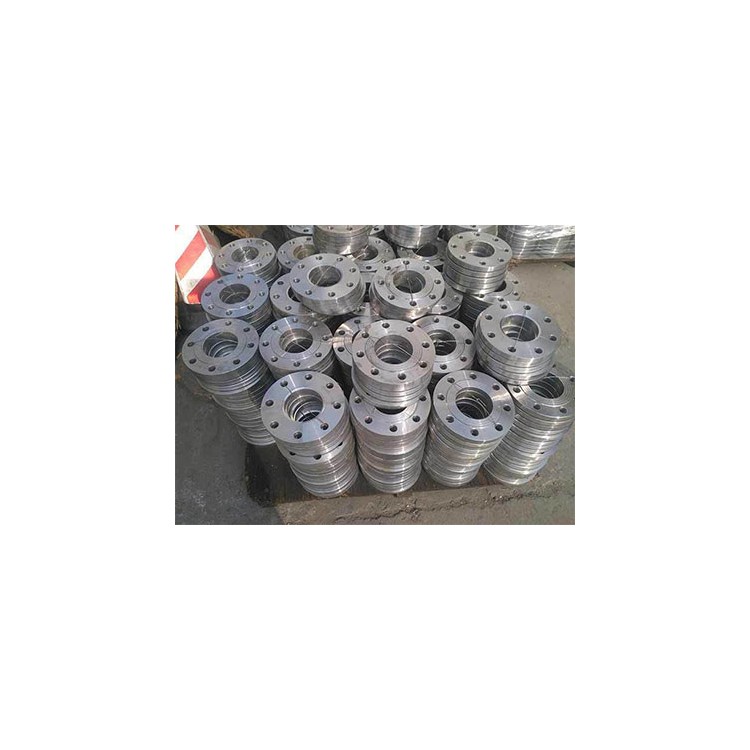







Welding Flange Introduction
Welding flanges are categorized by their connection type, which are flanges designed for welding.
Flange plates are commonly referred to as flat焊接 flanges or flat flanges, also known as lap焊接 flanges.
The connection of a flat welding flange to a pipe involves first inserting the pipe into the flange bore to the proper position, and then welding it in place.

Welding Flange Features
Welded flanges not only save space and reduce weight, but more importantly, they ensure that the joint area will not leak, offering excellent sealing performance. The compact flange size is reduced due to the decrease in the diameter of the sealing components, which will decrease the cross-sectional area of the sealing surface. Welded flange specifications
Pressure Grade
PN2.5~PN100
Sealing Surface Type
Roughness (RF), Full Flat (FF)
Common Materials
Carbon Steel Flanges: 20#, Q235B, 16Mn
Alloy Flanges: Cr5Mo, 12Cr1MoV, 15CrMo, 12Cr2Mo1
Stainless Steel Flanges: 304, 304L, 316, 316L, 321
Compliance Standards
Chemical Industry Standard: HG20593-2009, HG20615-2009
National Standards: GB/T9119-2010, GB/T2555-81
Mechanical Department Standard: JB/T81-94, JB/T74-94, JB/T75-94
Marine Standard: CB M1001-81
Connection Type
First, insert the steel pipe into the inner diameter of the flange and perform a single-sided weld; then, use bolts to secure it double-sided.
Production Process
Pure material forging, rough machining, steel plate processing, etc.
Packaging Method
Product marking and material analysis certificate (Product Warranty Certificate) included.
Wooden boxes, shock-absorbing film packaging for wooden pallets, or other options.
Advantages and Disadvantages of Welded Flanges
Advantages: Flange blanks not only save space and reduce weight, but more importantly, they ensure that there will be no leakage at the joint, offering excellent sealing performance; they are relatively inexpensive and widely applicable, suitable for medium and low-pressure pipeline equipment.
Drawbacks: The primary design flaw of the flange is that it cannot guarantee no leakage. This is a design shortcoming: the connection is dynamic, and factors such as thermal expansion and fluctuating cyclic loads cause movement between the flange faces, affecting the function of the flange and compromising its integrity, leading to leakage.
Procurement Recommendations
1: We recommend purchasing from a reputable flange manufacturer with a certain production scale.
2: Manufacturers of flanges need to provide material inspection reports and other relevant documents for焊接flanges.
3: Welding flanges must have corresponding specification model embossing and markings.