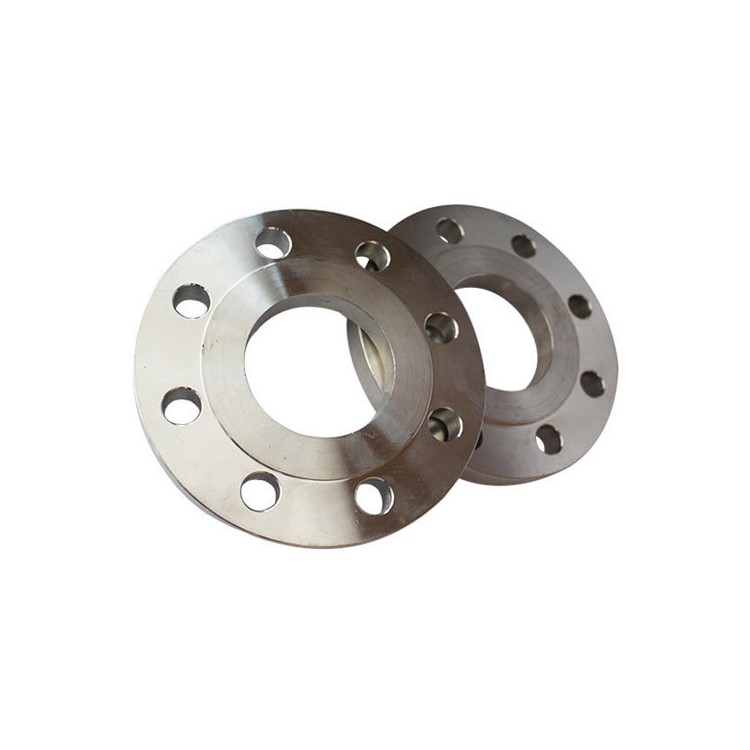

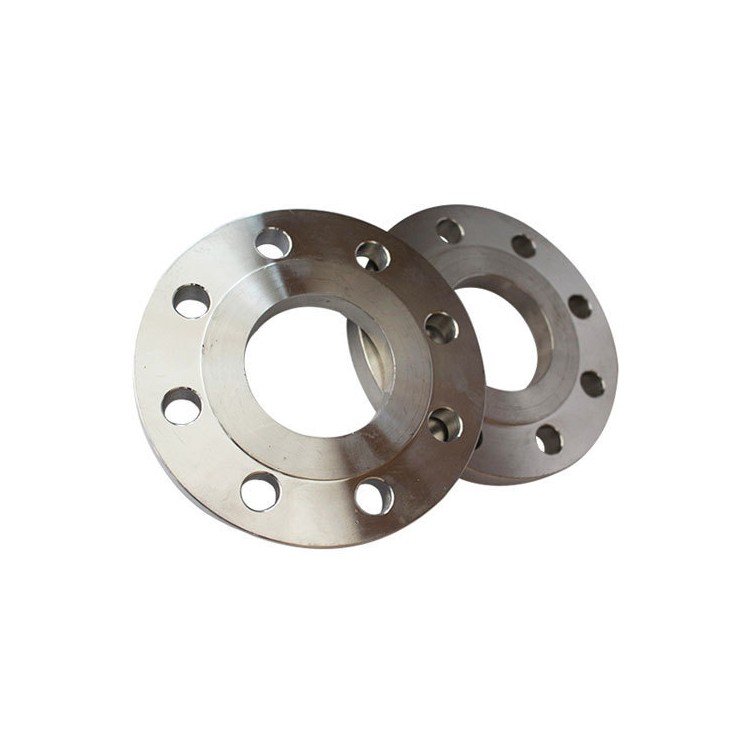
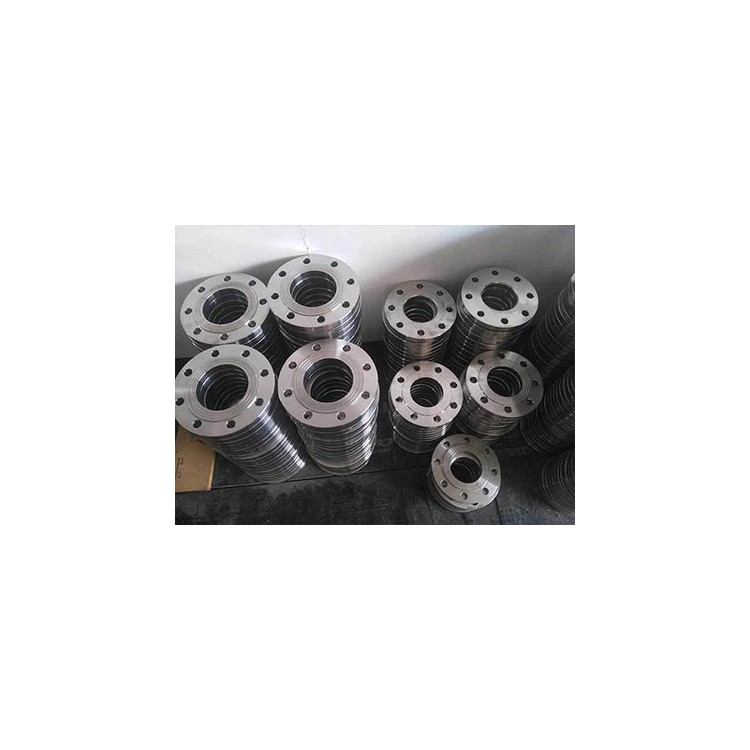
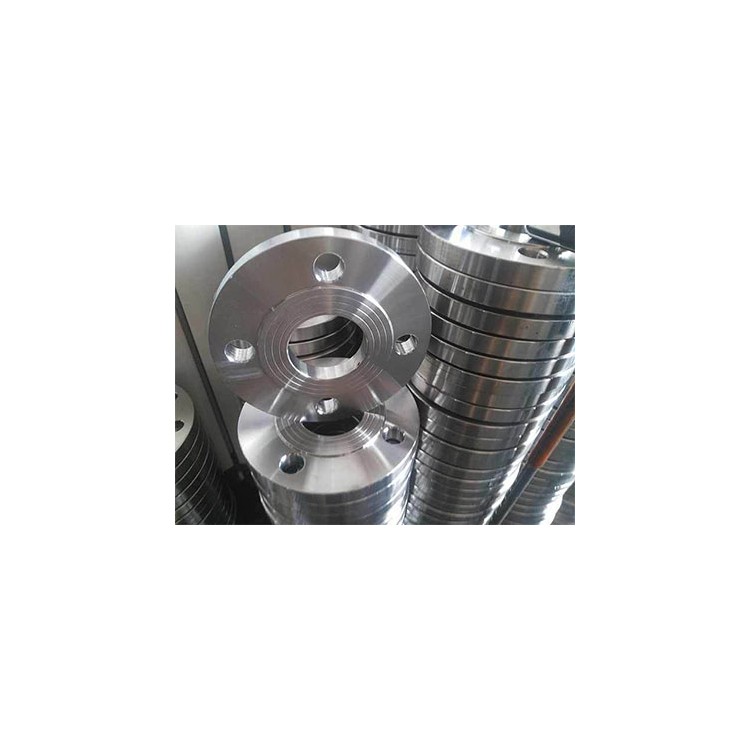







Introduction to Flat Welding Flange
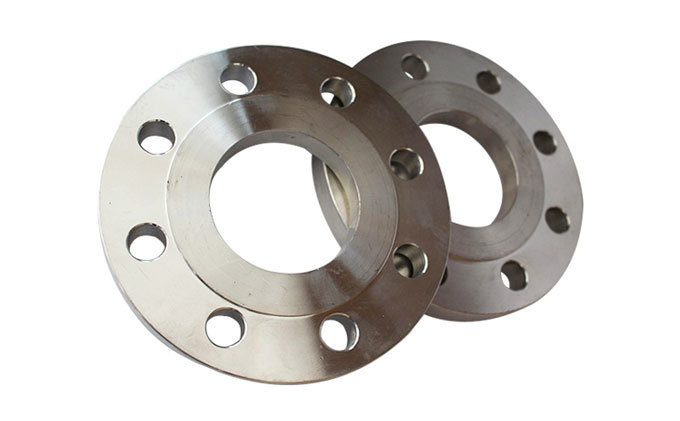
Plate Flat Welding Flange, Abbreviated as PL
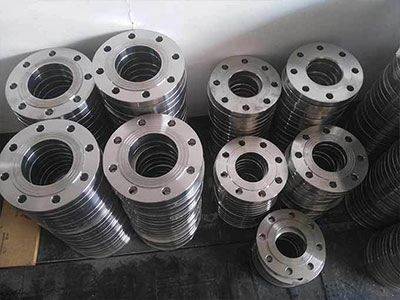
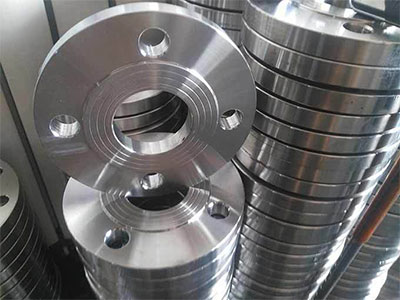
Flat Welding Flange, also known as flat flange or flange plate in many regions.

Specification Model
DN15-DN600
Pressure Grade
PN2.5,PN6,PN10,PN16,PN25,PN40;
Common Materials
Carbon Steel Flanges: ASTM A105, 20#, Q235, 16Mn, ASTM A350 LF1, LF2 CL1/CL2, LF3 CL1/CL2, ASTM A694 F42, F46, F48, F50, F52, F56, F60, F65, F70
Stainless Steel Flanges: ASTM A182 F304, 304L, F316, 316L, 1Cr18Ni9Ti, 0Cr18Ni9Ti, 321, 18-8
Alloy Steel Flanges: ASTM A182 F1, F5a, F9, F11, F12, F22, F91, A182F12, A182F11, 16MnR, Cr5Mo, 12Cr1MoV, 15CrMo, 12Cr2Mo1, A335P22, St45.8/Ⅲ
Application Fields
Due to the excellent comprehensive properties of flat焊接flanges, they are widely used in basic engineering sectors such as chemicals, construction, water supply and drainage, oil industry, heavy and light industry, refrigeration, sanitation, plumbing, fire protection, power, aerospace, and shipbuilding.
Flat Welding Flange Advantages and Disadvantages
Advantages: Easy to source materials, simple to manufacture, low cost, widely used.
Disadvantages: Poor rigidity, hence not suitable for piping systems in chemical processes with high demand and supply, flammability, explosiveness, and high vacuum requirements; also not for applications with high hazards.
Procurement Recommendation
1: Recommend purchasing from a reputable flange manufacturer with a certain production scale.
2: manufacturers of flanges are required to provide material test reports and other relevant documents for flat焊接 flanges.
3: Flat welding flanges must have corresponding specification model stamping and identification.