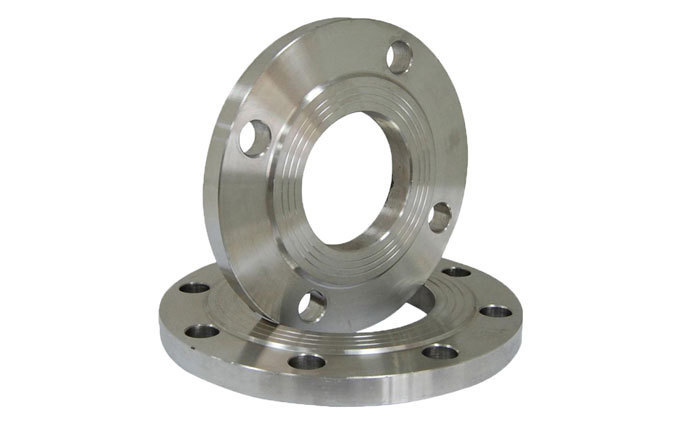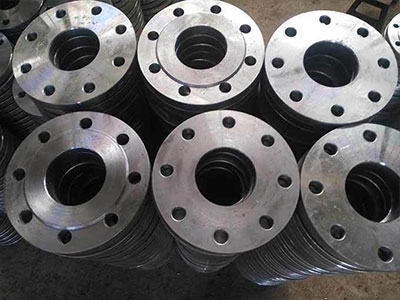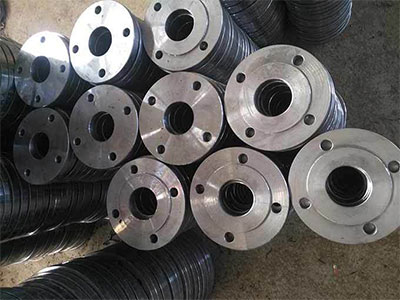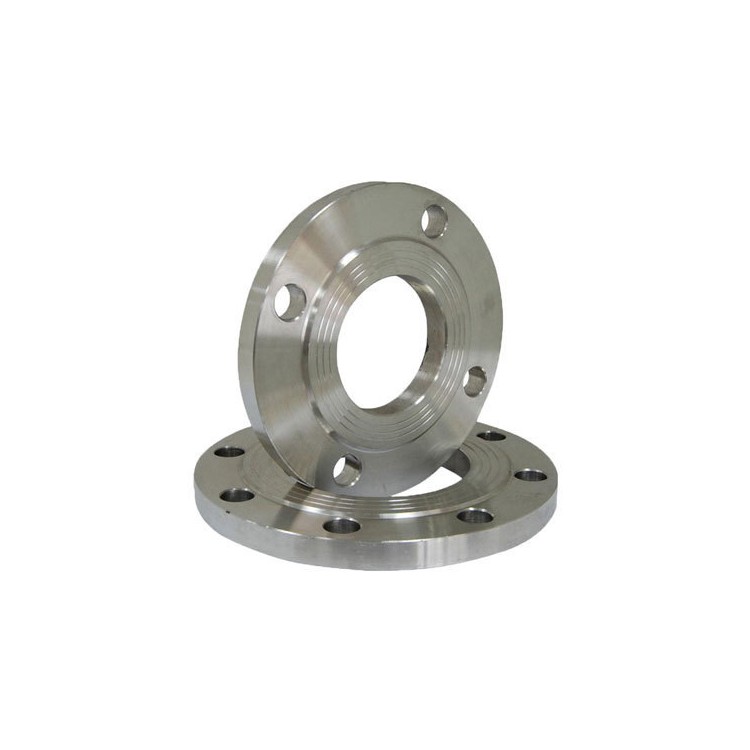

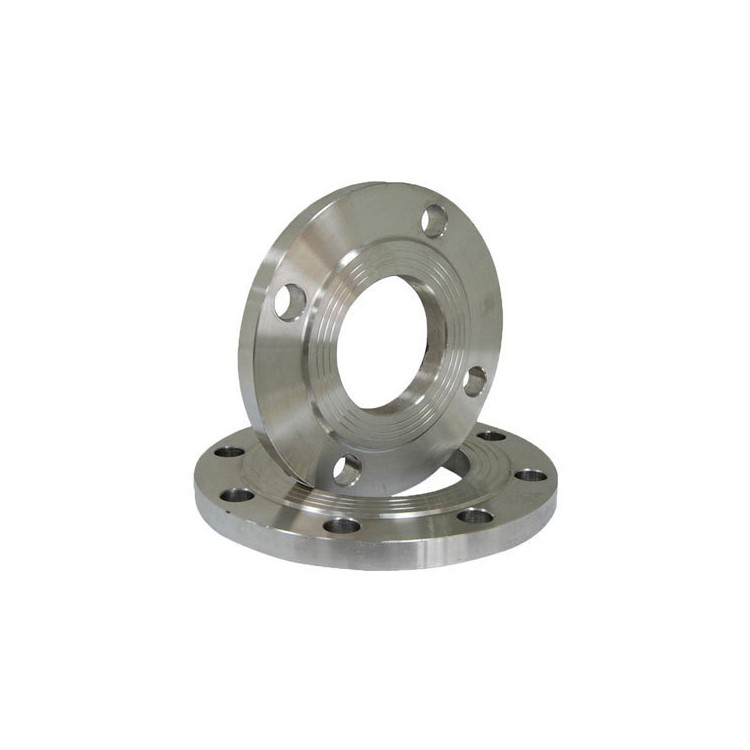







Carbon Steel Flat Welding Flange Brief Introduction
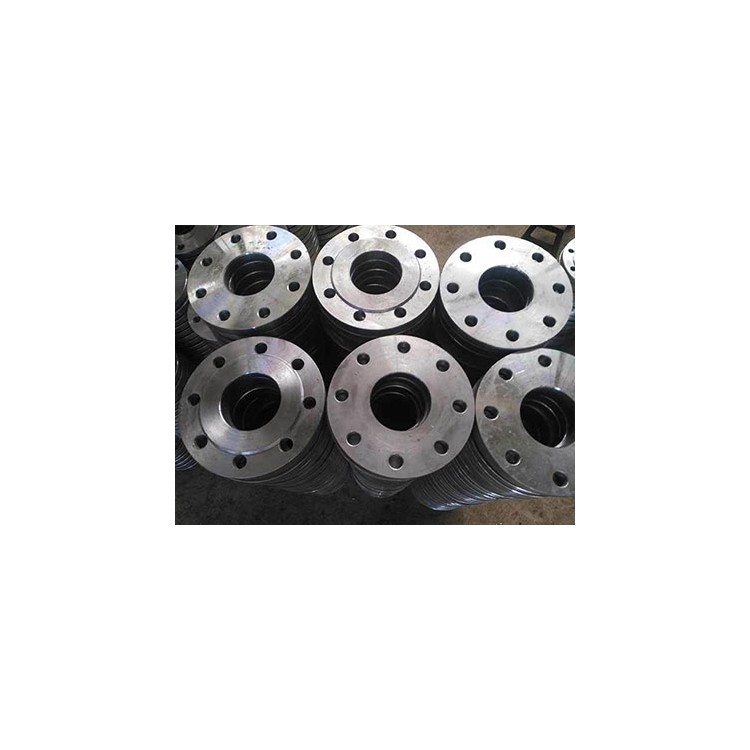
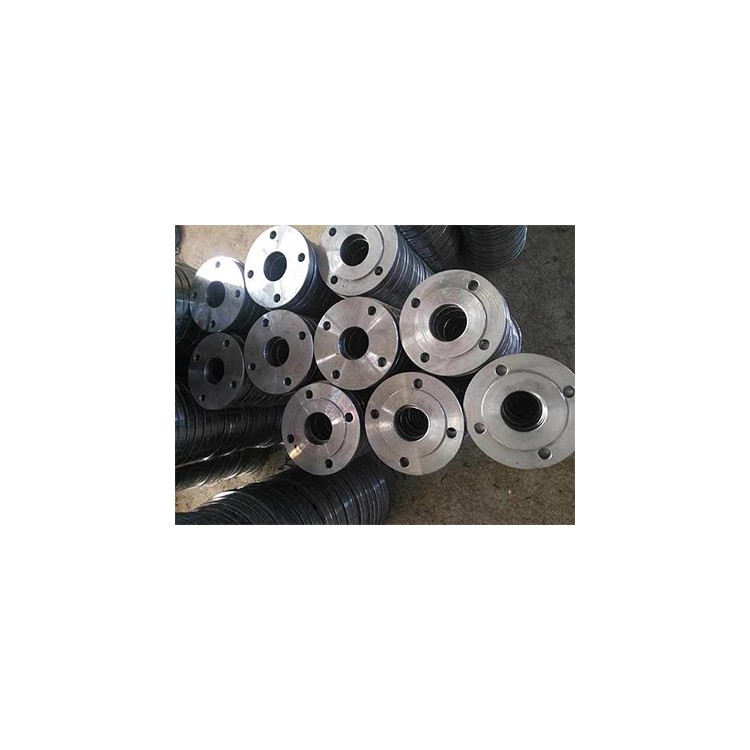
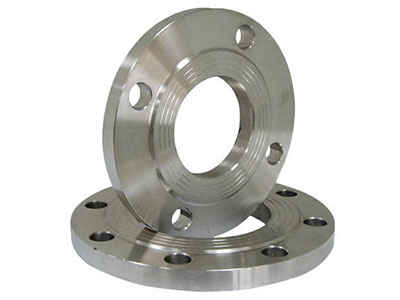
Carbon steel flat welding flange, as the name implies, refers to a flat welding flange made of carbon steel or commonly known as a flange plate, which is a type within the plate flat welding flange category.
Carbon steel flanges are stronger than stainless steel flanges but are prone to rust.
Stainless steel flat welding flanges offer better **corrosion resistance** and **alkali-acid resistance**.
Carbon Steel Flat Weld Flange Features
Aesthetically pleasing, with a smooth and flat surface, highly resistant to acid and alkali, corrosion-proof, and strong in texture and performance.
Model and Specification
DN15-DN600
Pressure Rating
PN2.5,PN6,PN10,PN16,PN25,PN40;
Common Materials
Carbon Steel: ASTM A105, 20#, Q235, 16Mn, ASTM A350 LF1, LF2 CL1/CL2, LF3 CL1/CL2, ASTM A694 F42, F46, F48, F50, F52, F56, F60, F65, F70
Sealing Surface Type
Full Flat Flanged Plate (FF), Raised Face Flanged Plate (RF)
Standard of Execution
Chemical Industry Standard: HG20593-2009, HG20615-2009
National Standards: GB/T9119-2010, GB/T2555-81
Mechanical Department Standards: JB/T81-94, JB/T74-94, JB/T75-94
Marine Standard: CB M1001-81
Connection Type
Single-sided welding, double-sided nut connection;
In simple terms, it involves inserting the pipe into the inner diameter of the flat welding flange and welding it in place, then securing both sides with bolts and nuts.
Production Process
Pure forging and semi-forging (second choice) are suitable for slip-on flanges and weld neck flanges; steel plates are used for lap joint flanges.
AOx furnace blanking, overall forging or finished forging cutting shaping, high-precision CNC lathe turning, CNC radial arm drilling;
Advantages and Disadvantages of Carbon Steel Flat Welding Flanges
Advantages: The flat welding flange not only saves space and reduces weight, but more importantly, it ensures that there will be no leakage at the joint, offering excellent sealing performance.
The reduced size of the compact flange is due to the decreased diameter of the sealing component, which will consequently reduce the cross-sectional area of the sealing face.
Flange gaskets have been replaced with sealing rings to ensure a proper match between the sealing faces.
This results in requiring only minimal pressure to tightly close the cover.
As the required pressure decreases, both the size of the bolts and the quantity needed can be reduced accordingly. Therefore, a new product has been designed with a smaller volume and lighter weight (up to 70% to 80% lighter than traditional flanges).
Therefore, the flat welding flange is a superior type of flange product, reducing both weight and space, and playing a significant role in industrial applications.
Disadvantages: The primary design flaw of a flat welding flange is that it cannot guarantee no leakage.
Its design shortcomings: connections are dynamic, and factors such as thermal expansion and fluctuating cyclic loads can cause movement between flange faces, affecting the function of the flange and compromising its integrity, leading to leaks.
No product can be completely defect-free; it's all about minimizing shortcomings. Therefore, the company strives to enhance the performance of its lap joint flanges during production, ensuring they serve a significant role.
Procurement Recommendations
1: Recommend purchasing from a reputable flange manufacturer with a certain production scale.
2: Manufacturers of flanges must provide material test reports and related documents for flange sheets.
3: Flange plates must have corresponding specification model embossing and markings.