








Introduction to Threaded Flange
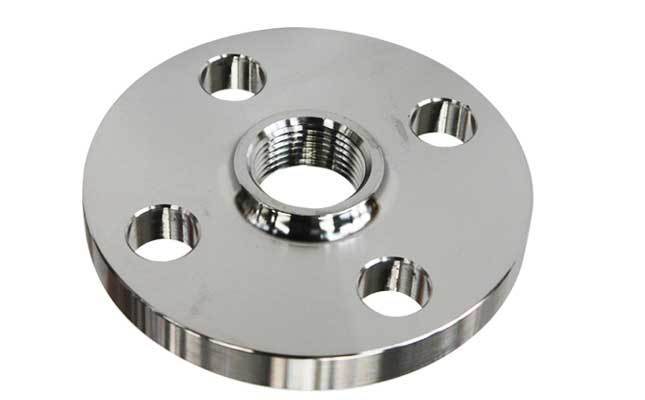
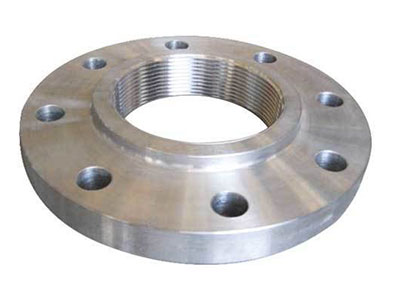
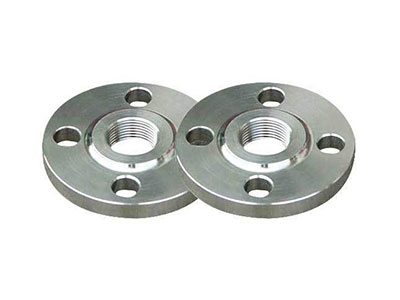
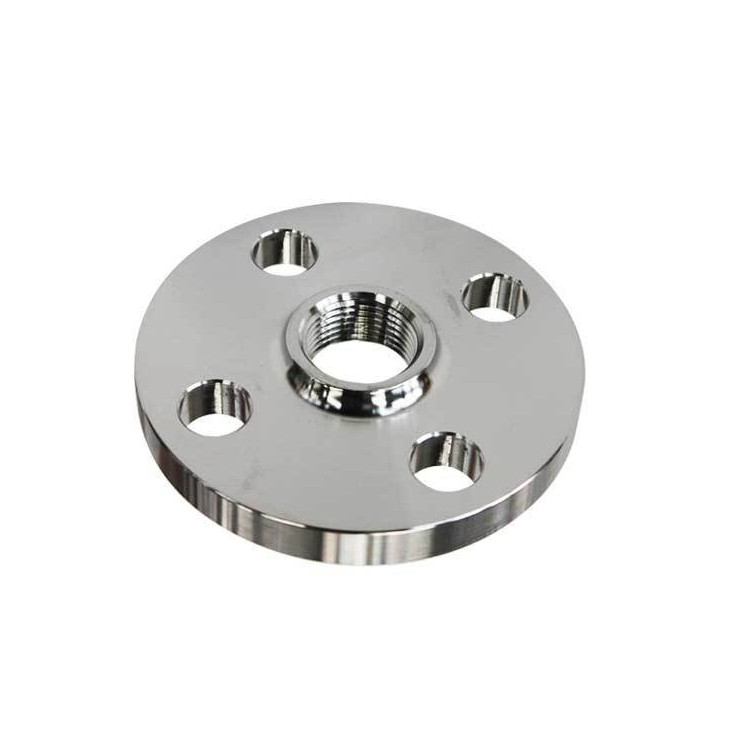
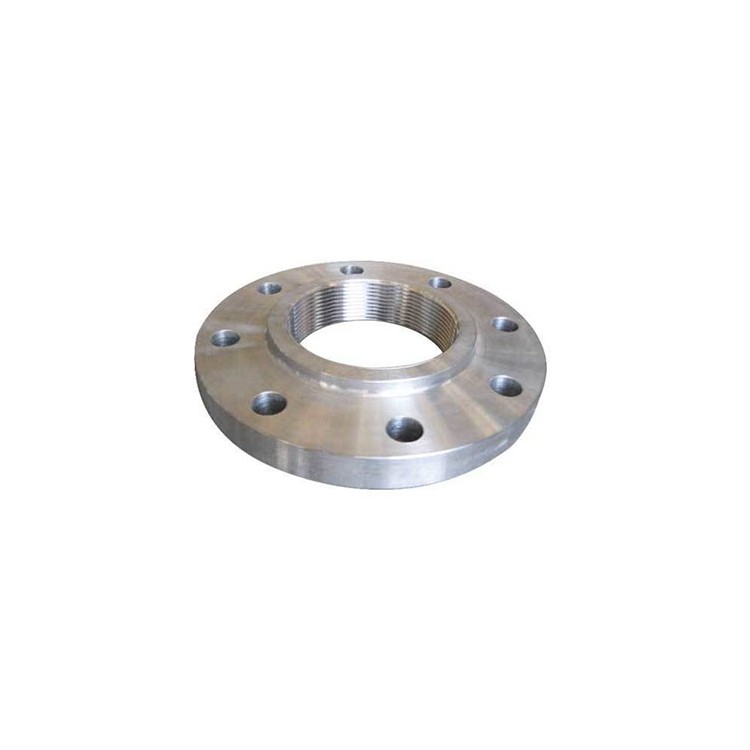
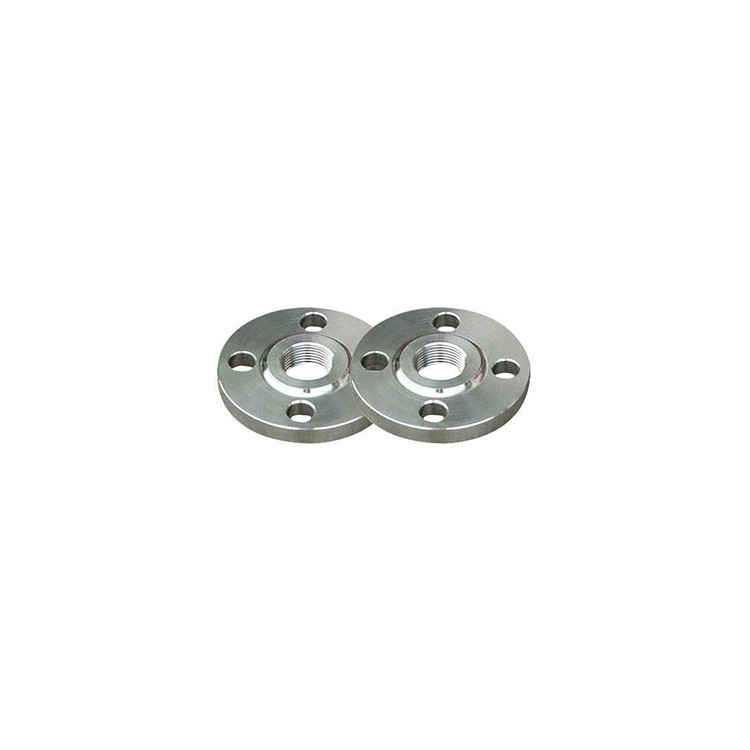
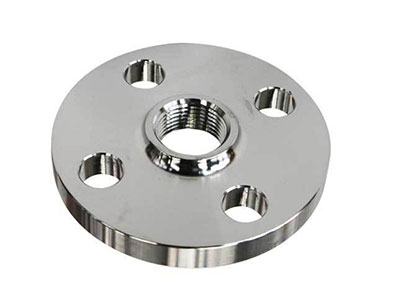
Threaded flange, also known as a screw thread flange, is generally used with threaded steel pipes and is a non-welded flange product.
Features
Due to the threaded inner diameter of the flange, it is convenient to use and can be directly paired with threaded steel pipes without the need for welding.
Specification Model
DN10-DN150
Sealing Surface Type
Rough (RF), Flat (FF), Molded and Flatten (MFM), Concave (FM), Convex (M), Tongue and Groove (TG)
Common Materials
Carbon steel, stainless steel, alloy steel.
Connection Type
A threaded flange is a flange with its inner hole machined into a pipe thread, which is paired with threaded pipes for connection and is a type of non-welding flange.
Advantages and Disadvantages of Threaded Flange
Advantages
Threaded flanges offer the advantage of easy installation and maintenance compared to slip-on flanges or weld-neck flanges, and can be used on pipelines where welding is not permitted on-site. Alloy steel flanges, while strong, may be difficult to weld or have poor weldability, in which case threaded flanges can be a suitable alternative.
Drawbacks
Under conditions of rapid temperature changes in pipelines or when the temperature is above 260℃ or below -45℃, it is recommended not to use threaded flanges to prevent leakage.
Procurement Recommendations
1: Suggest purchasing from a reputable threaded flange manufacturer with a certain production scale.
2: Manufacturers of flanges need to provide material inspection reports and related documents for threaded flanges.
3: Threaded flange plates must have corresponding specification model embossing and markings.