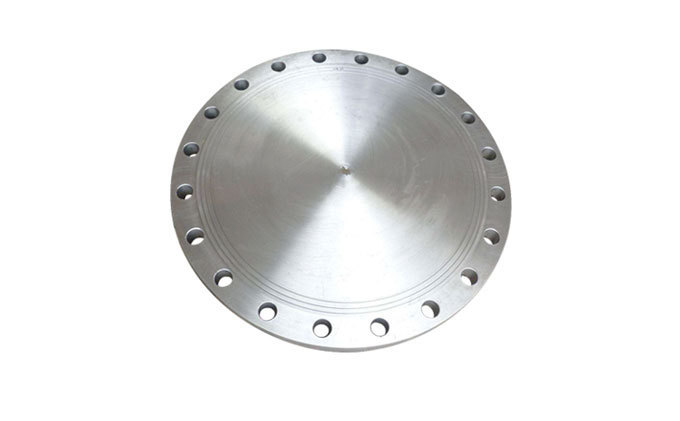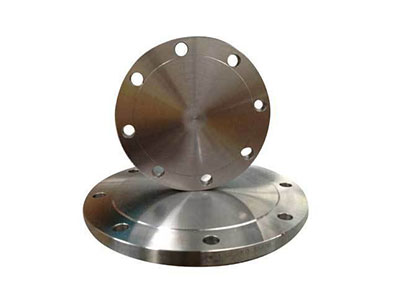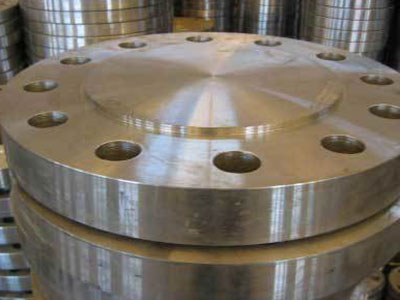









Introduction to Alloy Flanged Blind Plate
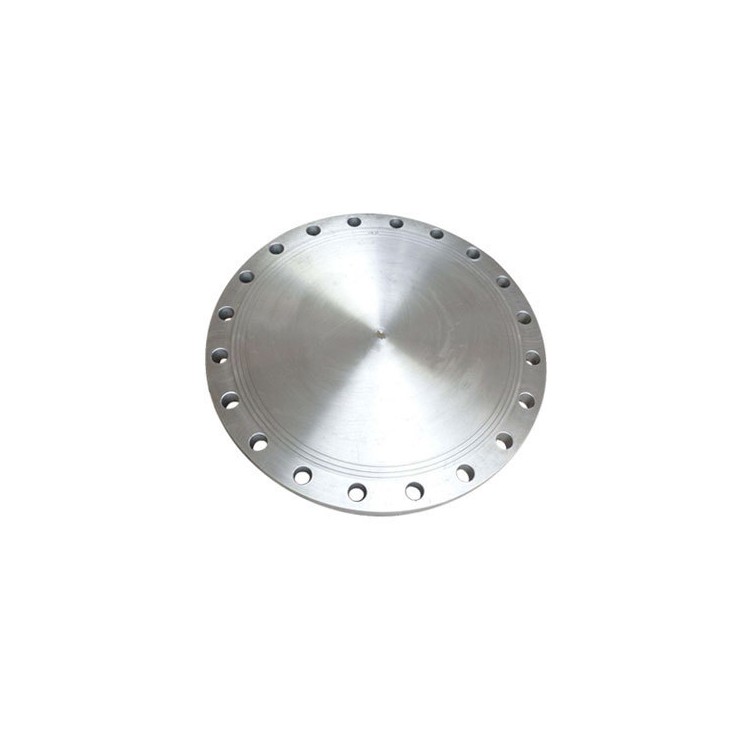
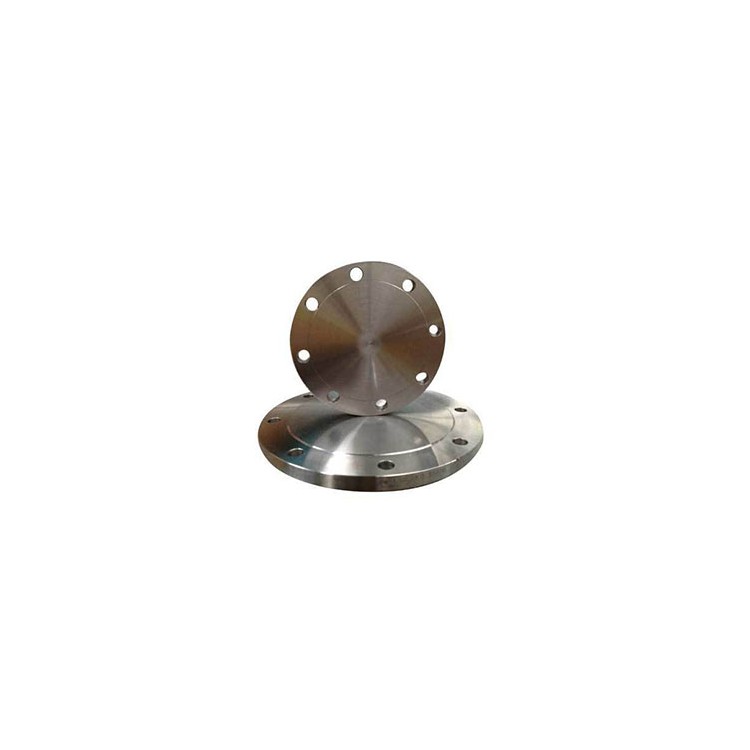
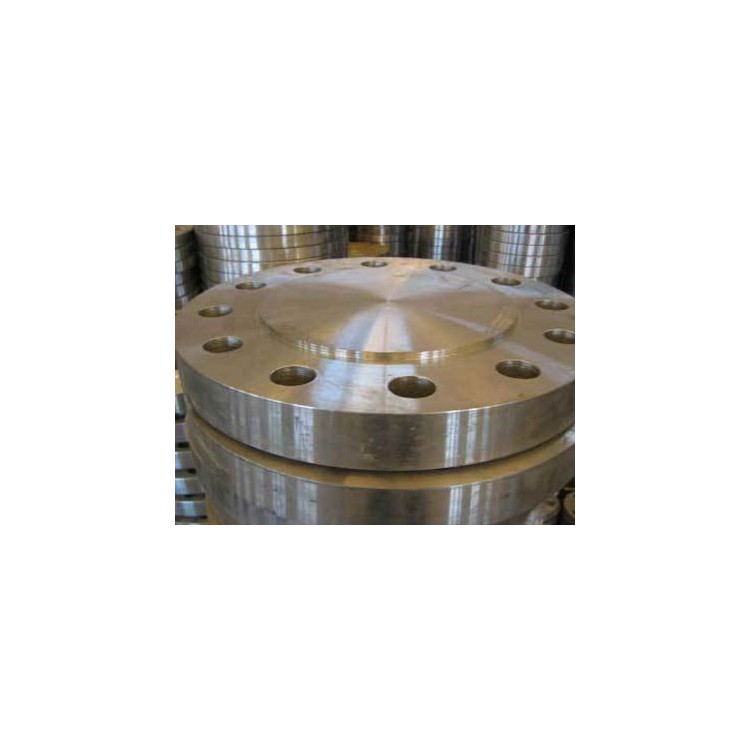
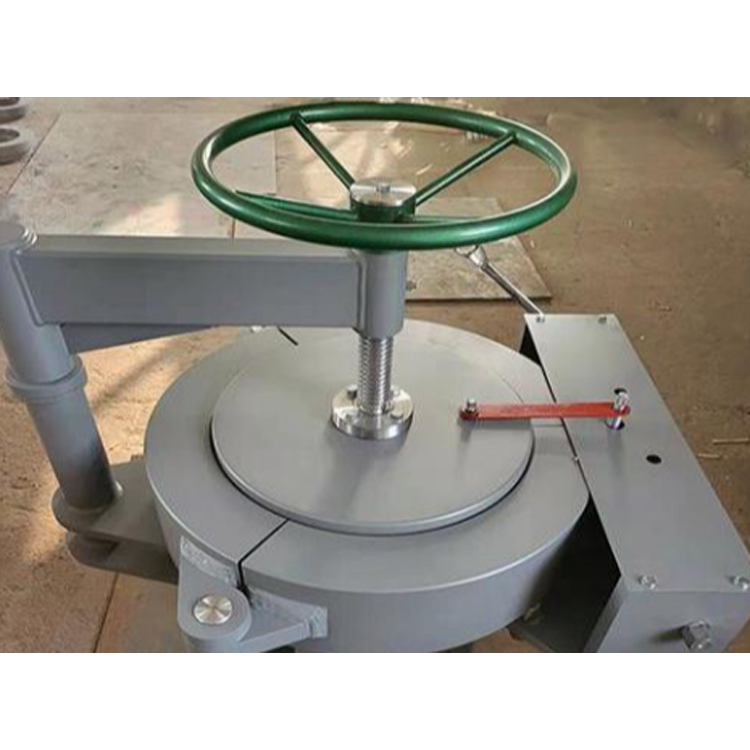
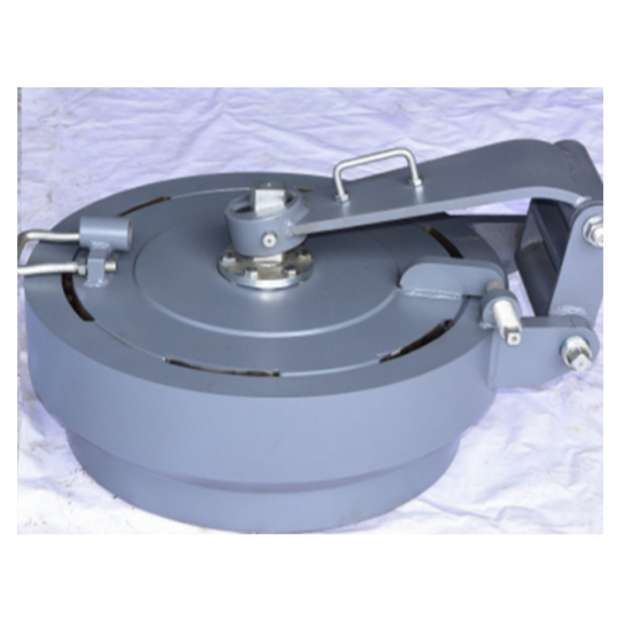
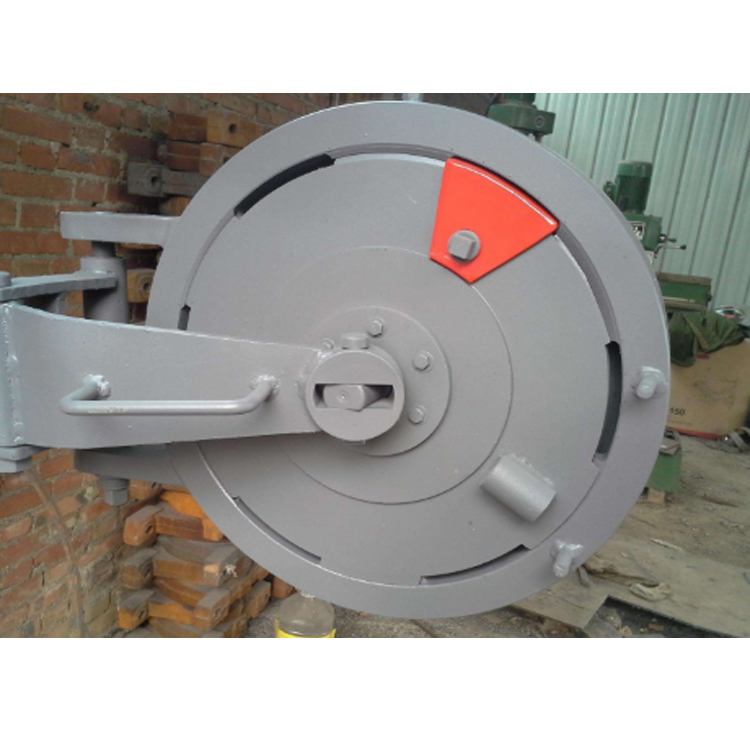
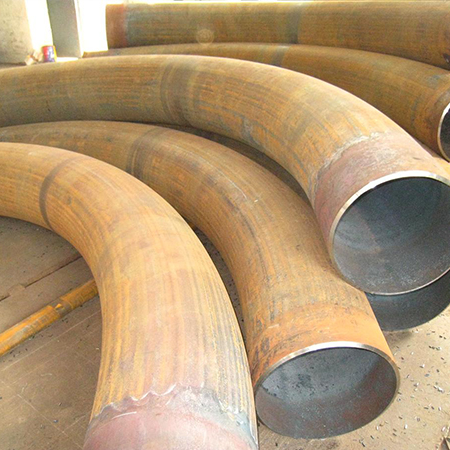
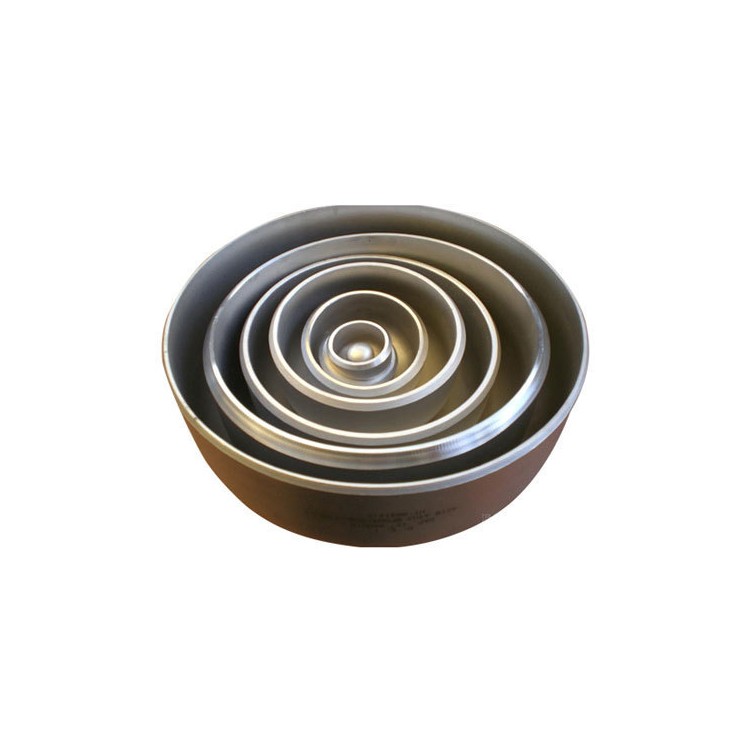
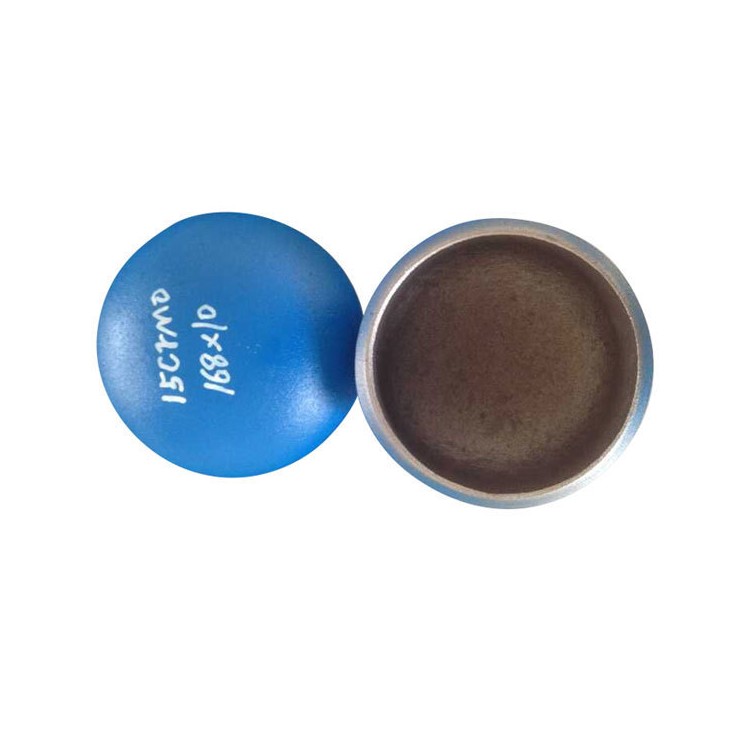
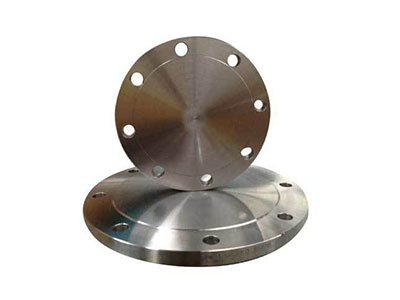
Alloy flange cover blind plate, also known as alloy steel blind plate or flange cover, is also referred to as flange blind plate.
Alloy steel primarily refers to iron and carbon steel with additional alloying elements, other than iron and carbon, which are termed alloy steel. It is an iron-carbon alloy formed by adding one or more alloy elements in appropriate amounts to ordinary carbon steel. Depending on the added elements and the adopted processing techniques, it can achieve special properties such as high strength, high toughness, wear resistance, corrosion resistance, resistance to low and high temperatures, and non-magnetic properties.
Alloy flange caps primarily serve as pipe sealing, similar to the function of a cap end, but they can withstand higher pressure and are also removable. The sealing surfaces come in various forms, ensuring complete sealing.
Features of Alloy Flange Blind Plate
The flange cover can withstand higher pressure ratings than the blank end. The blank end is not removable as it is for welding, whereas the flange cover is removable, and it also features a variety of sealing surfaces.
Blind flanges serve the same isolation and cutoff functions as caps, pipe caps, and welding plugs; due to their excellent sealing properties, they are generally used as reliable isolation means for systems requiring complete isolation.
The primary alloy elements in alloy flange covers include silicon, manganese, chromium, nickel, molybdenum, tungsten, vanadium, titanium, niobium, zirconium, cobalt, aluminum, copper, boron, and rare earth elements.
Vanadium, titanium, niobium, zirconium, and others are strong carbide-forming elements in steel. With sufficient carbon and under appropriate conditions, they can form their respective carbides. When carbon is deficient or under high-temperature conditions, they enter the solid solution in atomic form. Manganese, chromium, tungsten, and molybdenum are also carbide-forming elements; some enter the solid solution in atomic form, while others form置换式合金渗碳体. Aluminum, copper, nickel, cobalt, silicon, and others are non-carbide-forming elements, generally existing in the solid solution in atomic form.
Model and Specification
DN15-DN2000
Pressure Grade
PN2.5;PN6;PN10;PN16;PN25;PN40;PN63;PN100;PN160;
Sealing Surface Type
Rough Face (RF), Full Flat (FF), Measured Face with Micro Finish (MFM), Flat with Micro Finish (FM), Raised Face (M), Tongue and Groove (TG)
Alloy Flange Cover Blind Plate Material
ASTM A182 F1、 F5a、 F9、 F11、 F12、 F22、 F91、A182F12、A182F11、16MnR、Cr5Mo、12Cr1MoV、15CrMo、12Cr2Mo1、A335P22、St45.8/Ⅲ;
Standard of Execution
Steel pipe flange cover: GB/T 9123-2010
Marine Blind Flange for Ship Use: GB/T4450-1995
Chemical Industry Standard: HG20592-2009, HG20615-2009, HG20601-97
Mechanical Department Standard: JB/T86.1-94, JB/T86.2-94
Electricity Industry Standard: D-GD86-0513
Connection Type
Install flange gaskets and tighten with bolts on the flange.
Production Process
Generally, there are four types: forging, casting, medium plate cutting, and casting. Forging products are priced higher, followed by medium plate, then casting, which is the least expensive. In terms of quality, forging and medium plate are superior, while casting is slightly inferior.
Advantages and Disadvantages of Alloy Flanged Blind Plate
Advantages: Offer superior sealing performance compared to flanged or pipe caps, and are all bolted for easy disassembly. The diverse sealing surfaces, combined with the corresponding gaskets, provide perfect pipe sealing.
Drawback: The price for the flanged cap for the dome head pipe is higher.
Procurement Suggestions
1: Suggest purchasing from a reputable flange manufacturer, which should have a certain scale of production.
2: manufacturers of flange covers and blind flanges must provide material test reports and related documents.
3: The blind flange cover must have corresponding specification and model embossed marks and identification.