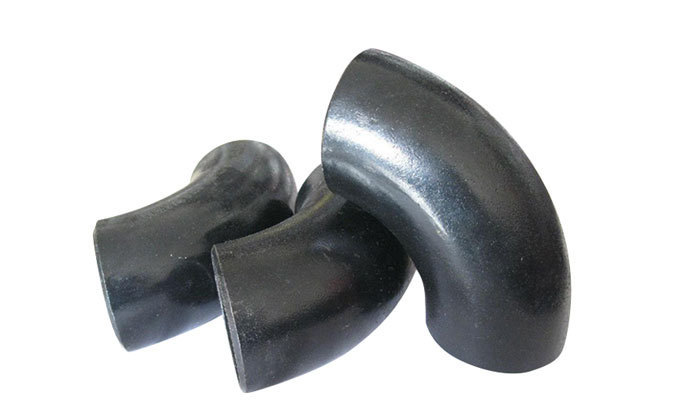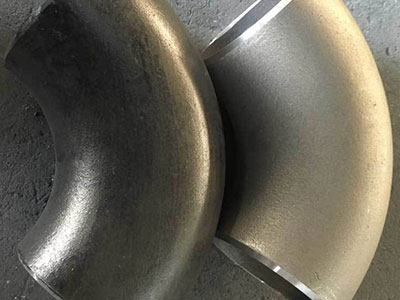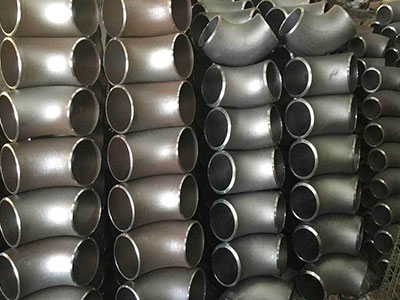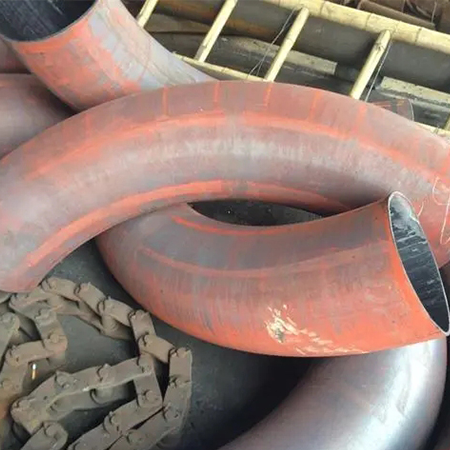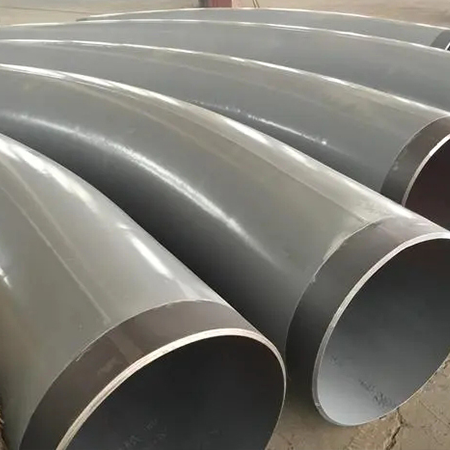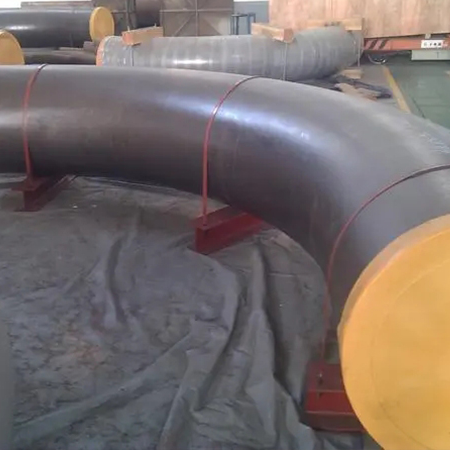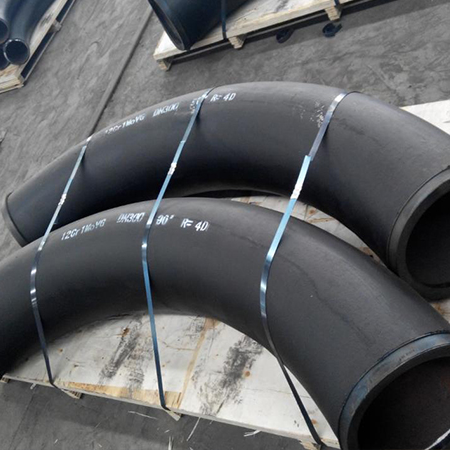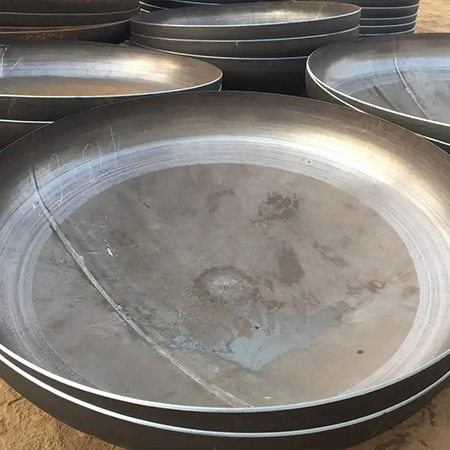








Introduction to Welded Elbows
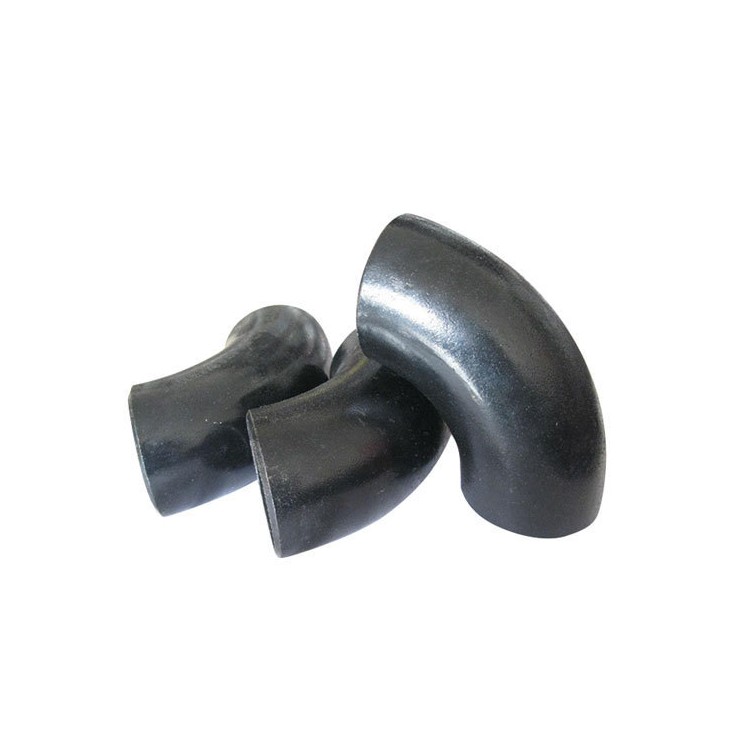
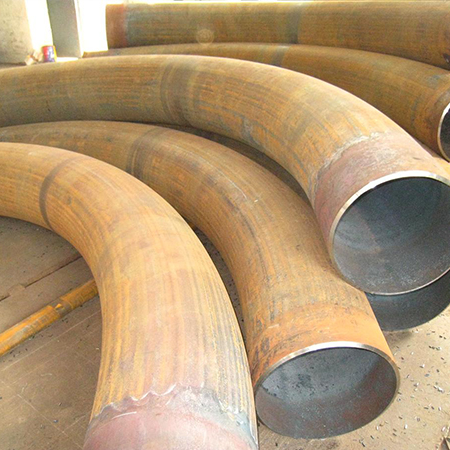
Welded elbow alias: Pressed elbow, Seamless elbow, Steel elbow, Forged elbow, Weld neck elbow, etc., different regions have different names, all belonging to the elbow series.
Welded elbows are metal pipe fittings used to change the direction of pipeline on pipes.
Application: Connects two pipes, allowing the pipes to change direction at 45-degree, 180-degree, 90-degree angles, or other angles.
Manufacturing Standards: National Standard, American Standard, Japanese Standard, German Standard, Russian Standard;

Variety Classification
Welded elbow curvature radius classification: They can be divided into long-radius elbows and short-radius elbows; a long-radius elbow refers to an elbow where the curvature radius is equal to 1.5 times the pipe outer diameter, i.e., R=1.5D; a short-radius elbow refers to an elbow where the curvature radius is equal to the pipe outer diameter, i.e., R=1.0D; (D represents the elbow diameter, and R represents the curvature radius; D can also be expressed as a multiple.)
Welded elbows are categorized by angle: The most commonly used types include 45-degree elbows, 90-degree elbows, and 180-degree elbows. Additionally, other non-standard angle elbows, such as 60-degree elbows, are available according to engineering requirements.
Welded elbows are categorized by material: carbon steel elbows, stainless steel elbows, alloy steel elbows, etc.
Welded elbows are categorized by pressure ratings: approximately seventeen types, which are the same as the American pipe standards and include: Sch5s, Sch10s, Sch10, Sch20, Sch30, Sch40s, STD, Sch40, Sch60, Sch80s, XS; Sch80, Sch100, Sch120, Sch140, Sch160, XXS. Among them, STD and XS are the most commonly used.
Production Process
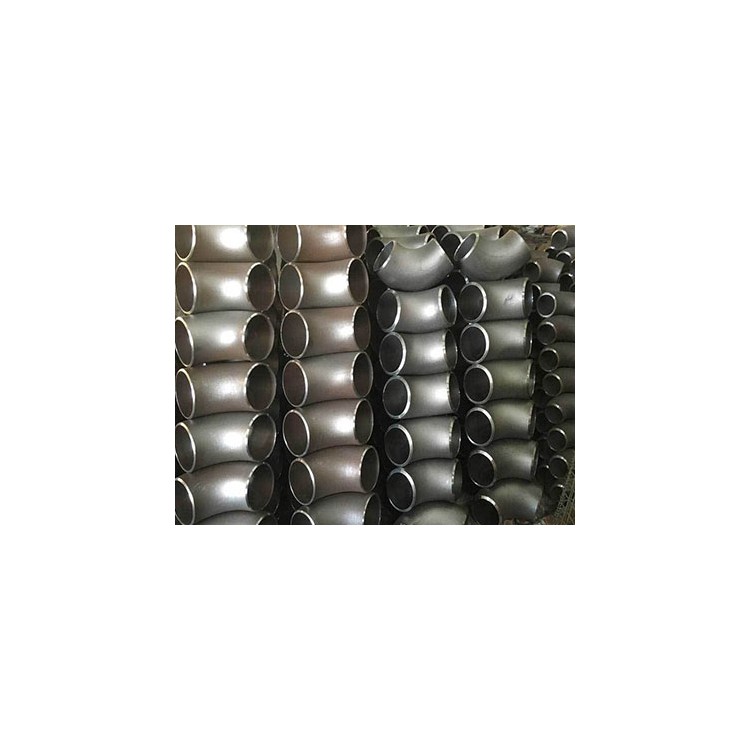
Welded elbows can be roughly categorized into: hot-formed, stamped, and mid-plate welded.
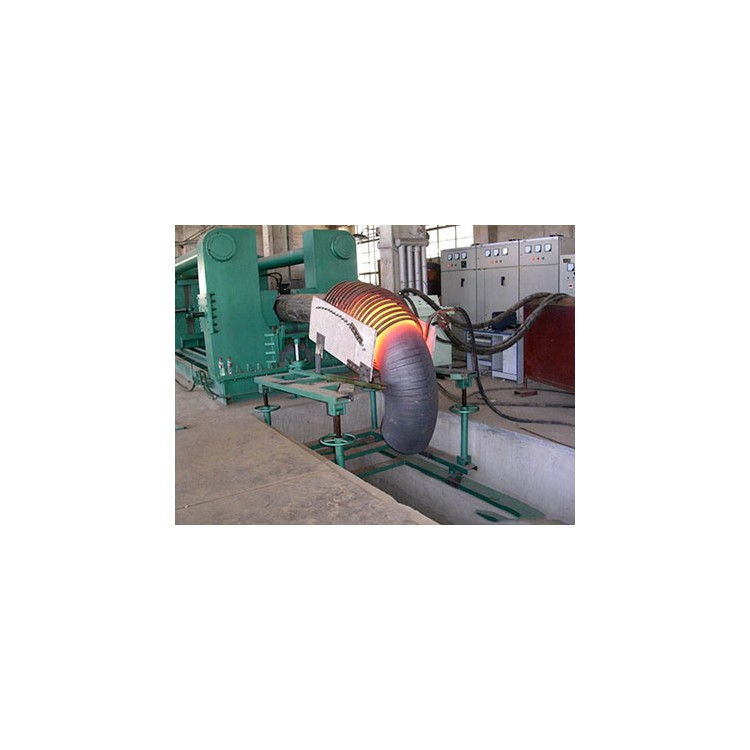
The hot-push elbow forming process boasts attractive appearance, uniform wall thickness, and continuous operation, making it suitable for mass production. Consequently, it has become the primary forming method for carbon steel and alloy steel elbows, and is also used in the forming of certain specifications of stainless steel elbows.
Bending formed elbows were one of the earliest forming processes used for mass production of seamless elbows, but have been replaced by hot pushing or other forming methods for commonly used sizes. However, they are still used for certain sizes where production quantities are low, wall thickness is excessively thick or thin.
A half-section of the elbow profile is formed using a medium plate and a press brake, and then the two sections are welded together; this process is generally used for the production of large-diameter socket weld elbows with DN700 and above.
Application Areas
Welded elbows, due to their excellent comprehensive properties, are widely used in basic engineering such as chemicals, construction, water supply, drainage, petroleum, heavy and light industries, refrigeration, hygiene, plumbing, fire protection, power, aerospace, shipbuilding, and more.
Procurement Recommendations
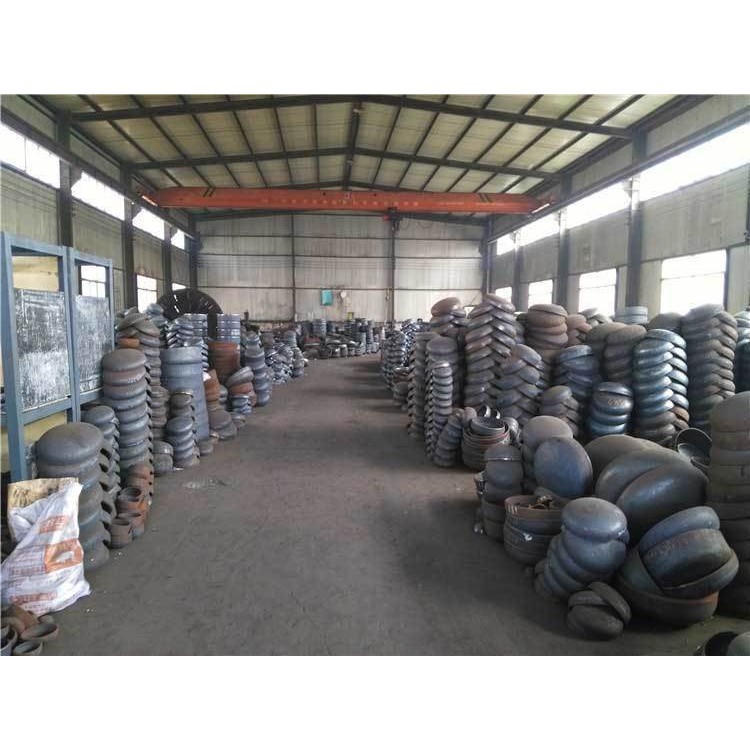
1: Recommend purchasing from a reputable elbow manufacturer with a certain production scale.
2: manufacturers of elbows need to provide material test reports and other relevant documents for elbows.
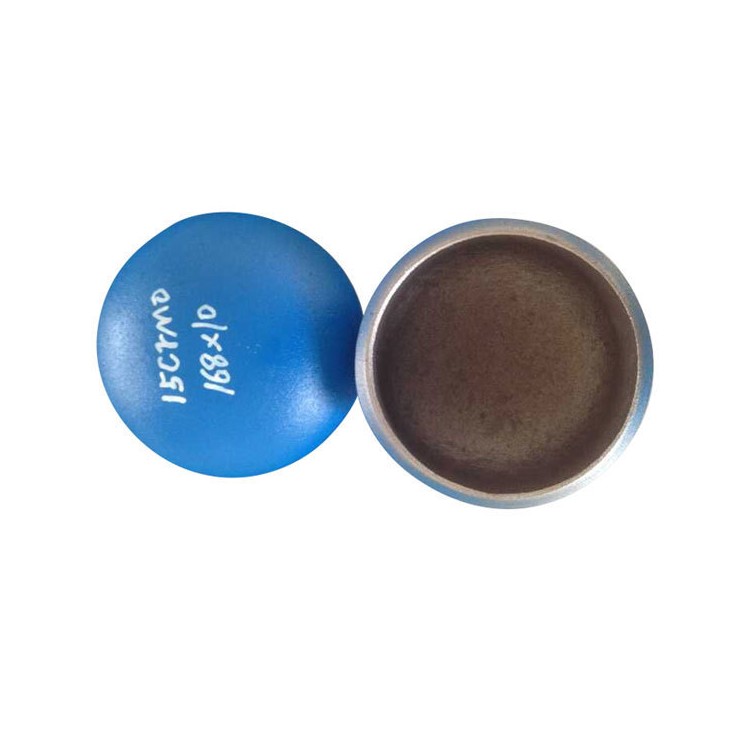
3: Elbows must have corresponding specification and model embossed and marked.