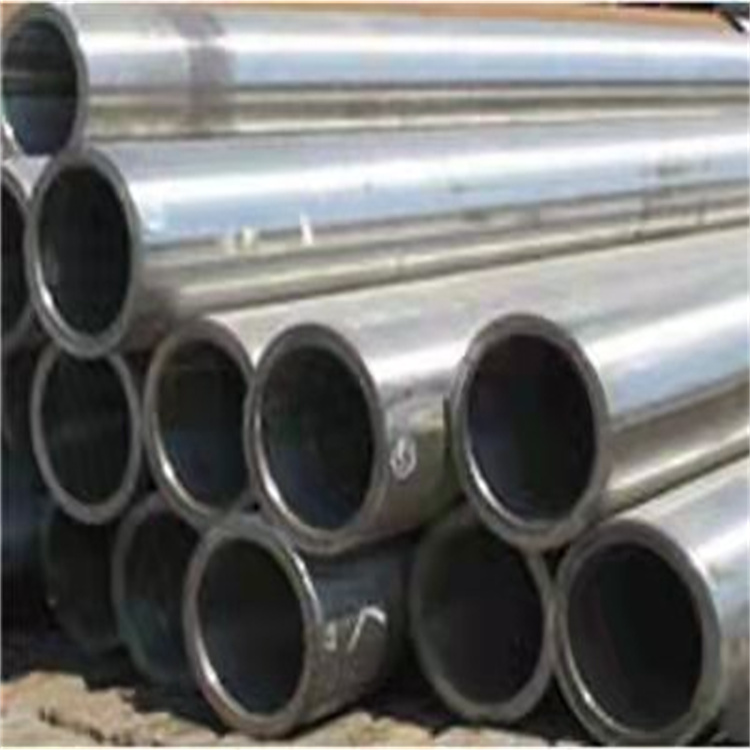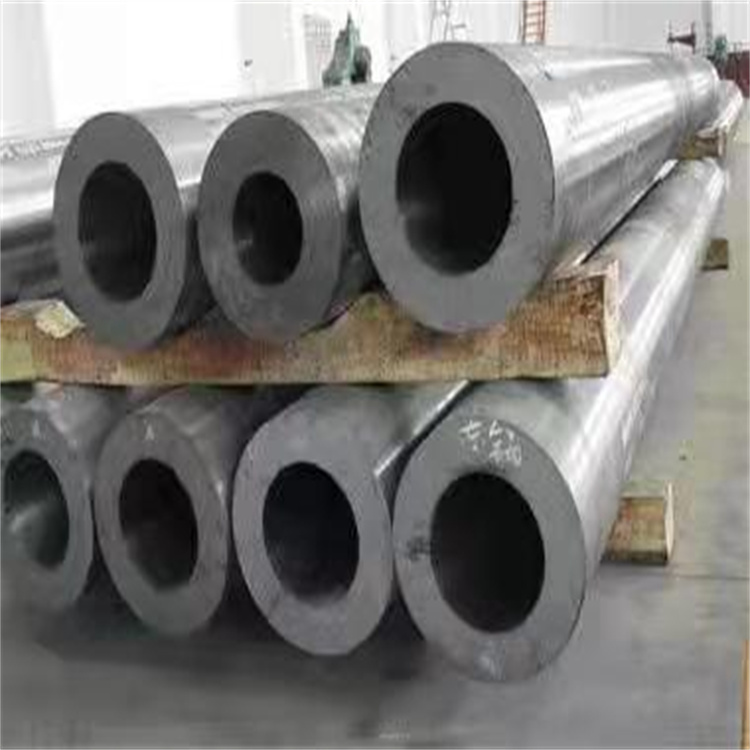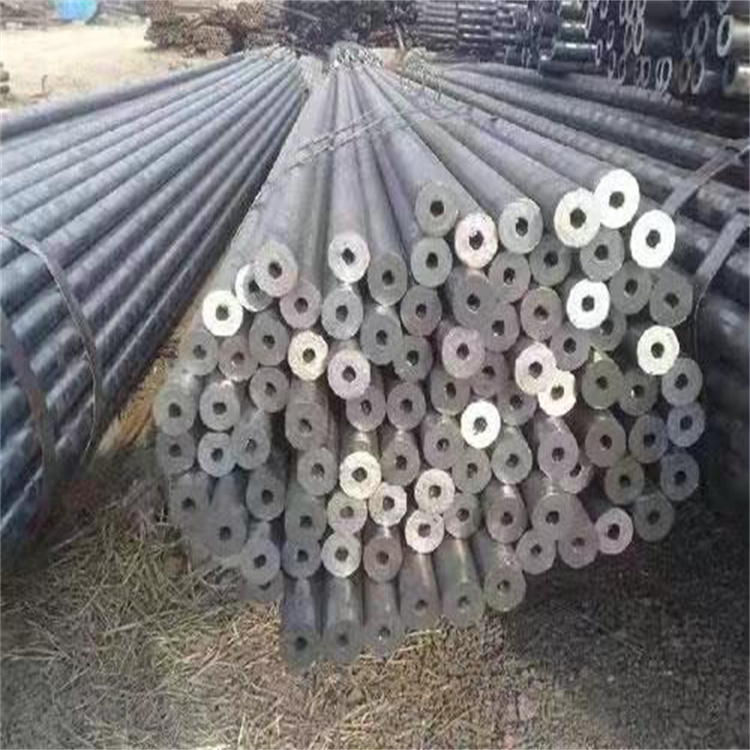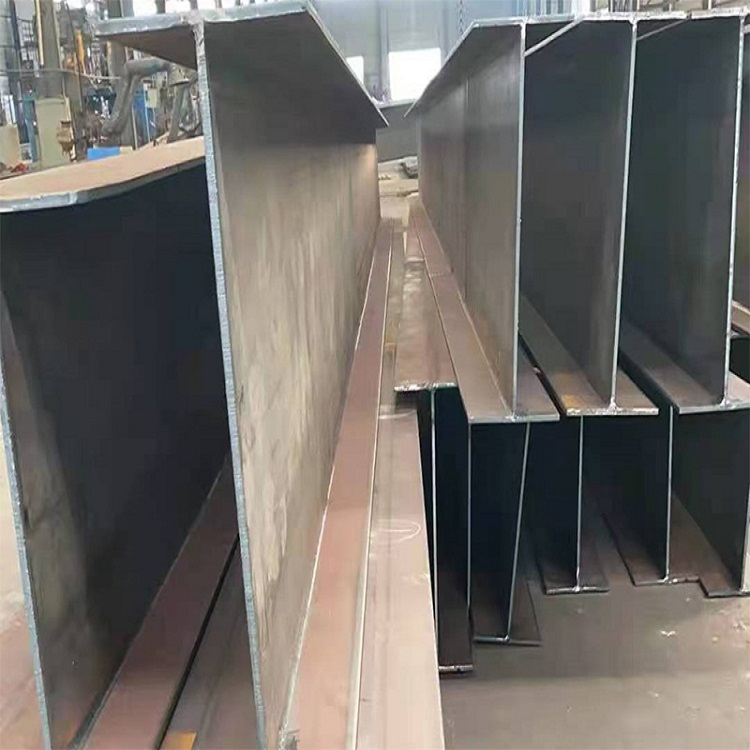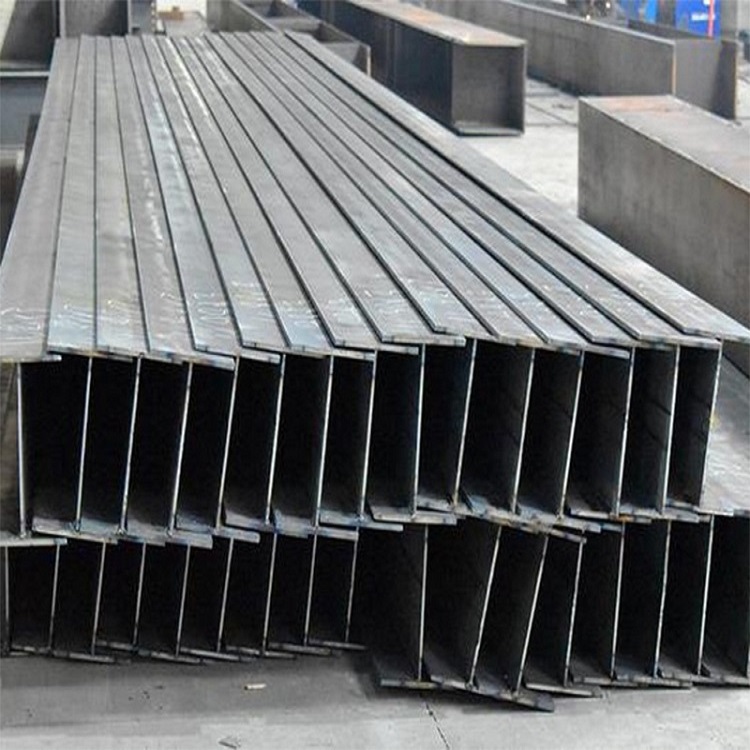

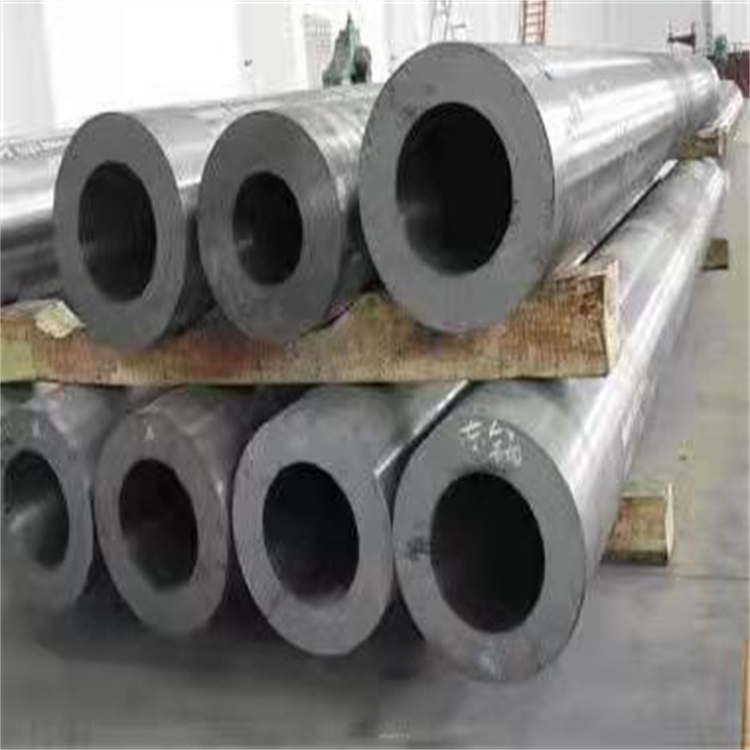
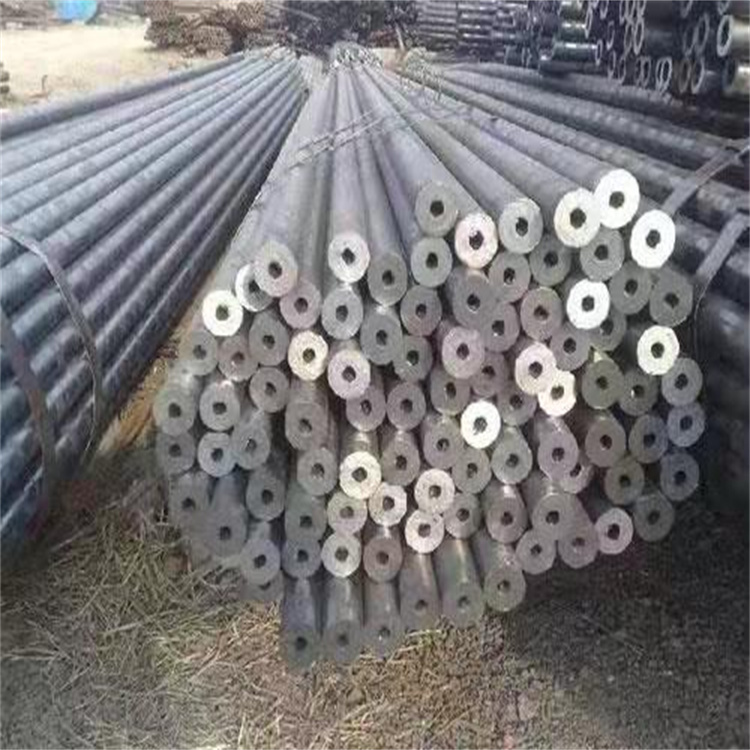













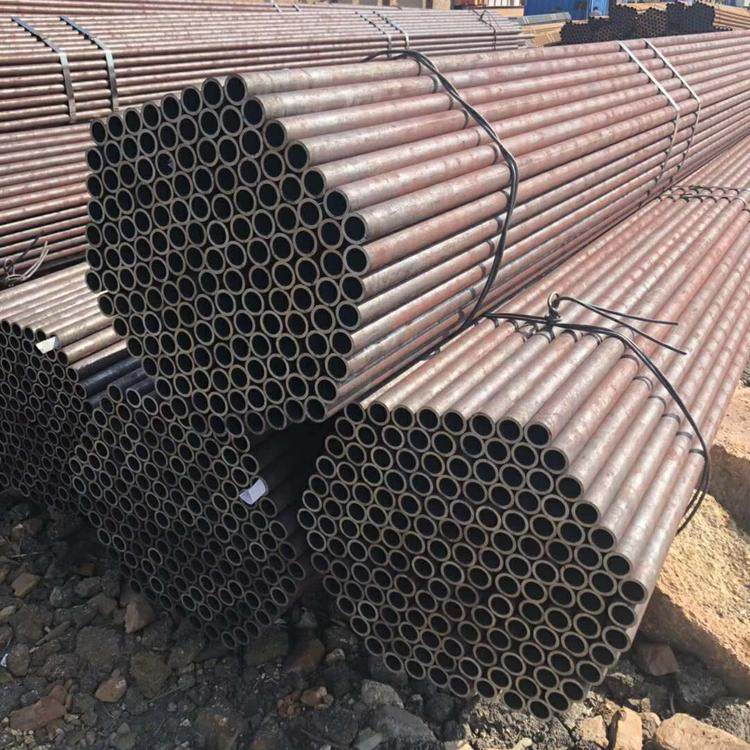
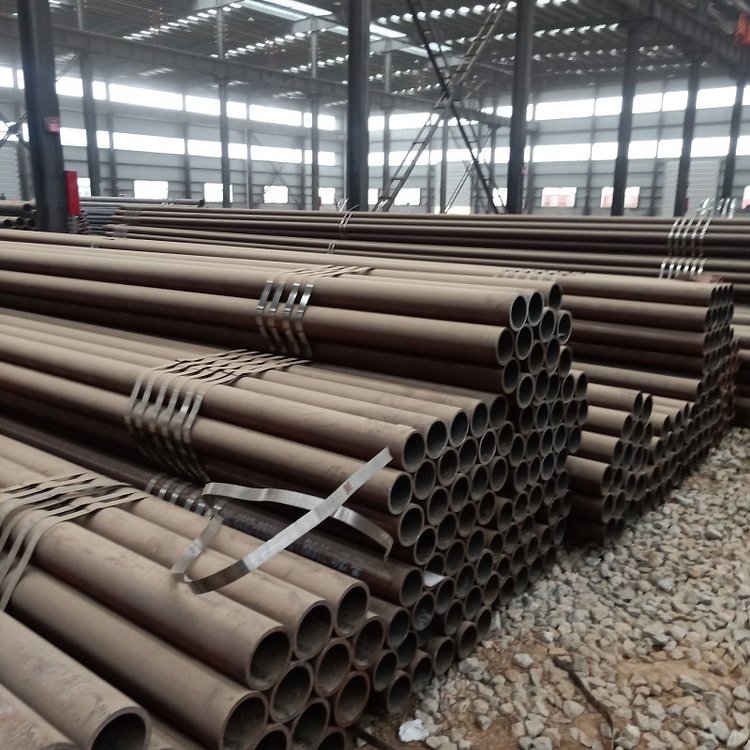
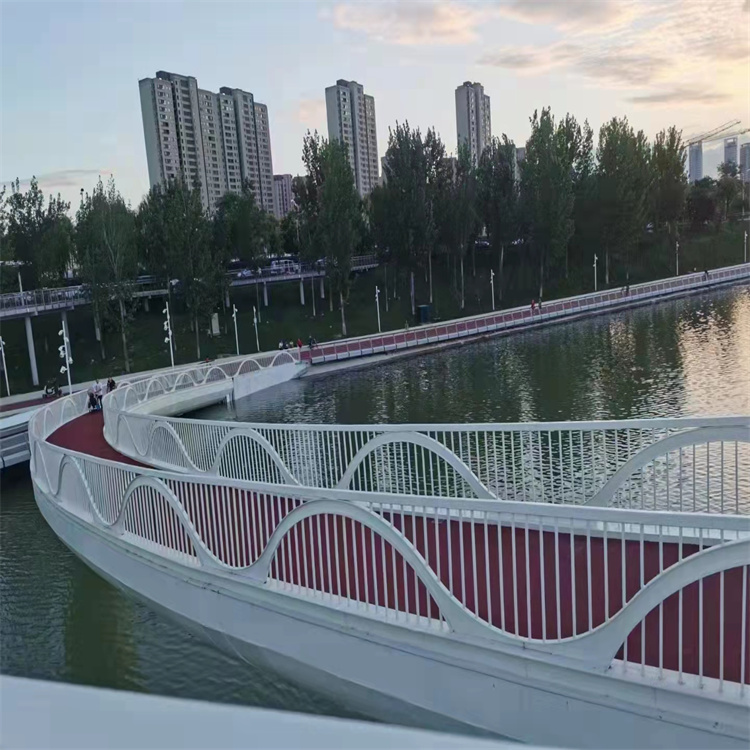
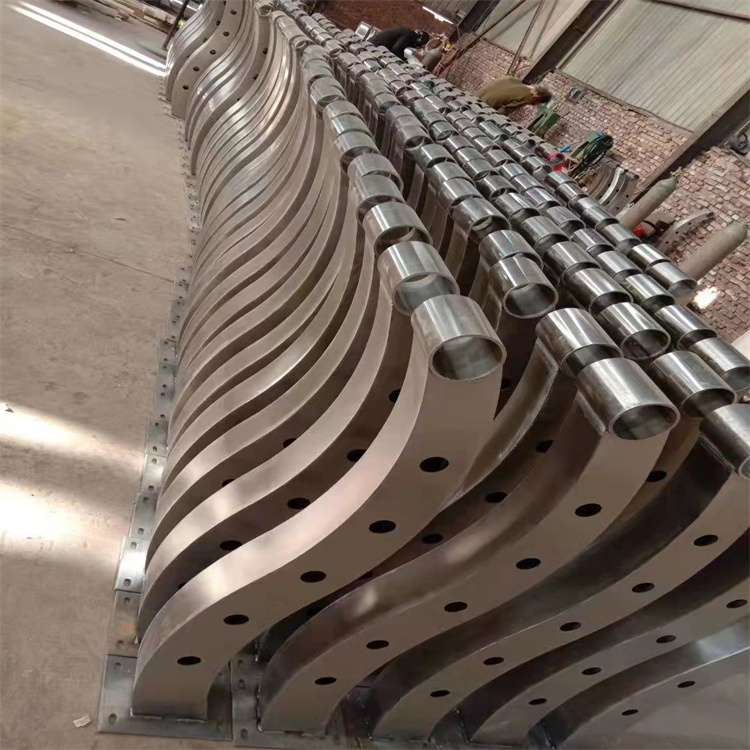
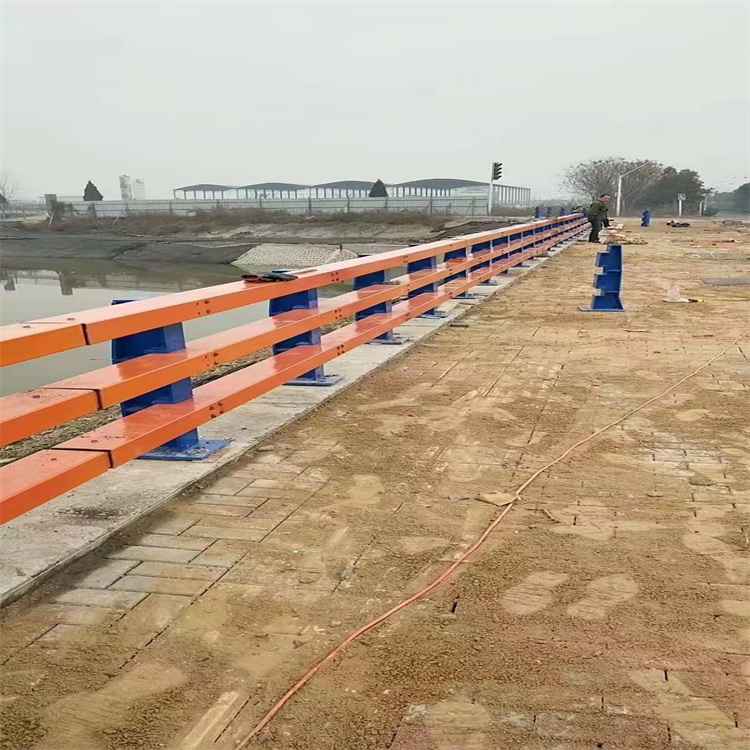

Steel pipes have hollow sections with lengths much greater than their diameters or circumferences. They are categorized by cross-sectional shapes into round, square, rectangular, and special-shaped steel pipes; by material into carbon structural steel pipes, low-alloy structural steel pipes, alloy steel pipes, and composite steel pipes; and by application into transmission pipes, engineering structural pipes, thermal equipment pipes, petrochemical industry pipes, mechanical manufacturing pipes, geological drilling pipes, high-pressure equipment pipes, etc. Steel pipe manufacturers are divided into seamless and welded pipes, with seamless pipes further divided into hot-rolled and cold-rolled (drawn) types, and welded pipes into straight seam and spiral seam types. Steel pipes are used not only for conveying fluids and powdered solids, exchanging thermal energy, manufacturing mechanical parts and vessels but also as an economical steel product. Using steel pipes to manufacture building structure frameworks, pillars, and mechanical supports can reduce weight by 20-40% of the metal, and allow for factory and mechanized construction. Manufacturing highway bridges with steel pipes not only saves steel and simplifies construction but also significantly reduces the area of protective coating, saving investment and maintenance costs. Steel pipe manufacturers are divided into two major categories: seamless and welded pipes, with welded pipes also known as straight seam pipes. 1. Steel pipe manufacturers can be categorized by production method into hot-rolled seamless pipes, cold-drawn pipes, precision steel pipes, hot-expanded pipes, cold-rolled pipes, and extruded pipes. Seamless pipes are made of carbon steel or alloy steel, with hot-rolled and cold-rolled (drawn) variations. 2. Welded pipes are divided into furnace-welded, electric-welded (resistance-welded) pipes, and automatic arc-welded pipes due to different welding processes, and into straight seam and spiral seam pipes due to different welding forms, and into round and special-shaped (square, flat, etc.) pipes due to different end shapes. Welded pipes are formed by bending steel plates into pipe shapes and welding the seams. Due to different shaping and welding methods, various methods of producing welded pipes are formed. Seamless pipes are used in liquid and gas pressure pipelines in various industries. Welded pipes are used in water pipelines, gas pipelines, heating pipelines, electrical pipelines, etc. Steel pipes are divided into seamless and welded pipes. In the production process, steel pipe manufacturers pierce solid billets or ingots into hollow blanks and then roll them into steel pipes of the required dimensions. Different piercing and rolling methods result in different methods of producing seamless steel pipes. The production process of welded steel pipes involves bending billets (steel plates or strips) into pipe shapes and then welding the seams to form pipes. Different shaping and welding methods result in different methods of producing welded steel pipes. Steel pipe manufacturers mainly use hot-rolling methods. Extrusion methods are mainly used for producing difficult-to-pierce low plasticity high-alloy steel pipes or special-shaped steel pipes and composite metal pipes. Cold rolling and cold-drawing methods can further process hot-rolled pipes into small-diameter and thin-walled steel pipes. The welding process for steel pipes is simple, with high production efficiency, low cost, and a growing variety of products.