











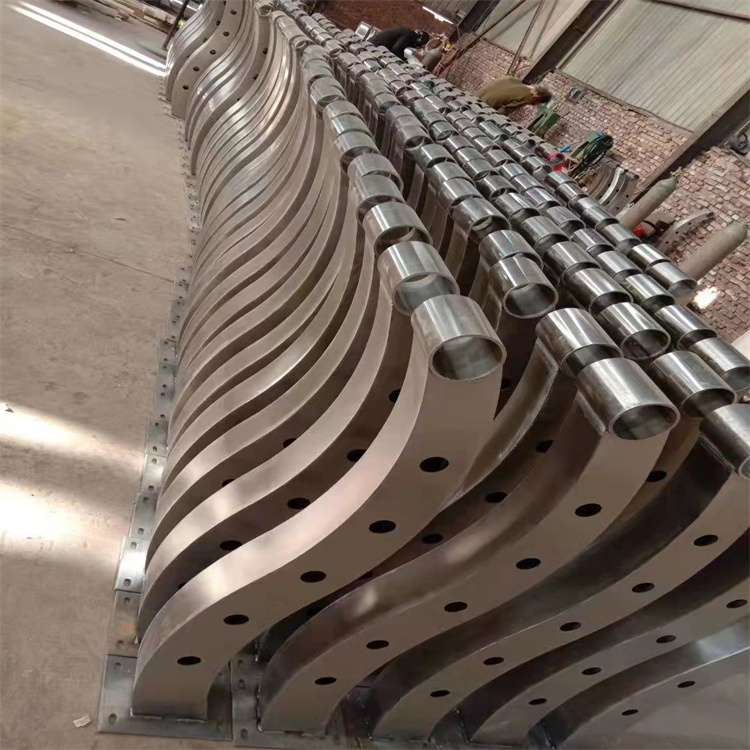
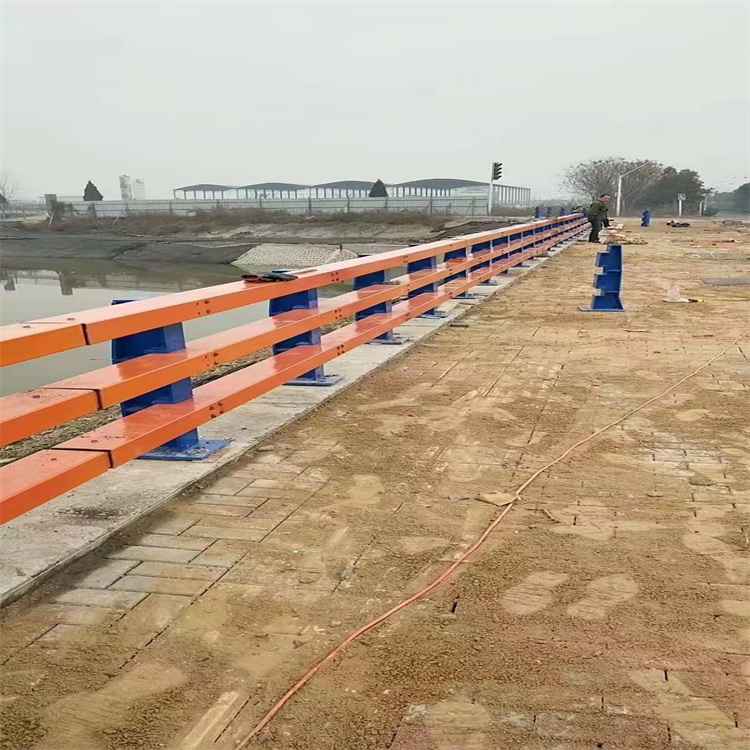
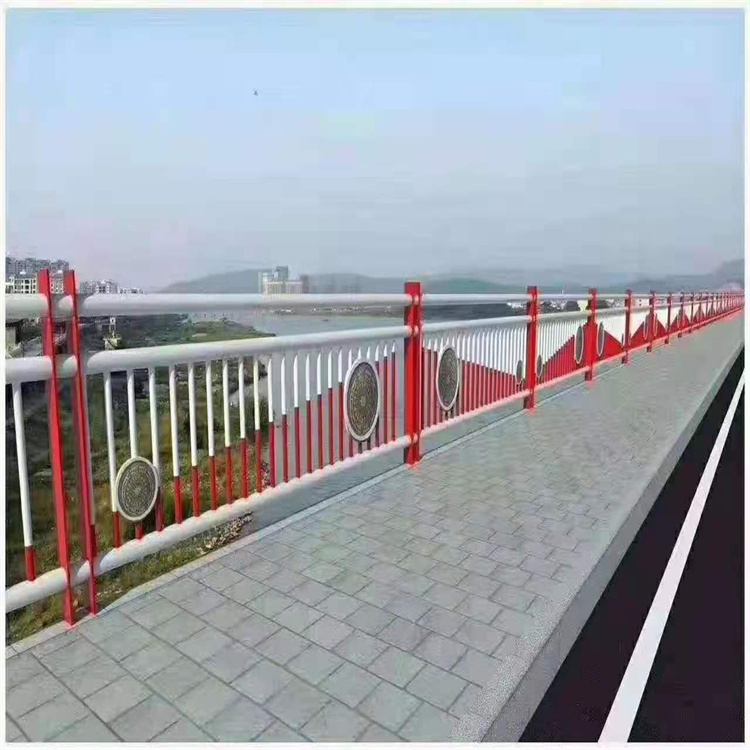
The importance of collision barriers as safety equipment
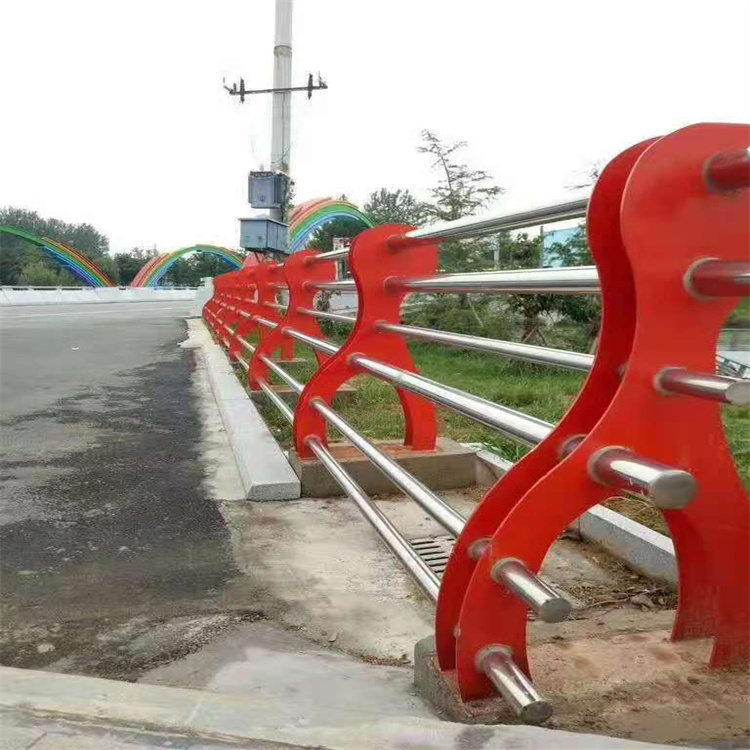
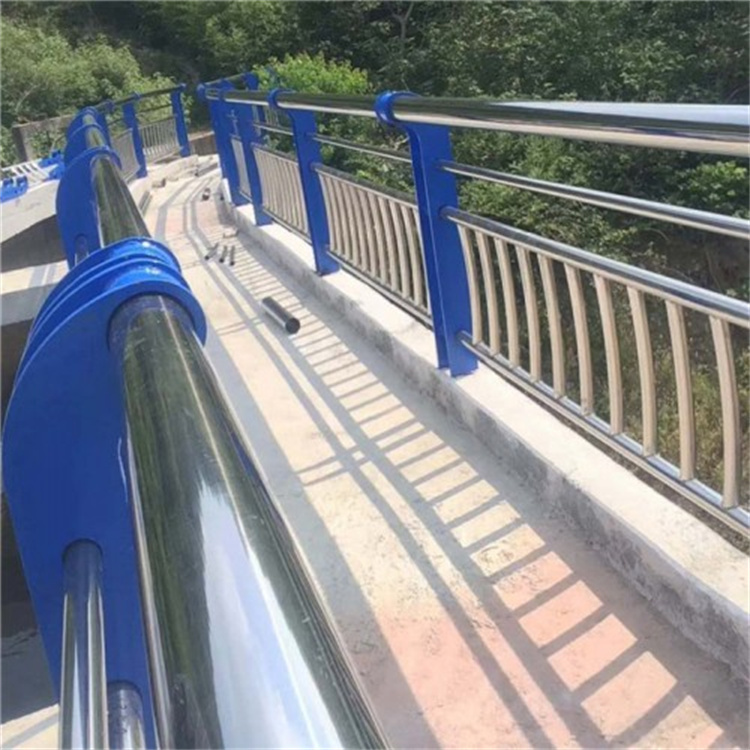
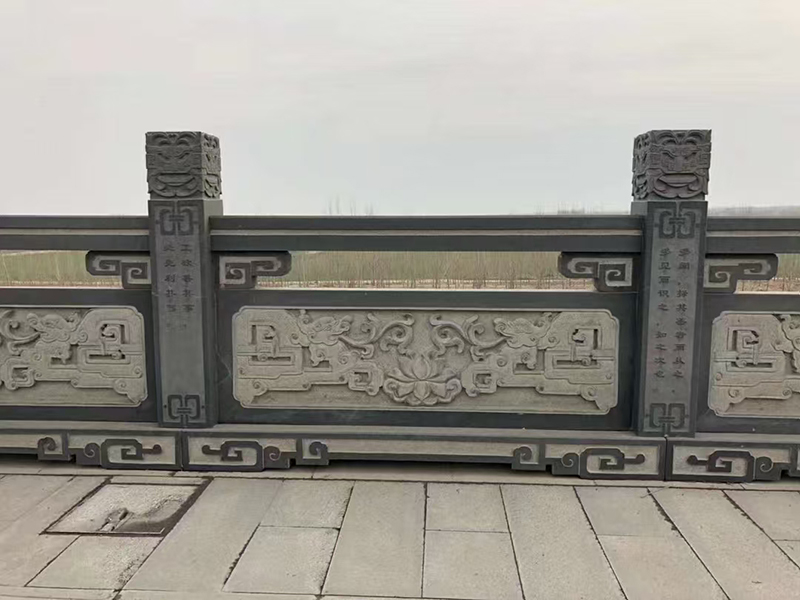
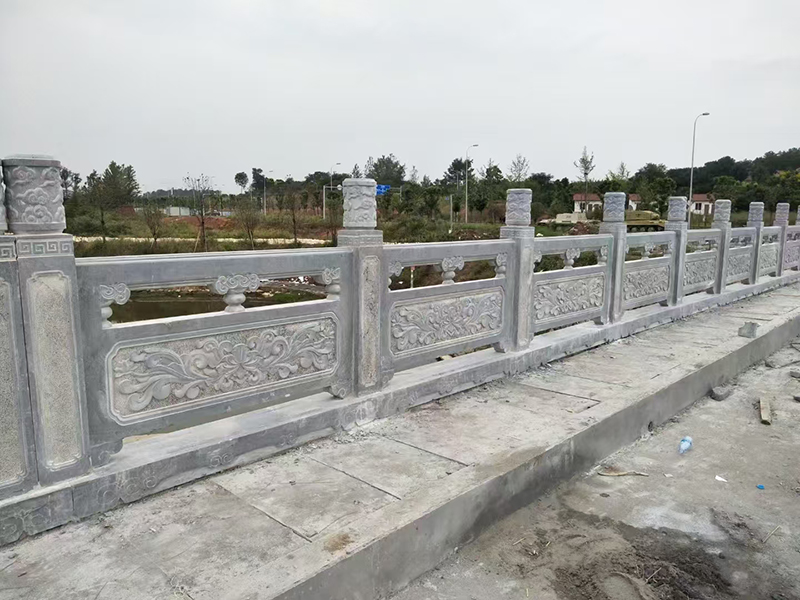
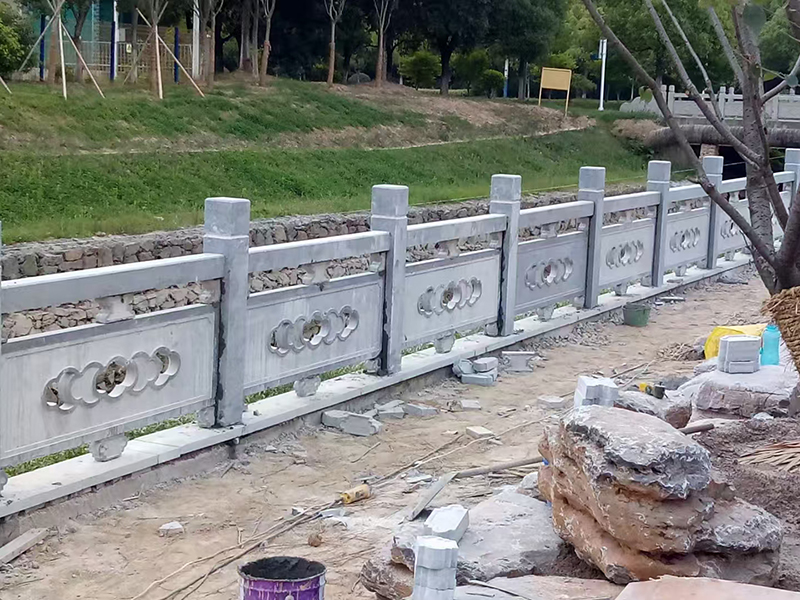
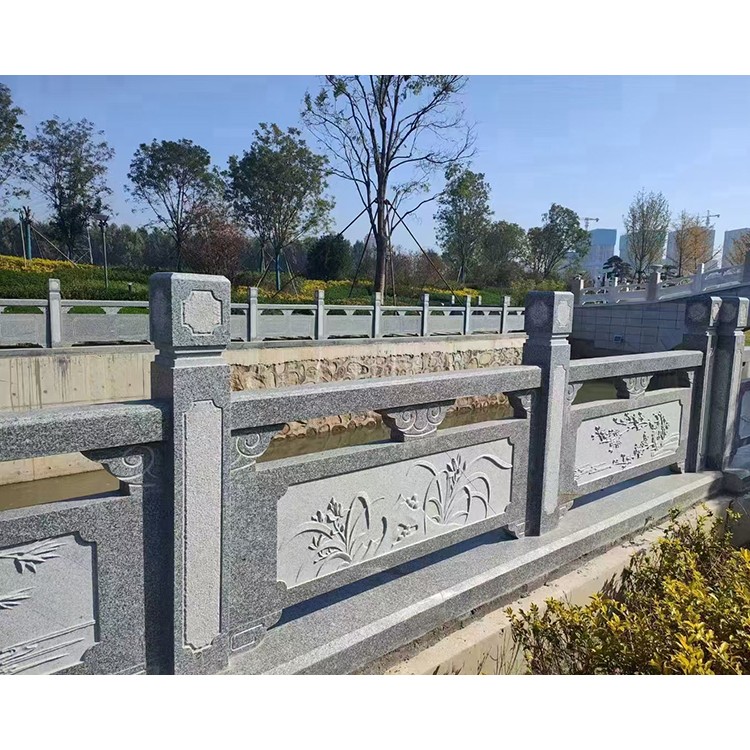
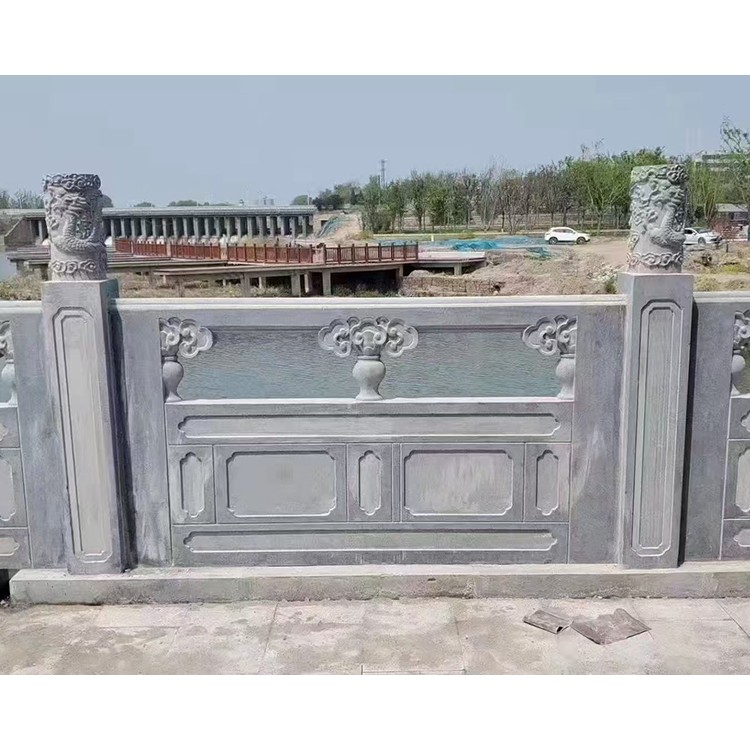
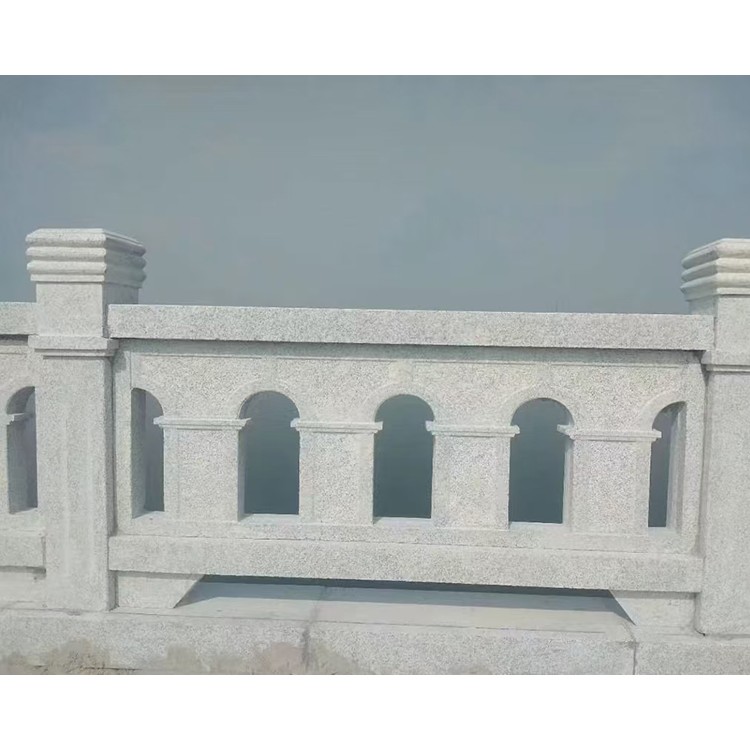
Bridge Barrier's Retaining Function: The bridge barrier can prevent undesirable traffic behaviors,拦阻 pedestrians, bicycles, or motor vehicles attempting to cross the road. It requires the bridge barrier to have a certain height, density (referring to the vertical bars), and strength. 3. Bridge Barrier's Indicator Function: By installing bridge barriers, the bridge's outline becomes simple and clear, indicating to drivers to be aware of the barrier's presence and to pay attention to pedestrians and non-motorized vehicles, thereby preventing traffic accidents. Bridge Barrier's Aesthetic Function: The bridge enhances its appearance through different materials…
Bridge Barrier's Barrier Function: The bridge can prevent undesirable traffic behaviors by means of the rail barrier, including stopping pedestrians, bicycles, or motor vehicles attempting to cross the road. It requires the barrier to have a certain height, density (referring to the vertical bars), and strength. 3. Bridge Barrier's Indicator Function: By installing bridge barriers, the bridge ensures the barrier's outline is simple and clear, alerting drivers to the barrier's presence and to pay attention to pedestrians and non-motorized vehicles, thereby preventing traffic accidents.
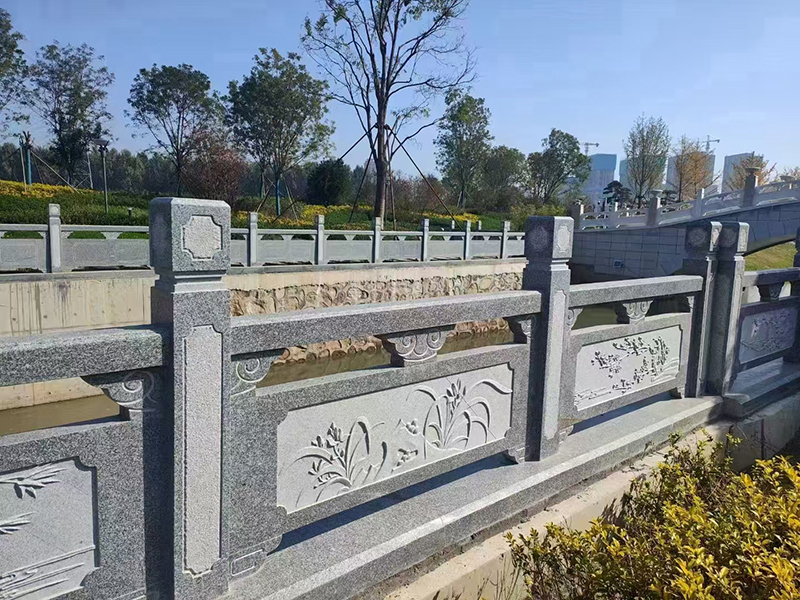
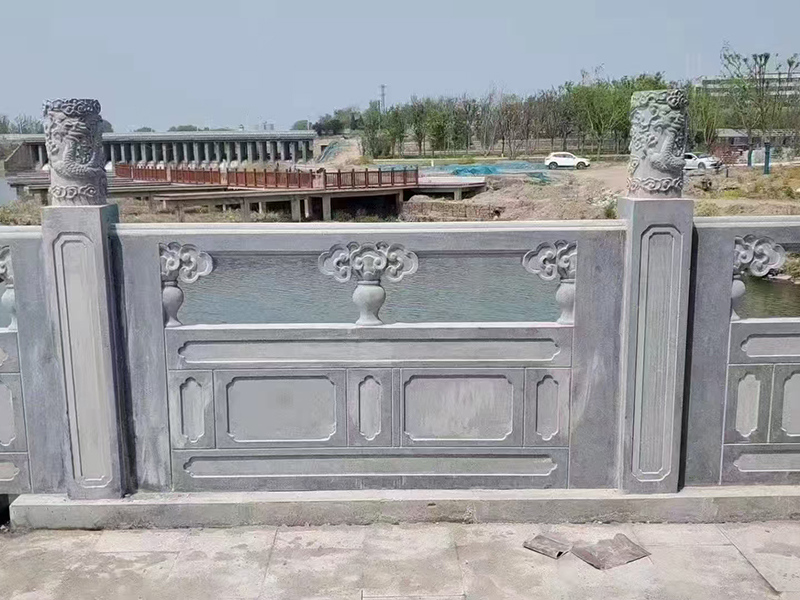
Bridge Rail Aesthetics: By utilizing various materials, forms, designs, and colors for the bridge railings, the bridge achieves harmony and coordination with the road environment, thereby enhancing both the bridge and the surrounding aesthetics. 1. Column anchoring: How to ensure column anchoring? The installer must ensure the verticality of the column during installation and also that the steel plate below the column is flat. The steel plate should be pre-leveled on the bridge shield, with the hole position error controlled to be no more than 15mm. The steel plate of the column is manually TIG-welded to the main reinforcement, ensuring welds and strength meet specifications with no missing welds.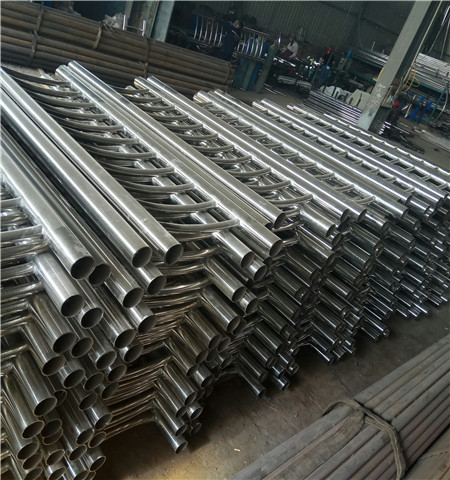
Bridge collision guardrailThe pre-fabricated site should be level, firm, and clean, with drainage measures in place to prevent settlement. Each pre-fabricated piece should be completed in one go without interruption. When casting pre-fabricated pieces, rigid bridge collision barriers should be used. 2. For bridge collision barriers, when concrete is cast using the horizontal overlap method, a temporary isolation layer should be set at the top of the lower components, and the upper components should only be cast after the lower concrete has reached a strength of 5MPa. 3. When casting concrete around hollow slab pipes, measures should be taken to prevent the pipes from shifting, with particular attention to preventing the pipe bodies from floating. The concrete for bridge collision barriers should be cast in two layers.
Bridge Anti-Collision Guardrails: The bottom of the bridge anti-collision guardrails should be poured into the center of the pipe mold and vibrated to settle. Then, the upper layer should be cast as soon as possible when the lower layer concrete has sufficient plasticity. The upper layer concrete should be combined with the lower layer using a vibrator. 4. The T-shaped and I-shaped beams at the bottom of the web should be widened, followed by the inverted web and flange plates. How is the process and installation of bridge guardrails? 1. Casting of bridge guardrail base material: The molding of posts, crossbeams, guardrail panels, and post caps, all materials are executed according to the provisions of TB10210, and the mixture must be well blended.