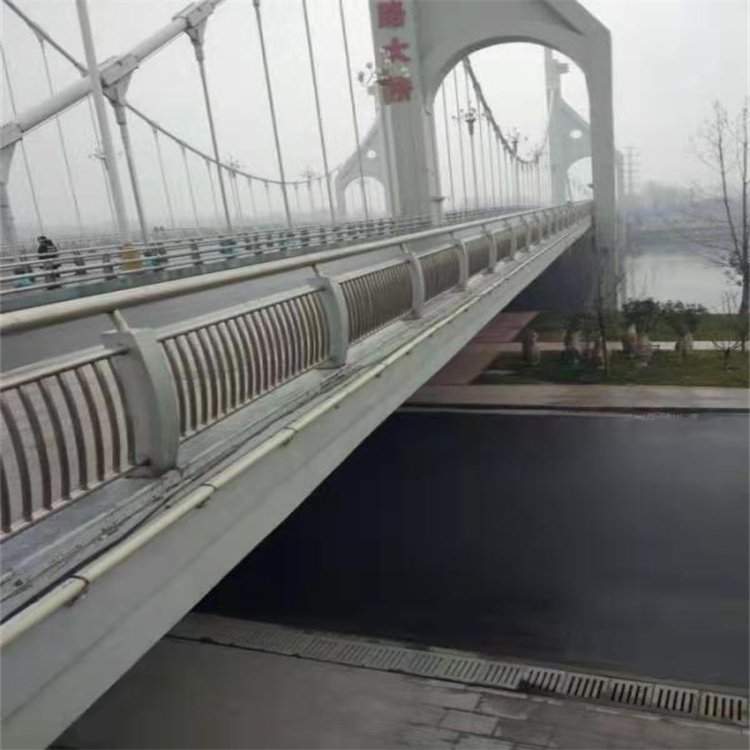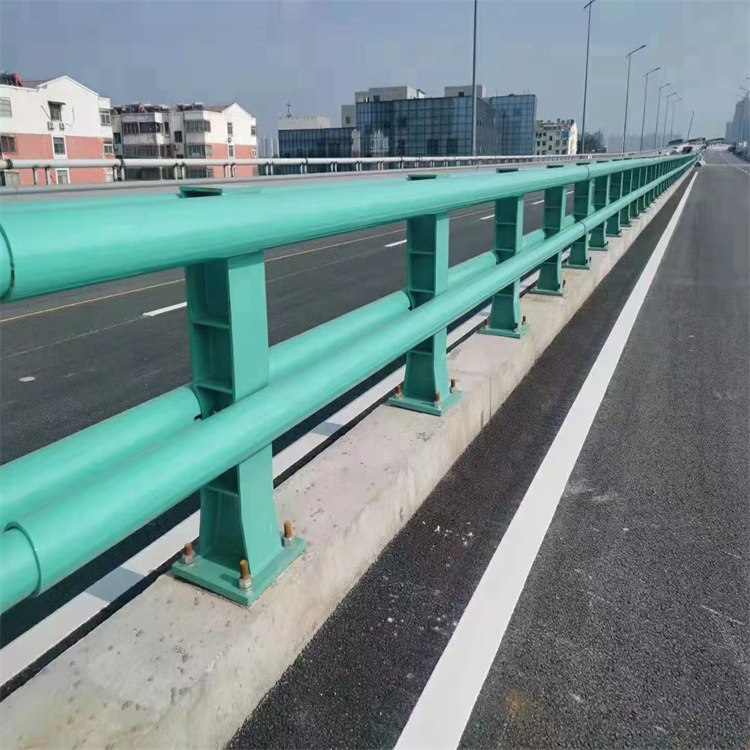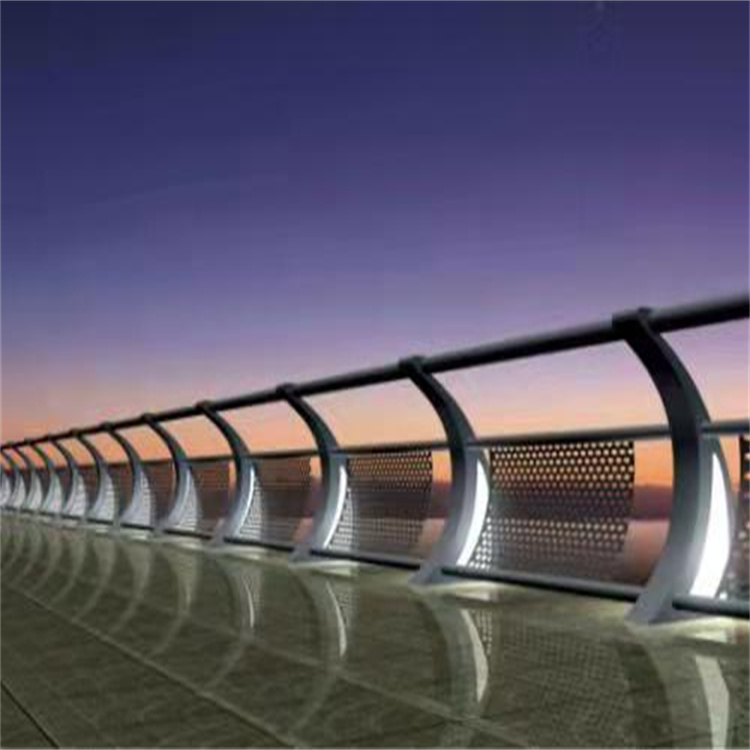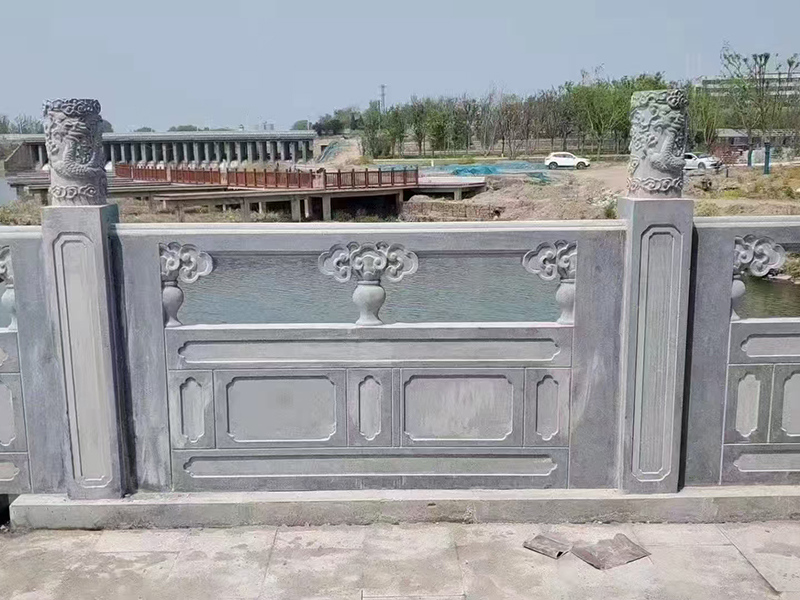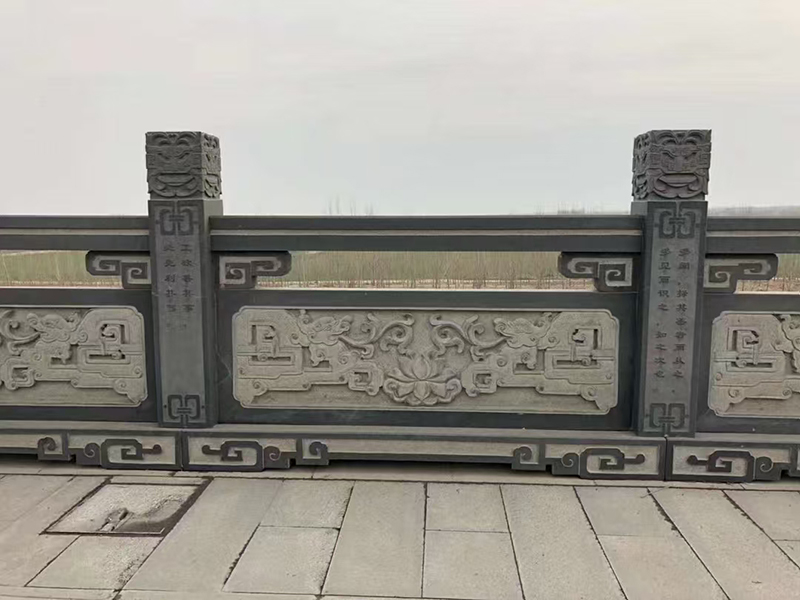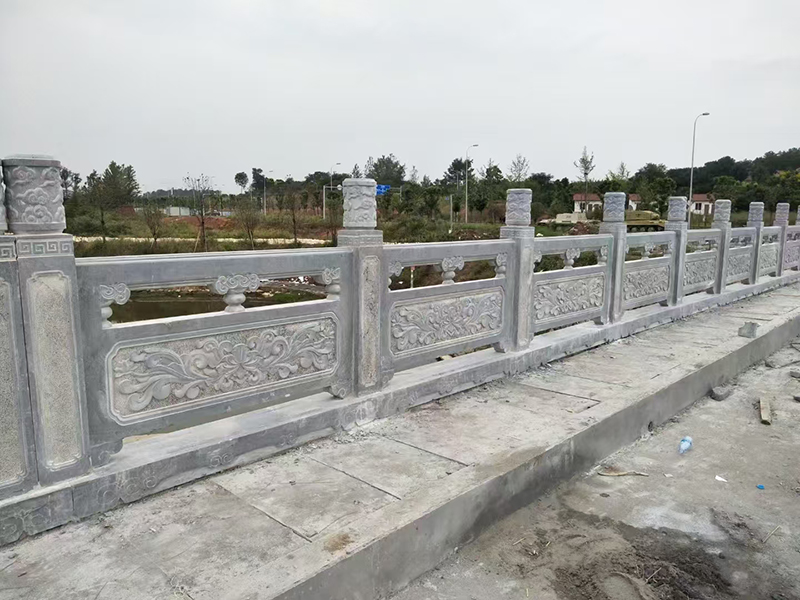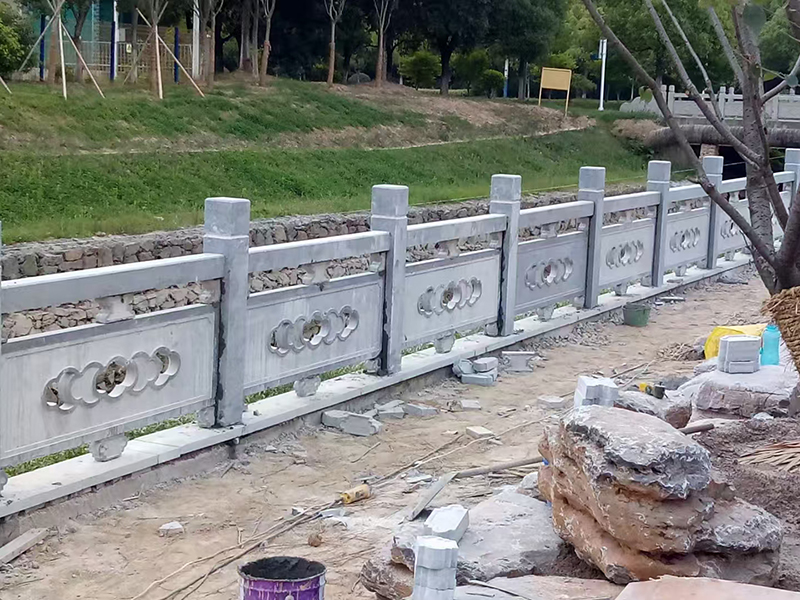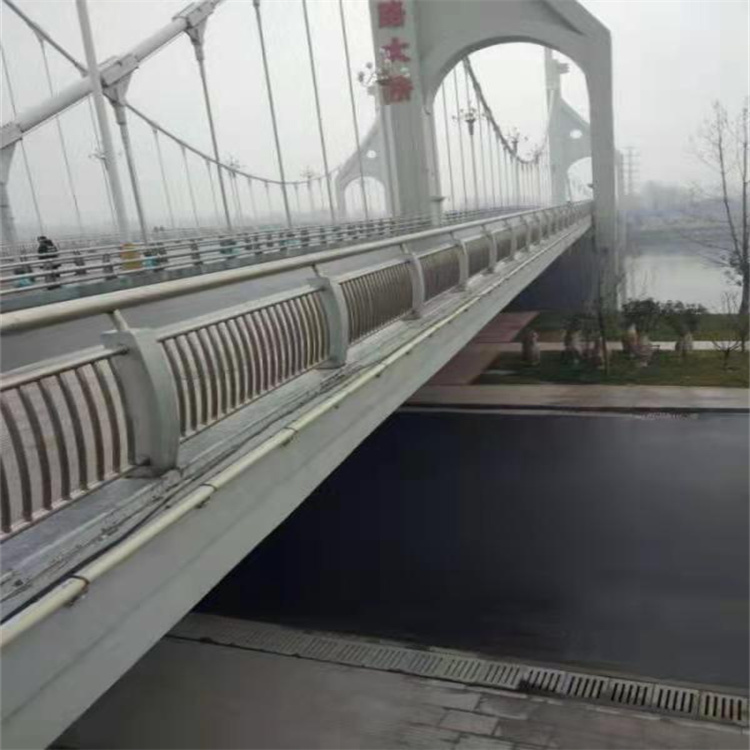

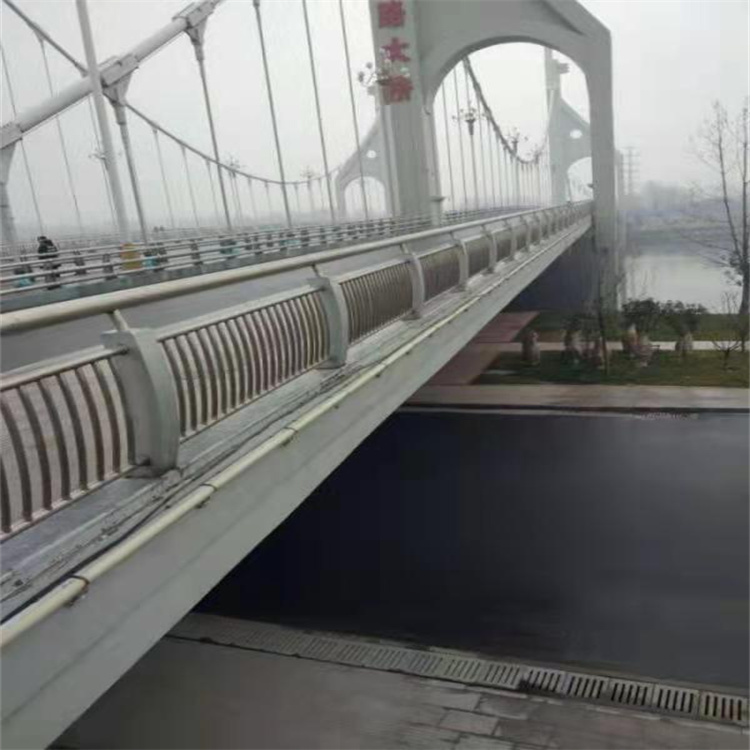
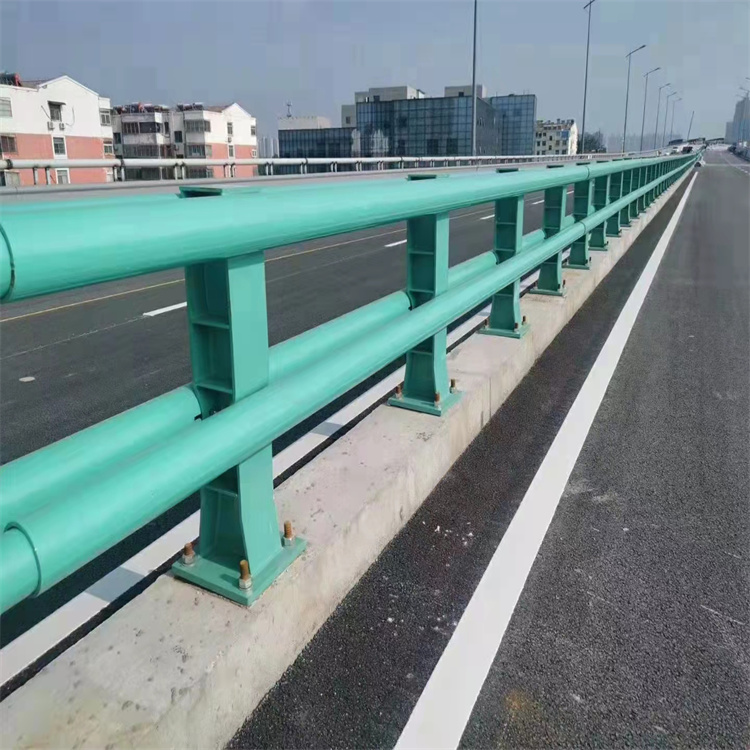
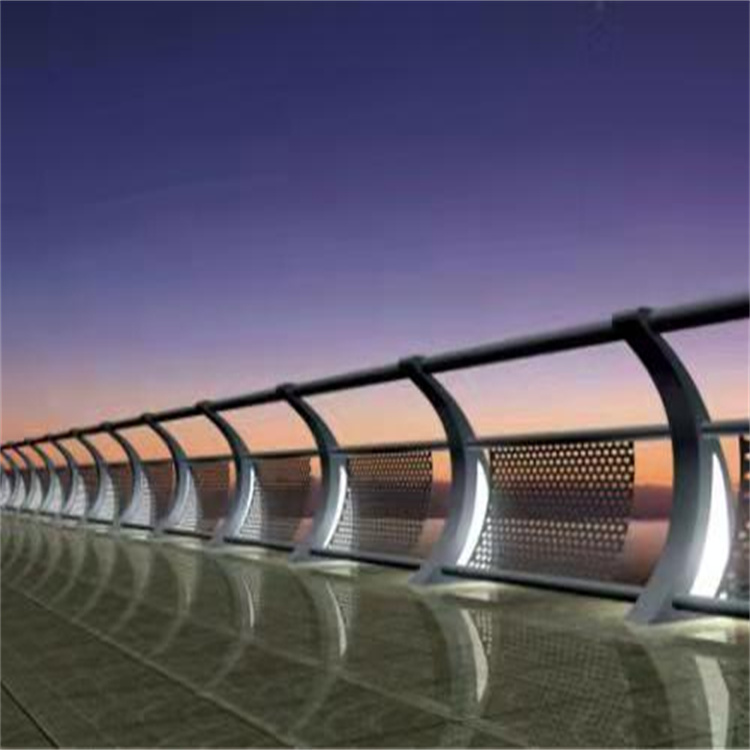


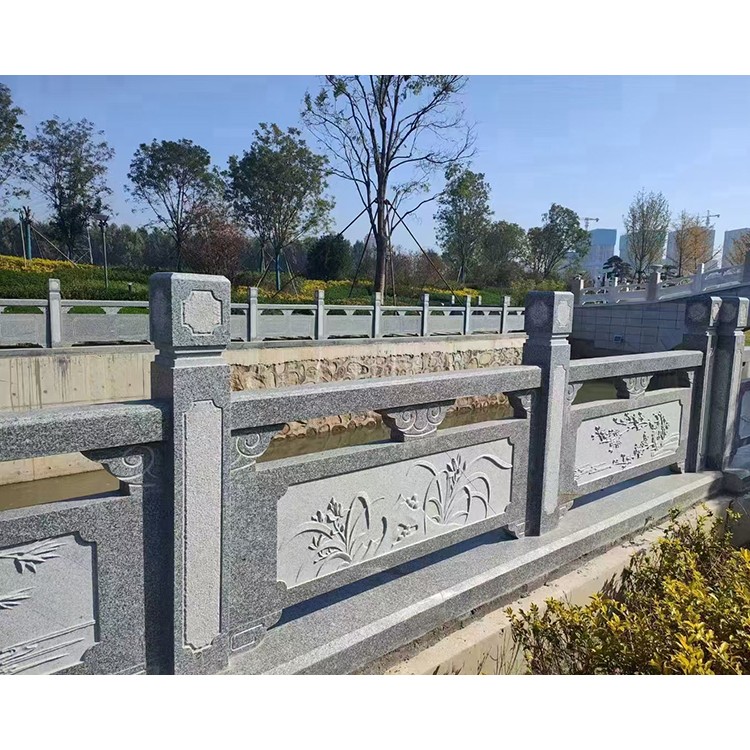

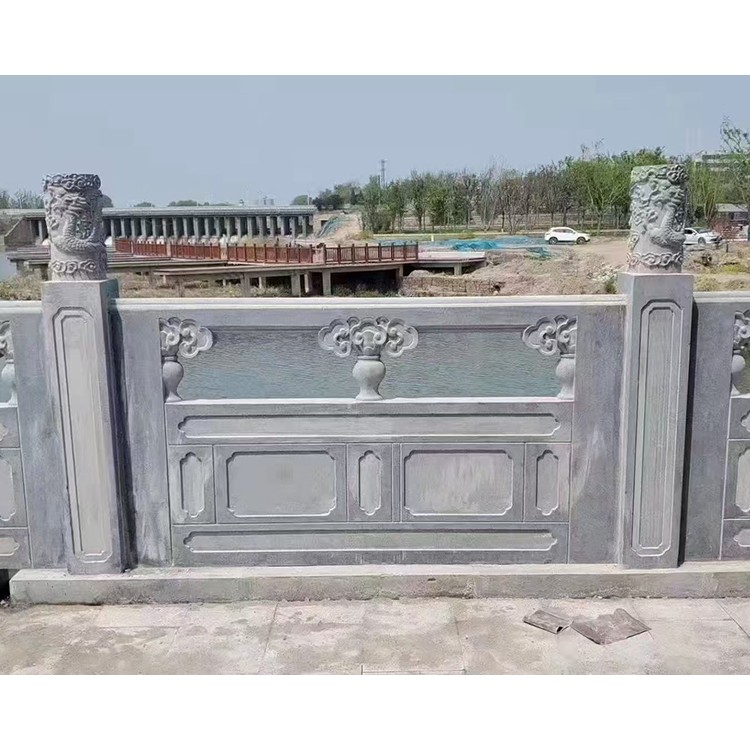
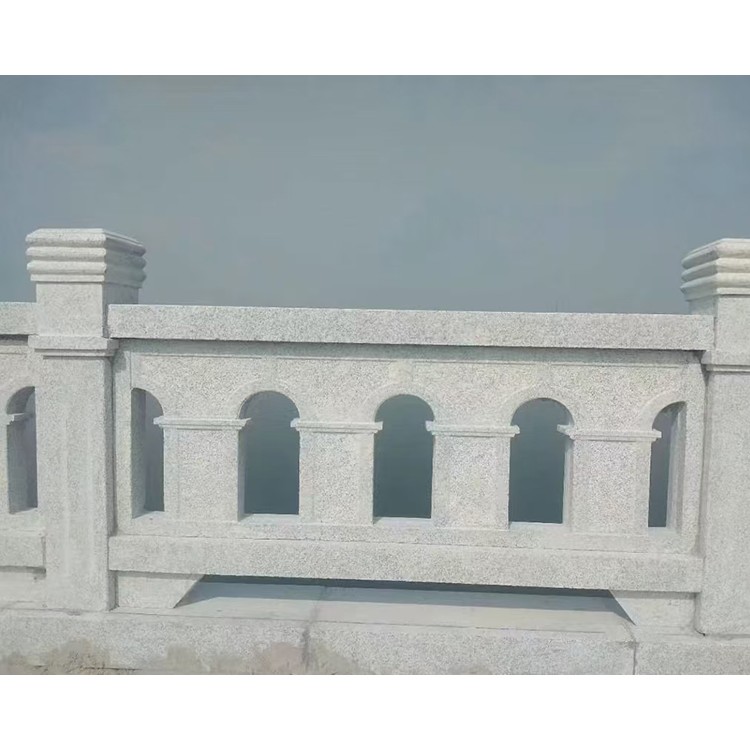








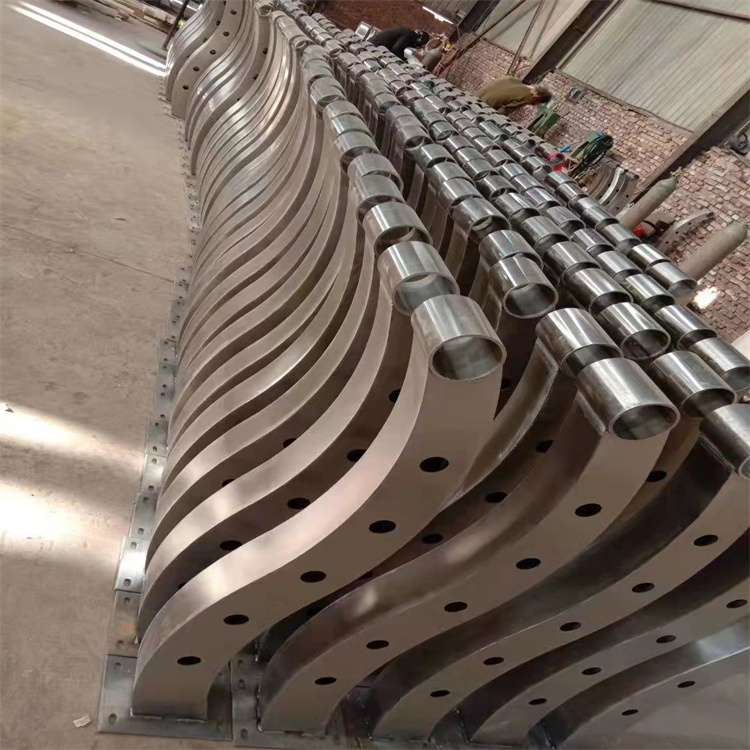
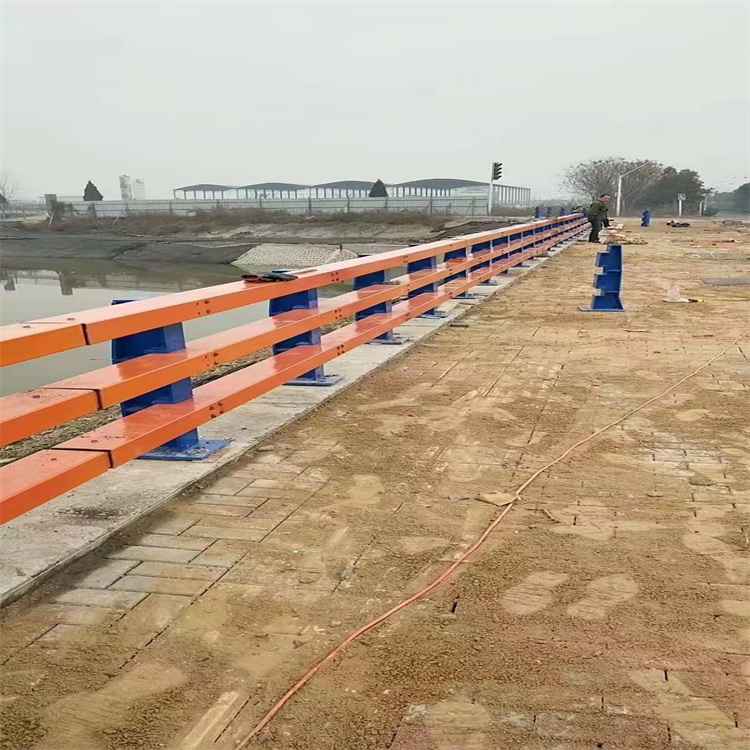
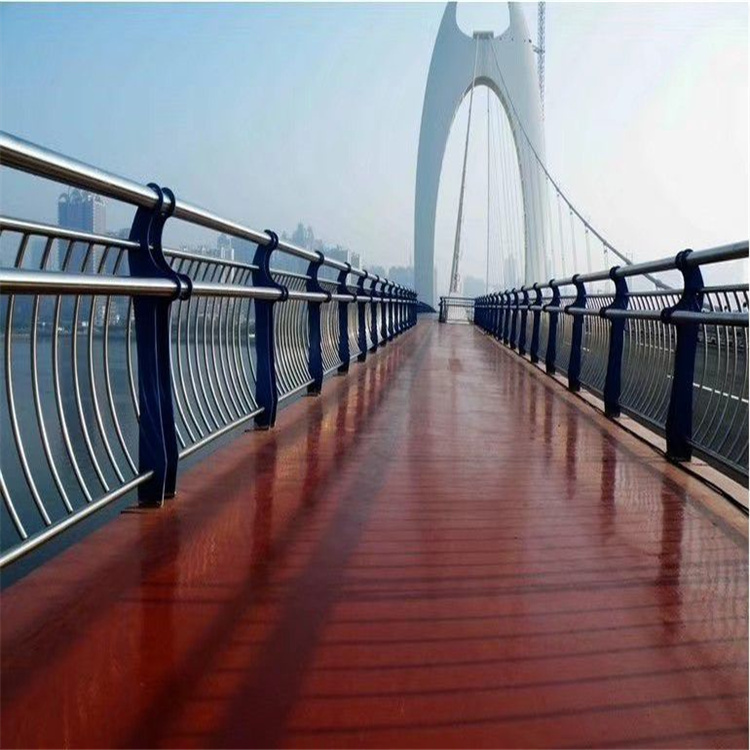
Bridge guardrails are an essential component of bridges. Not only do they enhance the aesthetics and luster of the bridge, but they also serve as effective warning signs, barriers, and prevent accidents. The main functions of bridge guardrails include the following aspects:
1. The separation function of bridge guardrails: Bridges can segregate motor vehicles, non-motor vehicles, and pedestrians through guardrails, dividing the road longitudinally across the cross-section, enabling separate lanes for motor vehicles, non-motor vehicles, and pedestrians, thereby enhancing traffic safety and improving traffic order.
2. Bridge Barrier's Barrier Function: A bridge can deter unsafe traffic behaviors through its bridge barriers, including pedestrians, bicycles, or motor vehicles attempting to cross the road. It necessitates that the bridge barriers have a certain height, density (referring to vertical bars), and strength.
3. Bridge Guardrail Warning Function: By installing guardrails on bridges, the contours are made simple and clear, alerting drivers to the presence of the guardrails and to be cautious of pedestrians and non-motorized vehicles, thereby preventing traffic accidents.
4. The aesthetic function of bridge guardrails: By utilizing different materials, forms, designs, and colors for bridge guardrails, the bridge achieves harmony and coordination with the road environment, thereby beautifying both the bridge and the surroundings.
Clearly, city bridge railings are not just a simple barrier for roads; their primary purpose is to indicate and convey urban traffic information to pedestrians and vehicle traffic, establishing traffic rules and maintaining order, ensuring safe, quick, orderly, smooth, convenient, and aesthetically pleasing urban traffic.