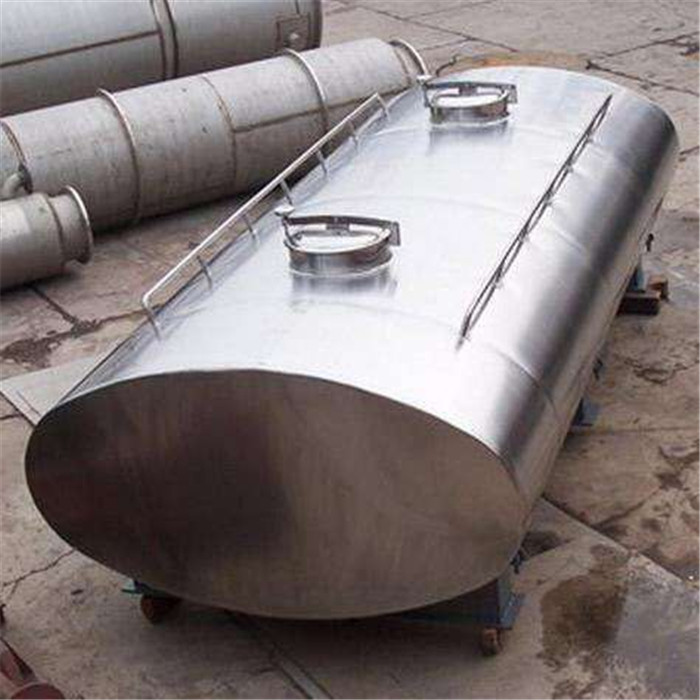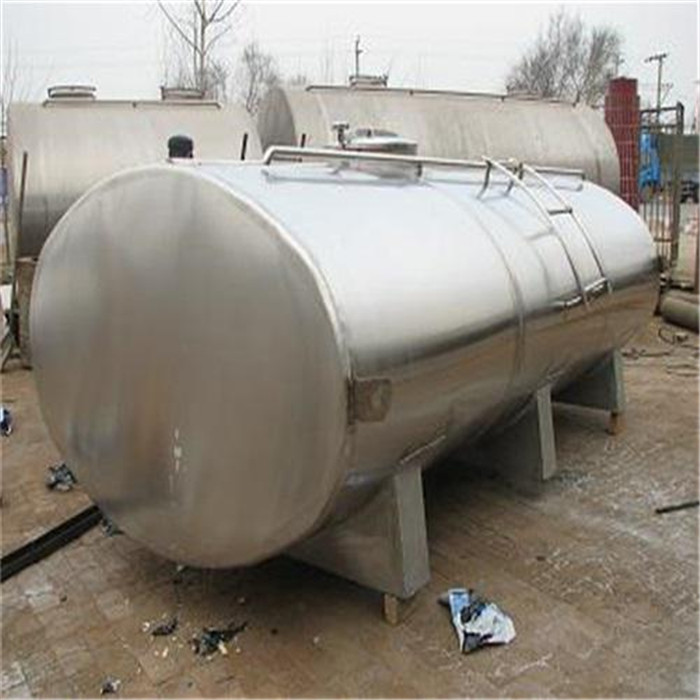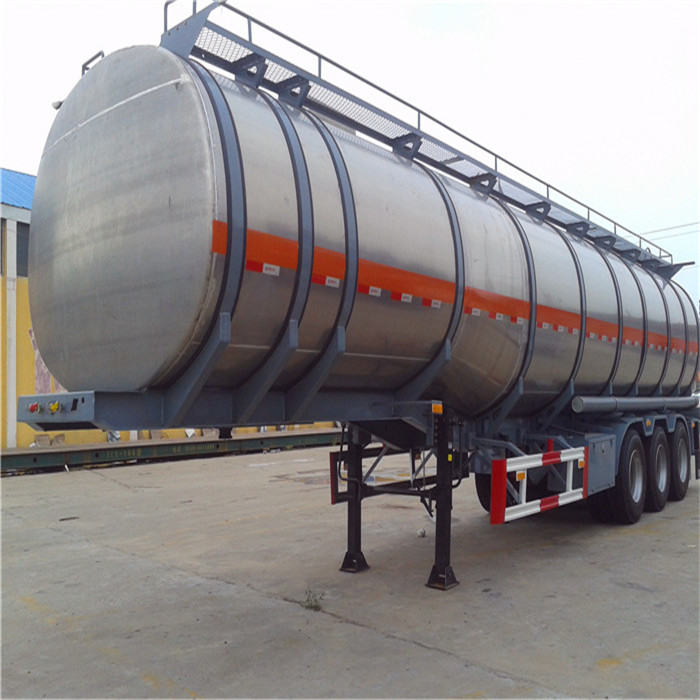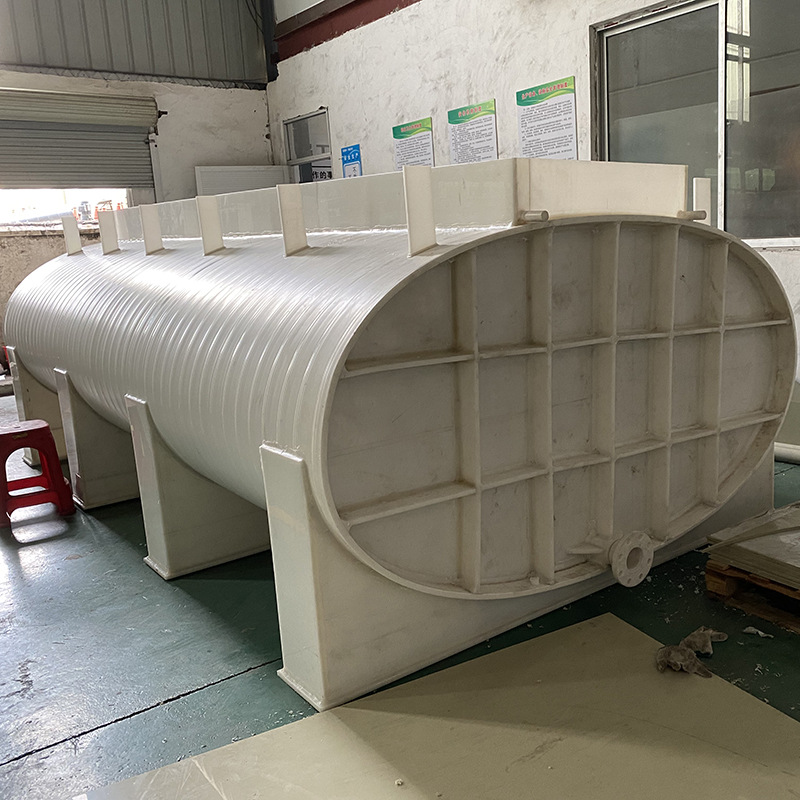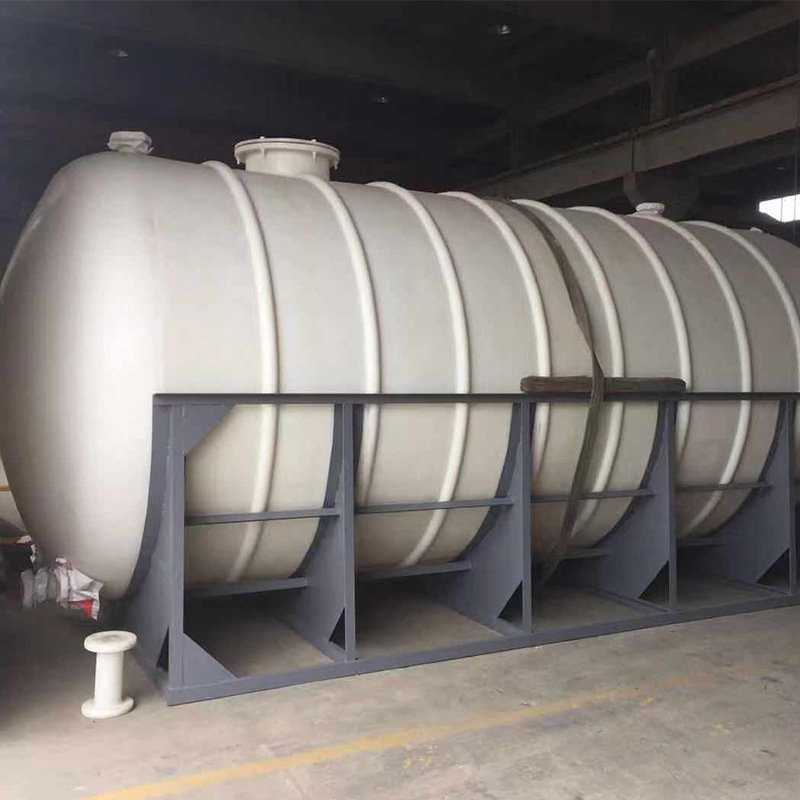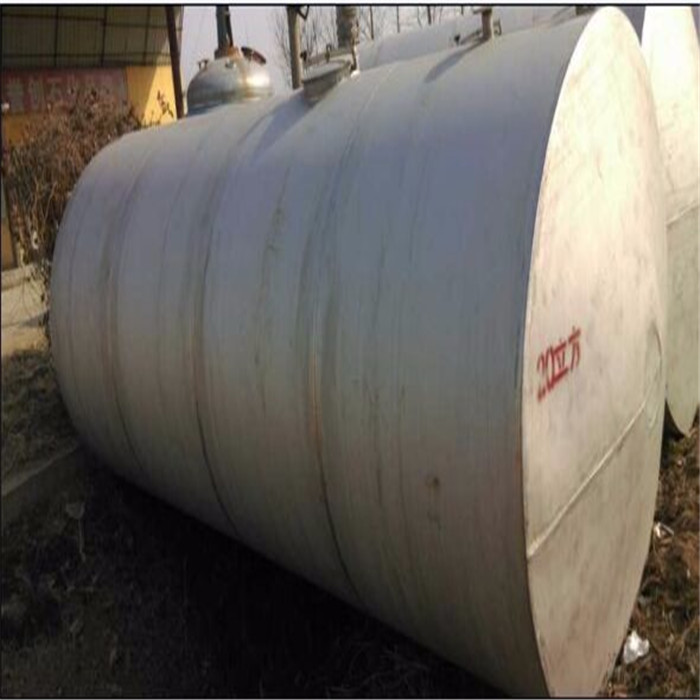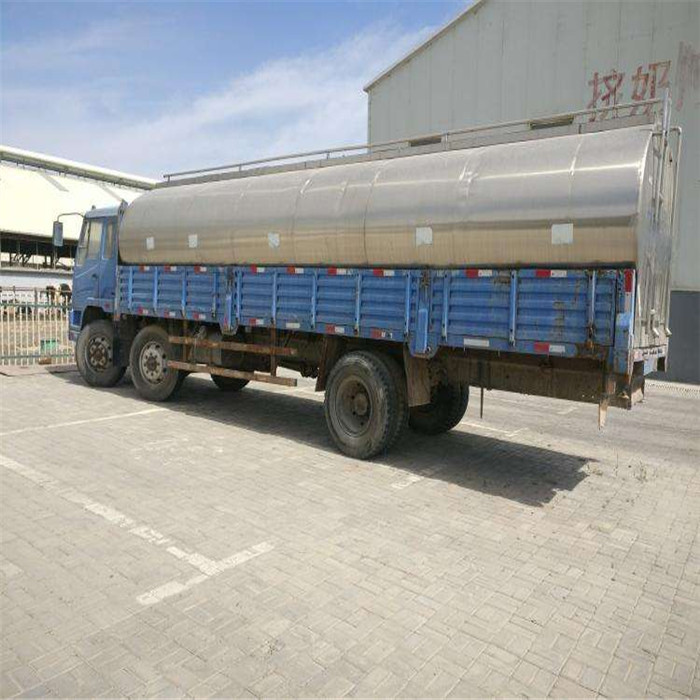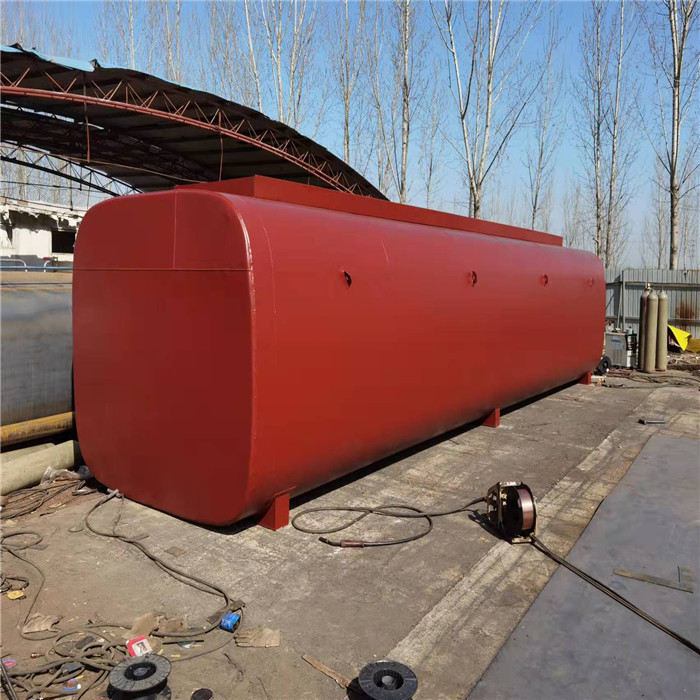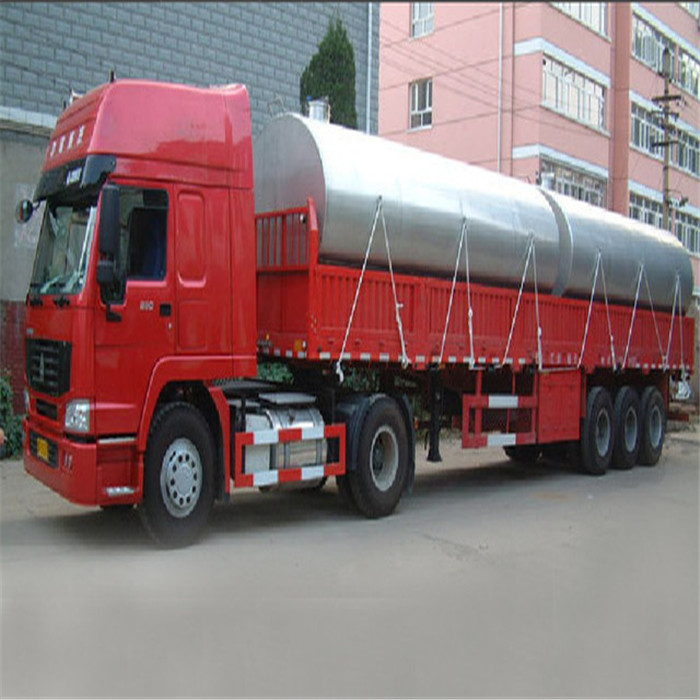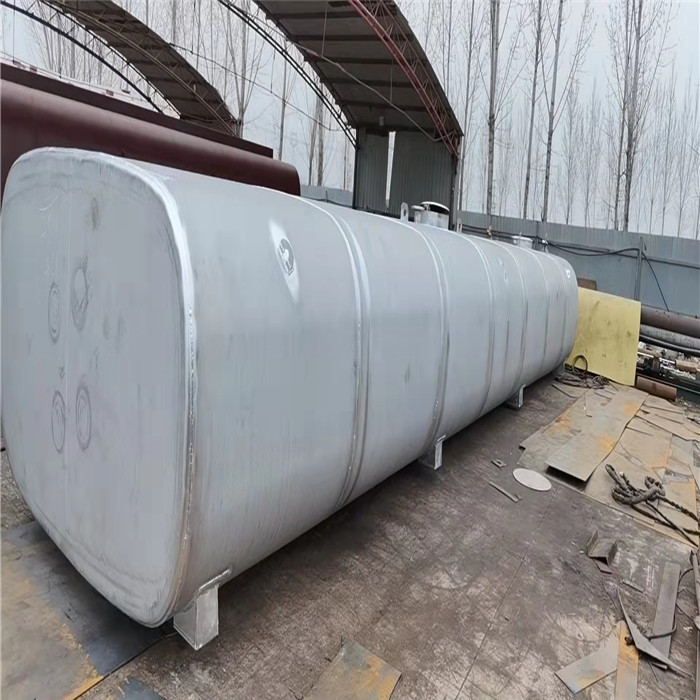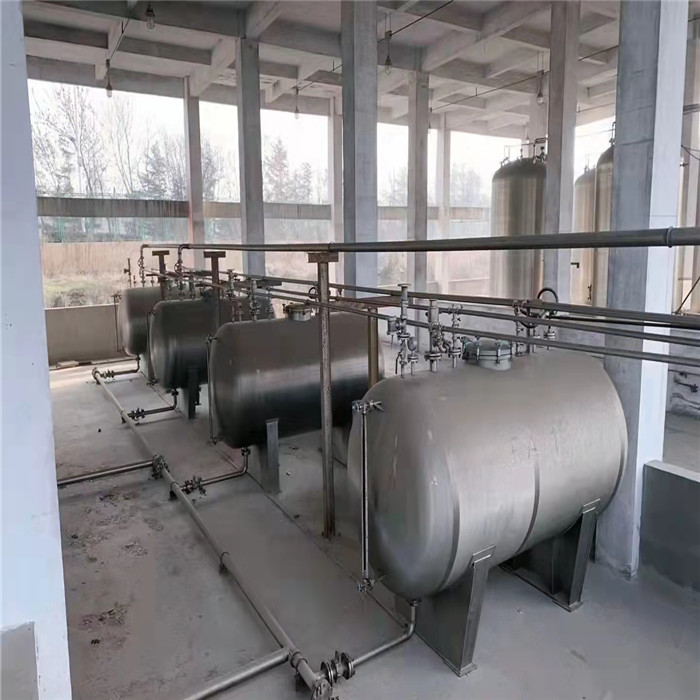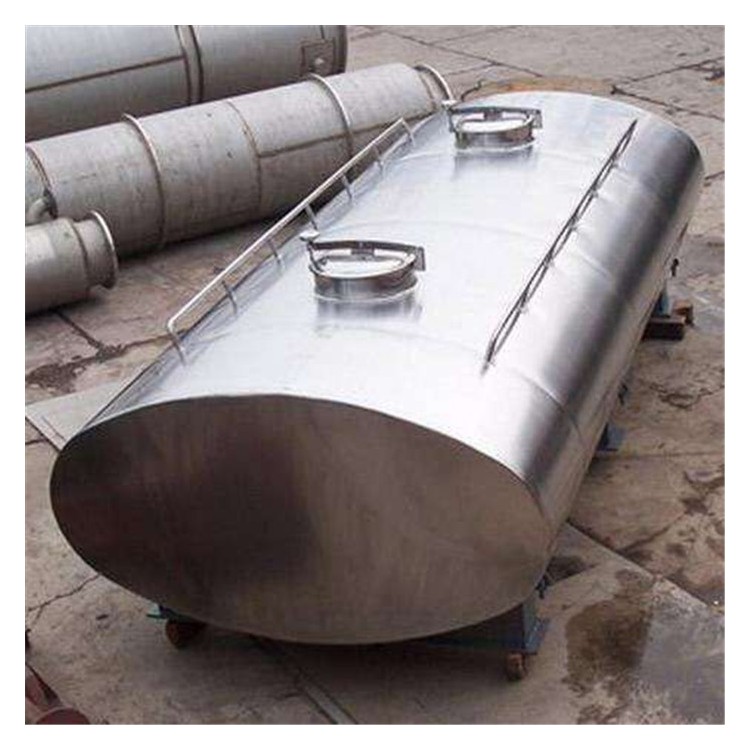


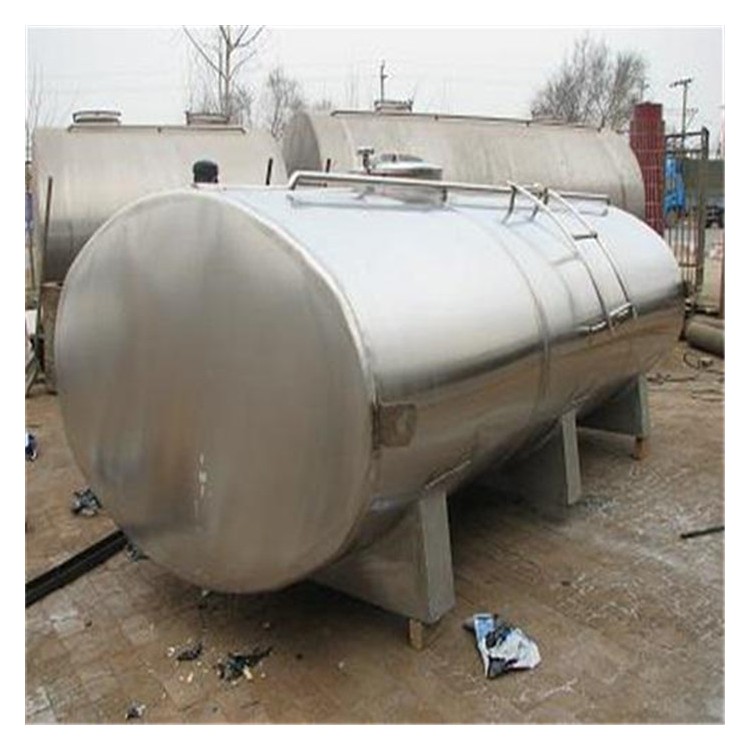


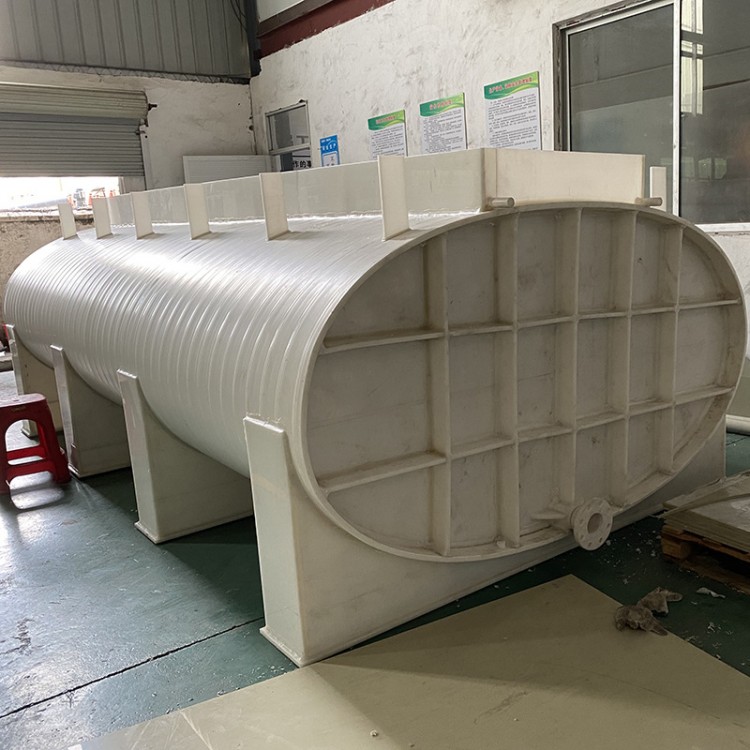
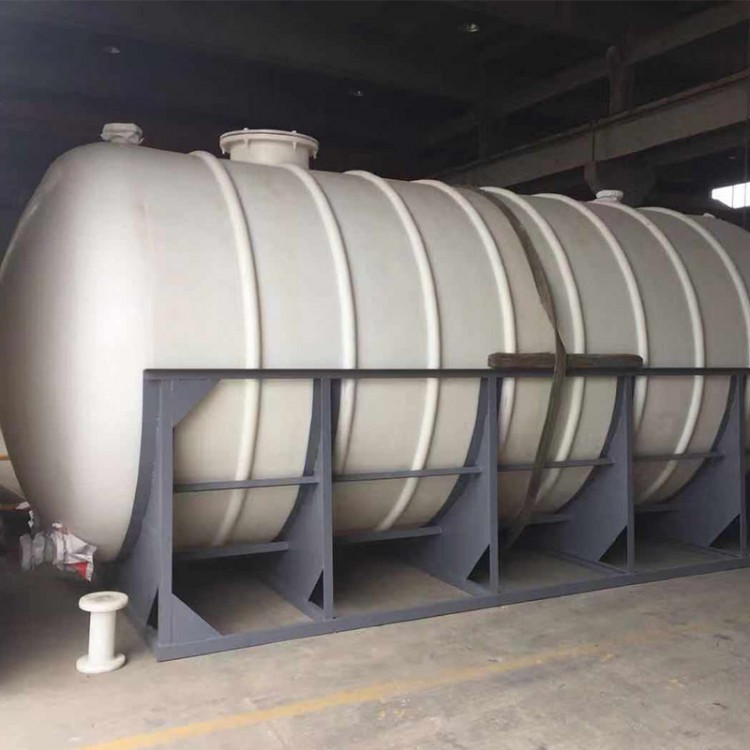
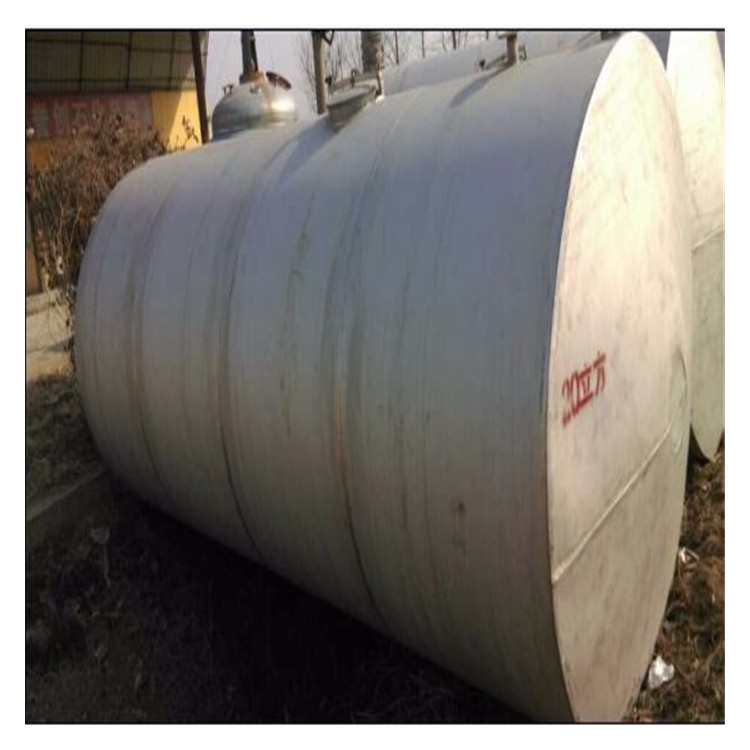
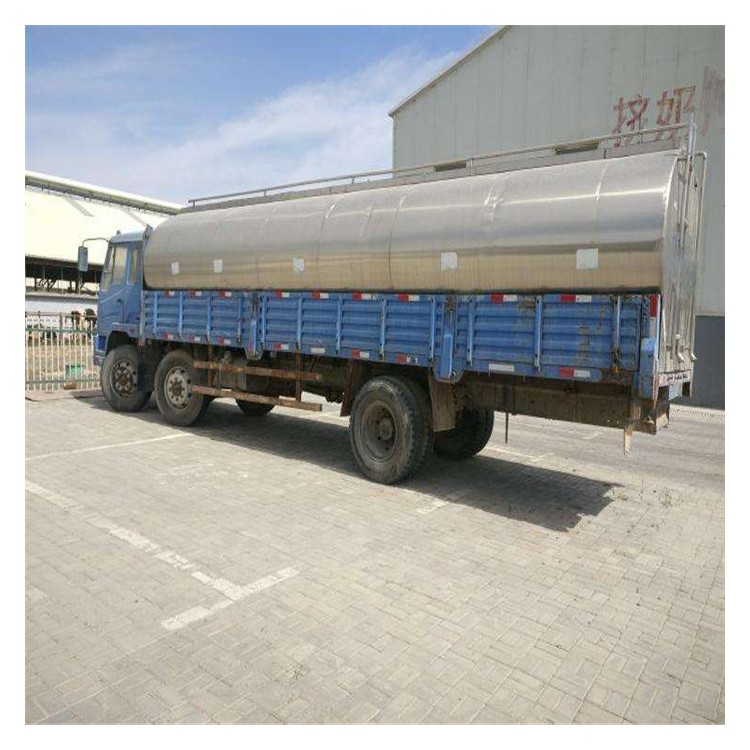
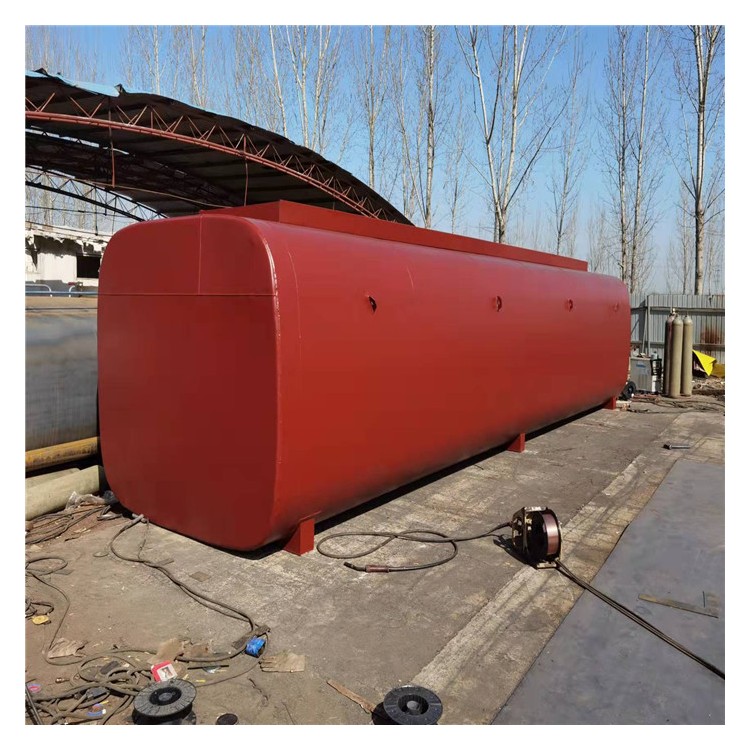





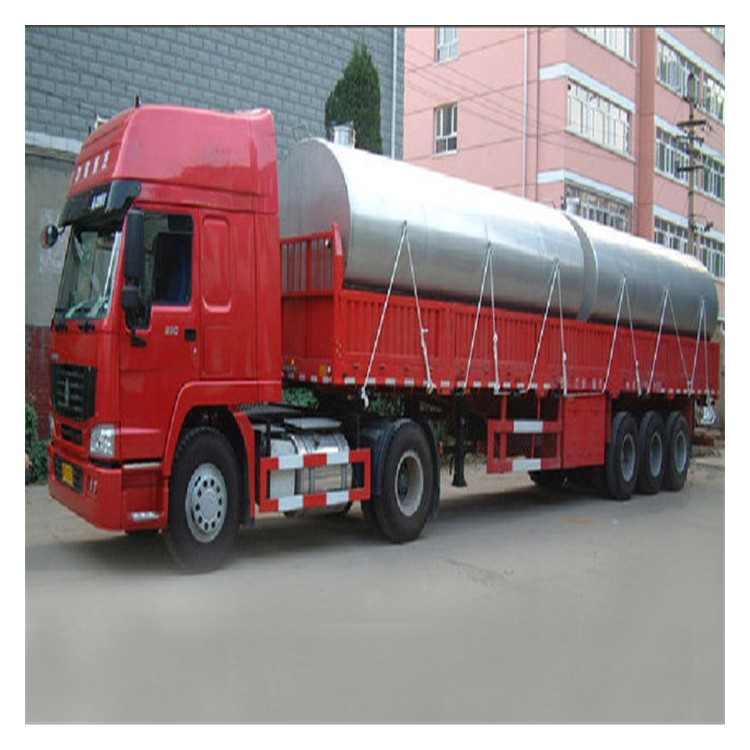
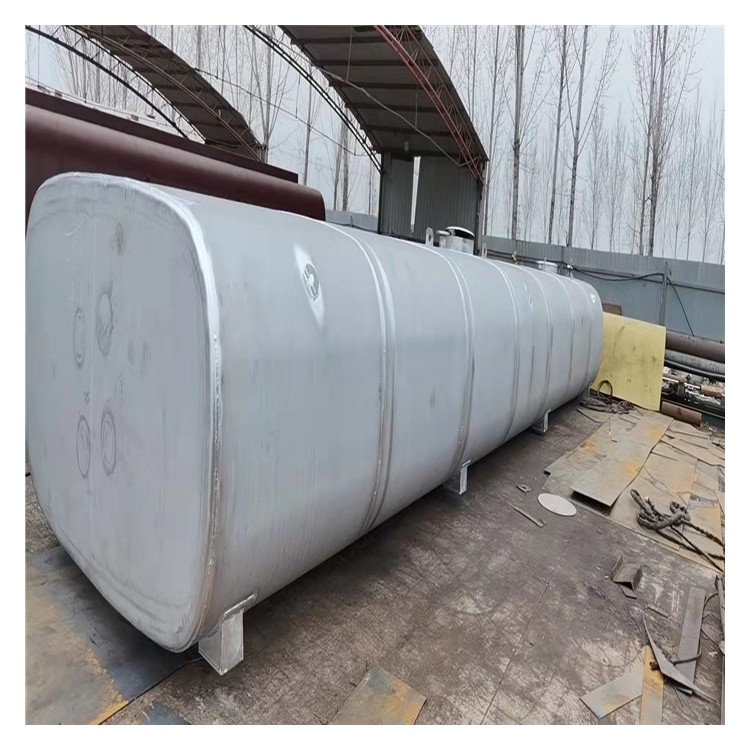
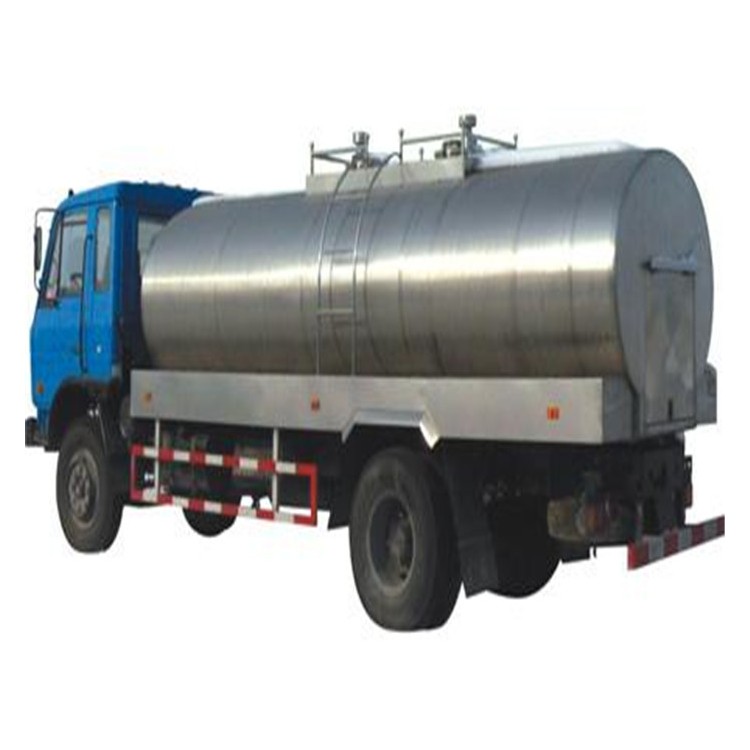
1. Categorized by form: It can be divided into vertical stainless steel tanks and horizontal stainless steel tanks.
2. Categorized by application: They include brewing stainless steel tanks, food-grade stainless steel tanks, general stainless steel tanks, dairy stainless steel tanks, chemical industry stainless steel tanks, petroleum stainless steel tanks, construction material stainless steel tanks, power industry stainless steel tanks, and metallurgy stainless steel tanks.
3 Classified by hygiene standards: Sanitary-grade stainless steel drums, ordinary stainless steel drums.
4 Classified by pressure requirements: Stainless steel pressure vessels, non-stainless steel pressure vessels.
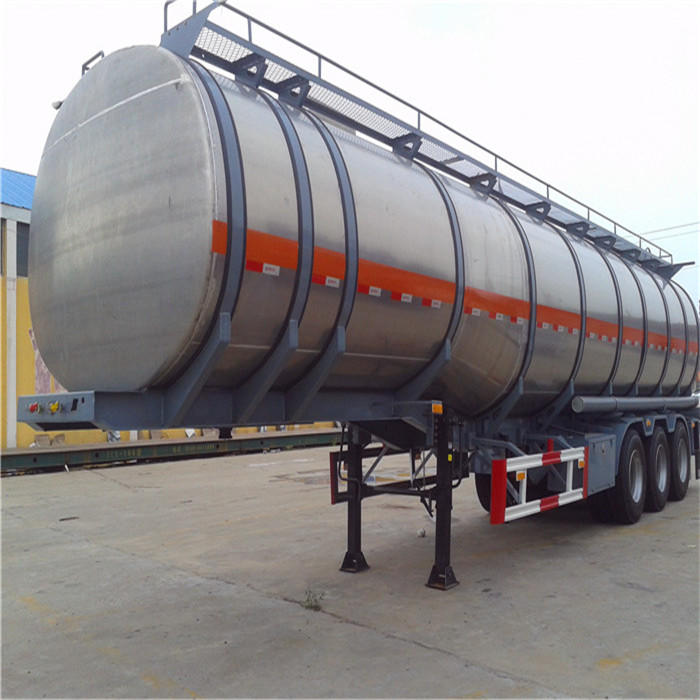
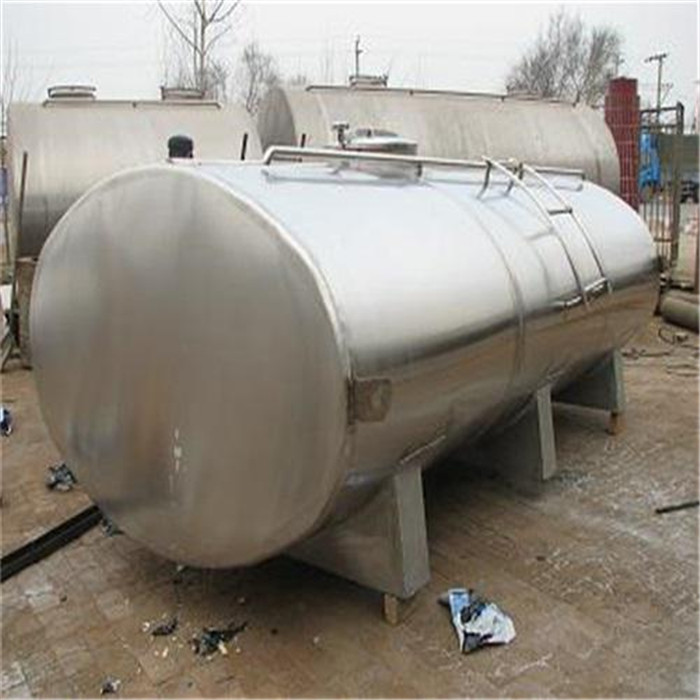
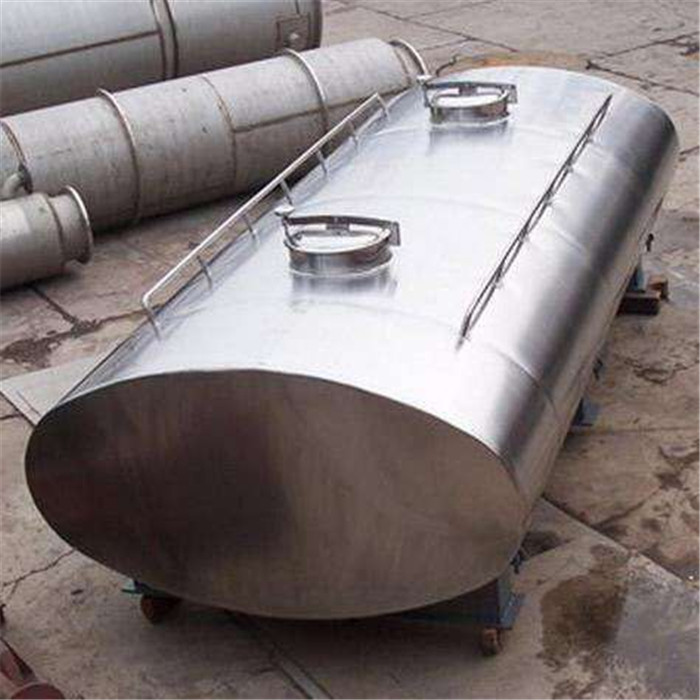
Common Types
Stainless steel storage tanks, stainless steel pressure vessels, stainless steel wine tanks, stainless steel milk tanks, stainless steel reaction tanks, stainless steel vacuum tanks, stainless steel fermentation tanks
Overview Summary
Food-grade stainless steel storage tanks
Stainless Steel Ingredient Storage Tanks, Stainless Steel Concentrate Storage Tanks, Stainless Steel Dilute Storage Tanks, Stainless Steel Extraction Tanks, Stainless Steel Reaction Tanks, Stainless Steel Liquid Storage Tanks, Stainless Steel Mixing Vessels, Stainless Steel Seed Storage Tanks, Stainless Steel Nitric Acid Tanks, Stainless Steel Acetic Acid Tanks, Stainless Steel Carbon Disulfide Barrels, Stainless Steel Water Towers.
2. Stainless Steel Tanks for Brewing and Dairy Industry
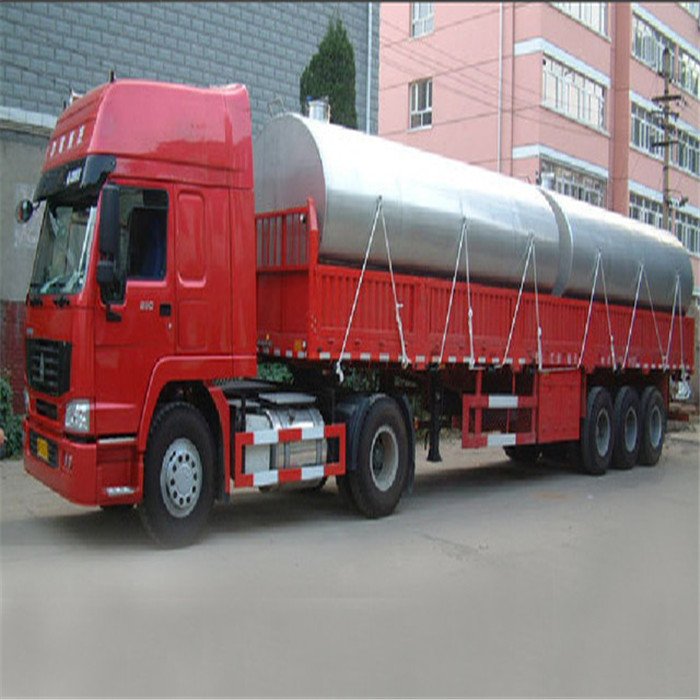
Stainless Steel Wine Storage Tanks, Stainless Steel白酒 Storage Tanks, Stainless Steel Beverage Storage Tanks, Stainless Steel Milk Storage Tanks
3. Stainless Steel Chemical Tanks
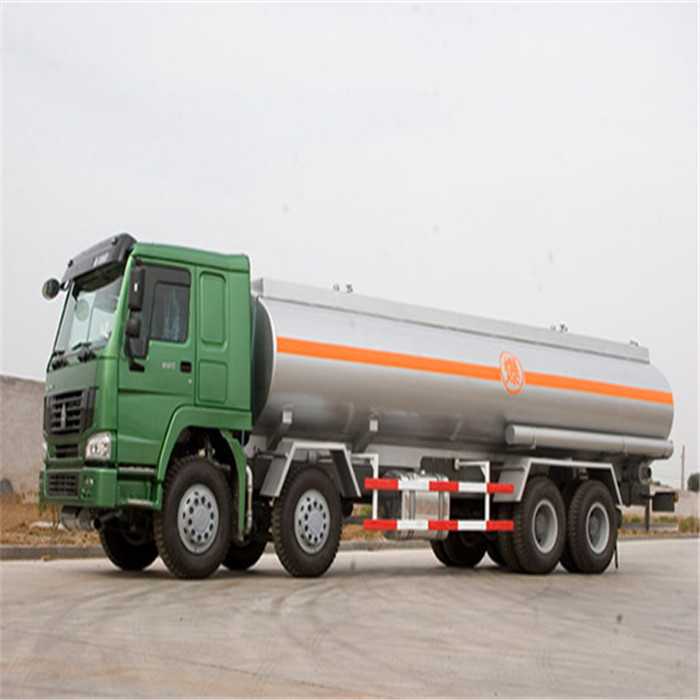
Stainless steel oil storage tanks, stainless steel transport storage tanks, stainless steel cooling storage tanks, stainless steel insulated storage tanks, stainless steel heat exchanger tanks, stainless steel buffer tanks, stainless steel outdoor storage tanks, and various grade stainless steel pressure vessels for the chemical industry.
Section 4: Features of Stainless Steel Storage Tanks:
1. Stainless steel tanks offer excellent corrosion resistance, unaffected by external air and residual chlorine in water. Each spherical tank undergoes pressure testing and inspection before shipment, and can have a service life of over 100 years under normal pressure.
2. The stainless steel tank boasts excellent sealing properties; the sealed design completely prevents harmful substances in air dust and insects from entering the tank, ensuring the water quality remains uncontaminated by external factors and free from red worm infestation.
3. Scientific water flow design ensures that sediment at the bottom of the tank does not get stirred up by the water flow, guaranteeing natural stratification of potable and fire-fighting water. The turbidity of the potable water exiting the tank is reduced by 48.5%; however, water pressure is significantly increased. This is beneficial for enhancing the performance of potable and fire-fighting water facilities.
4. Stainless steel tanks do not require frequent cleaning; sediment in the water can be drained by simply opening the drain valve at the bottom of the tank on a regular basis. Once every 3 years, scale can be removed with simple equipment, significantly reducing cleaning costs and completely avoiding contamination from human bacteria and viruses.
V. Applications of Stainless Steel Storage Tanks
Stainless steel storage tanks, made from stainless steel material, can withstand higher pressures compared to standard rotational molding tanks. Widely used in high-pressure environments, these tanks have a notable feature: excellent sealing performance, which completely prevents harmful substances in the air and insects from entering, ensuring that the stored liquids remain uncontaminated by external factors and do not breed red worms. Consequently, stainless steel tanks are predominantly used for storing and transporting food, pharmaceuticals, and are extensively employed in the brewing and dairy industries.
3 Precautions to Note
Storage tanks and tank areas must comply with the fire prevention and explosion-proof requirements of GB50183 and GB50074. The low-expansion foam fire extinguishing system should follow the regulations of GB50151.
(2) The storage area should be kept clean; there should be no dry grass, oil stains, or flammable materials within the firebreak.
(3) The drainage system in the storage tank area should be equipped with a water-seal well; valves should be installed outside the fire dam for drainage pipes; when oil tanks are being drained, a person should be on duty to supervise and promptly remove residual oil from the water-seal well.
(4) Non-explosion-proof electrical equipment and high-voltage overhead lines should not be installed in the storage tank area.
(5) Storage tank areas must be equipped with firebreaks as per regulations, and these firebreaks should be kept in good condition.
(6) The top of the fuel storage tank should be free of oil stains and standing water. Insulation measures should be taken for the fuel supply and discharge pipes and valves.
(7) The light holes, gauge hole covers, and gaskets on the oil storage tank's top should be in good condition, and the hole covers should be tightly sealed. The oil measurement opening should be fitted with a metal gasket that does not spark.
(8) Breathing valves and hydraulic safety valve bases on oil storage tanks should be equipped with flame arresters. Flame arresters should be inspected at least once every quarter.
(9) The oil storage tank's in-and-out oil pipelines should be equipped with flexible hose compensators.
(10) The steel oil storage tank should be equipped with lightning and static electricity grounding devices, with the grounding resistance not exceeding 10Ω. At least one grounding point should be set every 30 meters along the edge of the tank bottom, and each tank should have no fewer than two grounding points.
(11) The lightning and static electricity grounding system should be inspected annually in spring, and the grounding resistance value should meet the required standards.
(12) The floating roof of the tank should be connected to the tank wall with two soft copper wires with a cross-sectional area not less than 25mm².
(13) The oil storage tank should operate within the safe storage level.
(14) When the condensate oil level is above the heating coil, the steam riser should be used to heat first. After the condensate has melted, then use the steam coil for heating.
(15) Do not fill the drum while wearing synthetic clothing or shoes with nails. Do not open or close non-explosion-proof flashlights on the drum top.
(16) Oil pipeline fire and tank cleaning operations within the storage tank area should comply with industry regulations.
(17) Tank fire detected; report immediately and cease all operations on the fire tank. Organize firefighting efforts and initiate the emergency response plan as appropriate.