






Product Introduction
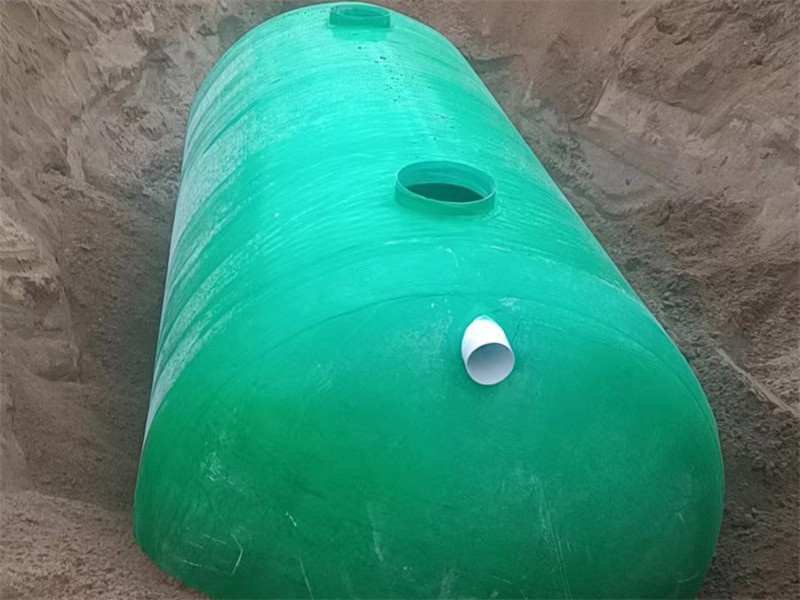
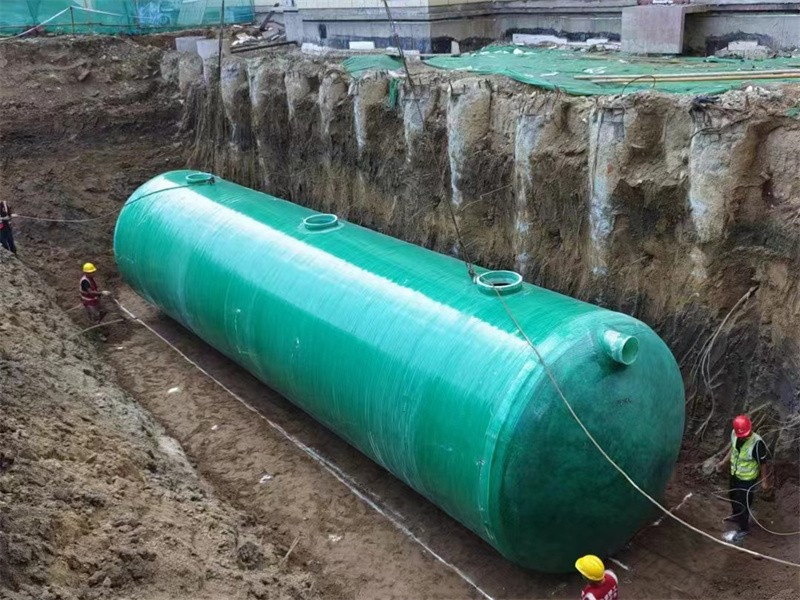
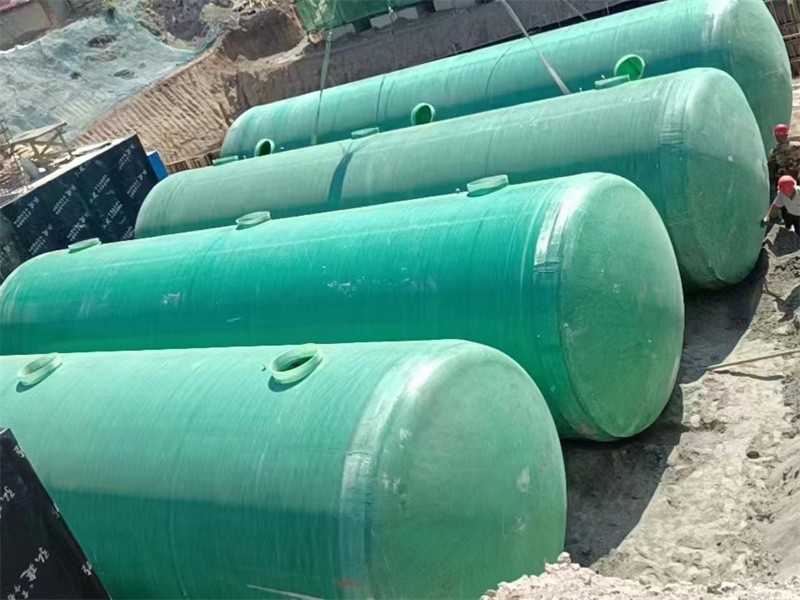
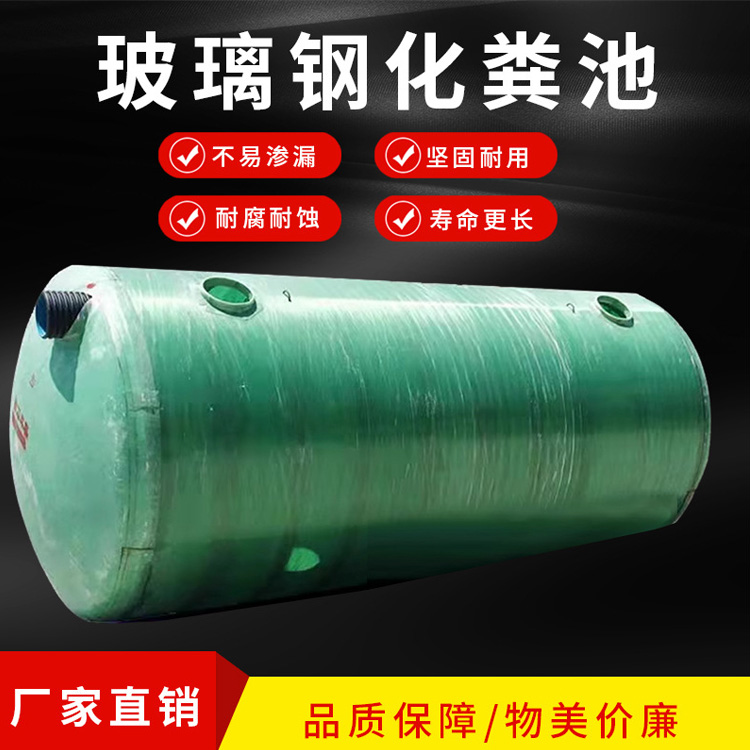
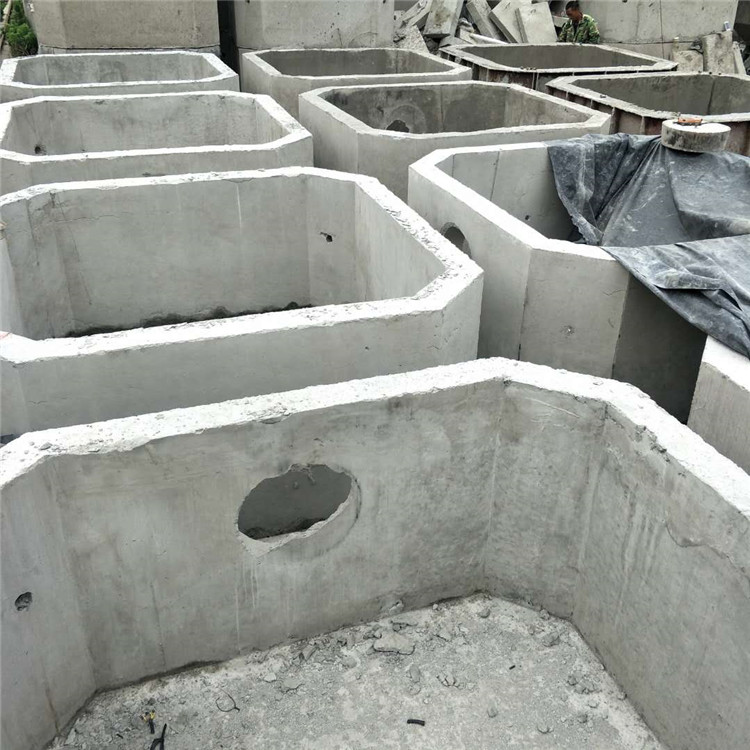
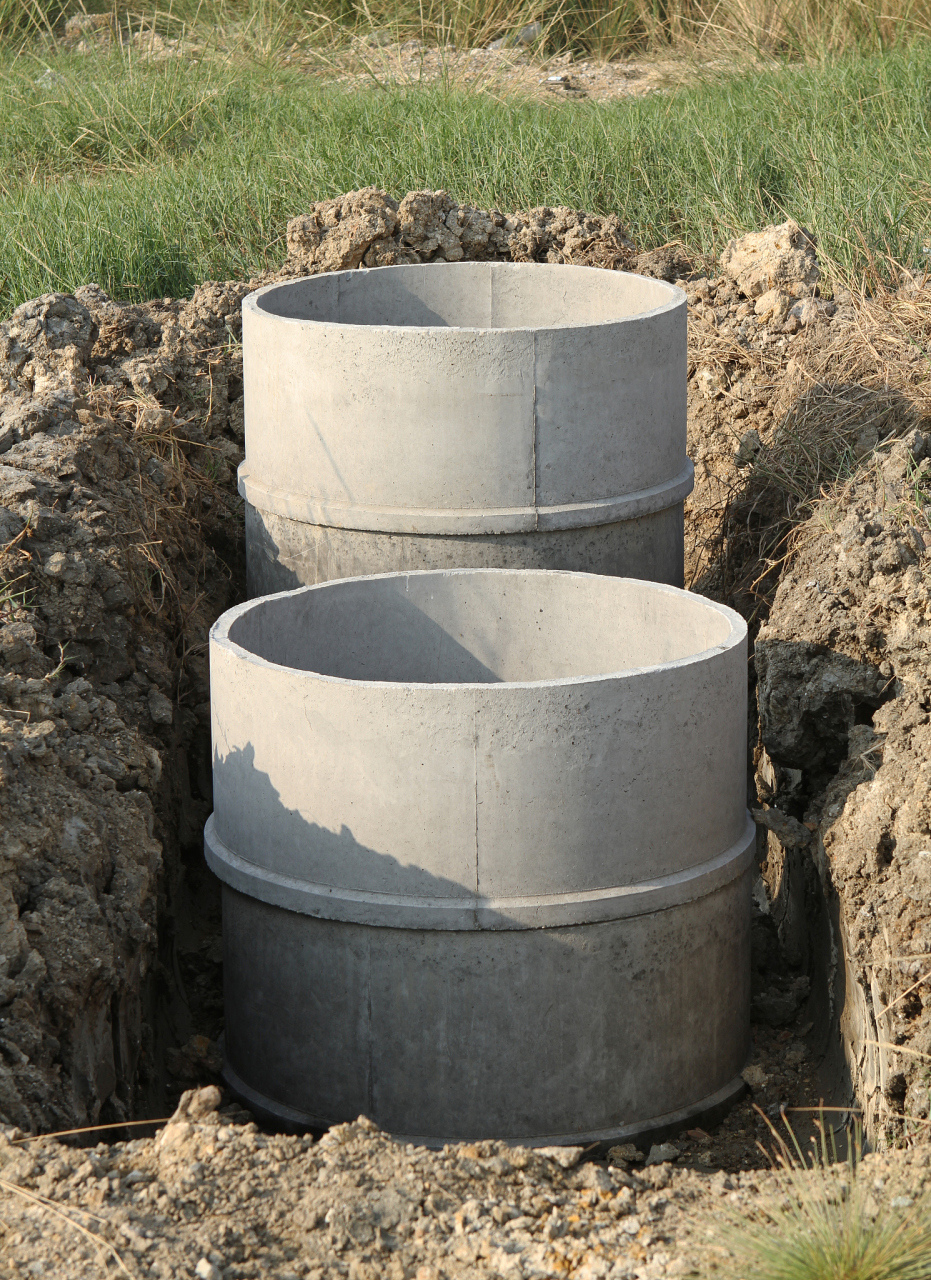
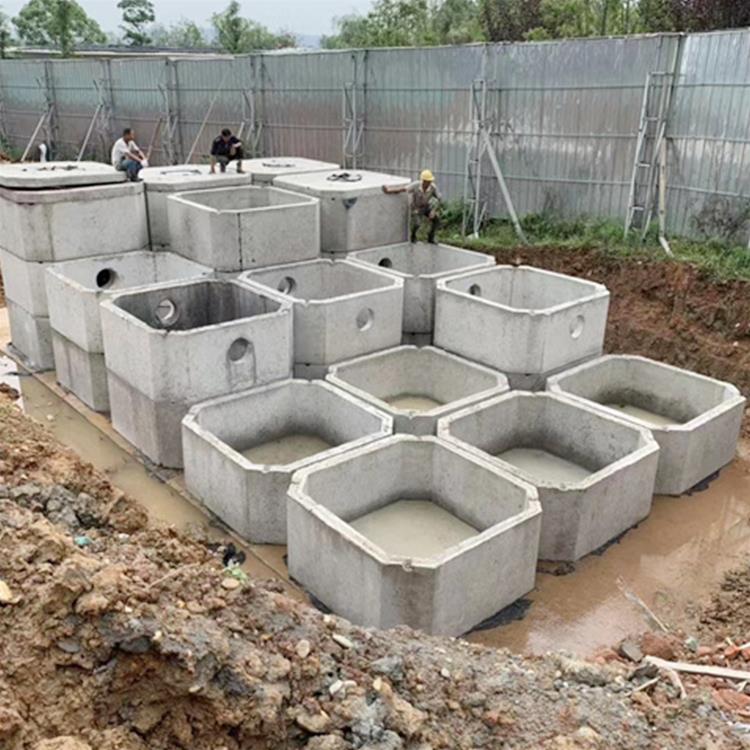
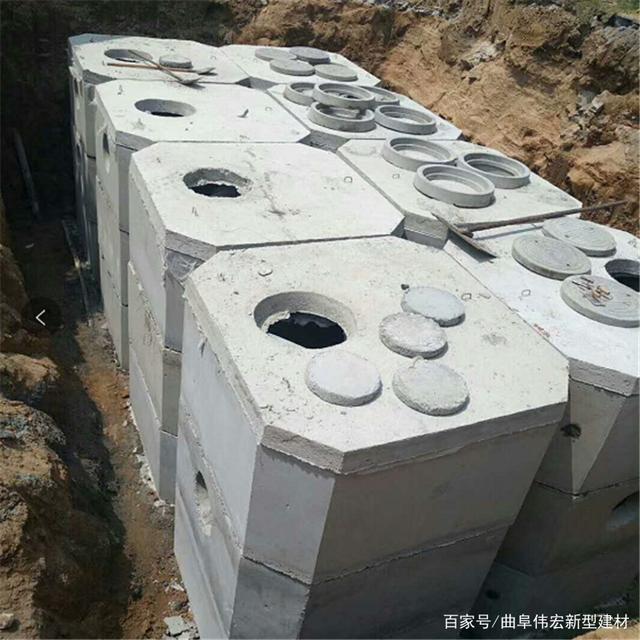
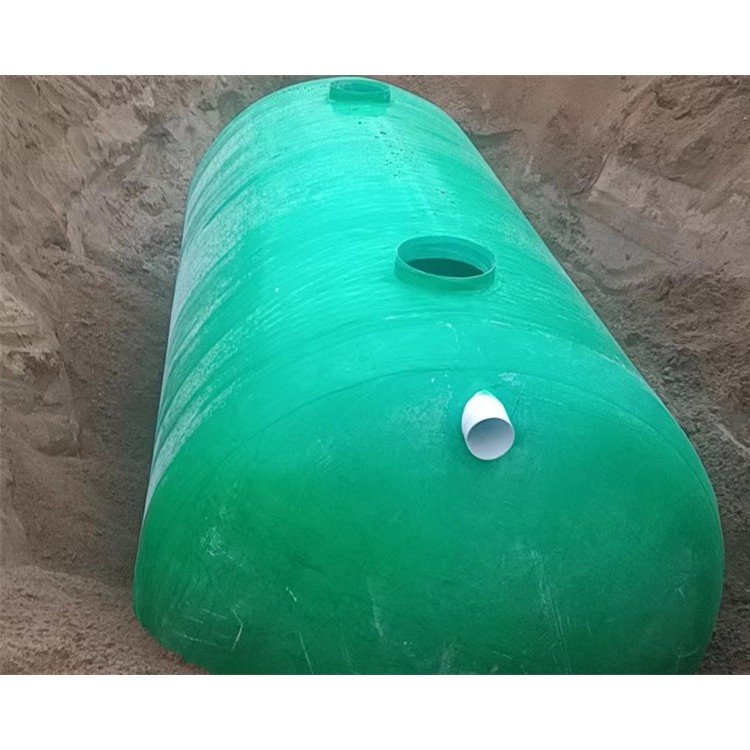
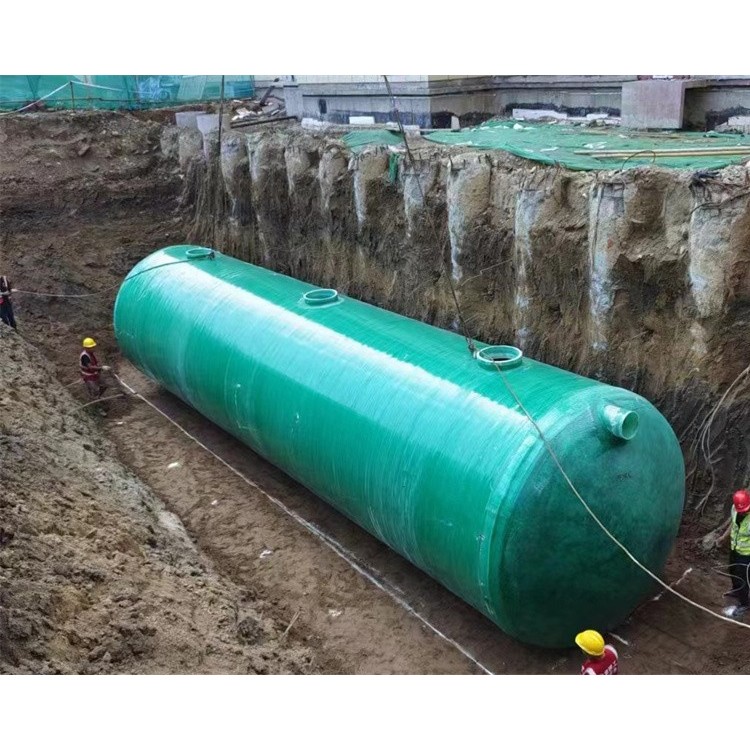
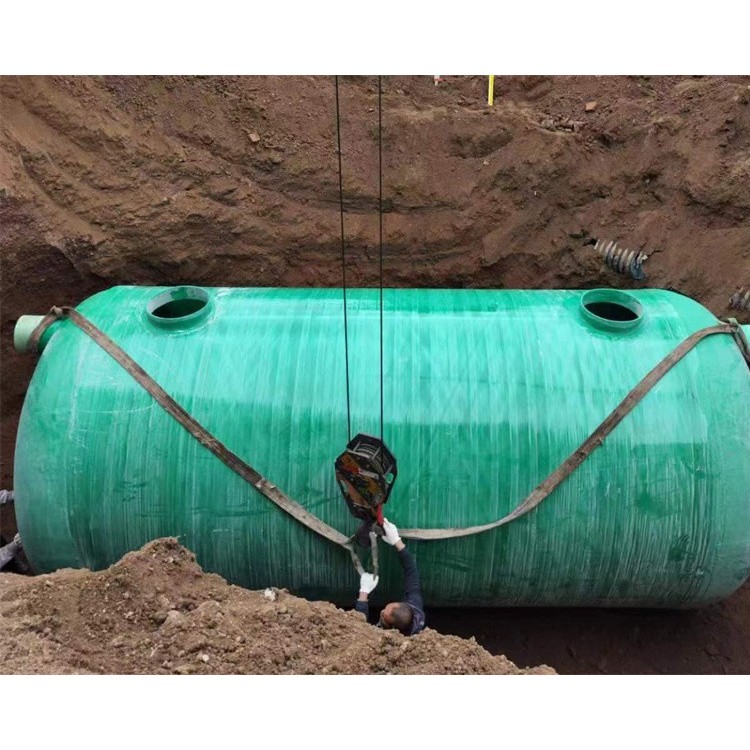
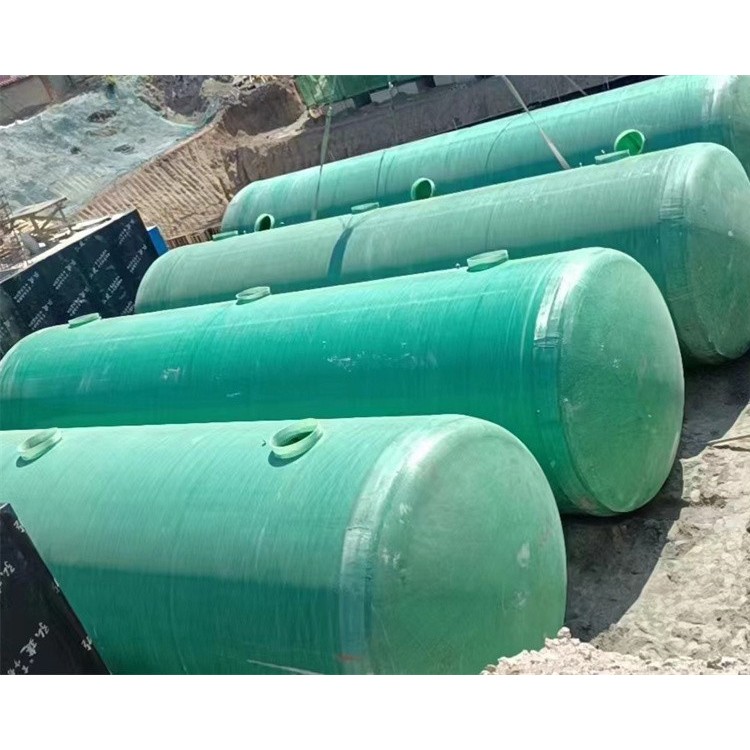
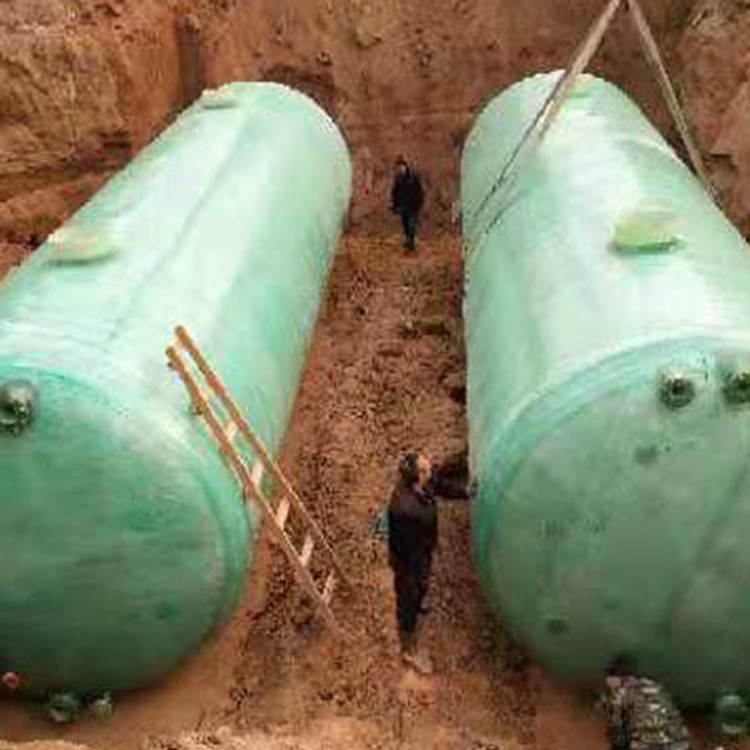
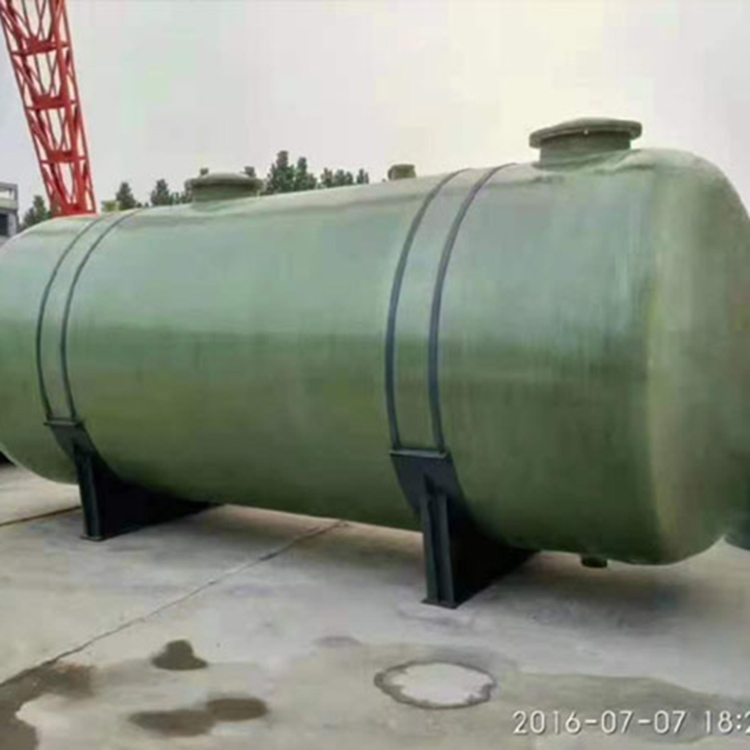
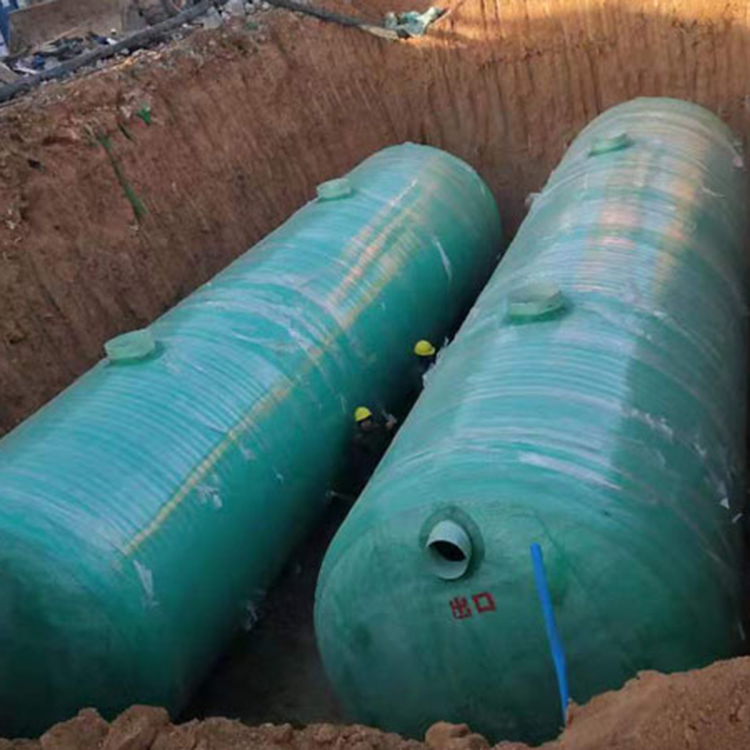
The innovative eco-friendly integrated fiberglass septic tank is suitable for office buildings, residential complexes, villas, and residential communities. It is the ideal replacement for the currently widely used brick-built septic tanks in China, successfully avoiding major issues such as leakage, poor operating conditions, short service life, and groundwater pollution. This provides both social and environmental benefits. Currently, real estate developers, factories, and enterprises in our city are widely using it in the construction of office buildings.
Glass fiber reinforced concrete septic tanks have the following advantages:
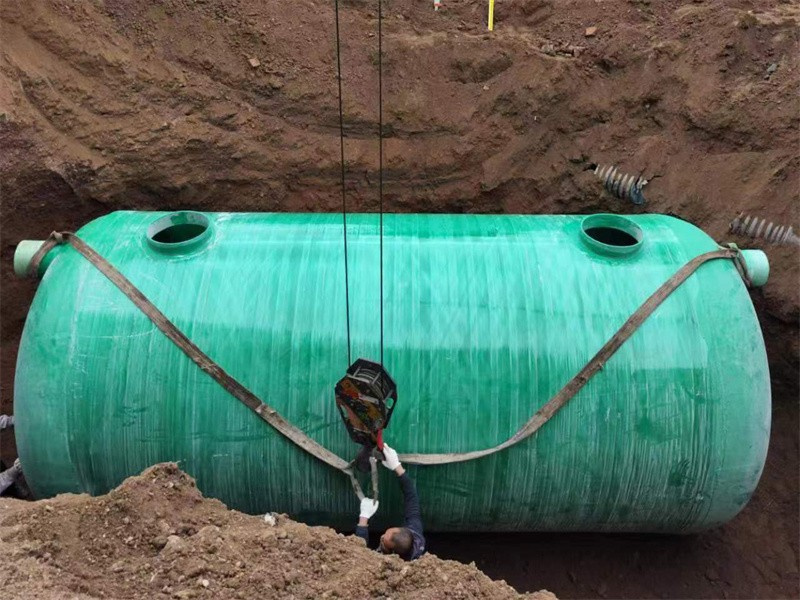
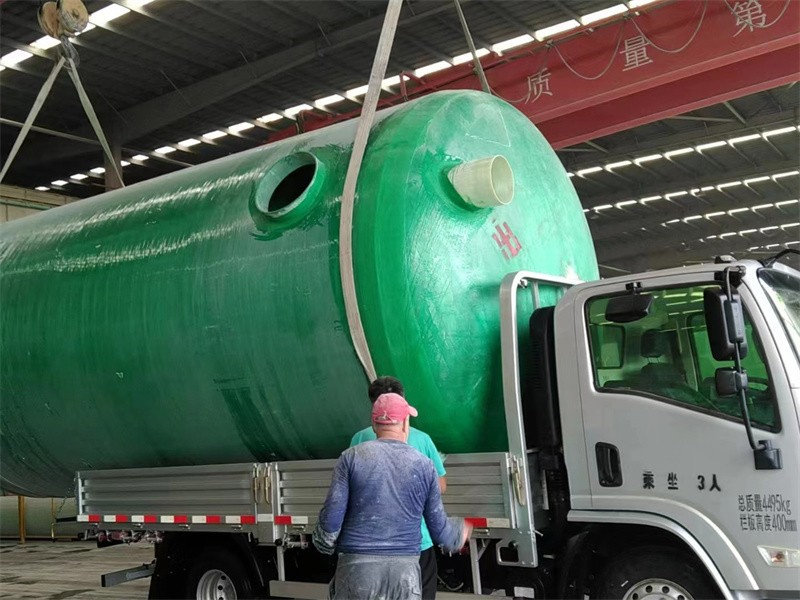
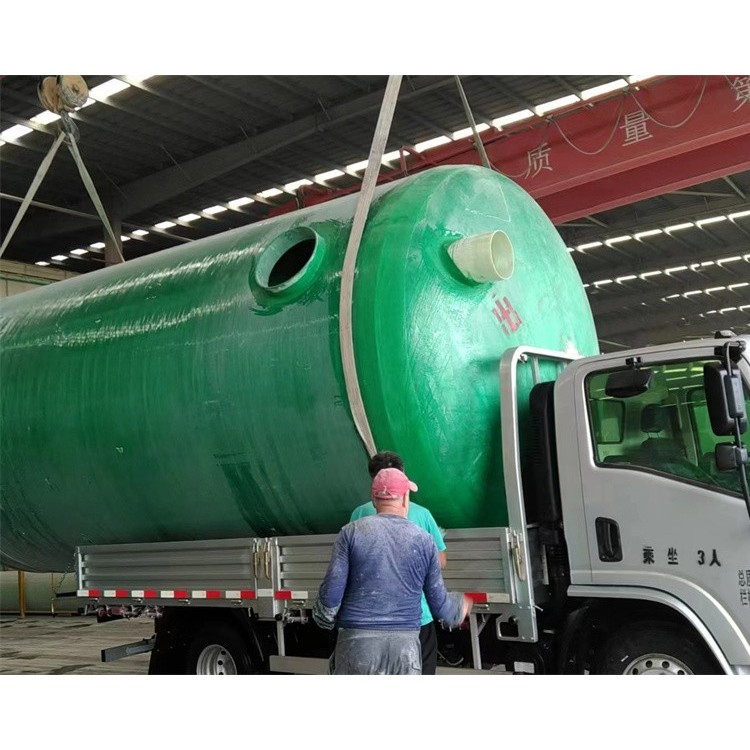
Glass fiber reinforced plastic material is acid-resistant and durable, eliminating the issue of brick-lined pools not being suitable for acidic conditions. It has high compressive and tensile strength, so trucks can roll over the top without sinking or deforming. Factory-integrated production is convenient for construction accessories, improving efficiency and shortening construction time, significantly enhancing the economic benefits of the real estate industry. This product is lightweight, easy to install, quick, and convenient, with a much lower cost of use compared to the current brick-lined septic tanks.
Glass Reinforced Plastic Septic Tank Function:
Glass-fiber Reinforced Plastic (GRP) septic tanks integrate both septication and treatment, serving as a lightweight, efficient treatment unit for domestic wastewater in urban residential areas, large office buildings, and similar settings. The GRP septic tank is composed of two main parts: the sedimentation area, which primarily functions to settle domestic wastewater from the interceptor well, removing settleable and coarse solids. Here, the wastewater undergoes septication and, with the help of the abundant microbial content in the feces, undergoes microbial inoculation and acclimatization under anaerobic conditions.
Section II: Processing Area
The function is to treat wastewater within this area, converting the COD in the wastewater into inorganic substances. This area is a key component of this equipment.
The process used is a hybrid coating system. After a period of cultivation, a large number of microorganisms adhere and grow on the carrier's surface to enrich those that have been naturally domesticated and mutated, adapting to the microorganisms growing on the carrier's surface. This enables effective treatment of wastewater under anaerobic or oxygen-deprived conditions.
Fiberglass septic tanks offer great value for money.
As a septic tank for constructing building wastewater treatment systems, it has a certain history of application. Currently, in small and medium-sized cities, due to inadequate construction of wastewater treatment plants,
Septic tanks are still widely used, with types continuously evolving from the original brick-built septic tanks to the biogas JZ-type septic tanks. Currently, our company's environmentally friendly integrated sewage treatment pools are being widely utilized.