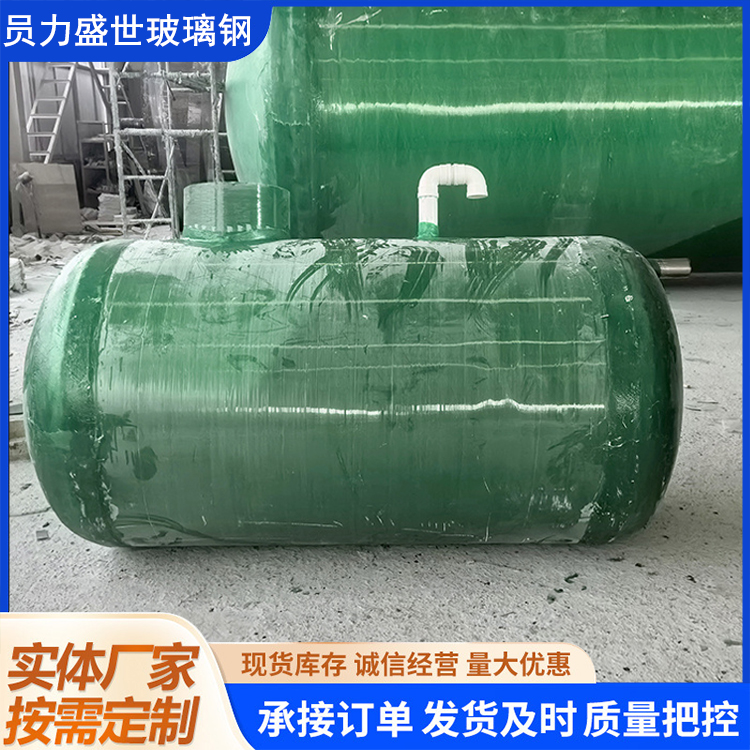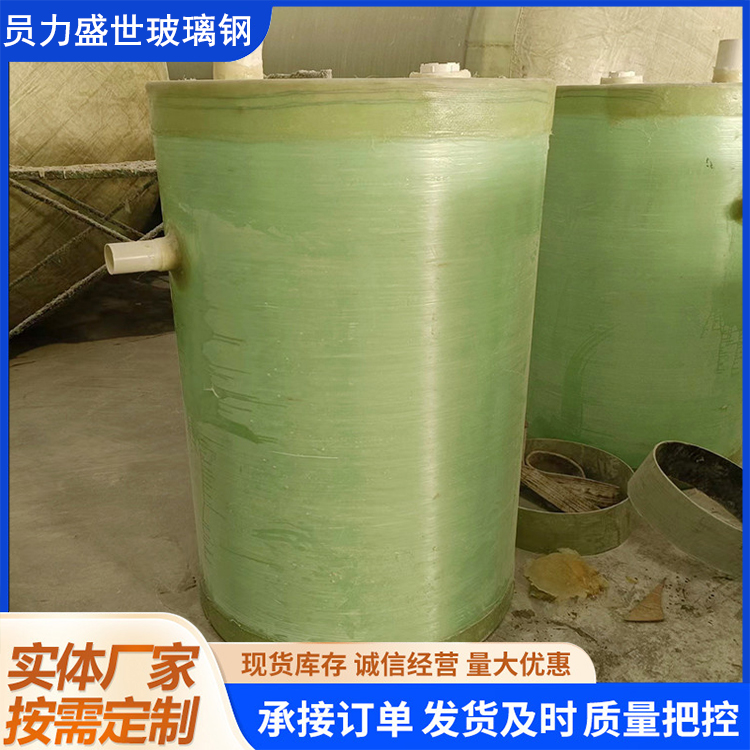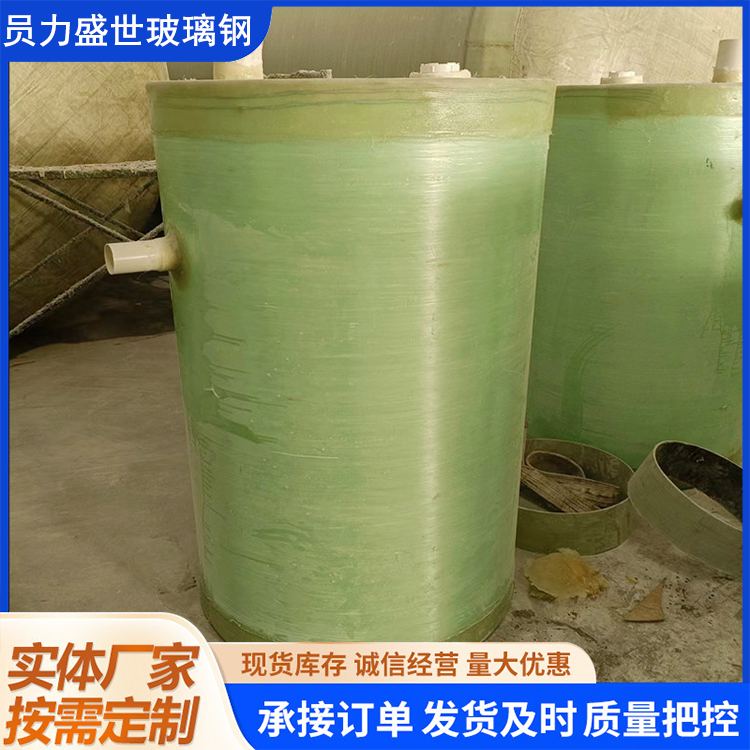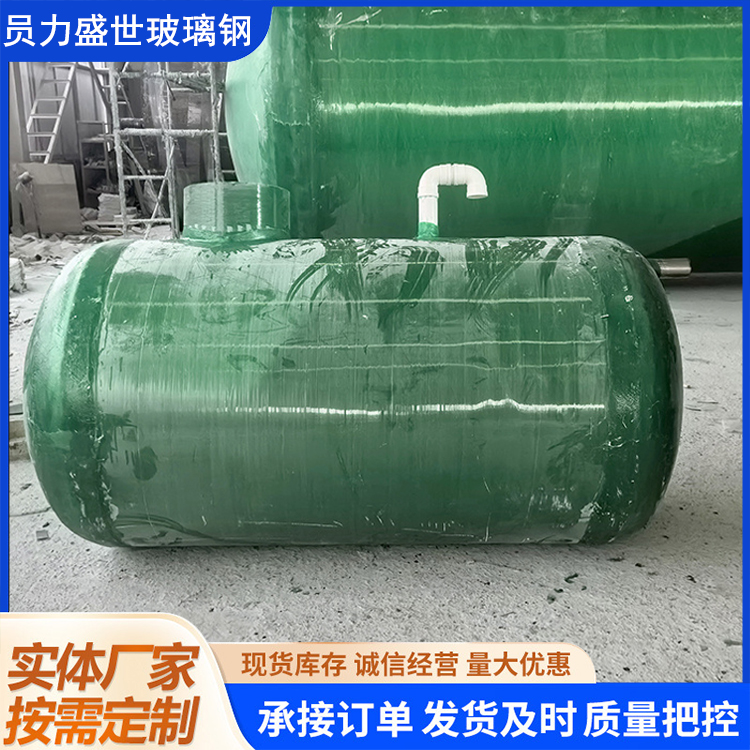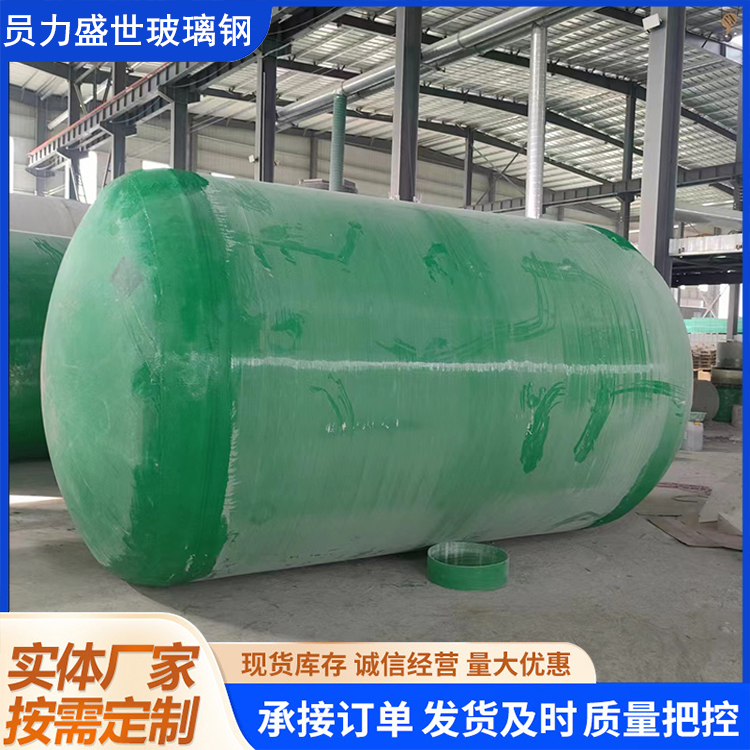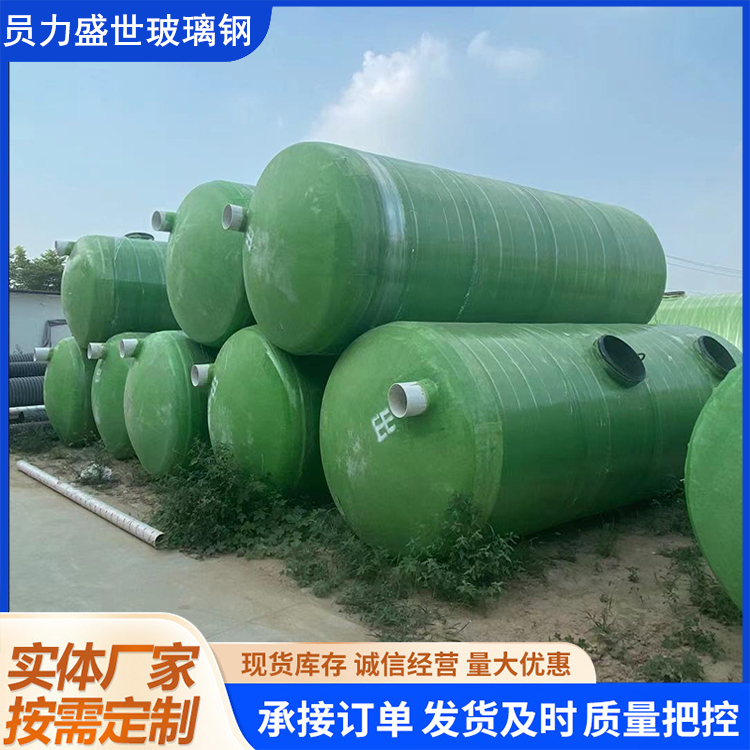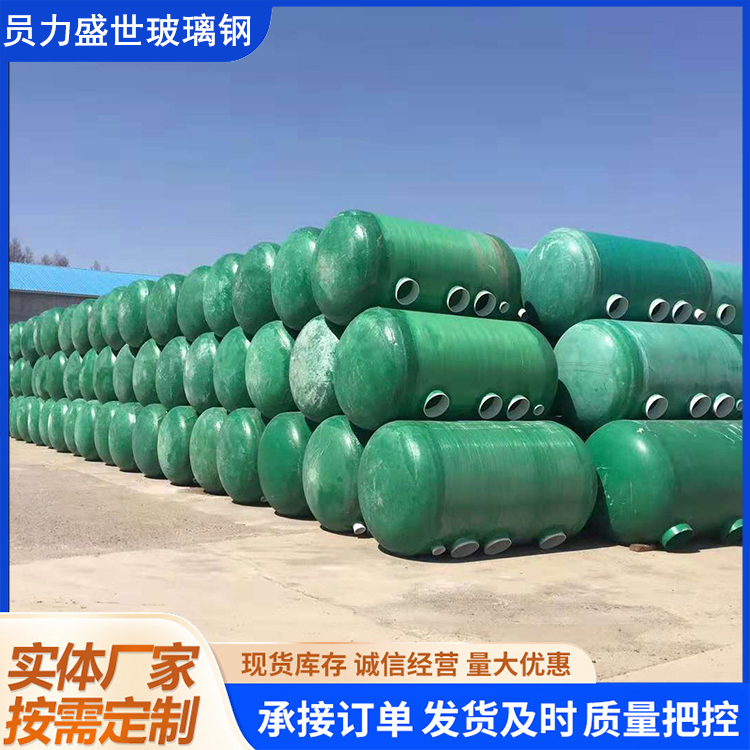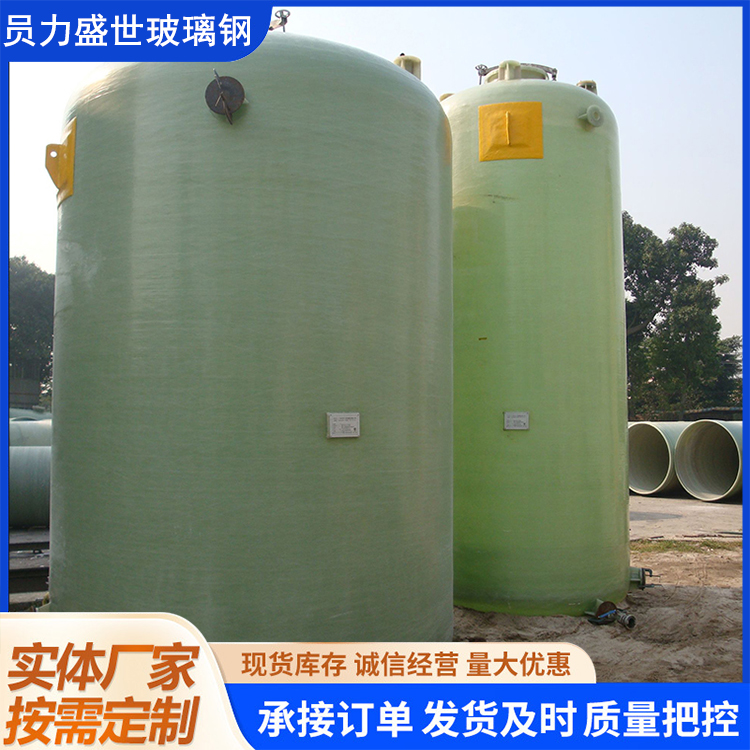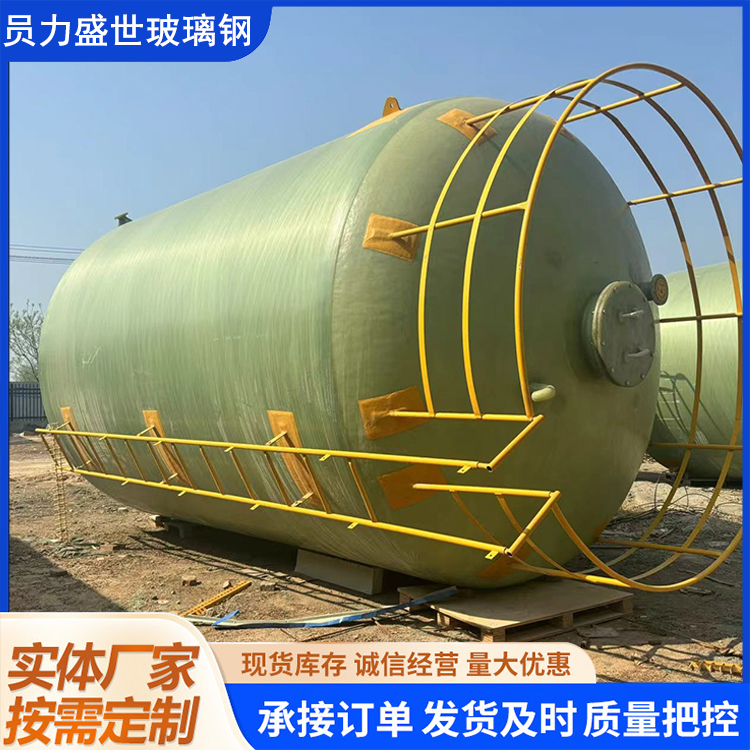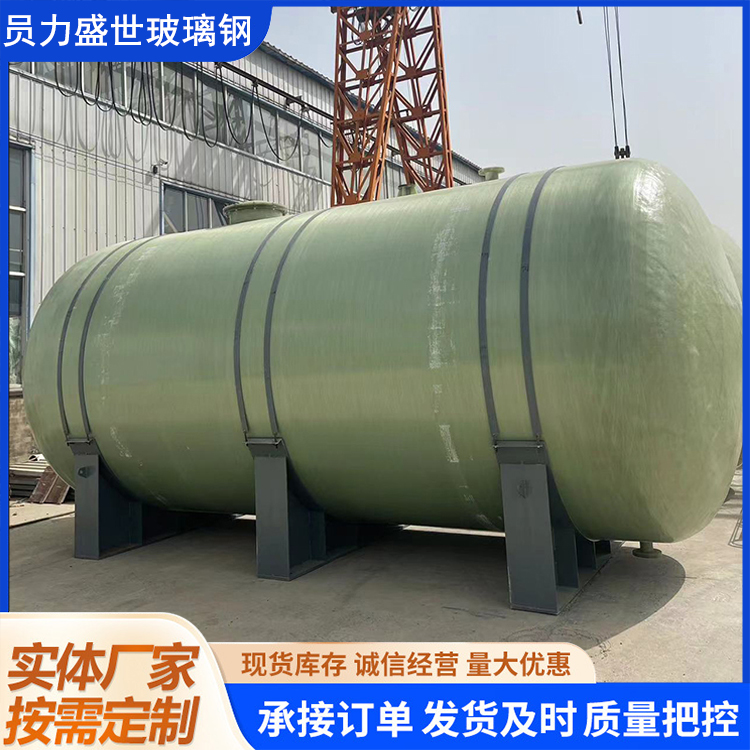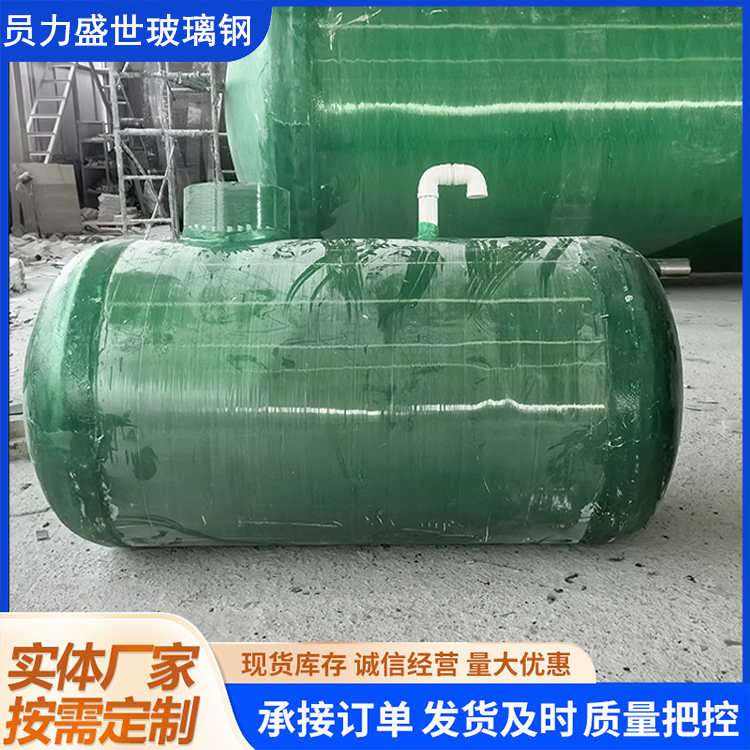
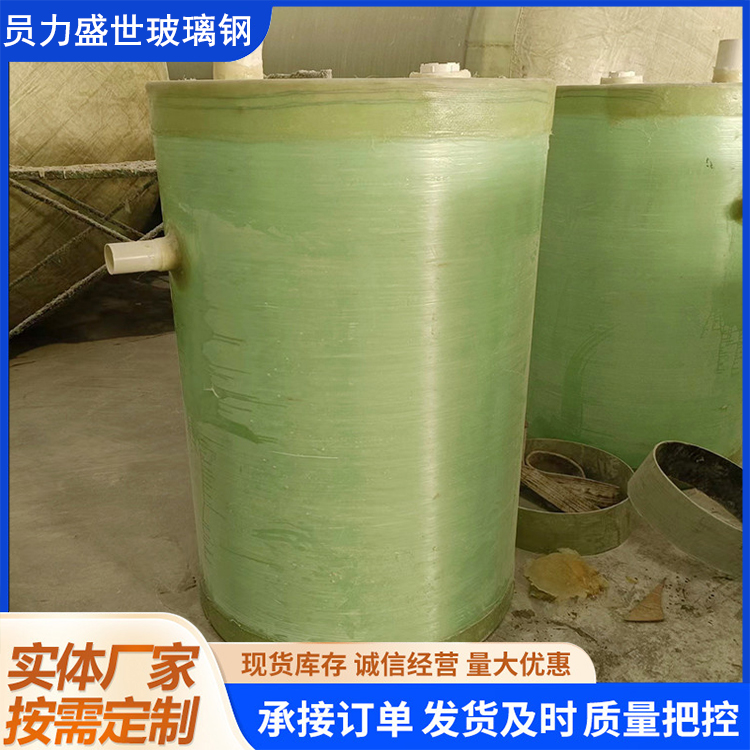

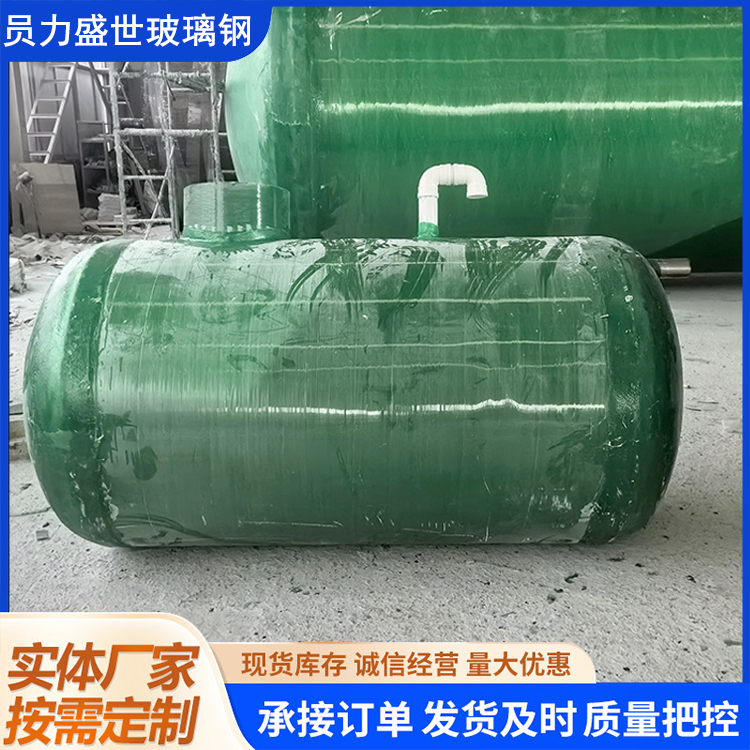
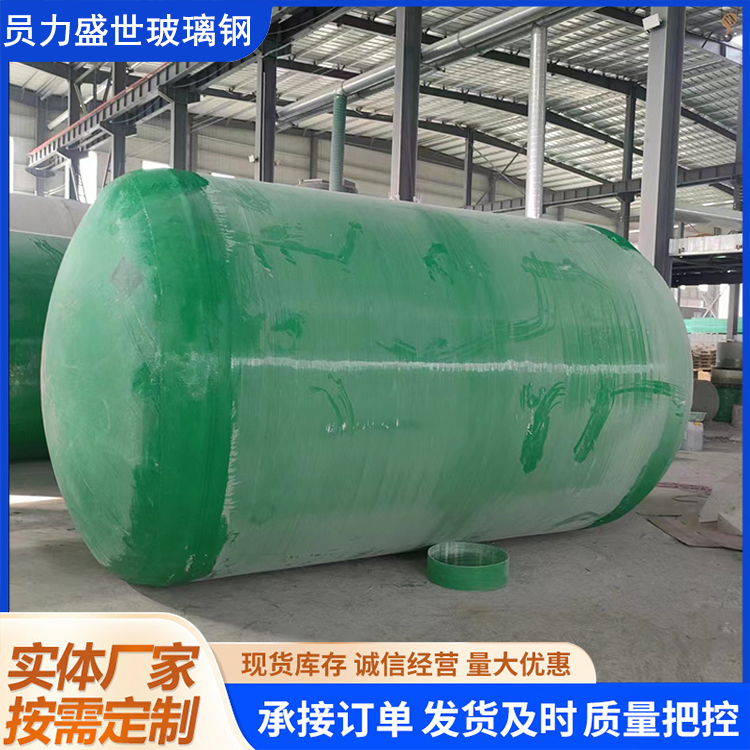







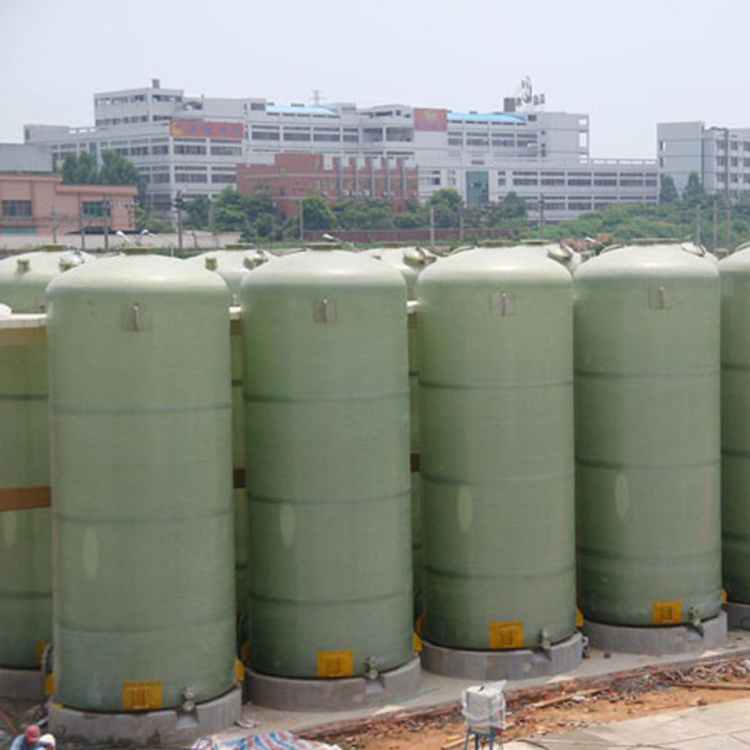
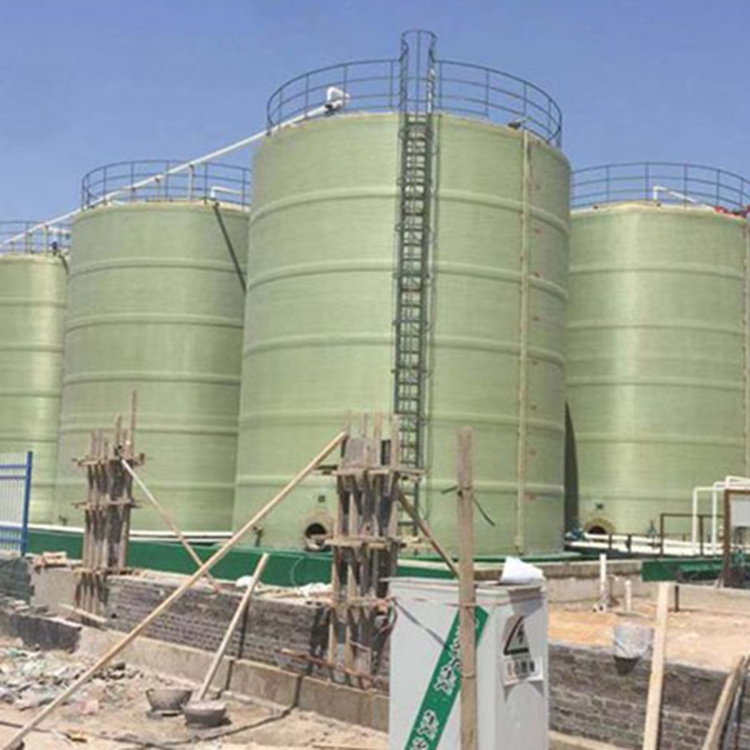
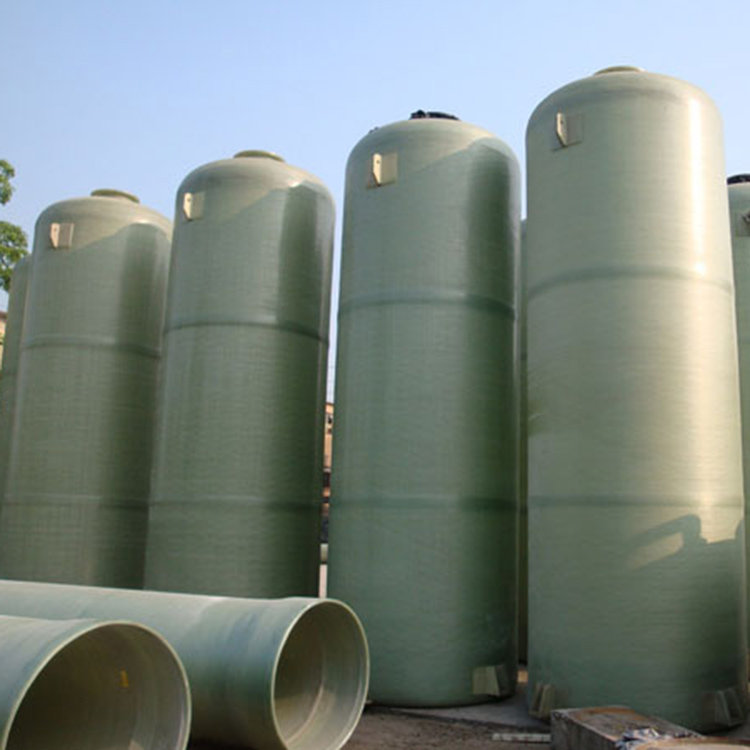
Fiberglass storage tanks are a type of fiberglass product, primarily reinforced with glass fibers and bonded with resin through computer-controlled winding machinery to create a new composite material. These tanks offer corrosion resistance, high strength, lightweight, and long service life. Thanks to their flexibility in design and strong processability, they can be tailored for various industries such as chemical, environmental protection, and food, gradually replacing carbon steel and stainless steel in most market segments.
Fiberglass storage tanks are available in various types, including vertical tanks, horizontal tanks, fiberglass tanks, chemical storage tanks, corrosion-resistant tanks, hydrochloric acid tanks, sulfuric acid tanks, food tanks, fermentation tanks, transport storage tanks, storage tanks, adhesive tanks, chemical tanks, pressure tanks, soy sauce tanks, nitric acid tanks, and more.
Select epoxy furan resin, modified or polyester resin, or phenolic resin as the binder, composed of a corrosion-resistant lining with high resin content, a waterproofing layer, a fiber-wound reinforcing layer, and an outer protective layer.
Fiberglass reinforced plastic products, known for their excellent corrosion resistance, serve as transmission mediums in many industries. However, what enables them to possess their unique characteristics? The structure of fiber-wound FRP products is divided into three parts: the inner lining, the structural layer, and the outer protective layer. The inner lining contains a high resin content, typically over 70%, with the inner surface's rich resin layer having a resin content of about 95%. By selecting different resins for the inner lining, FRP products can exhibit varying corrosion resistance during liquid transport, meeting diverse operational requirements; for applications requiring external corrosion protection, simply carefully selecting the resin for the outer protective layer can achieve the desired external corrosion resistance.
Fiberglass products can be tailored to various corrosive environments with different anti-corrosion resins available, including: diphenyl unsaturated polyester resins, vinyl resins, bisphenol A resins, epoxy resins, and furan resins. Selections are based on specific conditions: for acidic environments, use bisphenol A resins and furan resins; for alkaline environments, choose vinyl resins, epoxy resins, or furan resins; for solvent-based applications, use furan resins; and for less severe corrosive conditions, cheaper diphenyl resins can be selected. By choosing different resins for the lining layer, fiberglass products can be widely used in acidic, alkaline, saline, and solvent environments, demonstrating excellent corrosion resistance.