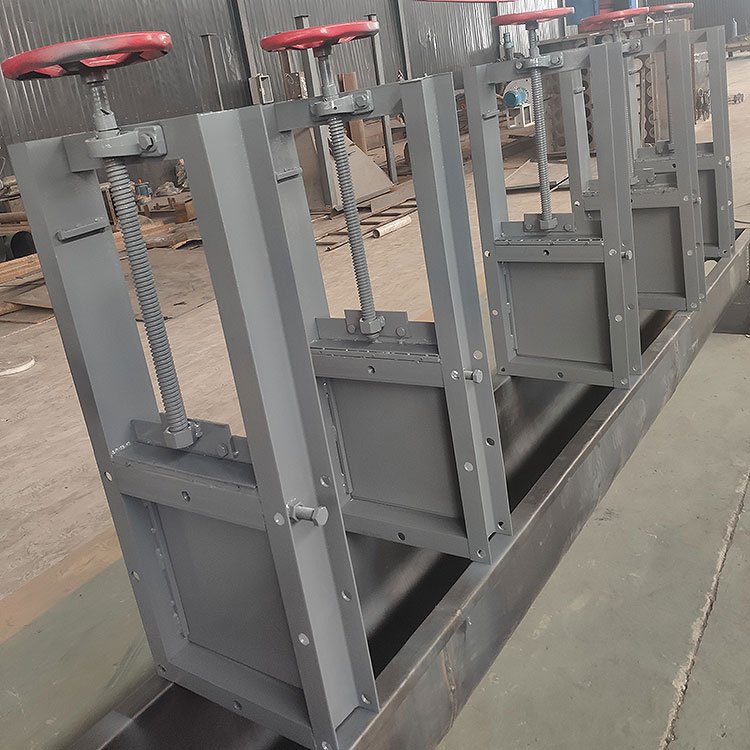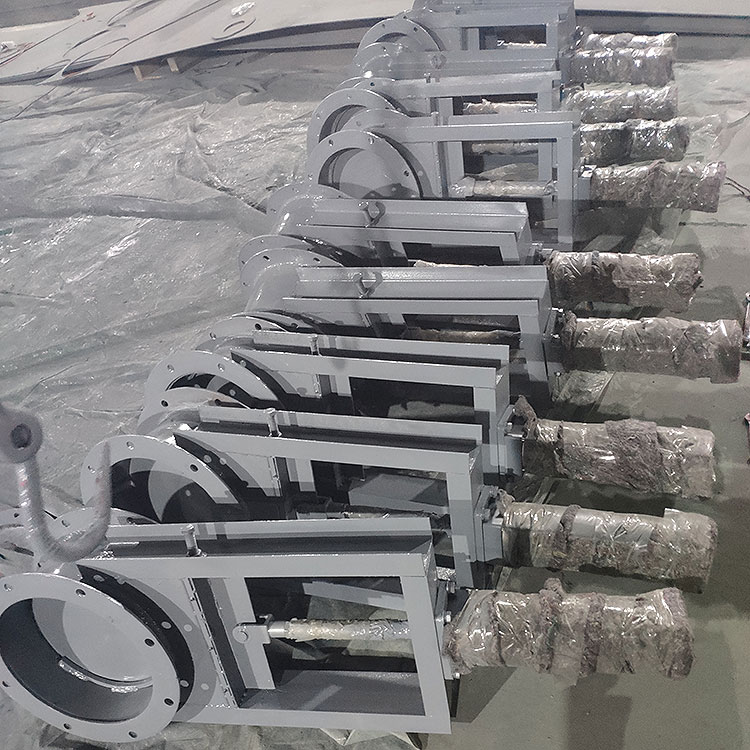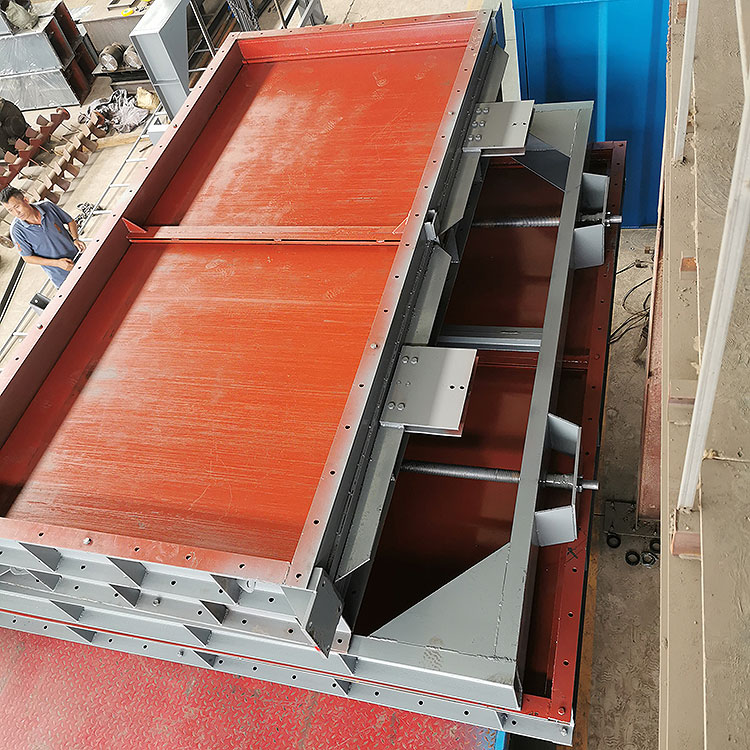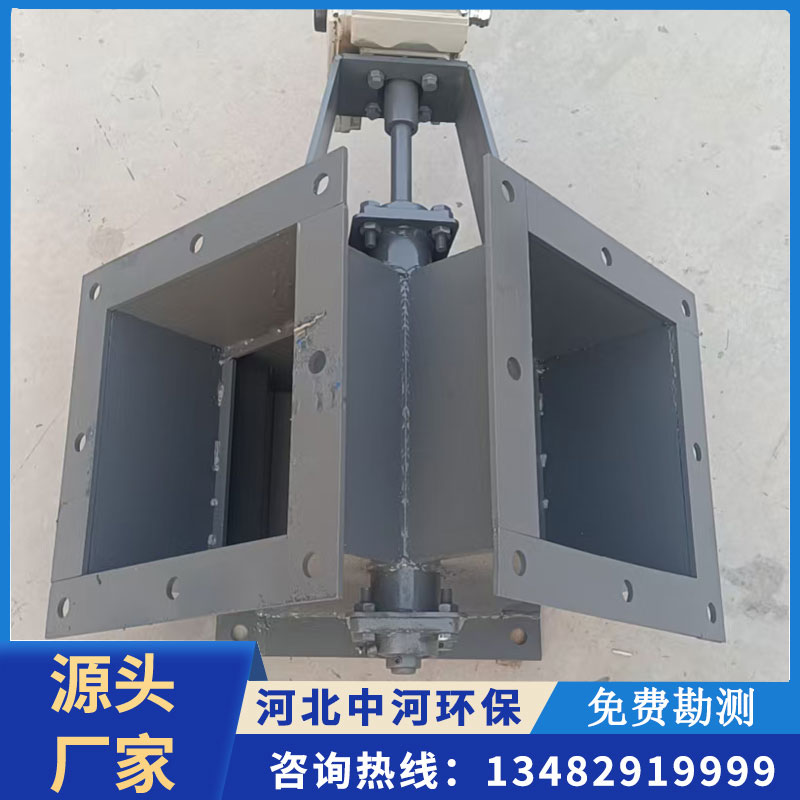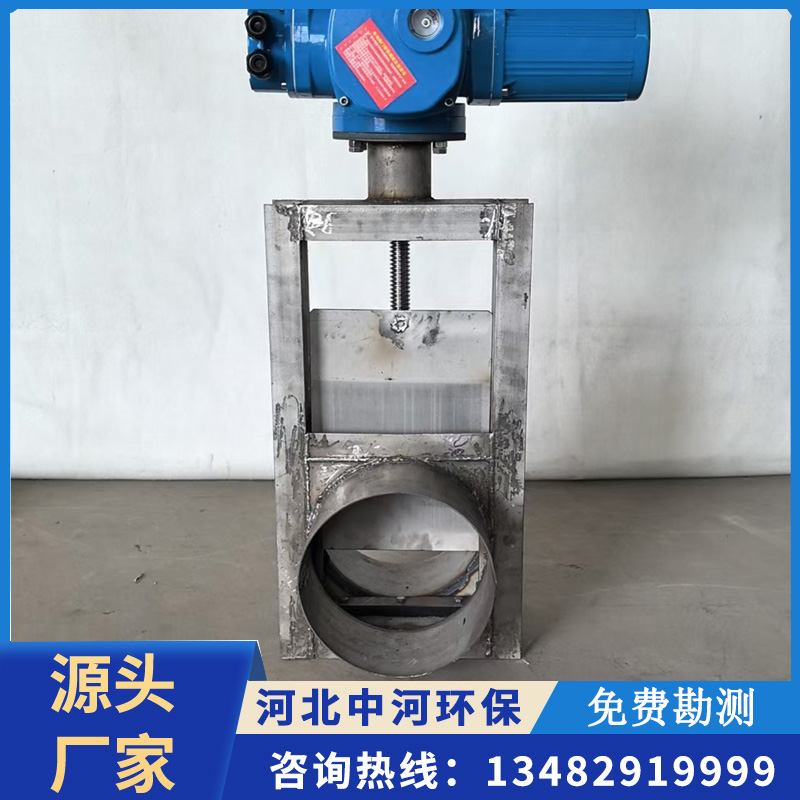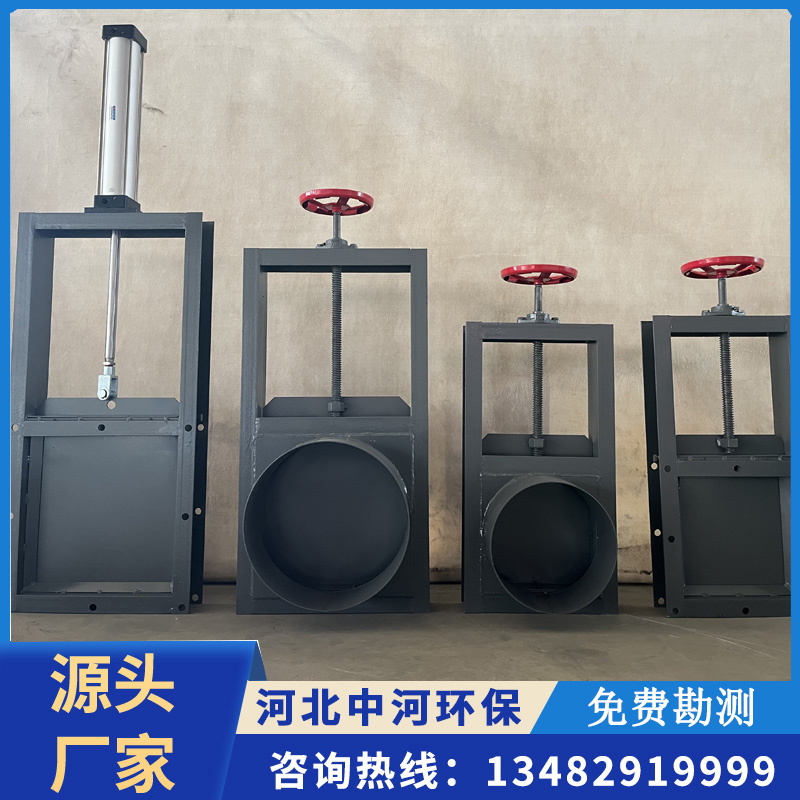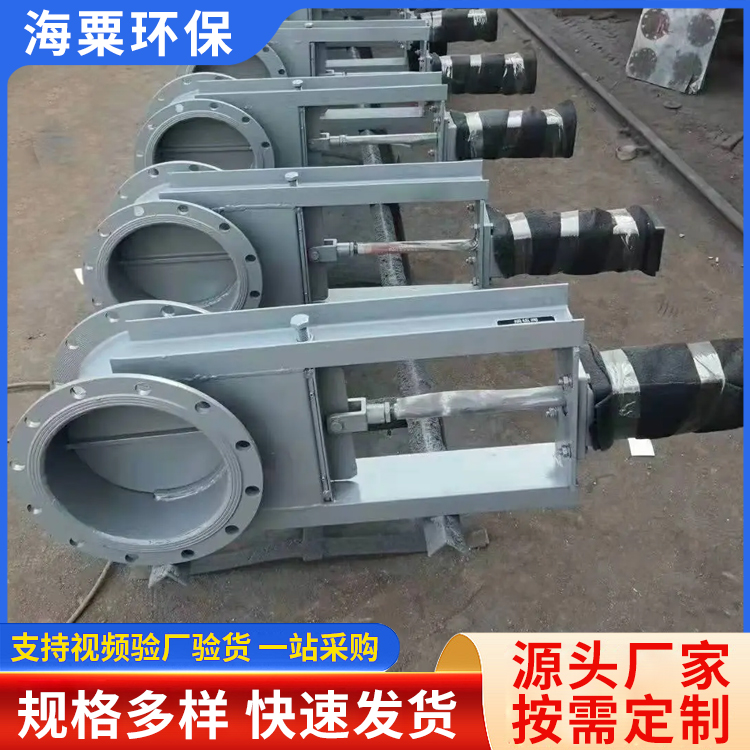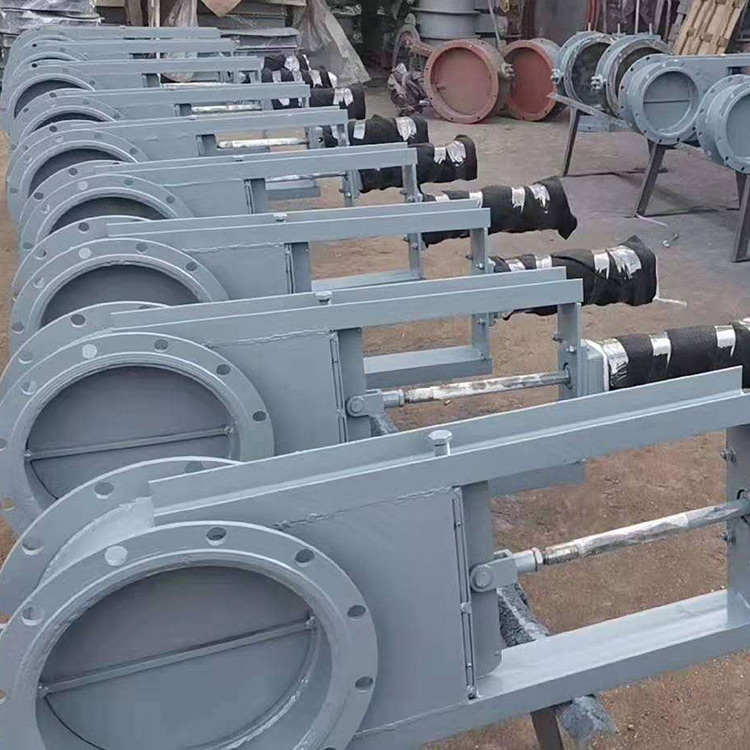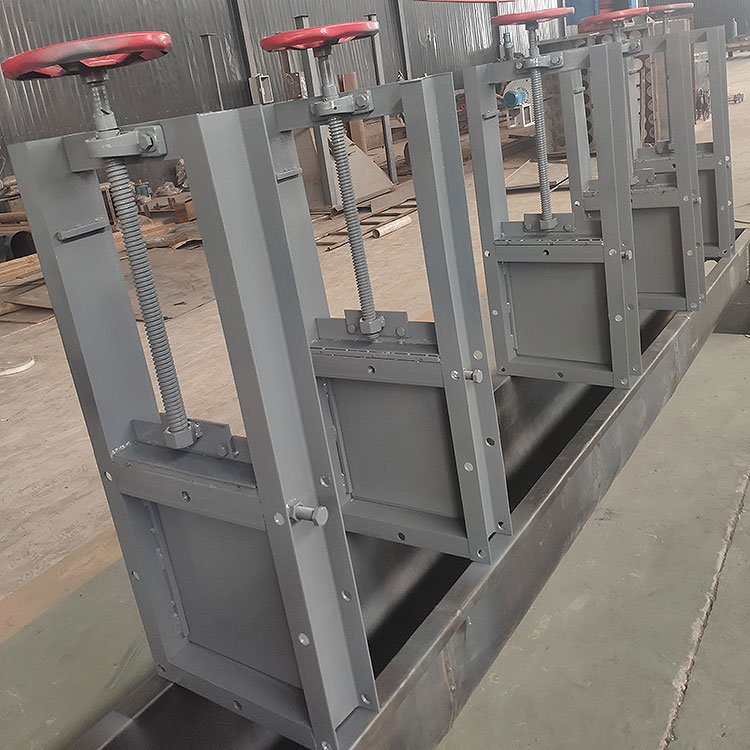

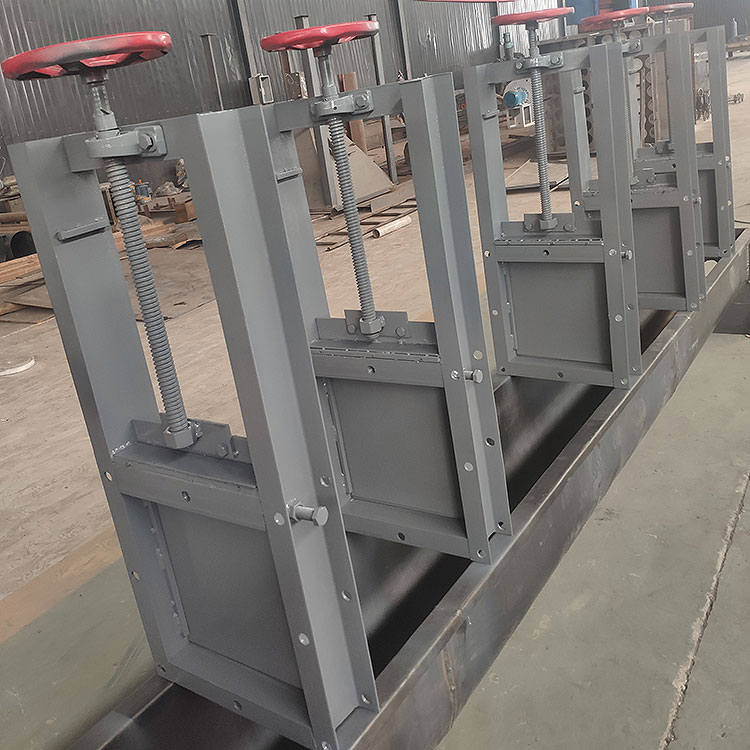
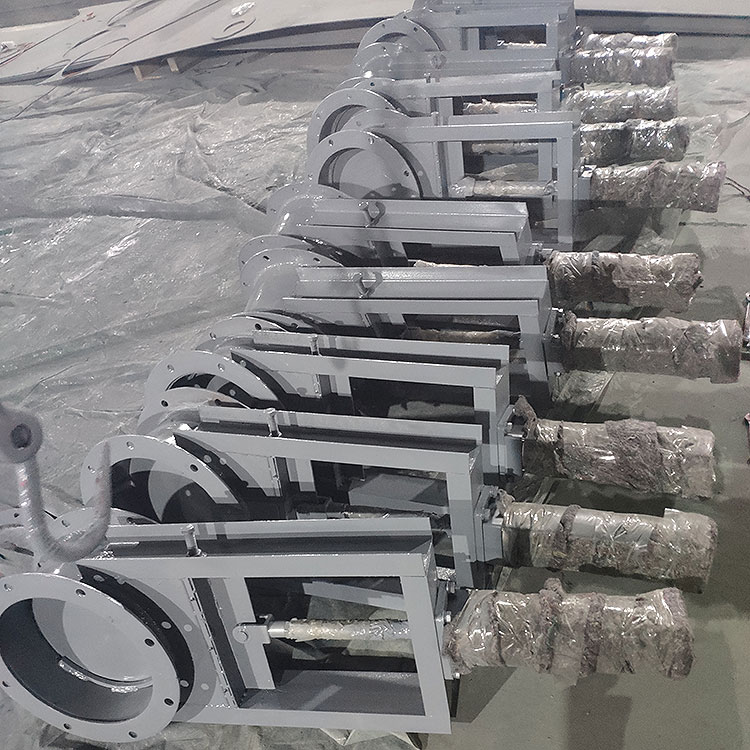
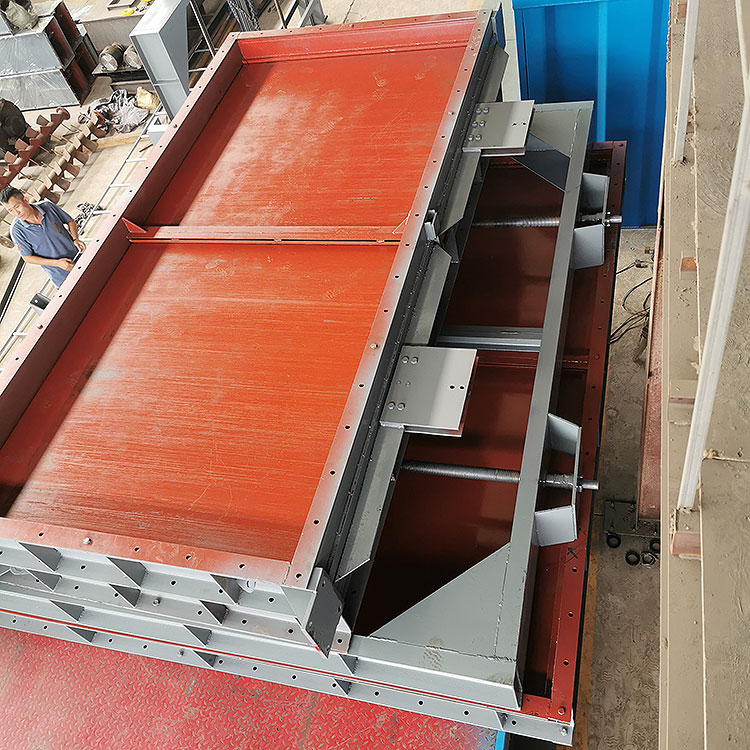


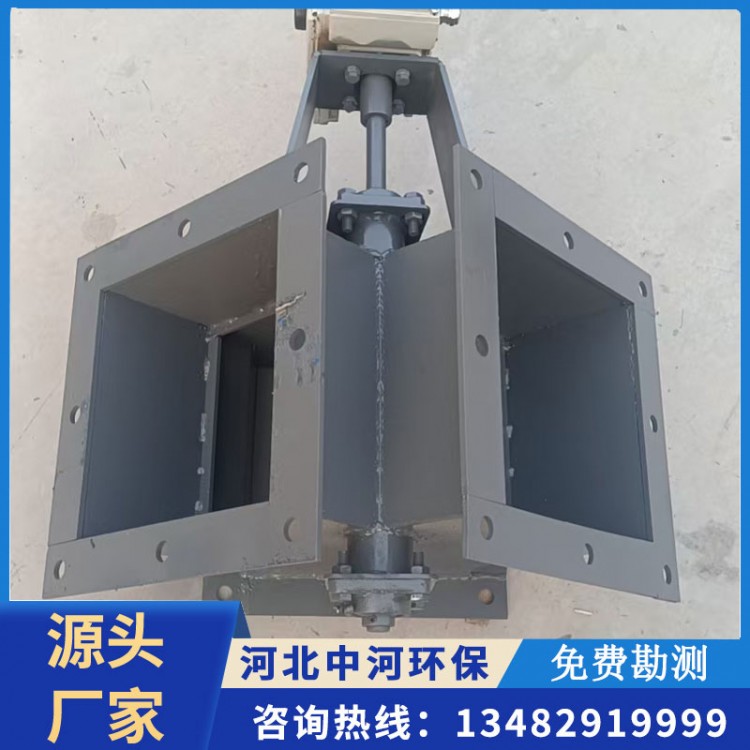
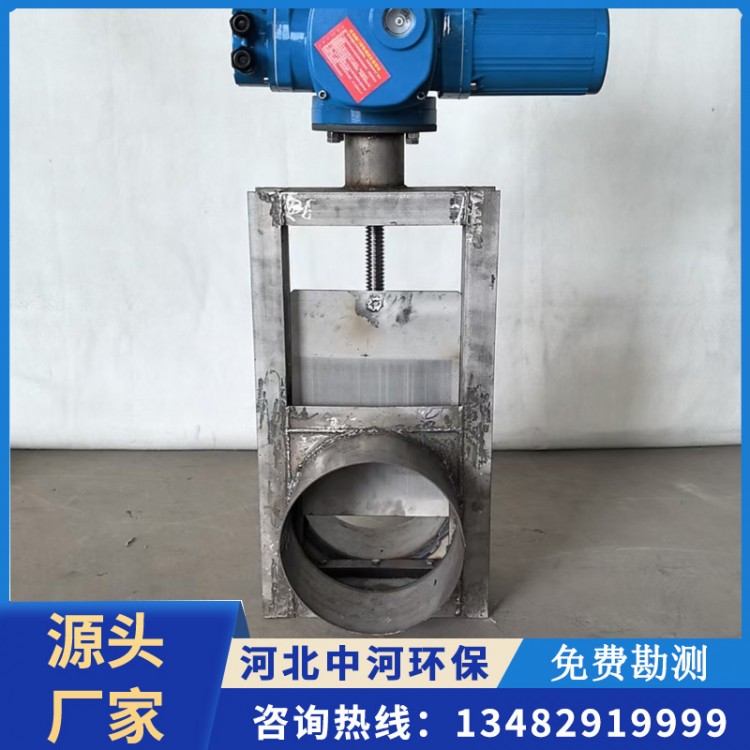
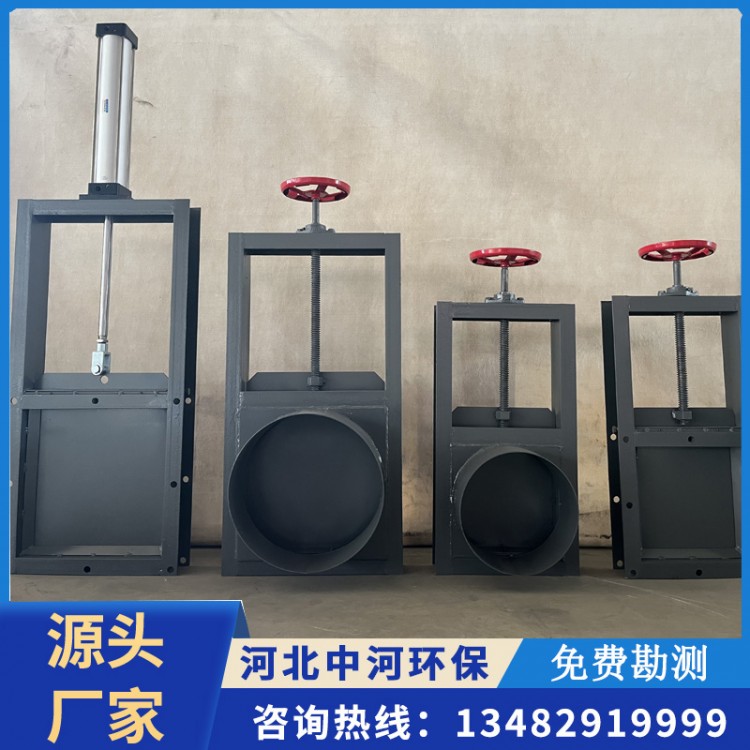
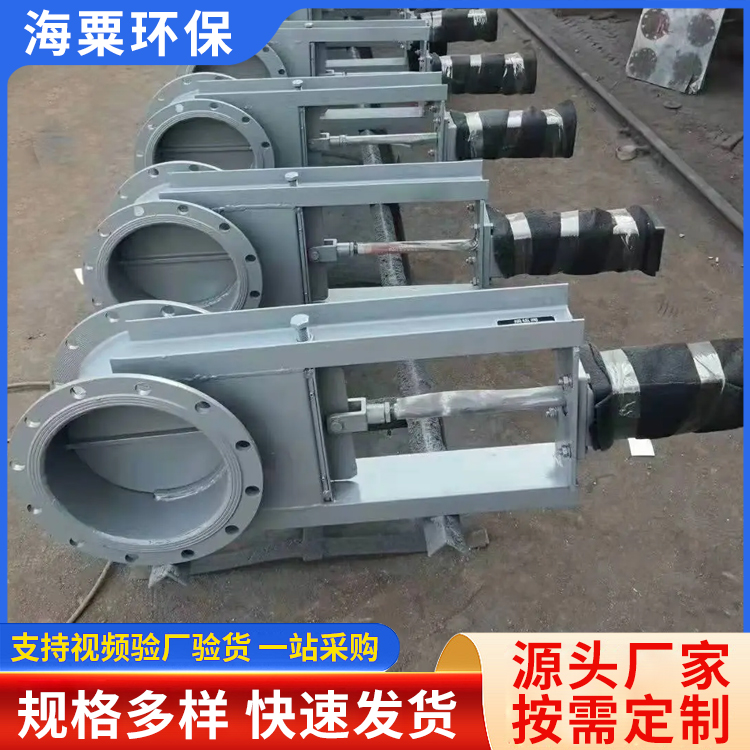






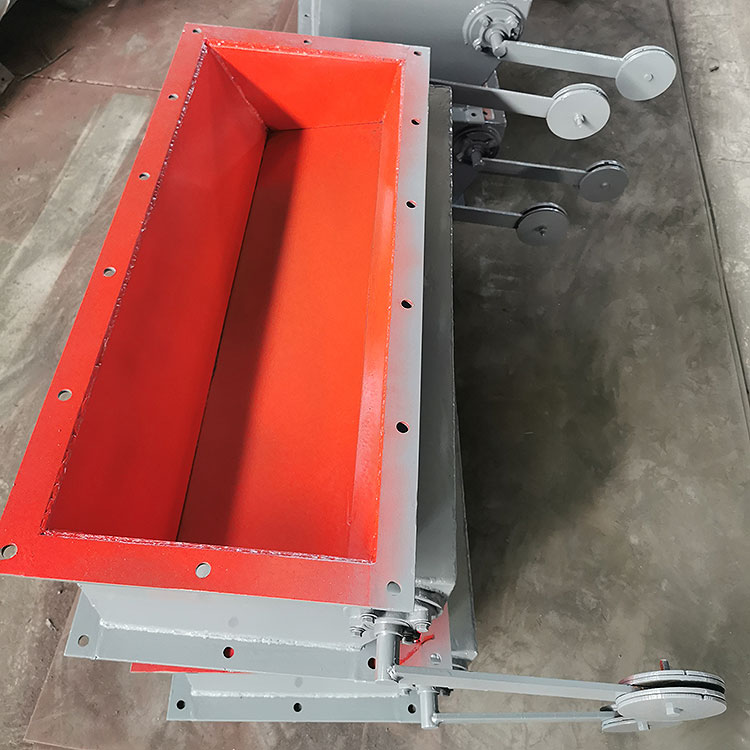


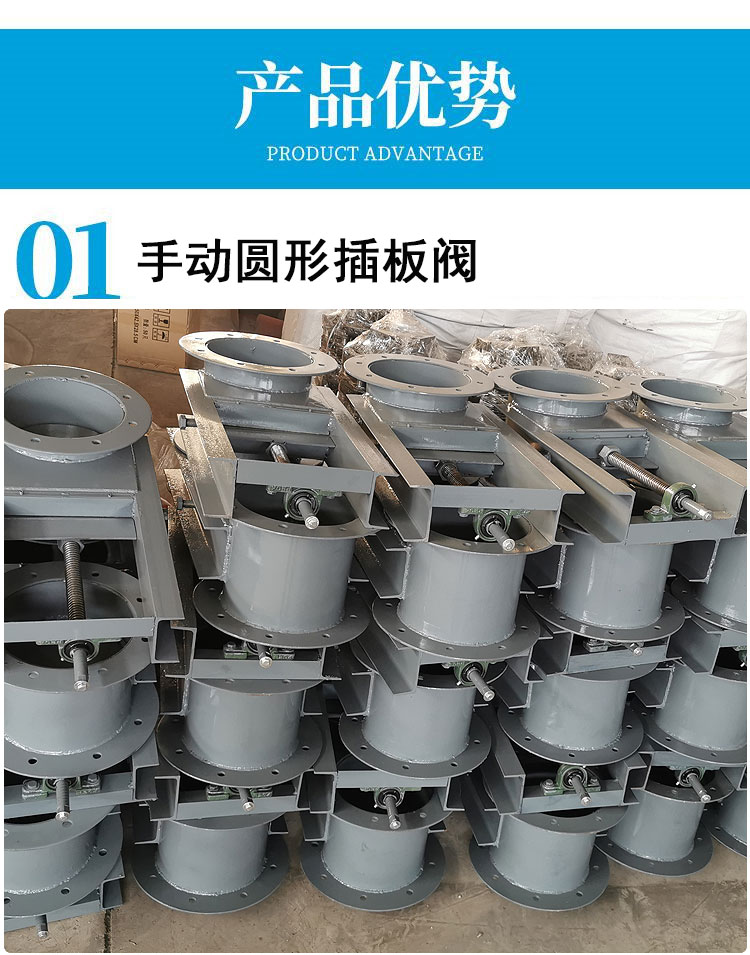
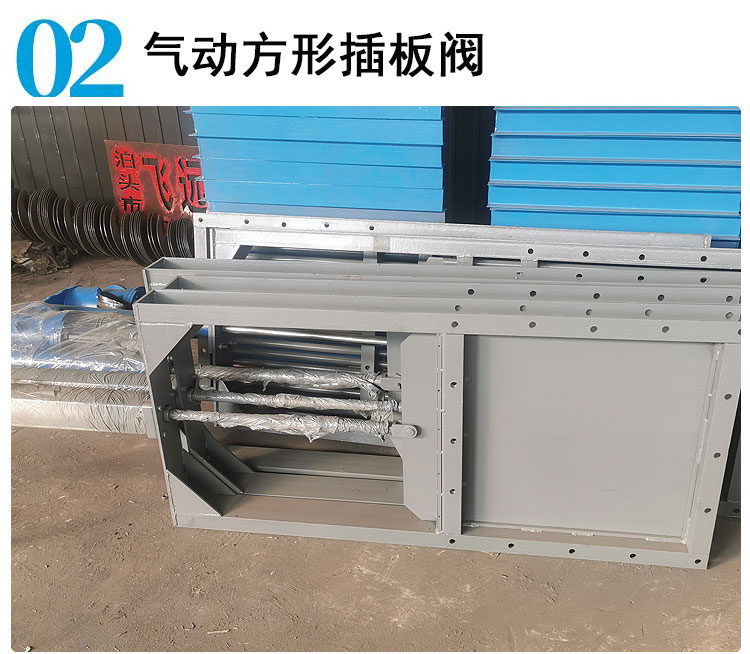
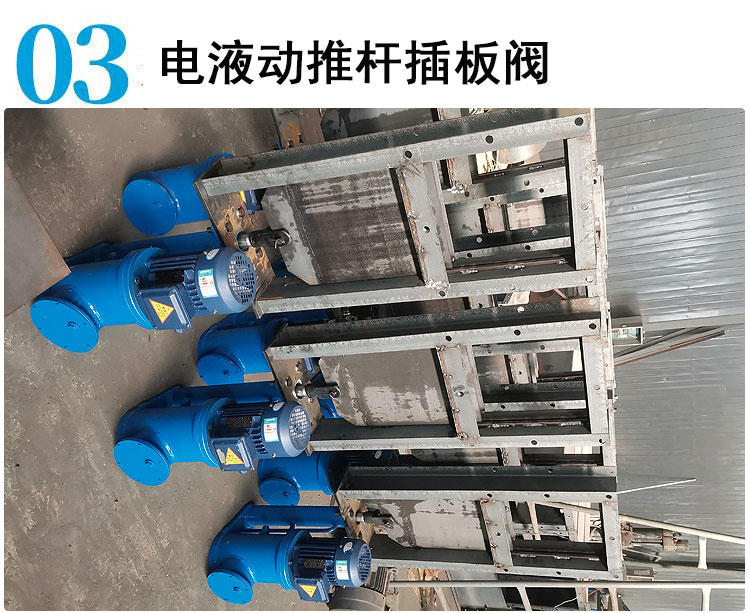
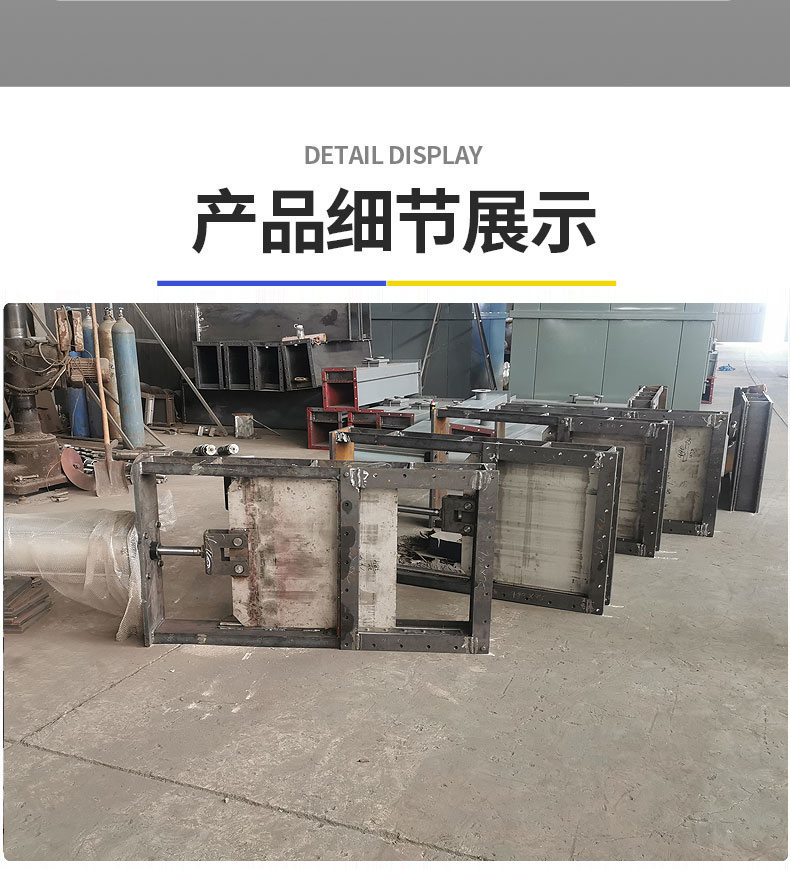

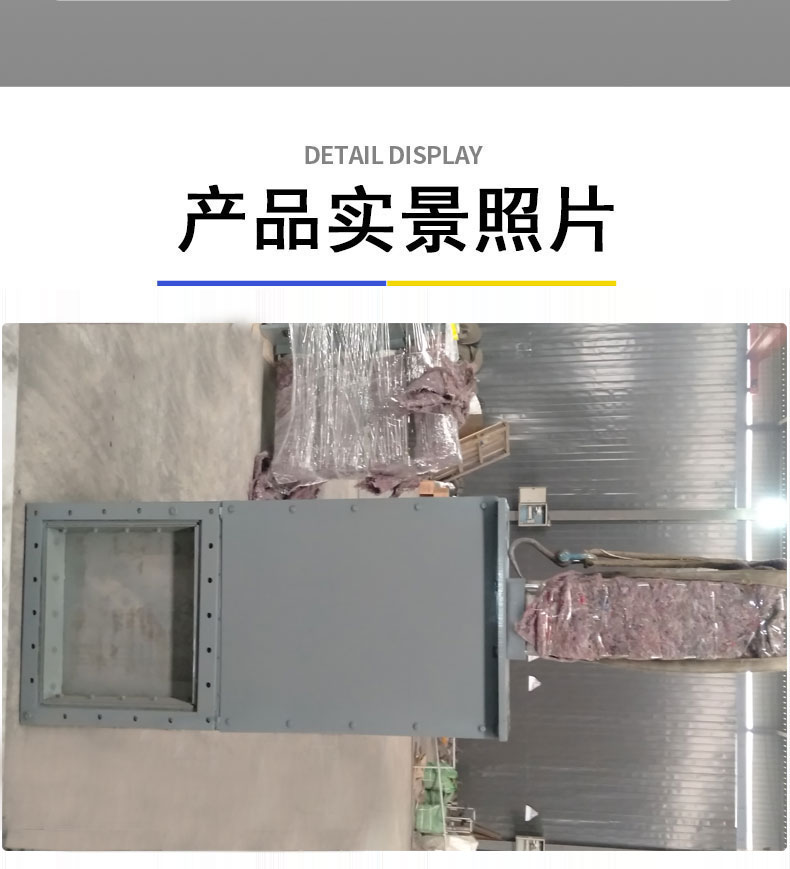
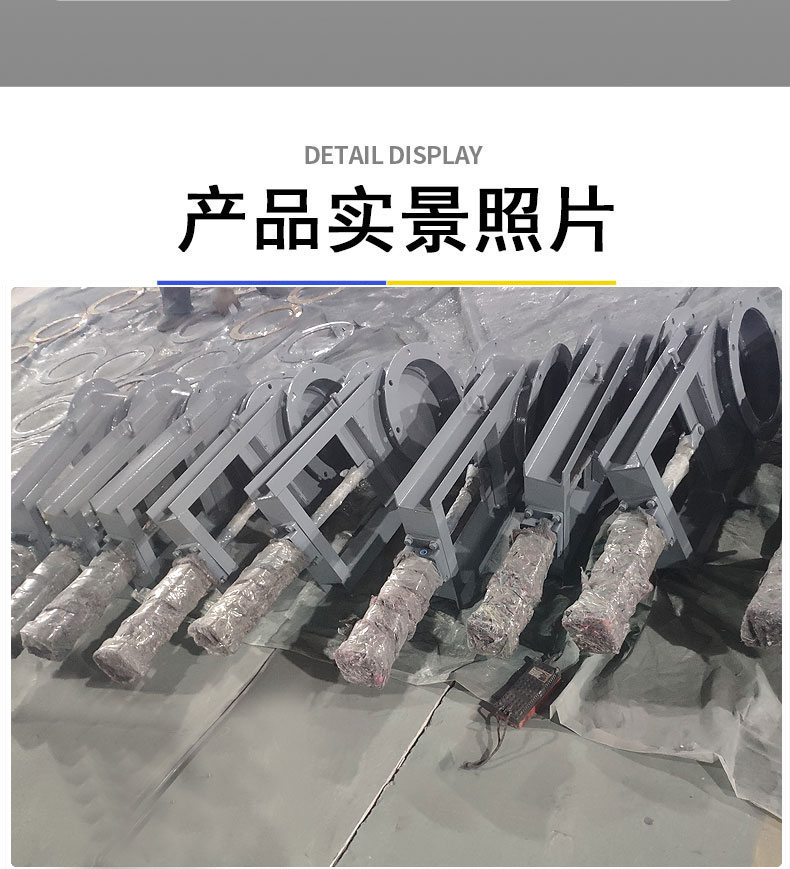
Plug valve, also known as a manual knife gate valve. The knife gate valve is a type of valve where the gate and seat are always in tight contact for sealing. Its principle involves a circular opening of the same size as the passage diameter on the gate, which opens and closes to separate or align with the passage. The advantages of this valve include a body without grooves, preventing media from becoming obstructed, and full passage flow characteristics. The sealing structure can be soft or hard. The through-type knife gate valve features precise construction, good workability, and a compact design. The sealing seat is designed as a movable structure with anti-wear and automatic compensation functions, thus extending its lifespan.
During the closing and opening process, the valve seat and the gate plate remain tightly sealed as they move, ensuring stable operation of the valve's opening and closing force, and featuring the characteristic of cutting off the medium.
The knife gate valve boasts simple and compact structure, rational design, lightweight materials, reliable sealing, easy operation, flexibility, small size, smooth flow path, low flow resistance, light weight, easy installation, and easy disassembly. It operates normally under working pressures of 1.0MPa to 2.5MPa and temperatures ranging from -29 to 650°C. The knife gate valve features a blade plate with shearing capability, which can scrape off adherent materials on the sealing surface, automatically clean debris, and the stainless steel blade prevents sealing leaks caused by corrosion.
Installation
Installation and Usage of Knife Gate Valves
1. Before installation, inspect the valve cavity and sealing surfaces for any dirt or sand particles, which are not permitted to adhere.
2. Ensure that the bolts at all connection points are tightened evenly.
3. Check that the packing area is properly tightened to maintain both the sealability of the packing and the ease of the gate's operation.
4. Prior to installing the valve, users must verify the valve model, connection dimensions, and medium flow direction to ensure consistency with the valve requirements.
5. When installing the valve, leave sufficient space for the valve's driving mechanism.
6. The wiring of the drive unit must be done according to the circuit diagram.
7. Knife gate valves require regular maintenance and must not be subjected to random impacts or compressions to avoid affecting the seal.