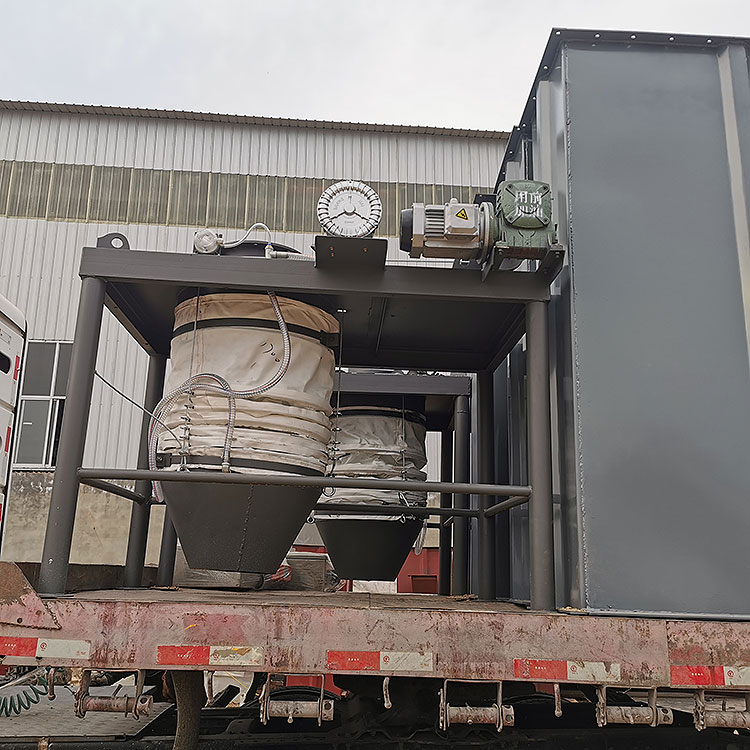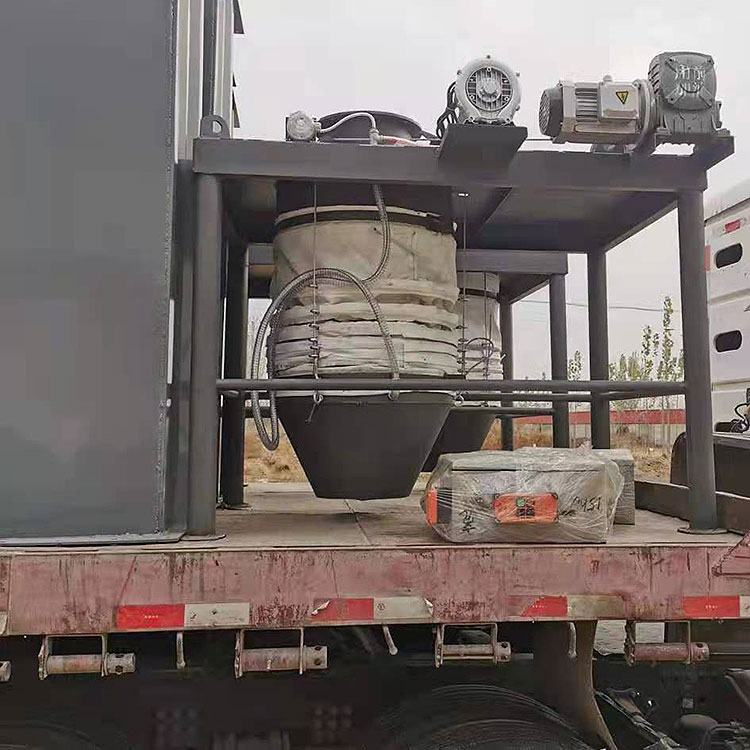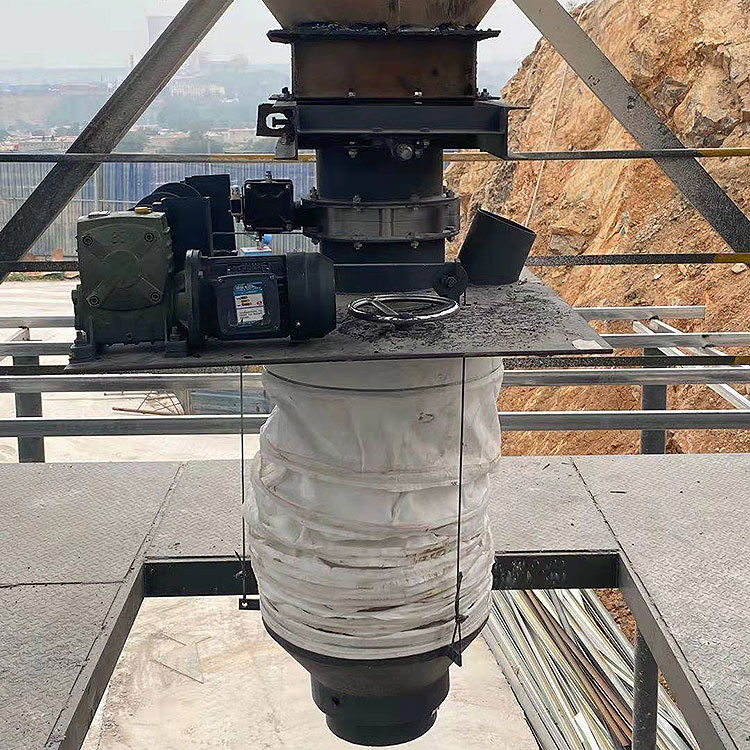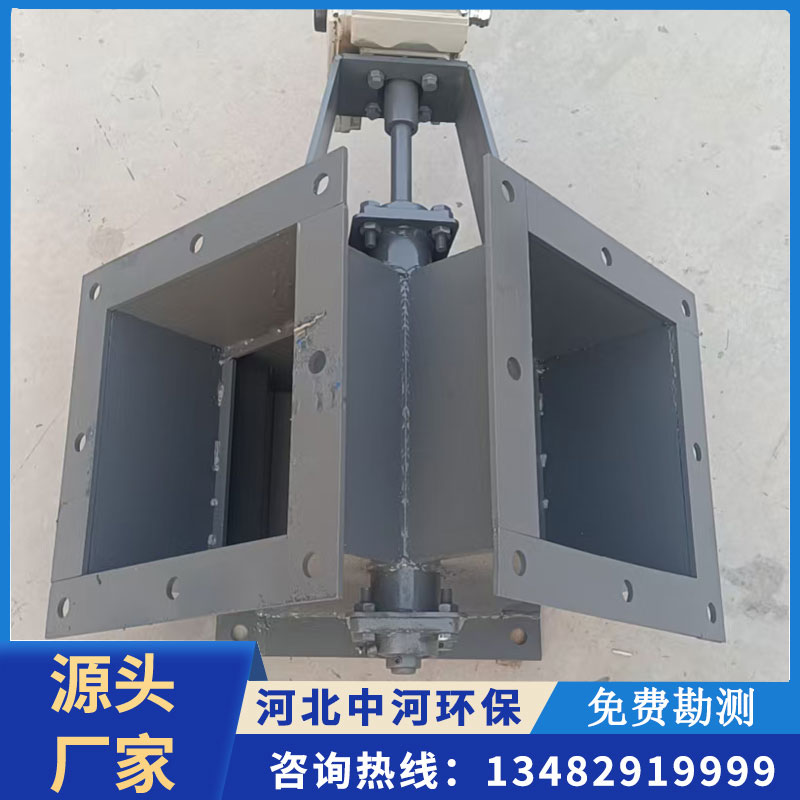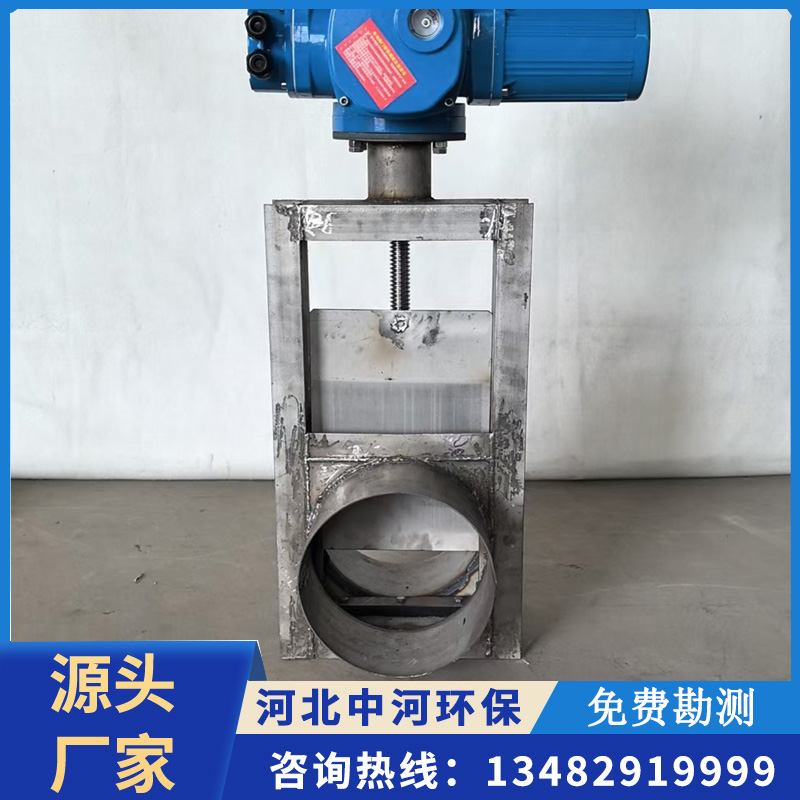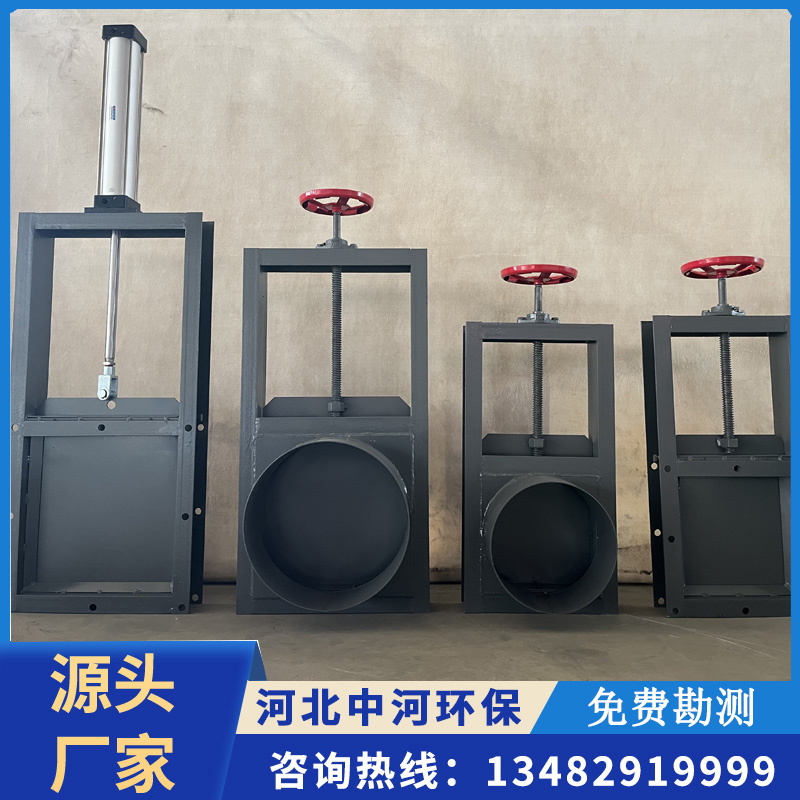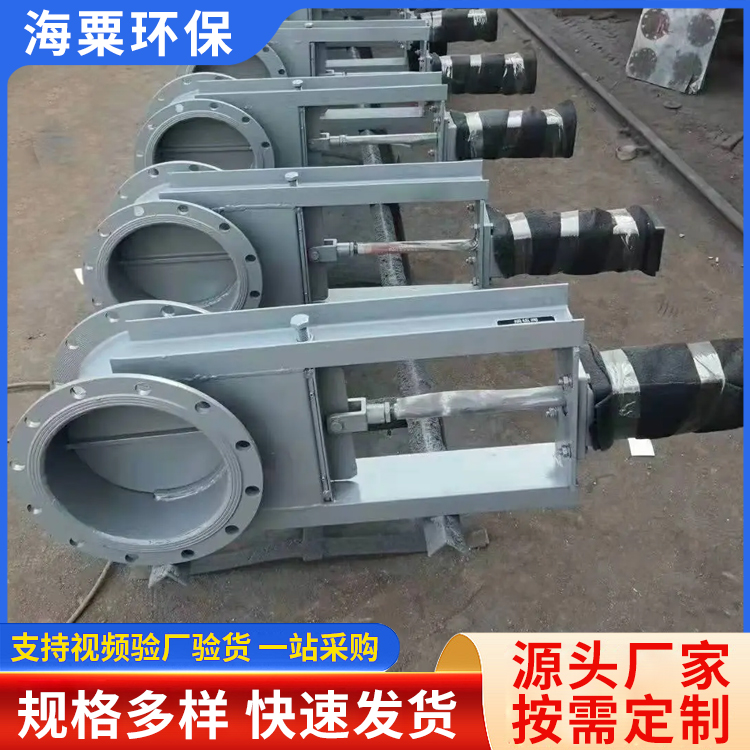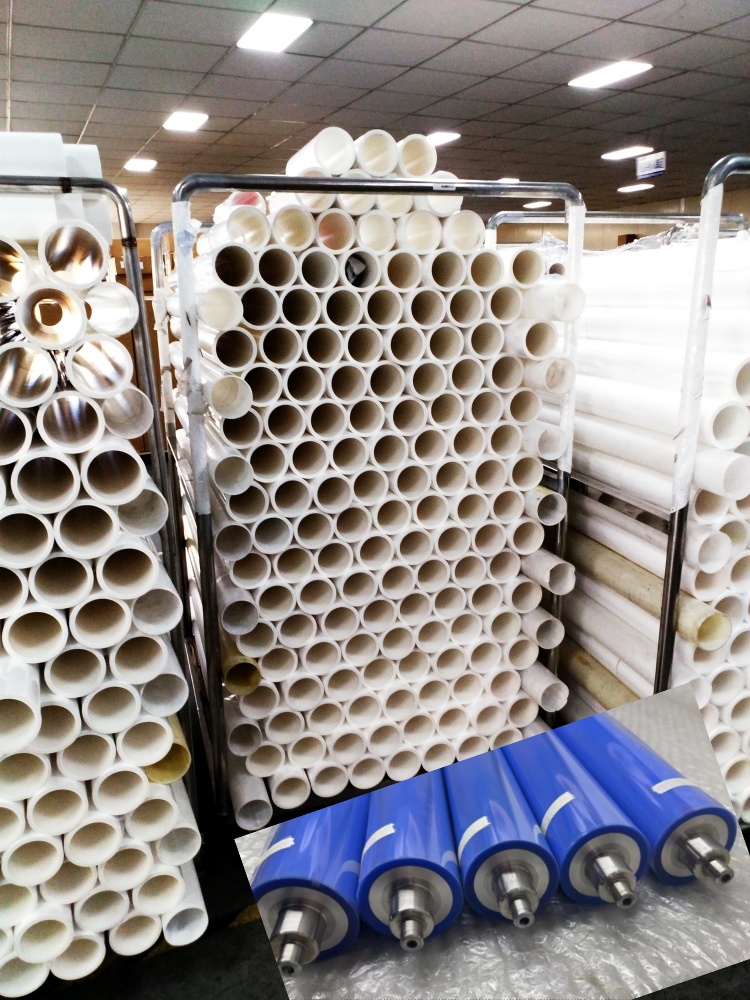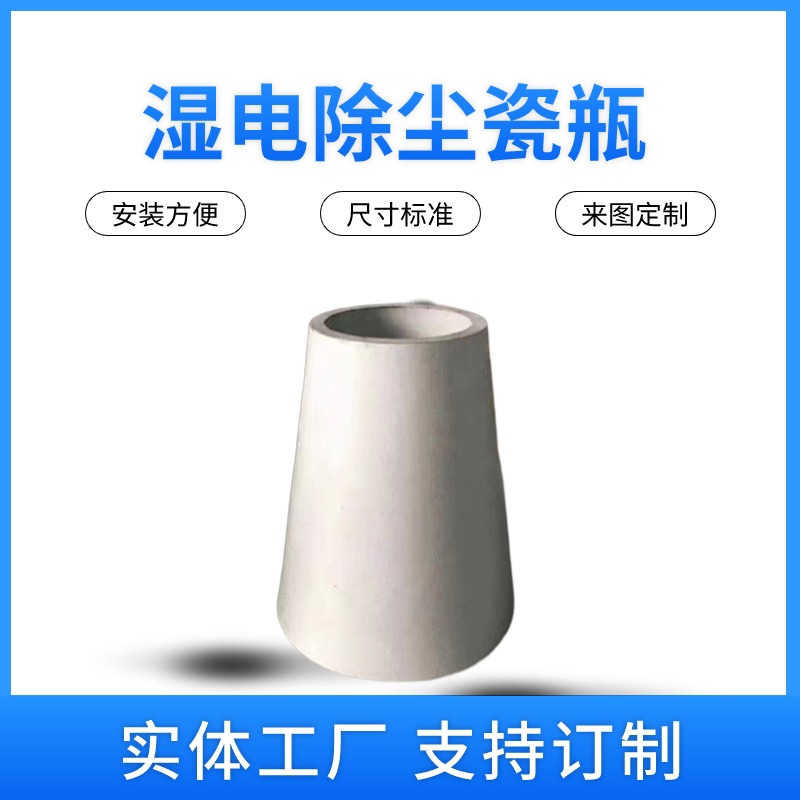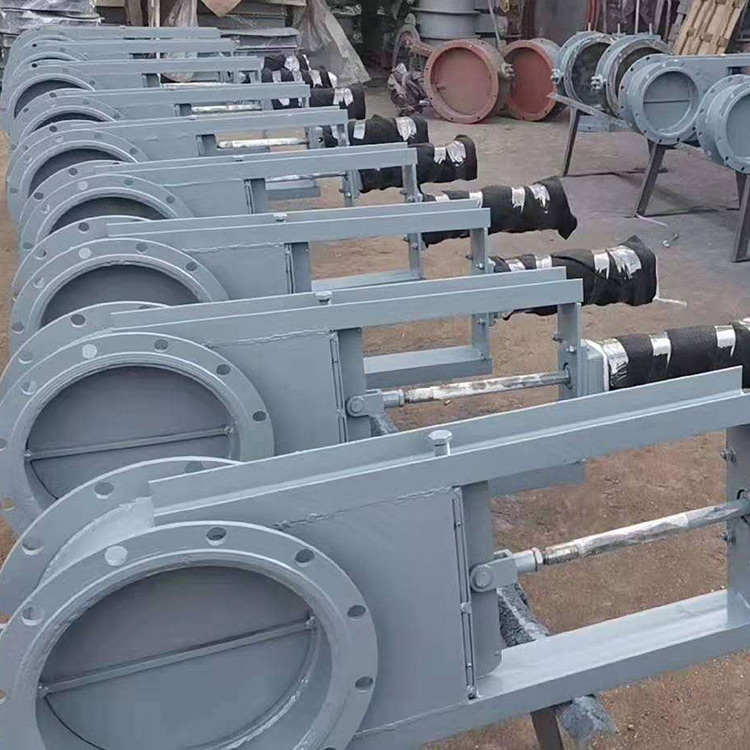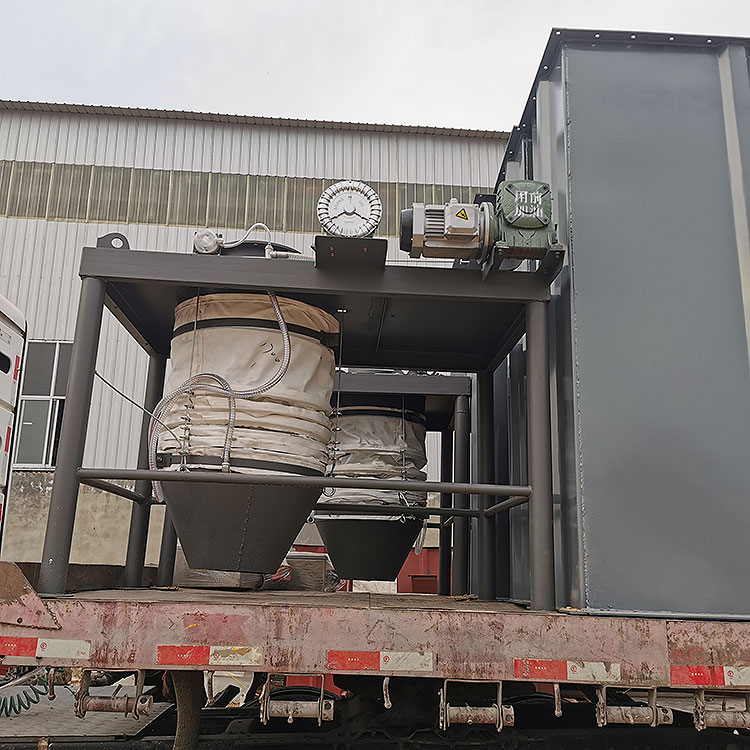


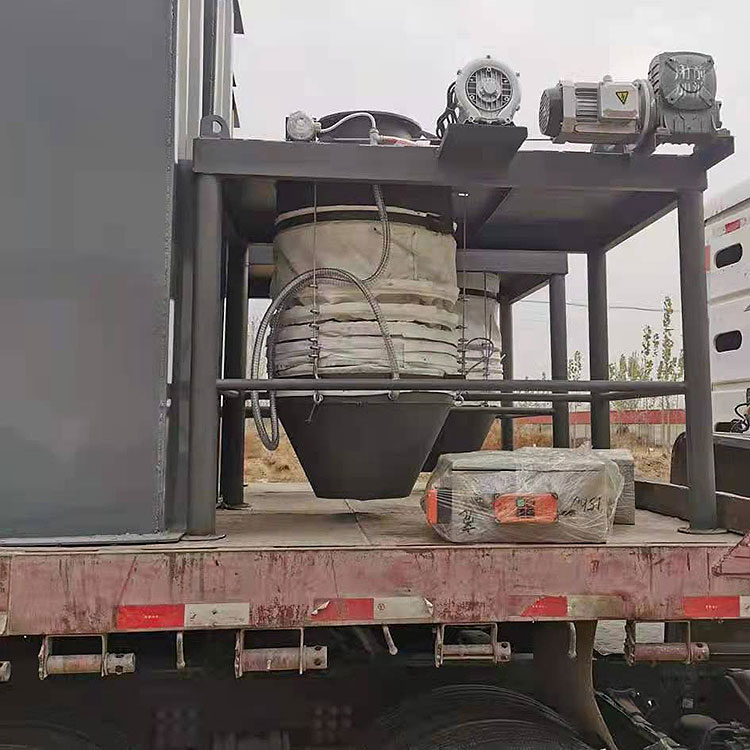
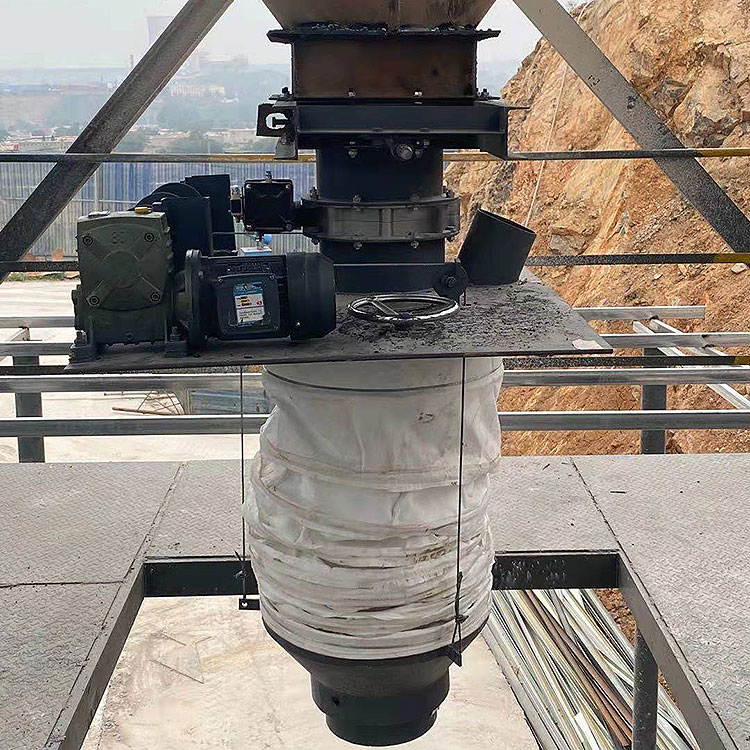


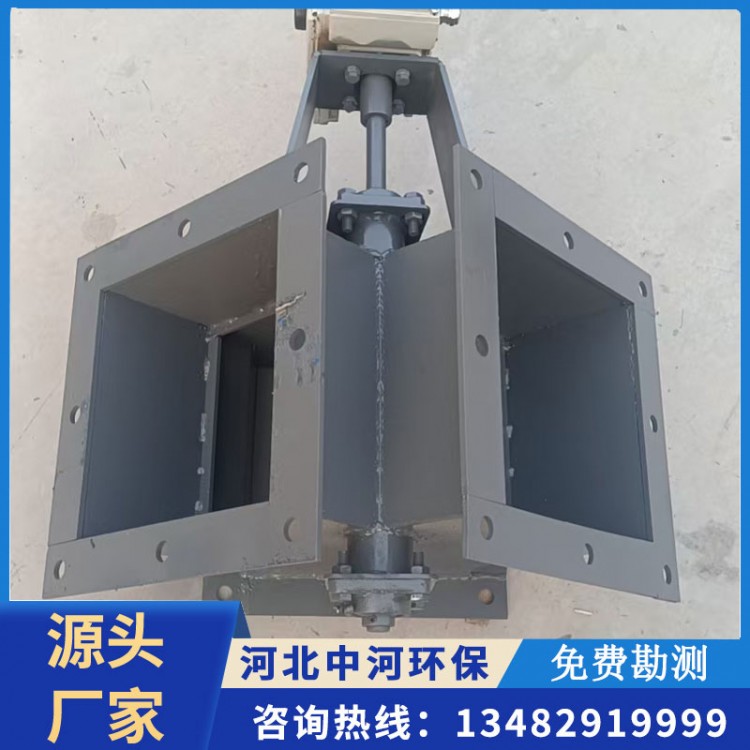
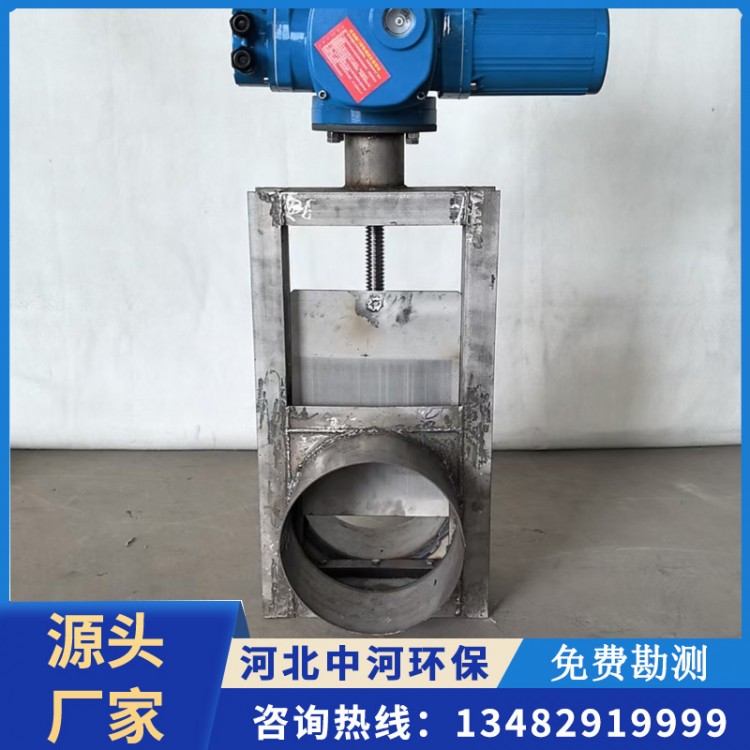
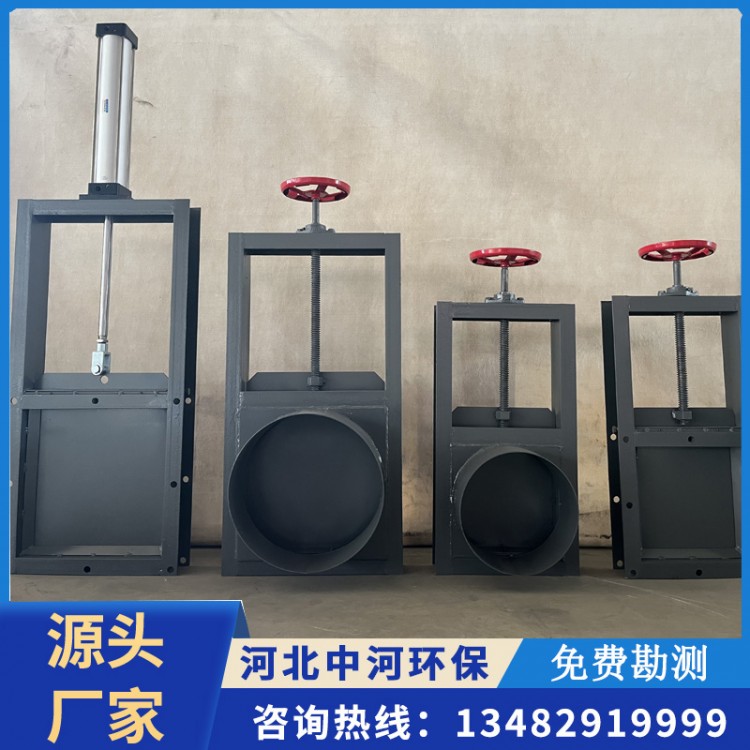
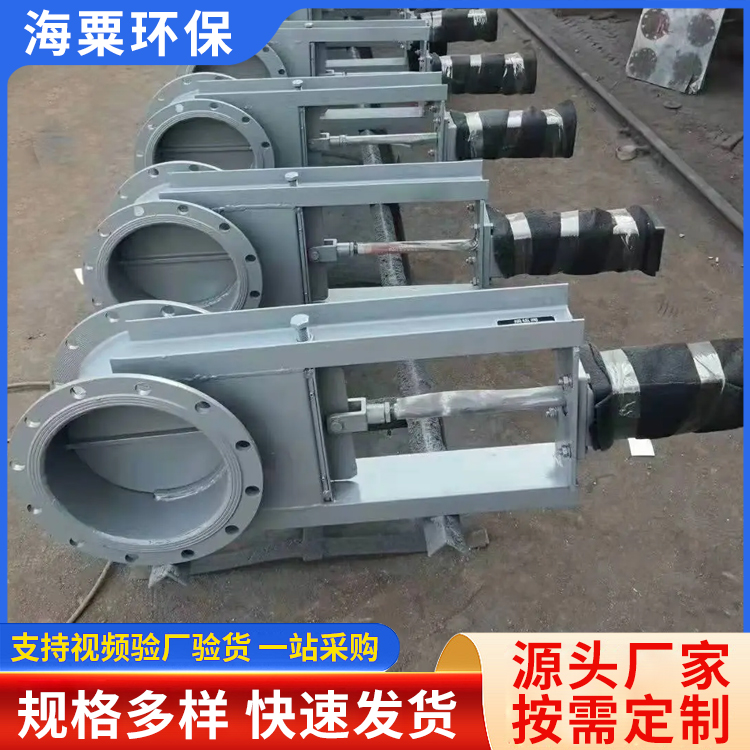





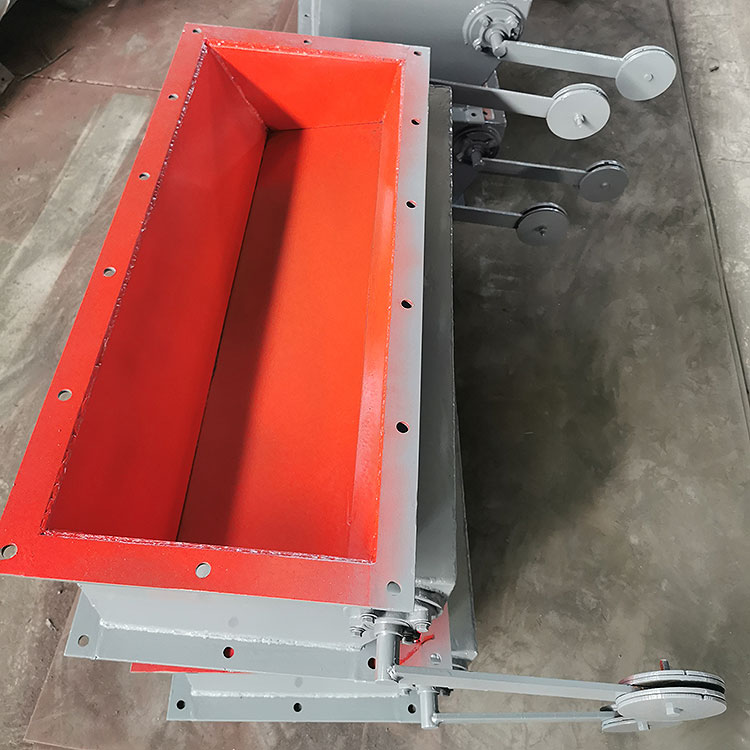

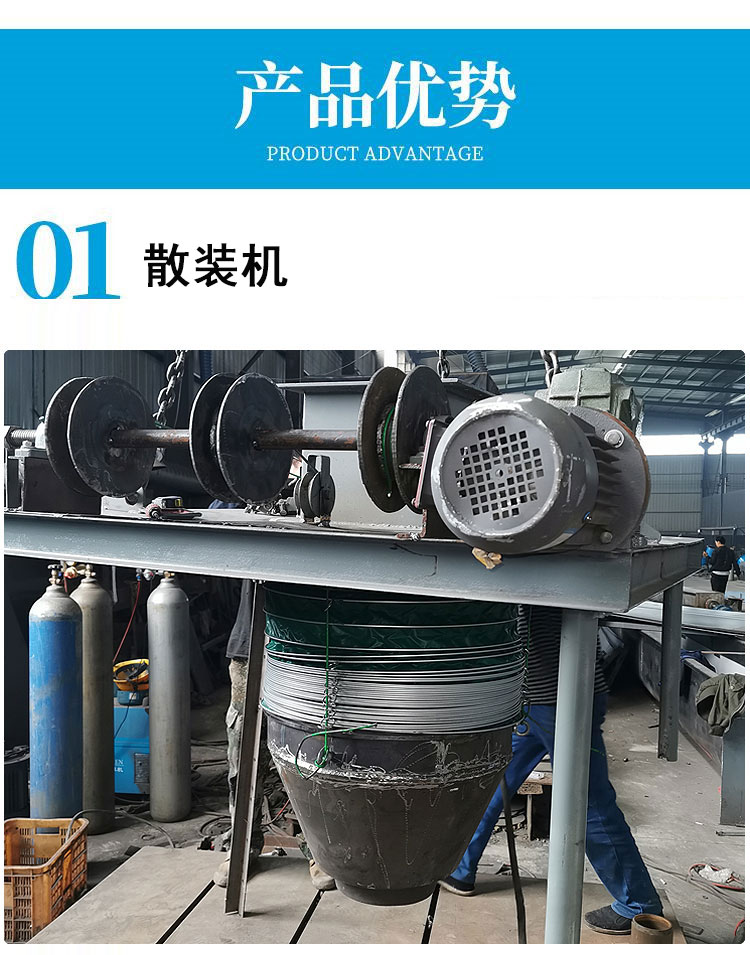
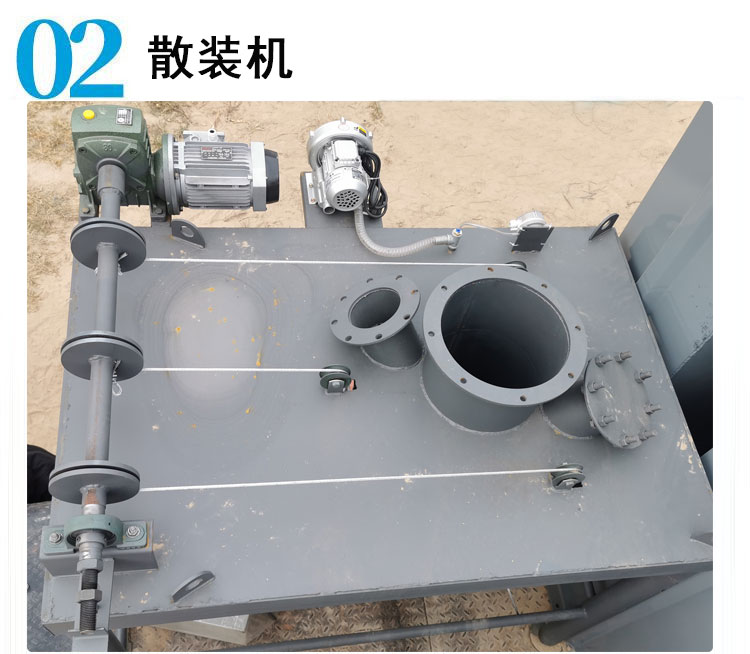
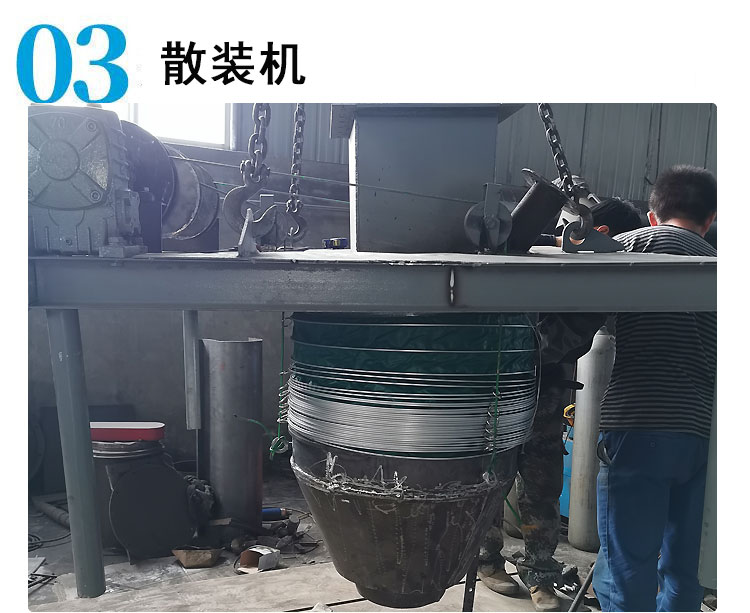
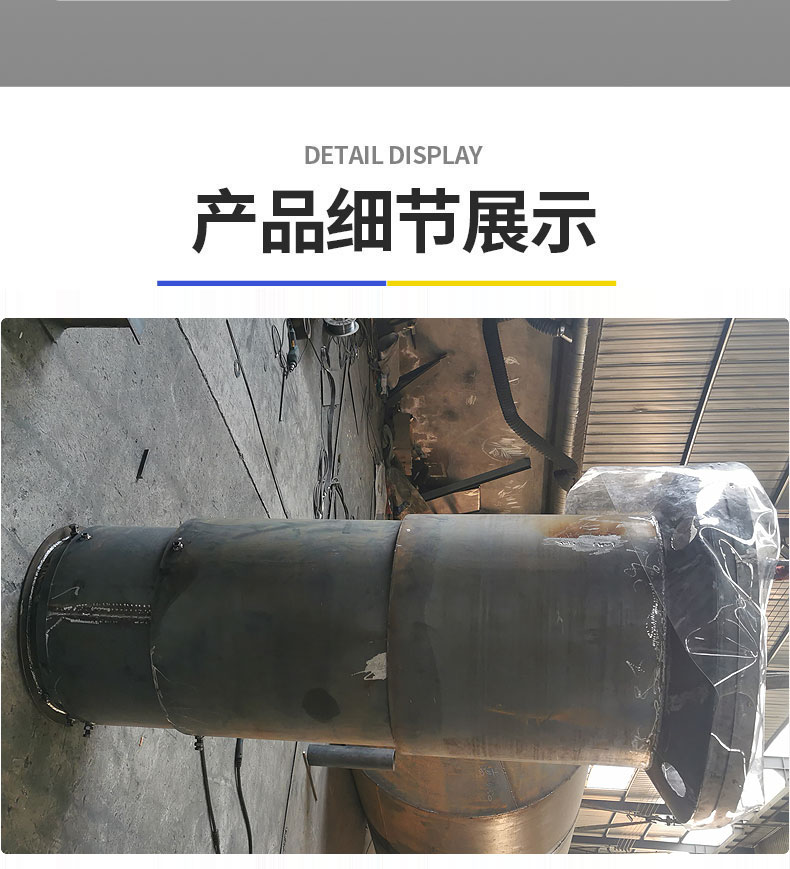
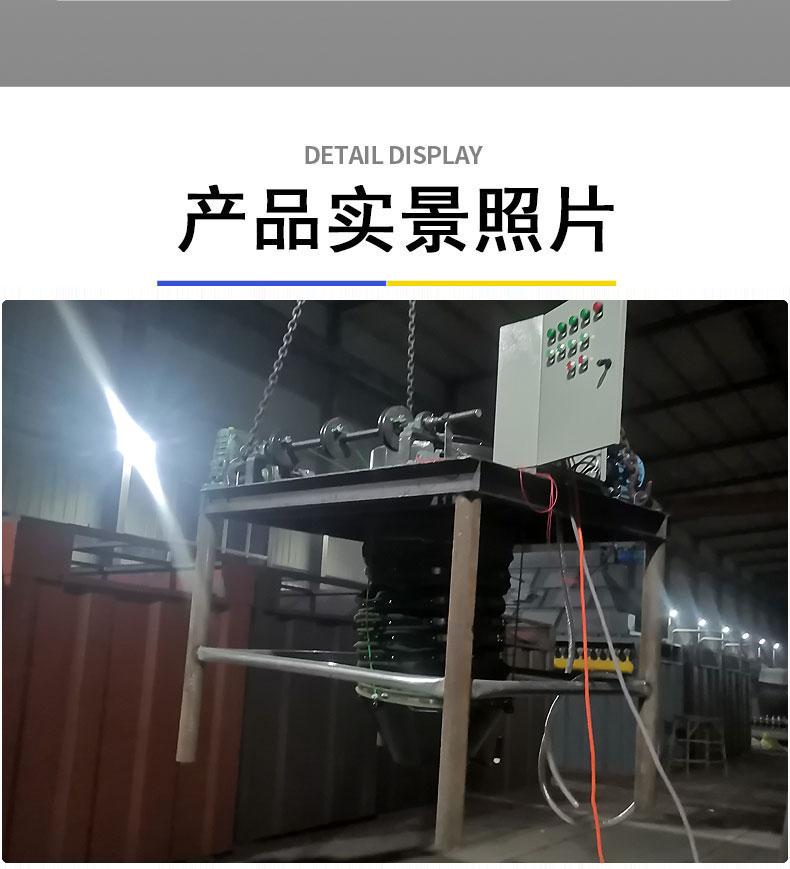
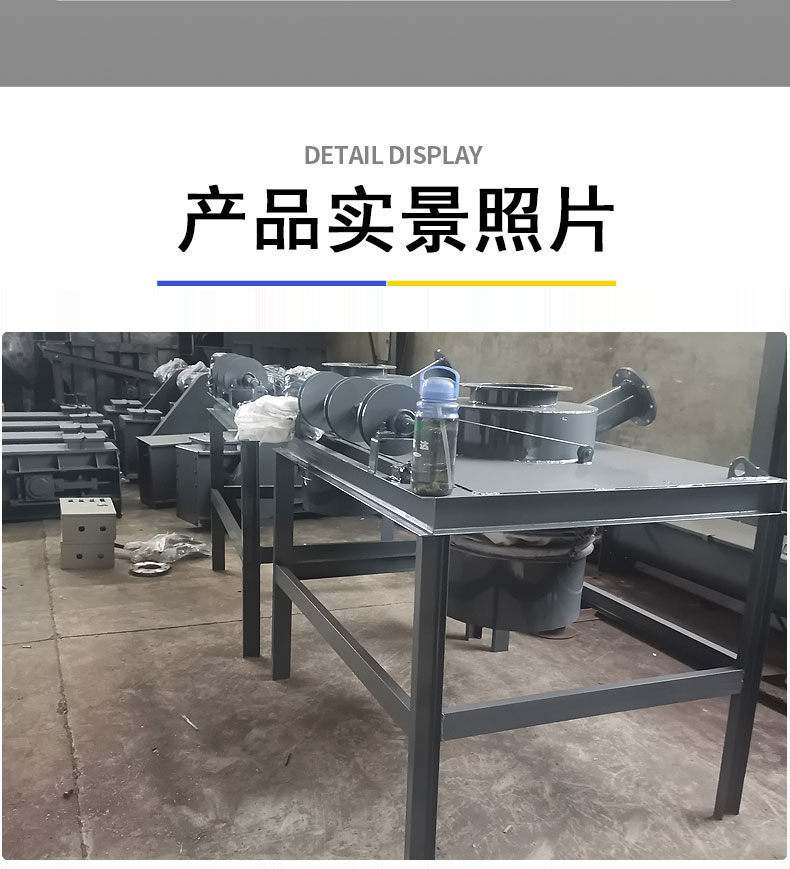
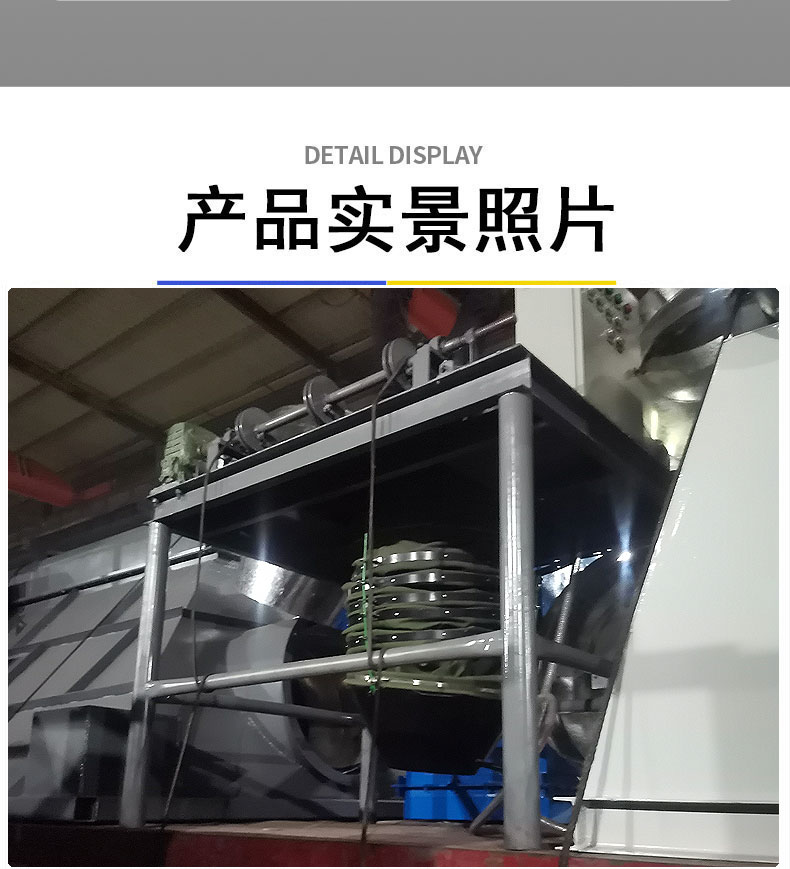
A熟料散装机 is a device that automatically transports finished aggregates (≤50mm) from the storage to the bulk carrier. The bulk handling equipment at the bottom of the storage mainly consists of manual rod valves, electric sector valves, hoisting equipment, telescopic unloading devices, dust collection hoses, capacitive limit switches, and an electrical control system.
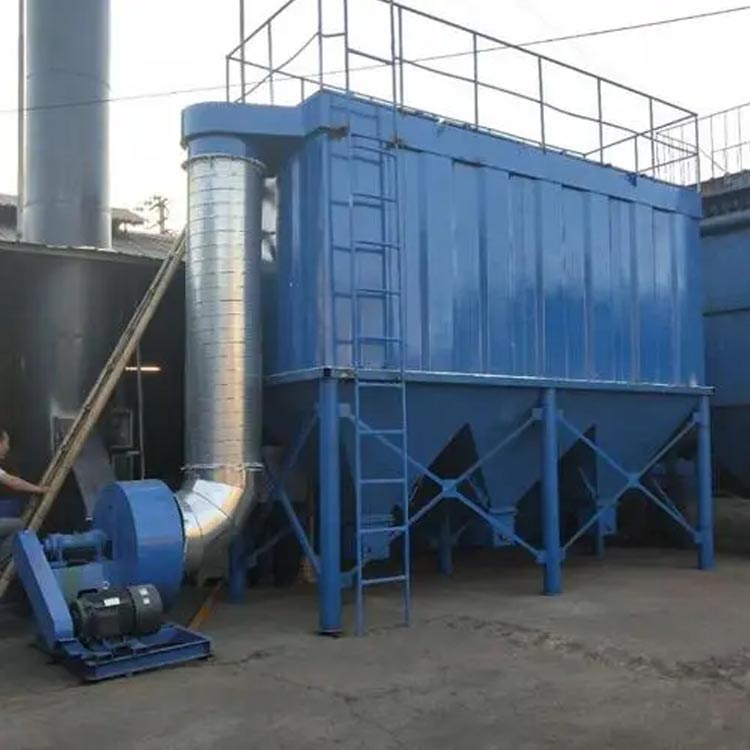
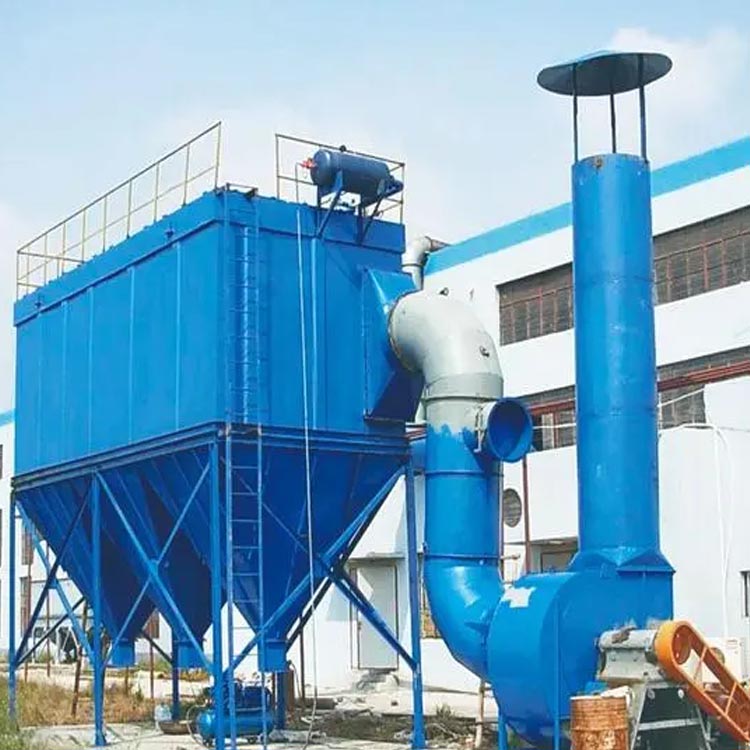
Once the transport vehicle enters the position, open the corresponding number of rods on the rod valve. Hold the "Lower" button on the control cabinet. The power to the lifting motor will automatically disconnect once the feeding head is in place. Press the "Loading" button to enter the unloading state. The auxiliary equipment will start accordingly. Dust generated during unloading will pass through the feed hopper and be drawn into the dust collector for purification via the telescopic dust collection hose. As the feeding head is filled with material, it will start to rise while still feeding. The rise distance must be set before loading. If the rise distance is 1 meter, set the timer relay time to T=1/V. Loading will continue throughout the rise process. Repeat the above steps once the feeding head is full. After reaching the full material position, press the "Stop" button to reverse the motor or close the spout valve to stop the unloading. Other equipment will stop accordingly. After parking, press the "Raise" button to lift the feeding hopper away from the material to ensure the transport vehicle can move, and then align it with the two unloading positions. Continue until the entire storage bin is full.
The silo bottom cement discharger is mainly used for loose cement and other powdered materials. The discharger is installed on the ground, for filling tank containers of trucks and trains, etc. It is mainly composed of "discharge gates", "conveyor chutes", "elbows", "discharge outlets", "discharging units", "dust collectors", and "chute fans". The in-silo part is hung inside the cement silo by brackets, placed at a 10% slope to fluidize the cement powder in the silo (this high-pressure compressed air is provided by the user's self-equipped Roots blower or connected after reduction from the factory's main compressed air line). The "discharge connection channels" and "conveyor chutes" are connected outside the cement silo in the order of discharge, also placed at a 10% slope and opened for normal operation. The "discharge gate" is used to control the cement discharge state when loading into trucks; the "chute fan" is used to fluidize the cement material in the conveyor chute. The discharging unit is the main equipment, with its discharge head extending up to 1.6 meters to accommodate different truck loading requirements.
The silo-side cement batching machine is primarily used for bulk cement and other powdered materials. The batching machine is installed on the side of the cement silo for loading into tank containers of trucks, trains, etc. It consists mainly of "discharge gates," "conveyor chutes," "elbows," "discharge piping," "batching machine," "dust collectors," and "chute fans." The in-silo portion is hung inside the cement silo by supports and placed at a 10% slope to fluidize the cement powder inside the storage bin (this high-pressure compressed air is supplied by the user's screw blower or by the factory's compressed air main after depressurization). The "discharge connection channel" and "conveyor chute" are connected outside the silo in the order of discharge and also placed at a 10% slope, and are opened during normal operation. The "discharge gate" is used to control the state of cement discharge when loading into vehicles; the "chute fan" is used to fluidize the cement material within the conveyor chute. The batching machine is the main equipment, with its discharge head having an adjustable length of 1.6 meters to accommodate different vehicle loading requirements.