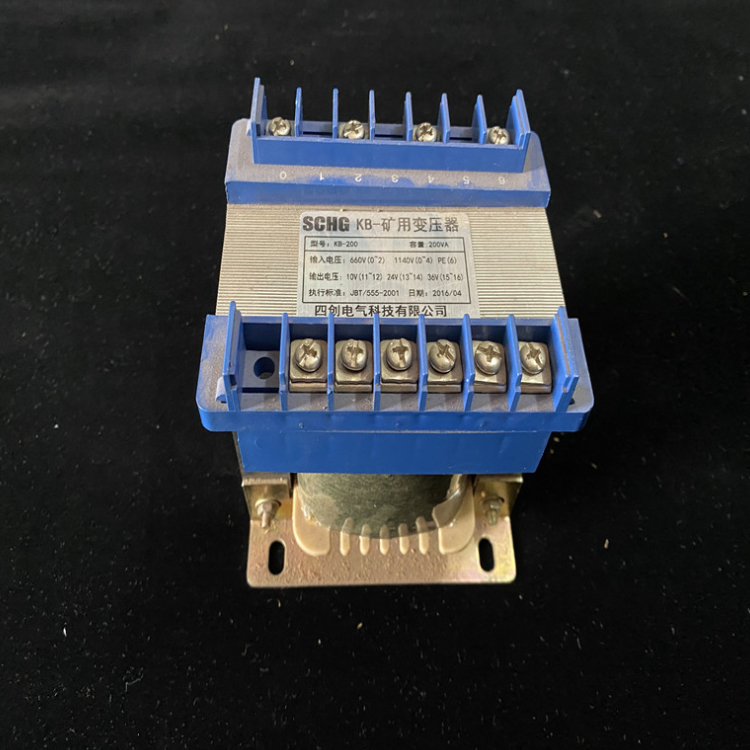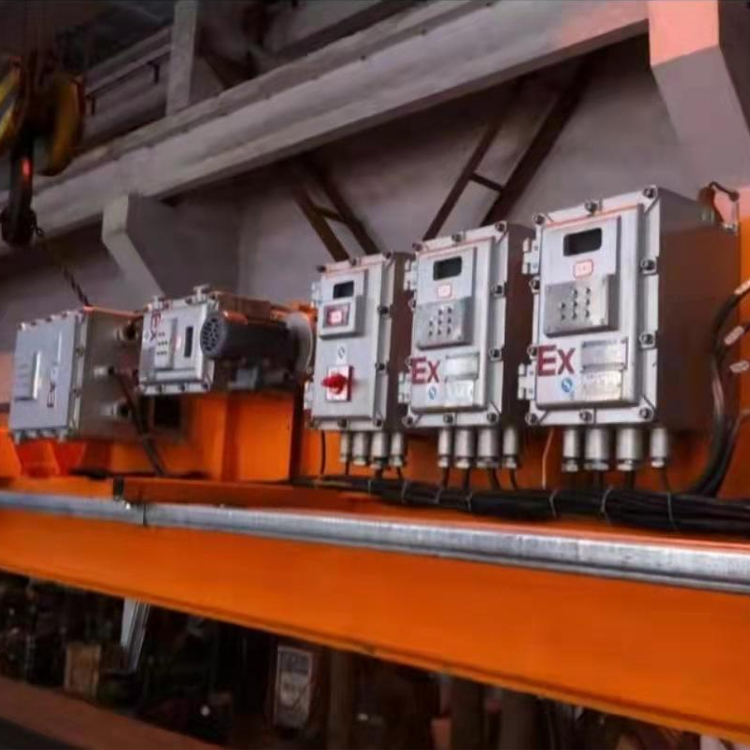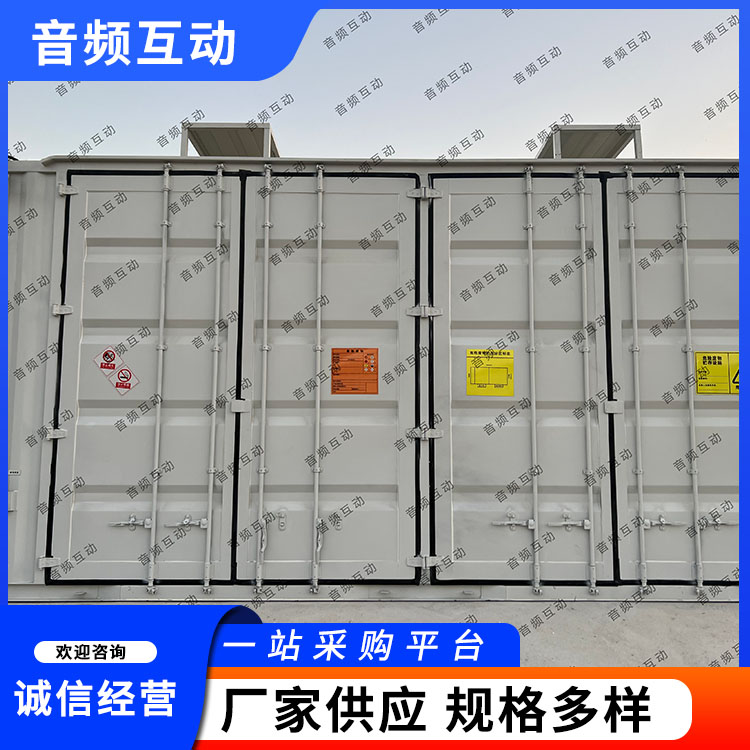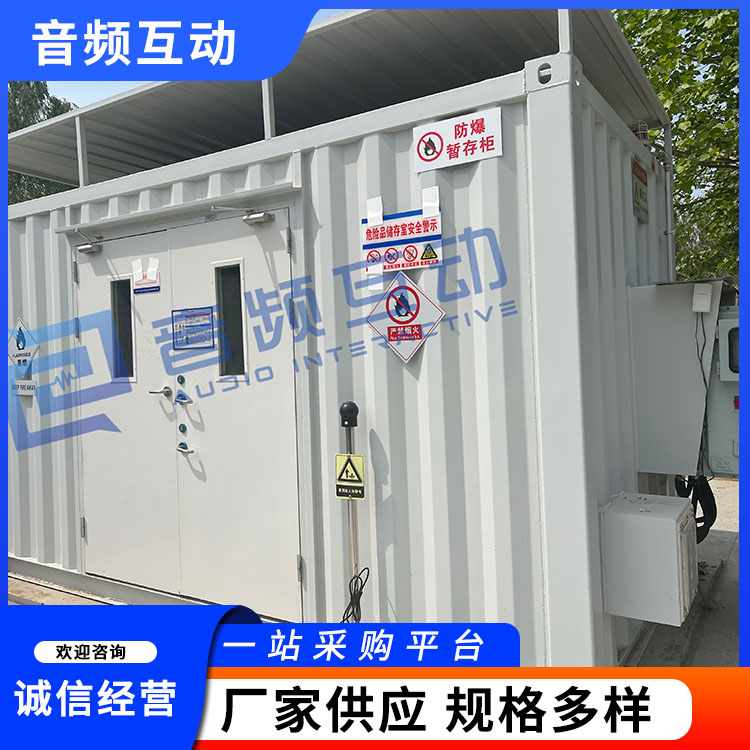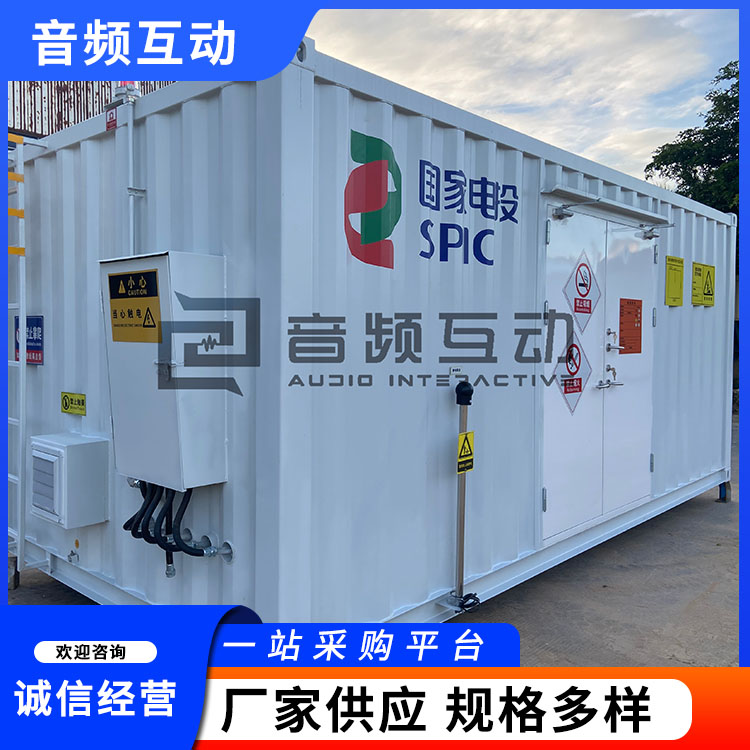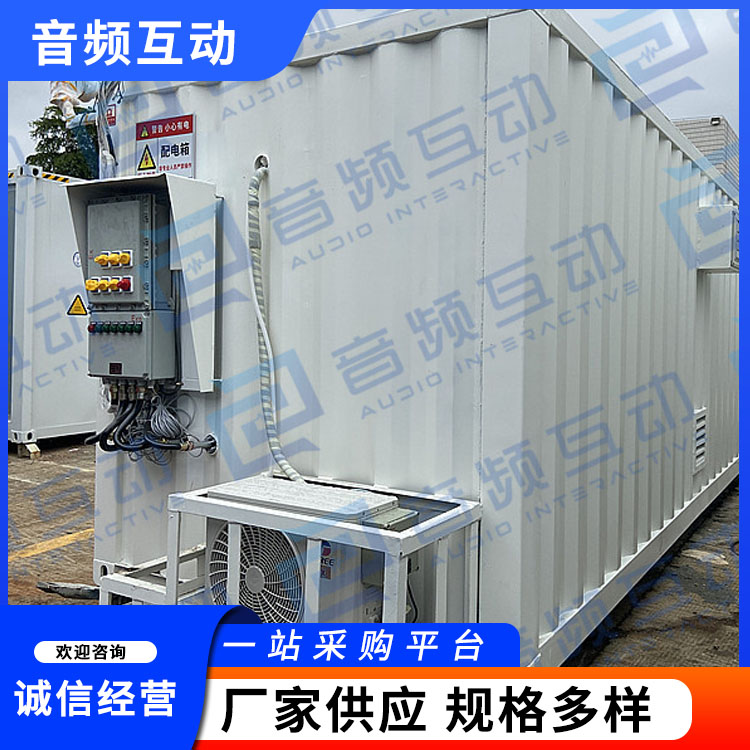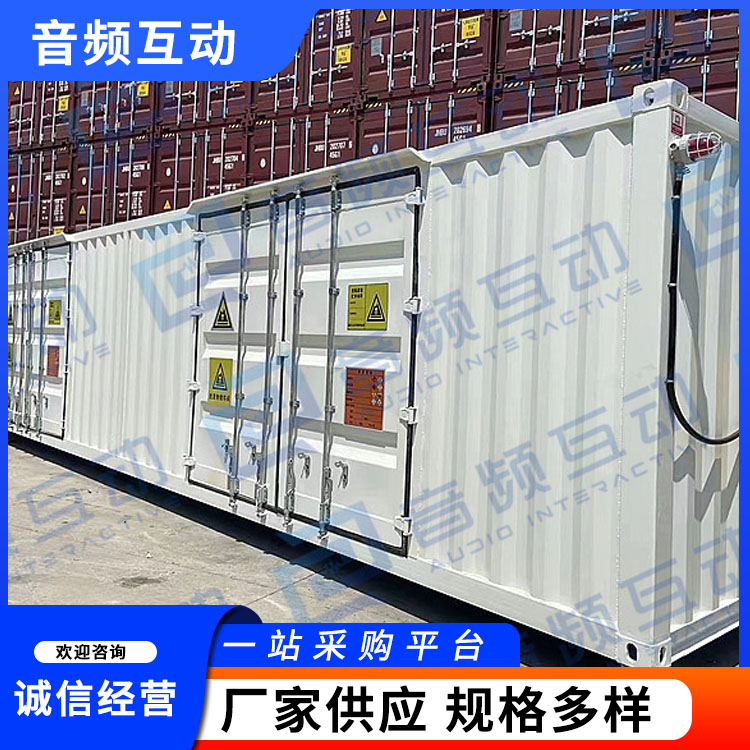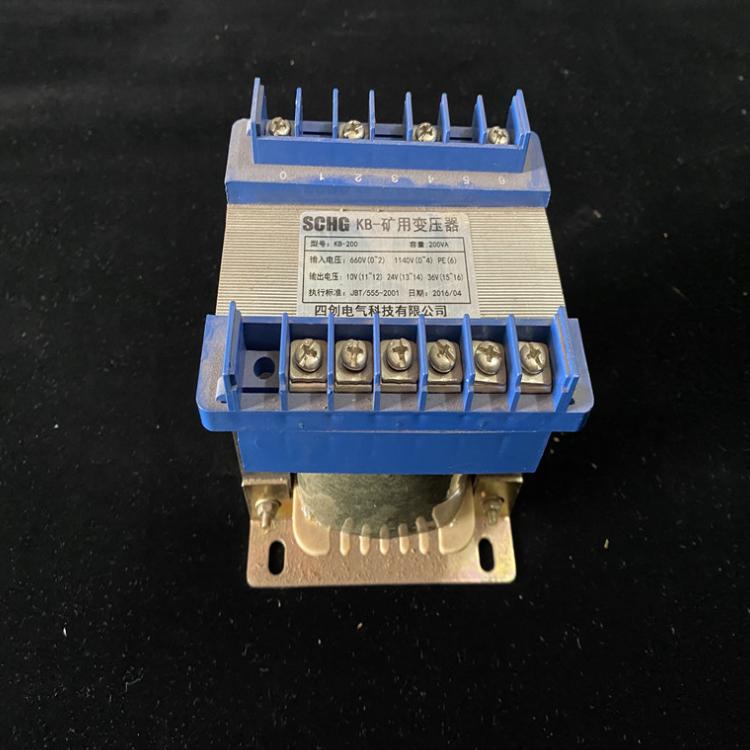
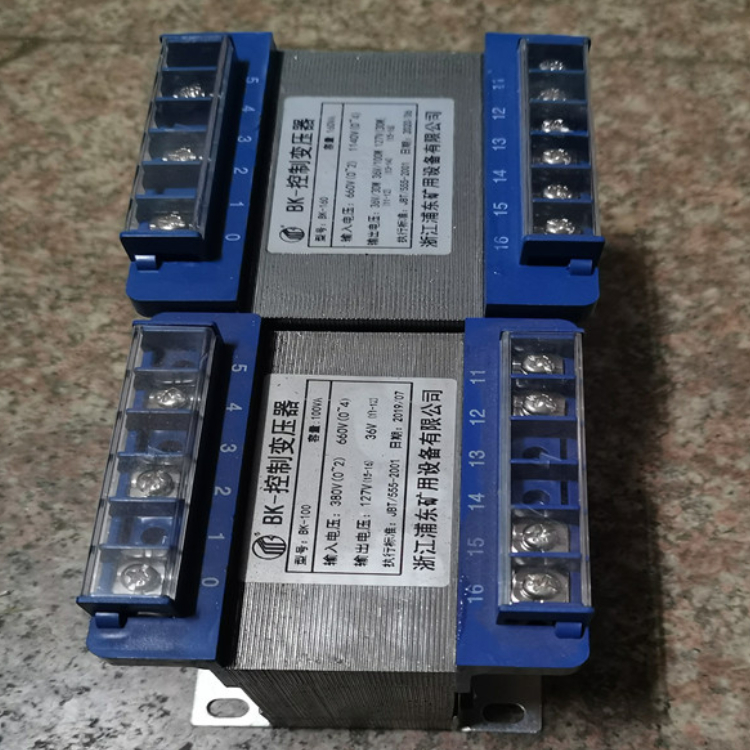


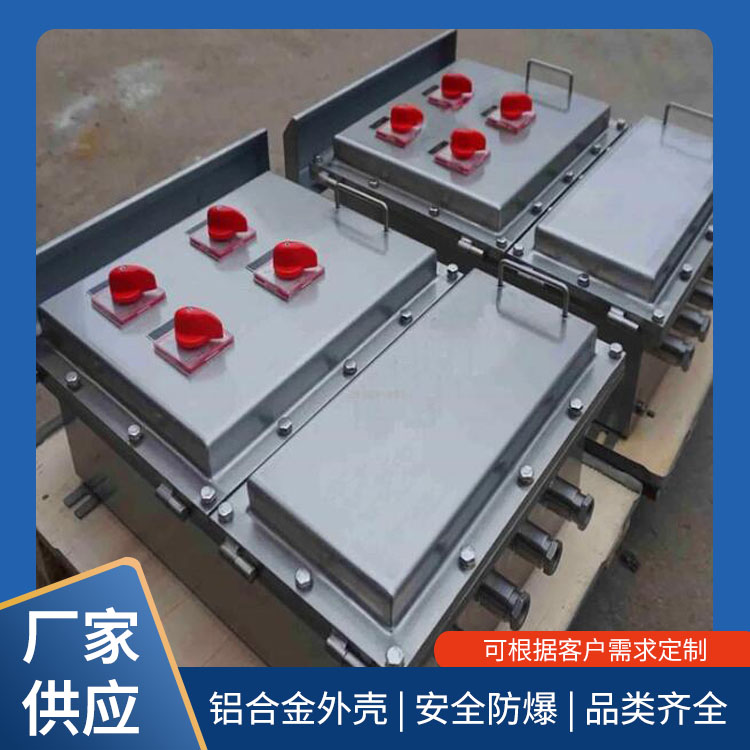










A mining transformer is a portable complete set of supply and transformation equipment. It is used to alter the size of alternating voltage and is suitable for mines with explosive hazards such as methane mixed gases and coal dust. It converts 6KV, 10KV power sources into the low-voltage power supply required for the mines, specifically 400 (380), 693 (660), 1200 (1140), and 3450 (3300) V. The transformer housing is made of full corrugated structure with side and top cover designs, featuring high mechanical strength, low temperature rise, and excellent heat dissipation. The core is made of low-loss silicon steel sheets, offering low no-load losses, small no-load current, and low noise. It employs H-grade insulation materials and advanced insulation structure, ensuring good thermal stability and continuous full-load operation at high temperatures.
Transformers specifically designed for mine power supply. They are categorized into two main types: general mine transformer and explosion-proof mine transformer.
Mining General Type Transformer
For mines with coal dust and methane gas but without explosive hazards, this transformer is designed for electric traction and lighting. It is an oil-immersed type, with an internal structure and working principle similar to that of a standard oil-immersed power transformer. The main difference lies in the housing and the incoming and outgoing line devices.
The mining-type general transformer features a sturdy structure and a low-profile design. There is no oil storage tank at the top of the transformer, and an appropriate space is left above the oil level in the tank to prevent excessive pressure buildup inside the tank when the ventilation holes on the cover are blocked. The mechanical strength of the tank can withstand a pressure of 0.1 MPa without causing permanent deformation. The high and low voltage incoming and outgoing lines of the mining transformer are equipped with cable junction boxes, filled with insulating varnish.
The capacity of general-purpose mining transformers ranges from 50, 100, 180, to 320 kVA. The primary side of the transformer is equipped with no-load voltage regulation, with a voltage adjustment range of ±5%; the secondary winding leads to 6 terminals, which can be connected in Y/Δ configuration to obtain 690/400V or 1200/690V.
Mine-used explosion-proof transformer
Used in areas with explosive hazards in mines. This transformer is mostly made in dry type, with the main structural feature being that all joints of the casing are made according to explosion-proof requirements, capable of withstanding an internal pressure of 0.8 MPa.
The capacity of mining dry transformers typically comes in 4 kVA and 2.5 kVA models, designed to power equipment such as electric drills, lighting, and signaling. The incoming and outgoing lines are led out through cable conduits. The primary voltage options are 380V and 660V, while the secondary voltage is usually 133V.
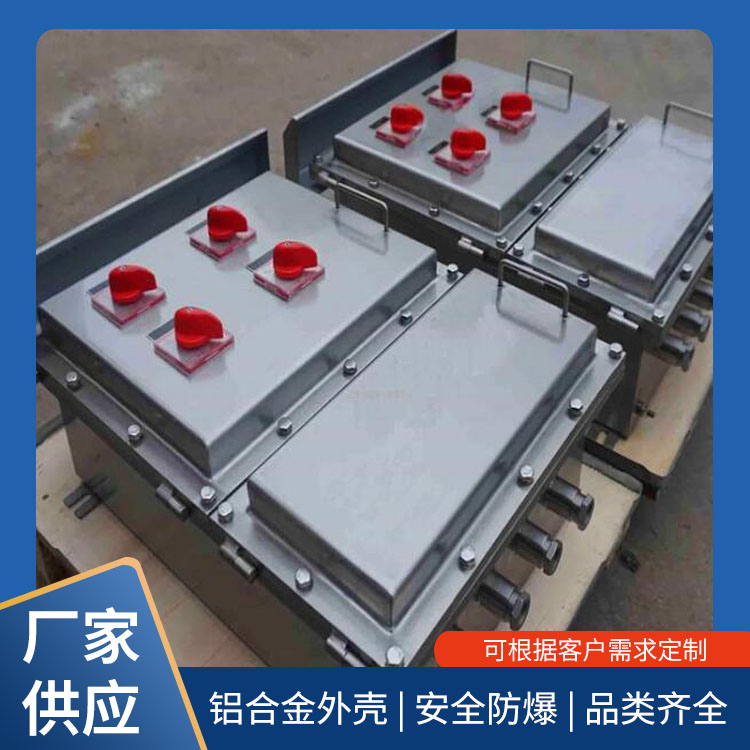
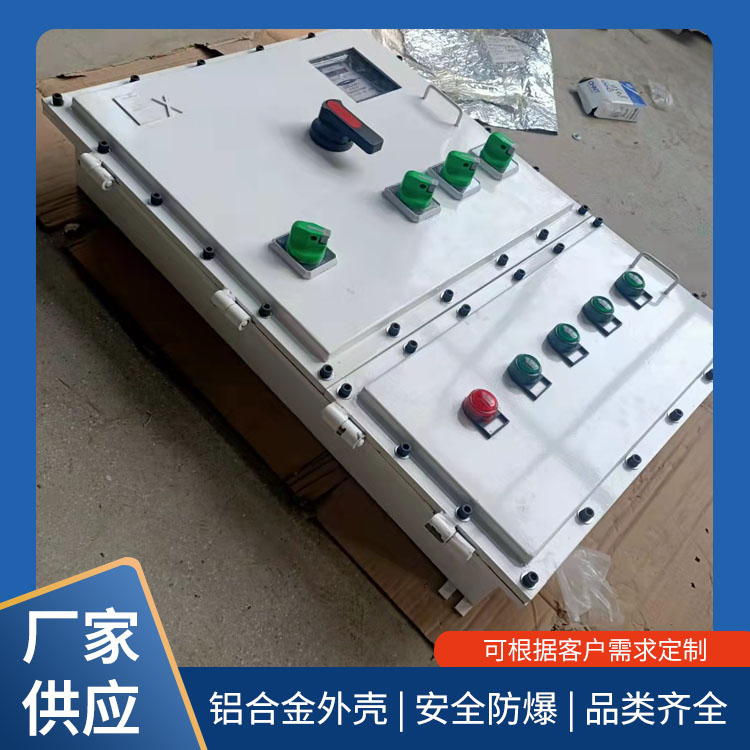
Explosion-proof transformers from Satons with a capacity above 100 kVA are commonly combined with explosion-proof switchboxes to form explosion-proof mobile transformer substations. They offer output voltages of 400V, 690V, and 1200V to meet the power requirements of mining equipment. To accommodate tunnel transportation, the transformer structure must be low in height. Consequently, the iron column diameter can be larger, and cold-rolled silicon steel sheets are generally used. Transformers with a capacity of 100 kVA and above typically feature H-class insulation.