








Concrete Reinforcement Rust Inhibitor, Cement Rustproofing Additive
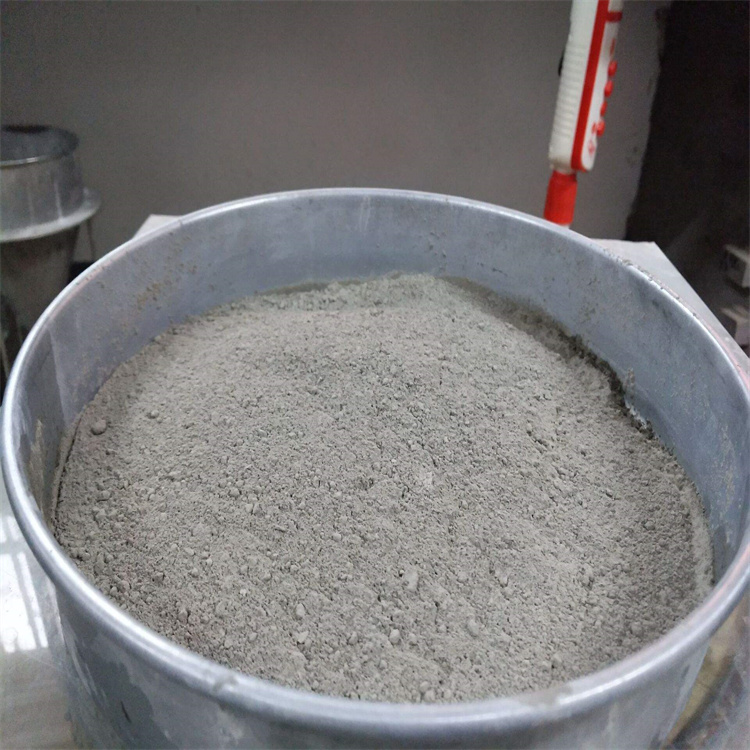
Concrete rust inhibitor can be mixed into concrete to prevent or delay the corrosion of steel bars, thereby extending the service life of the structure. In classification, it belongs to"Blended Type." This product is suitable for concrete mixed with general silicon and slag cement, and has good compatibility with fly ash, slag powder, silica fume, and commonly used water-reducing agents. The product is selective towards air-entraining agents; in25At temperatures above ℃, there is significant early strength and accelerating setting action, along with a loss in slump. In necessary cases, retardation measures can be taken. It forms a dense protective layer on the steel reinforcement surface, and when harmful ions infiltrate the concrete structure, it can prevent and delay the electrochemical reaction process of steel corrosion, thereby extending the service life of reinforced concrete structures. Secondly, main technical specifications:
Performance | Test Items | Standard Specifications | Actual measured value |
Corrosion resistance | 1Saltwater Erosion Test | Non-rusting potential0~-250mV | Rust-Free Potential-179mV |
2Dry, wet, cold, hot60Next | Rust-free | Rust-Free | |
3Electrochemical Shift Test | Qualified | Qualified | |
Test on the Influence of Concrete Performance | 1Compressive strength | Not to reduce | 125%(Comparison Benchmark Group) |
2Permeability resistance | Not reduced | 110%(Comparison Benchmark Group) | |
3Initial setting time/min | -60~+120(Comparison Benchmark Group) | -50(Comparison Benchmark Group) |
Note: Inspection Criteria:YB/T9231-2009"Technical Specification for the Use of Reinforcement Corrosion Inhibitors"
Section 3: Application Scope
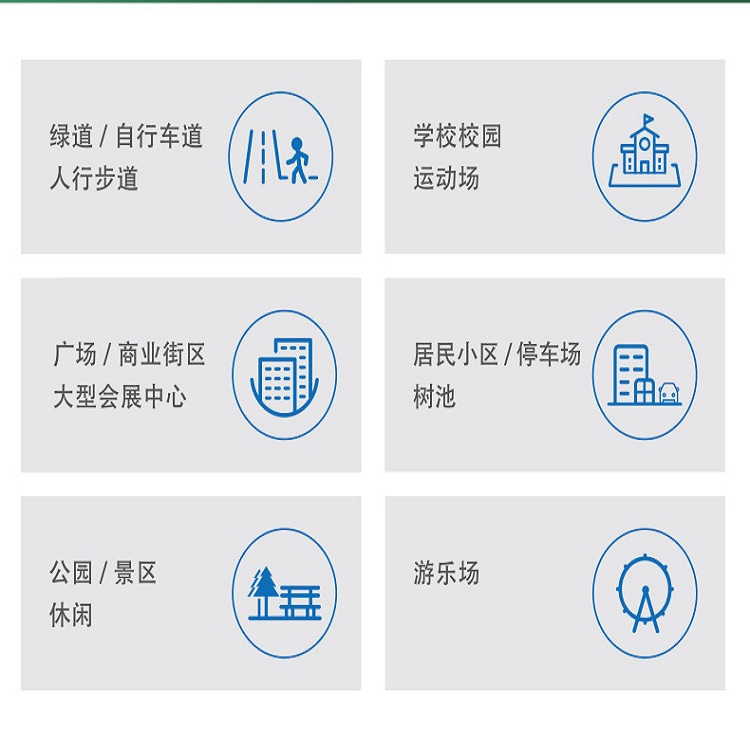
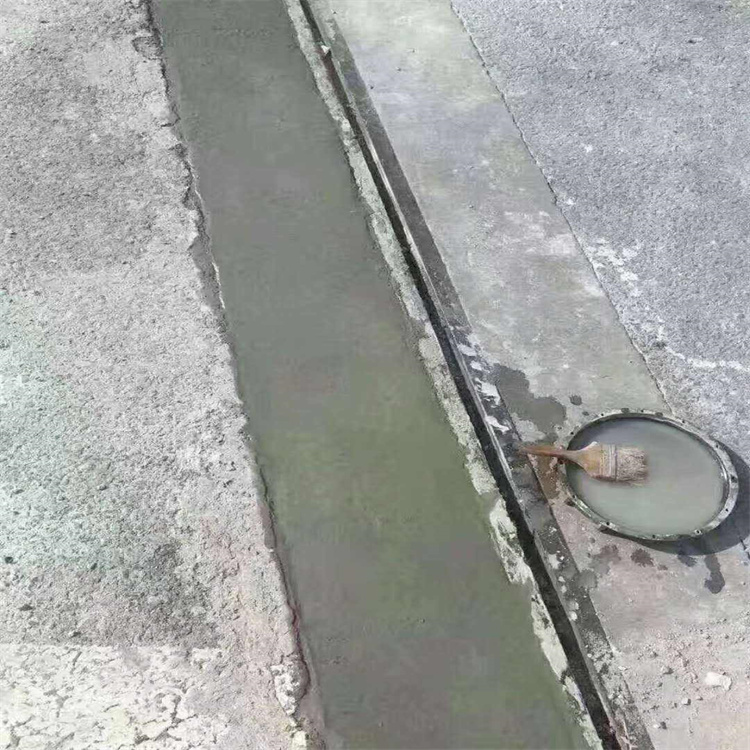
In accordance with the "Technical Standard for the Use of Rust Inhibitors for Reinforcing Steel"YB/T9231-2009Complies with other design specifications. This product is primarily used in corrosive environments dominated by chlorides, such as offshore and coastal engineering, use of sea sand, and industrial buildings subject to chloride corrosion.
Section 6: Instructions for Use
1Recommended admixture rate:
(1For general industrial and civil construction, bridges, and other mild corrosion environments, the recommended dosage is suggested to be:20㎏/m3。
(2Recommended dosage for severe corrosion environments such as harbor engineering and coastal construction.30㎏/ m3。
2Mix this product with cement and aggregates in the mixer for dry mixing first, then add water and mix again, extending the mixing time appropriately to ensure the concrete is well-mixed.
3When used in combination with other admixtures, concrete trial mixing should be conducted first to determine its compatibility; air-entraining type water-reducing admixtures are not to be used. The raw materials used for concrete mixing shall comply with "Construction Aggregate, Gravel and Crushed Stone."GB/T14685-2001Building SandGB/T14684-2001。
4This product is25One-kilogram bagged, shelf life of one year; if slightly dampened and lumpy, it can be dissolved in water for use. Avoid rain and dampness during transportation and storage; store in a cool, well-ventilated area, away from flammable and explosive materials; no open flames; operators should wear masks and rubber gloves.
Seven, Important Matters
1Generally, dry mixing is used, but it can also be dissolved in the mixing water (including some non-soluble matter). Ensure thorough mixing; you may extend the mixing time slightly. This product has a slight water-reducing effect, allowing for a slight reduction in water content while maintaining the original fluidity.
2When used with admixtures, this product should be mixed first, followed by the cement (concrete), and then the admixture should be added after achieving uniform mixing.
3This product is effective only in high-quality concrete, adhering to relevant specifications and design requirements. Conduct a concrete mix ratio test first to ensure the quality and compactness of the concrete.
4Incorporated specifications and regulations related to steel corrosion inhibitor: "Design Code for Corrosion Prevention in Industrial Buildings," "Design Code for Marine Concrete Structures," "Regulations for Salt-Affected Soil Buildings - Characteristics"
Corrosion inhibitor for concrete, when added to the mixture, can prevent or delay the rusting of steel reinforcement, thereby extending the service life of the structure. In categorization, it belongs to"Blended Type." This product is suitable for concrete mixed with ordinary silicon cement and slag cement, demonstrating good compatibility with fly ash, slag powder, silica fume, and commonly used water-reducing agents. The product is selective towards air-entraining agents; in25At temperatures above °C, there is notable early strength and accelerating setting, along with a loss in slump. In necessary cases, delayed setting measures can be taken. It forms a dense protective layer on the steel reinforcement surface. When harmful ions penetrate the concrete structure, it can prevent and delay the electrochemical reaction process of steel reinforcement corrosion, thereby extending the service life of reinforced concrete structures. Main Technical Specifications:
Performance Test Item Standard Specifications Actual measured value
Corrosion resistance 1Salt Water Immersion Corrosion Test Rust-Free Potential0~-250mV Rust-Free Potential-179mV
2Dry, wet, cold, hot60Next Rust-Free Rust-Free
3Electrochemical Displacement Test Qualified Qualified
Test on the Influence of Concrete Performance 1Compressive strength Not to reduce 125%(Comparison Benchmark Group)
2Permeability resistance Not to reduce 110%(Comparison Benchmark Group)
3Initial Setting Time/min -60~+120(Comparison Benchmark Group) -50(Comparison Benchmark Group)
Note: Inspection Criteria:YB/T9231-2009"Rebar Rust Inhibitor Application Technical Specification."
III. Application Scope
In accordance with the "Technical Standard for the Use of Rust Inhibitors for Reinforcing Steel"YB/T9231-2009Complies with other design specifications. This product is primarily used in corrosive environments dominated by salt, such as offshore and coastal projects, those involving sea sand, and industrial buildings subject to salt corrosion.
Section 6: Instructions for Use
1Recommended admixture rate:
(1For general industrial and civil buildings, bridges, and other environments with minor corrosion, the recommended dosage is suggested to be:20㎏/m3。
(2For severe corrosion environments such as harbor engineering and coastal constructions, the recommended dosage is suggested to be:30㎏/ m3。
2Mix this product with cement and aggregates in the mixer for dry mixing first, then add water and mix again, extending the mixing time appropriately to ensure the concrete is well blended.
3When used in combination with other admixtures, concrete trial mixing should be performed first to determine its suitability; air-entraining type water-reducing admixture shall not be used. The raw materials used for concrete preparation should comply with "Building Stone Aggregates and Crushed Stone."GB/T14685-2001Building SandGB/T14684-2001。
4This product is25Kilogram bags, shelf life of one year. If slightly dampened and lumpy, it can be dissolved in water for use. Avoid rain and moisture during transportation and storage, store in a cool, well-ventilated area, keep away from flammable and explosive materials, and strictly prohibit open flames. Operators should wear masks and rubber gloves.
Seven, Important Matters
1Generally, dry mixing is used, but it can also be dissolved in the mixing water (including some insoluble materials). Ensure thorough mixing; the mixing time can be appropriately extended. This product has a slight water-reducing effect, allowing for a slight reduction in water content while maintaining the original fluidity.
2When used with admixtures, this product should be mixed first, followed by the admixture after achieving uniform mixing with cement (concrete).
3This product is effective only in high-quality concrete, adhering to relevant standards and design specifications. First, conduct a concrete mix ratio test to ensure the quality and compactness of the concrete.
4Incorporated specifications and regulations for steel corrosion inhibitors: "Design Specifications for Corrosion Prevention in Industrial Buildings," "Design Specifications for Marine Concrete Structures," "Regulations for Saline Soil Buildings," "Regulations for Highway Engineering Admixtures," etc.