








Concrete Surface Patching Mortar Manufacturer - Sanding and Stone Lifting Repair Material
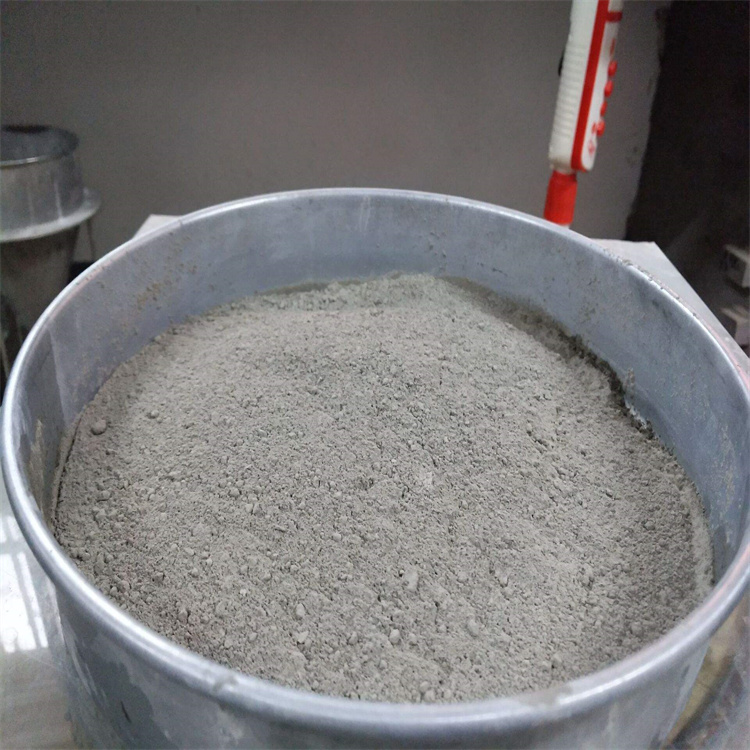
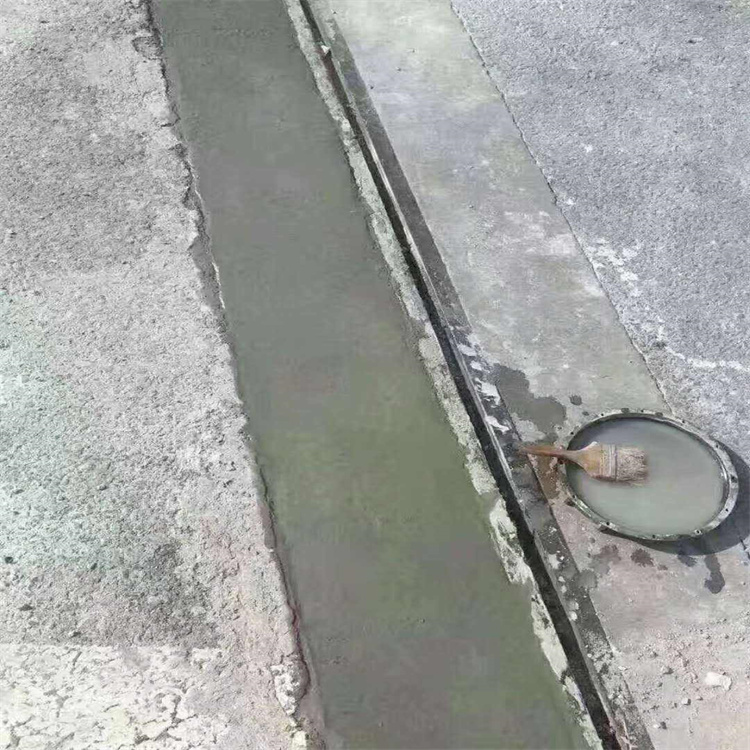
Cement ground repair mortar is a new type of concrete repair mortar that combines the adhesive properties of materials with the durability of inorganic materials; it boasts high compressive strength, rapid curing, and excellent bonding properties.Excellent water retention and crack resistance, high alkaline resistance, and UV resistance; easy to operate, suitable for construction on damp substrates, and environmentally friendly. Simplifies and streamlines the construction process, matches the durability with concrete, shortens the construction period, and ensures cost-effectiveness.
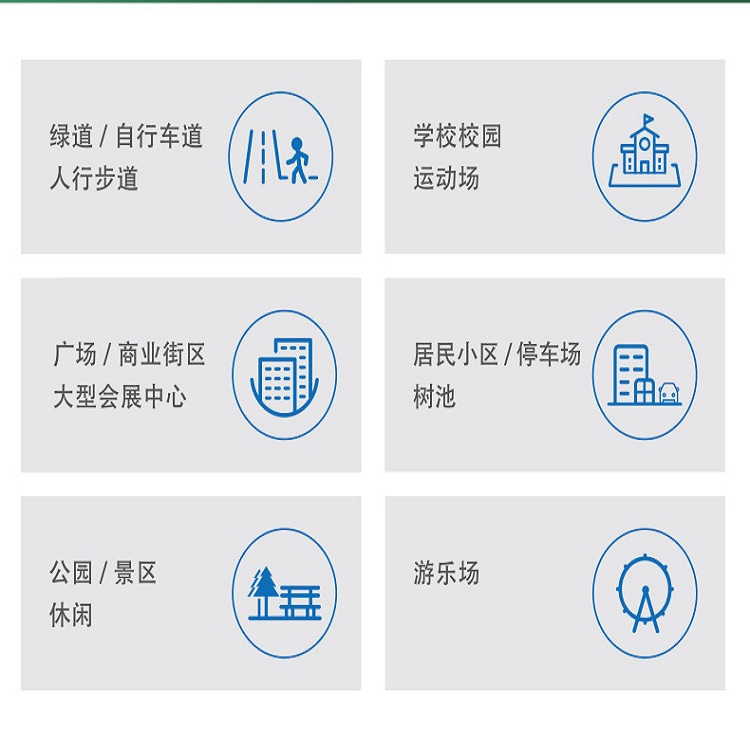
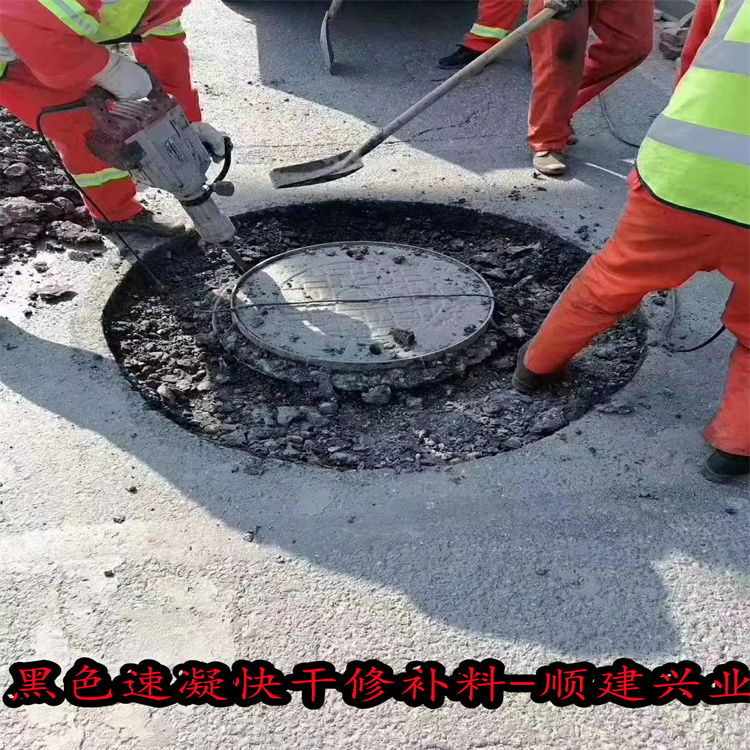
Road Repair Mortar Application Scope
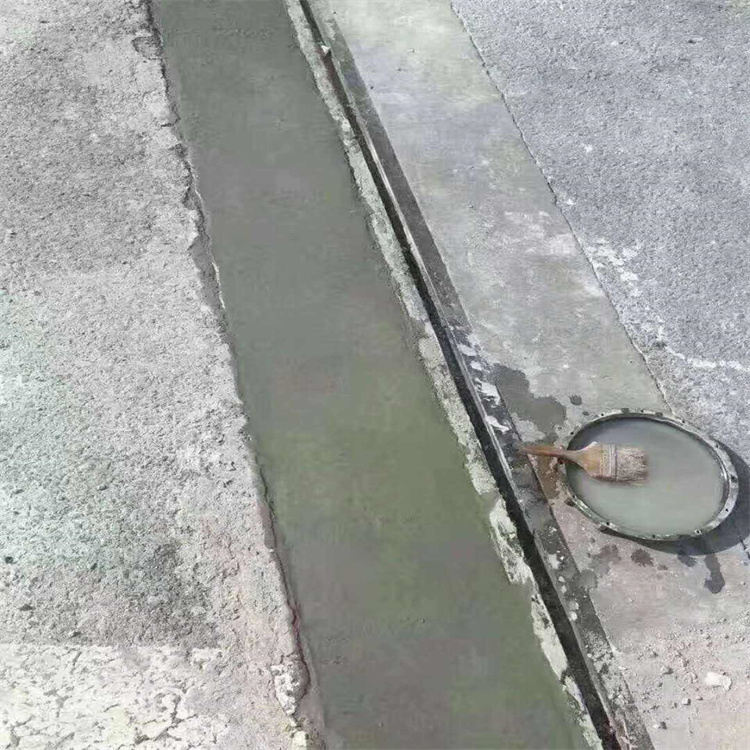
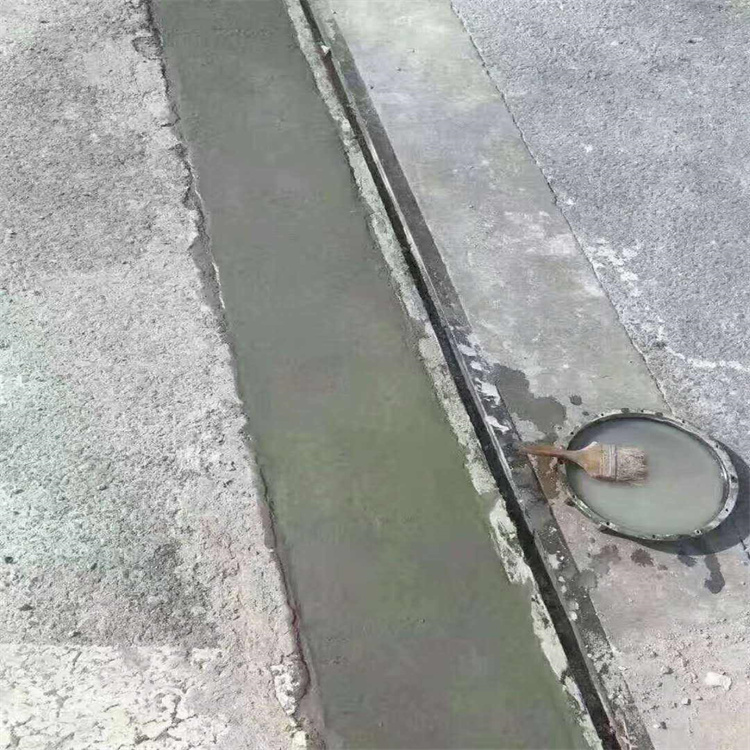
1Repair of damaged components, beams, slabs, columns, stairs, etc., in concrete structures.
2Gypsum leveling mortar for buildings using stainless steel wire mesh.
3Repair of concrete damage in roads and bridges.
4Runway, highway lanes, and emergency repairs to damaged sections
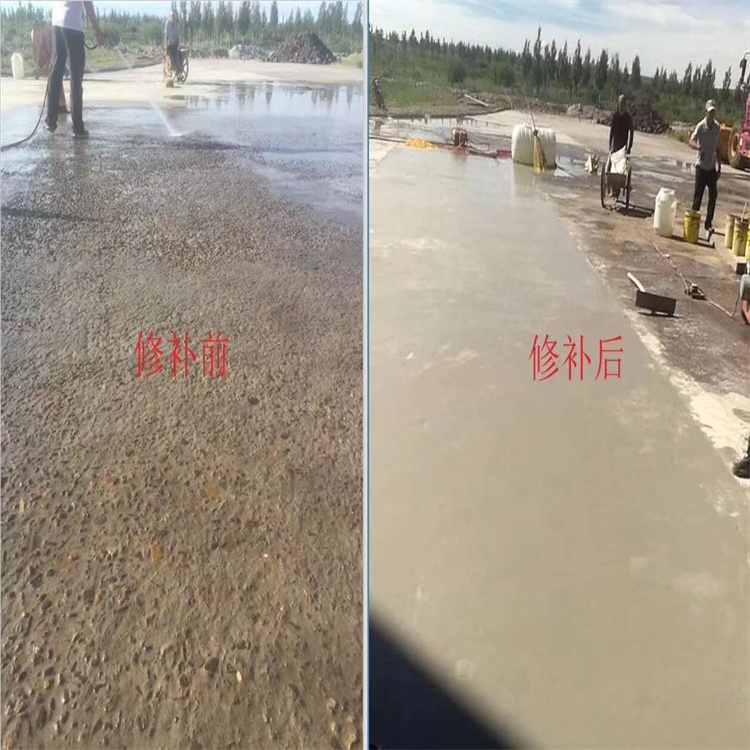
5Repair and emergency repair of concrete floor damage in industrial factory buildings.
Concrete Surface Patching Mortar, Main Application
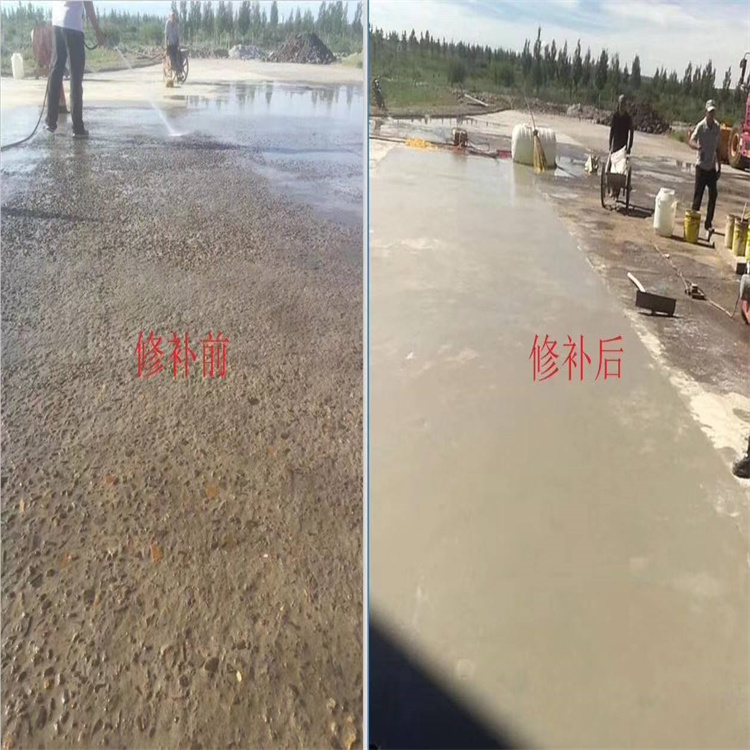
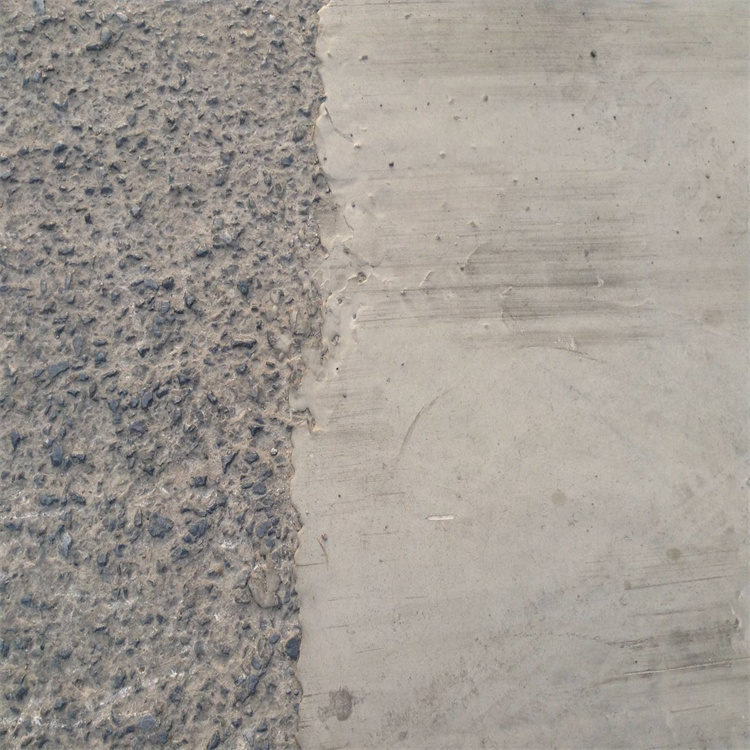
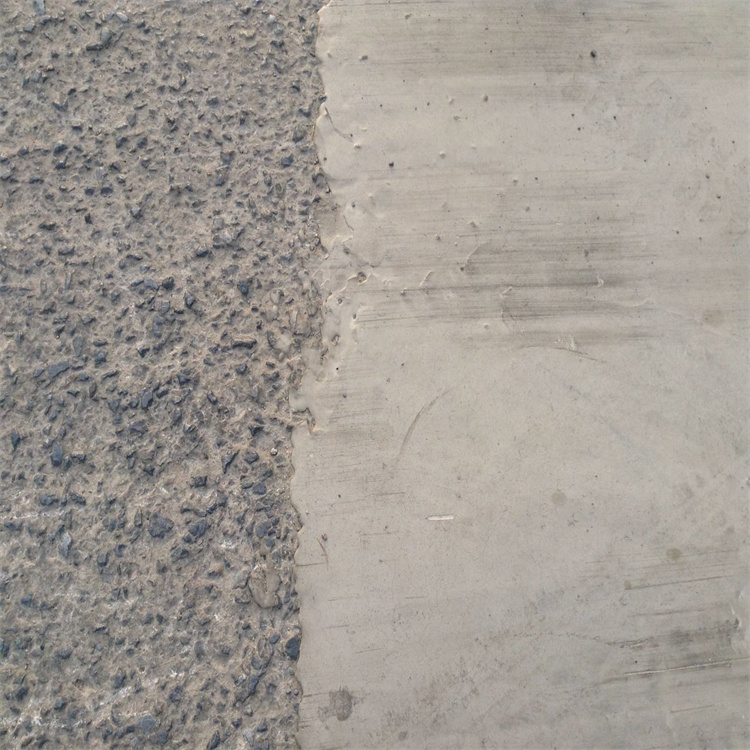
Primarily used for surface damage on concrete structures such as voids, honeycombing, cracks, spalling, and exposed reinforcement, to restore the good service performance of the concrete structure. It can also be used as a leveling mortar for carbon fiber reinforcement, high-performance masonry mortar, and protective leveling mortar for steel wire rope reinforcement in buildings and structures. This product, enriched with various polymer modifiers, adhesive powders, and crack-resistant fibers, boasts excellent workability, adhesion, impermeability, anti-spalling, frost-thaw resistance, carbonation resistance, crack resistance, and corrosion inhibition for steel reinforcement, along with other properties.
Road Surface Sanding Repair Mortar Features
1Easy to construct: Offers excellent construction and ease of use. No vibration is required during construction; simply add water on-site and mix for use.
2Early strength, :1Tensile strength up to20MpaMaximize engineering progress.
3Excellent moisture resistance: Strong resistance to seepage.1.7MpaWaterproof and resistant to hydrostatic pressureP16Requirements for concrete impermeability performance.
4Good bonding performance: When using concrete surface treatment agents, the bonding strength with new and old concrete is greater than1.8MpaEnsures a strong bond between the concrete repair mortar and the repaired base.
5Can be applied in winter: The polymer patching mortar allows for environmental temperatures of-5When temperatures are above °C, outdoor construction for repairing the door facade, horizontal surfaces, and ceiling of concrete structures should be carried out.
6High durability:50After one freeze-thaw cycle, there is no significant change in strength, soaked in engine oil.30The天后intensity has increased.
Road Patching Mortar Application Method
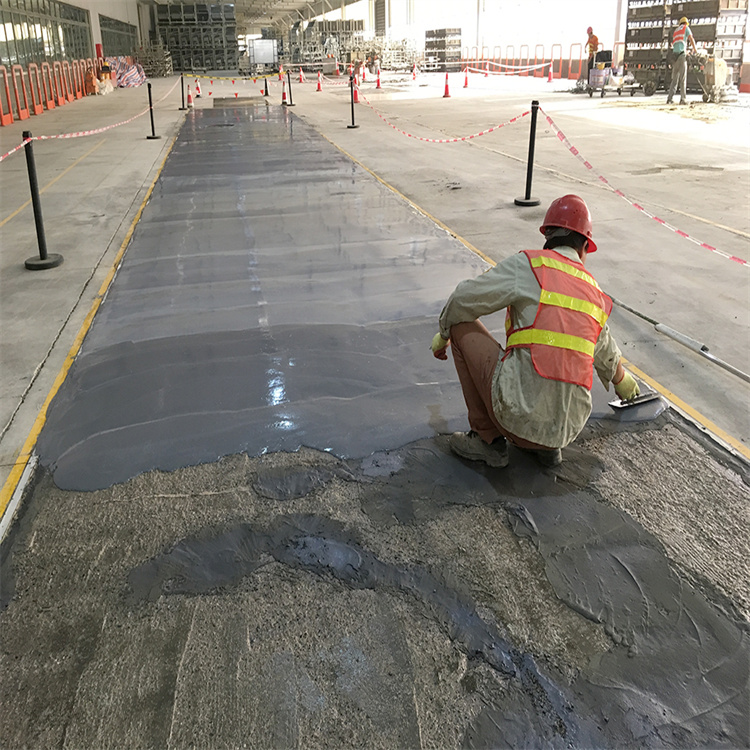
1Basic requirements and treatment: The surface should be flat, rough, clean, free of oil stains, and without floating dust. There should be no sanding, hollowing, or cracking. Before construction, it should be washed with high-pressure water and kept moist, but no water accumulation is allowed. A bonding agent can be pre-applied during the interface bonding process.
2Material Composition: Powder to water ratio by weight100:13Measure and place. Actual quantity90Pour the remaining water into the powder and mix well.10Water should be gradually added while stirring to prevent clumping, ensuring the mixed paste is30Exhausted within minutes.
3Construction: For the surface of wet concrete subgrade, the area of masonry mortar application should not be too large at one time. It should be constructed in strips and blocks, with each section not exceeding a certain area.10When performing layered construction, the joint positions should be staggered.
4After the patching mortar is laid, it should be immediately pressed and flattened in one pass, avoiding repeated pressing. If air bubbles are encountered, they should be pierced and pressed tightly, ensuring a dense surface. The surface thickness on the face or ceiling should be greater than10mmConstruction should be done in layers.