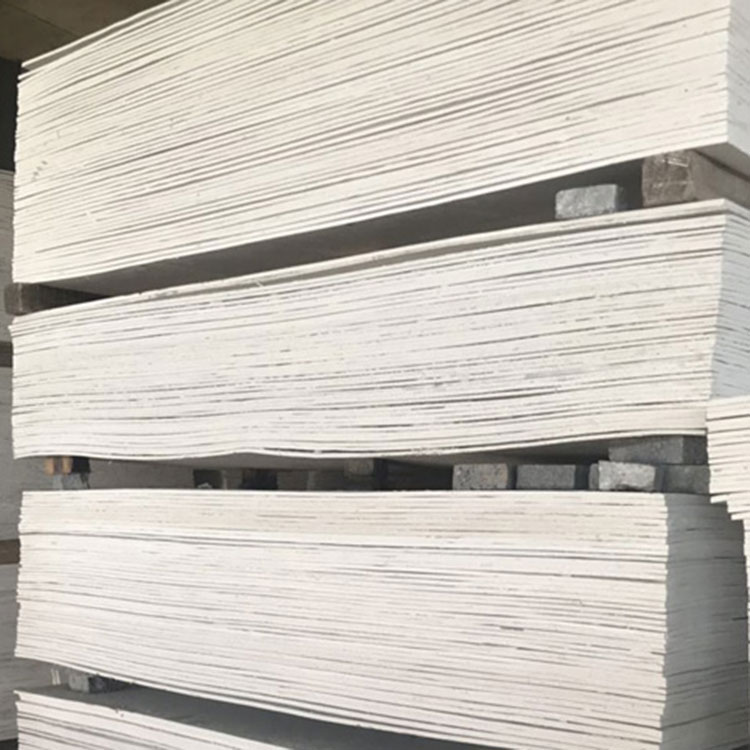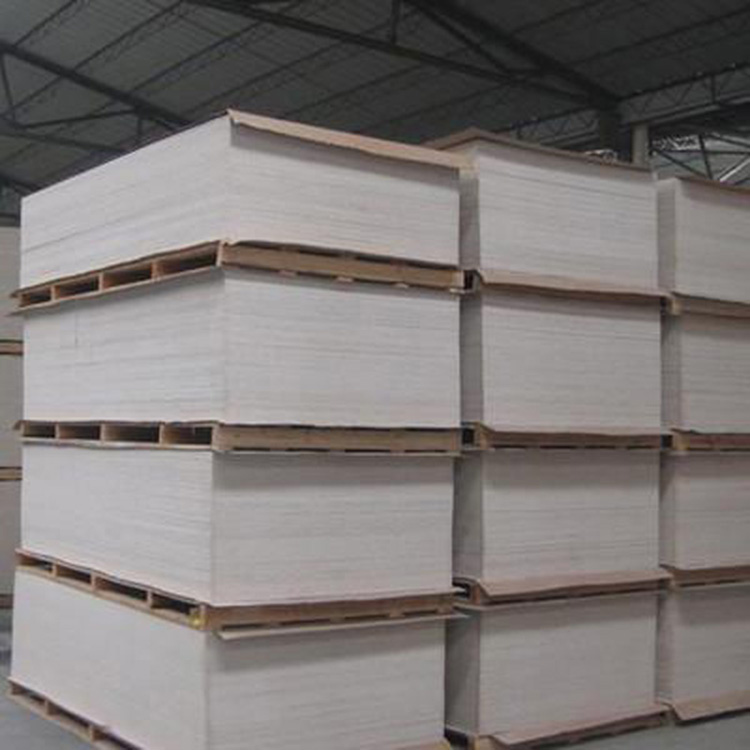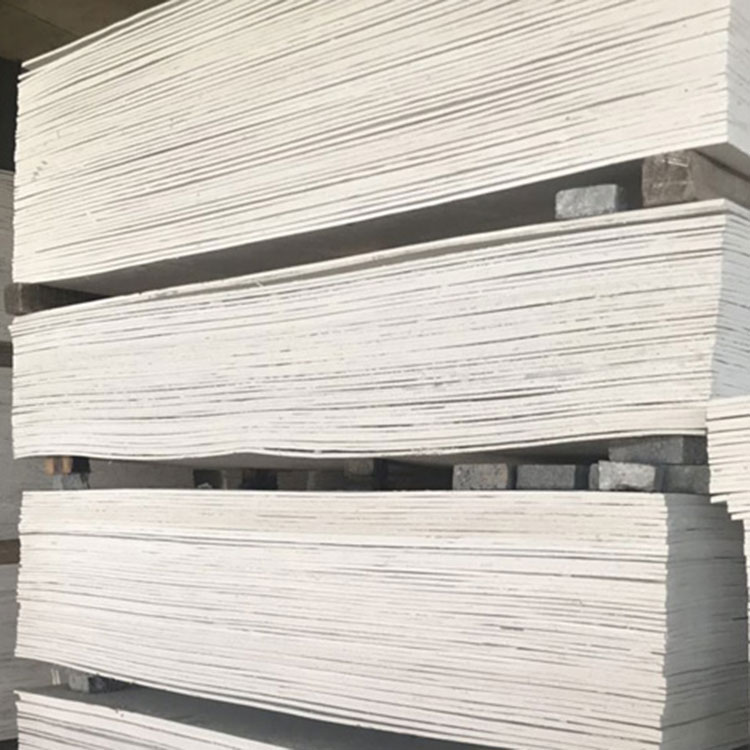








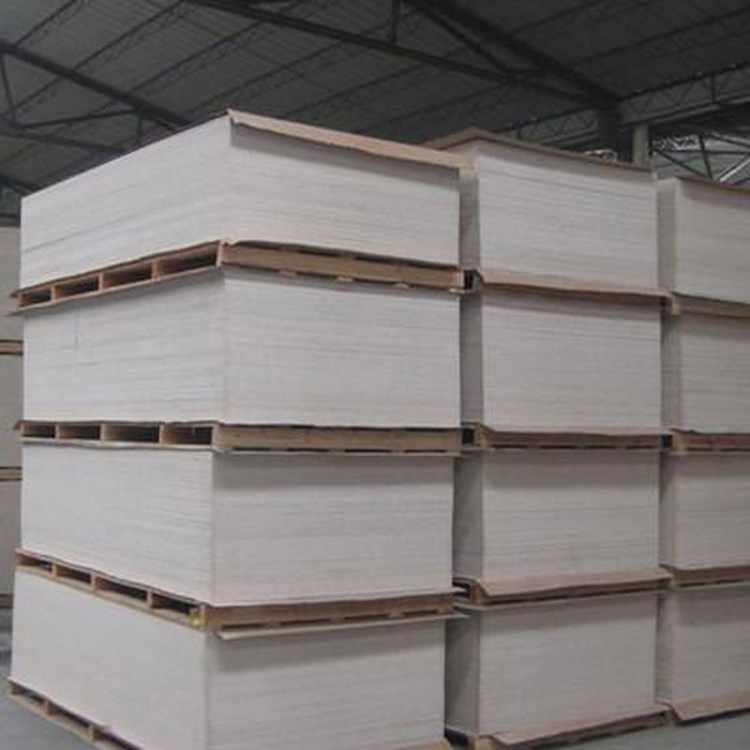
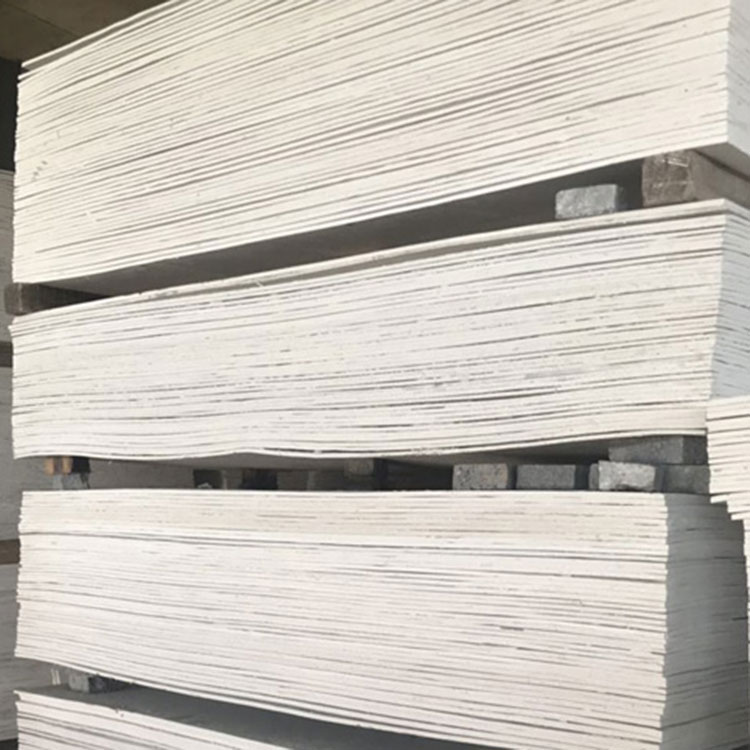
Fire-resistant partition
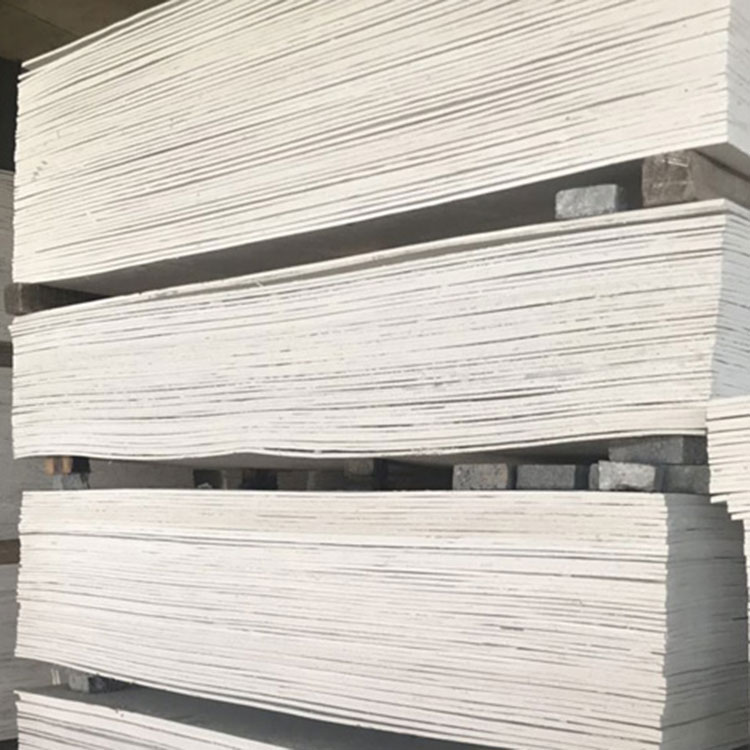
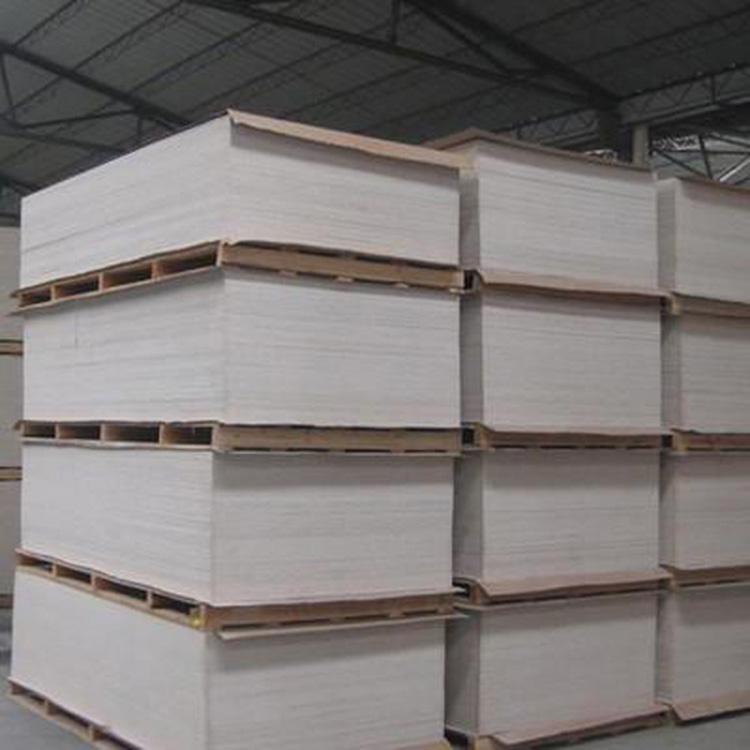
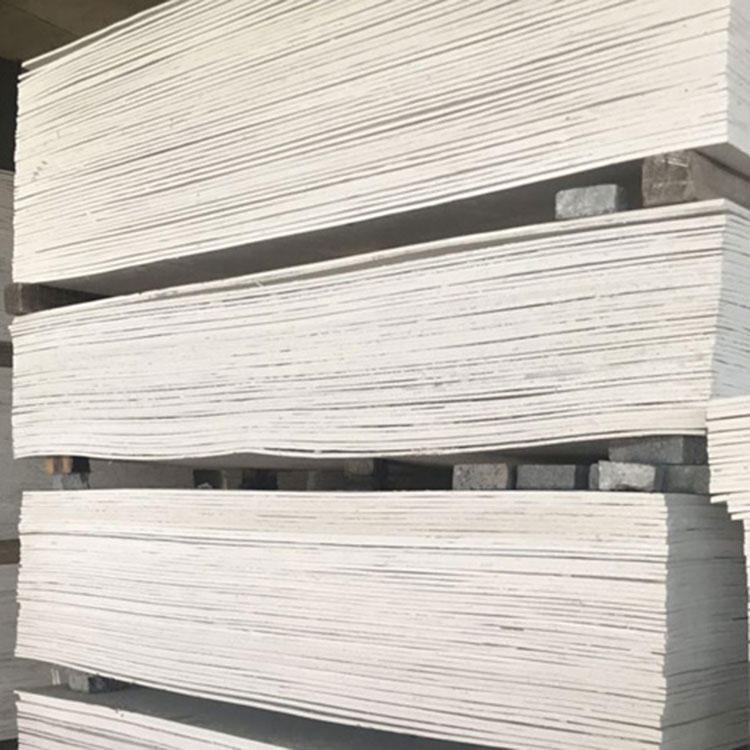
Fire-resistant partitions, also known as inorganic fire-resistant partitions or non-combustible fire-retardant panels, are made by compressing a variety of non-combustible materials in a scientific blend. They offer excellent flame retardancy, can resist fire for over 3 hours, possess high mechanical strength, are non-explosive, water and oil-resistant, highly chemically corrosion-resistant, and are non-toxic. During the combustion test of inorganic fire-resistant partitions, the panels do not deform at a flame temperature of 1000°C, and all specifications meet the requirements of GB23864-2009. The fire resistance reaches the A-grade (non-combustible) standard as specified in GB/T2408-2008. Inorganic fire-resistant partitions are primarily used for fire protection and fire-resistant separation during the installation of cables on brackets or bridges in various voltage levels. They are widely applied in cable engineering fire prevention and retardancy in cable-intensive areas such as power plants, chemical enterprises, iron and steel smelting enterprises, and mines in China.
Construction Method:
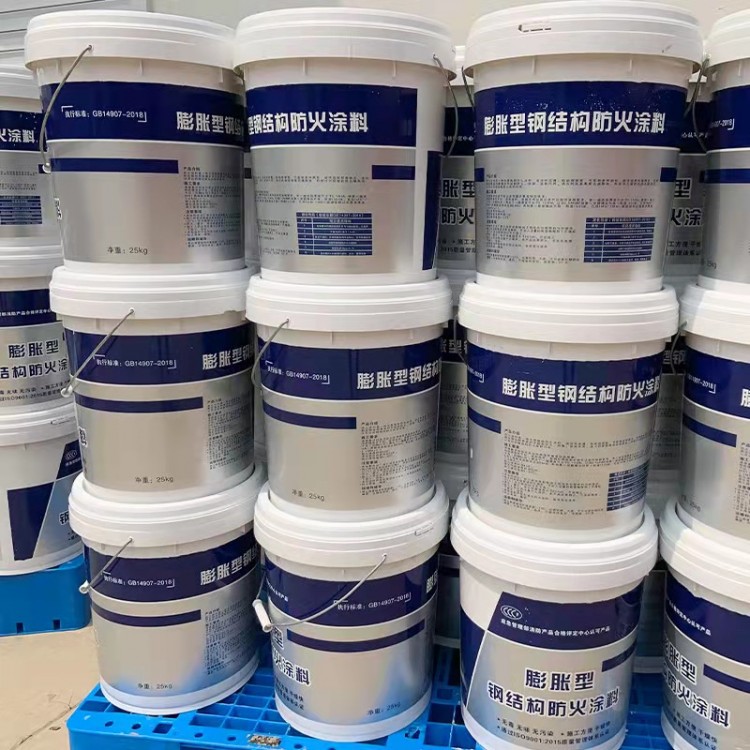
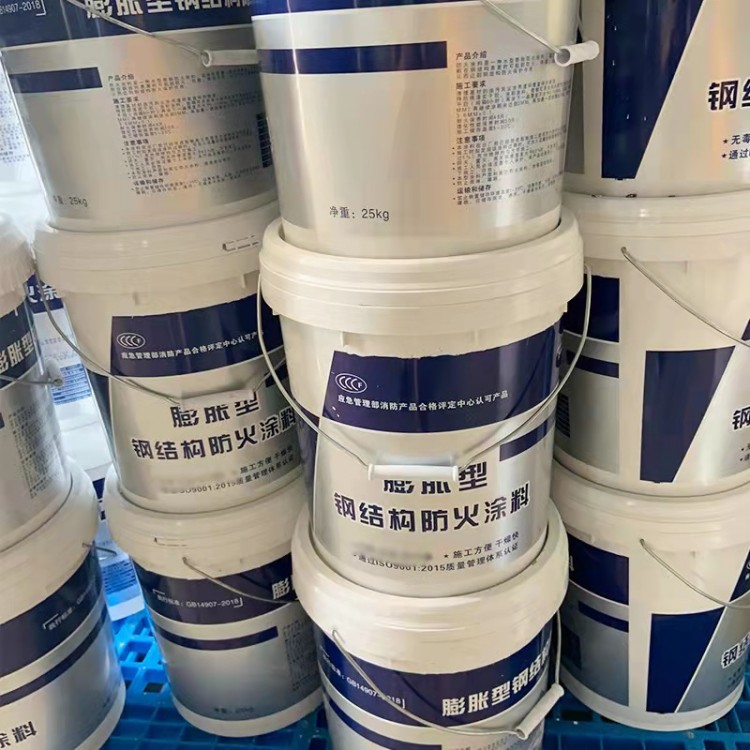
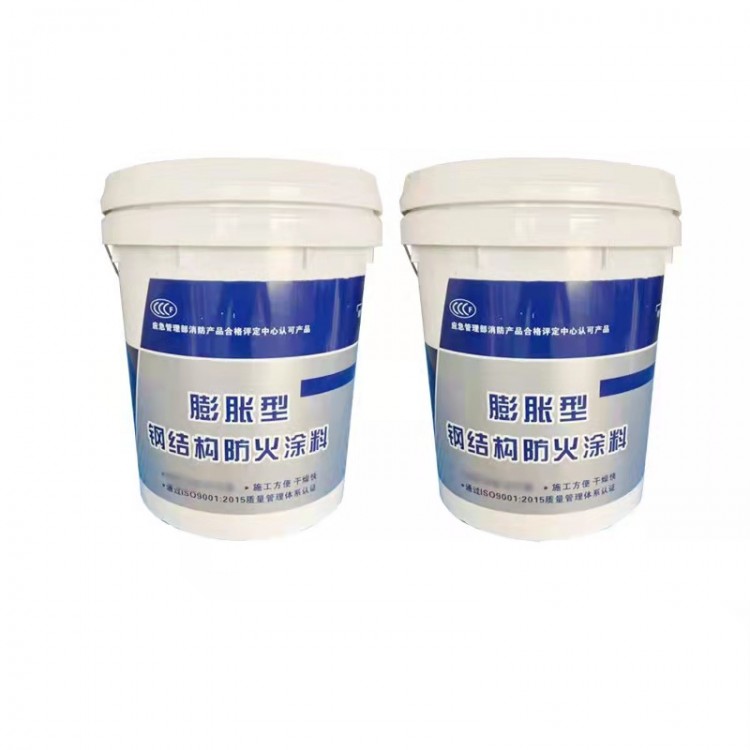
Inorganic fire-resistant partition products can be cut with a saw blade to the required shape for the construction site. They are assembled using steel brackets or expansion bolts for fixation, and the steel frames should be coated with钢结构防火paint. They can also be used to manufacture various types of cable fire-resistant channels, with the gaps between the boards filled with CDWD-A type inorganic fire-resistant sealant.