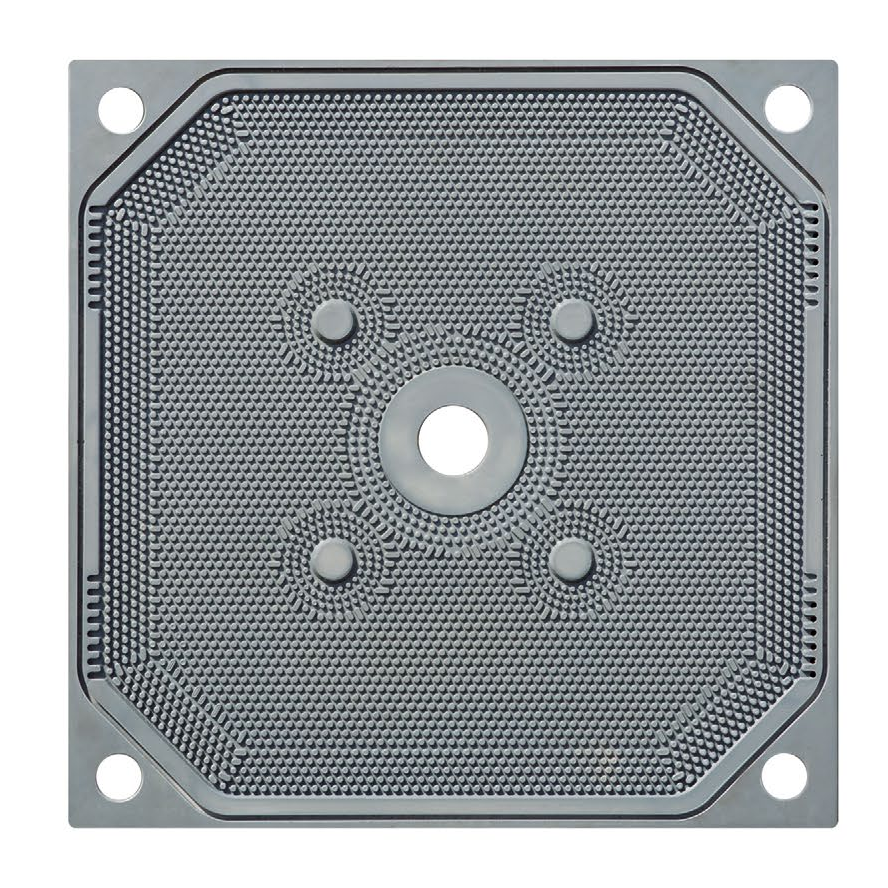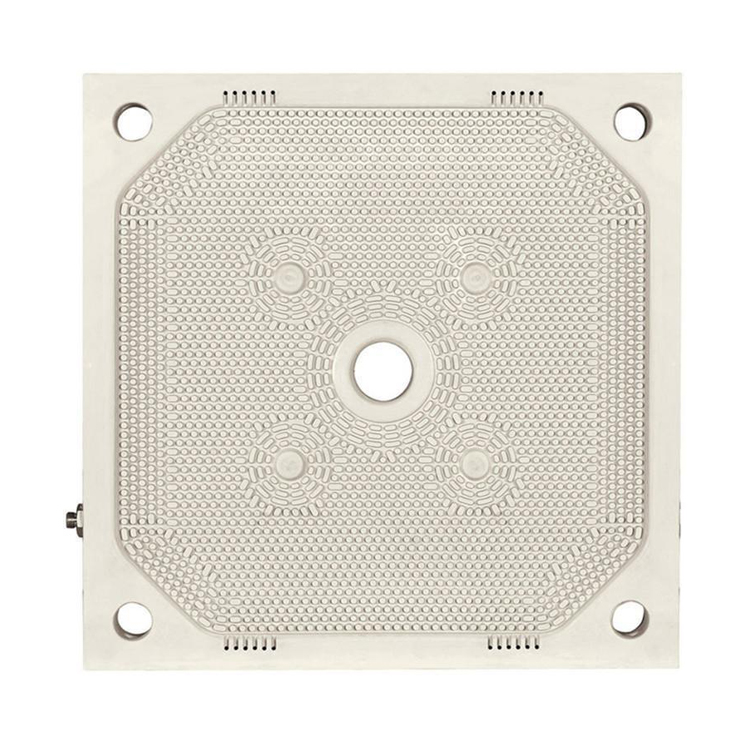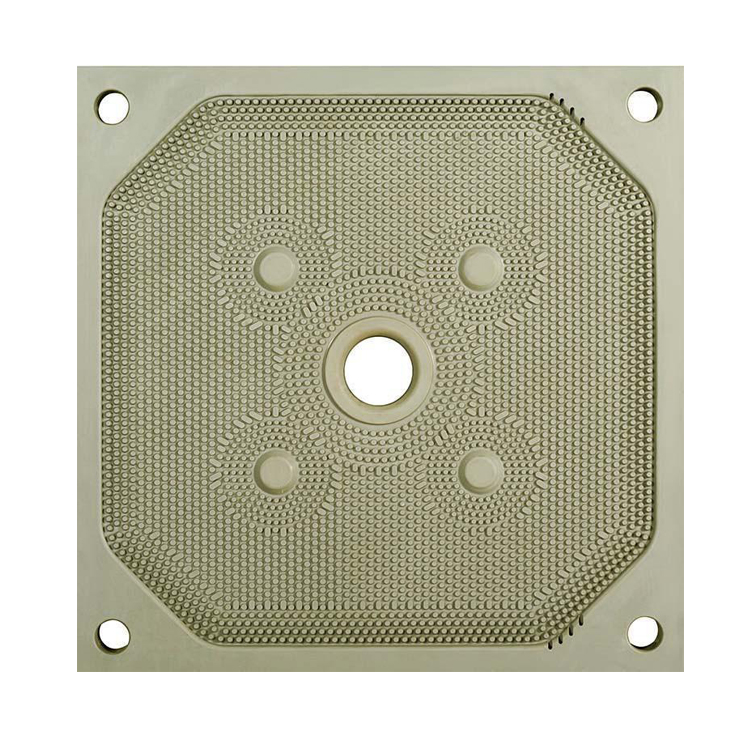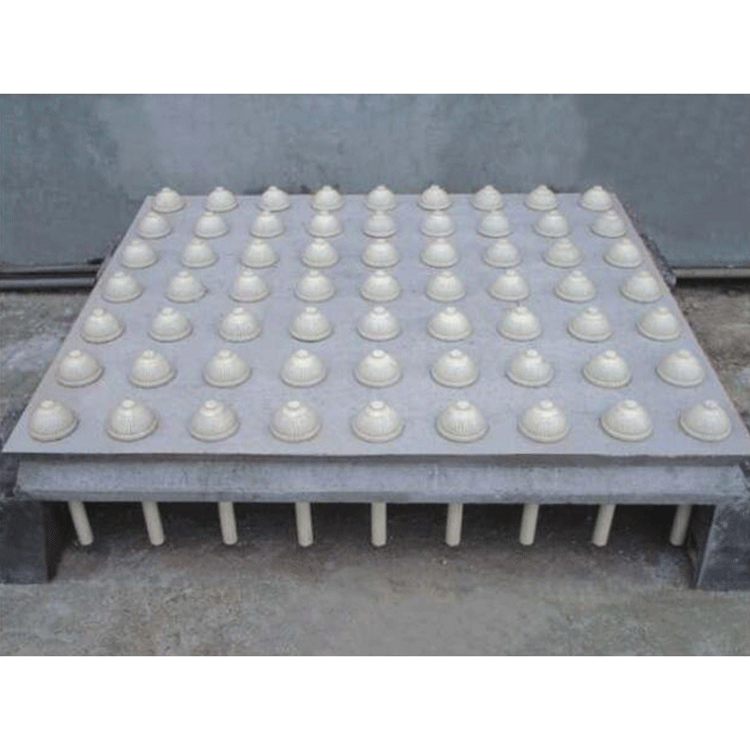









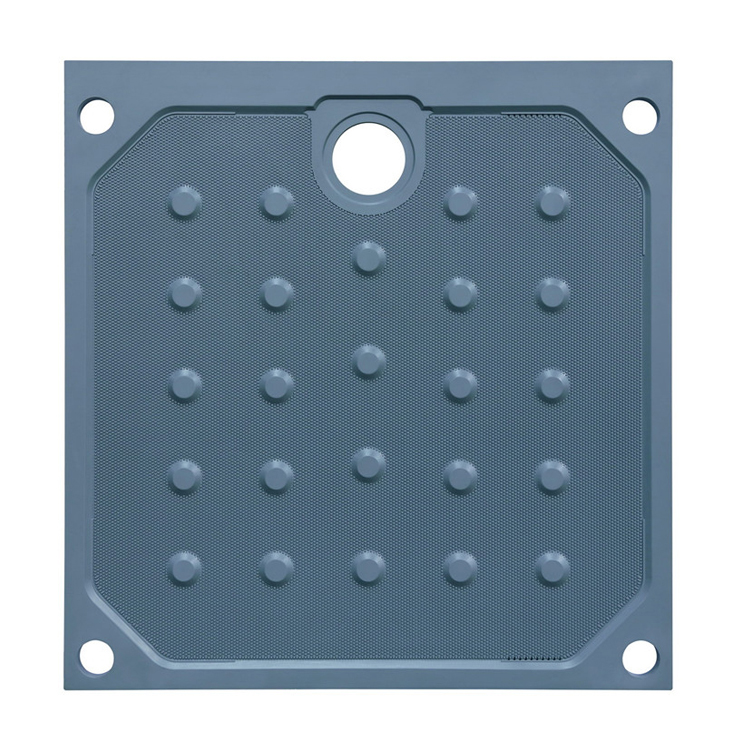
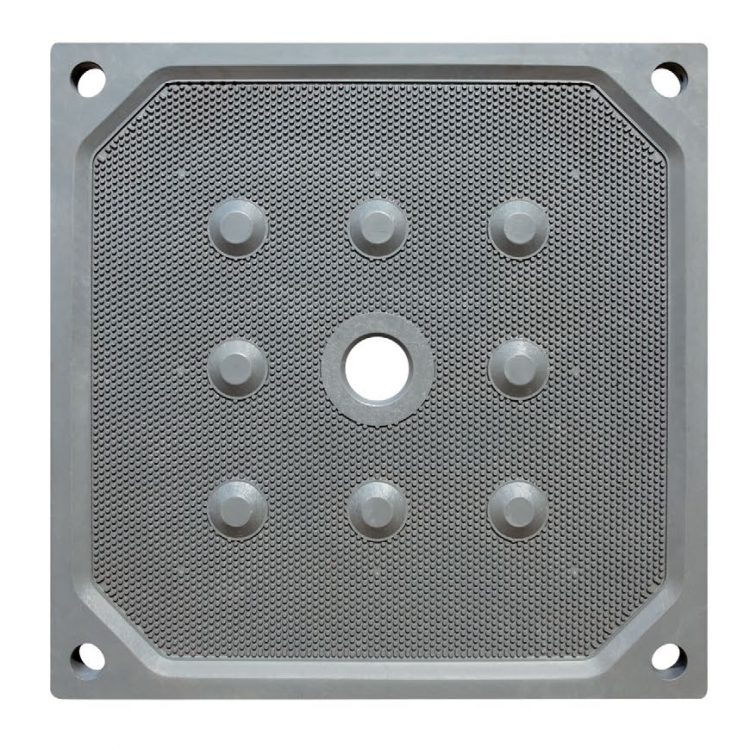
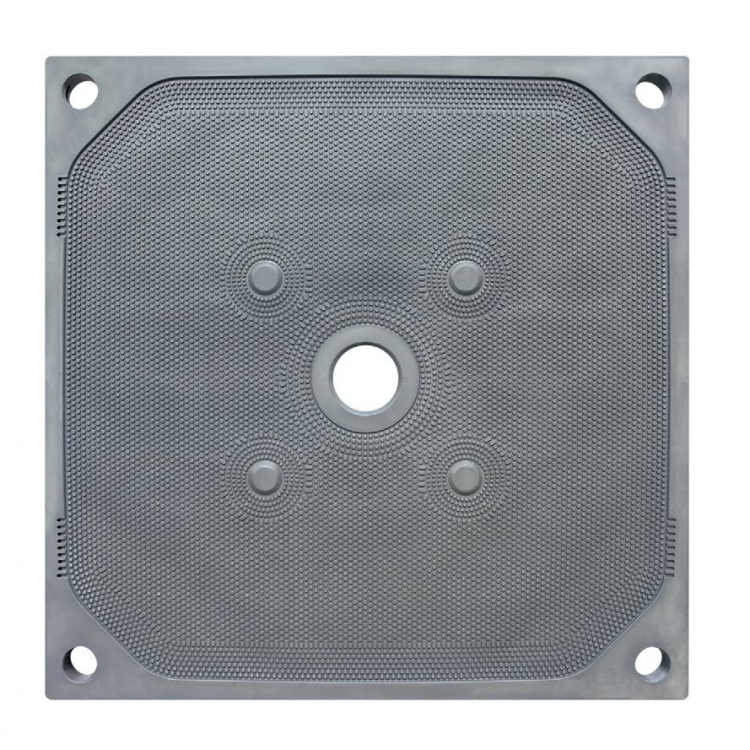
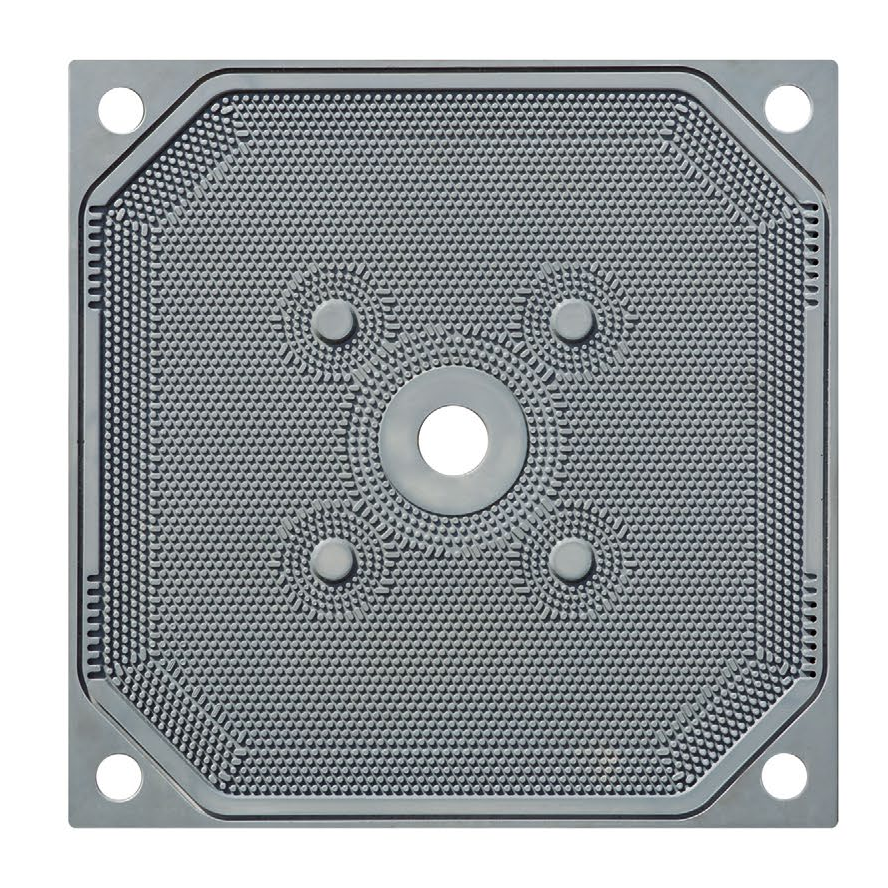
Start-up and operation of sealed membrane filter plates
(1) Tightening: First, check if the upper pointer of the electrical contact pressure gauge on the oil cylinder is adjusted to the pressure maintenance range; then, close the air switch, turn the rotary switch to "Manual," and press the "Manual Tightening" button. The tightening plate begins to tighten, and the motor stops automatically when the pressure reaches the upper limit shown on the electrical contact pressure gauge.
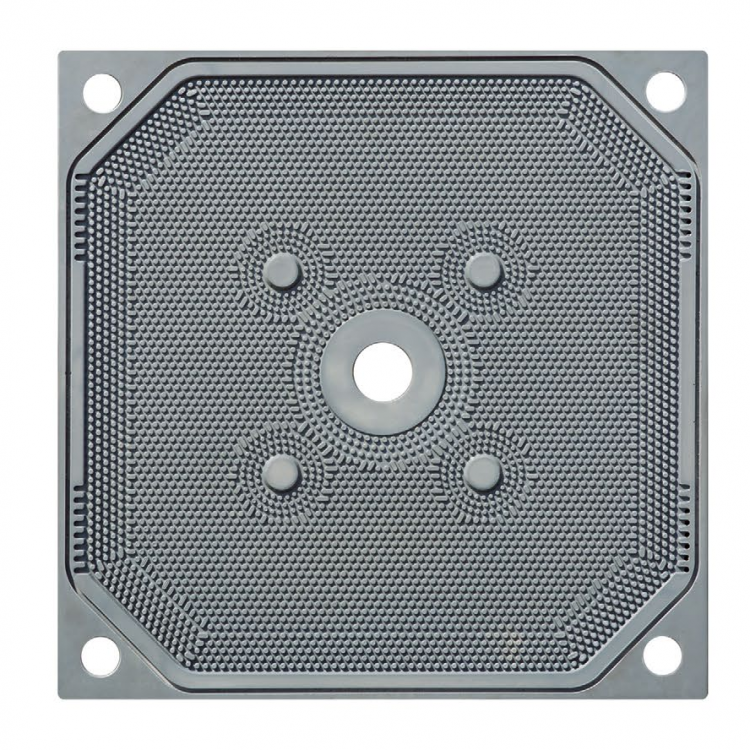
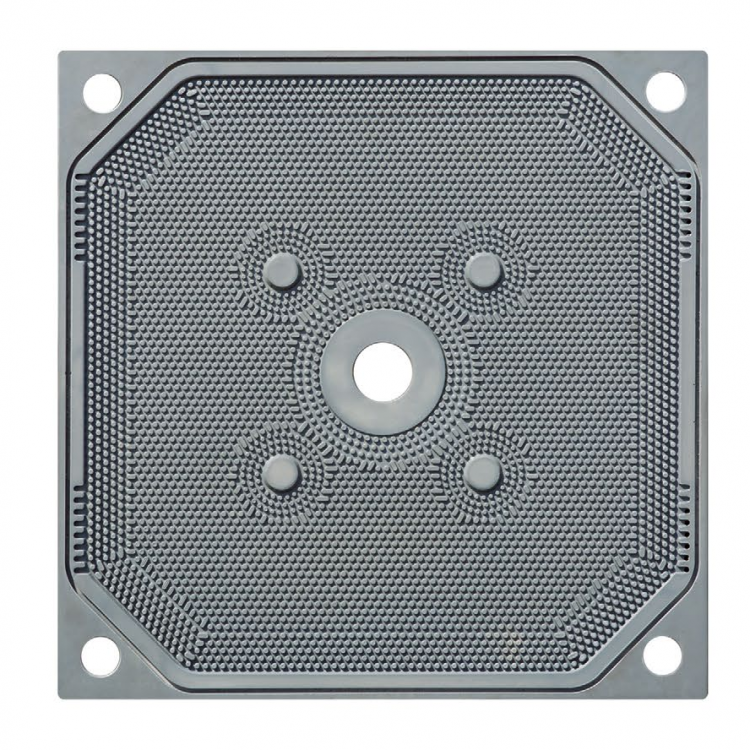
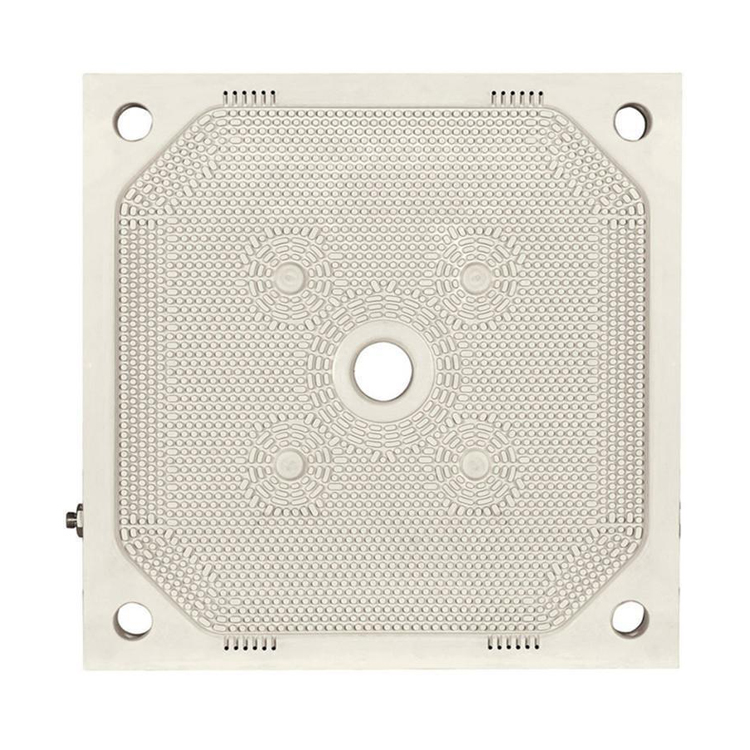
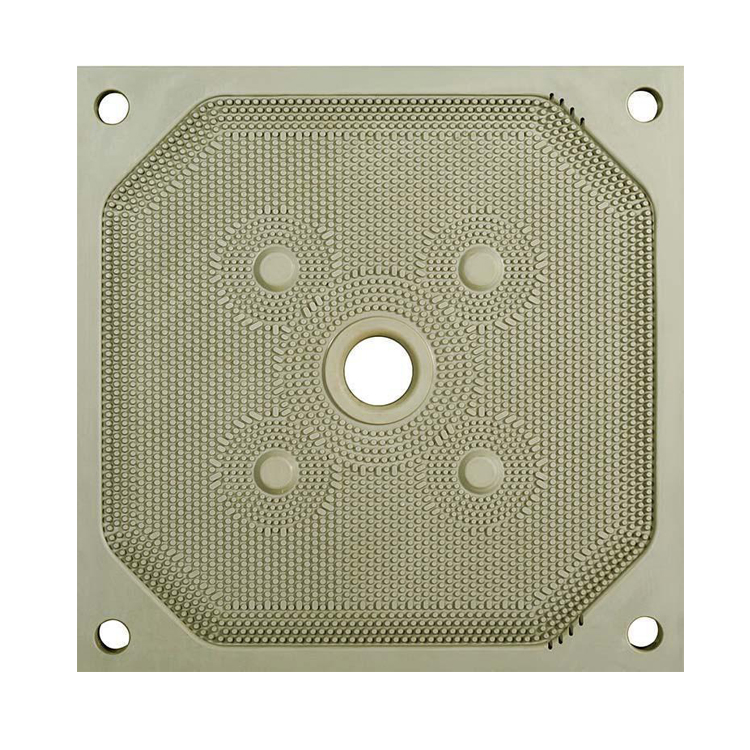
(2) Feed Material Filtration and Automatic Pressure Maintenance: After the motor stops running, check the opening and closing status of all pipeline valves. Confirm that everything is correct, then start the feed pump and slowly open the feed port valve to begin feeding. Ensure that the feed pressure does not exceed 0.6MPa (refer to the parameter values in the product manual). At this point, the pressure filter is in an automatic pressure maintenance state. Under the action of the feed pressure, the slurry passes through the filtration medium (filter cloth) and begins to filter. When the outflow from the outflow pipeline decreases or forms drops, stop feeding. When the pressure of the hydraulic system cylinder reaches the lower limit of the electrical contact pressure gauge, the pressure filter will automatically replenish pressure. Enclosed Membrane Filter Plates
(3) Pre-blowing: When blowing the filter cake, compressed air can be introduced through the washing or feed holes to remove some moisture from the filter cake.
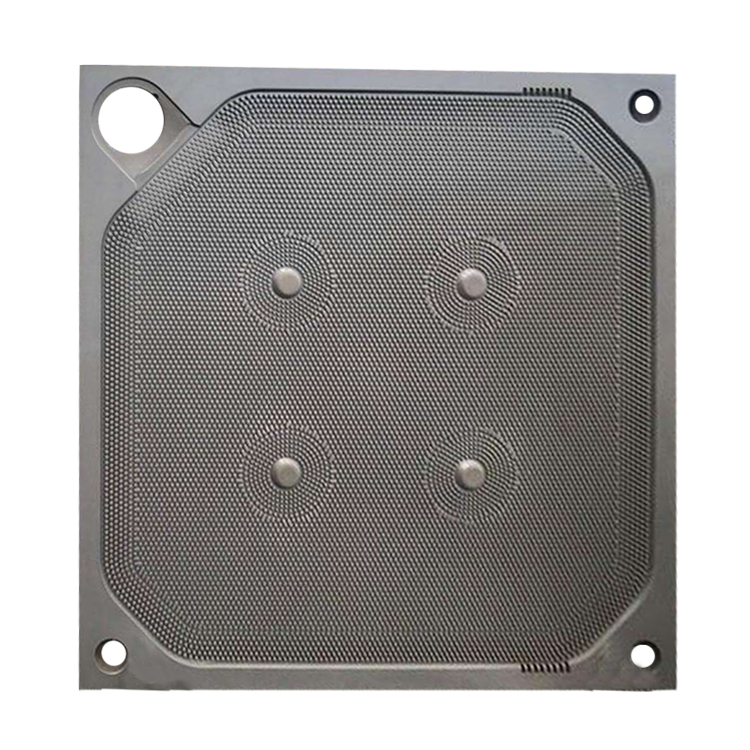
(4) Membrane Pressing: Open the pressing valve, use high-pressure air or water to pressurize the filter cake on the closed membrane filter plate to reduce the moisture content of the filter cake, adjusting the pressing time according to the material properties and process requirements; after completion, the pressure relief valve must be opened to release all pressure before proceeding to the next operation, otherwise equipment damage may occur.
(5) Backblowing: When blowing the filter cake, compressed air can be blown in through the washing hole or feed hole to dry the filter cloth.
(6) Release: After the filtration or pressing and pressure release is completed, press the "Manual Release" button. The solenoid ball valve is powered on, initiating the pressure release action. After a 15-second delay, the pressure plate automatically retracts and makes contact with the stroke switch, at which point the motor stops automatically.
(7) Activate the "Pick and Pull Plate" Program Manually: Press the "Manual Pick Plate" button to have the sealed diaphragm filter plate carriage automatically pick up the plate. After picking up the plate, press the "Manual Pull Plate" button for the carriage to automatically pull the plate, removing the filter cake between the two plates. When the material sticks to the filter cloth, use a wooden or plastic shovel to clean the filter plate thoroughly, ensuring no material is stuck around the sealing surfaces of the plate edges and the two bottom corners. After the carriage repeatedly picks and pulls plates, the filter cake is fully removed. The carriage returns to its original position, touching the carriage limit switch, and the pick and pull plate motor automatically stops. This completes one working cycle.
When using automatic control, rotate the diaphragm filter plate's switch to the "Automatic" position, then press the "Program Start" button. The entire system will automatically complete the actions of clamping, feeding, pre-backflush, squeezing, backflushing, decompressing, releasing, removing, and pulling the plate. To pause during the removal or pulling process, press the "Pause" button on the control panel or pull the slider on one side of the main beam to activate the pause proximity switch.