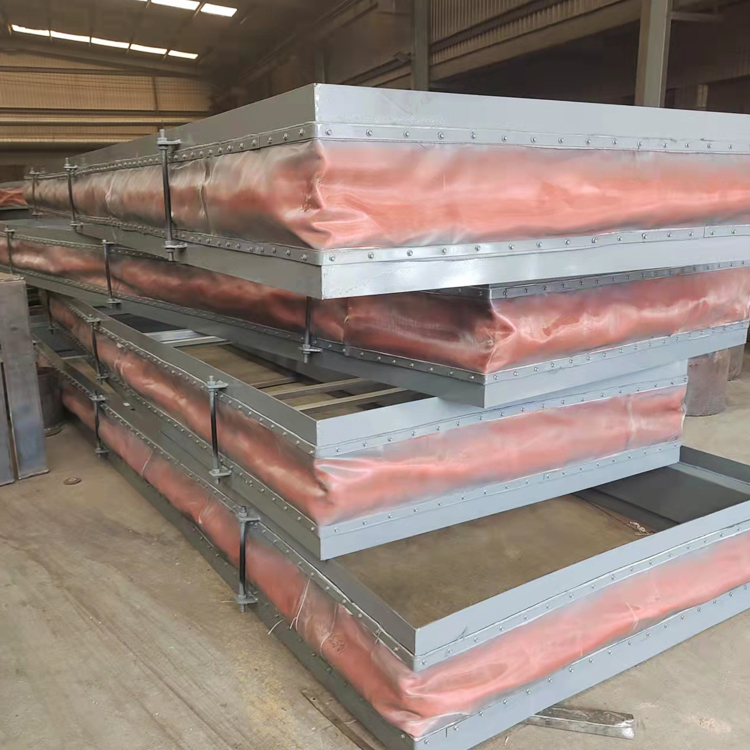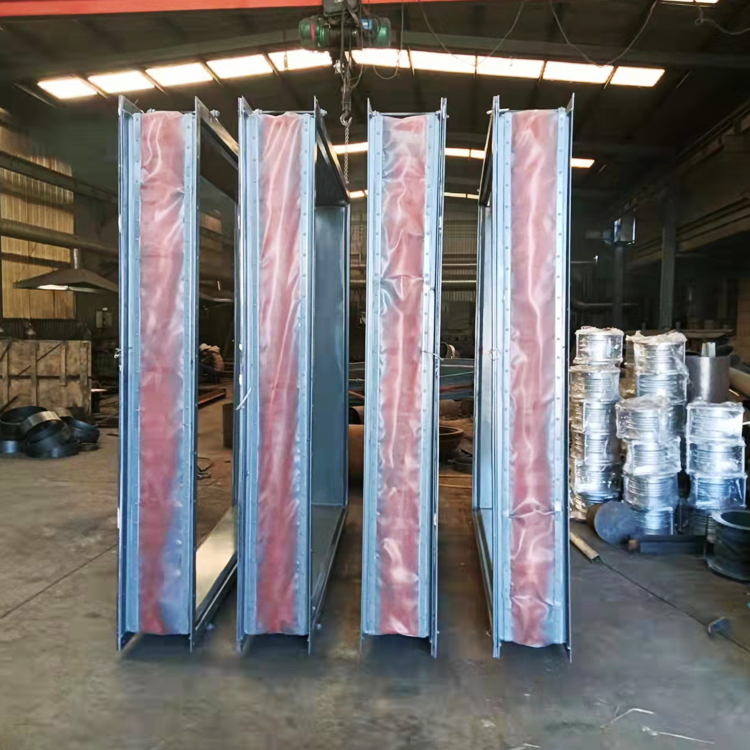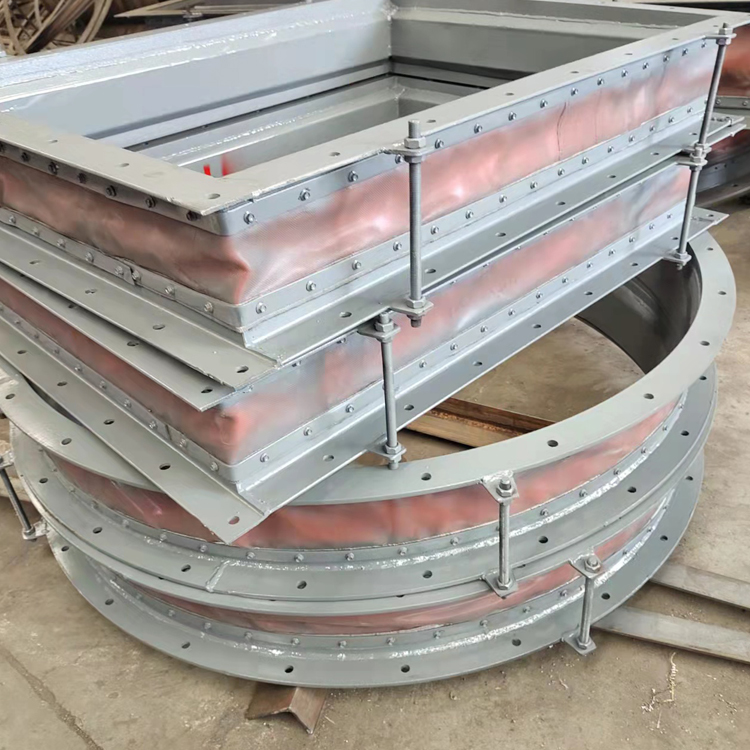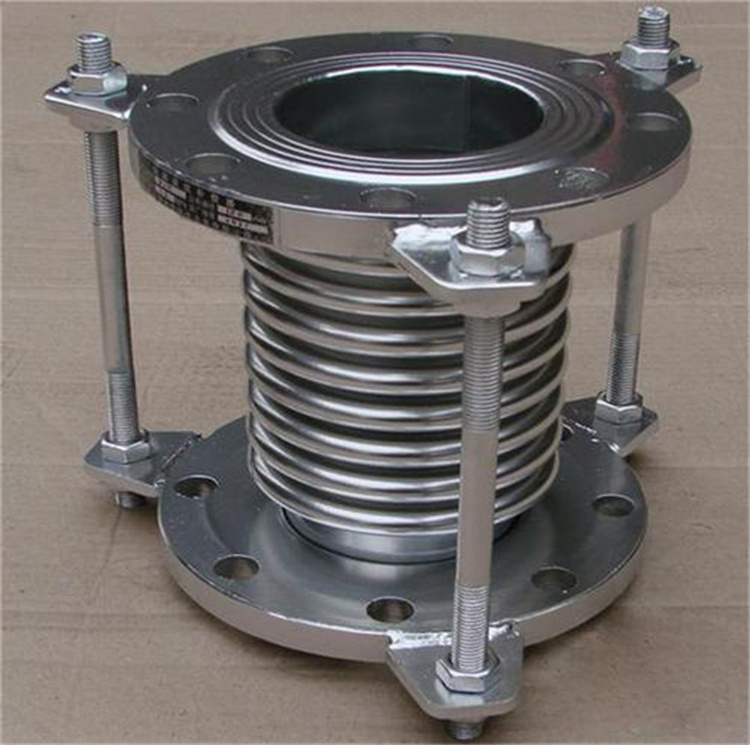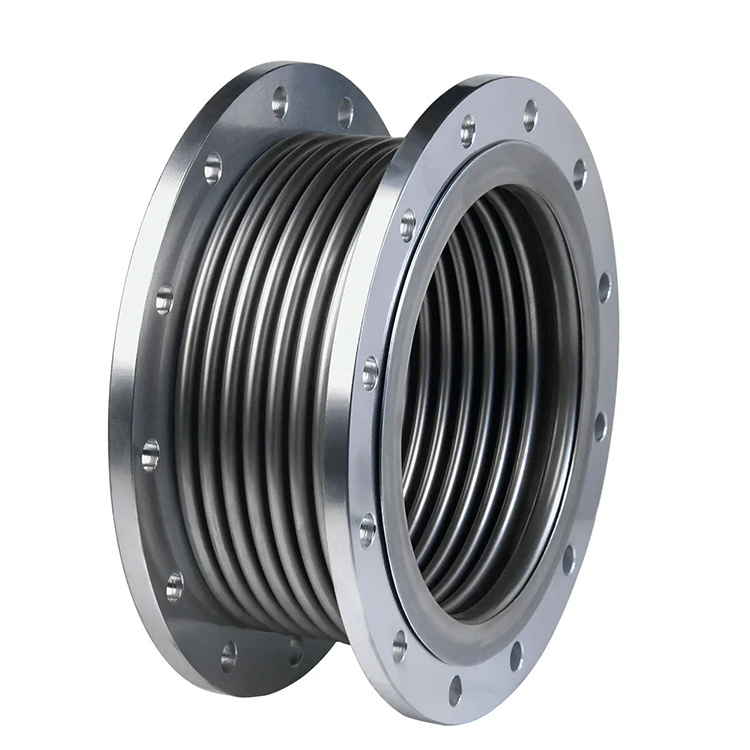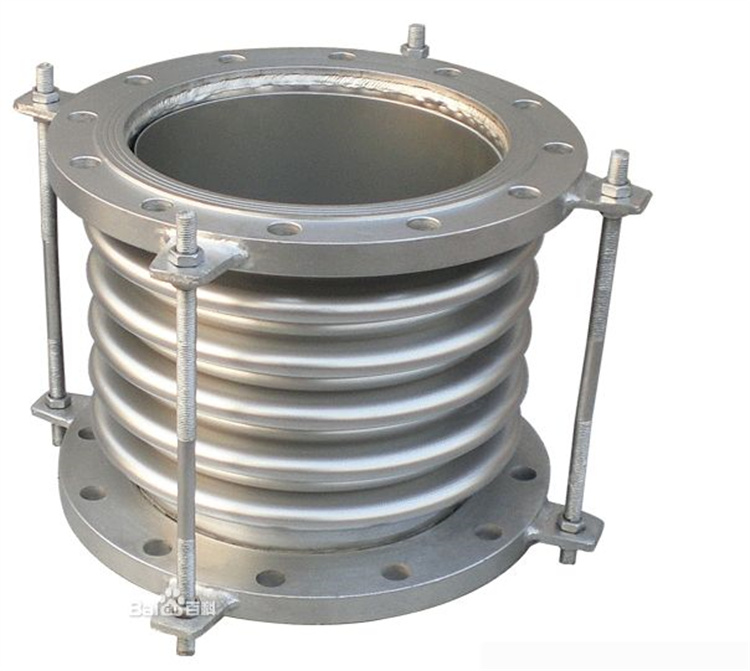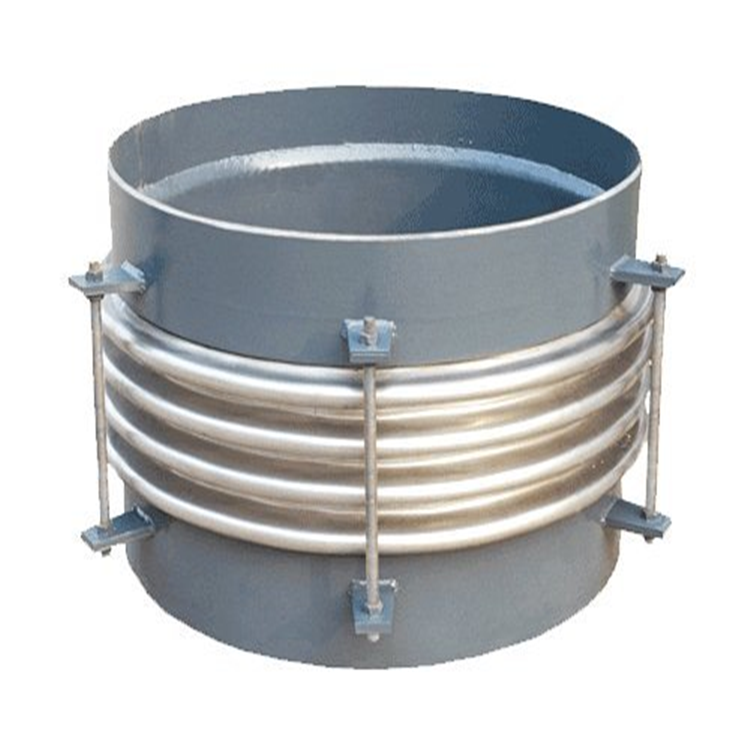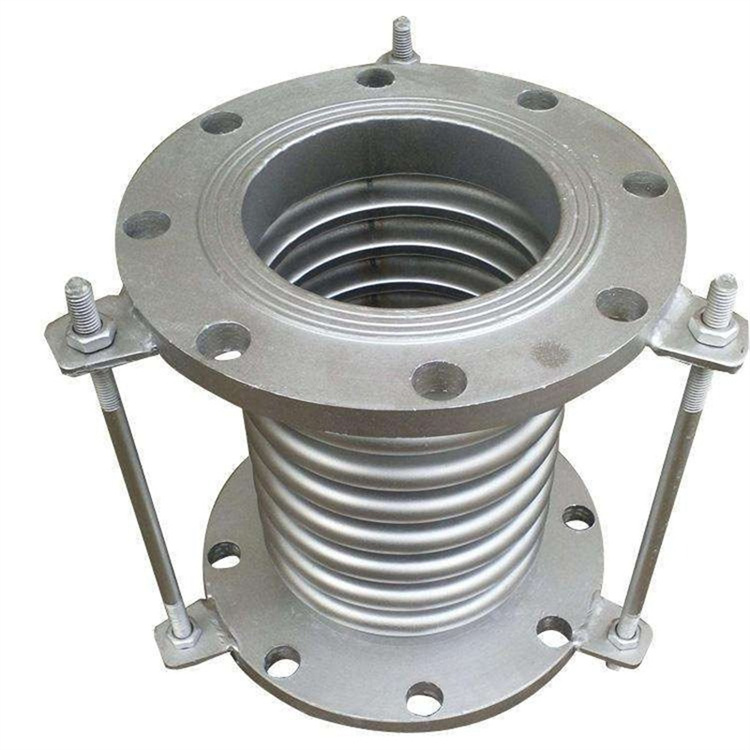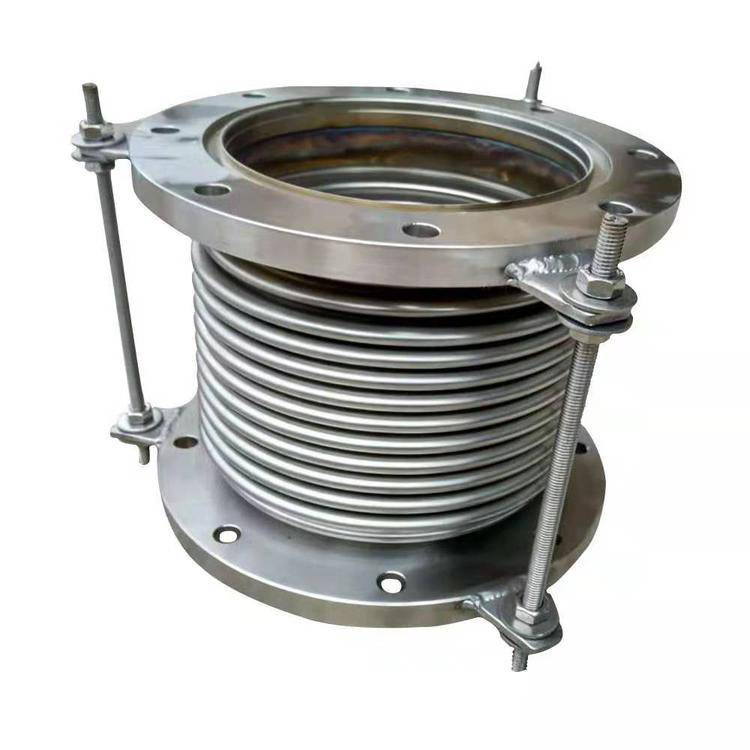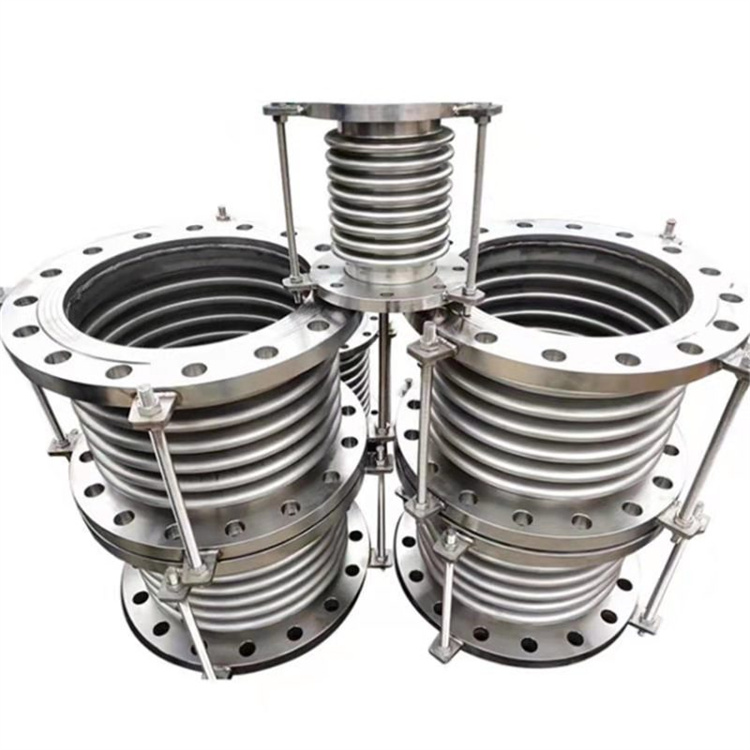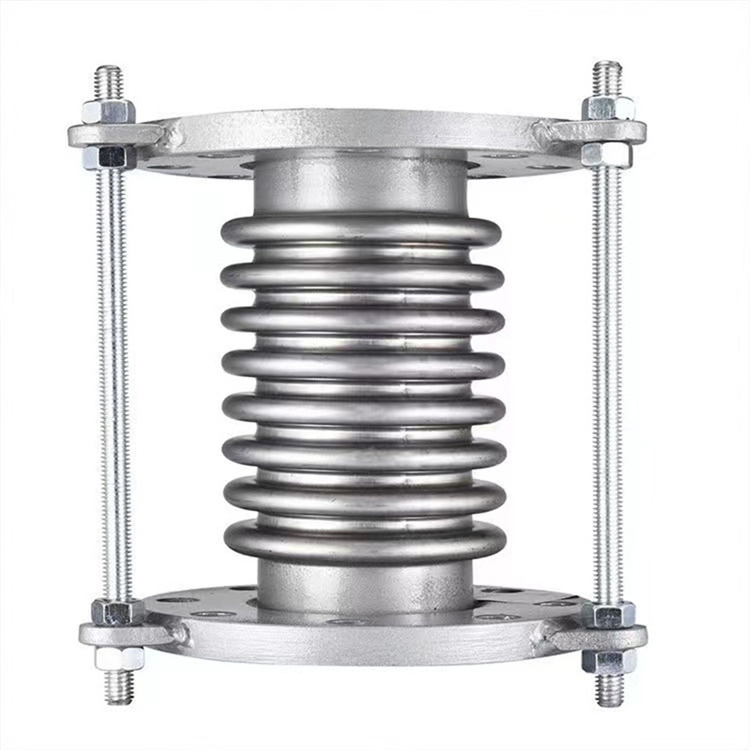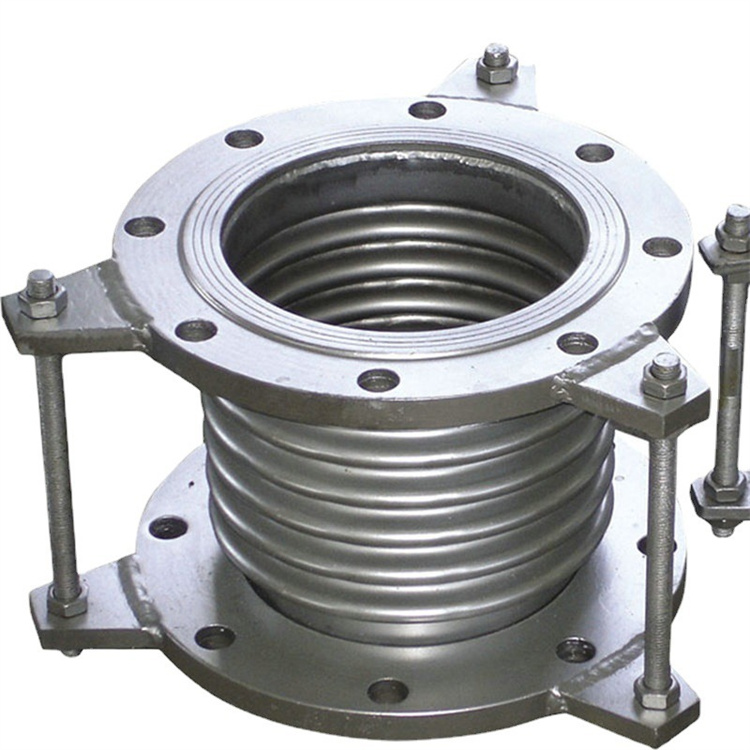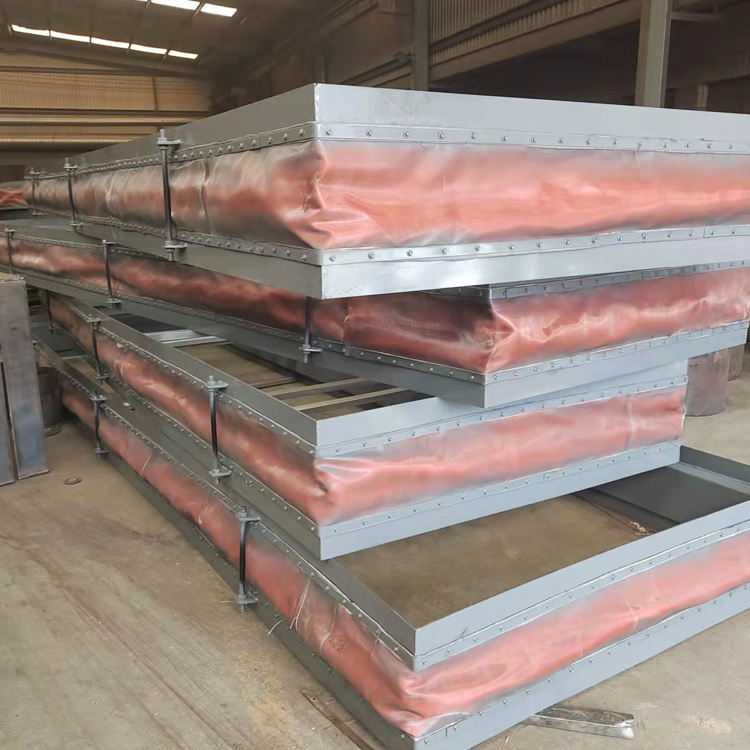

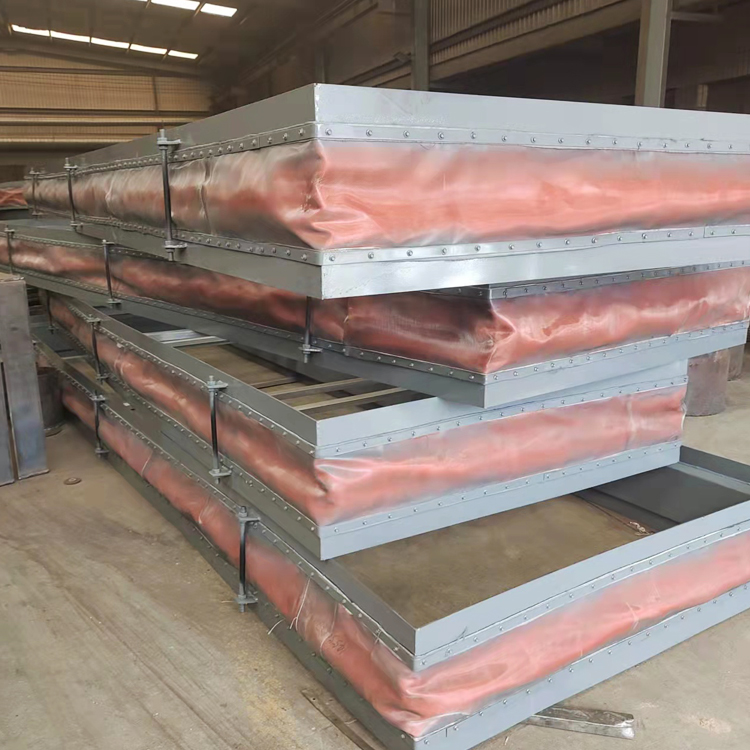
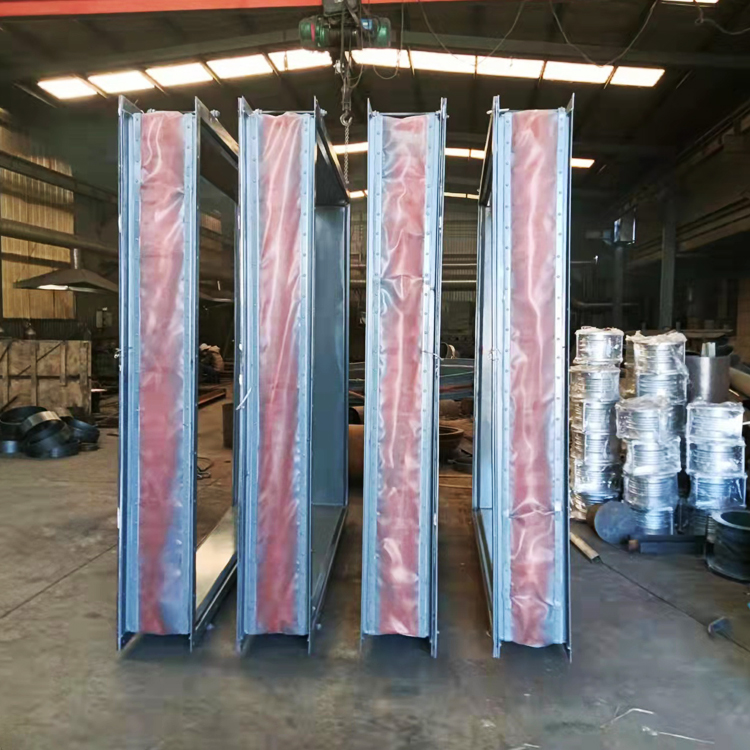
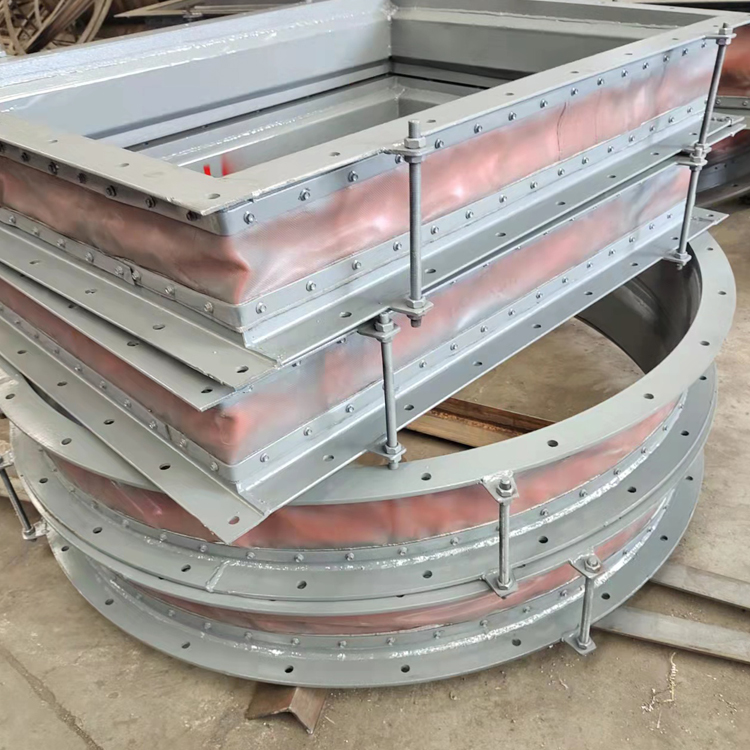


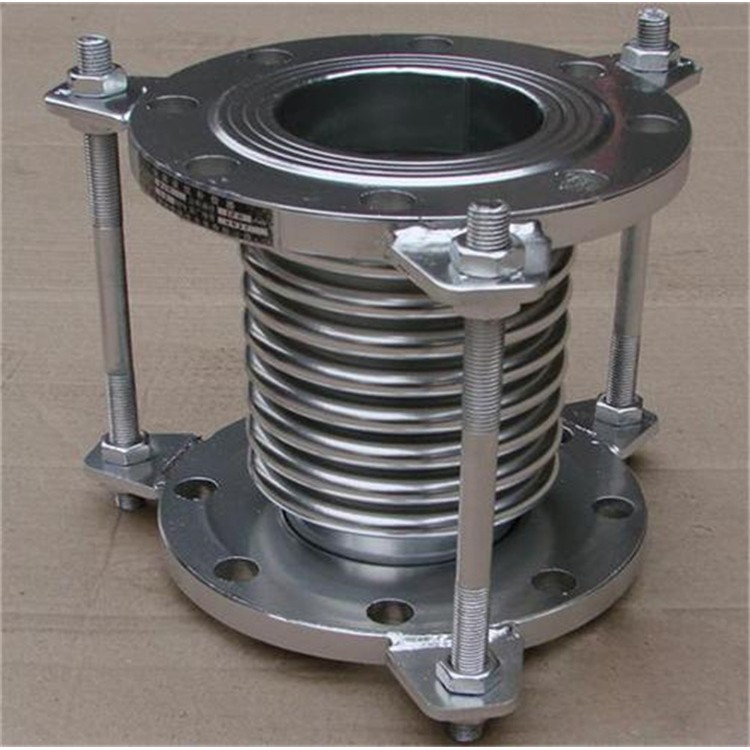
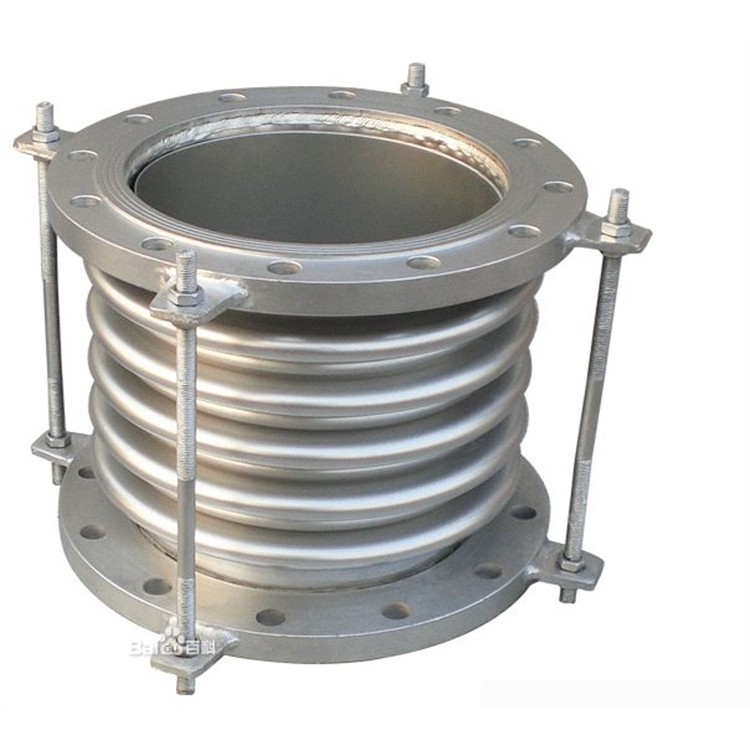
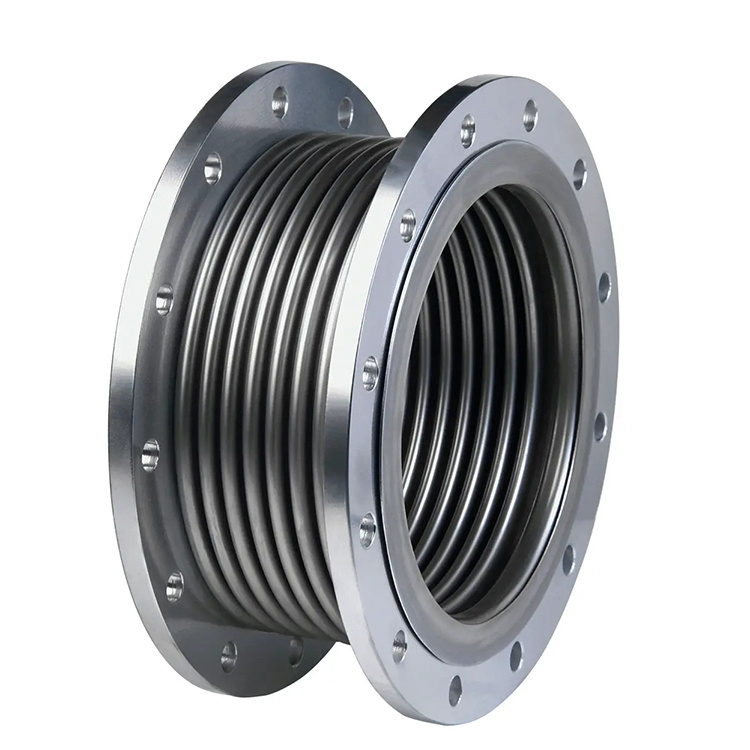
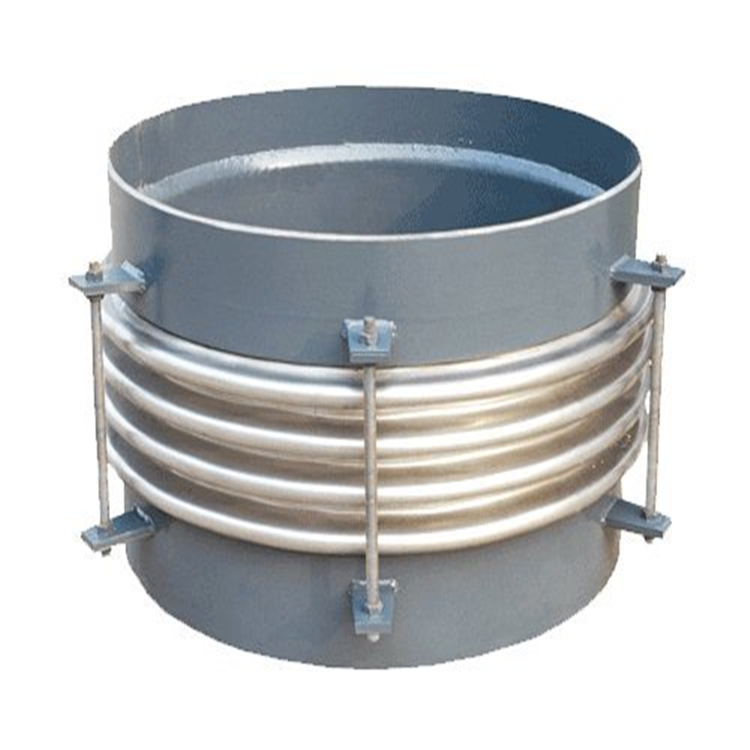





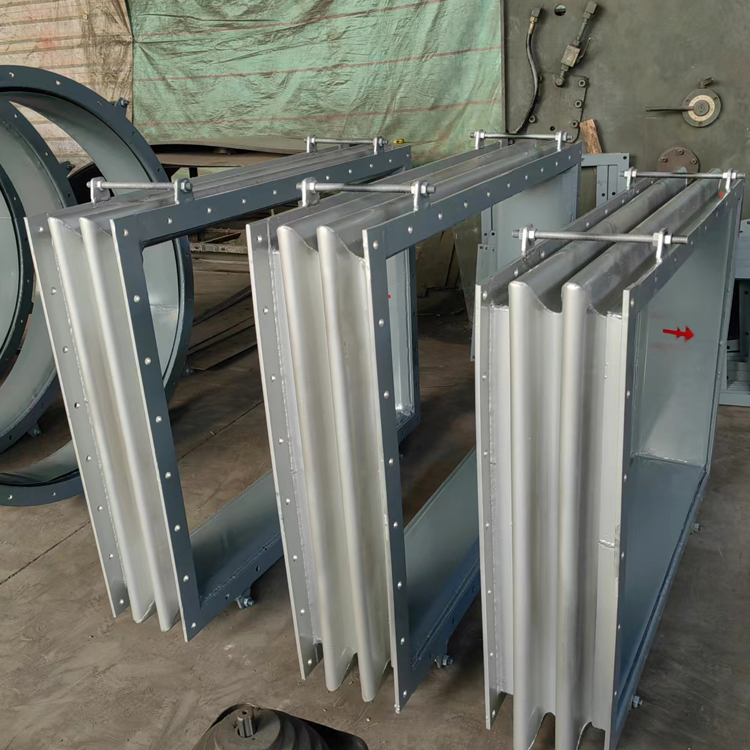
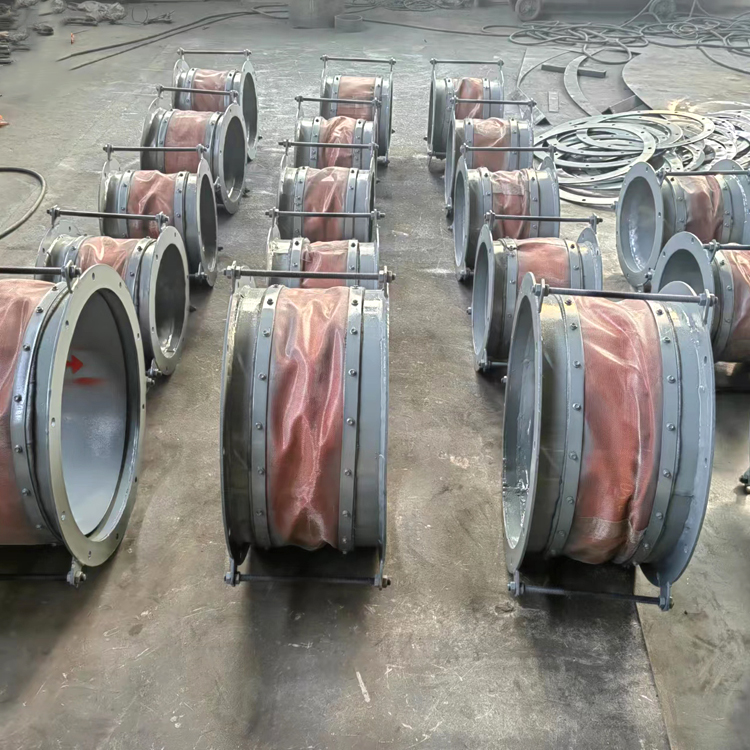
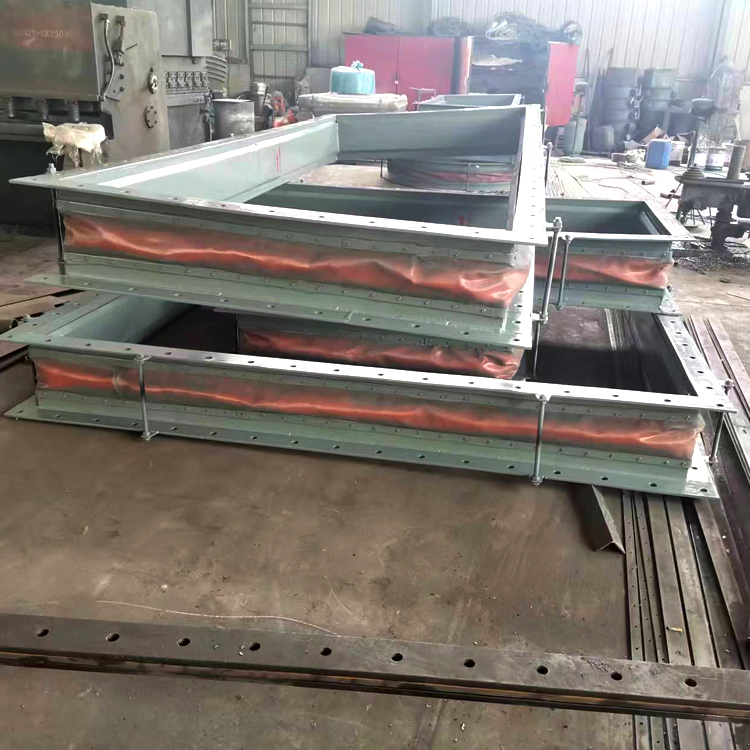
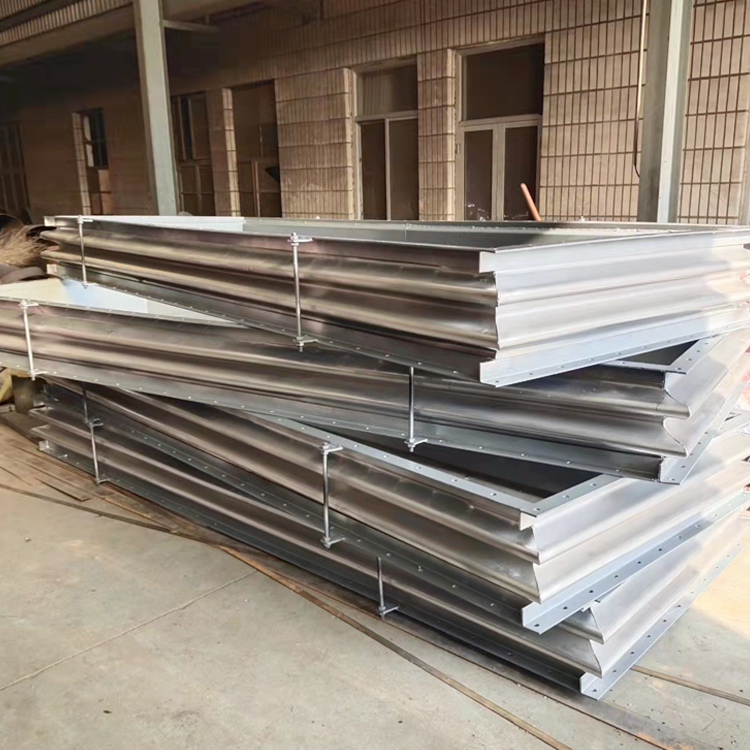
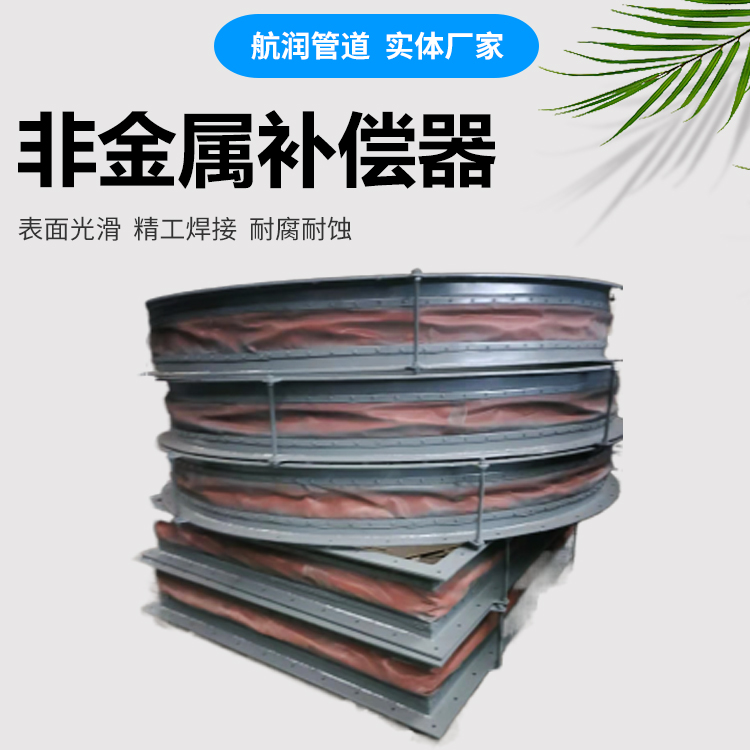


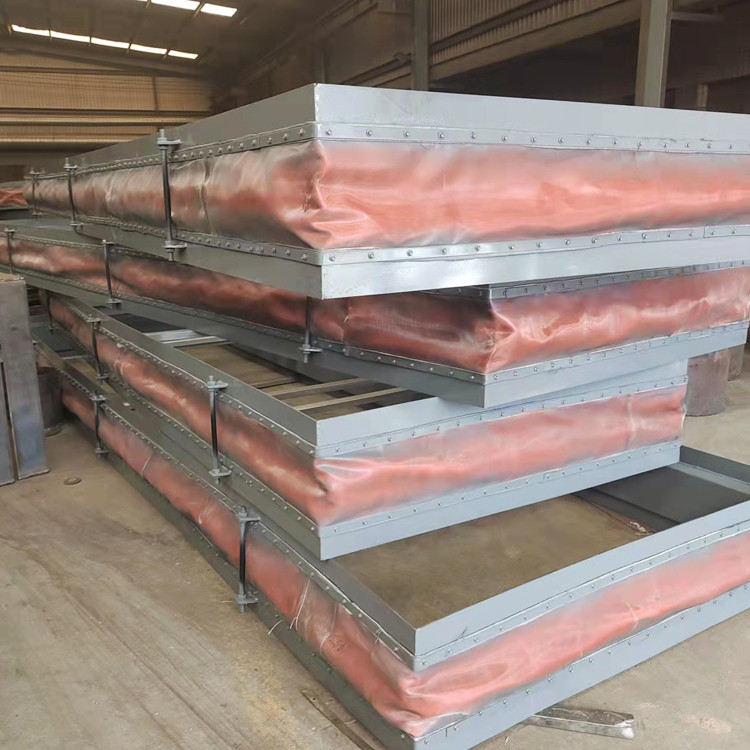
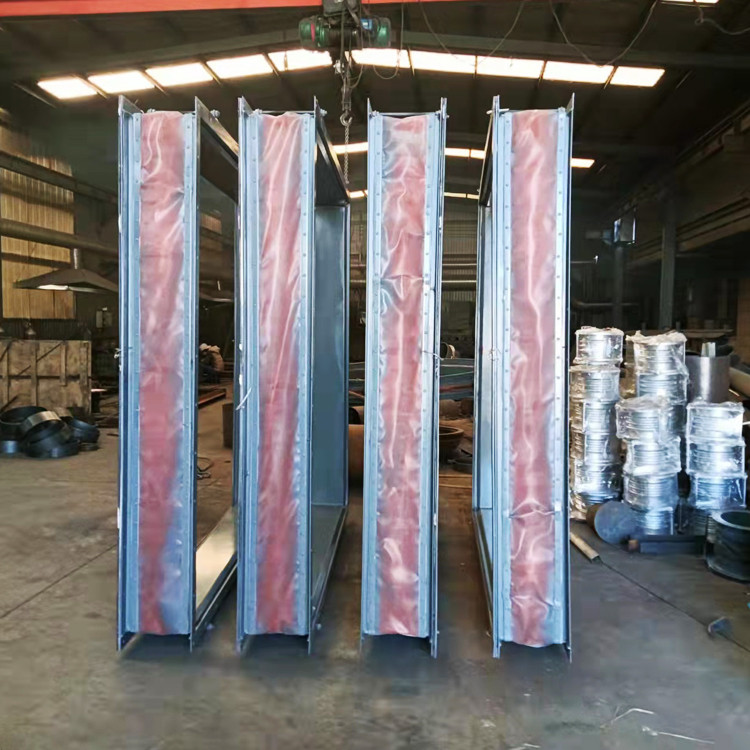
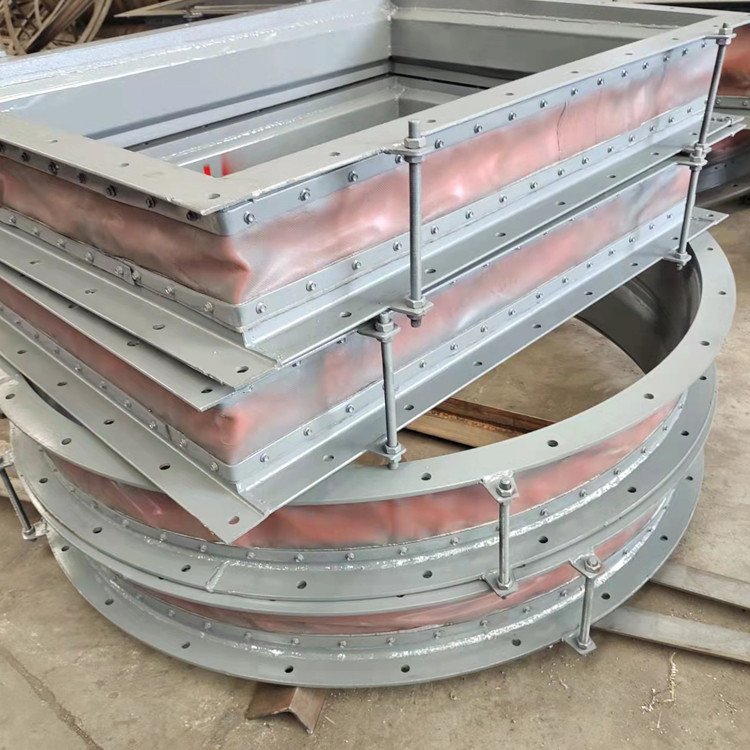
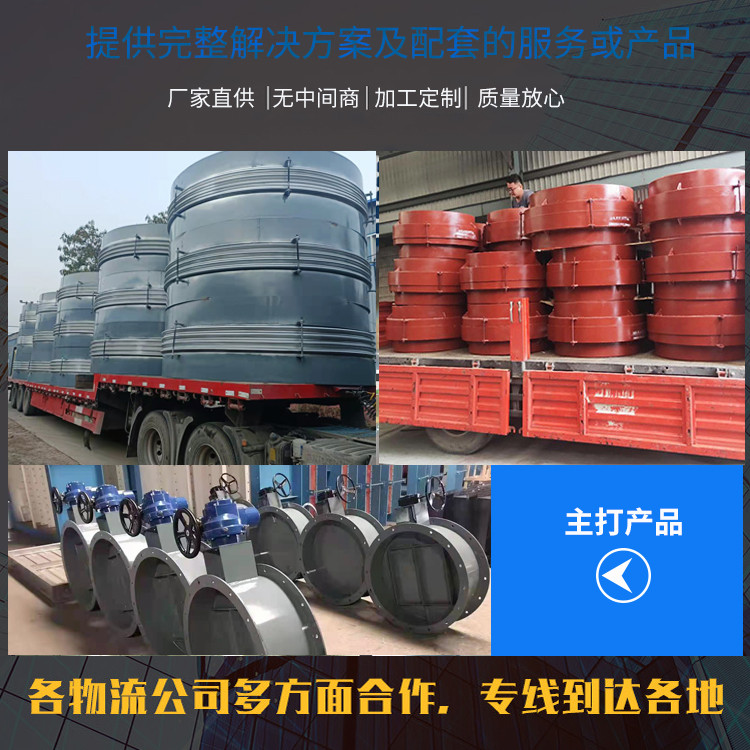
Non-metallic compensators consist primarily of elastic elements made from non-metallic materials, typically fiber fabrics, hence also known as fabric compensators (expansion joints, flexible joints). There is also rubber material, which can replace fiber fabrics in all other operating conditions except when subjected to extremely high temperatures (above 400°C).
Features:
⑴ Can compensate in multi-dimensional directions. Varied in form, large in compensation volume, and long in service life.
Effectively compensate or eliminate installation errors.
Low stiffness, small elastic reaction.
High temperature range applicability, excellent corrosion resistance.
Effectively isolates vibration and reduces noise.
In addition to the above features, it boasts excellent sealing, high pressure resistance, and great strength, capable of withstanding gases containing mist and a small amount of liquid. Special rubber can achieve oil resistance, acid and alkali resistance, and aging resistance.
Purpose:
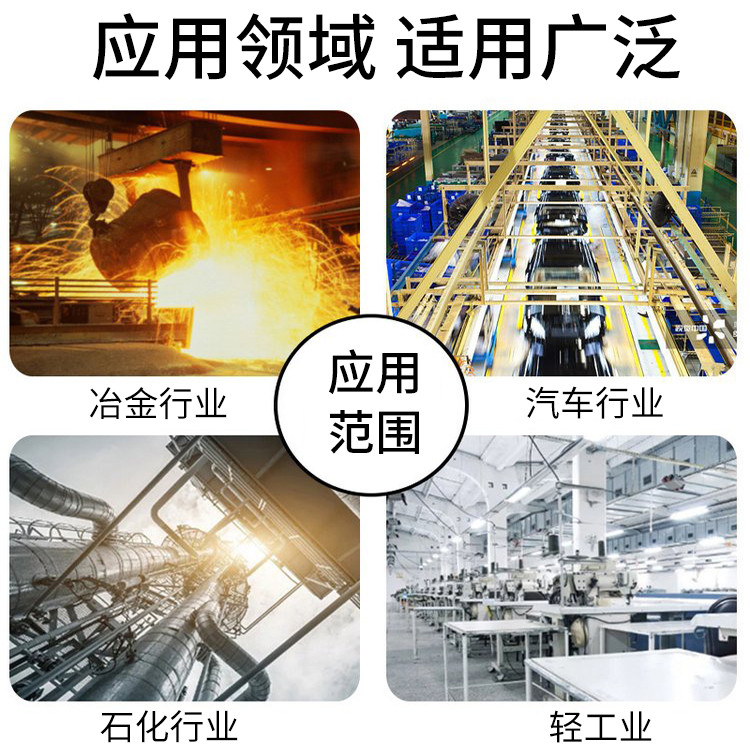
Widely used at the intake and exhaust points of smoke desulfurization, dust removal equipment, air heating, and forced draft systems in steel mills, smelting plants, petrochemical factories, thermal power plants, cement factories, and nuclear power plants, it significantly outperforms metal expansion joints, earning universal praise from users and extensive promotion.



.jpg)