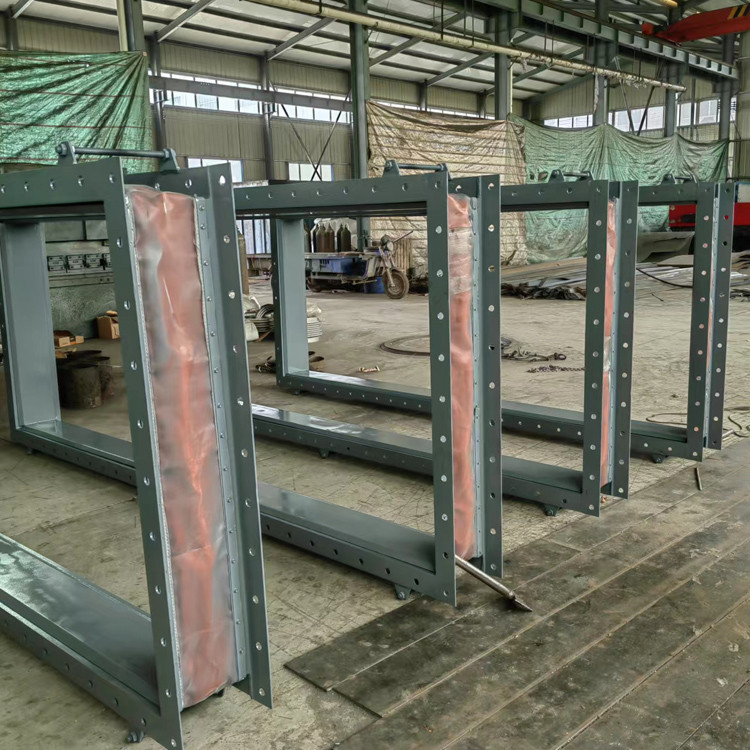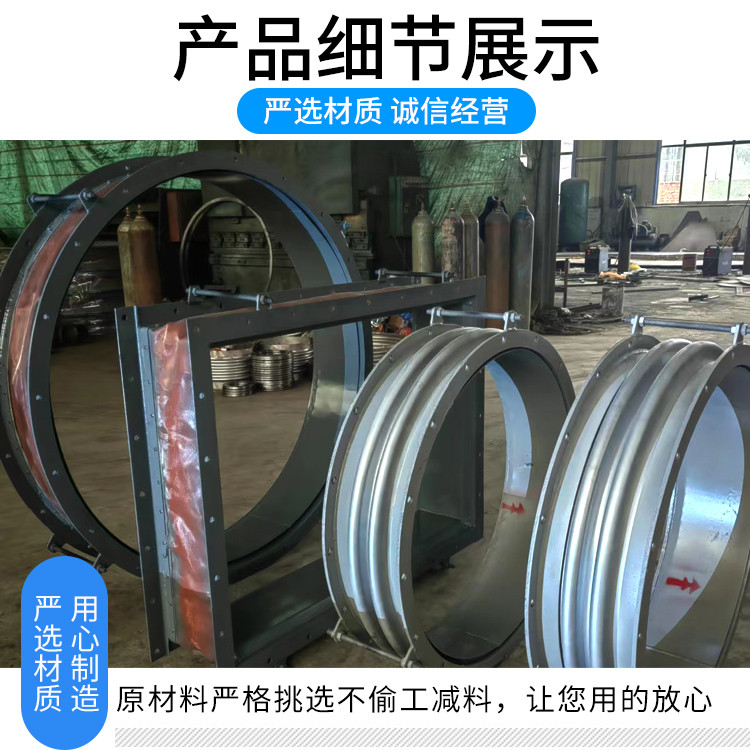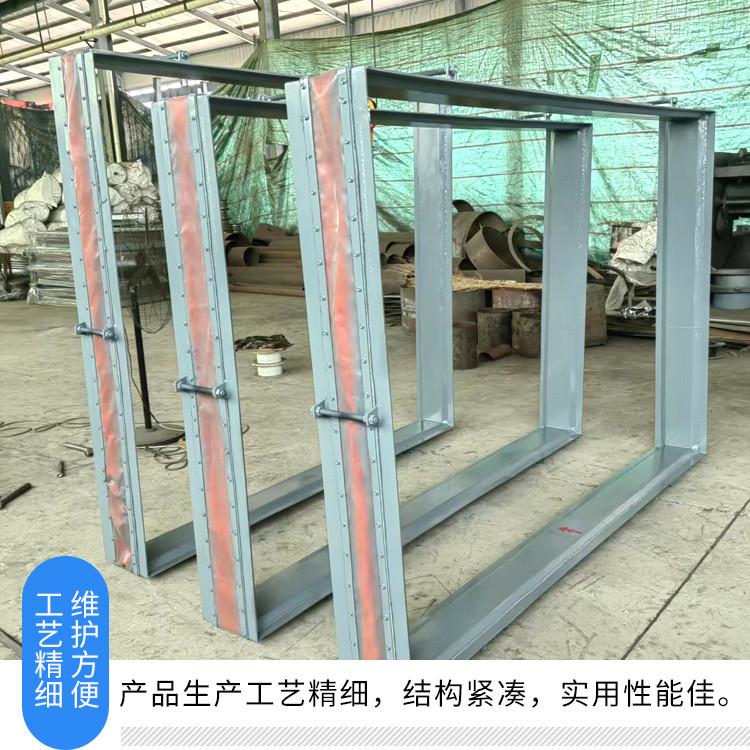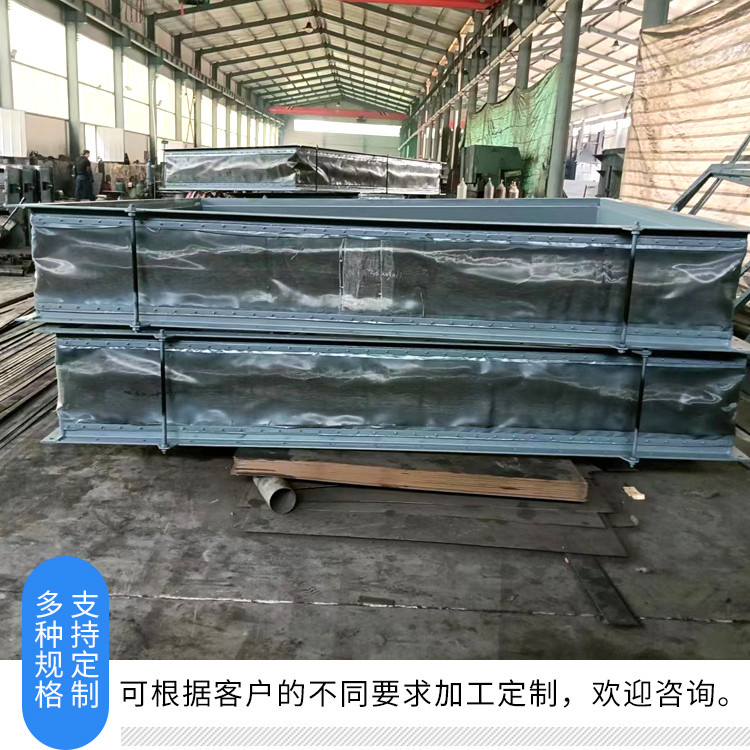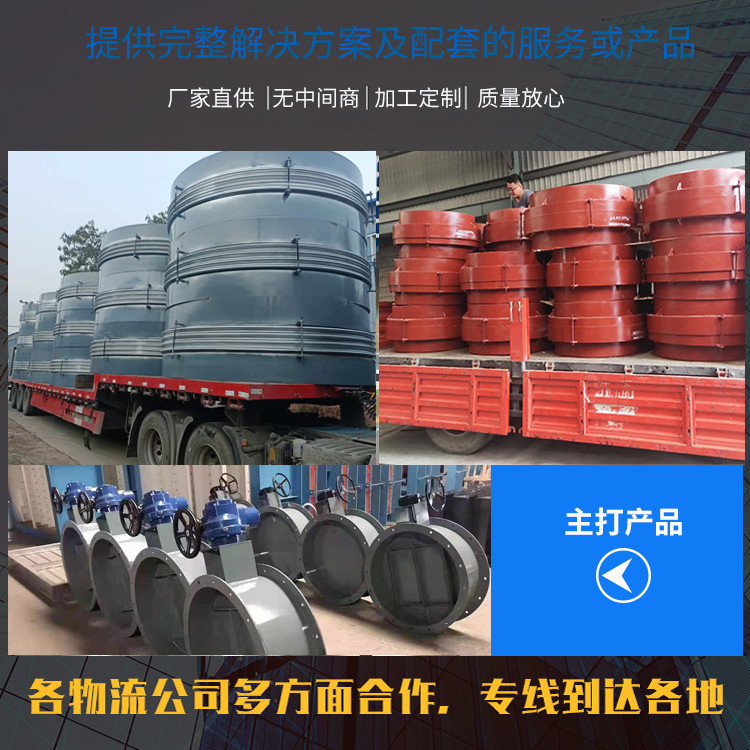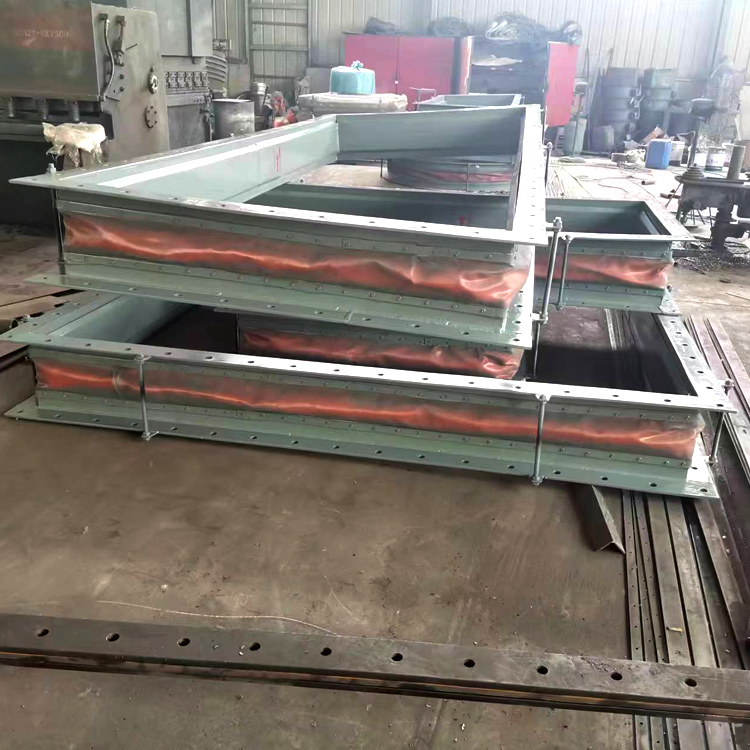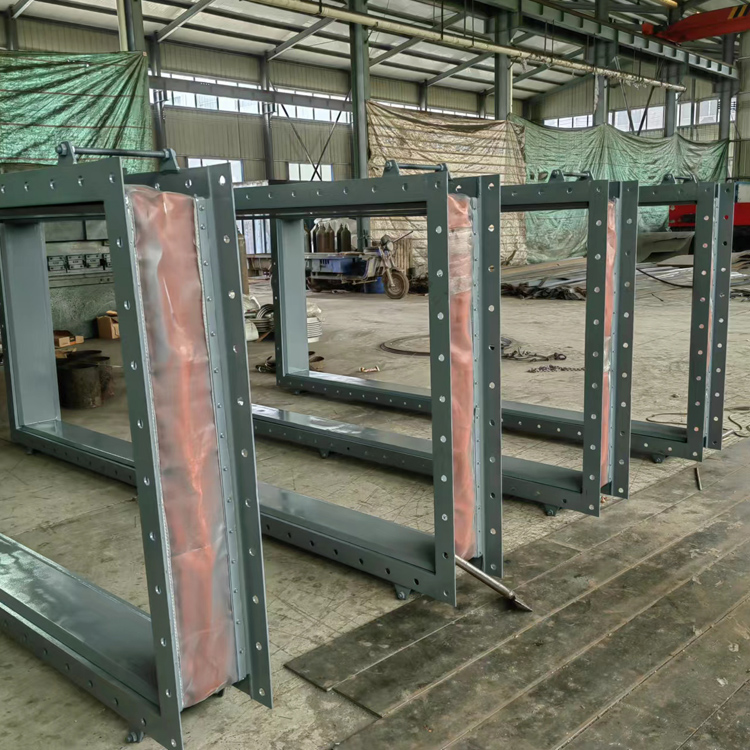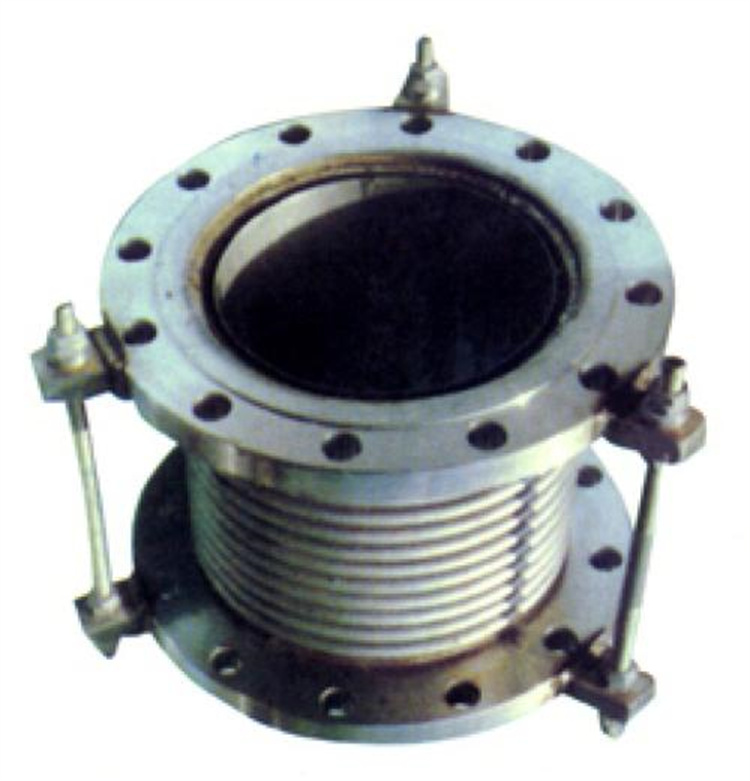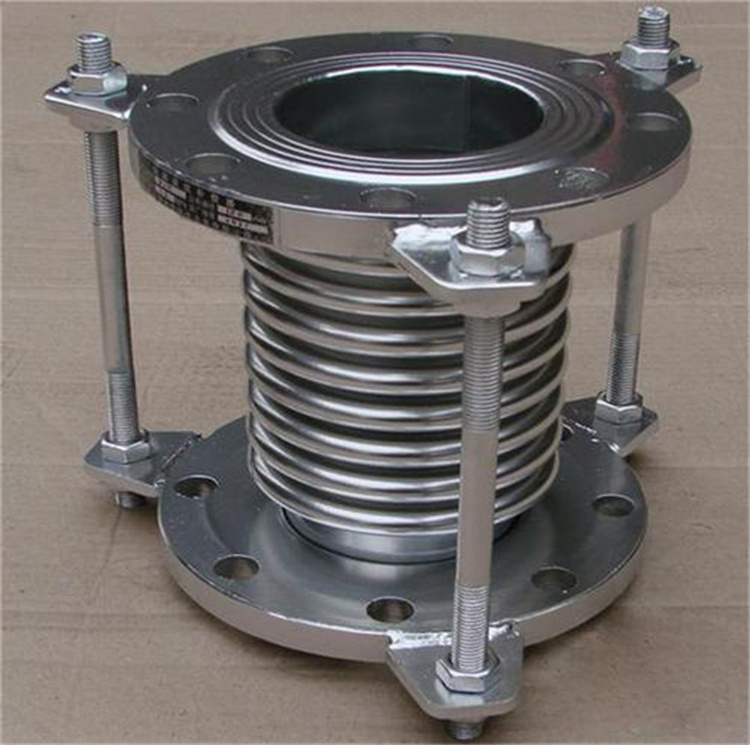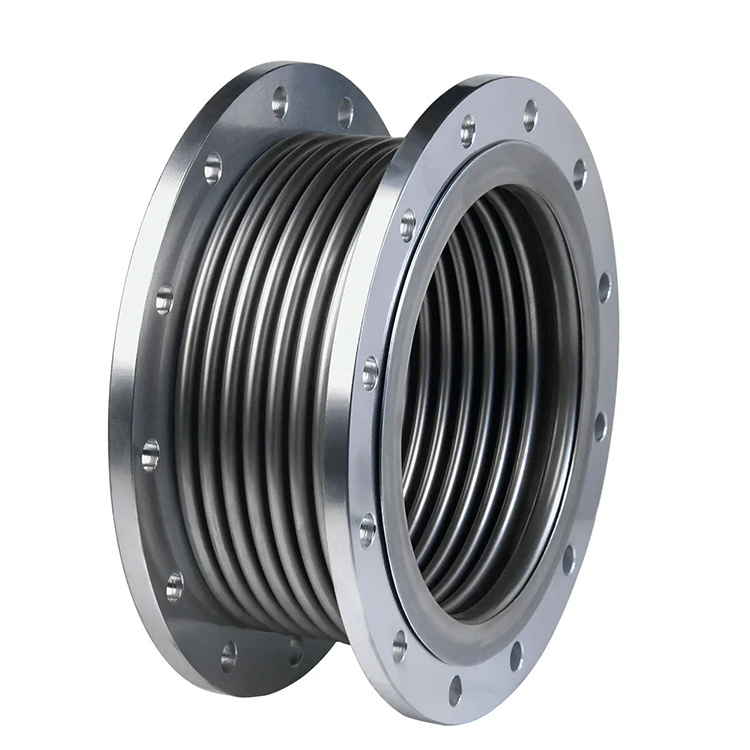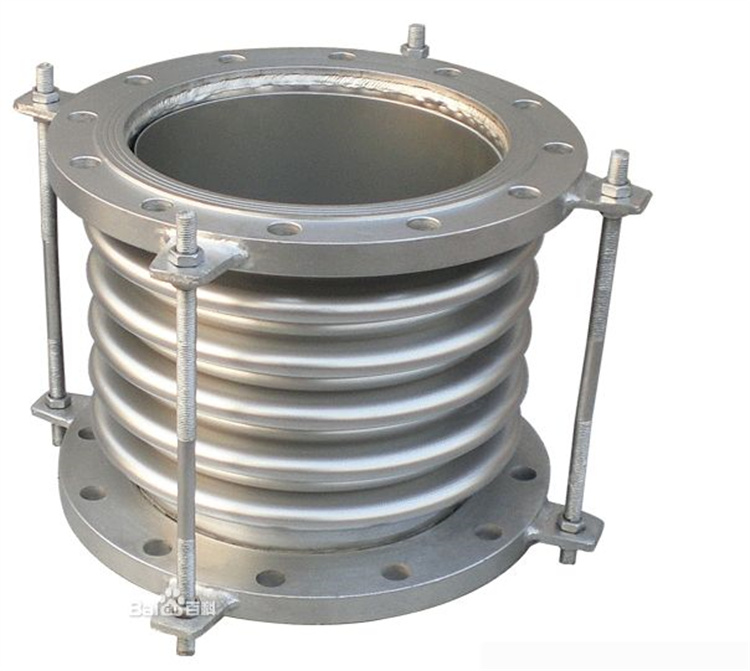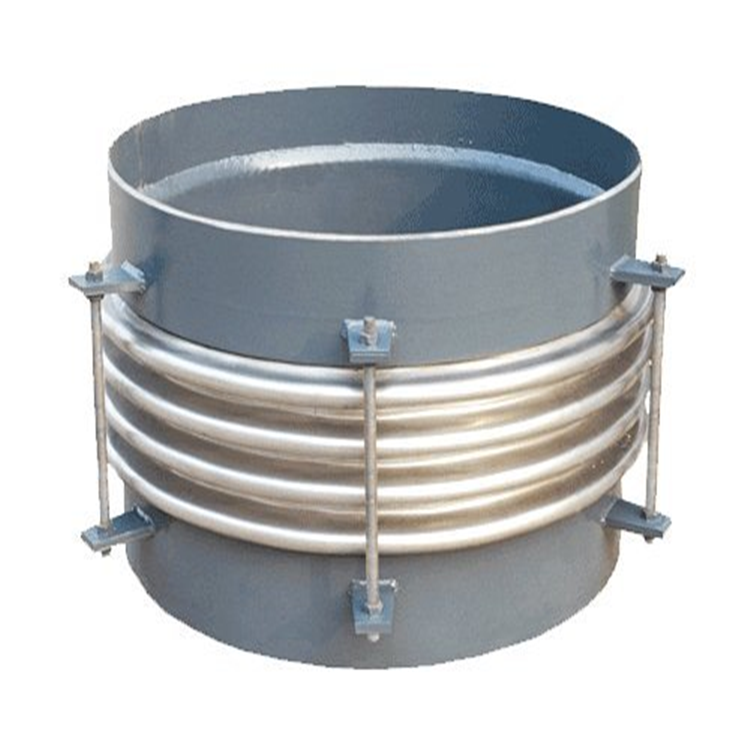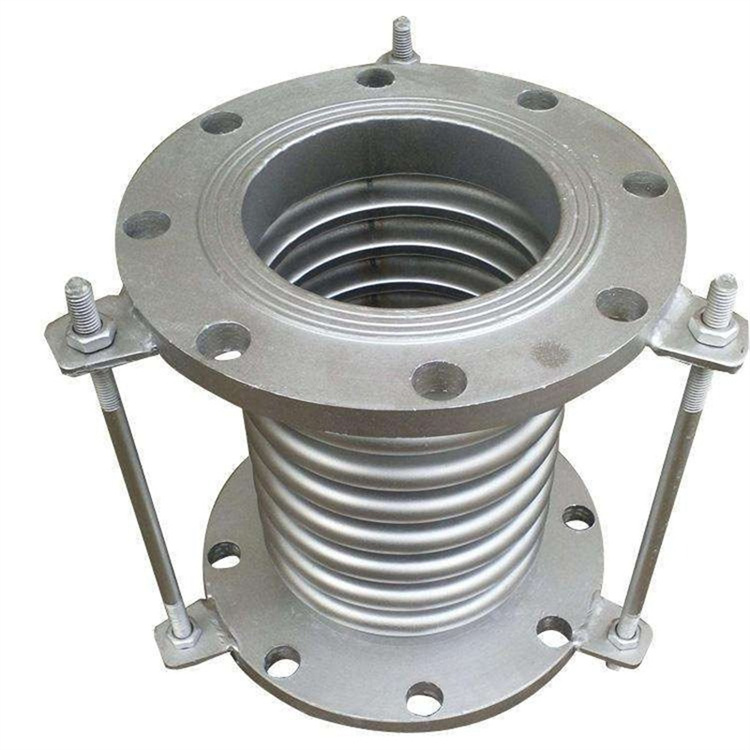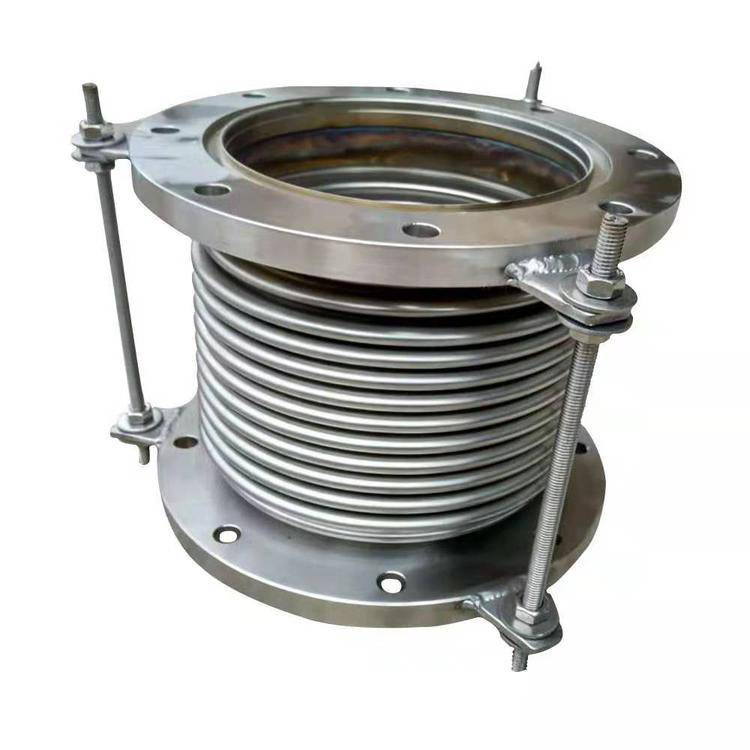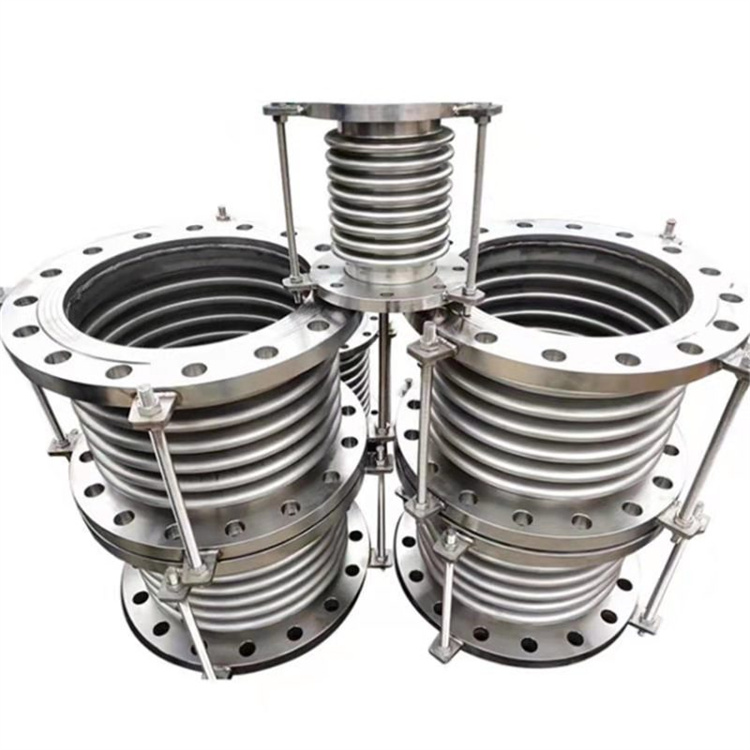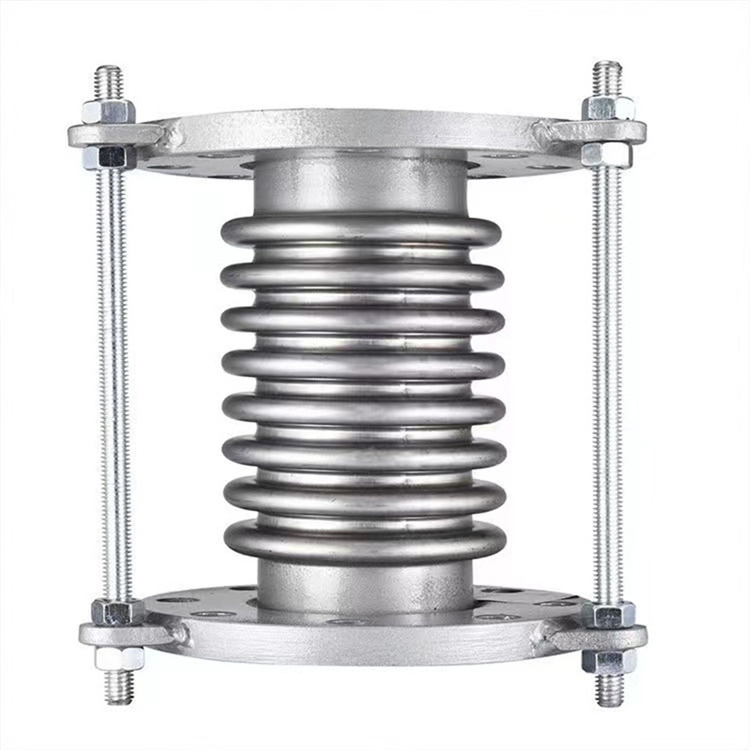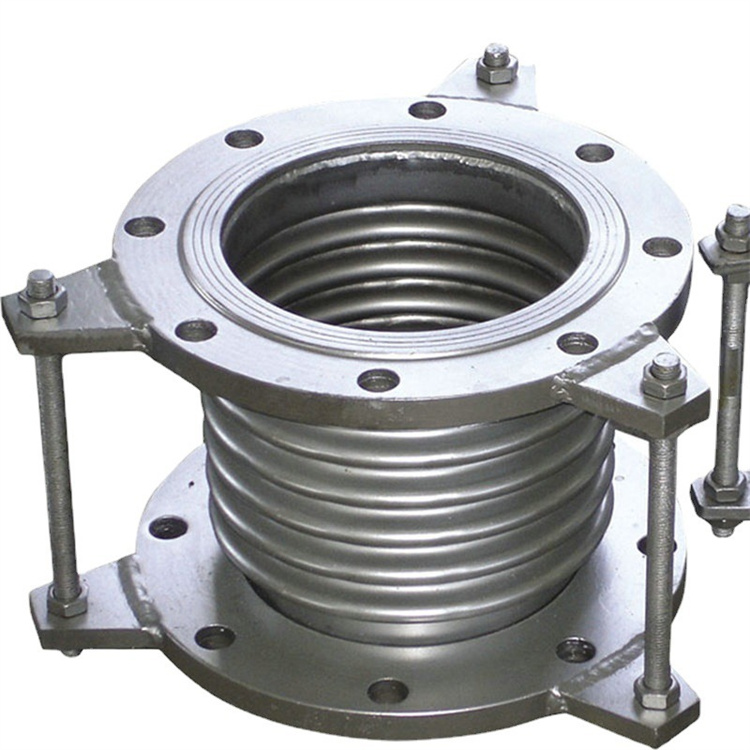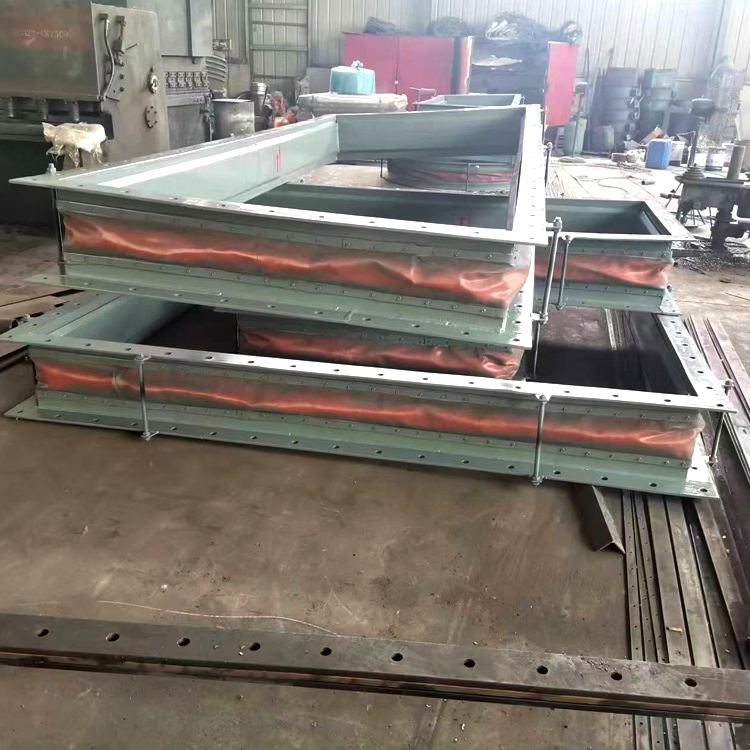

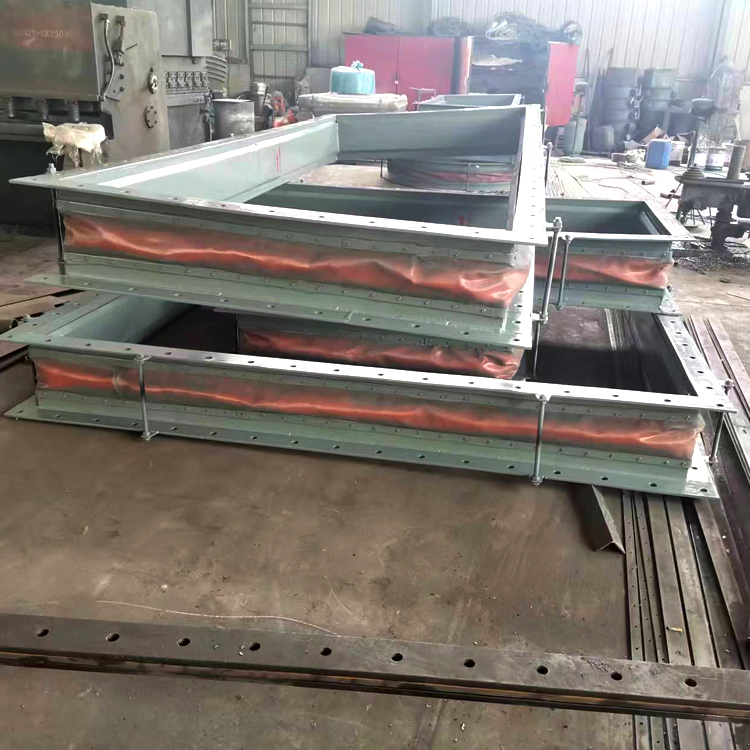
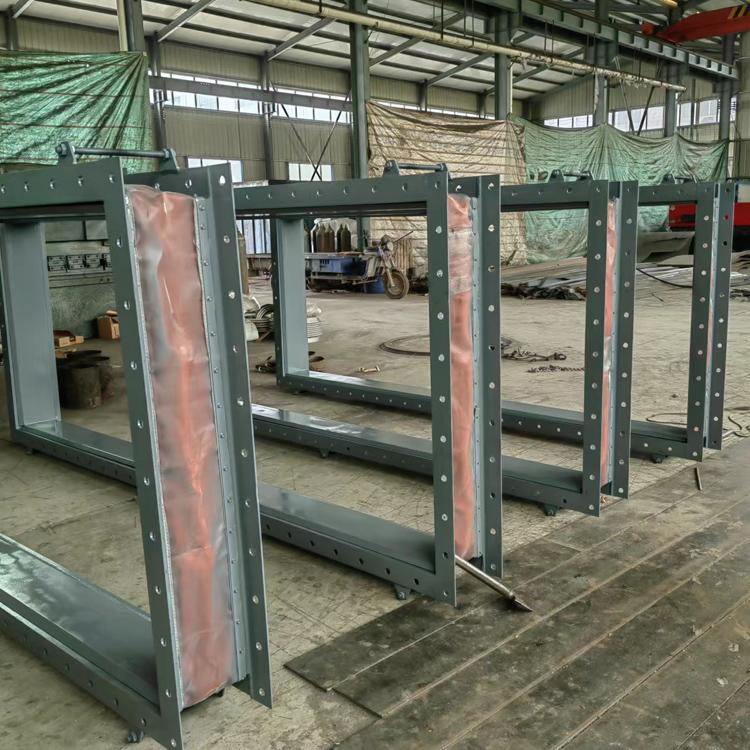
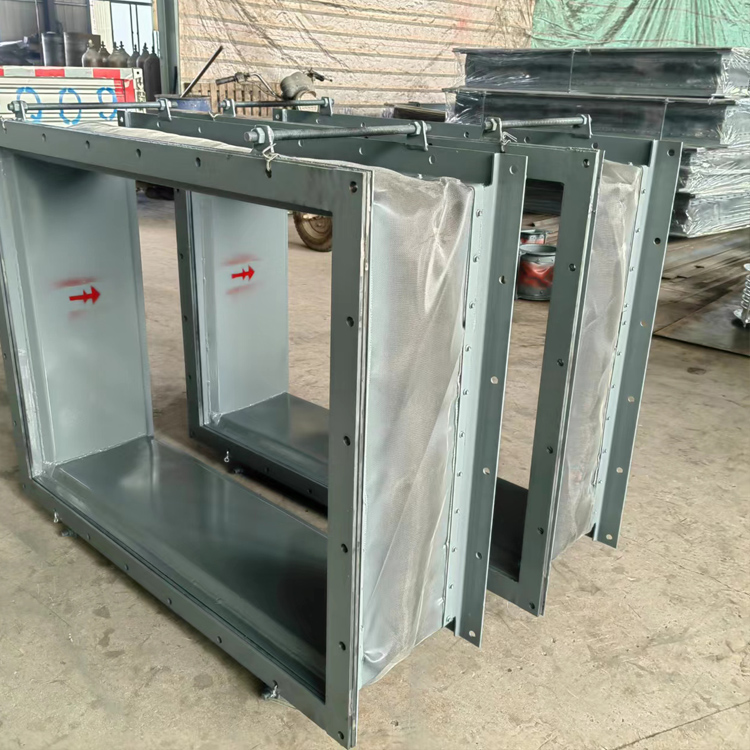


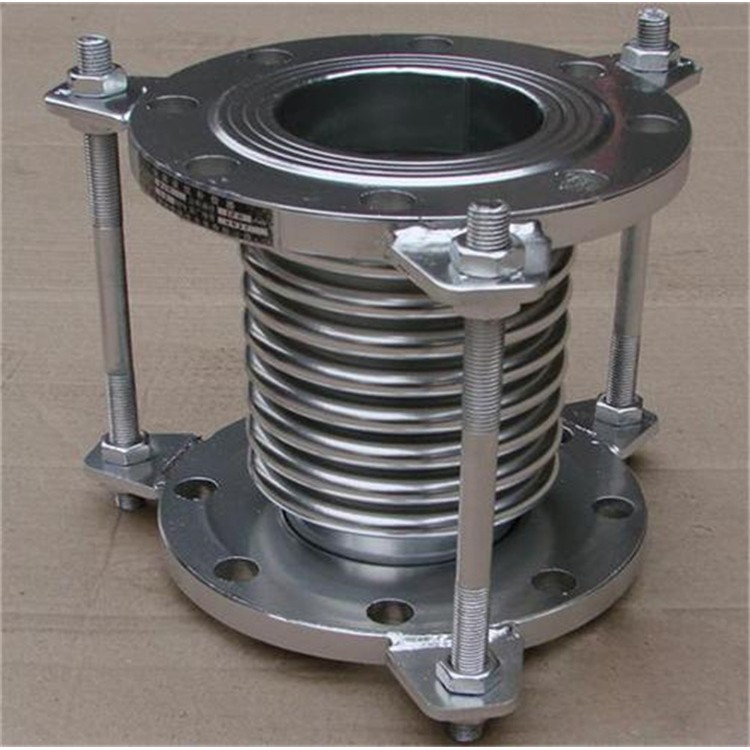
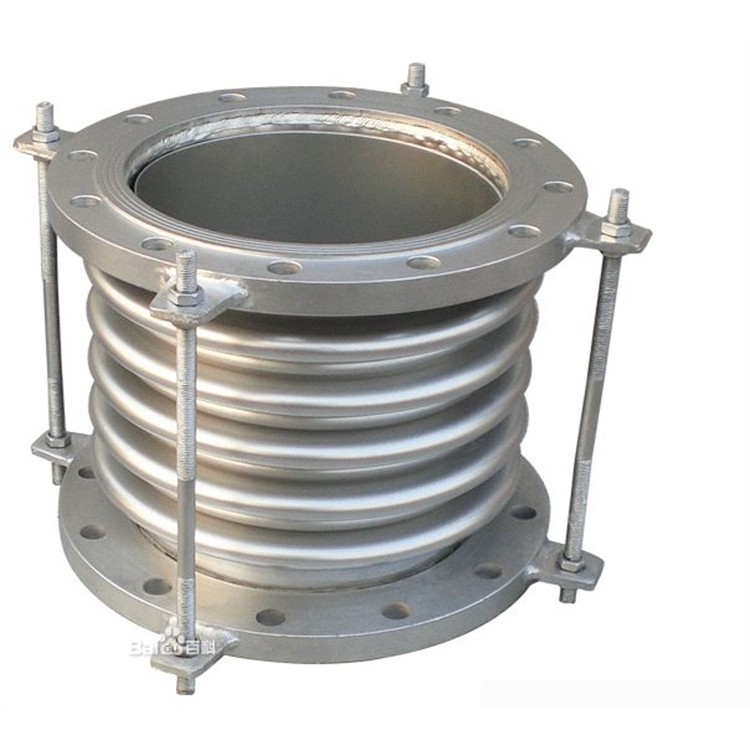
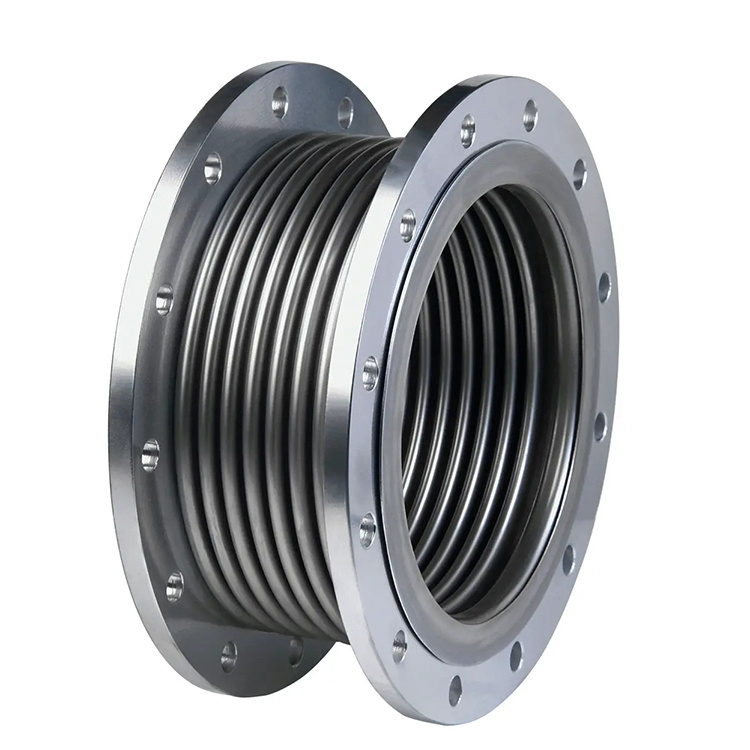
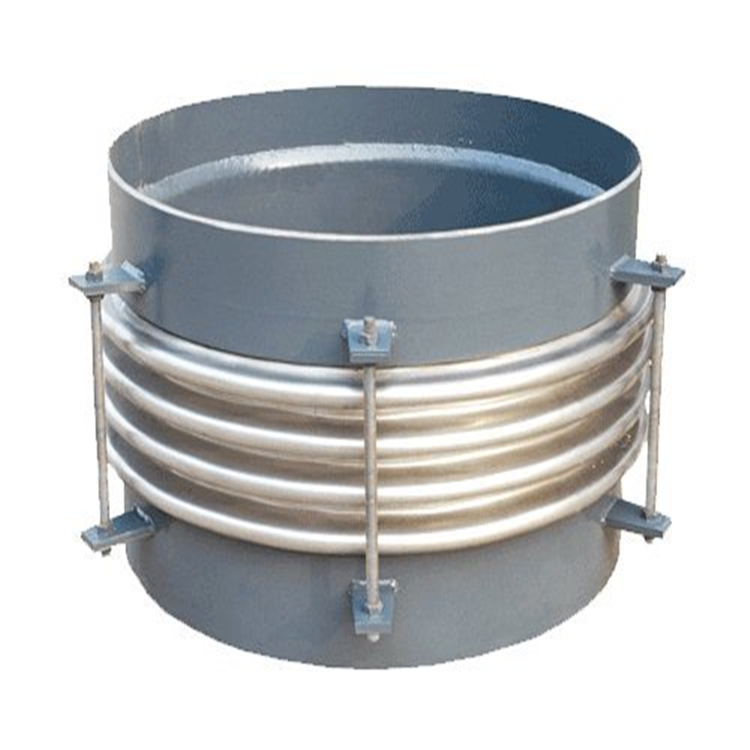





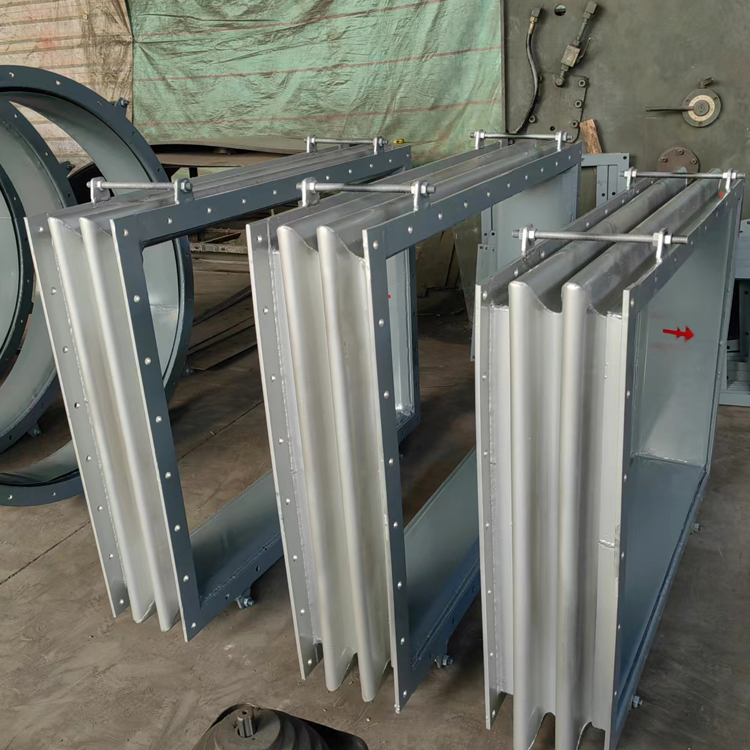
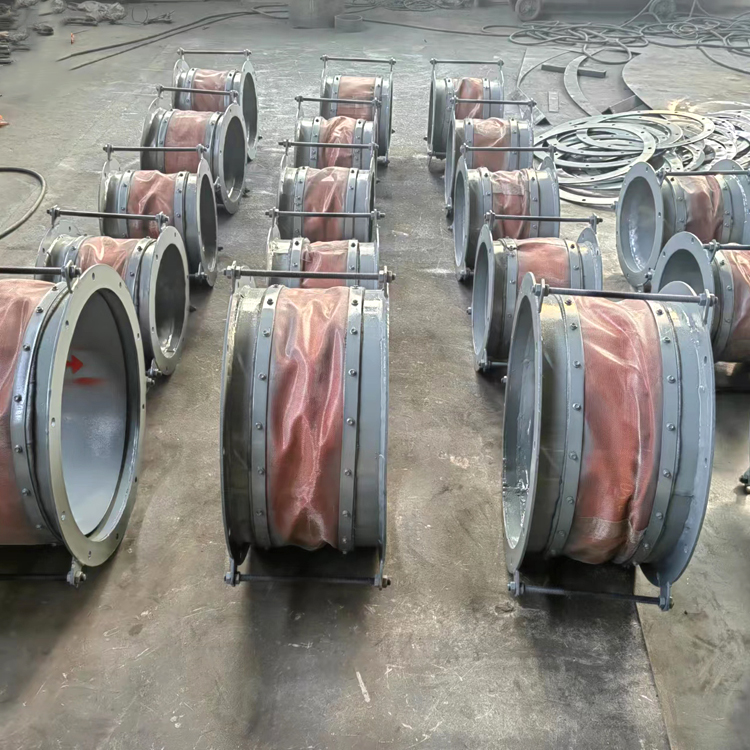
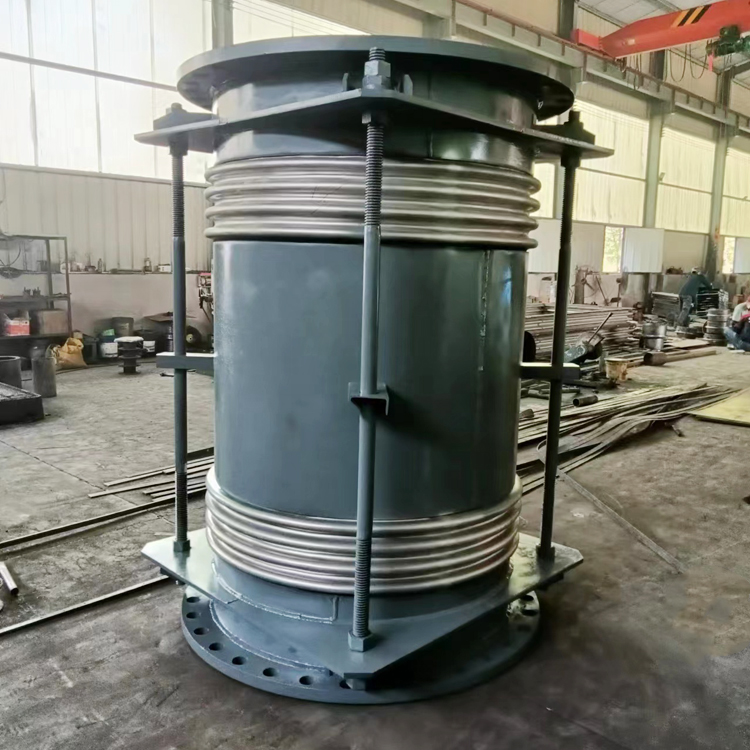
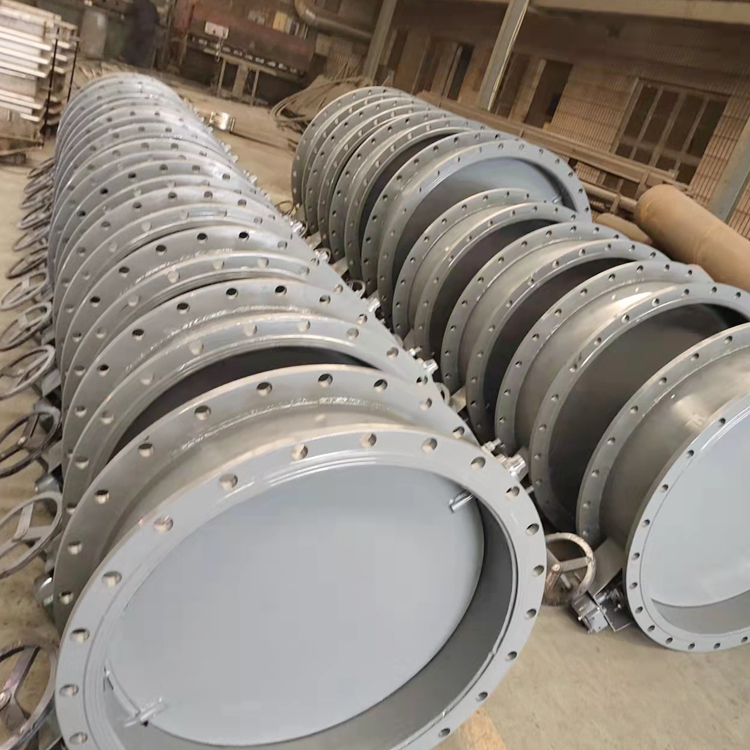
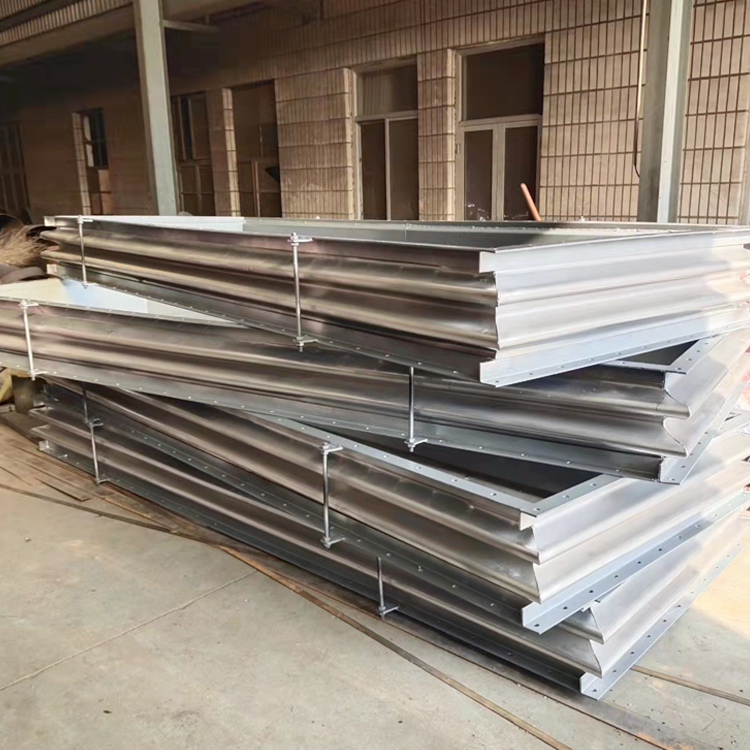
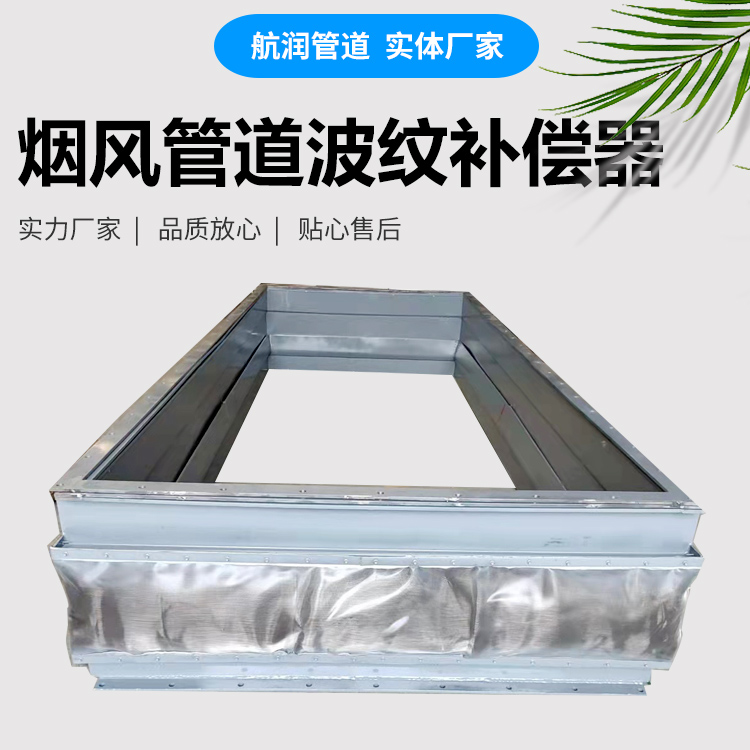

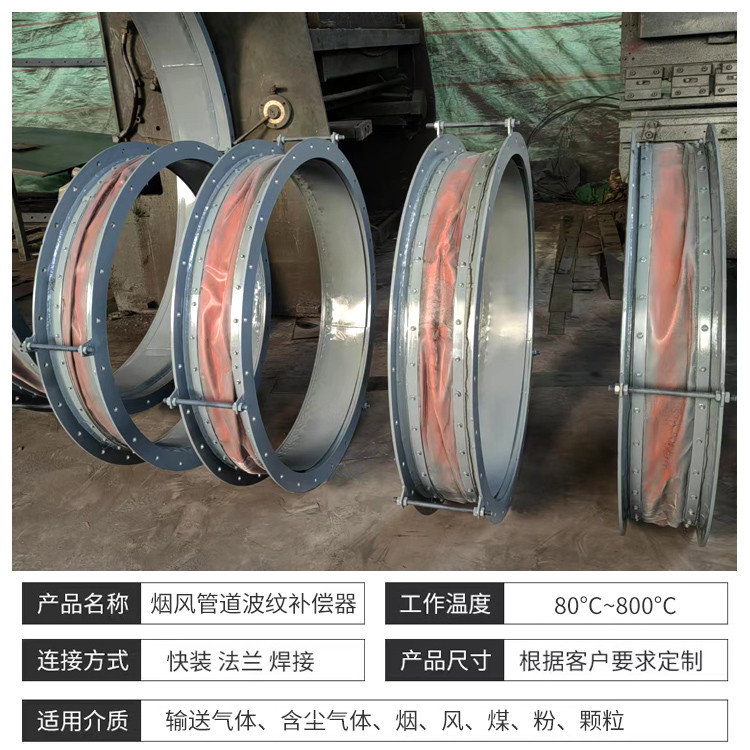
The smoke and air duct bellows compensator, also known as a pipe bellows compensator, is widely used in fields such as thermal power generation, steel, cement, metallurgy, coking, and chemical industries.
When the smoke and air duct bellows compensator is fixed at both ends, if sufficient pressure is introduced into its internal cavity, the bellows compensator may burst and be damaged at the peak. The pressure inside the metal bellows compensator when it begins to burst is called the burst pressure. The burst pressure is a parameter indicating the smoke and air duct bellows compensator's pressure resistance. Throughout the working process, the working pressure of the smoke and air duct bellows compensator is much less than the burst pressure; otherwise, the compensator will burst and be damaged. When the bellows length is less than or equal to the outer diameter, the calculated result is very close to the actual burst pressure; for slender metal bellows compensators, the actual burst pressure is significantly lower. The burst pressure is approximately 3 to 10 times the allowable working pressure.