











Mr. Mao ManagerContact Phone: 13103085055
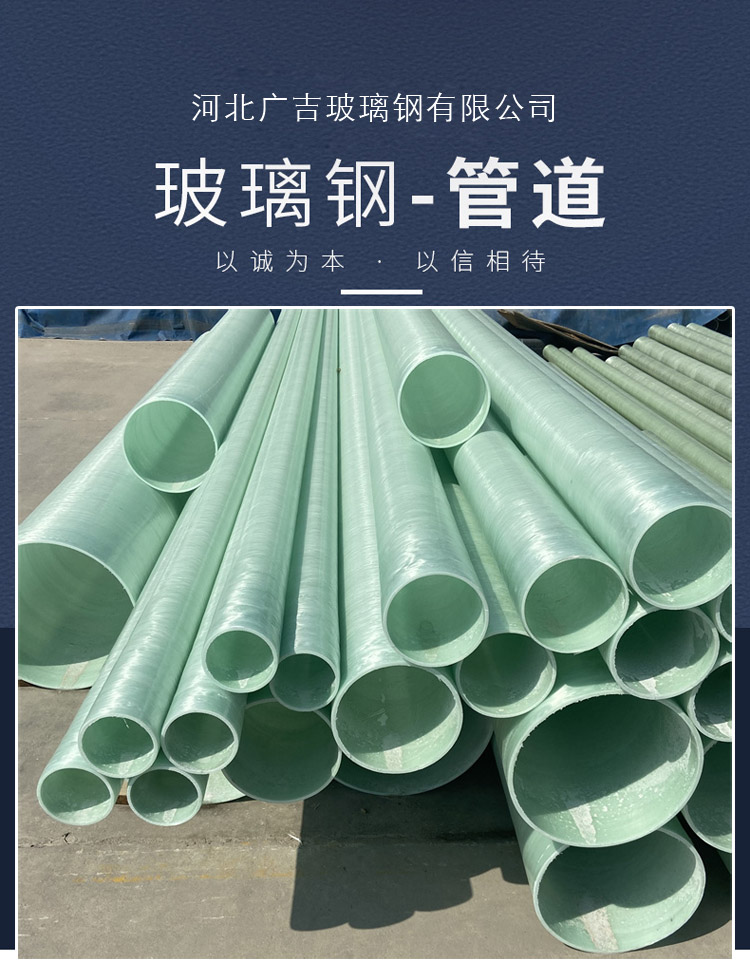
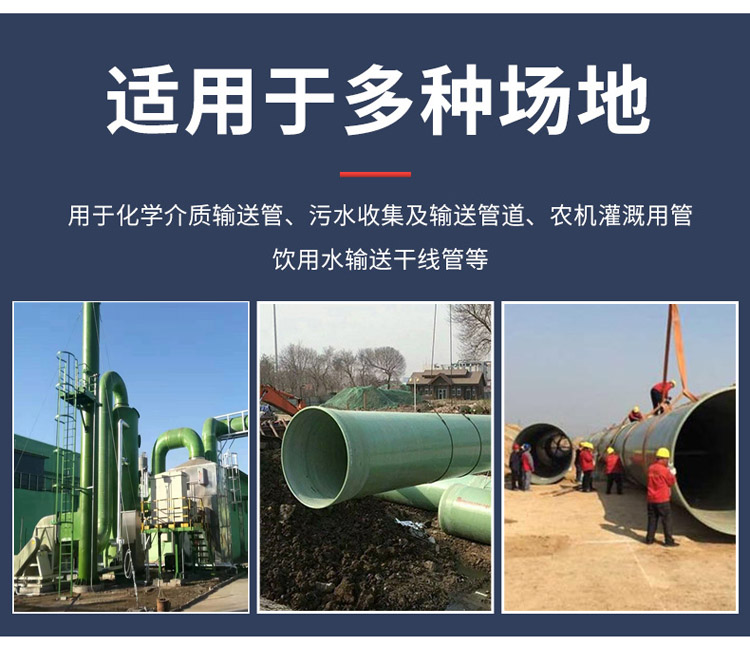
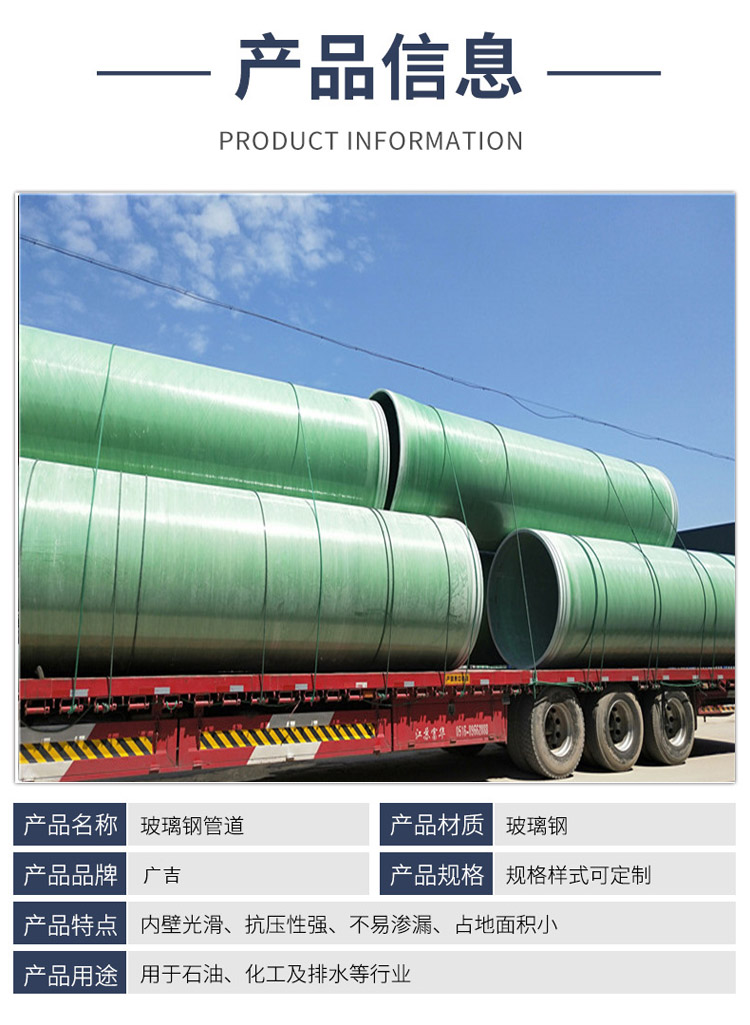
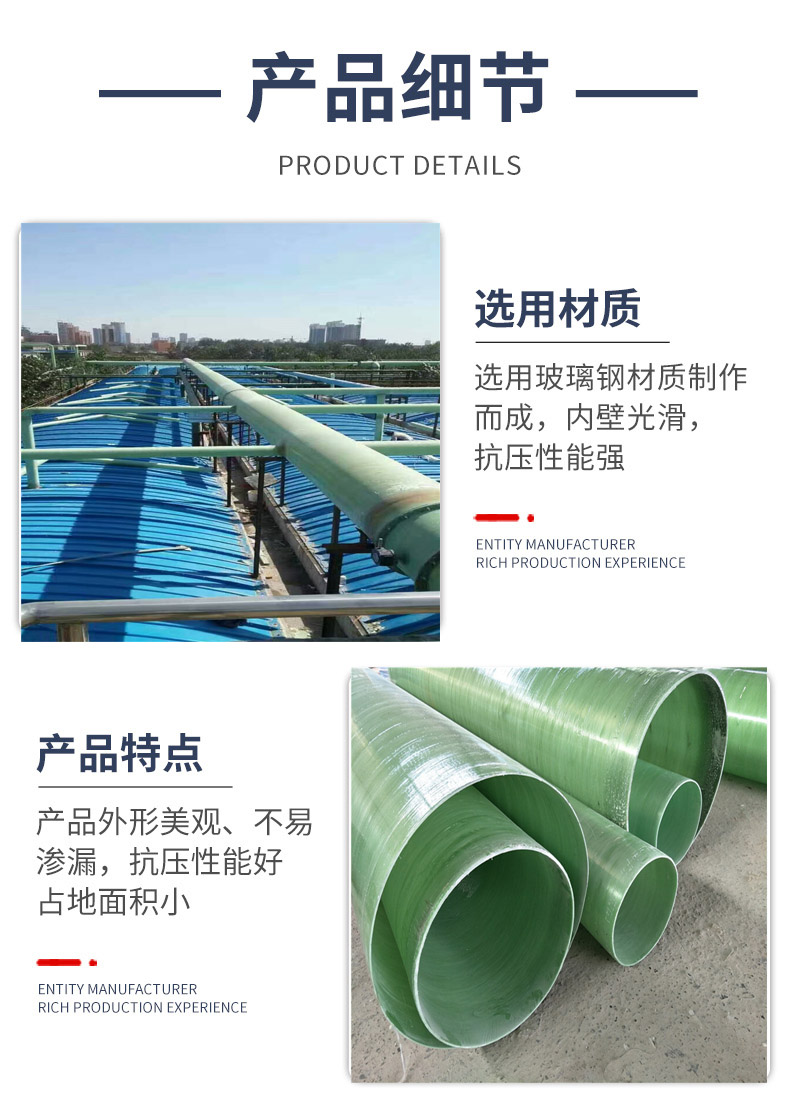
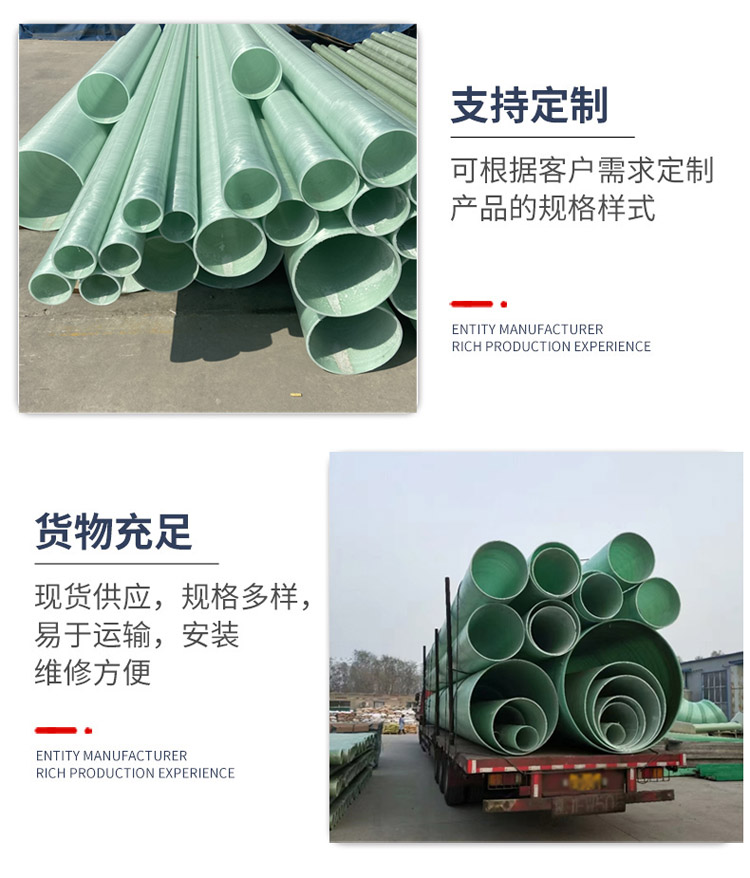

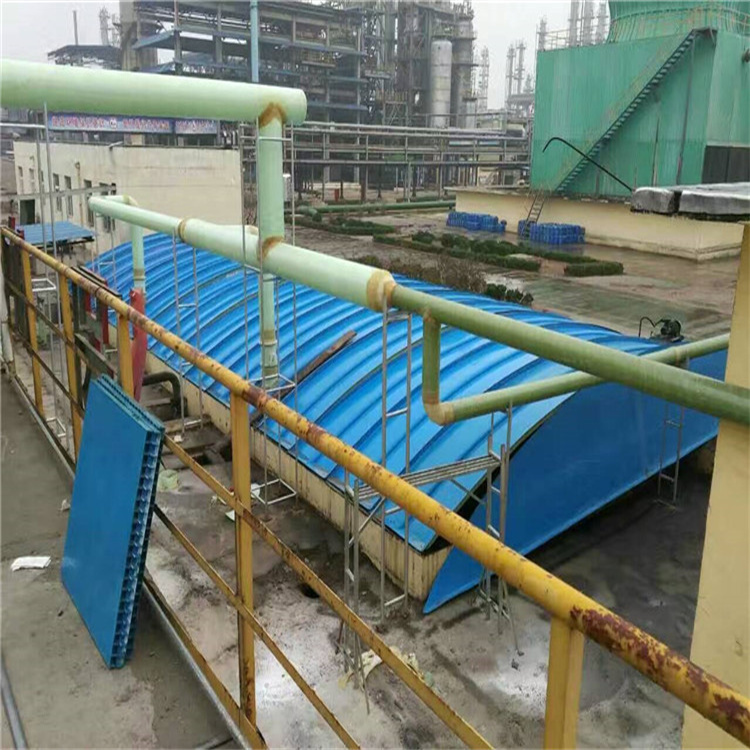
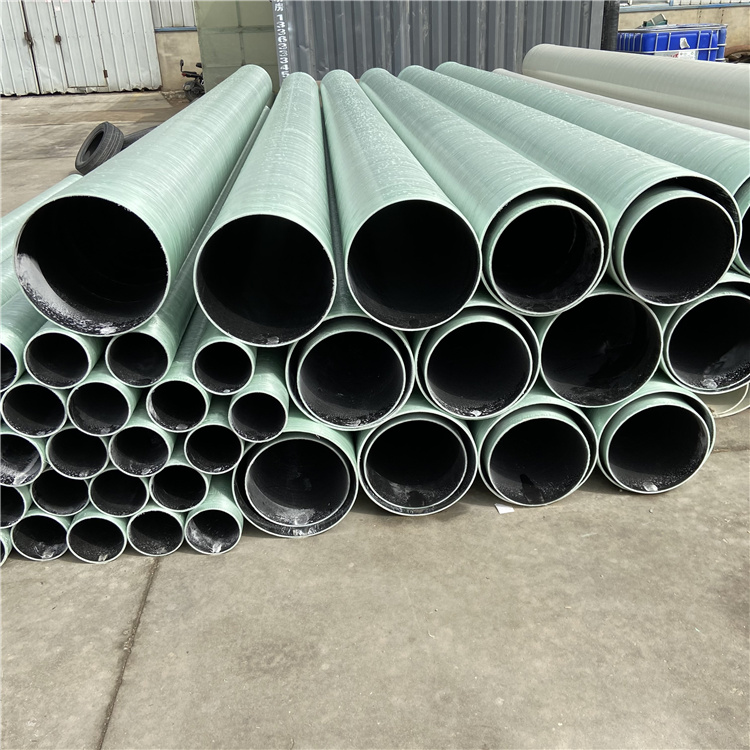
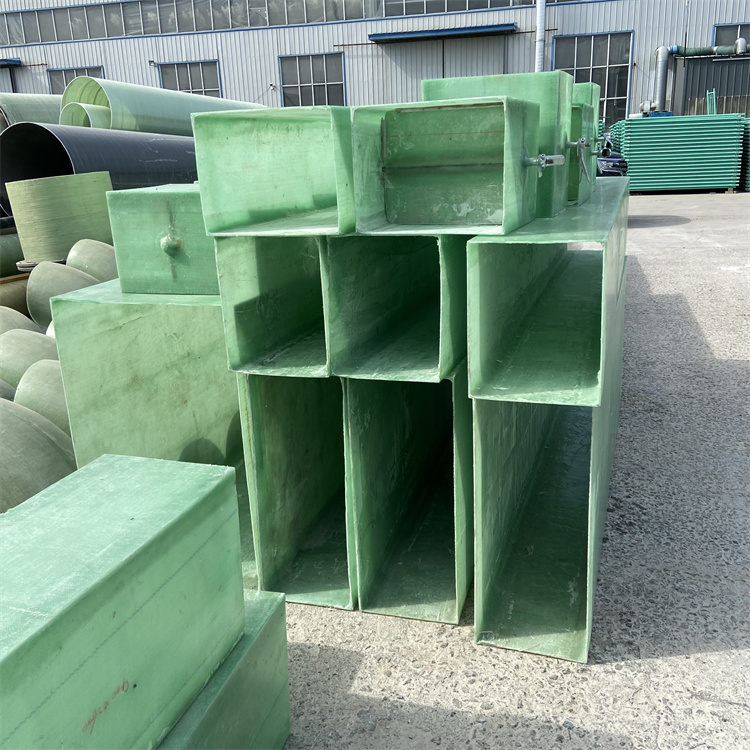
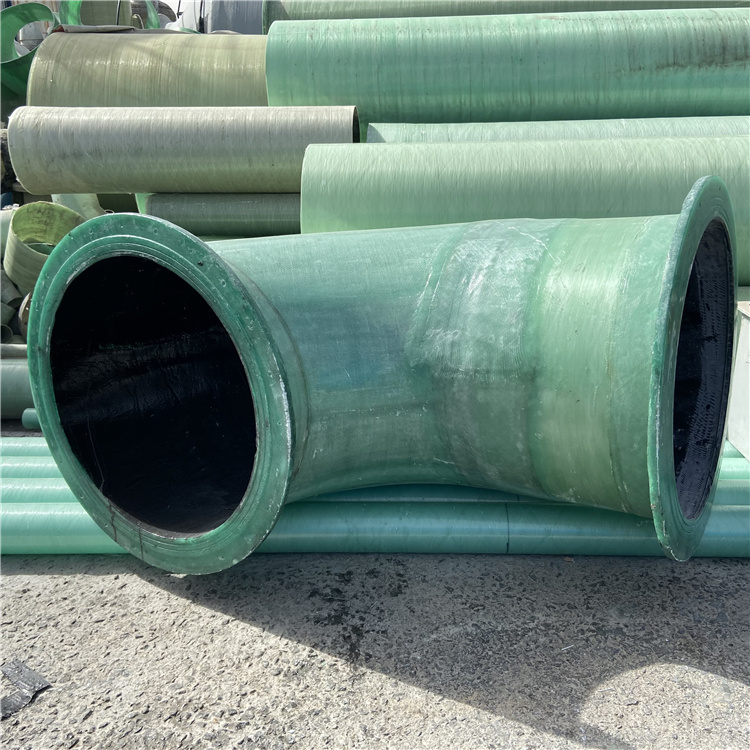
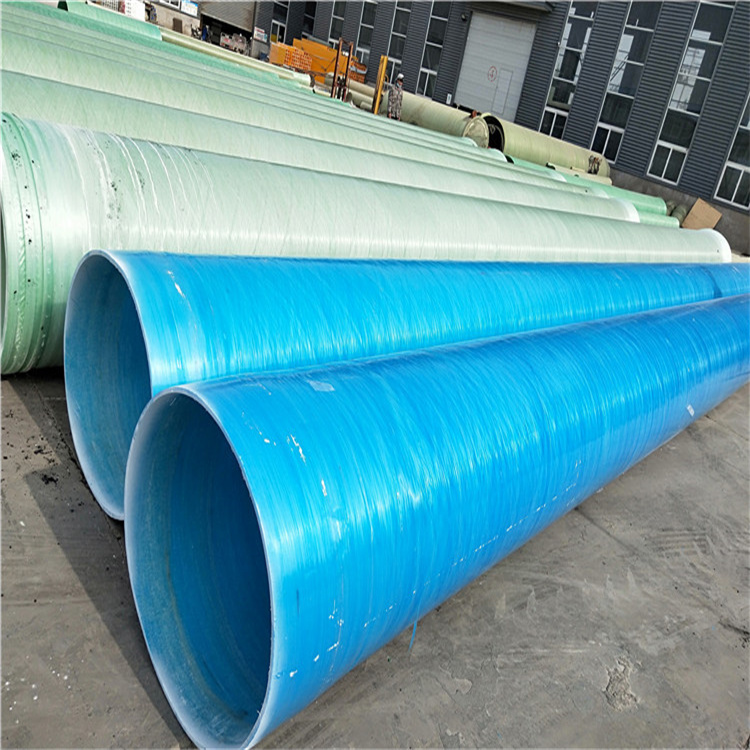
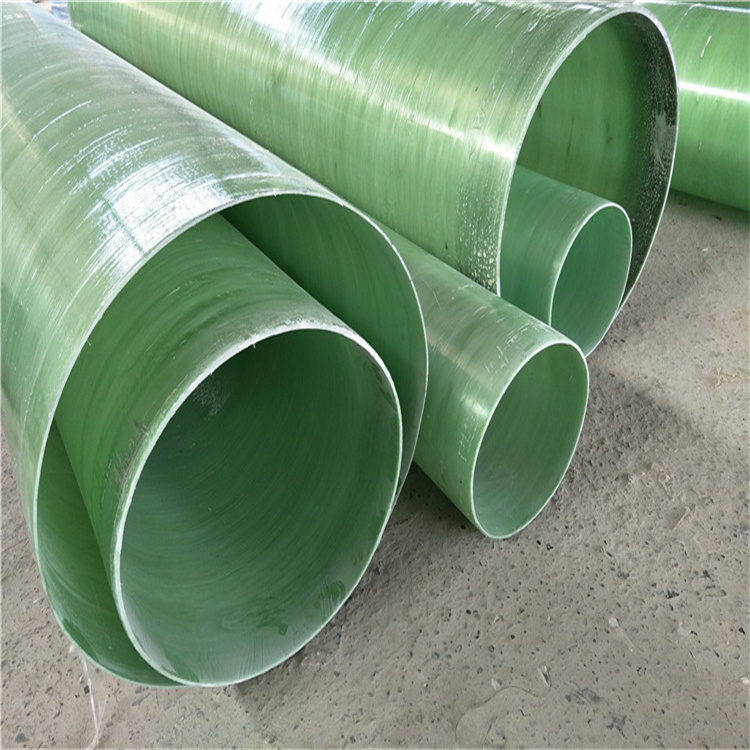
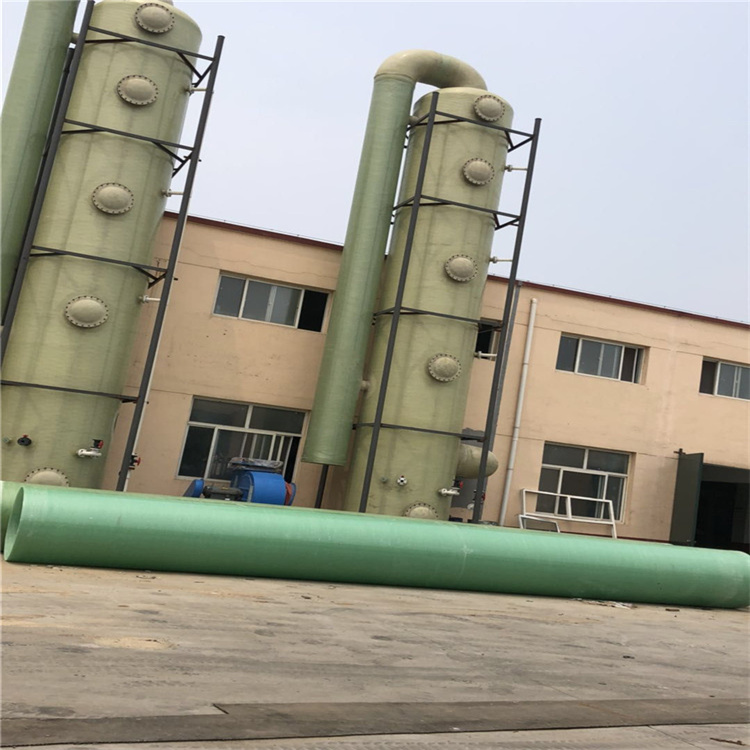
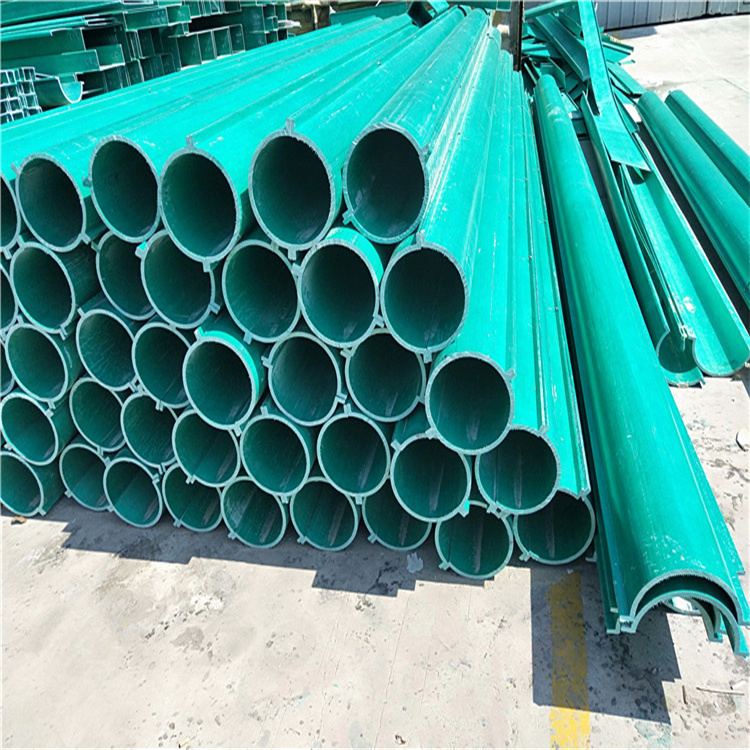
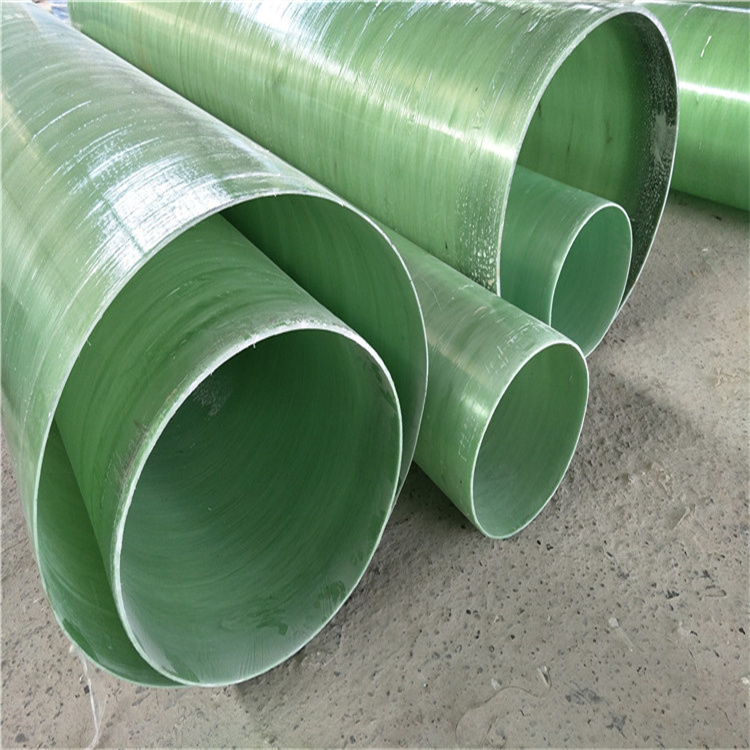
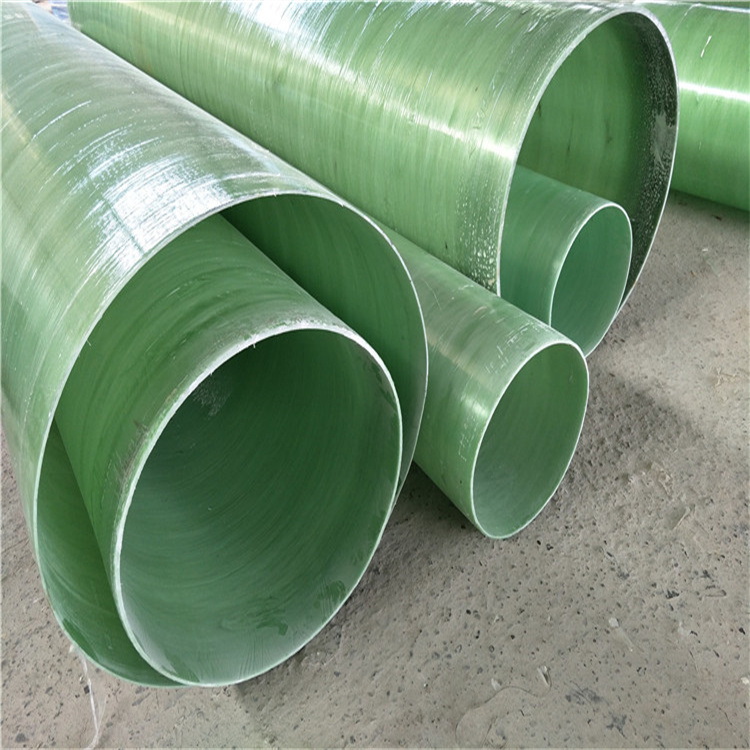
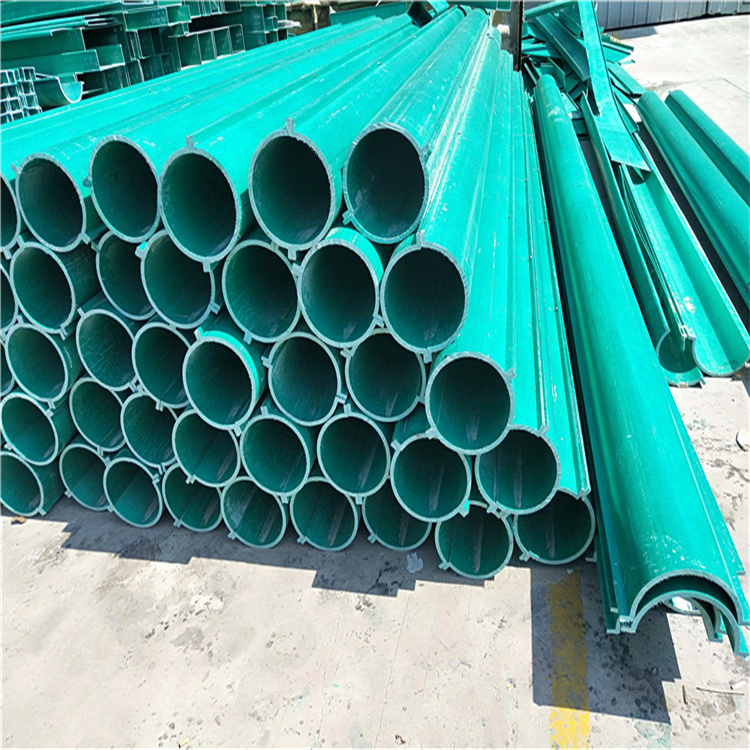
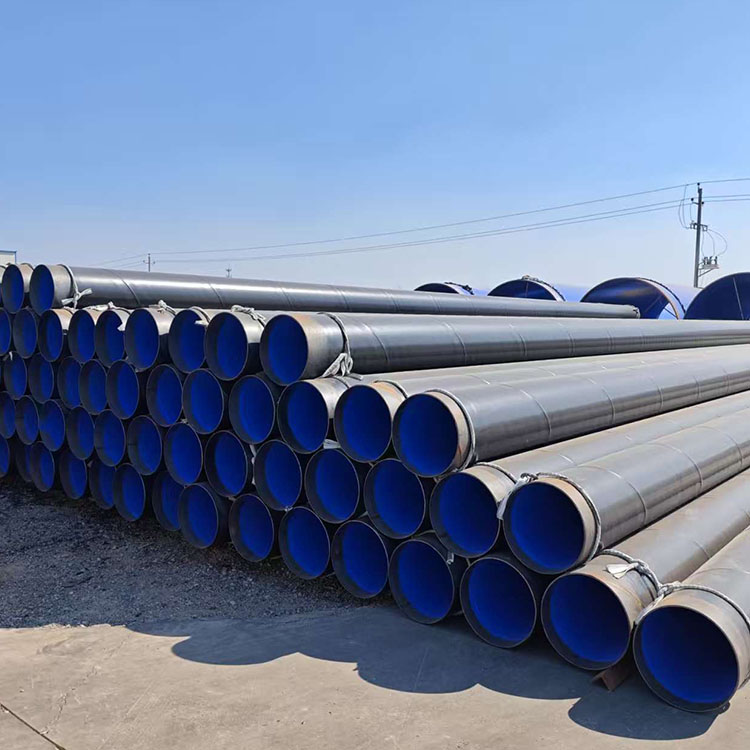
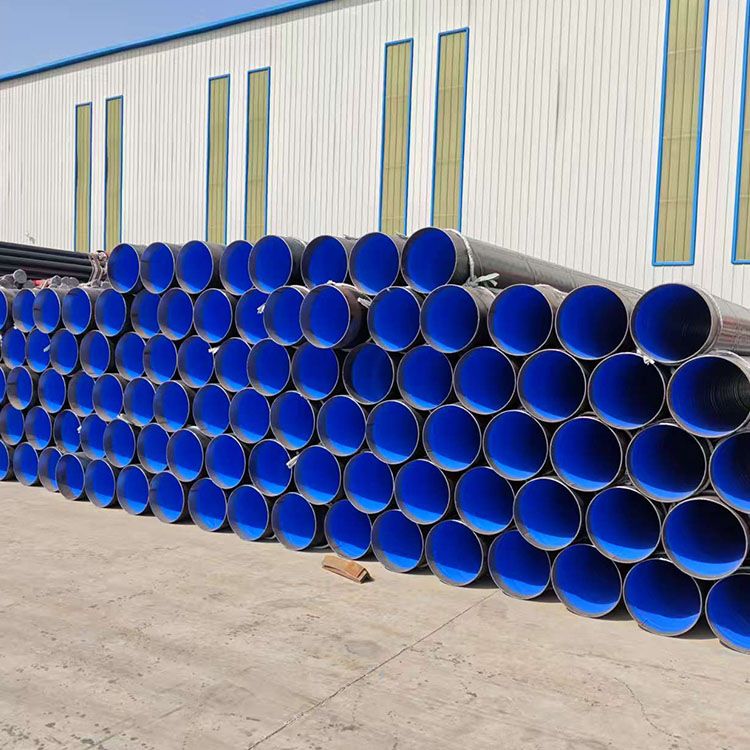
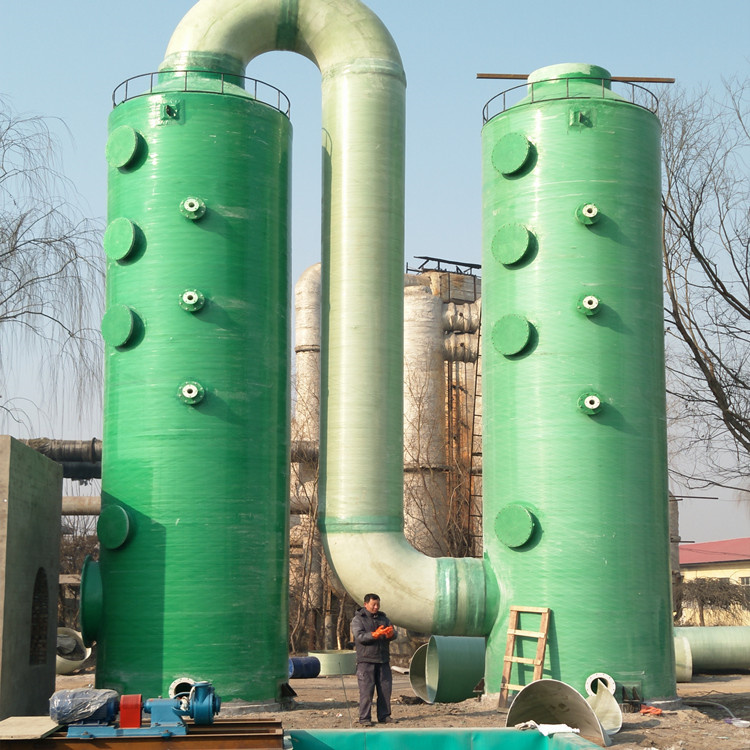
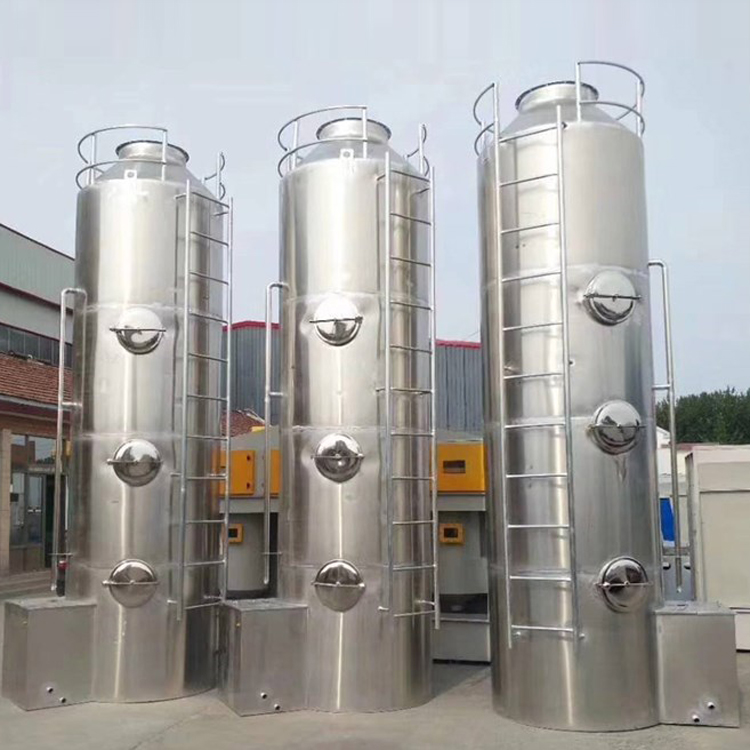
Fiberglass ventilation ducts refer to both fiberglass air ducts and fiberglass fan enclosures, known for their resistance to acids and alkalis, corrosion, and long service life. They are primarily used in industries such as textiles, chemicals, printing, metallurgy, and underground facilities where corrosive waste gases need to be discharged.
Features of acrylic steel ventilation ducts:
Corrosion-resistant and alkali-resistant; required to discharge corrosive waste gases: Textile, chemical, printing, metallurgy, etc.
1. Corrosion Resistance - FRP pipes can withstand corrosion from acids, alkalis, salts, seawater, untreated wastewater, corrosive soils or groundwater, as well as numerous chemical fluids.
2. Excellent heat and frost resistance – The temperature range for FRP pipes is generally between -40℃ and 120℃.
3. Lightweight and High-Strength, Easy to Transport and Install - FRP pipes have a density of 1.7-1.9, which is about 30% of the weight per unit length compared to steel pipes of the same pressure and diameter. Thus, transportation and installation are highly convenient, with FRP pipes available up to 12 meters in length, and installation being quick and simple. Additionally, the need for welding and anti-corrosion treatments required for steel pipe installation can be eliminated.
4. Low Friction Resistance and High Transportation Capacity – The inner surface of the FRP pipeline is extremely smooth with a small roughness coefficient, allowing the hydraulic coefficient C to remain consistently within the range of 145-150. The tested flow friction loss coefficient f is 0.000915, significantly reducing fluid pressure loss along the pipeline and improving transportation capacity by over 20%.
5. Excellent electrical and thermal insulation properties — FRP is a non-conductor, with good insulation properties for pipes, making it suitable for use in areas with dense transmission and telecommunication lines, as well as in regions prone to thunderstorms. The heat transfer coefficient of FRP pipes is very low (0.25 kcal/m·h·℃), thereby ensuring excellent thermal insulation and minimal heat loss.
6. Rust-Free - As glass steel pipes are composed of non-metallic materials like resin and glass fiber, they do not rust during use or storage, eliminating the need for rust prevention or removal treatments.
7. Highly Customizable - The specific performance and shape of the spiral-wound glass steel pipe can be designed according to the actual usage requirements.
The design of the winding angle during coiling can be adjusted to provide the tube with different longitudinal/lateral strength distributions.
② Wall thickness can be designed to accommodate varying internal and external pressures.
③ Materials can be designed to achieve different corrosion resistance, flame retardant, and dielectric properties, etc.
④ Designable for different installation conditions, the head release method can enhance engineering installation speed.
8. Diverse and Flexible Connection Methods: The joints for glass fiber reinforced plastic pipes come in various types, primarily including: straight-end splicing, (slip-on) flange connection, socket-and-socket adhesive bonding, (with locking device) O-ring connection, and threaded connection. The specific joint method can be flexibly chosen according to the construction conditions.
9. Repairable and easy to maintain.