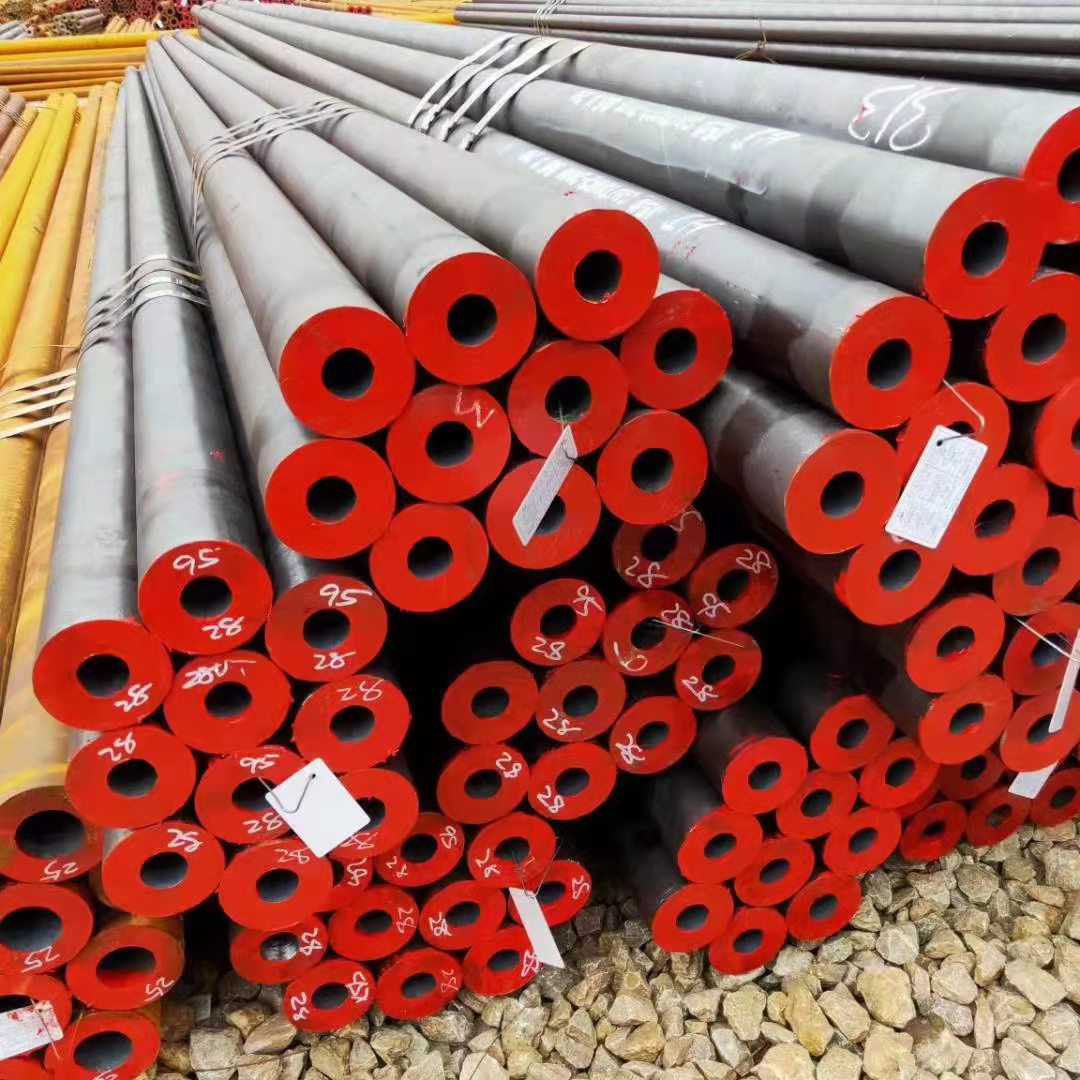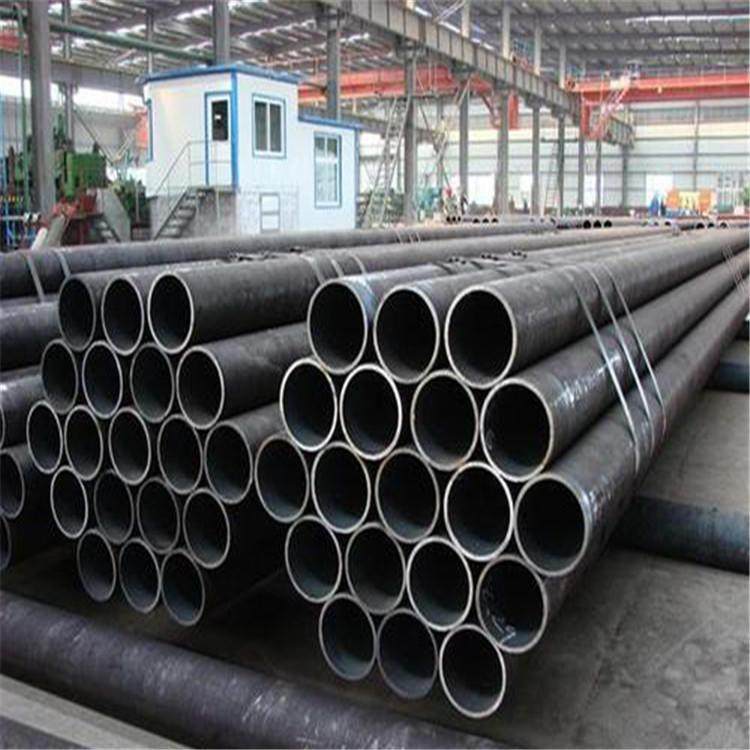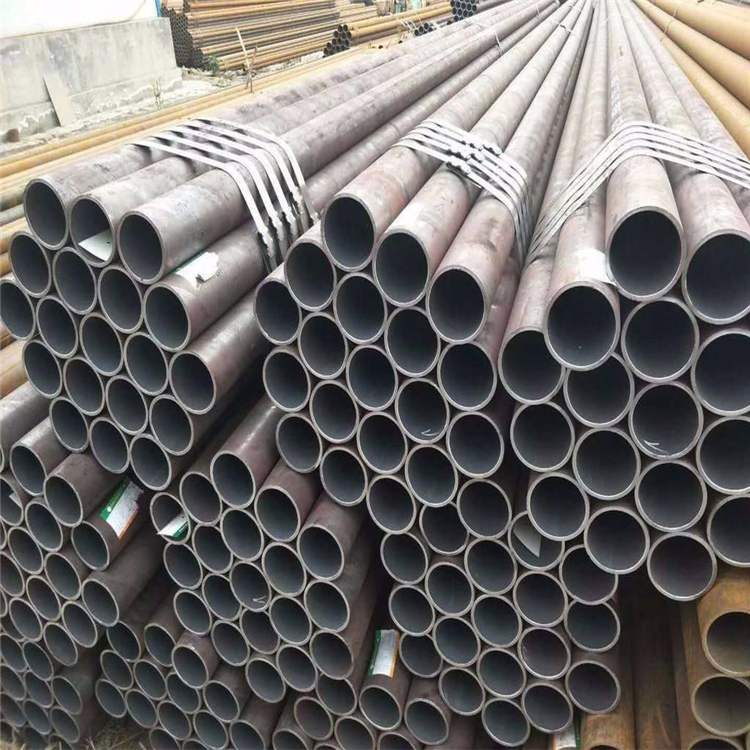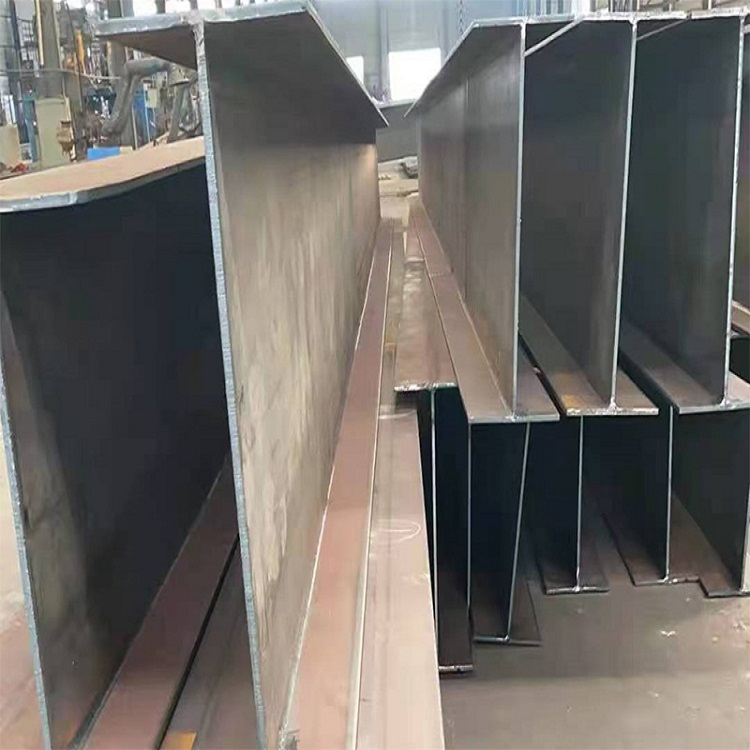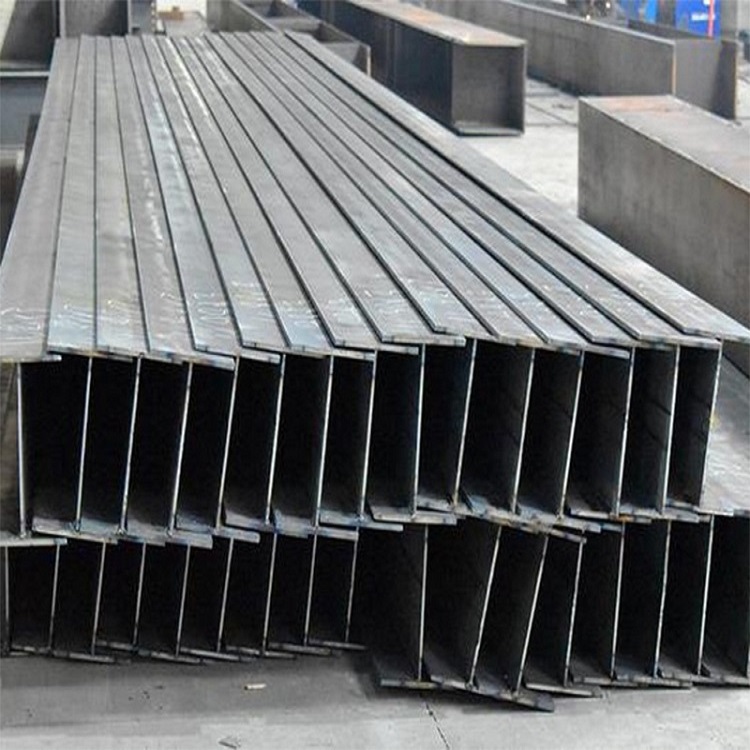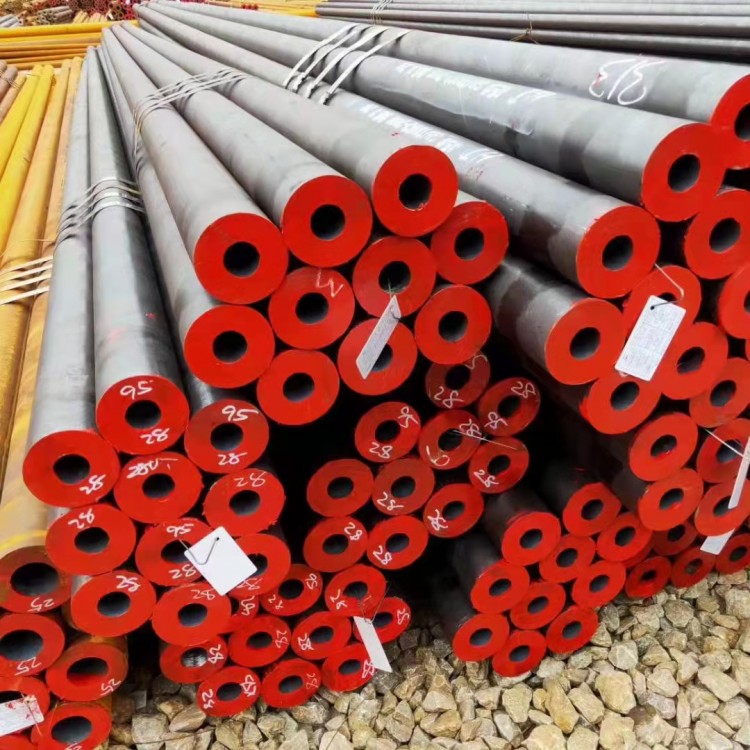


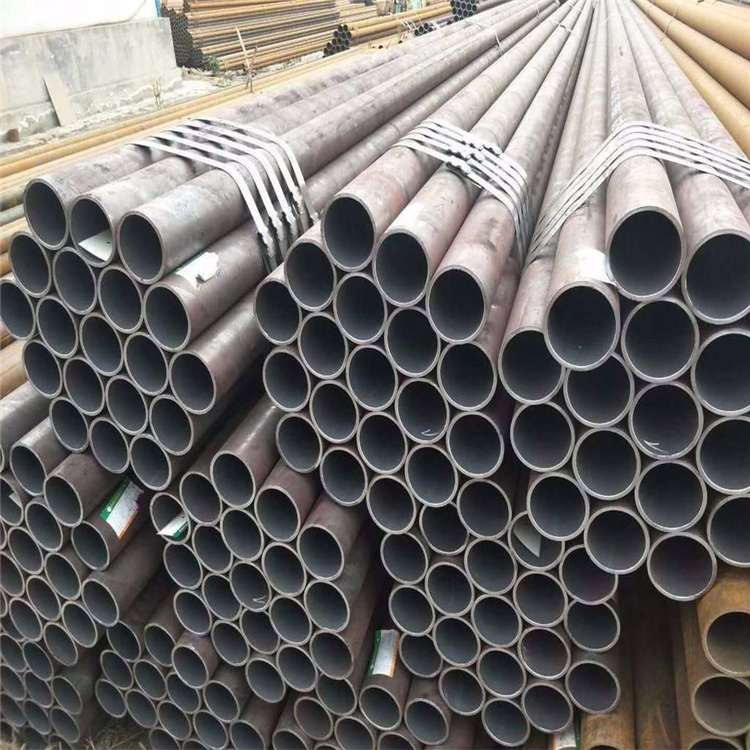












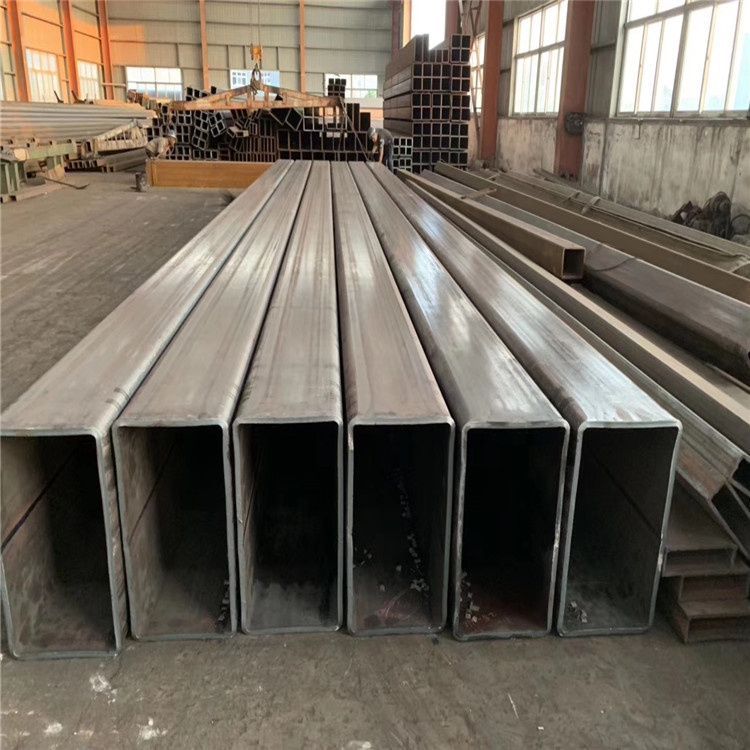
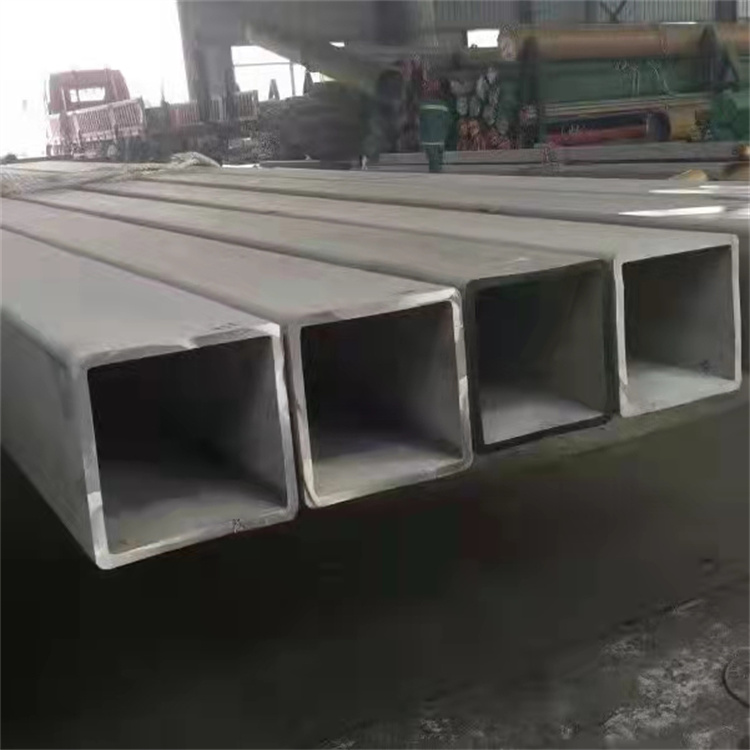
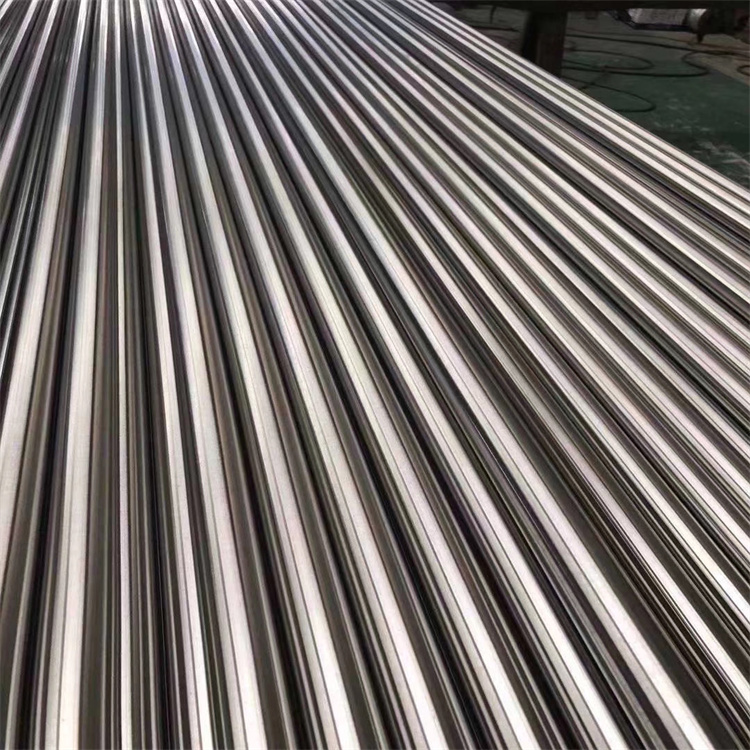

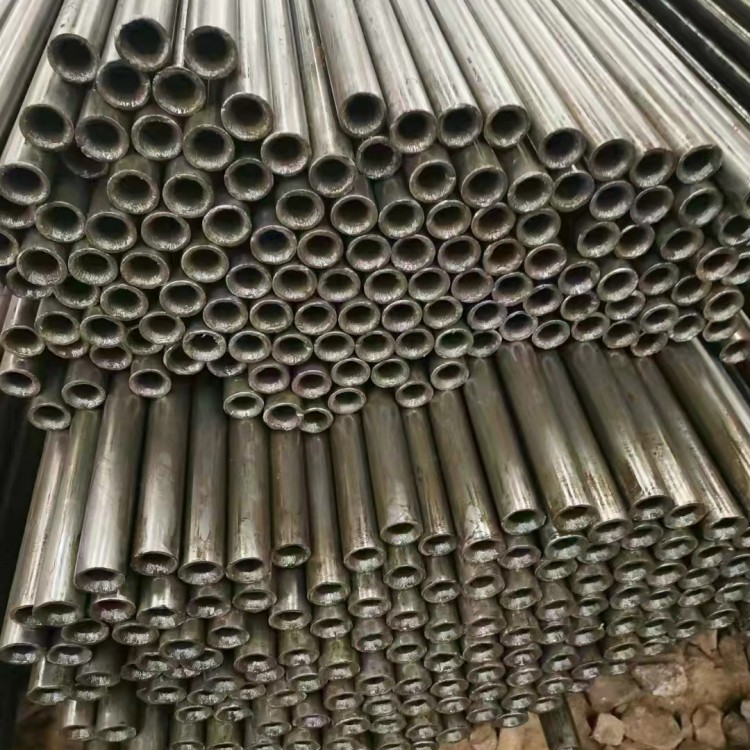
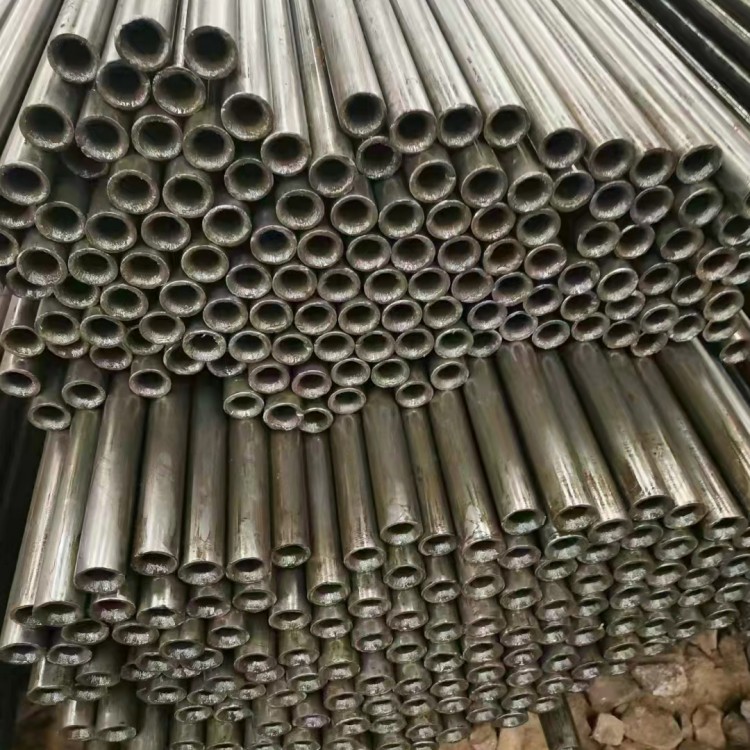

Before galvanizing the wire, the acid pickling process for Q345B seamless steel tubes involves using an acid solution to remove oxidation scales and rust from the surface. This acid pickling is necessary to eliminate the oxidation scales or rust produced during the wire's annealing process, ensuring the finished galvanized wire has a smooth and bright surface. The acid pickling process typically includes immersion pickling, jet pickling, and acid paste rust removal methods. Immersion pickling is commonly used for wire pickling, where the wire is soaked in an acid pickling solution to remove oxidation scales and rust through the solution's corrosive action. This passive pickling method is less effective in removing oxidation scales and rust. Currently, an electrolytic pickling method has emerged, which involves placing an electrified lead-plastic plate inside an acid pickling tank containing the solution. This method uses ion exchange to remove impurities from the wire's surface, but it consumes the metal carbon board in the acid pickling solution, increasing the pickling cost. The phosphatizing process is a chemical and electrochemical reaction that forms a phosphate chemical conversion film. The formed phosphate conversion film is called the phosphatizing film. The main purpose of phosphatizing is to protect the base metal and prevent corrosion to some extent; it is also used as a primer before painting to enhance the adhesion and corrosion resistance of the paint film. However, steel tube processing often requires the use of acid pickling and phosphatizing tanks.