














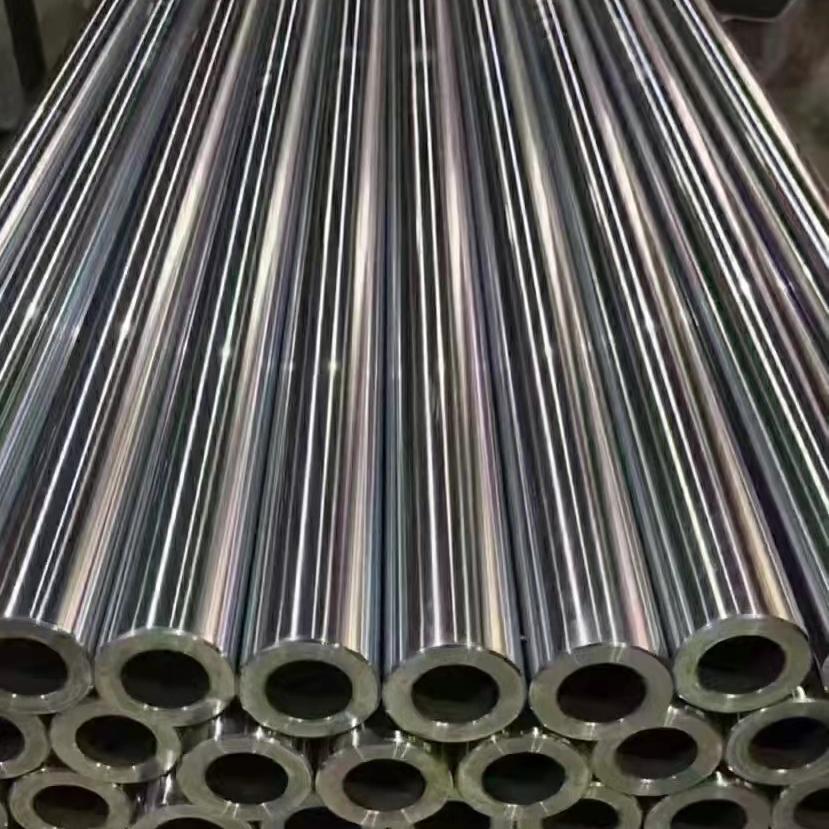
How can a small diameter steel pipe factory differentiate between seamless and welded pipes?
The main difference lies in the molding process.
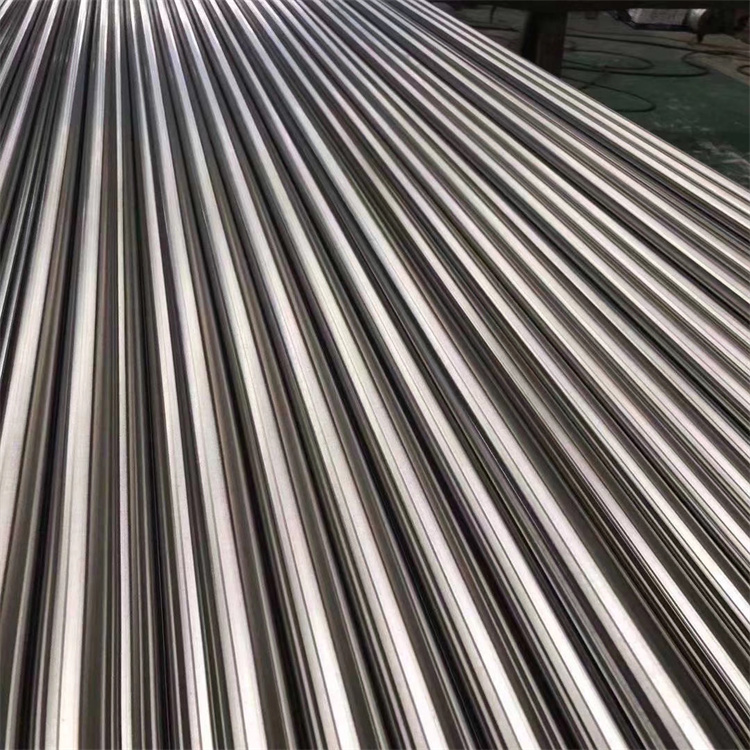
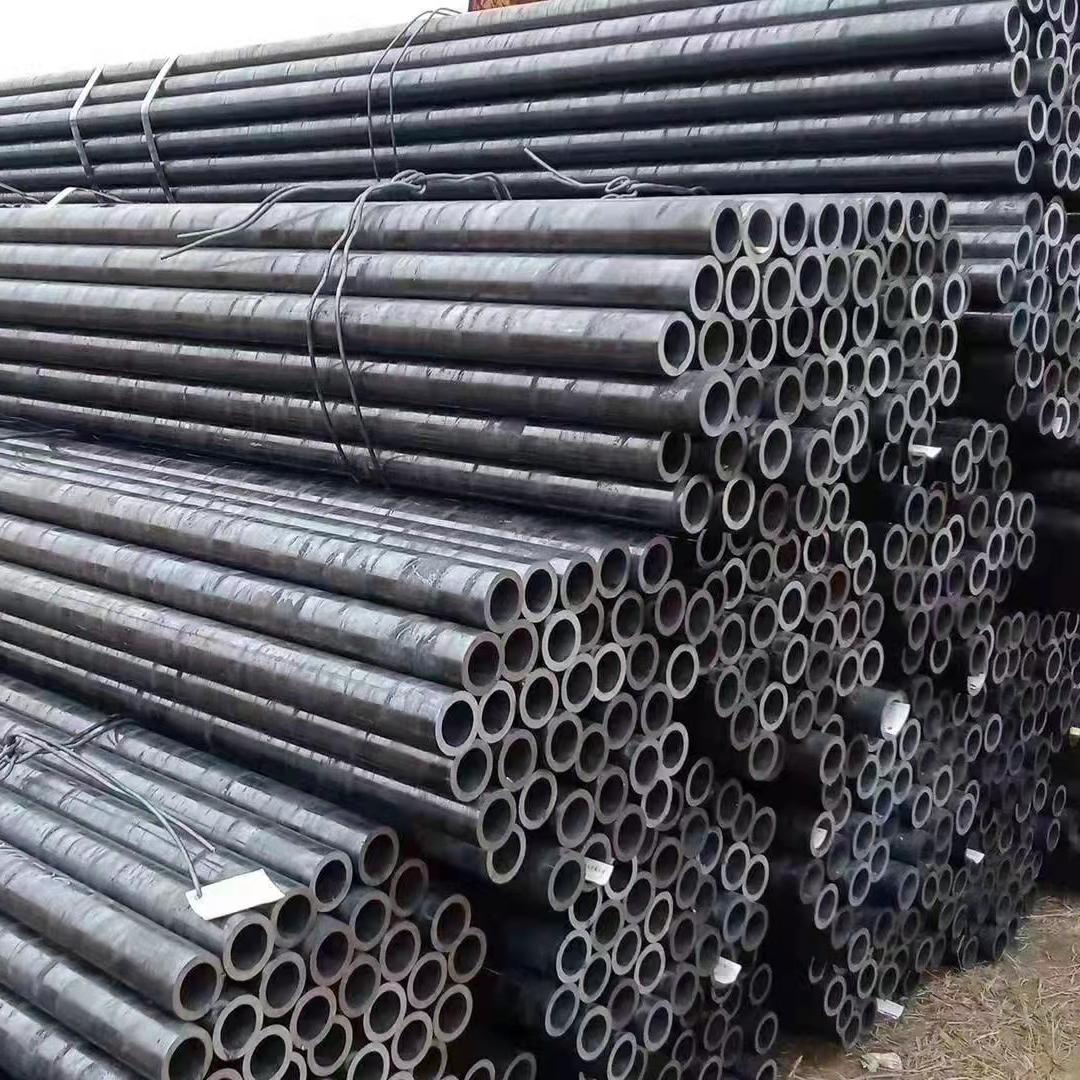
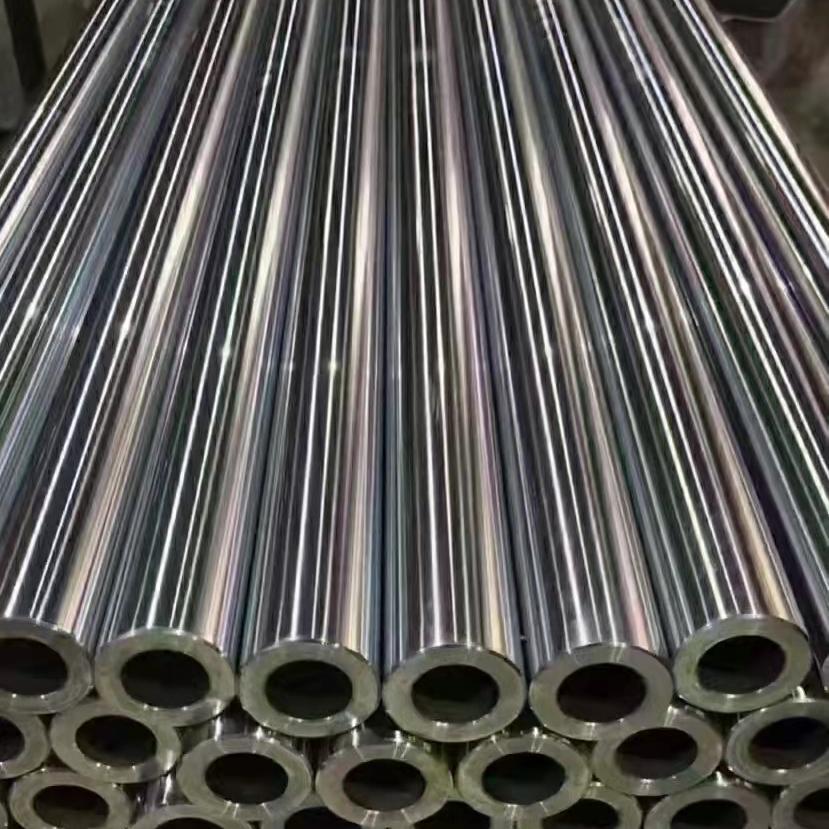
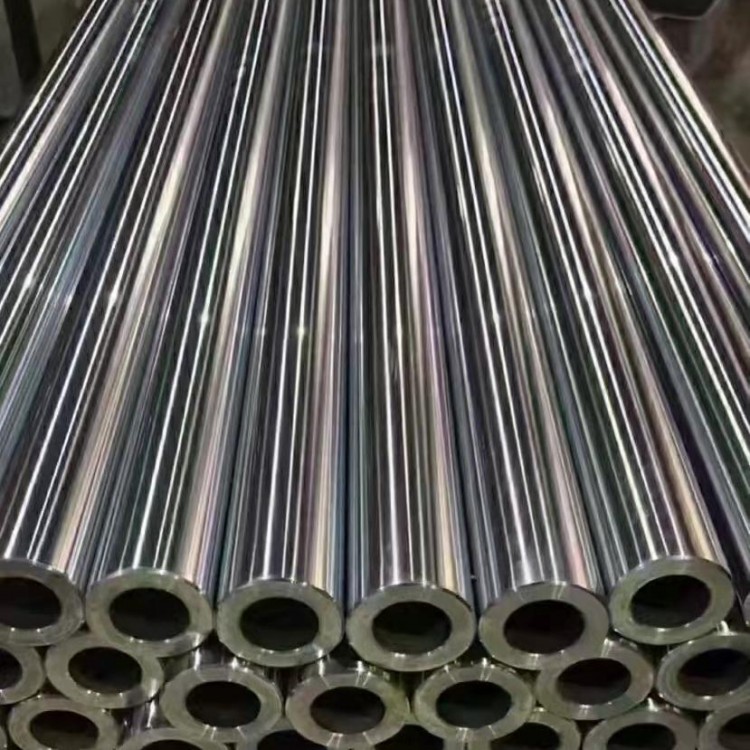
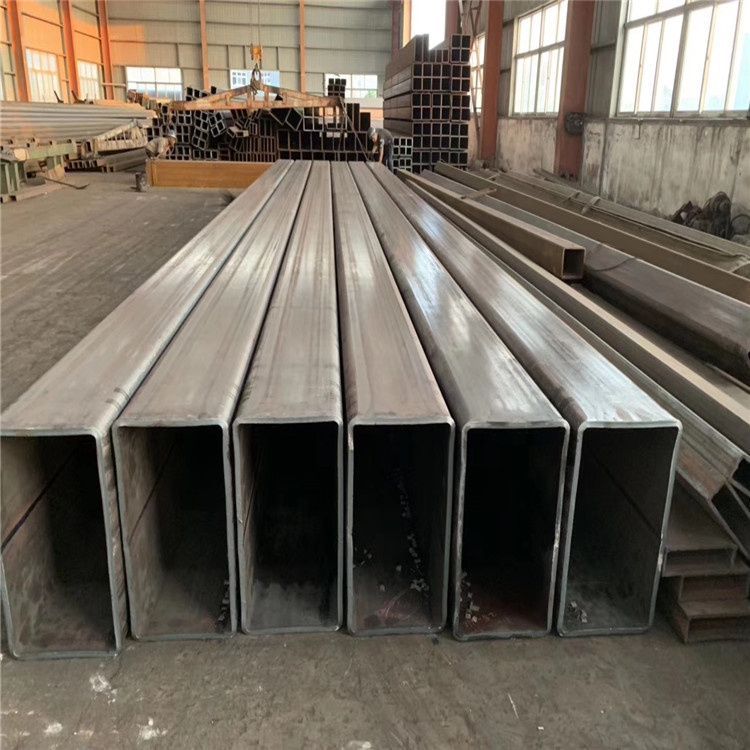
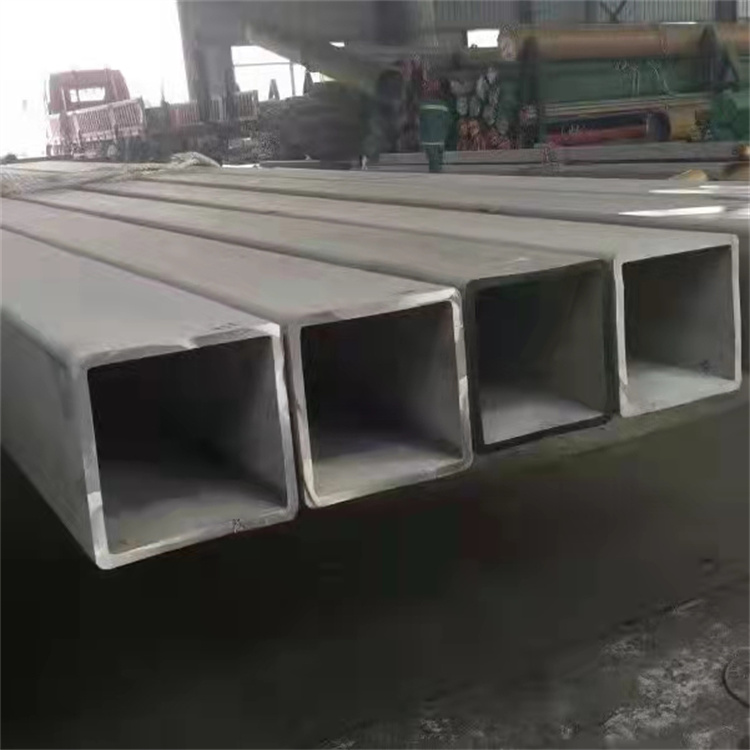
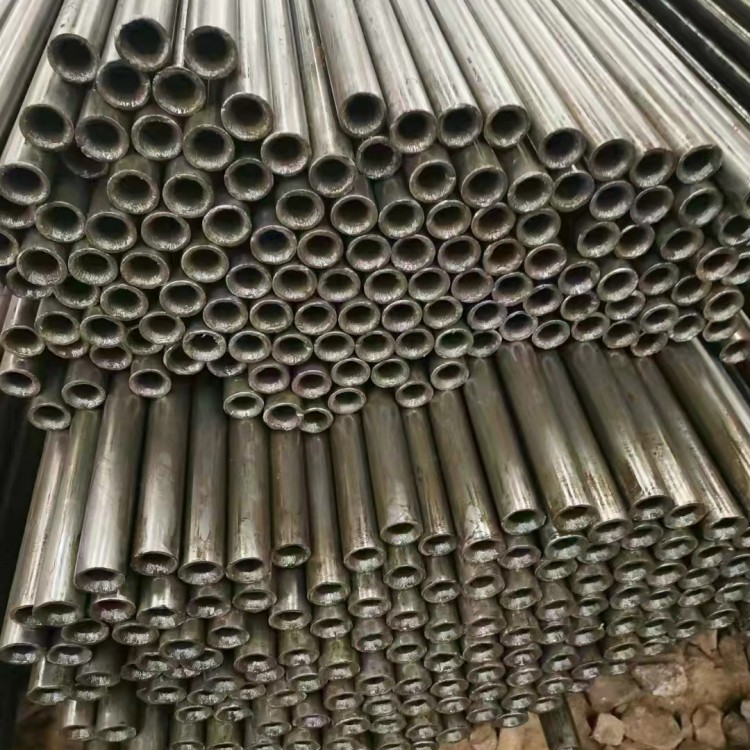
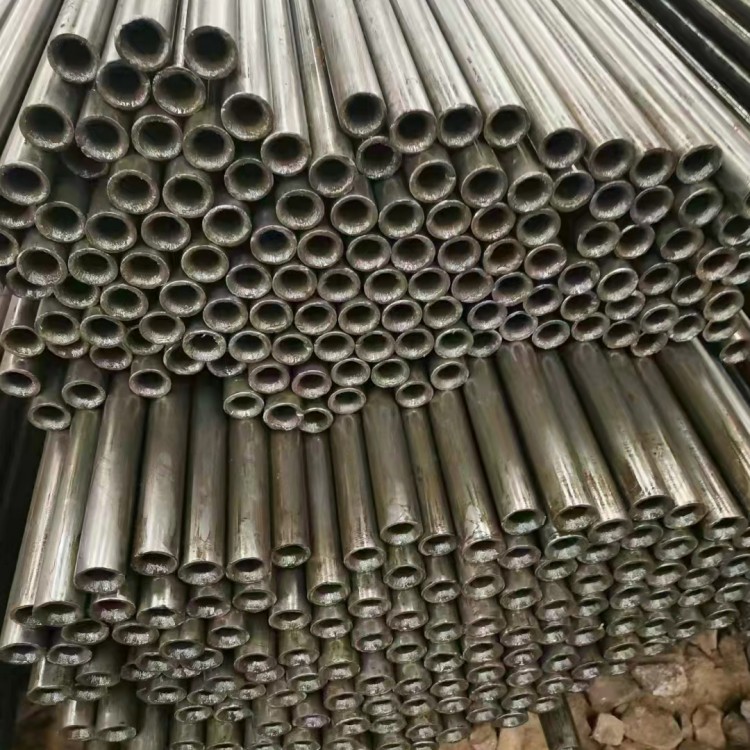
Water supply pipes, typically, are assembled by bending flat sheets and welding them together, where you can find a visible weld seam; those with thicker diameters usually have spiral welds. Seamless steel pipes, on the other hand, are formed by extruding molten steel through a circular slit and then undergoing stretching and other processing techniques, resulting in no welds. In terms of performance, especially in terms of pressure-bearing capacity, they significantly outperform ordinary steel pipes, which is why they are frequently used in high-pressure equipment, such as hydraulic system connections. The weld seams in ordinary steel pipes are their vulnerable points, and the quality of these welds is a major factor affecting their overall performance. Those who have lived in the north often have experienced water pipes or heating pipes bursting in winter due to freezing, and these bursts usually occur at the weld seams, as the pipes are not seamless.