








Our company, with robust capabilities and a professional team, has always been committed to being an excellent supplier of pipe materials.
1. Heartfelt service, solving customer challenges, and achieving one-stop procurement.
2. Professional sales with highly cost-effective products.
3. Superior steel origin and convenient transportation allow us to quickly meet customer demands.
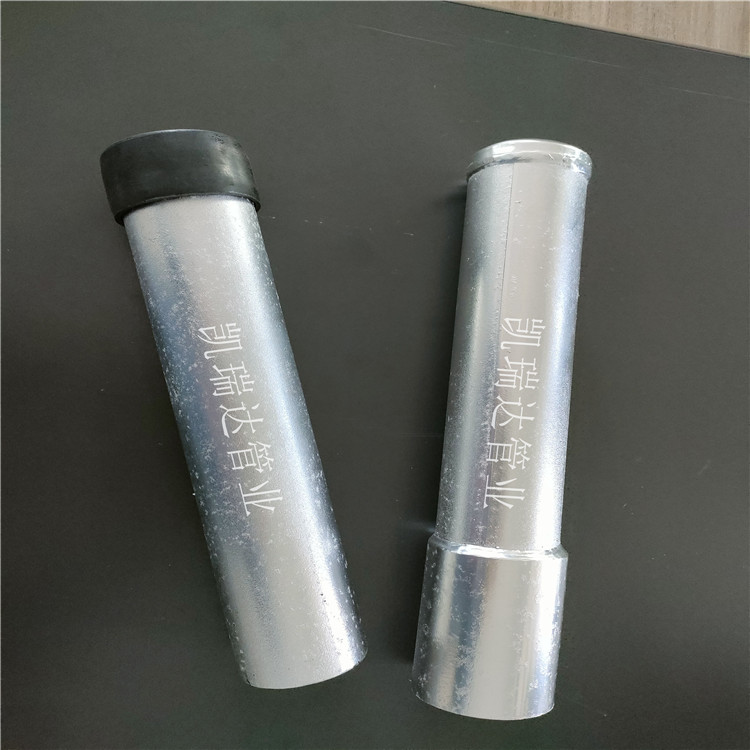
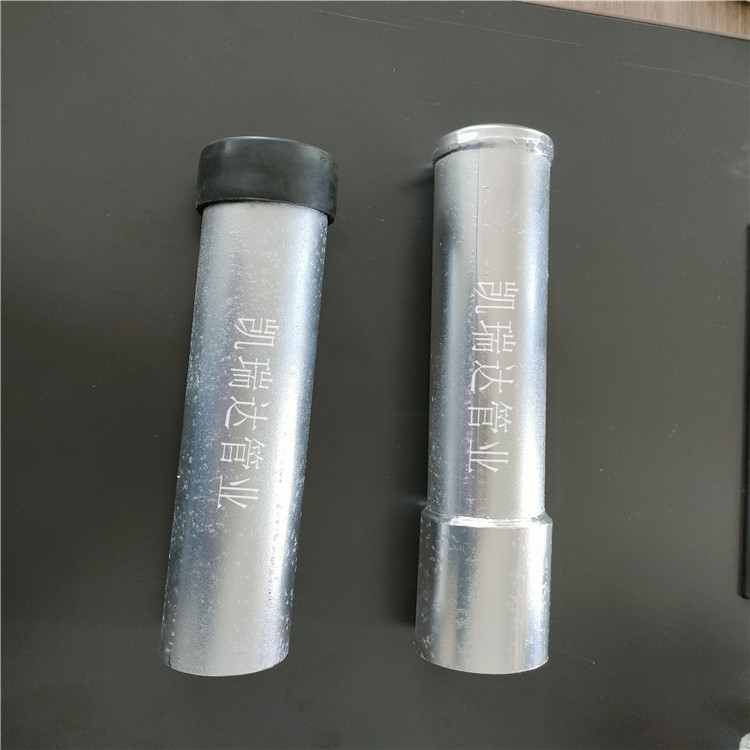
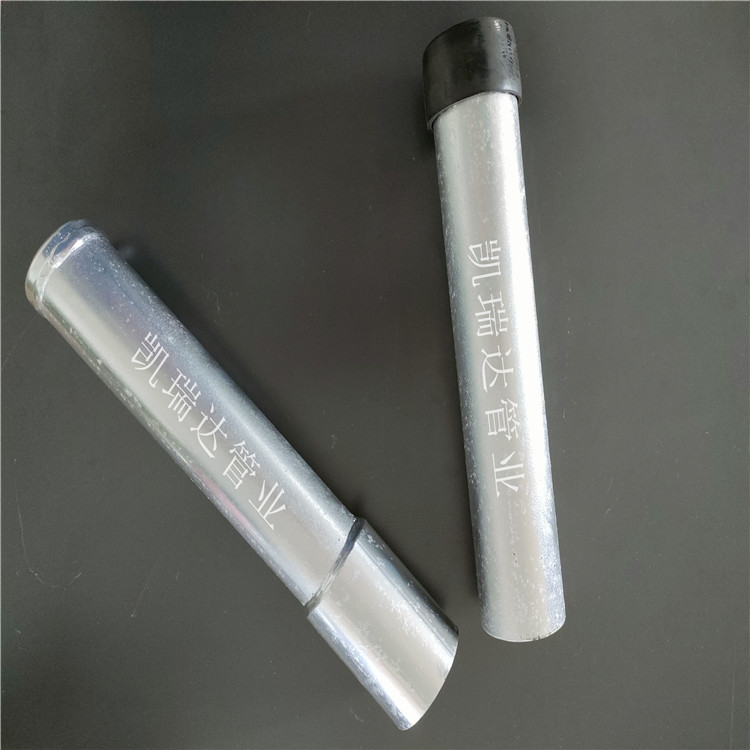
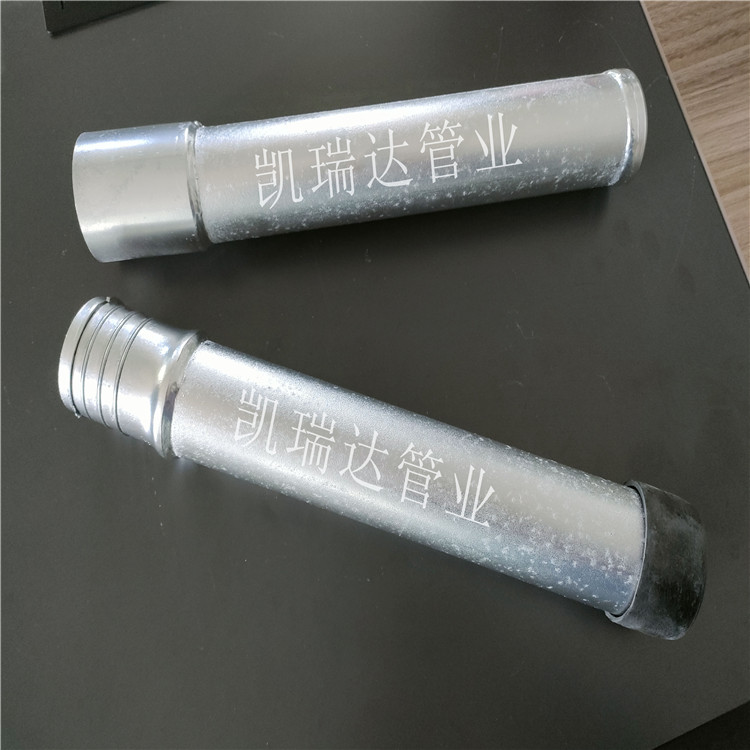
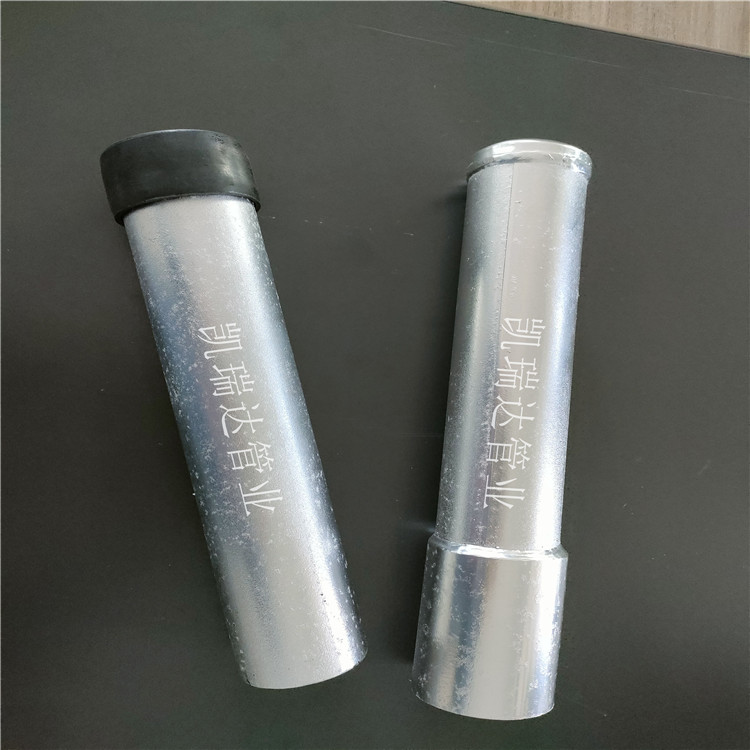
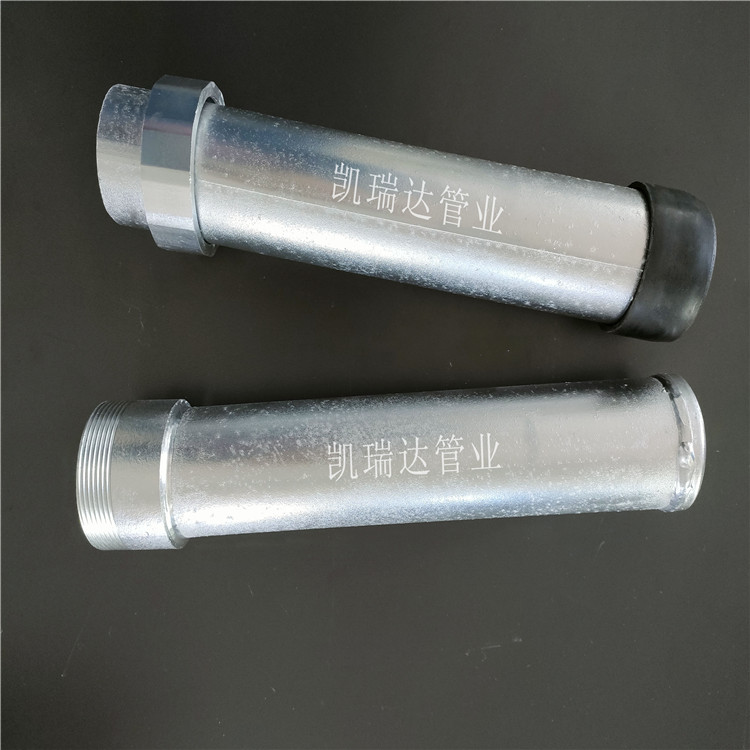
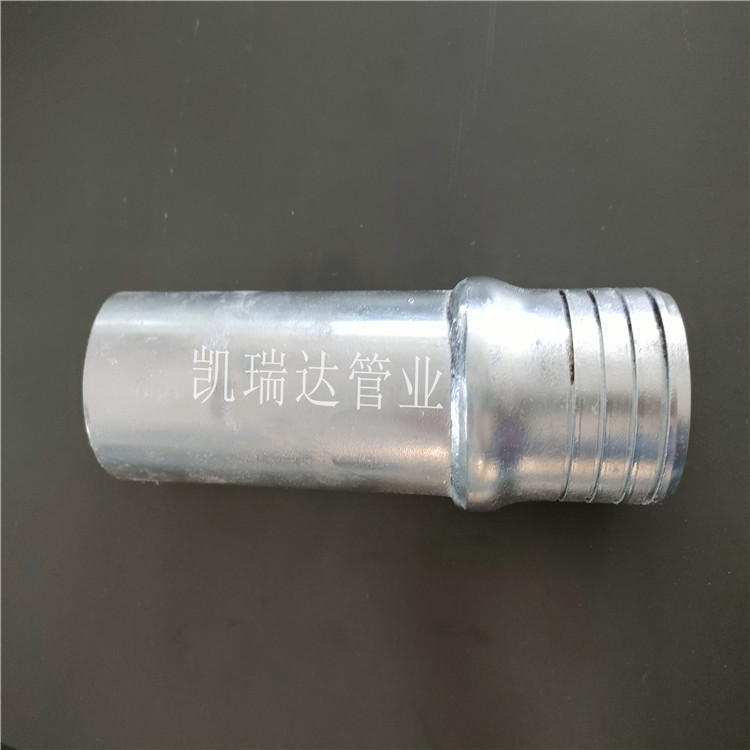
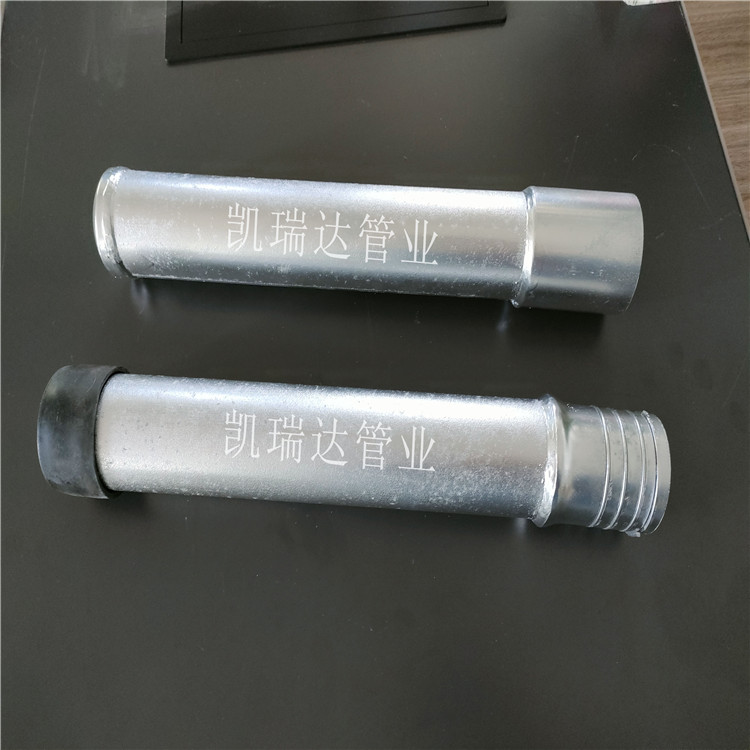
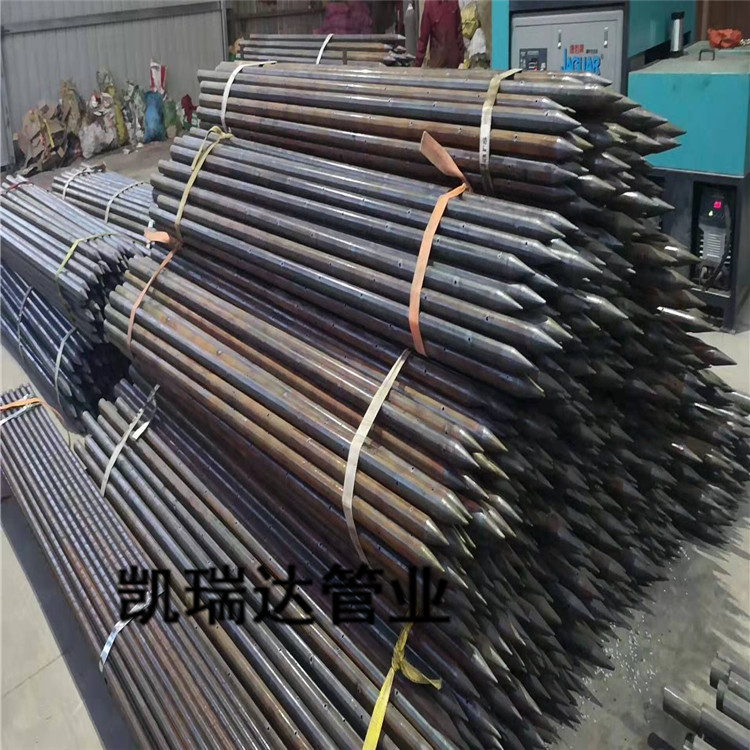
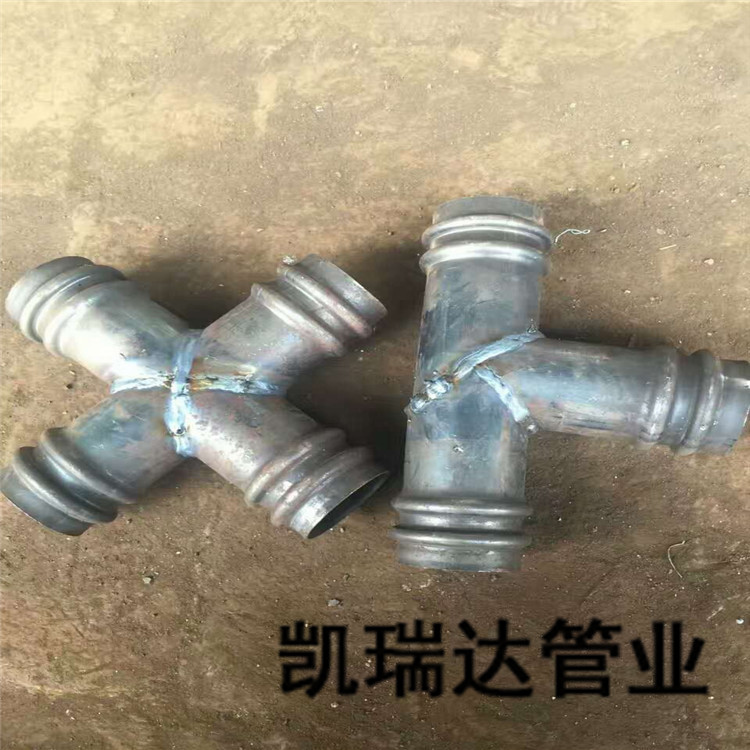
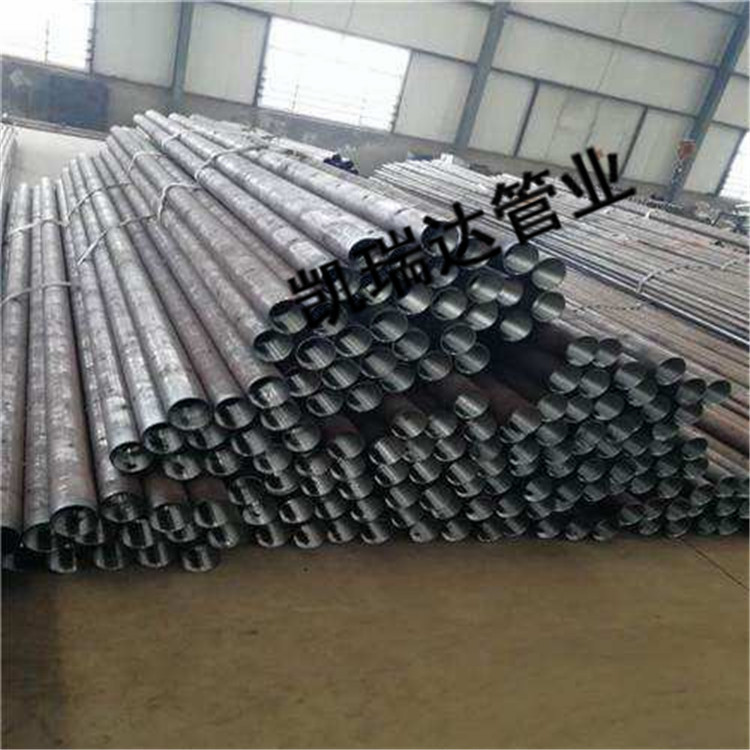
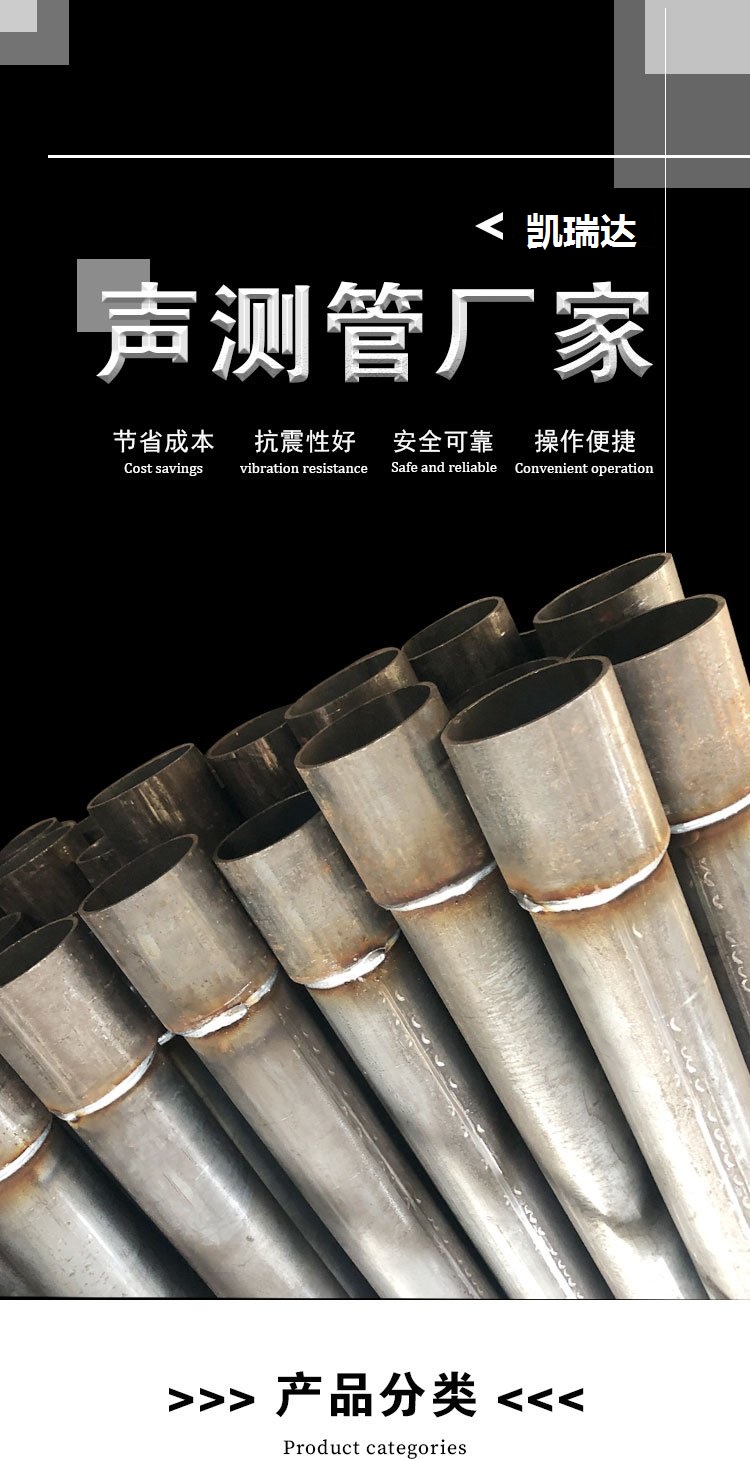
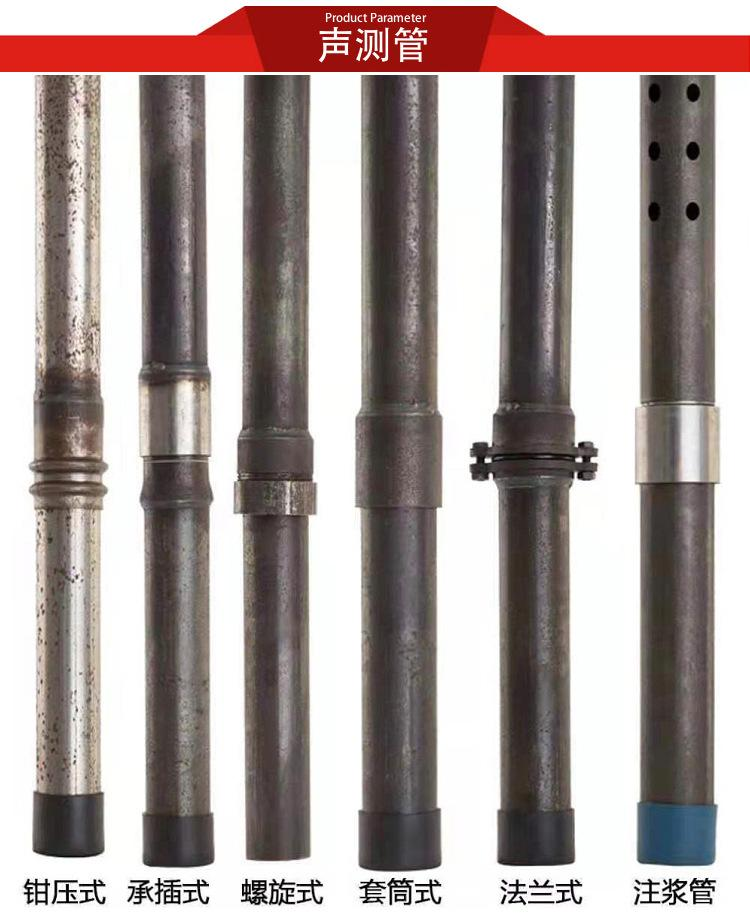
Acoustic Tube (So)(Nic Logging Pipe) is an indispensable acoustic detection pipe, which can be used to determine the quality of a pile. The acoustic detection pipe serves as the channel for the probe to enter the interior of the pile during the ultrasonic testing of cast-in-place piles. It is an integral part of the ultrasonic testing system for cast-in-place piles, and its embedding method within the pile and its arrangement on the pile's cross-section directly affect the testing results. Therefore, the layout and embedding method of the acoustic detection pipe should be marked on the drawings during design, and the quality of embedding, wall thickness, should be strictly controlled during construction to ensure the smooth progress of the testing work.

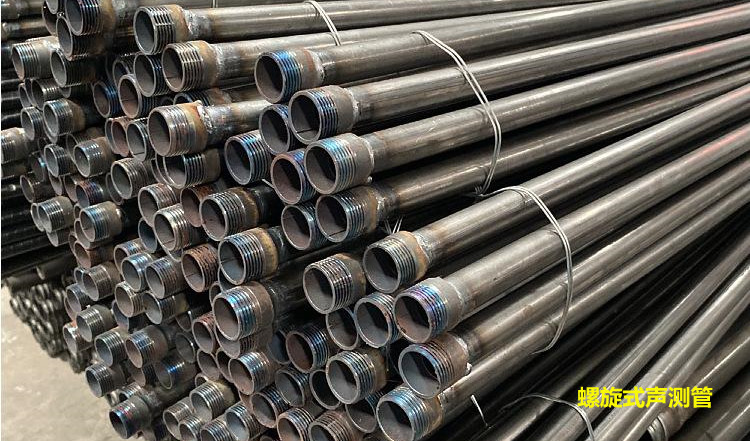
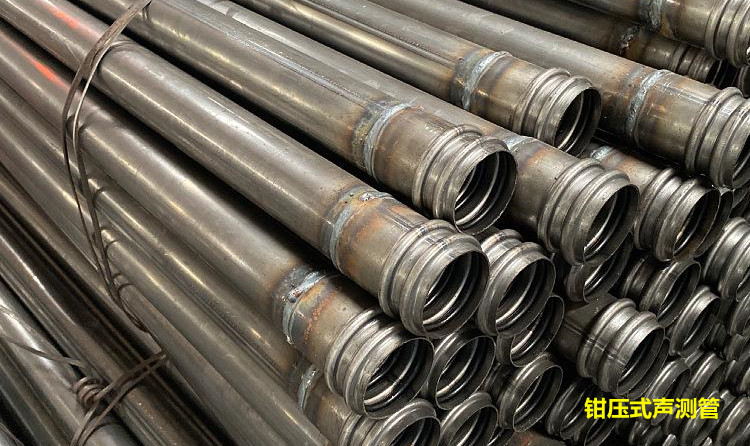

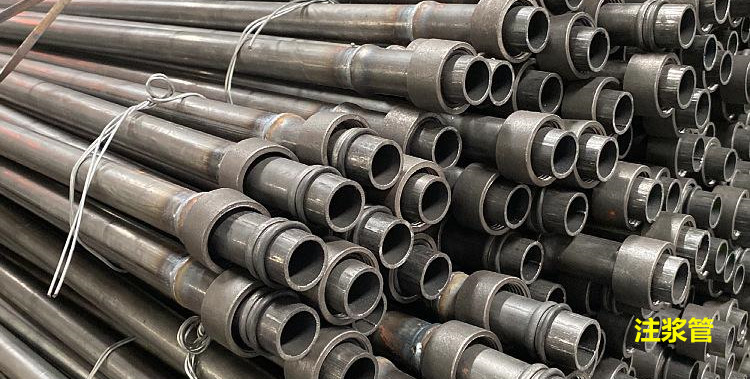

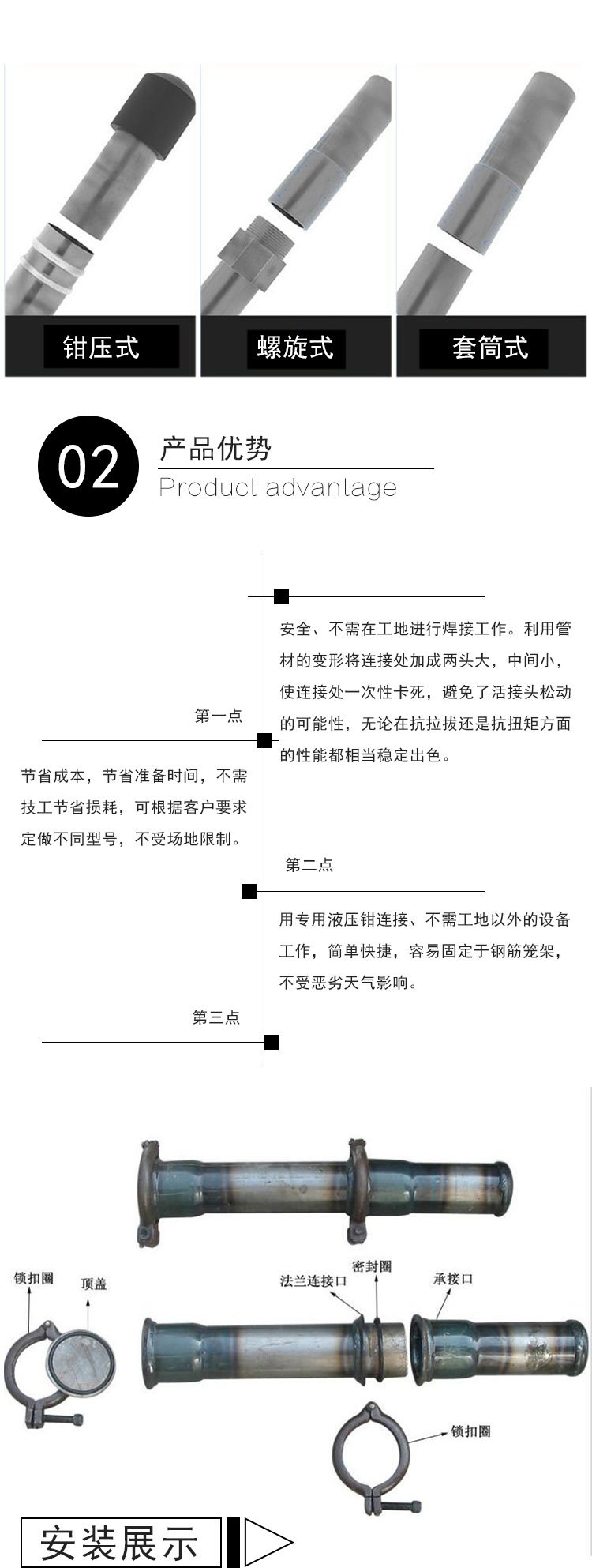

1. A practical approach is to use thick, long rebar to punch through the mud blocking the acoustic measurement pipe. This method is direct, quick, and effective, but it does have a drawback: it cannot guarantee that the mud is completely cleared out, and the acoustic measurement pipe that needs to be cleared must be a steel pipe with a larger diameter.
2. Drilling machines equipped with small drill bits for hole sweeping. This method ensures targeted and thorough cleaning without missing any spots, though it does require a bit more time. But it's worth the insurance.
3. Utilize a high-pressure water jet directly for pipeline cleaning. Generally, sludge merely adheres to the inner wall and cannot withstand the force of the high-pressure water stream. By rinsing the blocked area for 3 to 5 seconds under high pressure, the obstruction can be cleared. However, it's crucial to pay attention to the rinsing position and angle to prevent the sludge from flowing back again.
Deformed acoustic pipes can cause significant difficulties in detection, even rendering it impossible. Therefore, if acoustic pipe blockage is discovered before the foundation pile is poured and before detection, effective measures should be taken to clear the pipes to ensure the smooth progress of ultrasonic testing. Generally, there are three methods for clearing pipes: using thick, long rebar to poke through the acoustic pipe; using high-pressure water to flush the pipe; and using a drilling machine with a small drill bit for cleaning the borehole.