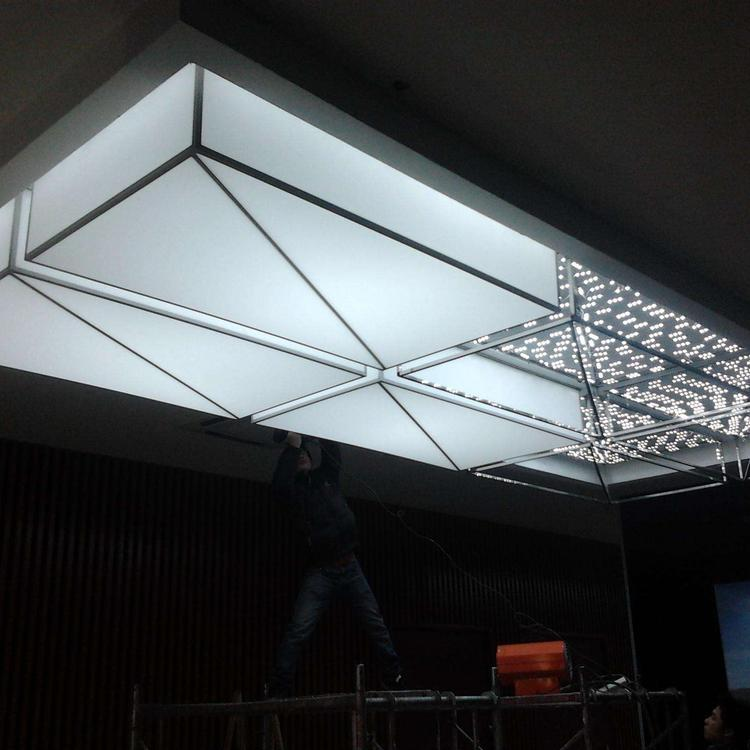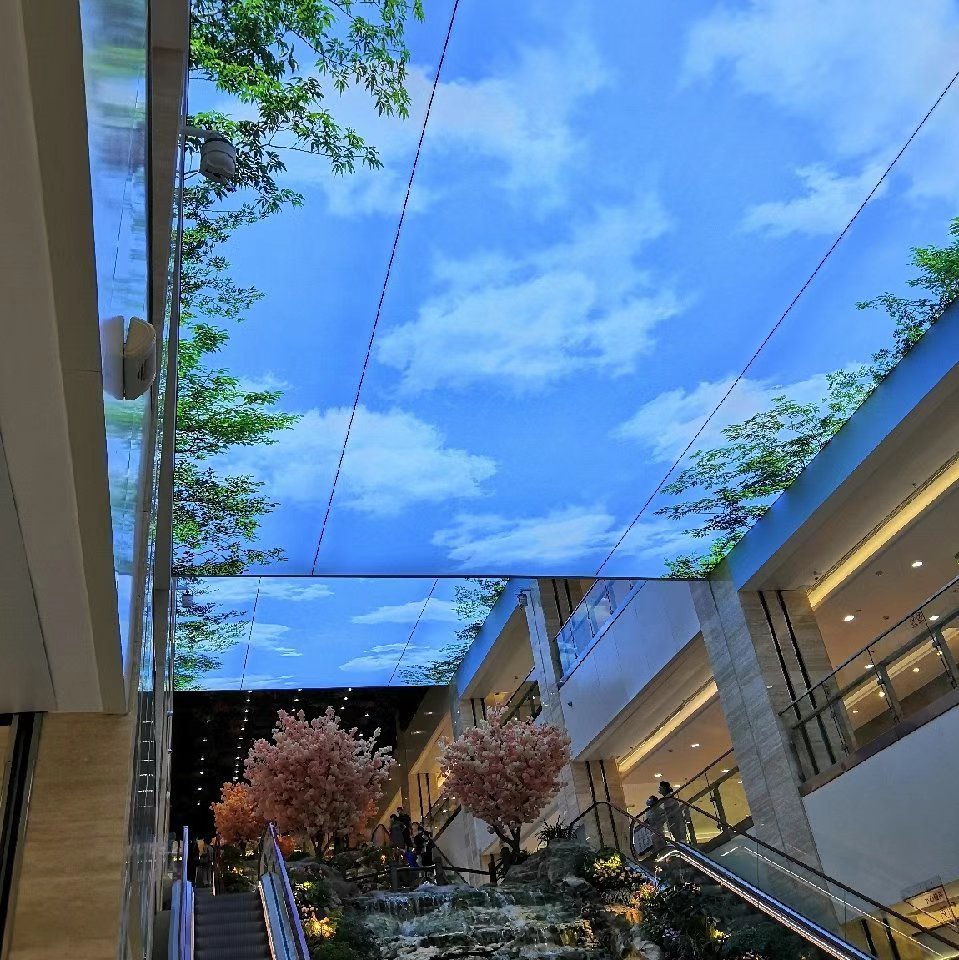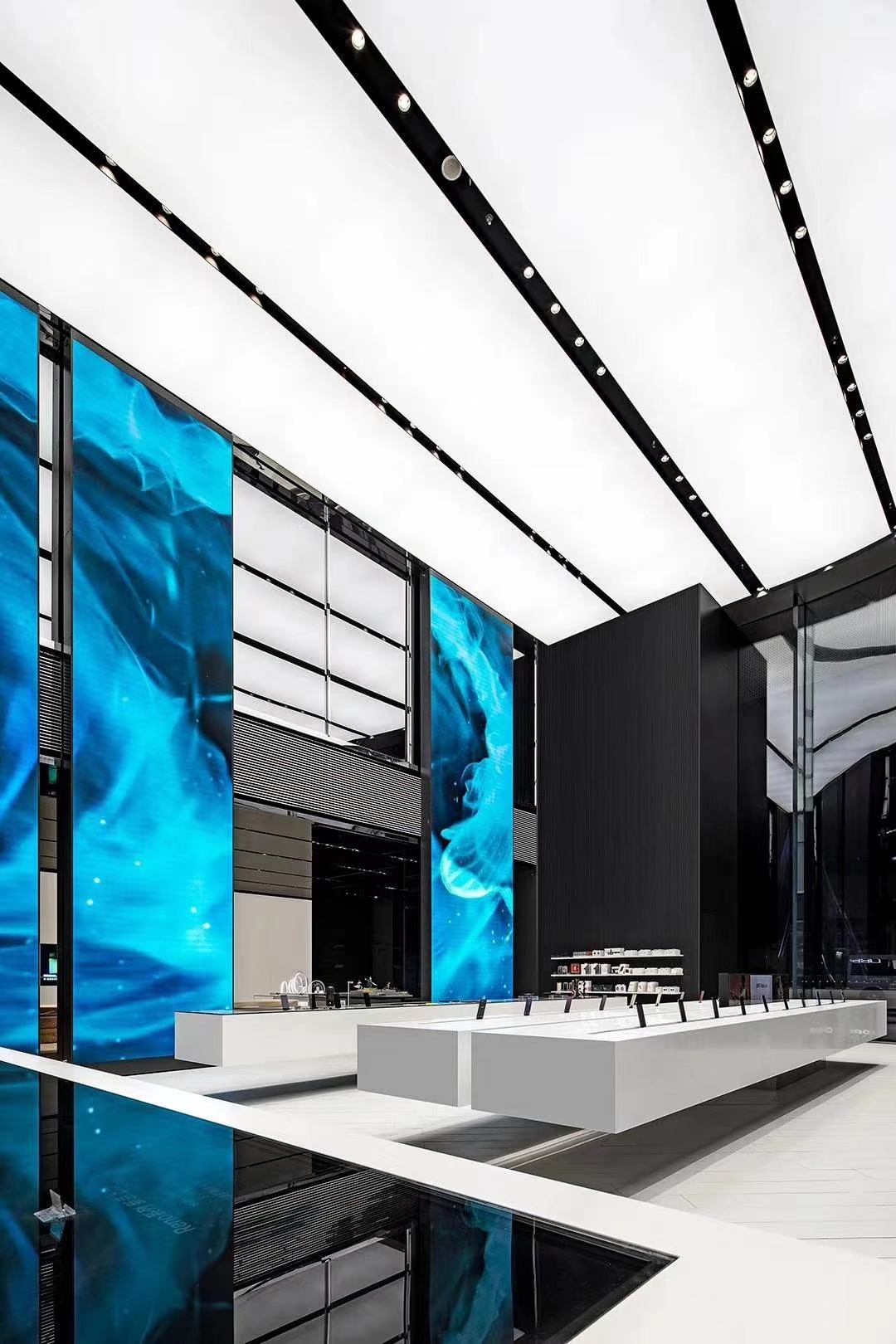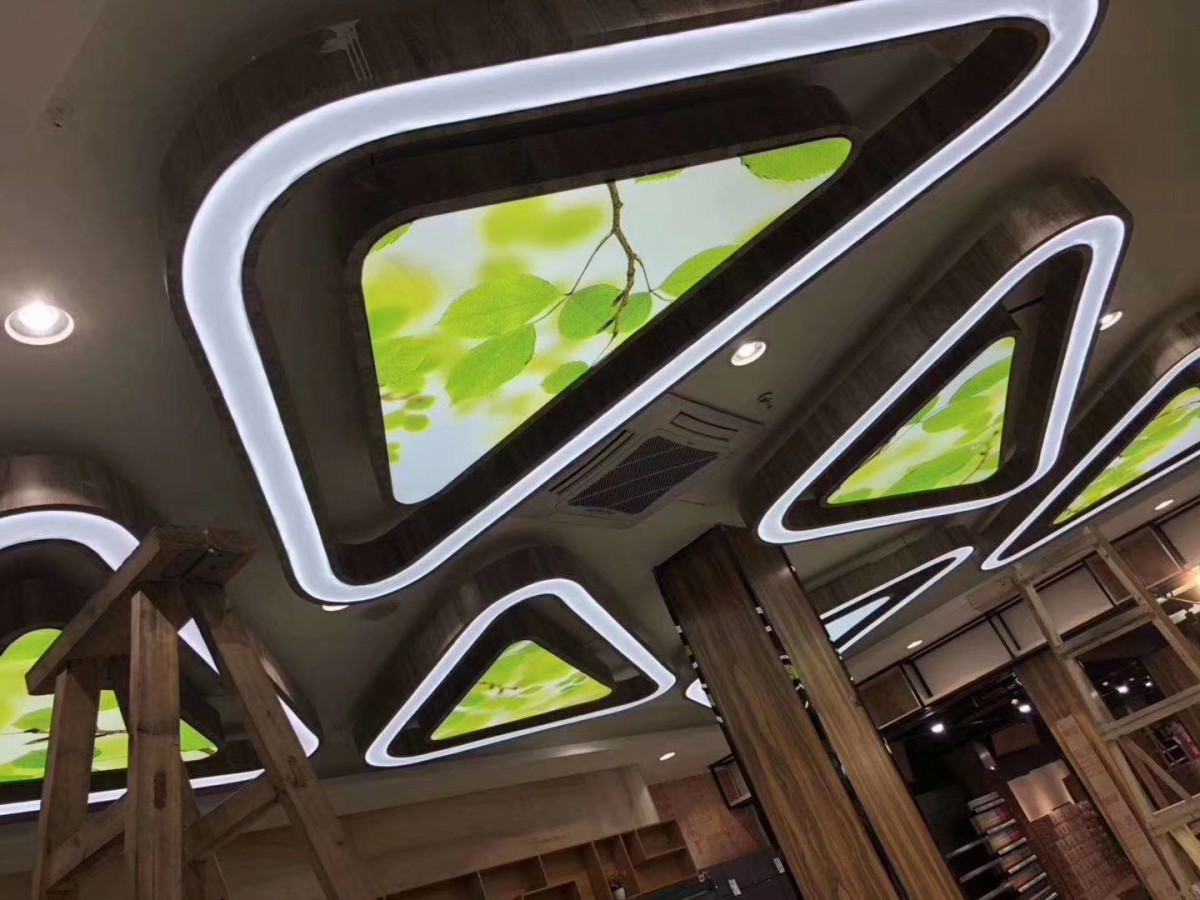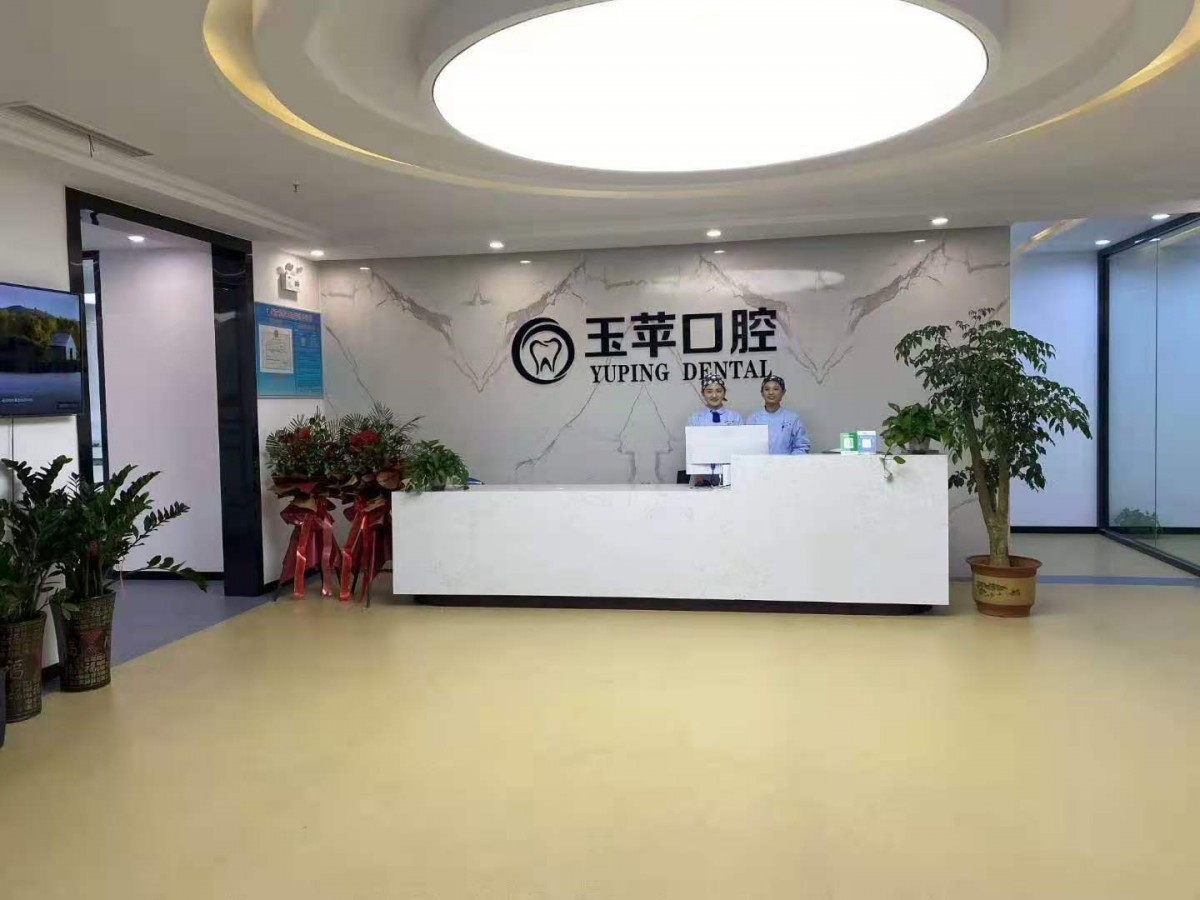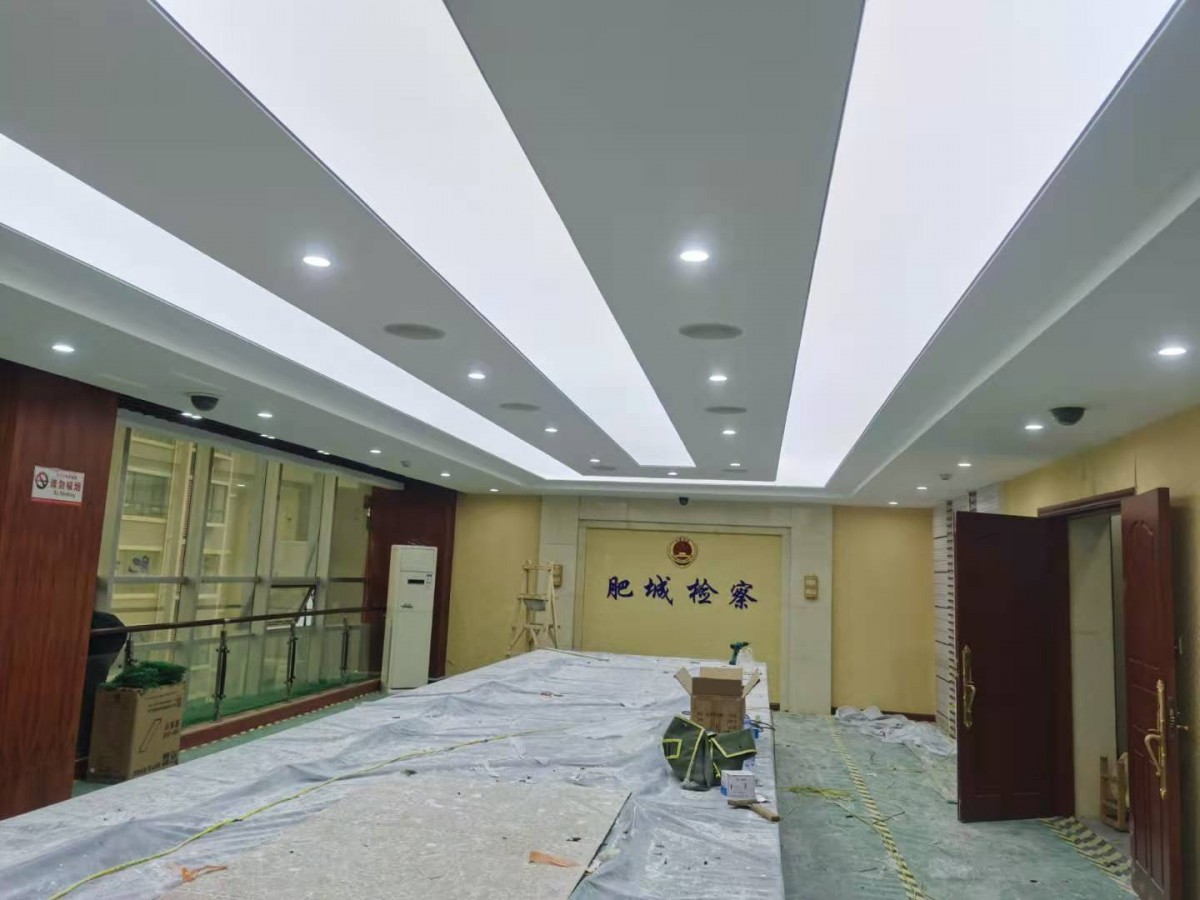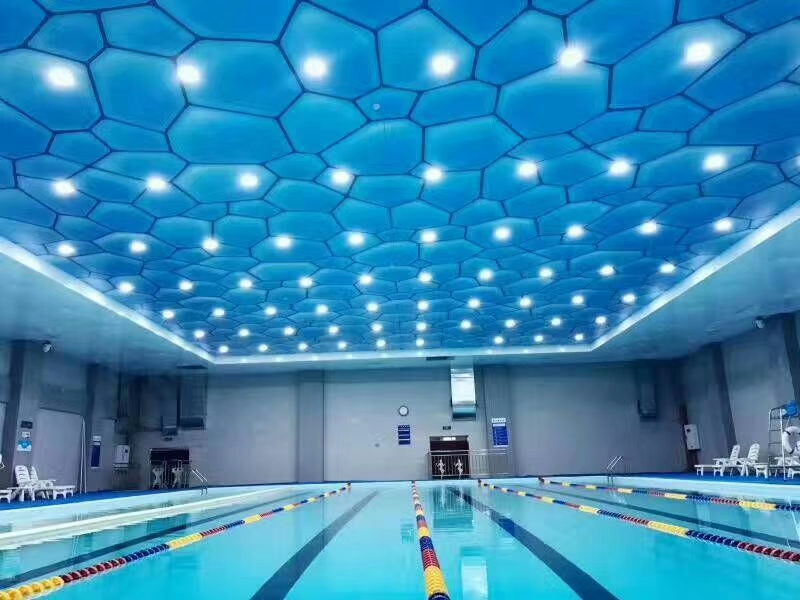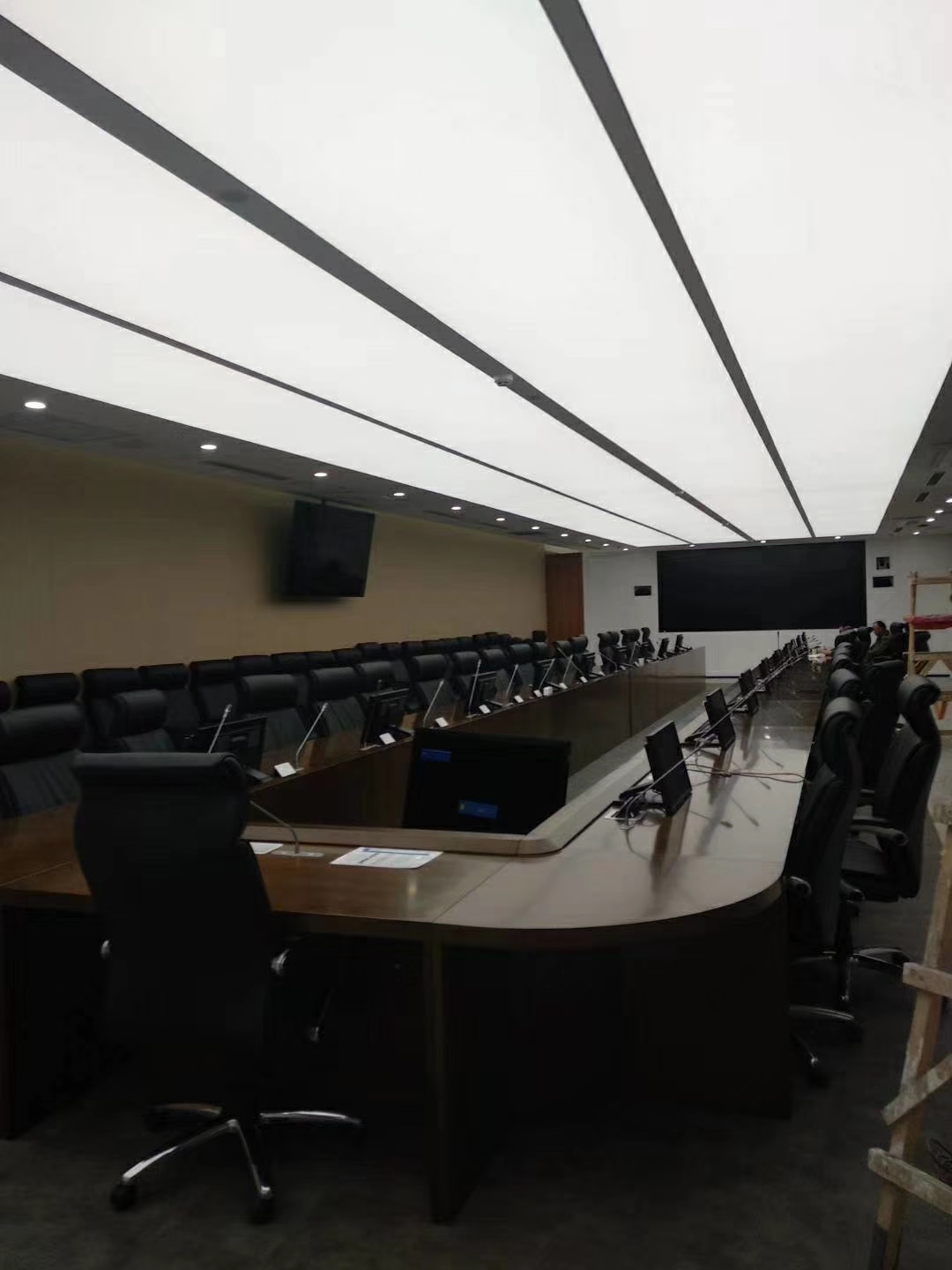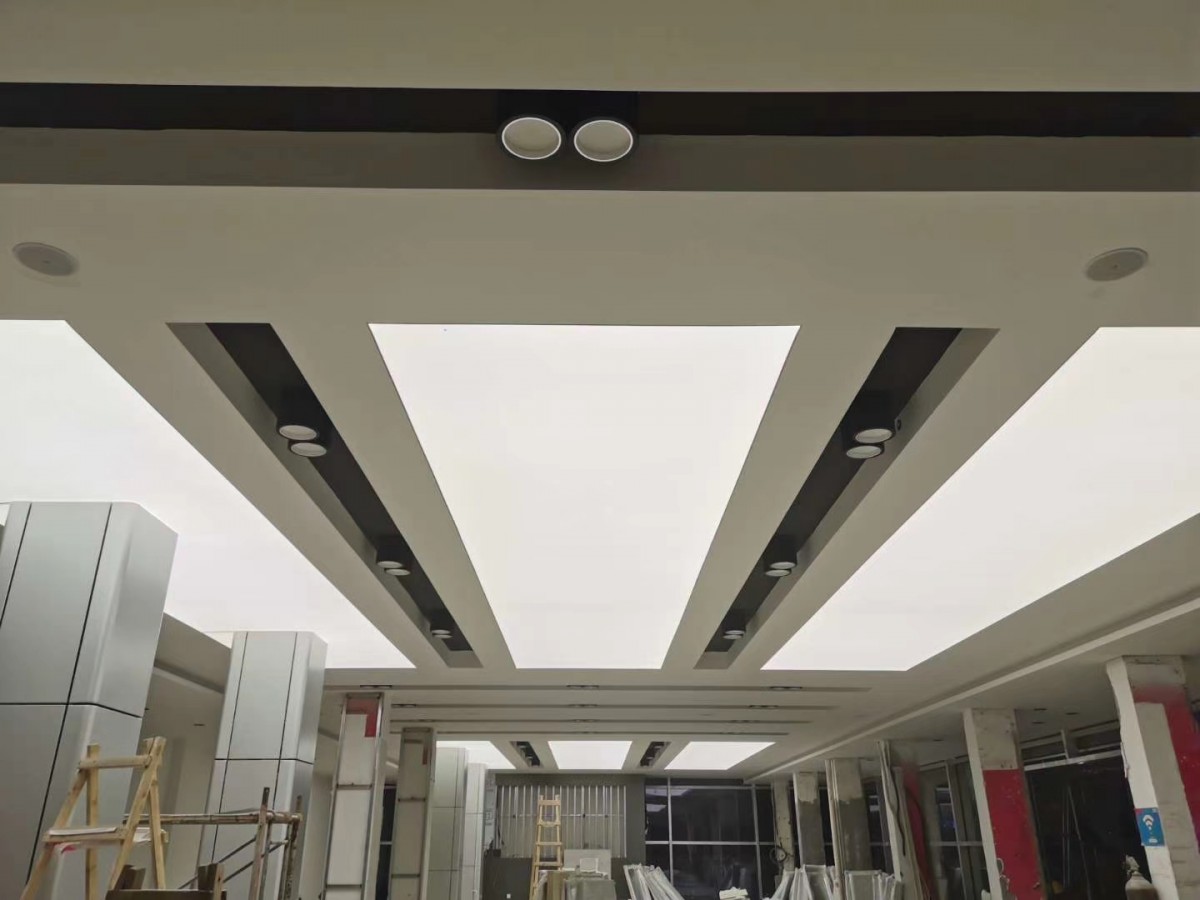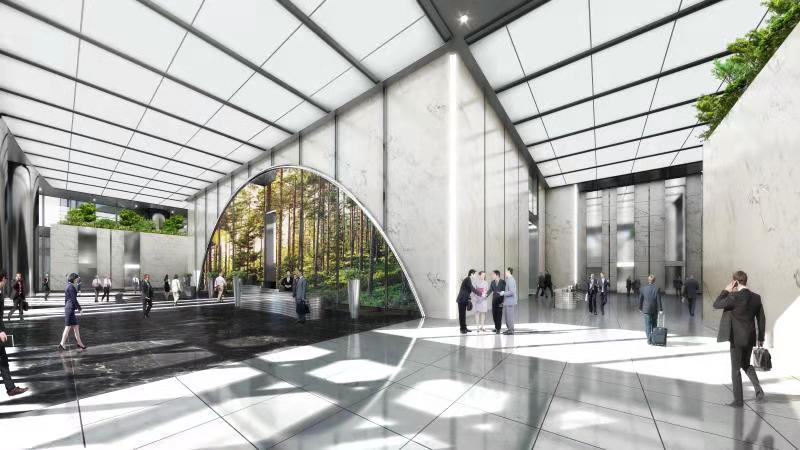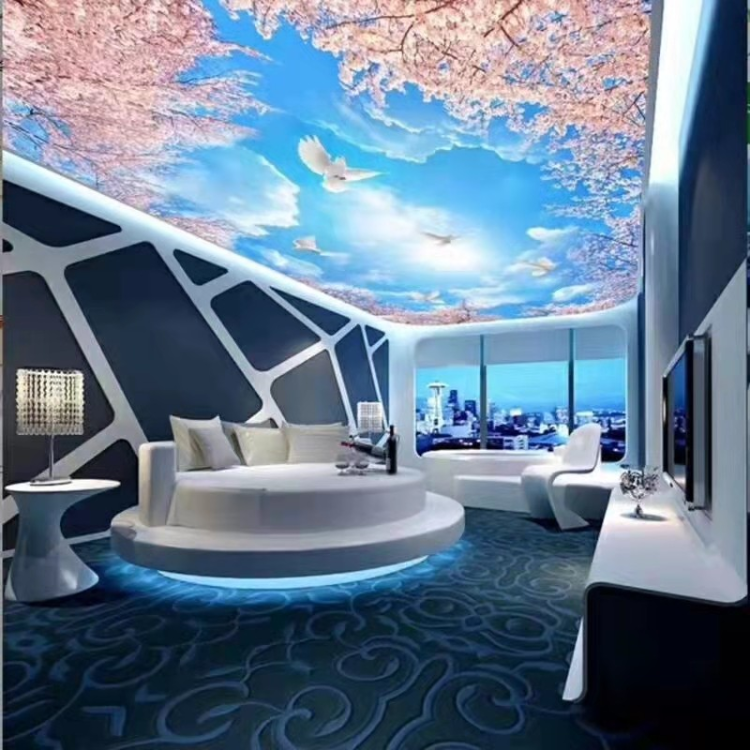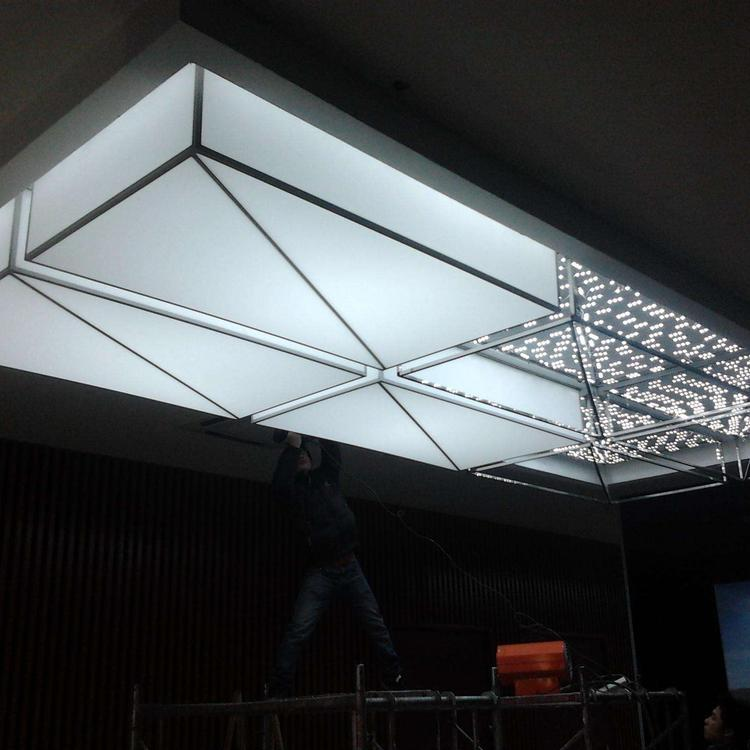

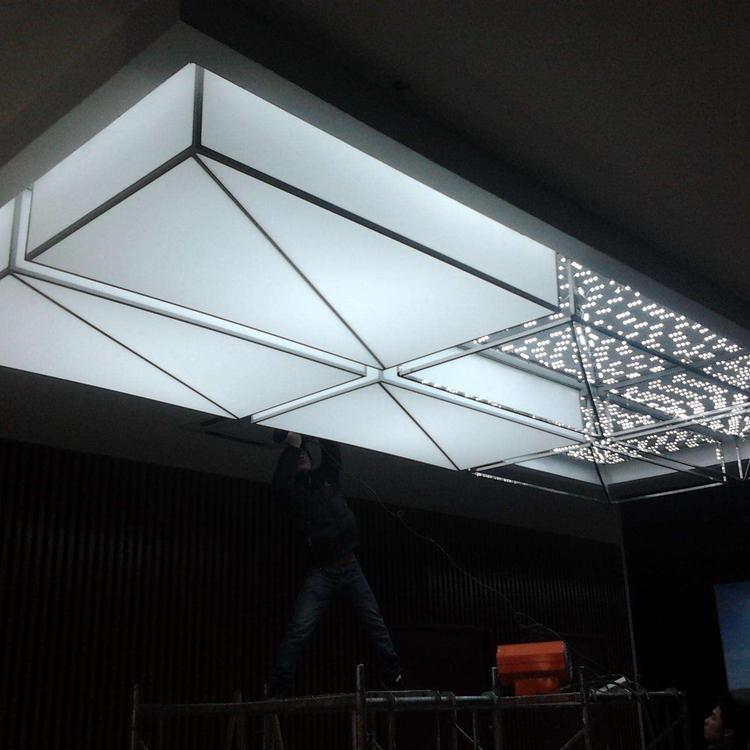
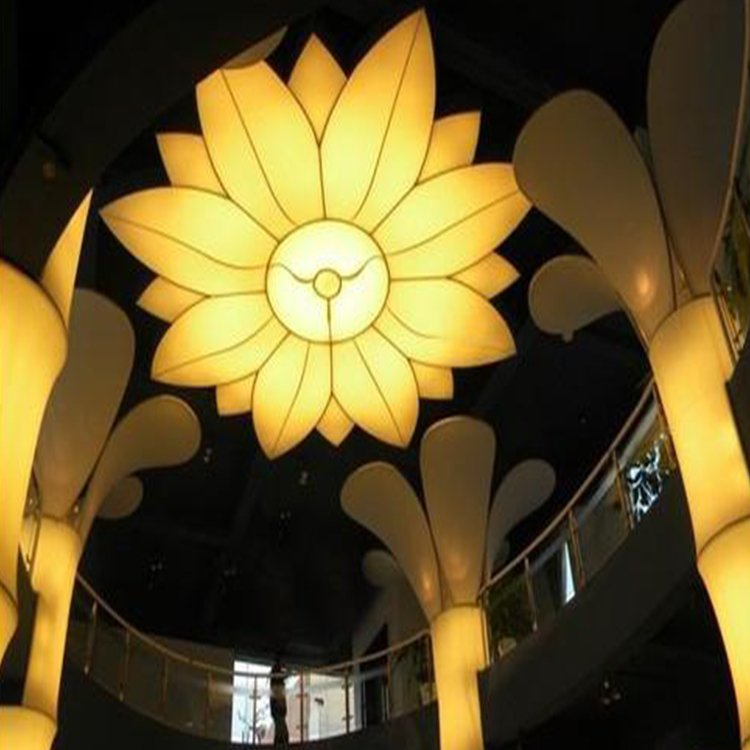


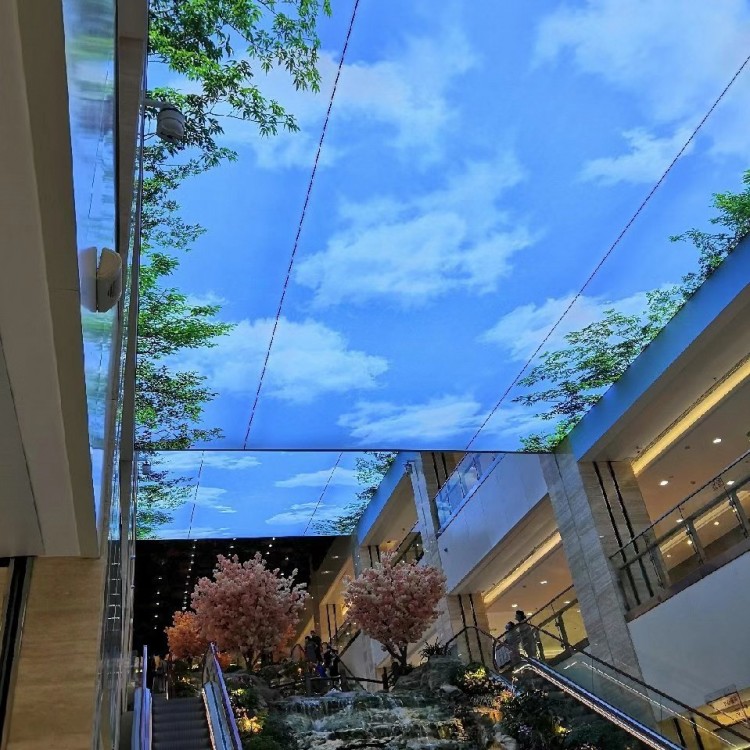
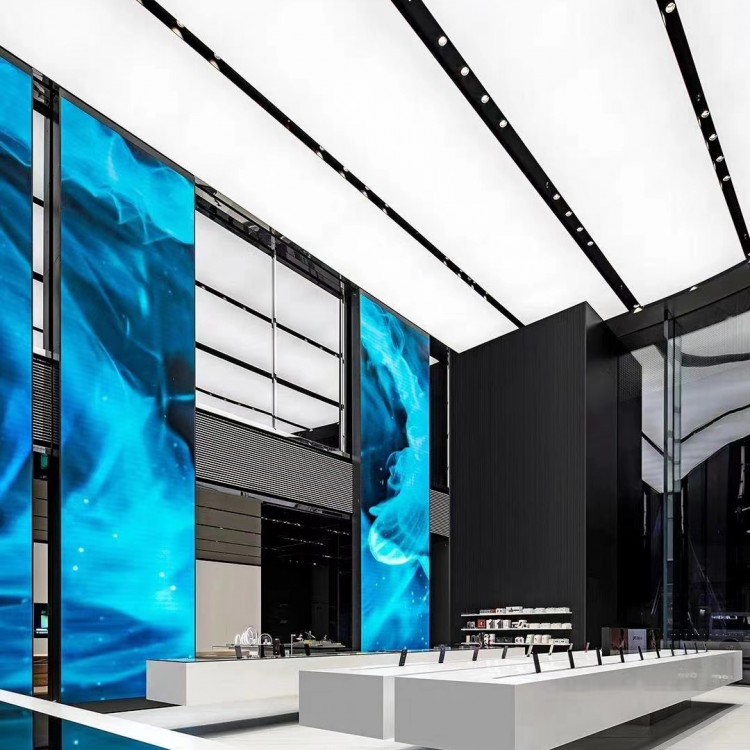
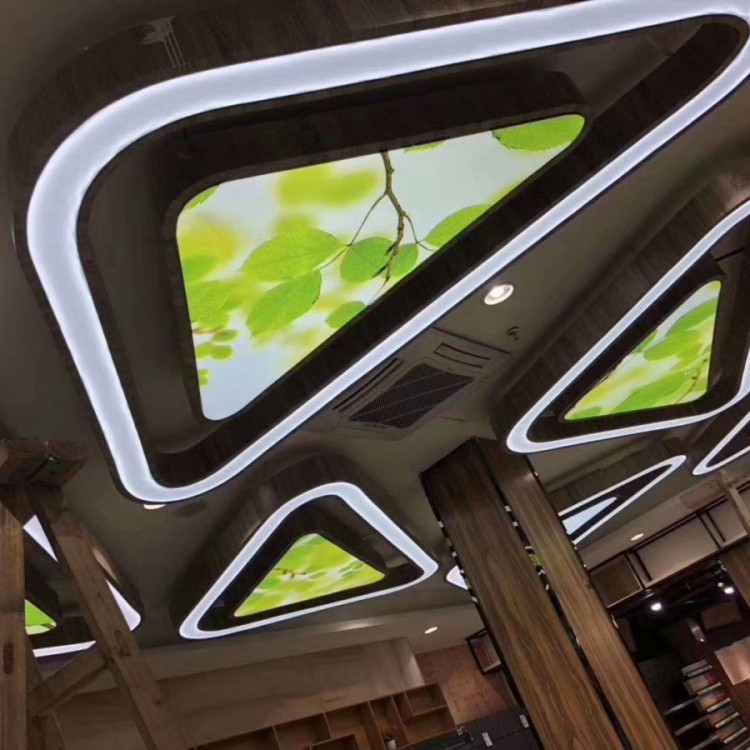
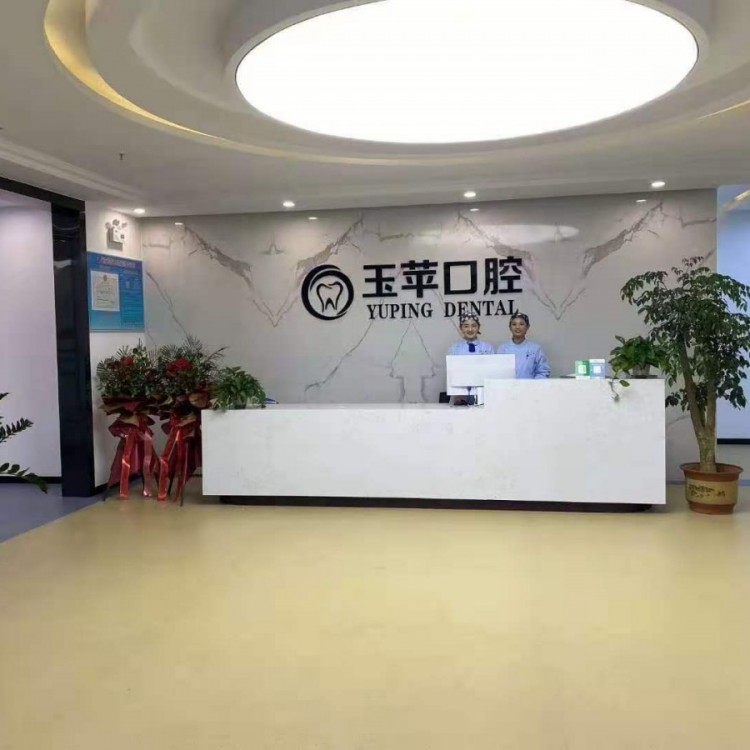
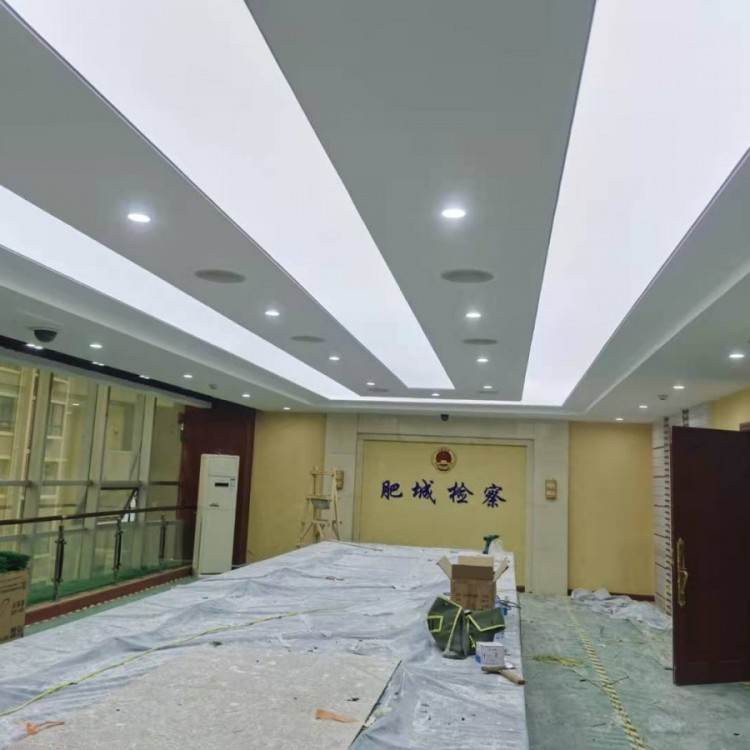





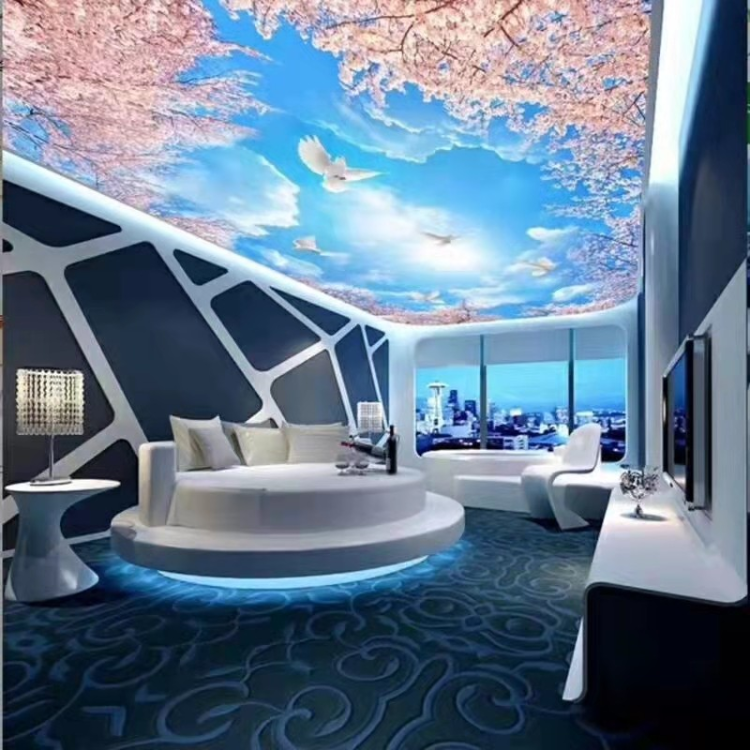
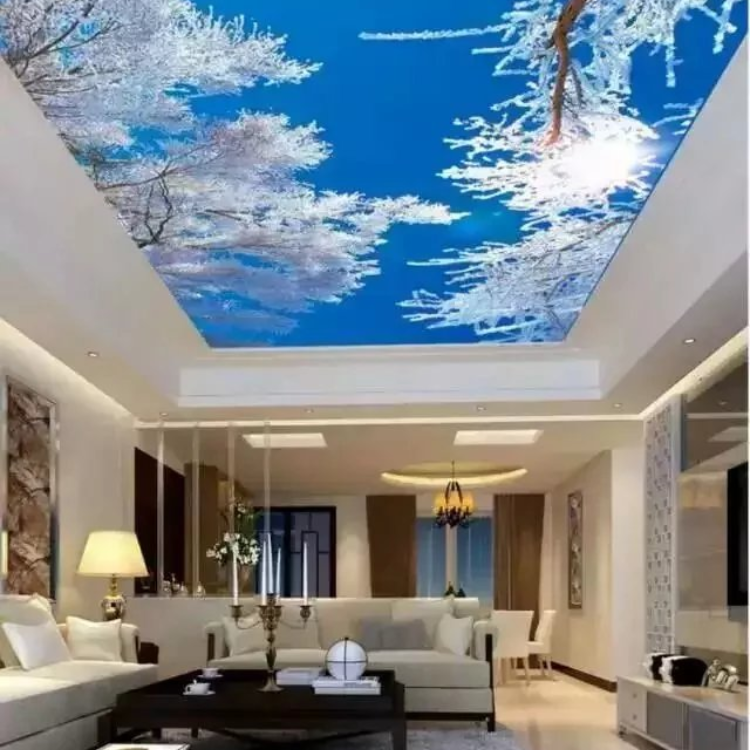


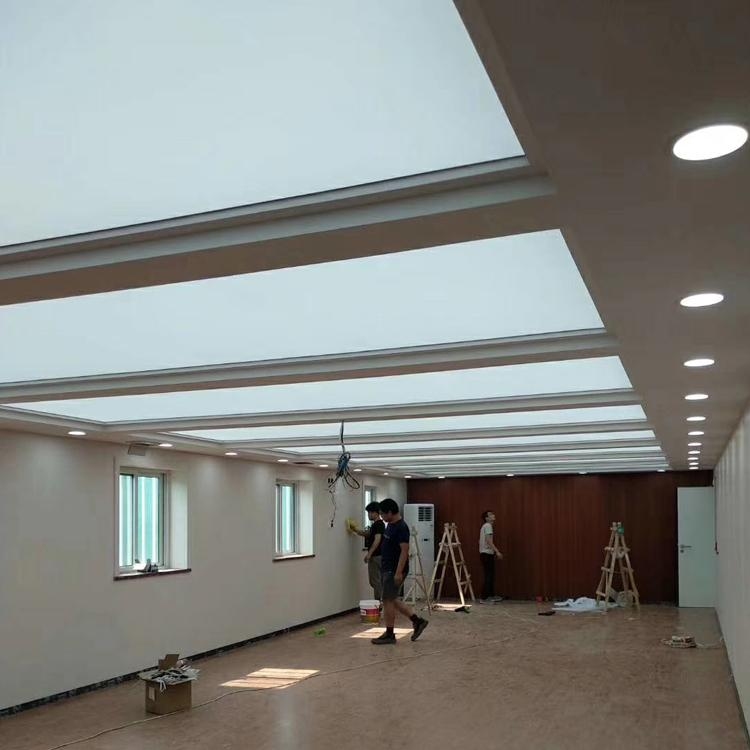

Flexible ceiling, also known as stretch ceiling, suspended ceiling, or tension ceiling. Originating in Switzerland in the 19th century, it was further researched and perfected by Mr. Farmland Scherrer of France in 1967, successfully introducing it to the ceiling markets of Europe and the Americas. It consists of a flexible membrane, edge strips, and custom-made tracks. The tracks are made from aluminum alloy extrusion, serving to secure the ceiling membrane; while the edge strips and membrane are made of polyvinyl chloride. It is flexible and durable, with a rich color palette, allowing for customizable shapes and forms, completely breaking through the limitations of traditional ceilings in terms of design, color, and modular assembly. Additionally, it boasts fire-resistant, anti-bacterial, waterproof, energy-saving, environmentally friendly, anti-aging, and easy-to-install features, all of which are irreplaceable by traditional ceilings. The flexible ceiling complements the shortcomings of traditional ceilings in every aspect, with its superiority being impeccable.
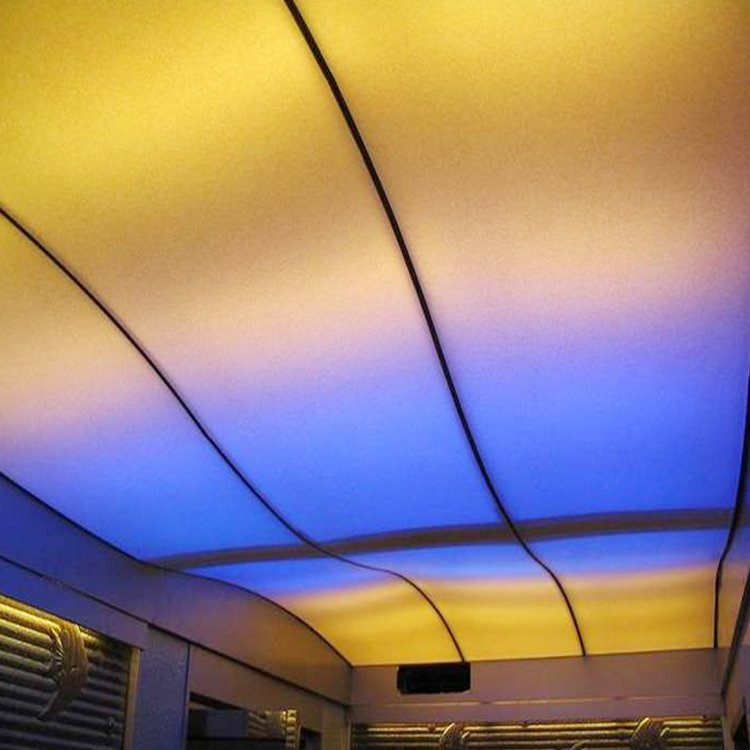

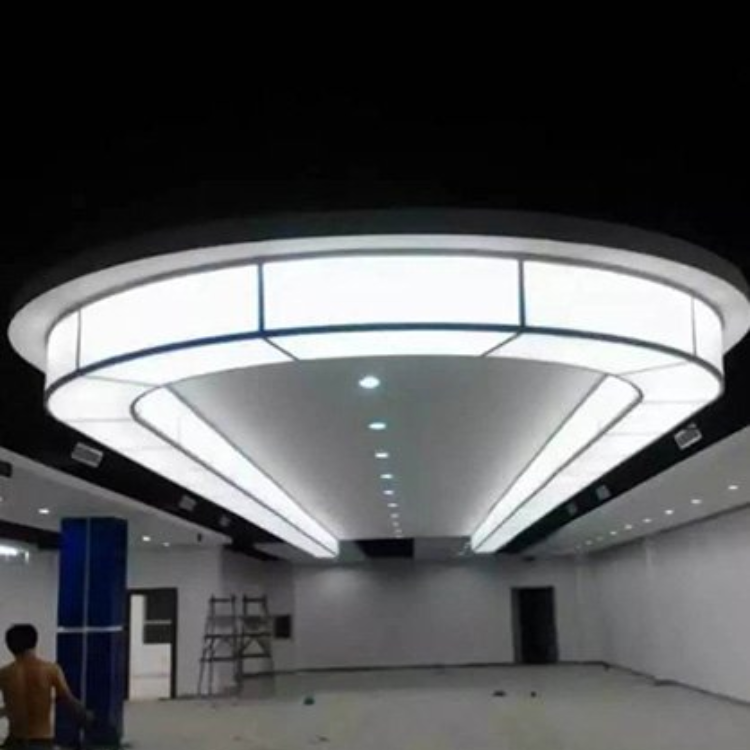

The company specializes in the design, installation, and sales of suspended ceiling systems, and is one of China's leading suppliers of suspended ceiling materials.
"We have introduced the advanced 'Soft Ceiling' technology from Europe, which meets international environmental protection standards, and it has received high praise from the industry. It is highly favored by interior designers."
Highly recommended ceiling materials.