
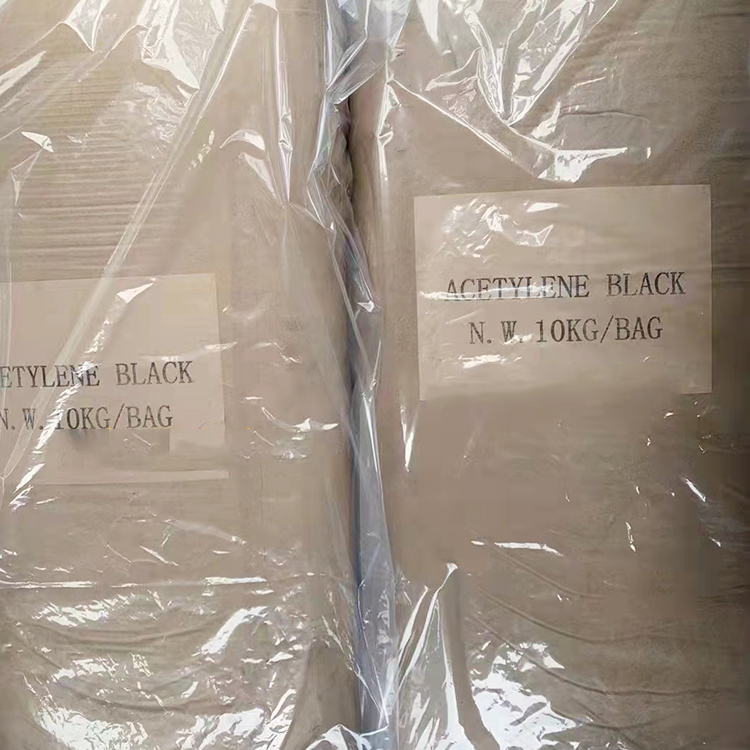










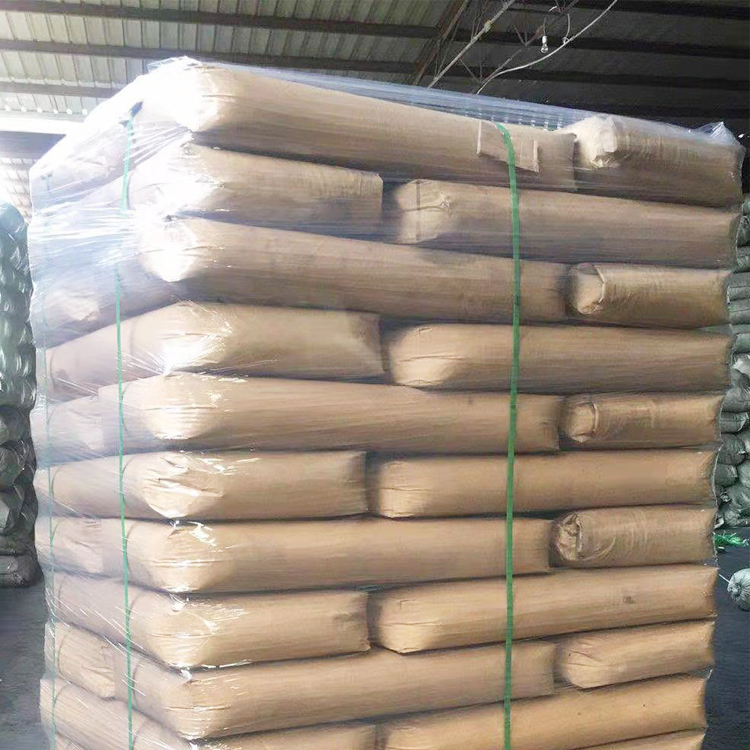
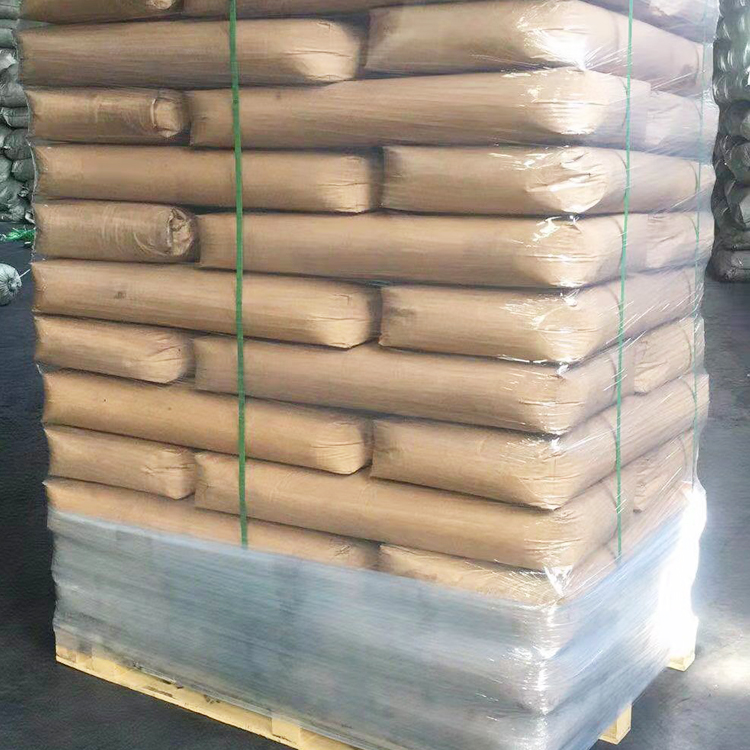
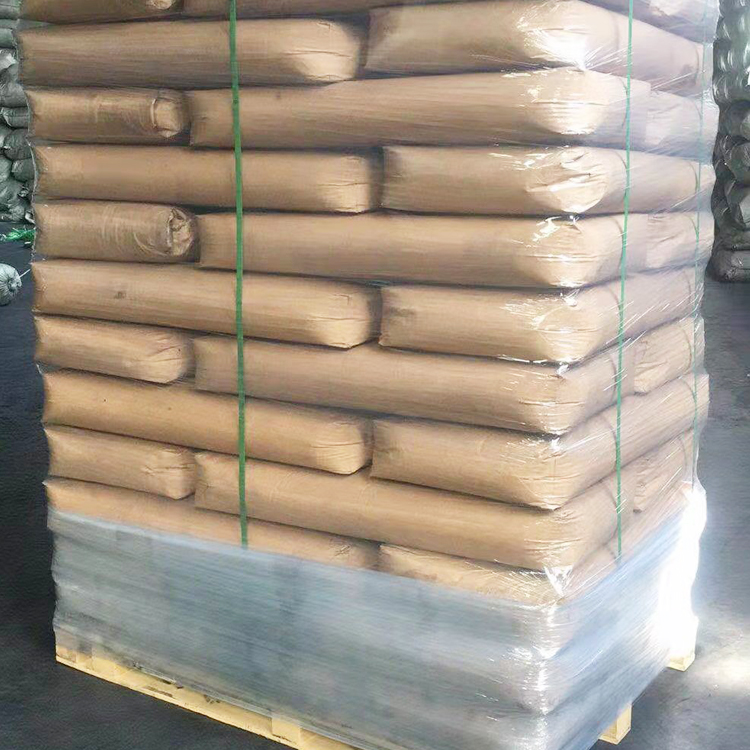
Acetylene carbon black is a high-purity acetylene obtained through the decomposition of by-products from calcium carbide or naphtha (crude gasoline) pyrolysis, followed by continuous pyrolysis to produce the carbon black. After the reaction furnace is heated internally to start the pyrolysis at over 800°C, acetylene is introduced to initiate the thermal decomposition, which is an exothermic reaction and can proceed automatically. To maintain consistent quality, the reaction temperature should be kept around 1800°C. The furnace temperature can be controlled through the external water-cooled jacket of the reaction furnace. Acetylene carbon black is used as an anode material in manganese dry batteries, along with manganese dioxide and electrolyte. Compared to furnace black, it has more developed crystalline and secondary structures, thus exhibiting superior conductivity and absorbency. With fewer heavy metals and impurities, the self-discharge loss is minimal, and its storage performance is good. Acetylene black dominates the market almost entirely. It is predictable that it will continue to grow alongside the demand for dry batteries.
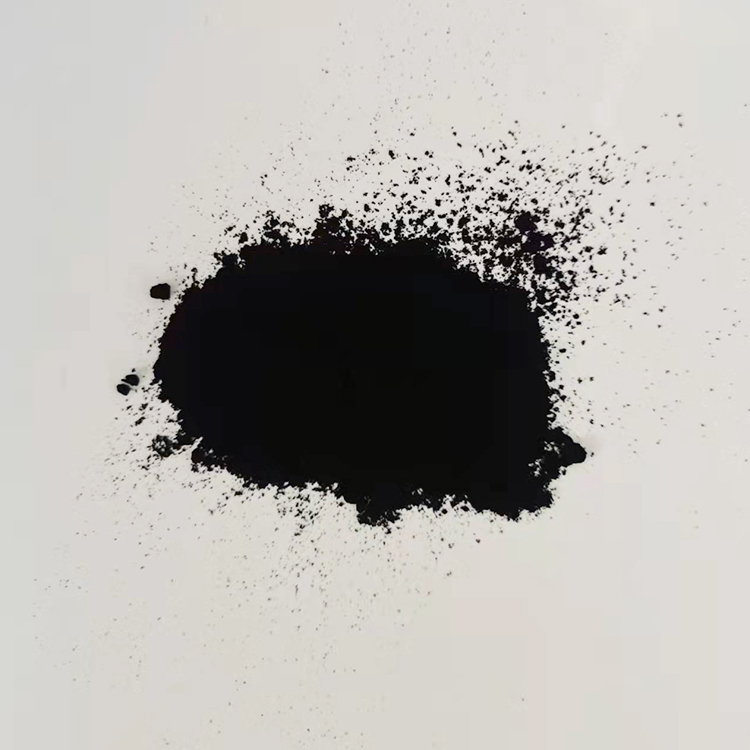
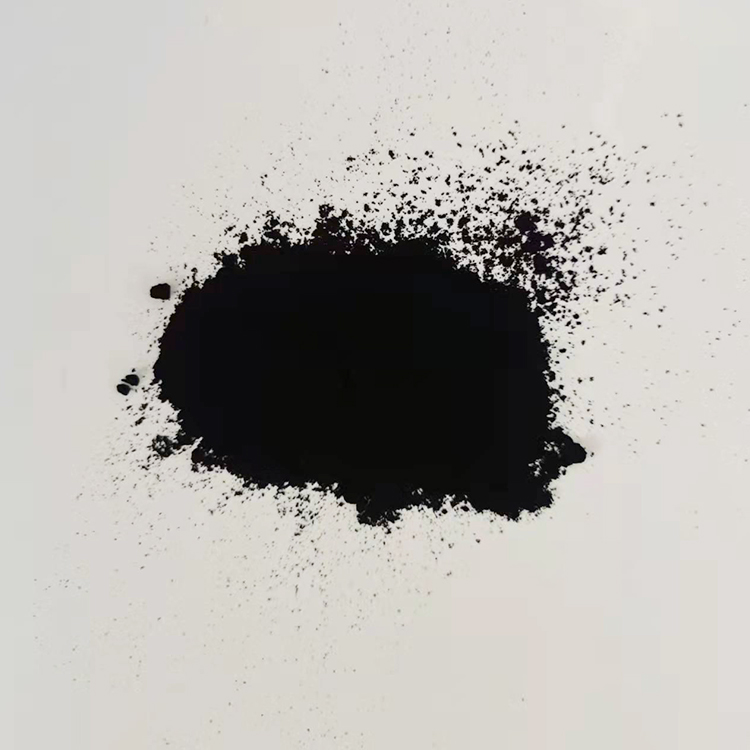
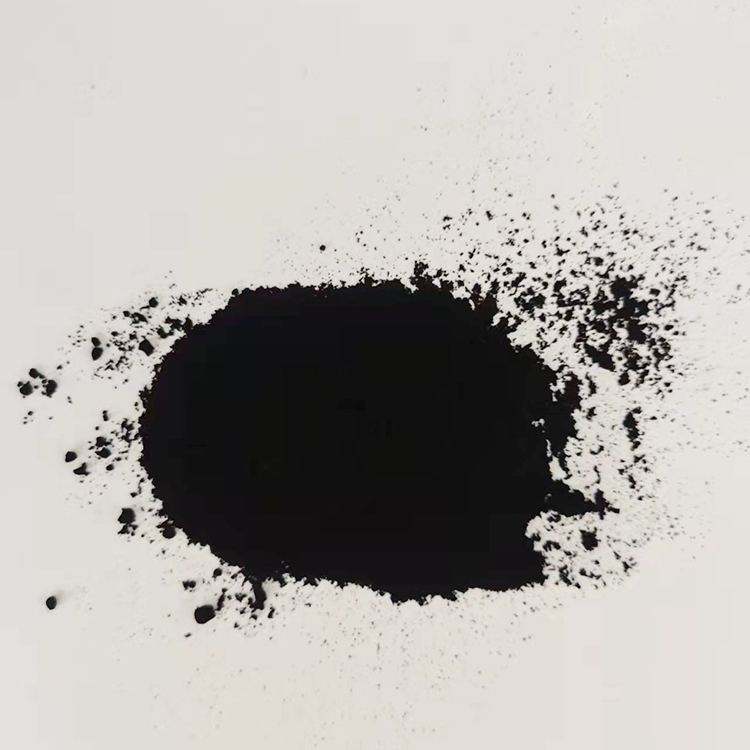
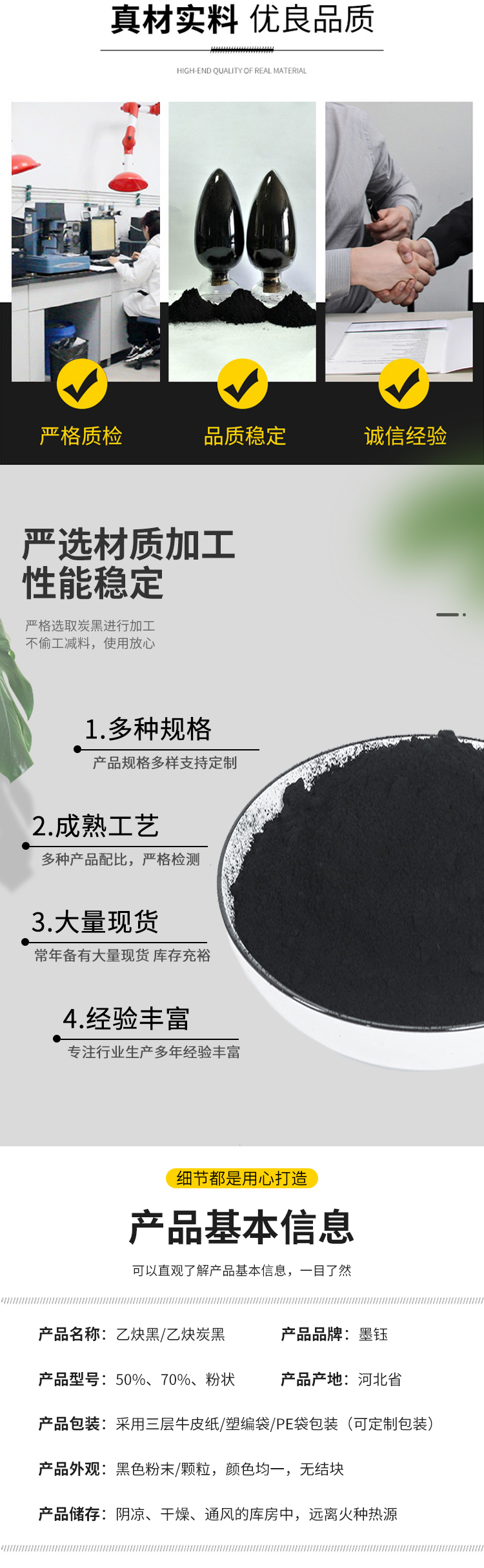
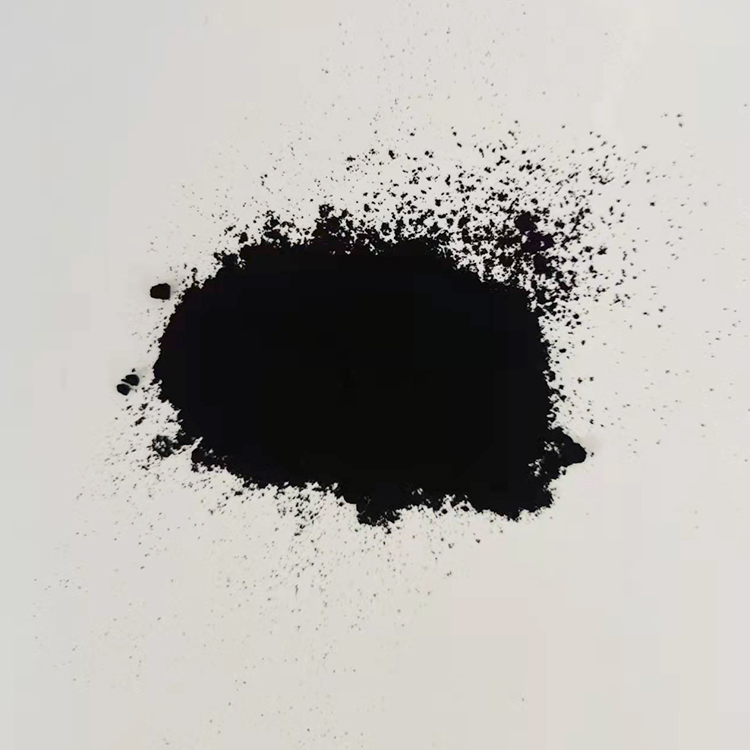
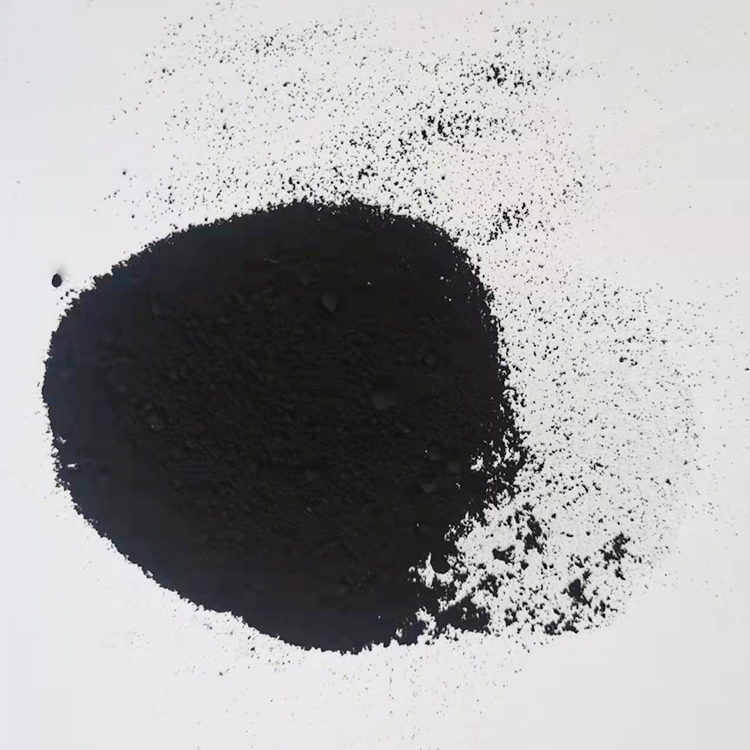
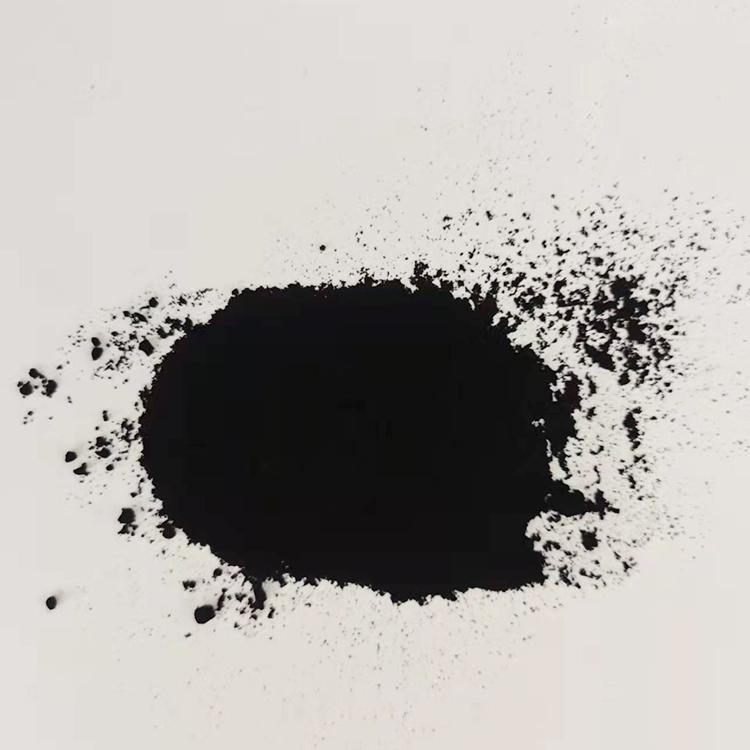
Acetylene carbon black is a very fine black powder, with a relative density of 1.95 (determined by nitrogen displacement method). The apparent density is 0.2 to 0.3 g/cm3. The average particle size is 30 to 45 nm. The specific surface area is 55 to 70 m2/g. The iodine adsorption value is 60 to 80 gI2/kg. Acetylene carbon black has a high purity, with carbon content greater than 99.5%, hydrogen content less than 0.1%, and oxygen content between 0.07% and 0.26%. The pH value is 5 to 7. It has a low resistivity, offering excellent conductivity, thermal conductivity, and resistance to static effects.