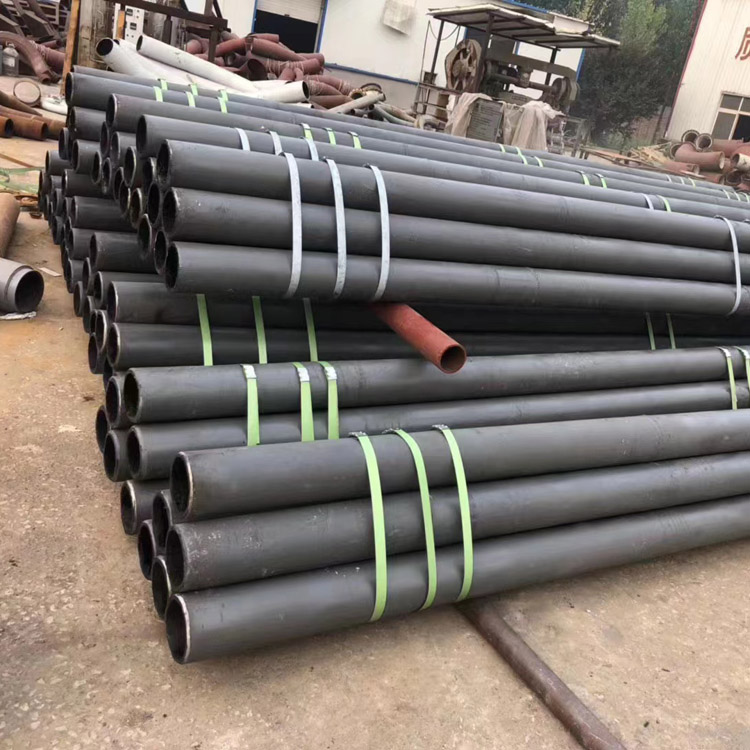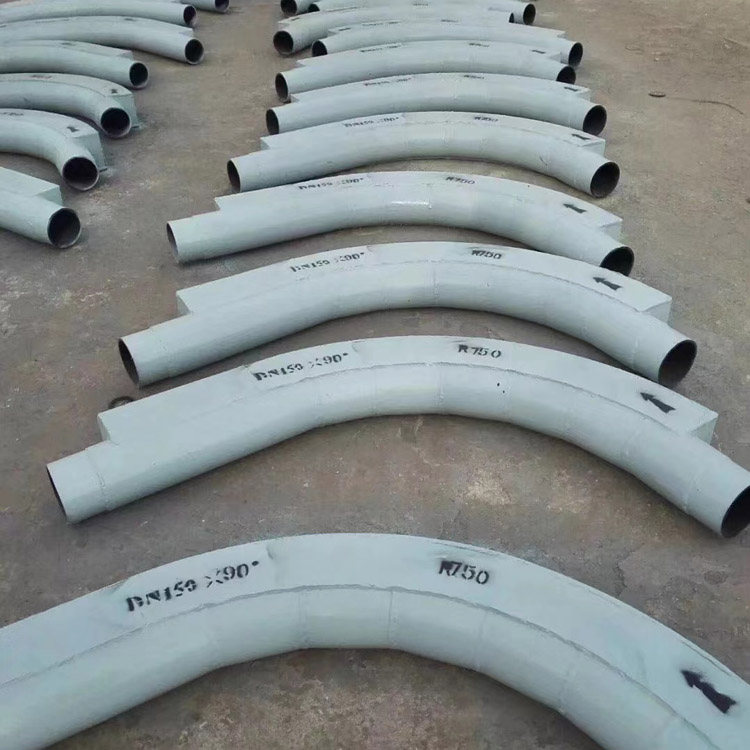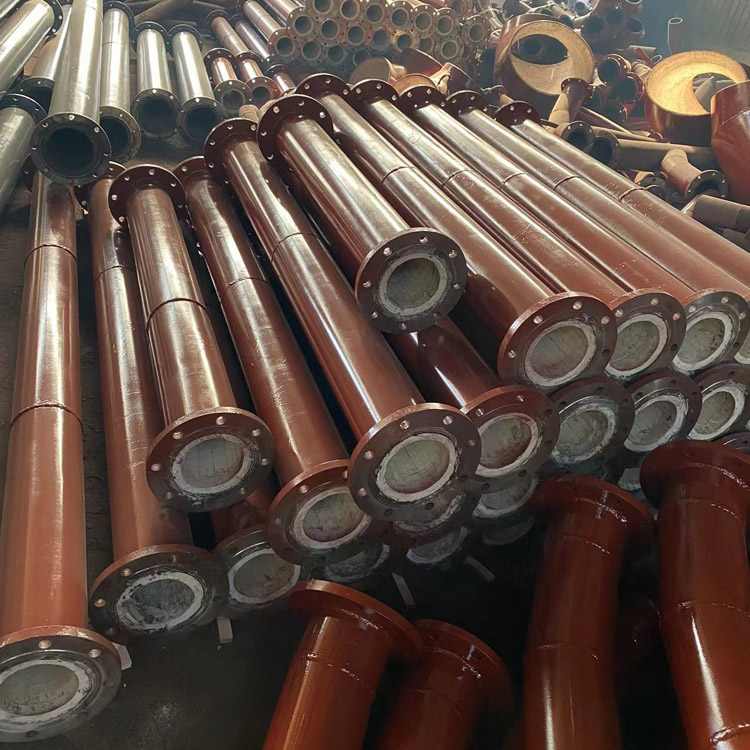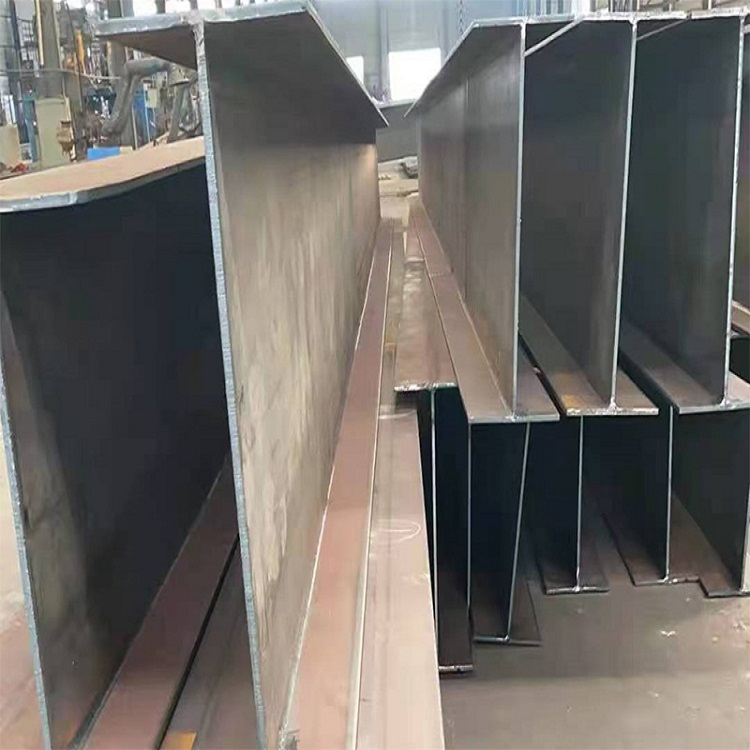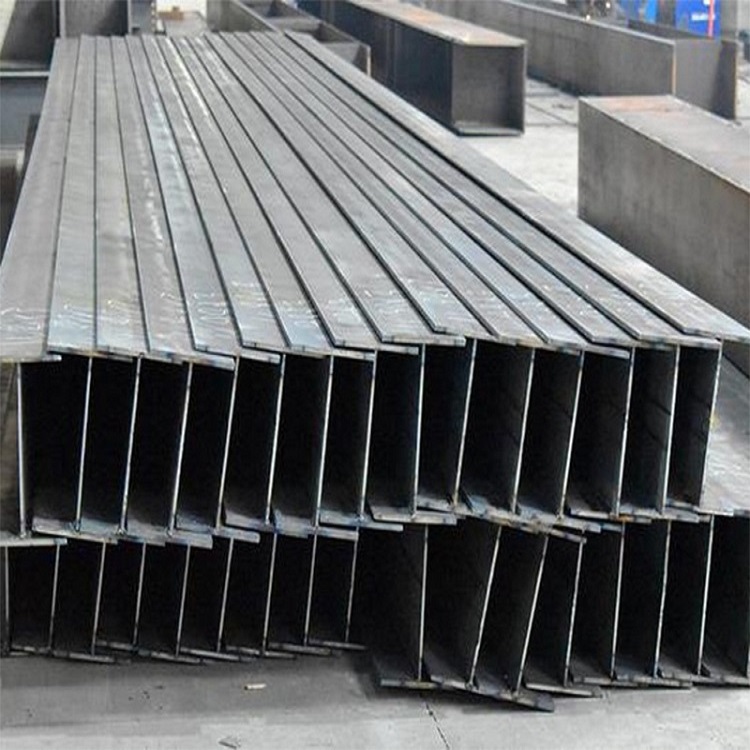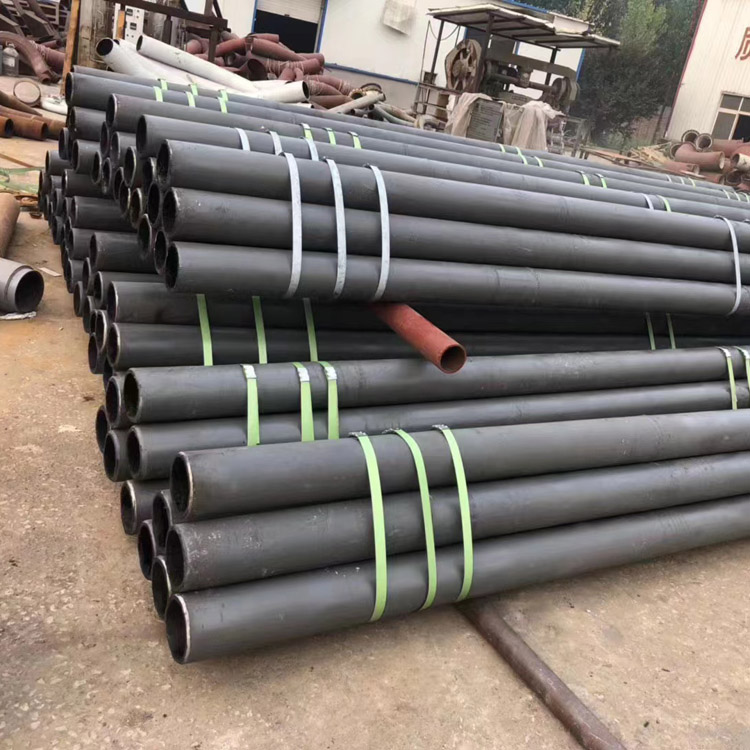













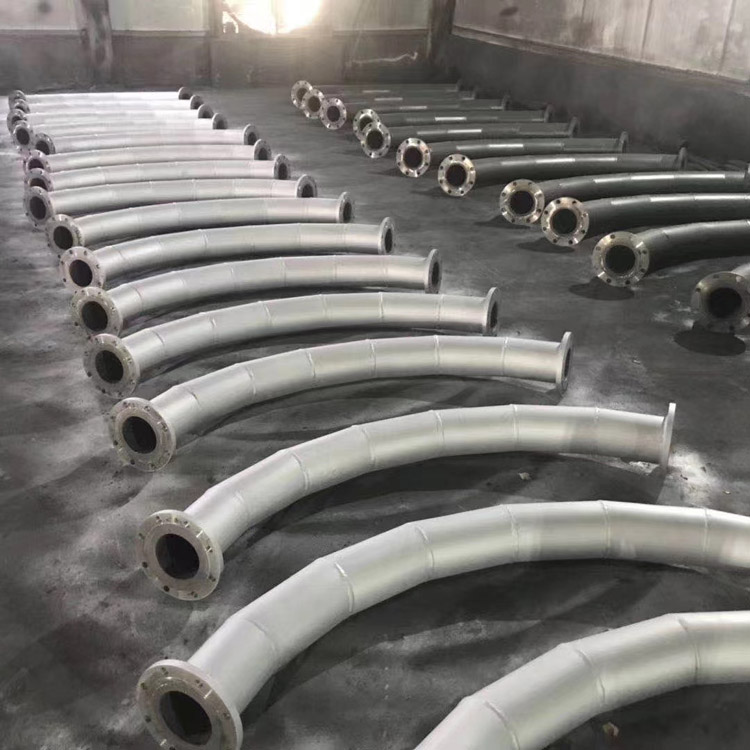
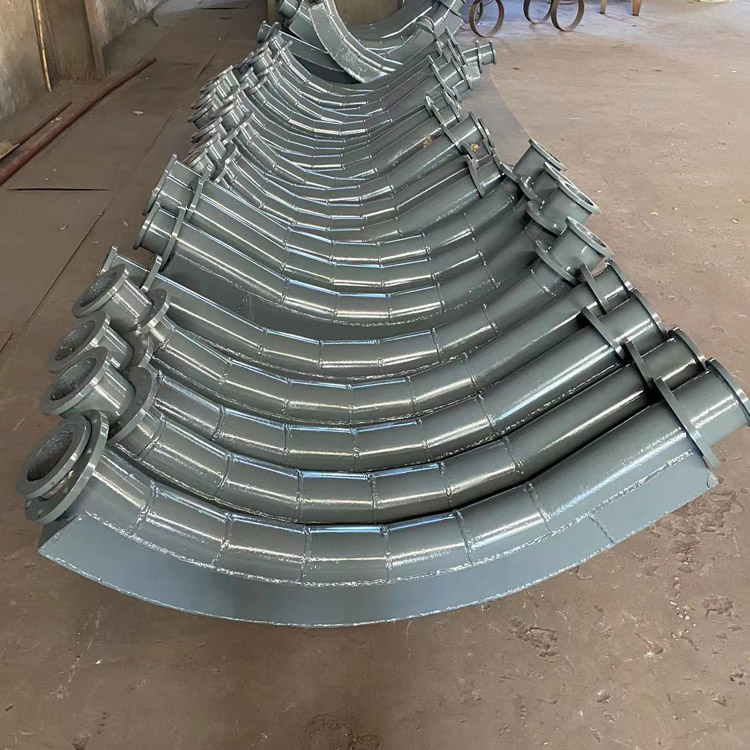
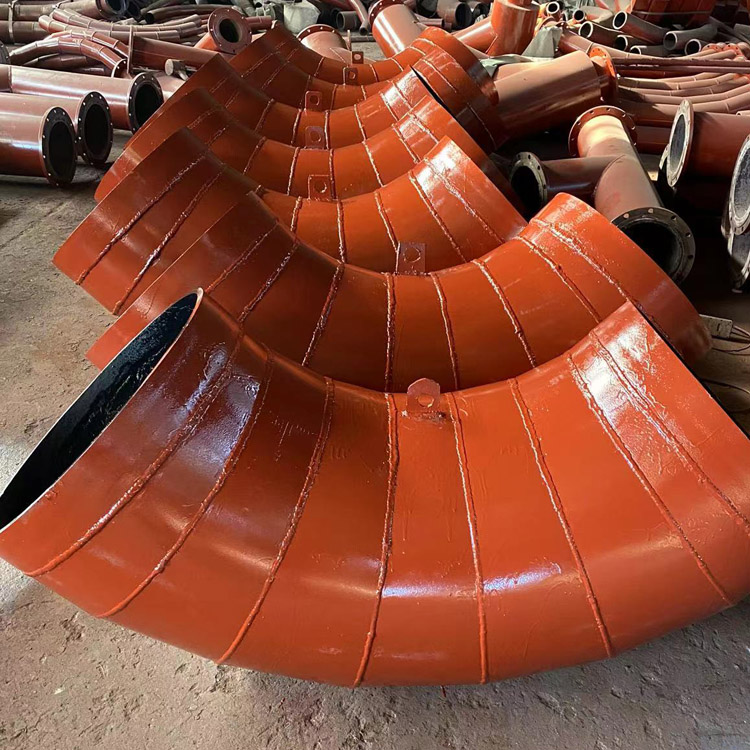


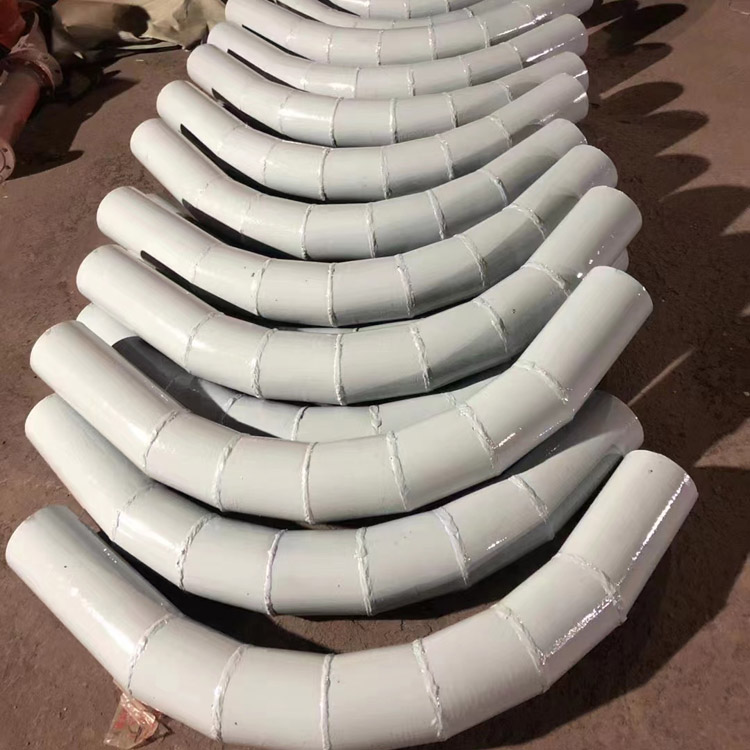
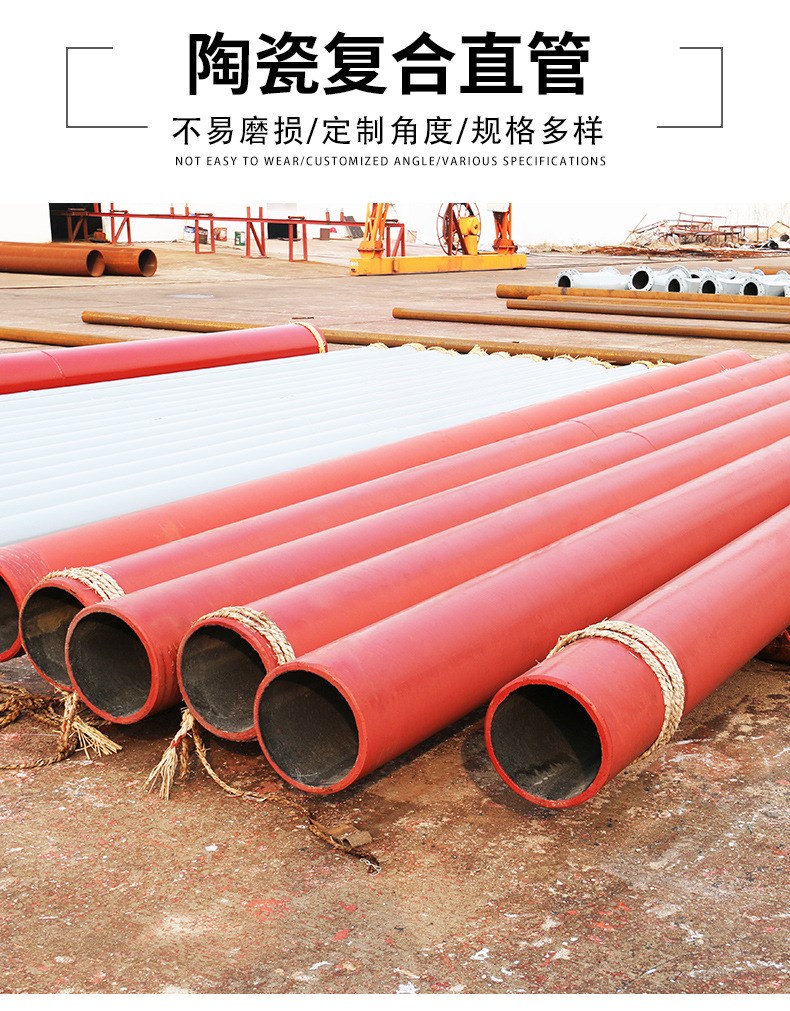
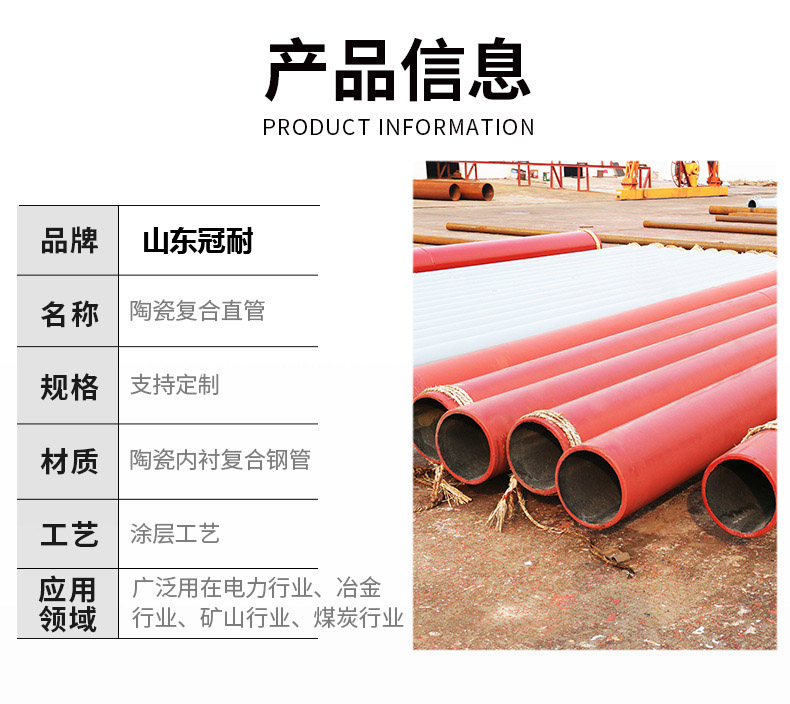
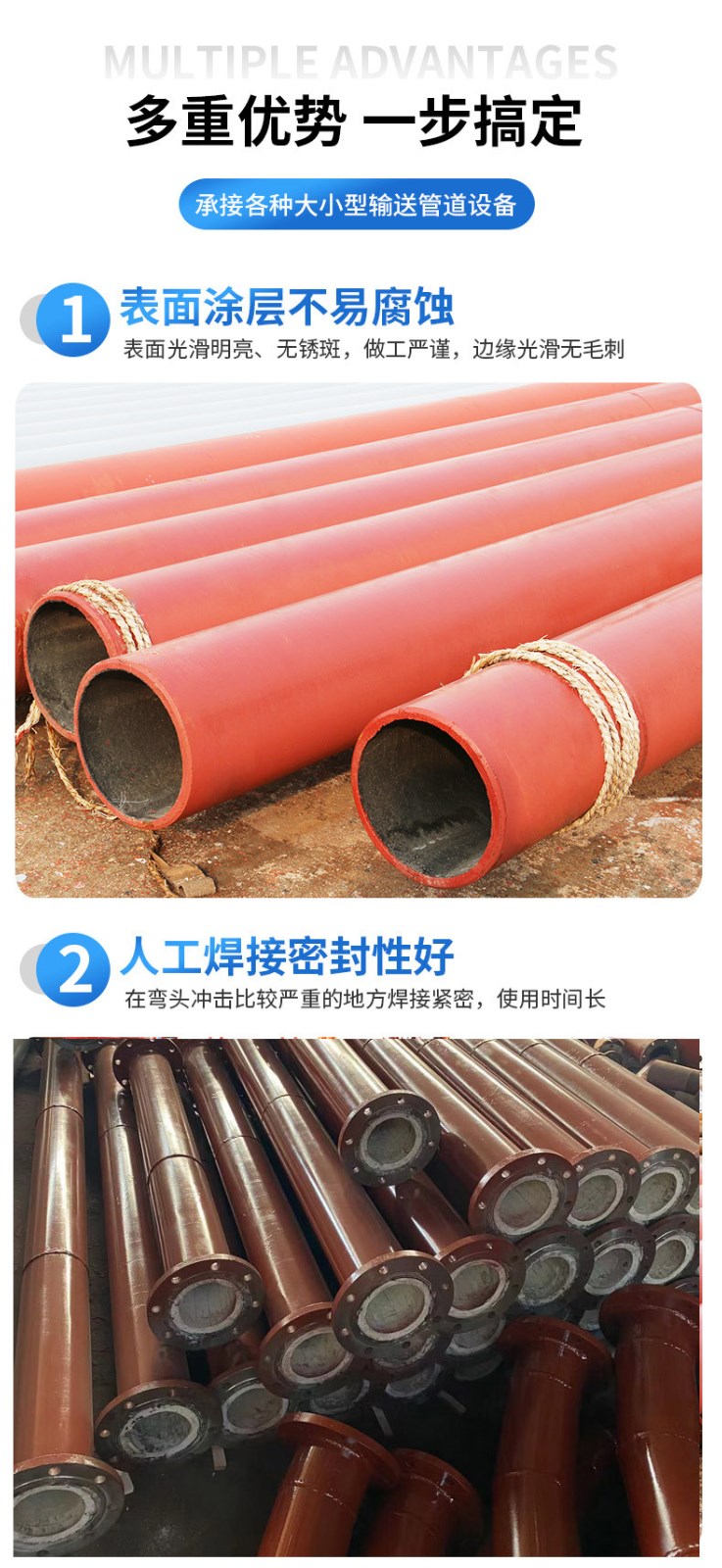
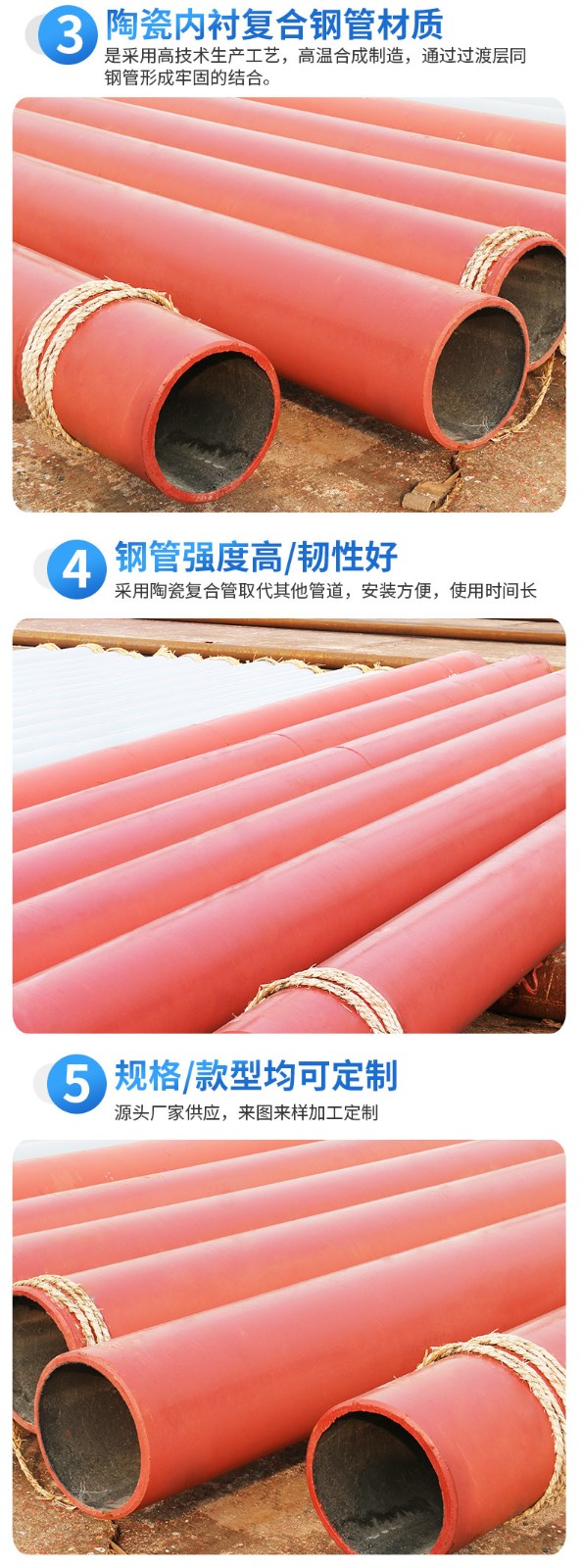


Due to its wear-resistant, corrosion-resistant, and heat-resistant properties, this pipe is widely applicable in industries such as power, metallurgy, mining, coal, and chemicals for conveying abrasive particles like sand, stone, coal powder, slag, and aluminum melt, as well as corrosive media, making it an ideal wear and corrosion-resistant pipeline.
1. Applications in the metallurgy and power industries
Metallurgy and power industries require a significant amount of metal pipelines annually for conveying coal powder, slag, slurry, and lime gypsum slurry. Replacing other pipelines with ceramic composite pipes offers advantages such as high wear resistance, extended lifespan, easy installation, and substantial economic benefits. These pipes have been in operation in industrial facilities like Changrun Thermal Power Plant in Liaocheng, China, Zhonghua Power Plant in Liaocheng, Beijing New Building Materials Group, Henan Hebi Power Plant, Gansu Pingliang Power Plant, Taiyuan Coal Preparation Plant, Hunan Shimen Power Plant, Gequan Coal Preparation Plant of Hebei Jinjinneng Energy Co., Ltd., and Xingtai Coal Preparation Plant, where their service life is several to even dozens of times longer than that of steel pipes.
2. Applications in Mining and Coal Industry
(1) Mine: Severe wear on pipelines from ore filling, concentrate powder, and tailings transportation. Previously used ore powder conveying pipelines, such as those at Panzhihua and Daye mines, have a lifespan of less than a year. Switching to this pipe can increase the lifespan by about 5 times.
(2) Coal: Wet transportation is commonly used for coal selection and long-distance pipeline coal transportation, requiring pipes that are both wear-resistant and corrosion-resistant. Using such pipes can serve as long-life transport pipes, offering significant economic benefits.
3. Miscellaneous
The pipe does not contaminate or stick to molten aluminum. It is an ideal material for manufacturing aluminum melting equipment, aluminum liquid transfer pipes, and lifting pipes, which are sensitive to iron contamination and require extensive labor for cleaning and maintenance after use.
(2) This pipe is suitable for conveying corrosive materials containing solid particles, as well as high-temperature corrosive gases, sulfur-containing geothermal water, and other corrosive media, due to its excellent wear resistance and heat resistance.