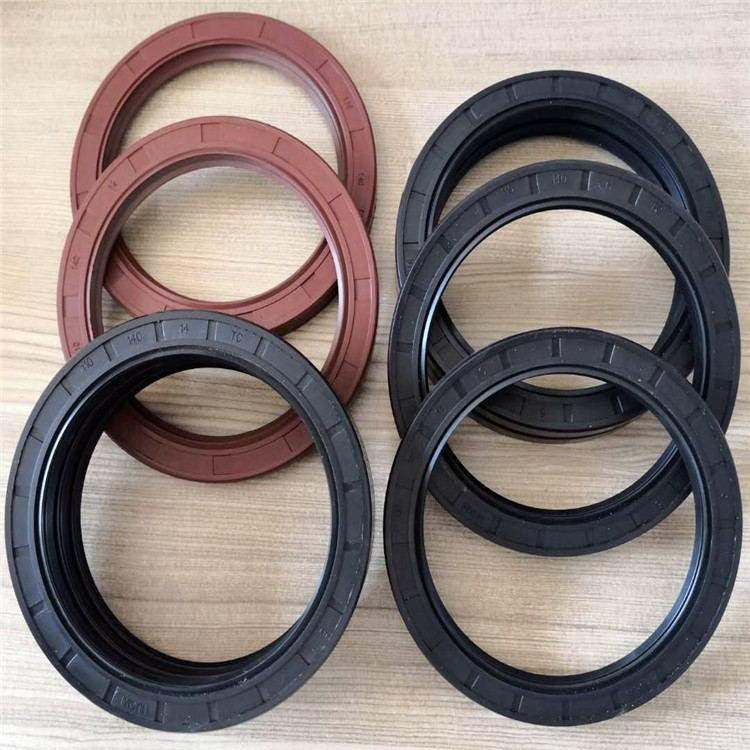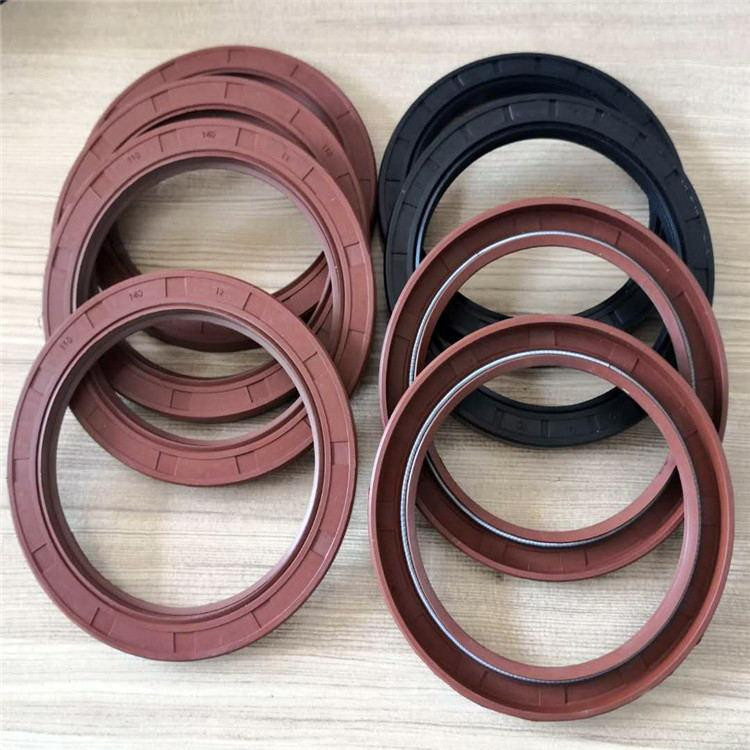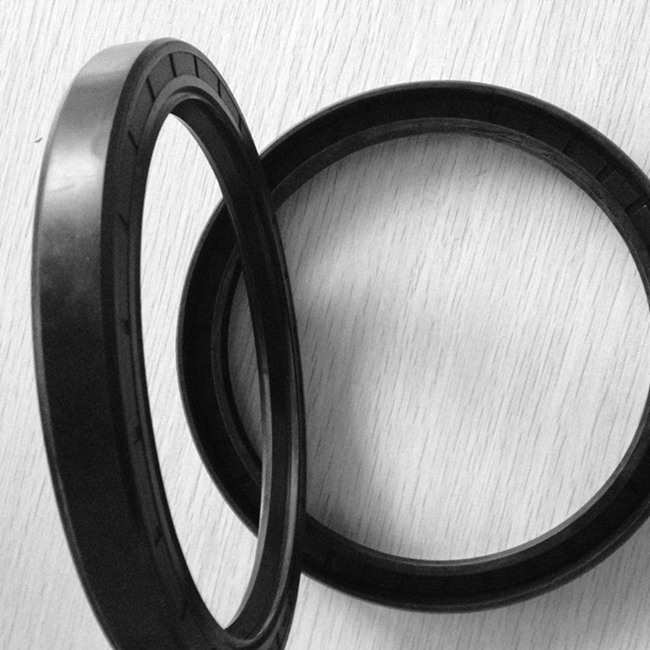







First Grade.
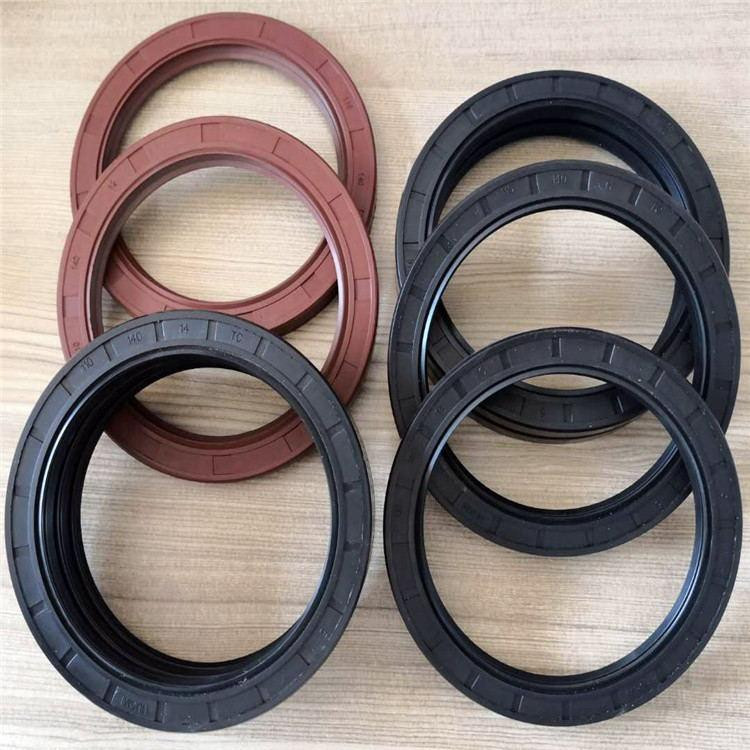
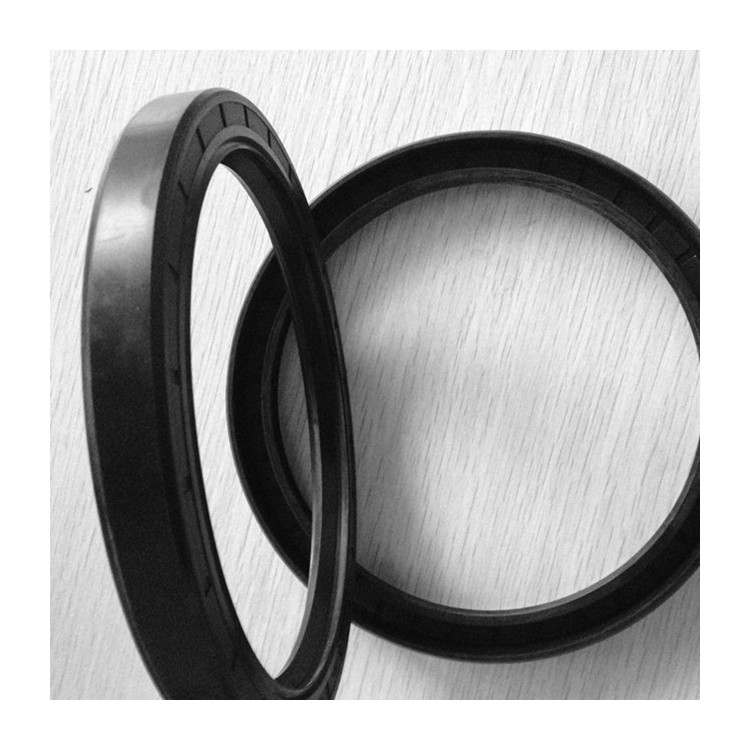
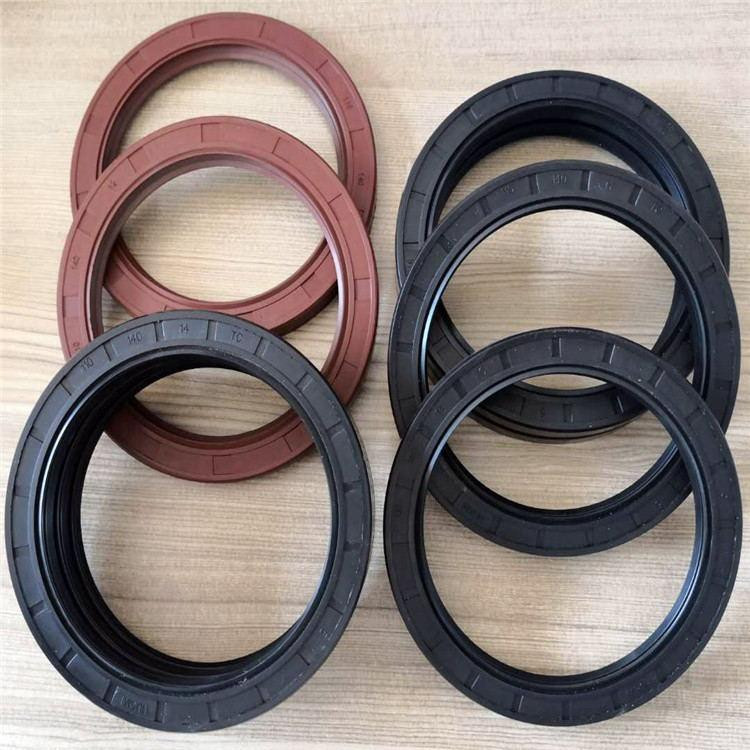
These floating oil seals are installed on car doors, working in conjunction with the door frame floating oil seals to enhance their sealing function (classified as a closed seal) to compensate for the insufficient sealing of the door frame seals. Such floating oil seals are typically mounted using pop rivets or adhesive tape.
2. Windshield Floating Seal
This type of floating oil seal seals and fixes the body to the windscreen, differing from the aforementioned types as it remains in a sealed state after installation, is always under tension, and is a static seal, commonly fixed in an embedded manner.
Currently, in China, the determination of the mounting method for floating oil seals and the selection of skeleton materials are primarily based on the requirements of vehicle manufacturers, i.e., the selection is made according to the product drawings provided by the vehicle manufacturers. However, from the development trends of some foreign floating oil seal companies, automotive components are moving towards modularization. Issues such as the mounting method of floating oil seals to the body are increasingly being decided through joint selection and design by both vehicle manufacturers and floating oil seal factories.
3. Door frame strips, luggage cases, hood strips.
These floating oil seals typically consist of a sealing section and a clamping section. The sealing section commonly takes the form of sponge tube (single tube, double tube), which belongs to the variable floating oil seal. The fixed section is the clamping section (with or without a frame).
4. Guide slots, inner and outer strips.
These floating oil seals, being in the glass lifting components, are typically covered with velvet or a spray coating on the surface that contacts the glass. This not only reduces friction resistance and noise, as well as aids in surface cleaning, but also serves as a sealing function with the sealing lip (a type of sliding seal).
Flocked: Available for single-sided or double-sided flocking, and can be embedded with a frame. The flocking process is relatively complex and costly in terms of manufacturing. Currently, many vehicle models use a coating, and these floating oil seals are typically fixed with an embedded design.