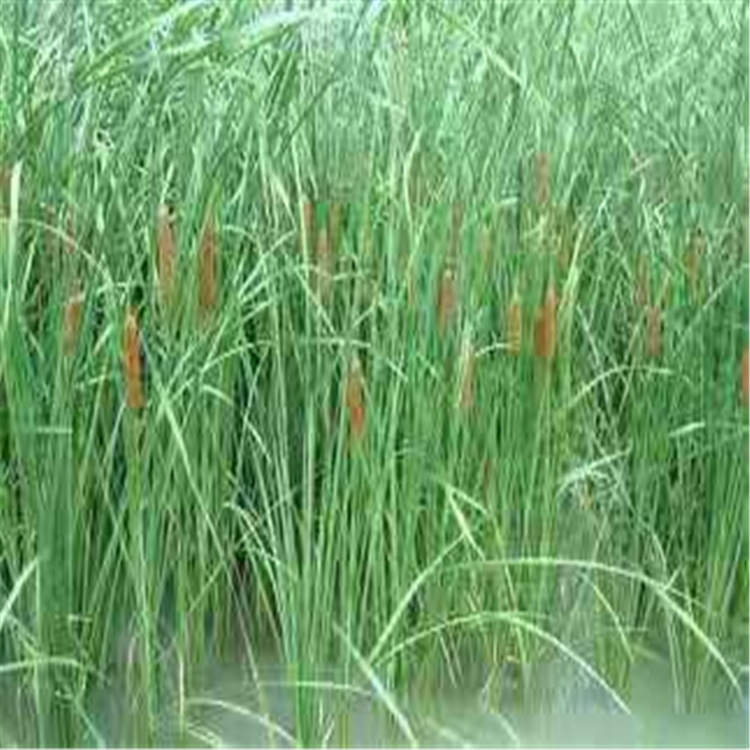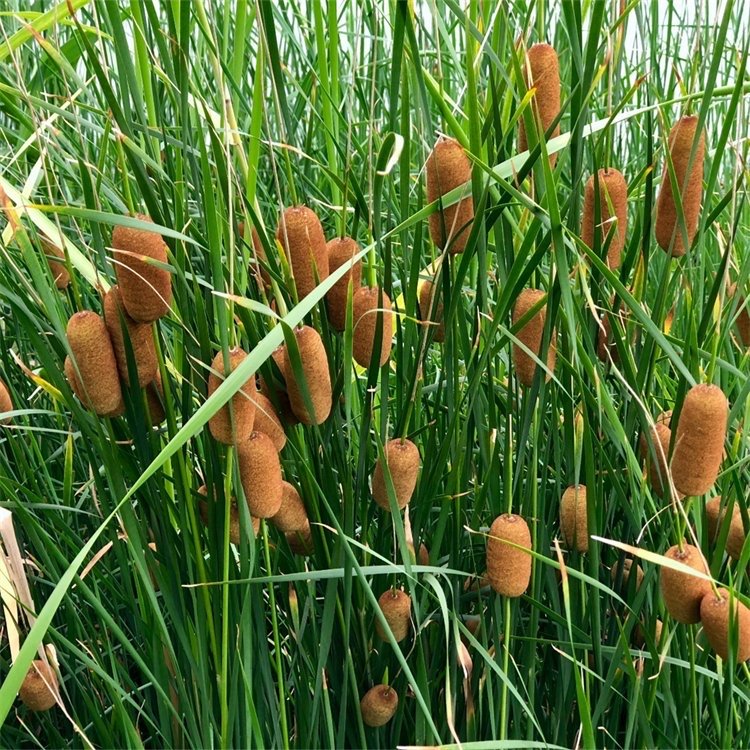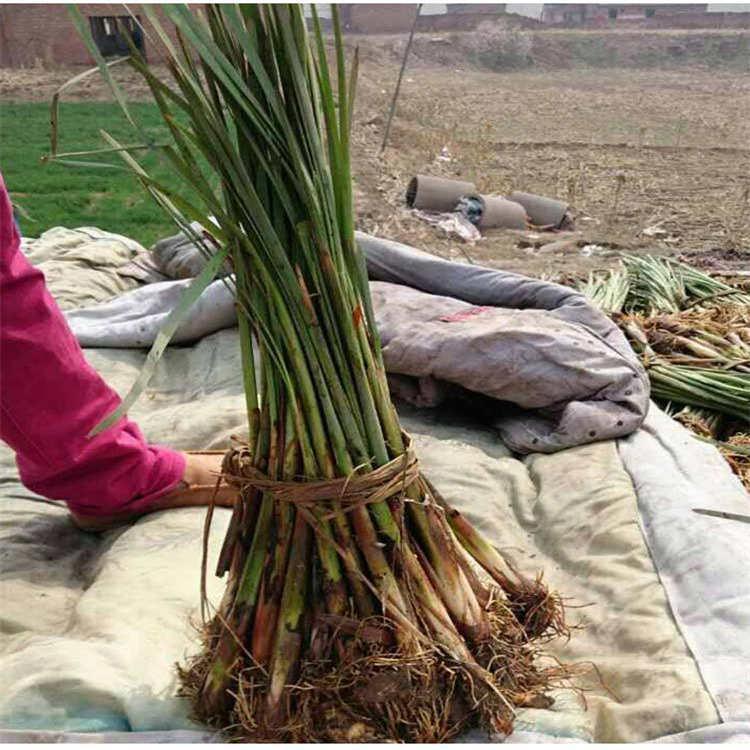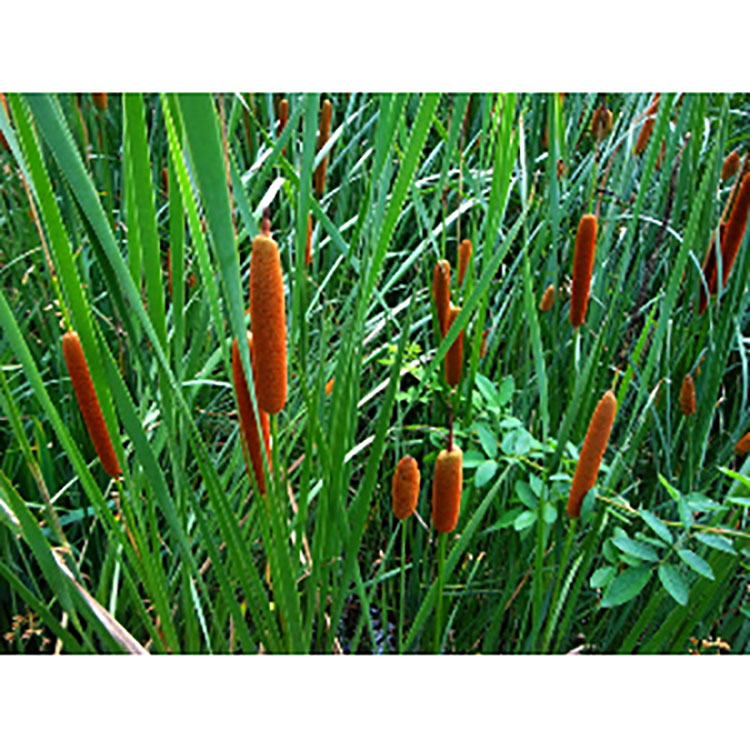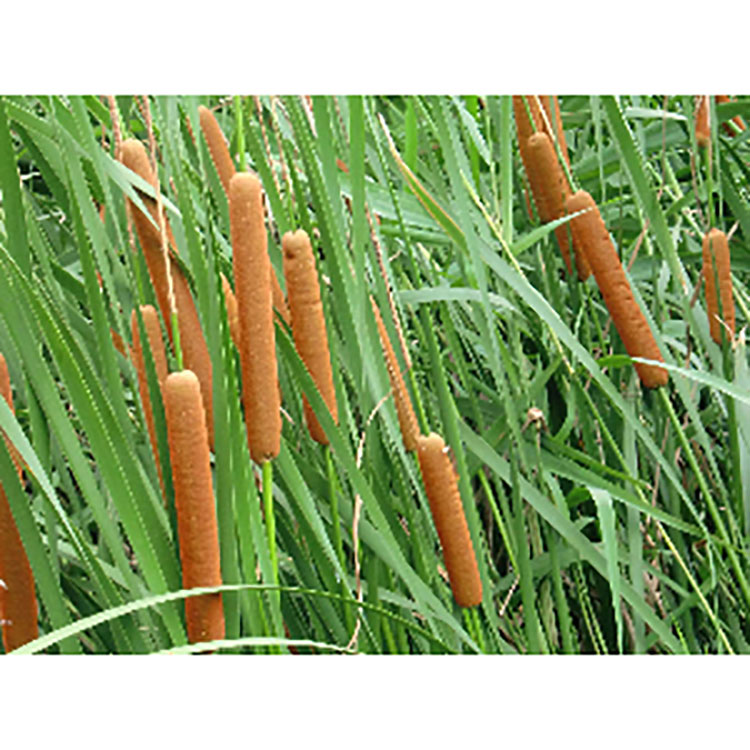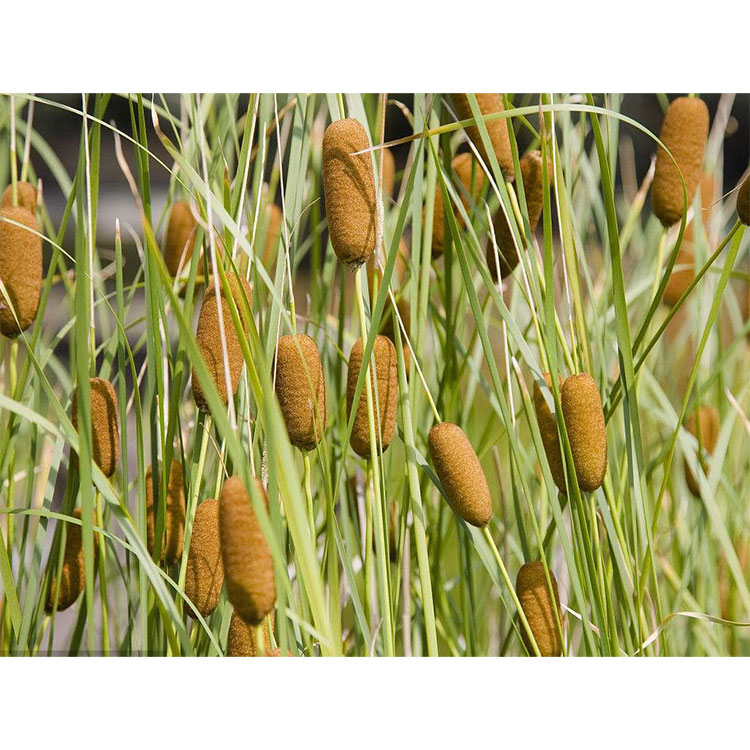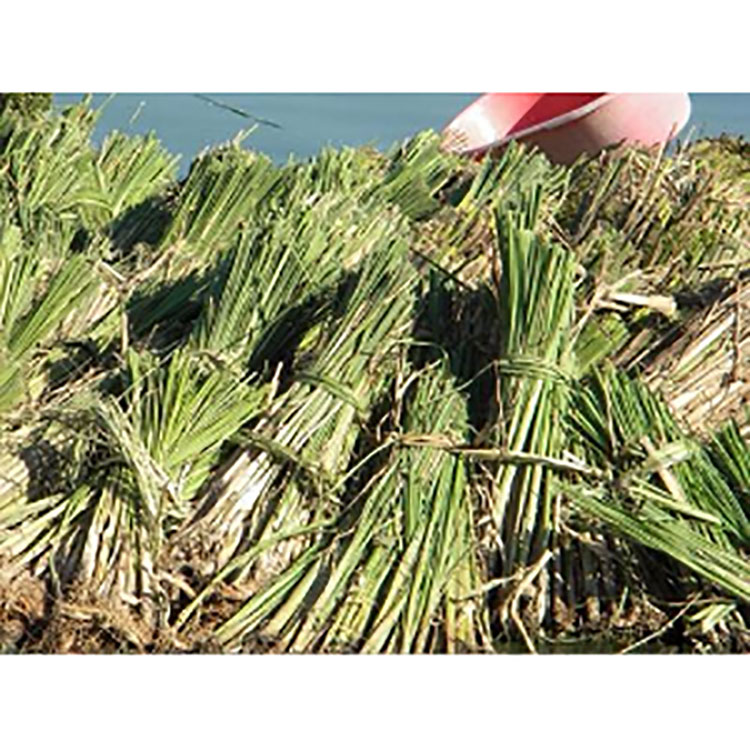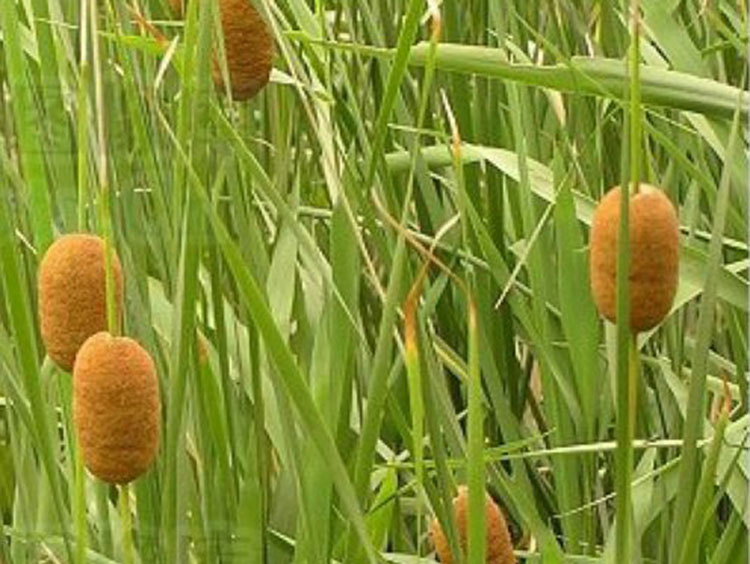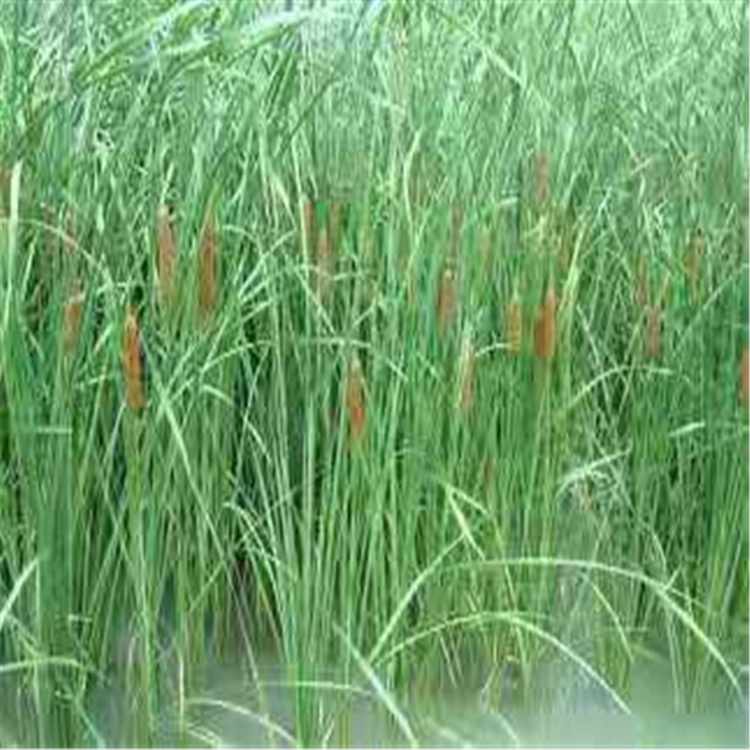

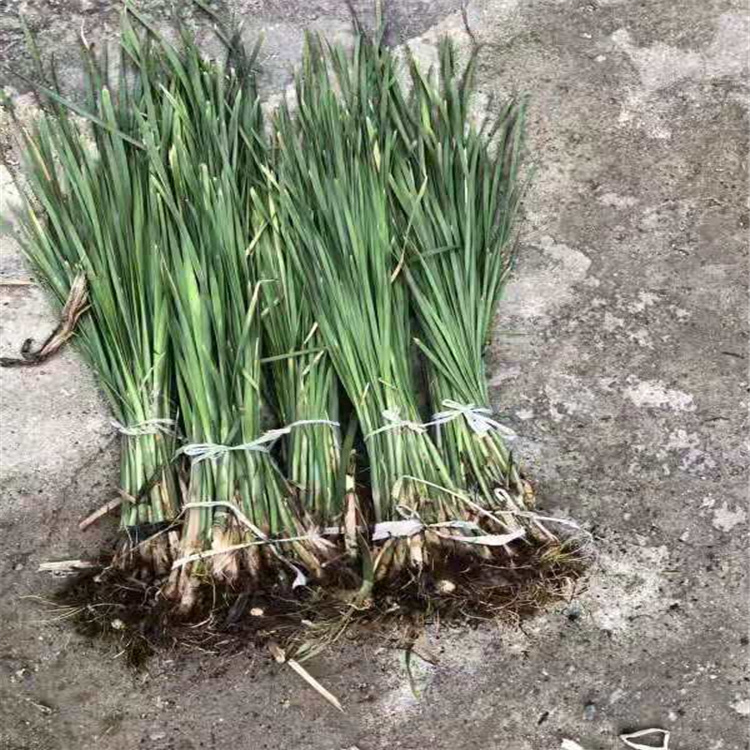
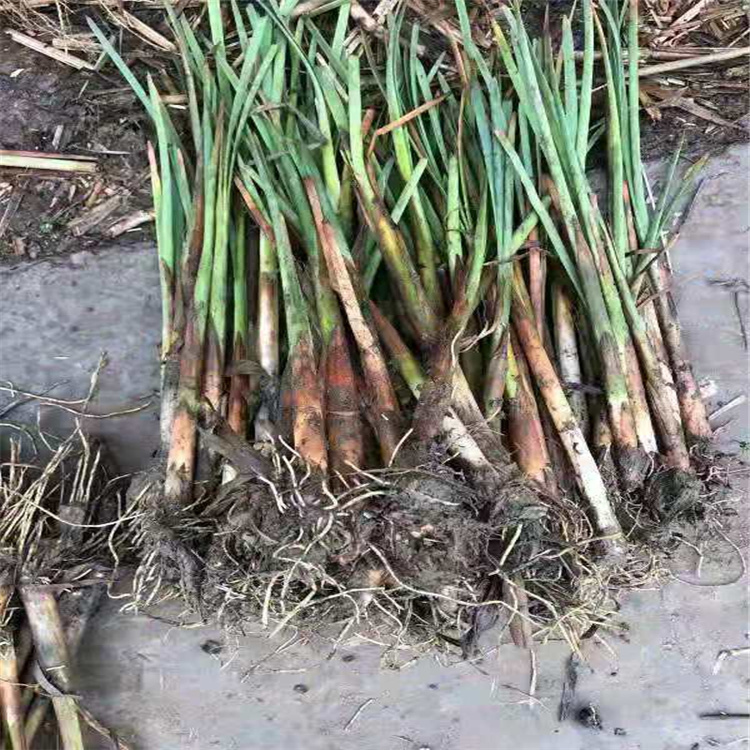


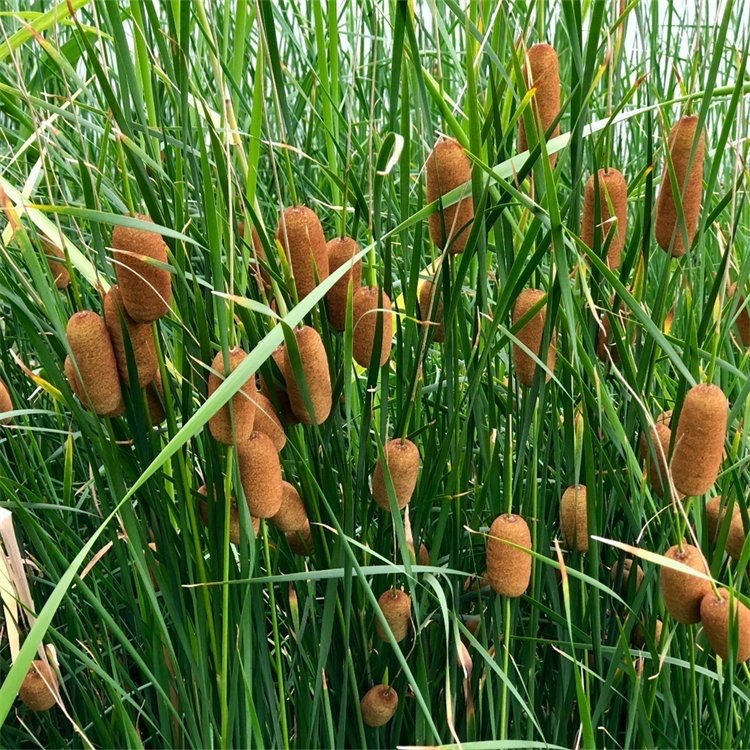
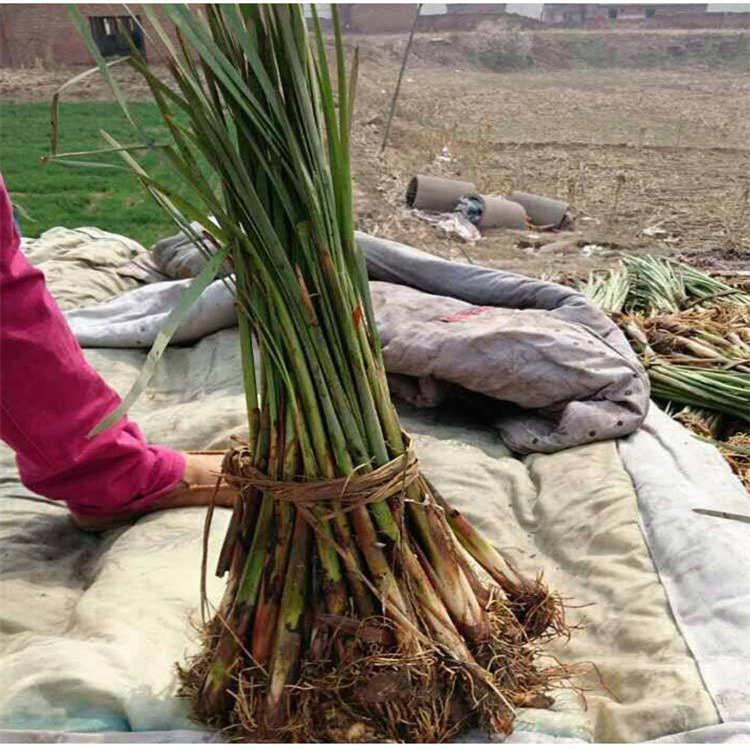
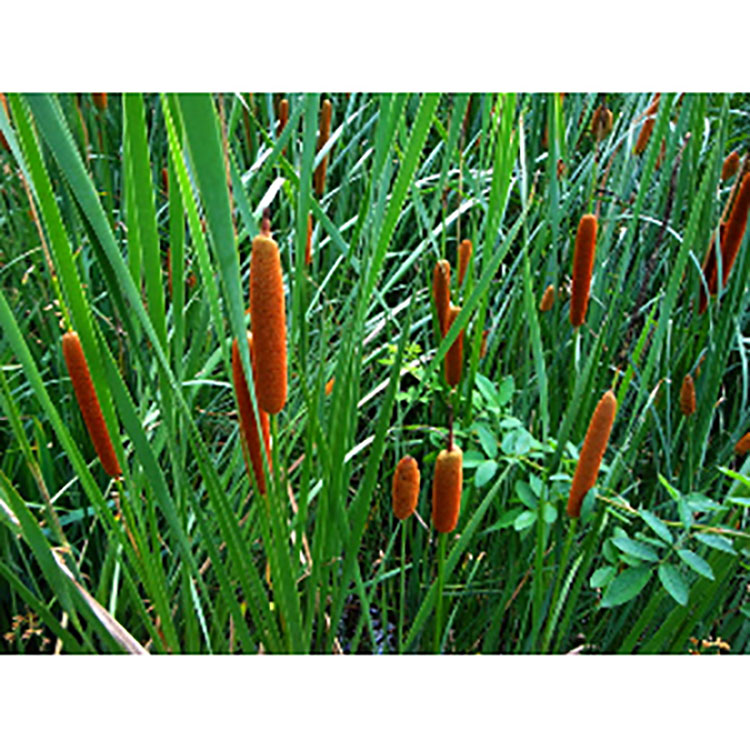
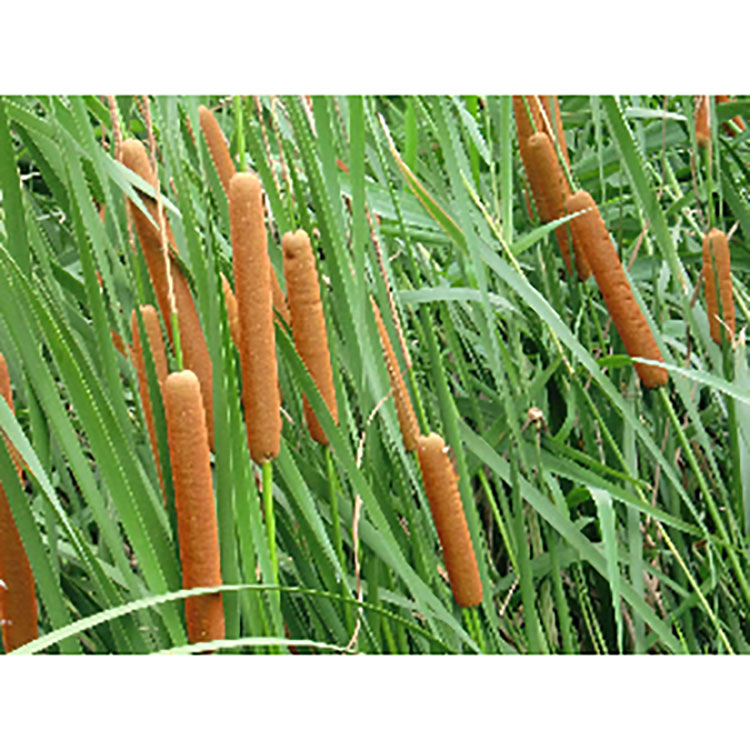
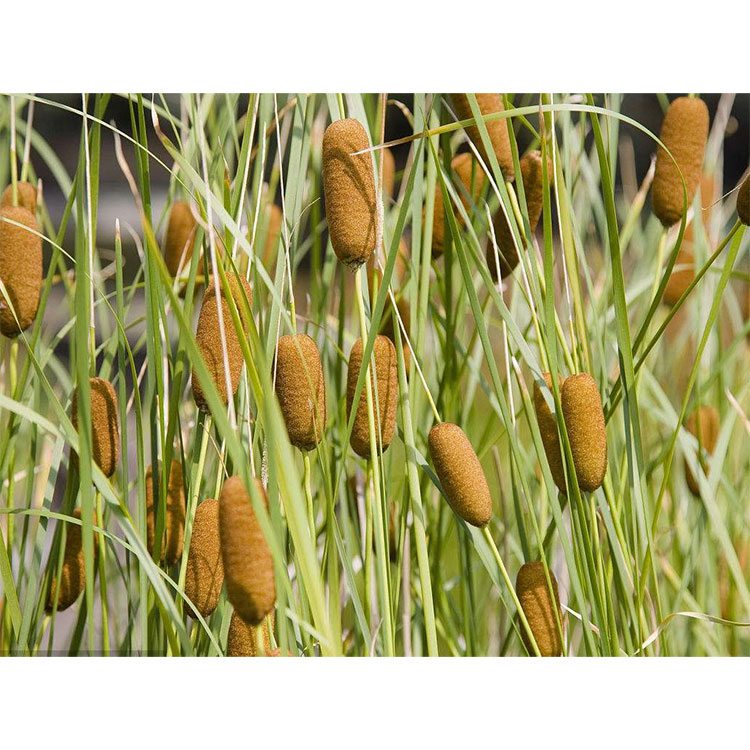





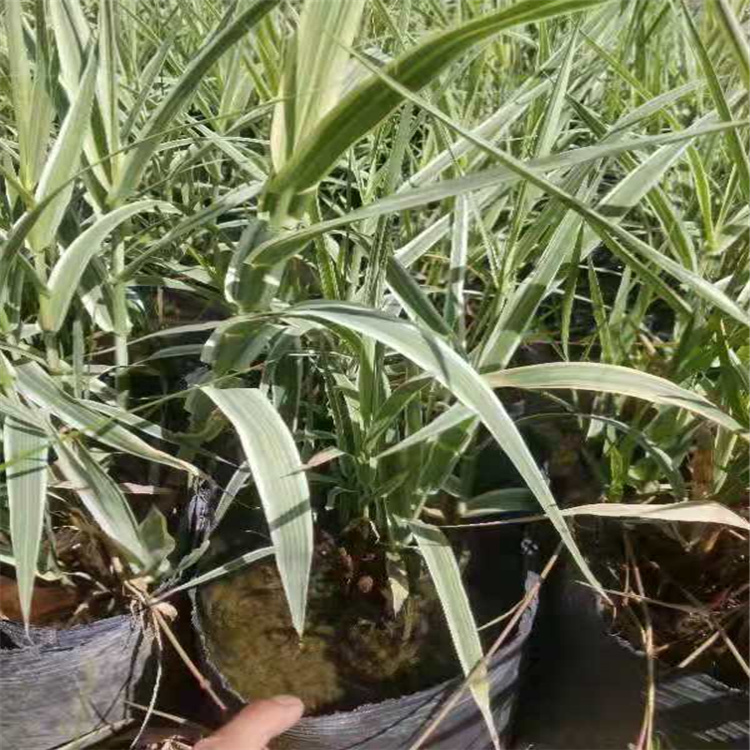

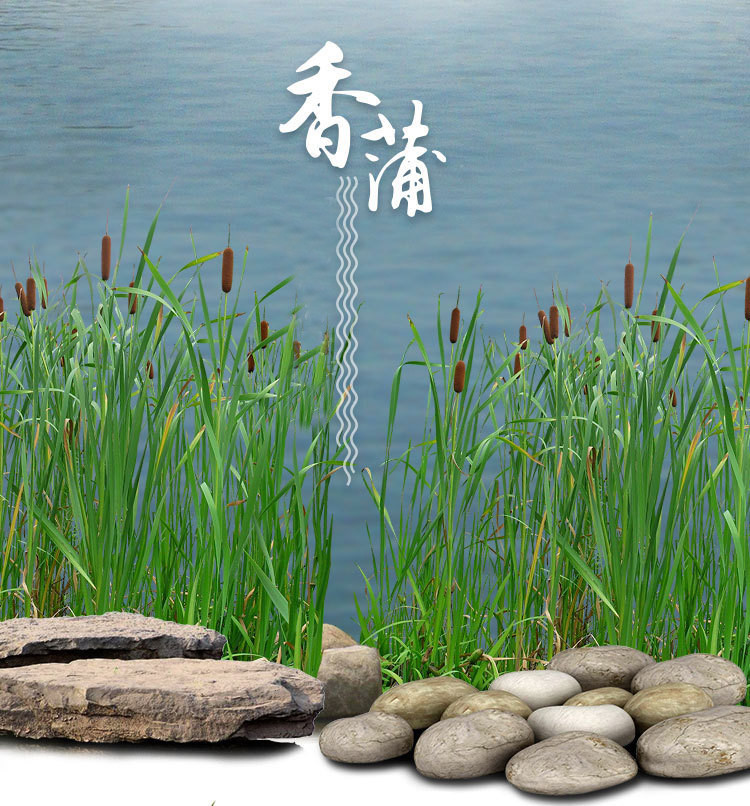
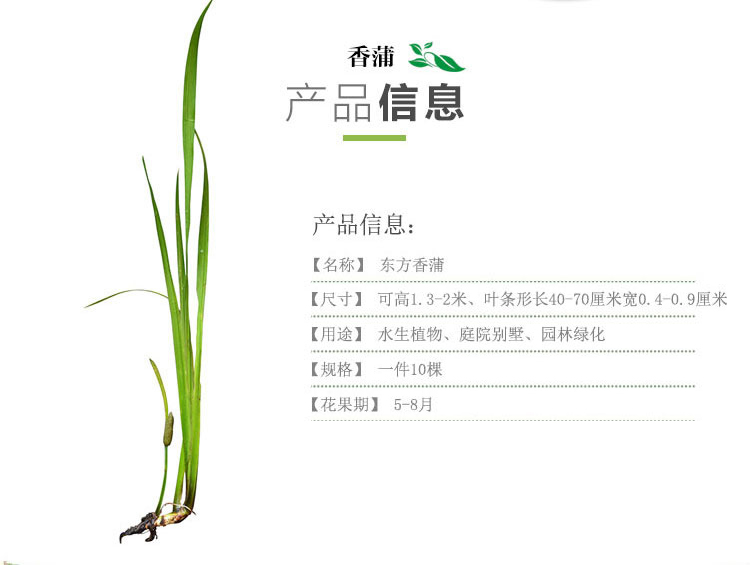
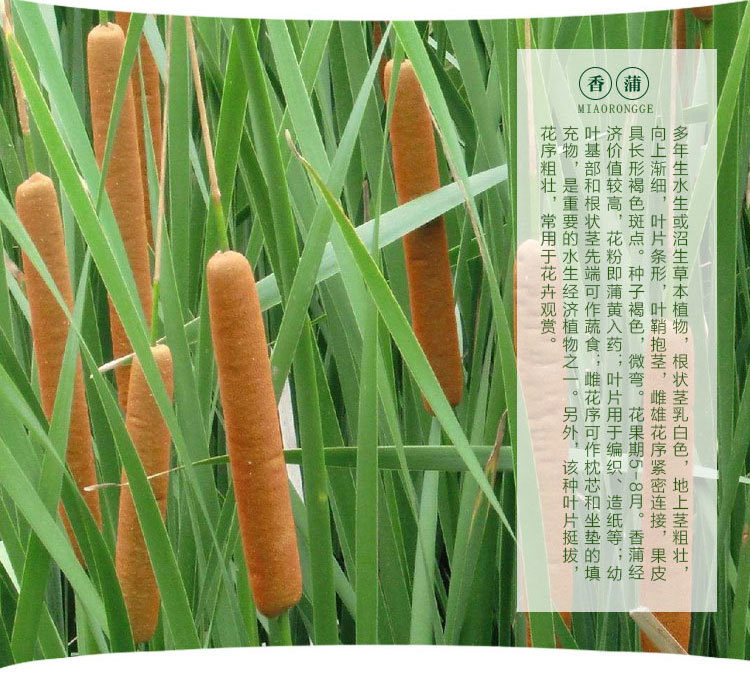
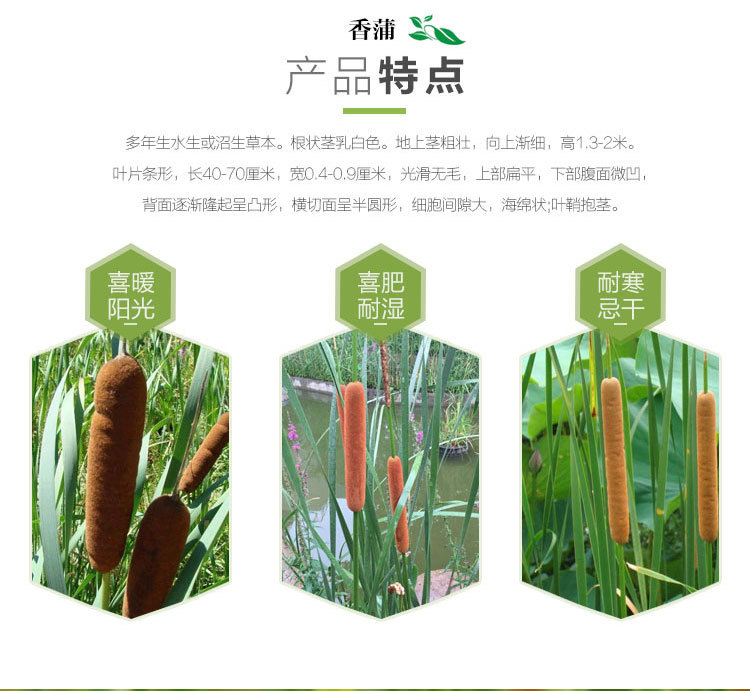
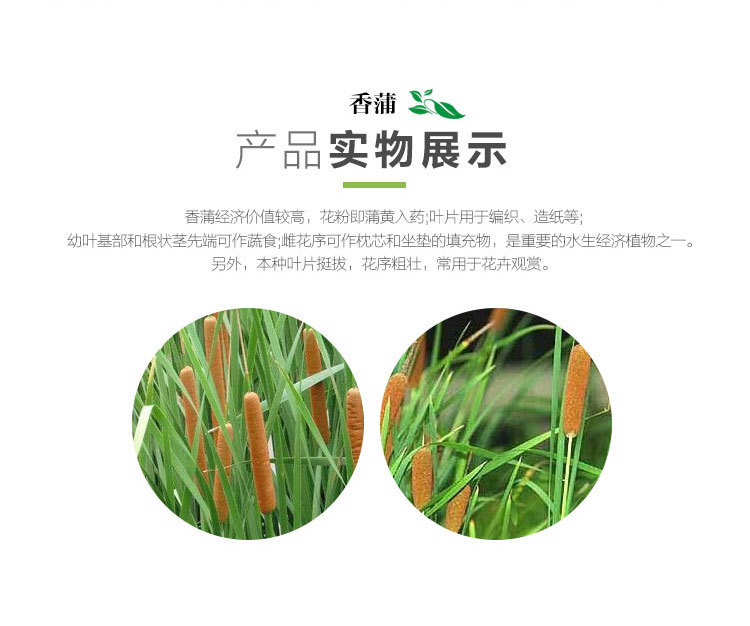
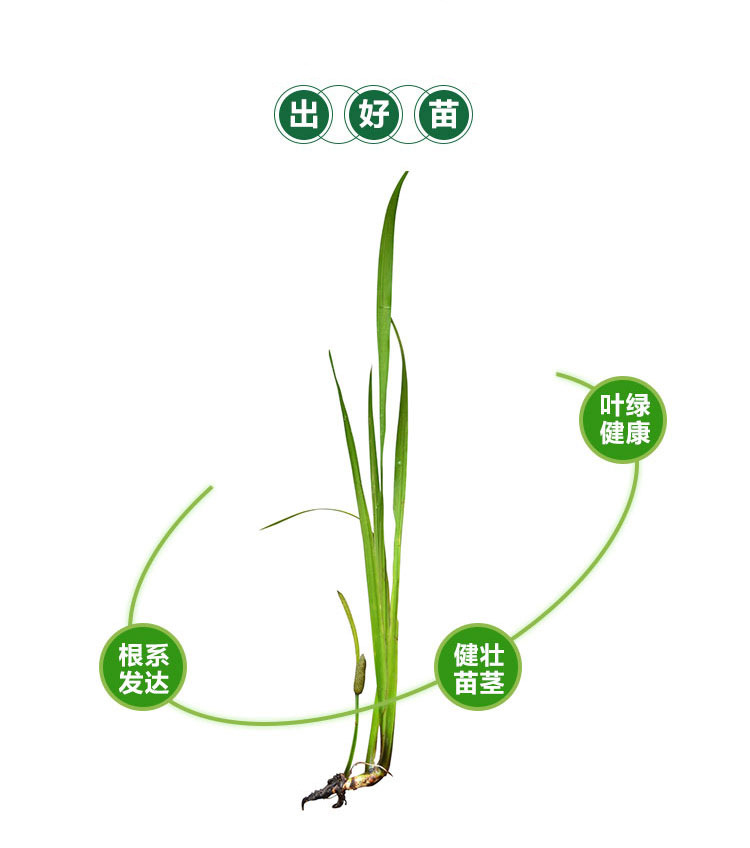
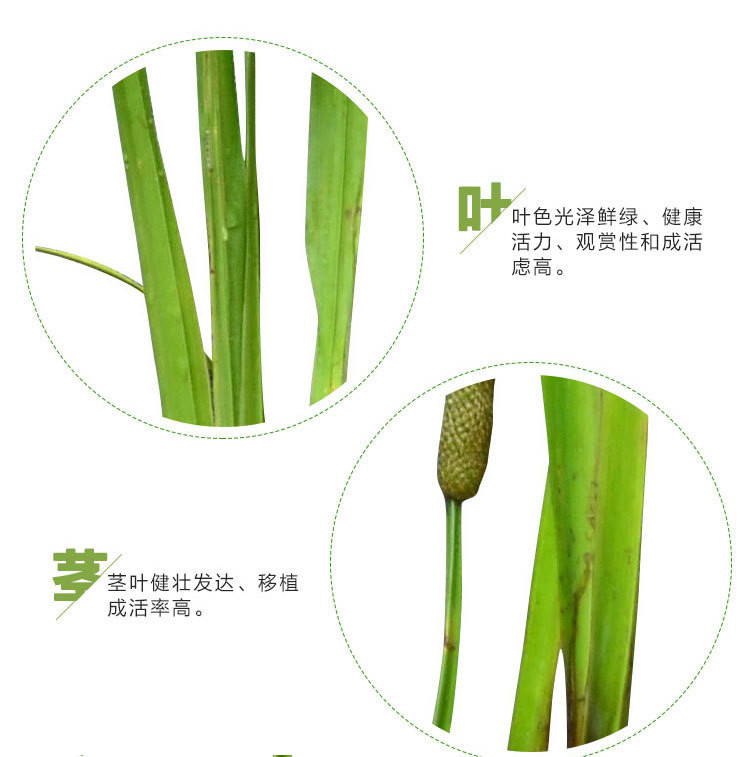

Perennial aquatic or marsh herb. Rhizome. Upright stem, gradually narrowing upwards, 1.3-2 meters tall. Linear leaves, 40-70 cm long, 0.4-0.9 cm wide, smooth, upper part flat, lower part slightly concave ventrally, back convex, cross-section semicircular, large intercellular spaces, spongy; leaf sheath embracing the stem. Male and female inflorescences closely connected; male spike 2.7-9.2 cm long, rachis with white curved segments, 1-3 leafy bracts at base, shed after flowering; female spike 4.5-15.2 cm long, with 1 leafy bract at base, shed after flowering; male flowers usually composed of 3 stamens, occasionally 2 or 4 fused stamens, anthers about 3 mm long, 2-chambered, linear, pollen grains monads, filaments very short, fused at base into a short peduncle; female flowers without bracteoles; fertile female flower stigma spoon-shaped, curved outward, about 0.5-0.8 mm long, style 1.2-2 mm long, ovary纺锤形 to lanceolate, style slender, about 2.5 mm long; female flower ovary about 1.2 mm long, nearly conical, apex rounded, undeveloped stigma persistent; white silky hairs usually solitary, occasionally several at base fused, slightly longer than style, shorter than stigma. Small nut ellipsoid to elongate ellipsoid; pericarp with elongated brown spots. Seeds brown, slightly curved. Flowering and fruiting period May to August.
Growth Habit:
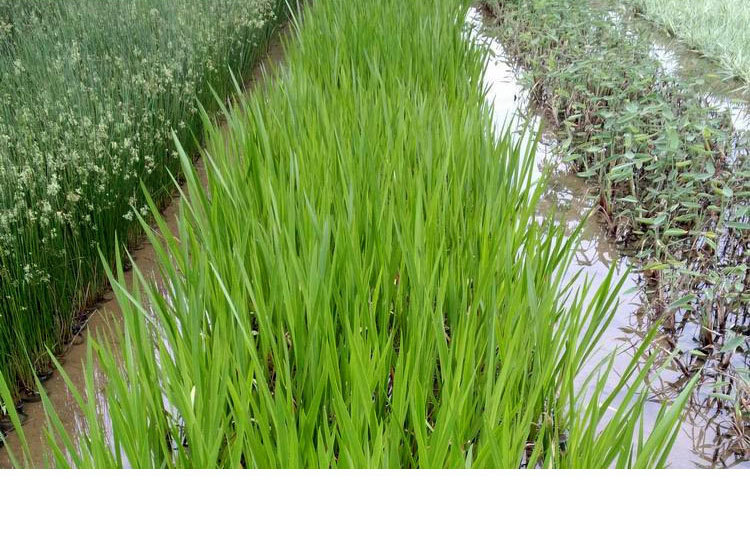
Typha prefers a high-temperature and humid climate, with an optimal growth temperature of 15-30°C. Growth essentially stops when the temperature falls below 10°C. During the winter, it can withstand temperatures as low as -9°C. Plant growth resumes when the temperature exceeds 35°C. It thrives in water depths of 20-60 cm and can also tolerate depths of 70-80 cm. In the Yangtze River basin, it produces flower spikes and blooms from June to July. It is not picky about soil, growing well in clay and loamy soils, but prefers loam with more than 2% organic matter and a deep, fertile silt layer.
Breeding Technology:
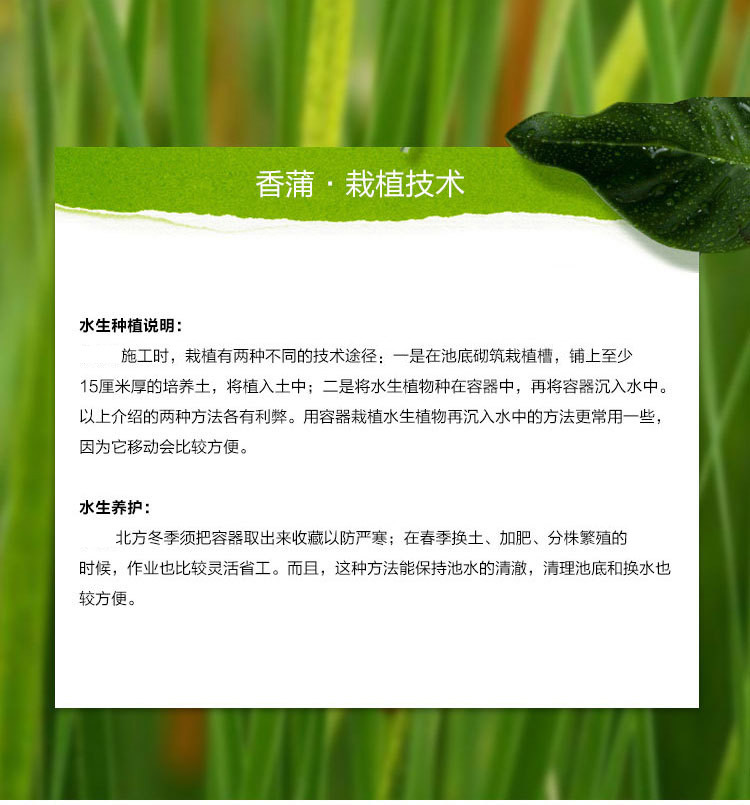
Reeds grow robustly, reproduce simply, and are commonly propagated through division or sowing methods during production.
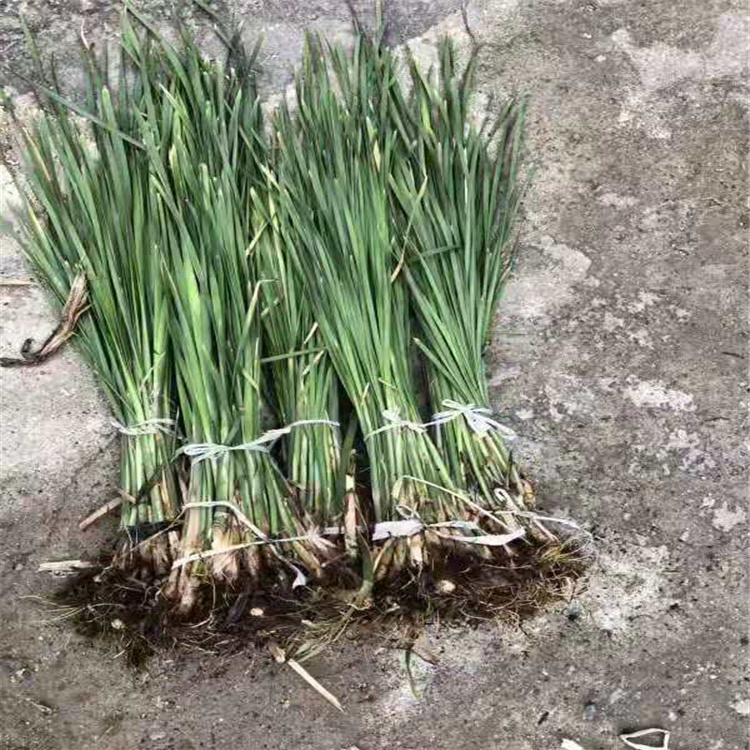
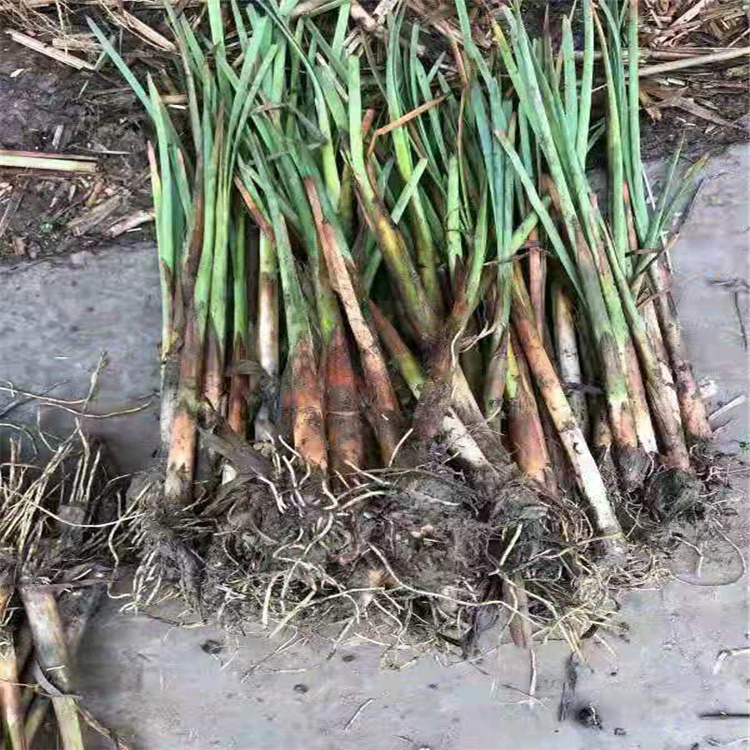
Division propagation: Conducted from April to June. Excavate the underground rhizomes of the Typha, cut them with a sharp knife into new plants with 6-7 buds each, and transplant them separately.
Sowing and Propagation: Conducted more frequently in spring. Do not cover the seeds after sowing and ensure the seedbed remains moist. Divide and prune the seedlings after they take shape in summer.
Primary Value:
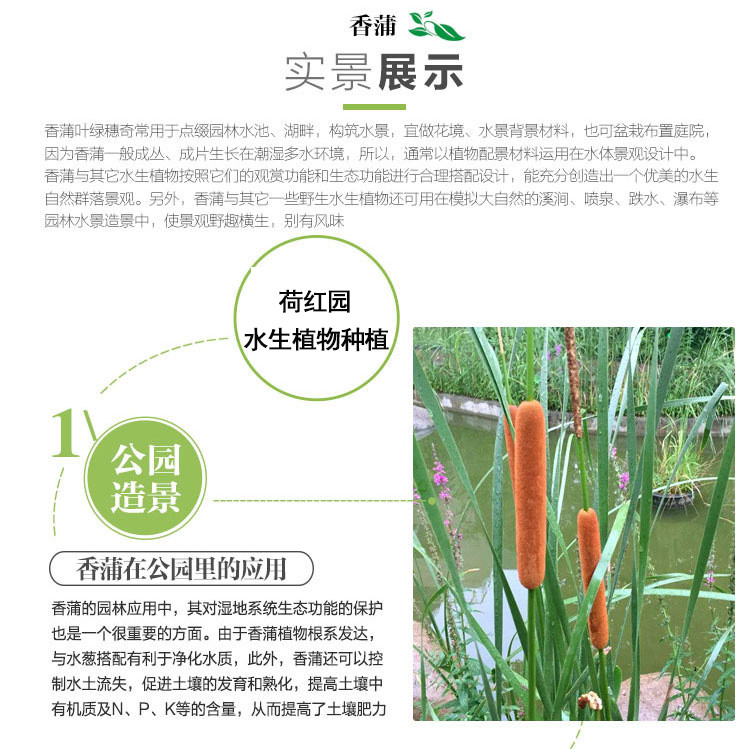
In the landscape applications of reeds, their role in wetland functions is also crucial. Due to the robust root system of reed plants, paired with papyrus, they are beneficial for water purification. Moreover, reeds can control soil erosion, promote soil development and maturation, and increase the content of organic matter and N, P, K in the soil, thereby enhancing soil fertility. With the increasing development of wetlands, reeds, with their characteristic of being aquatic plants, are widely used in urban wetland parks across various regions. They contribute to the positive effects of these cities and provide habitats for other organisms, enriching the biodiversity of the entire wetland park.