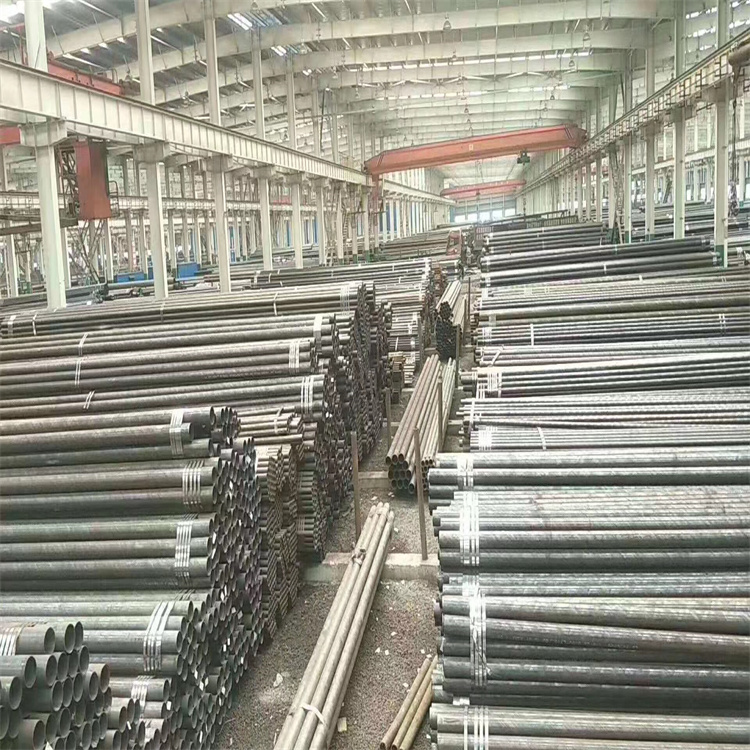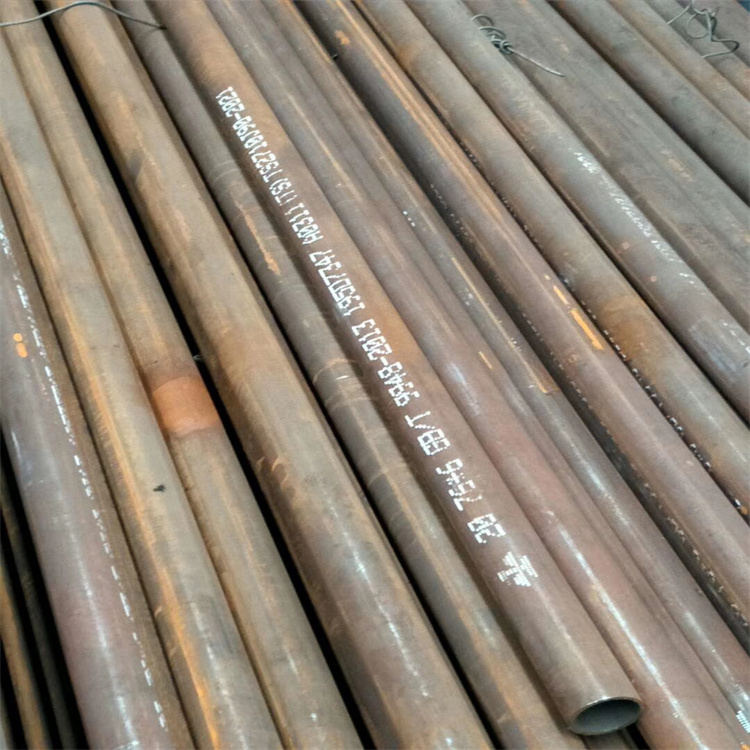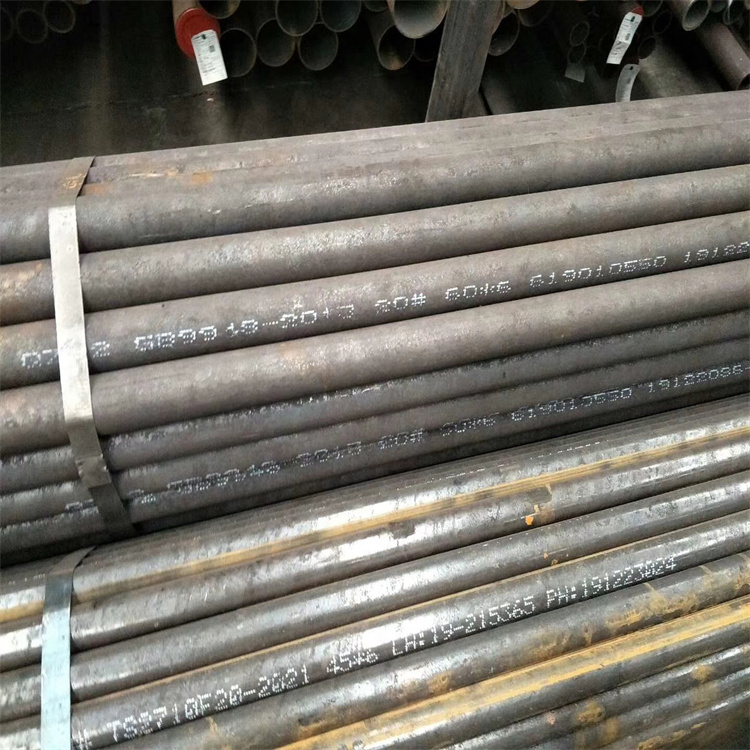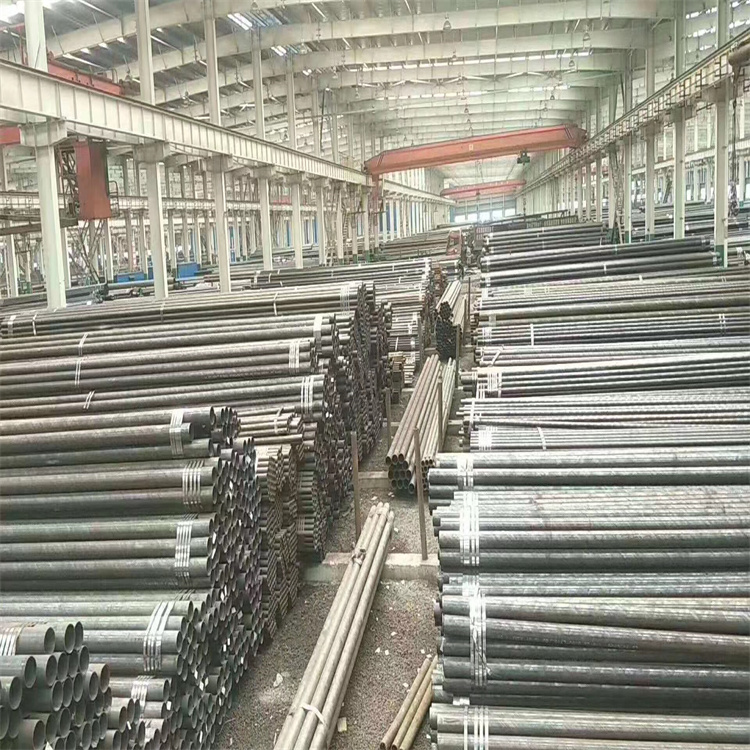

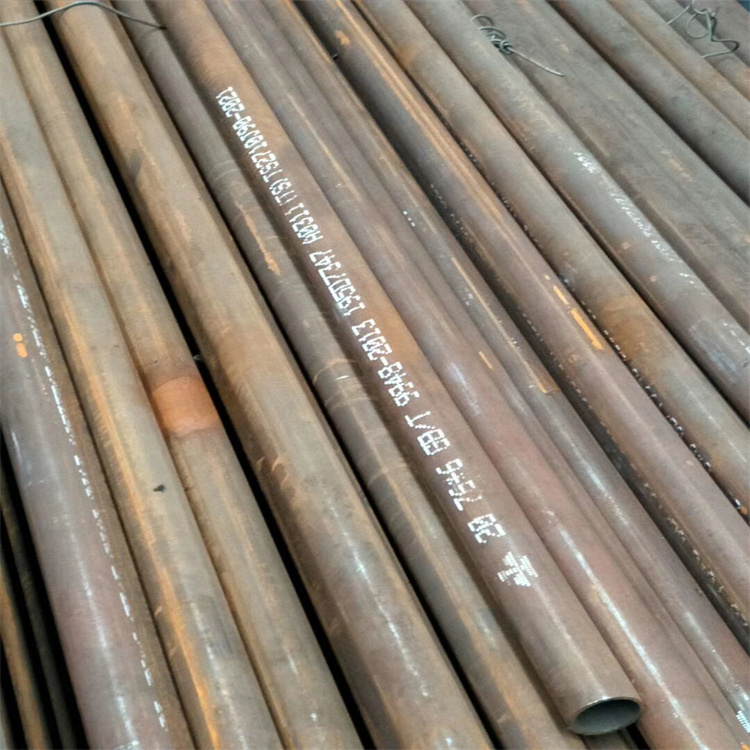













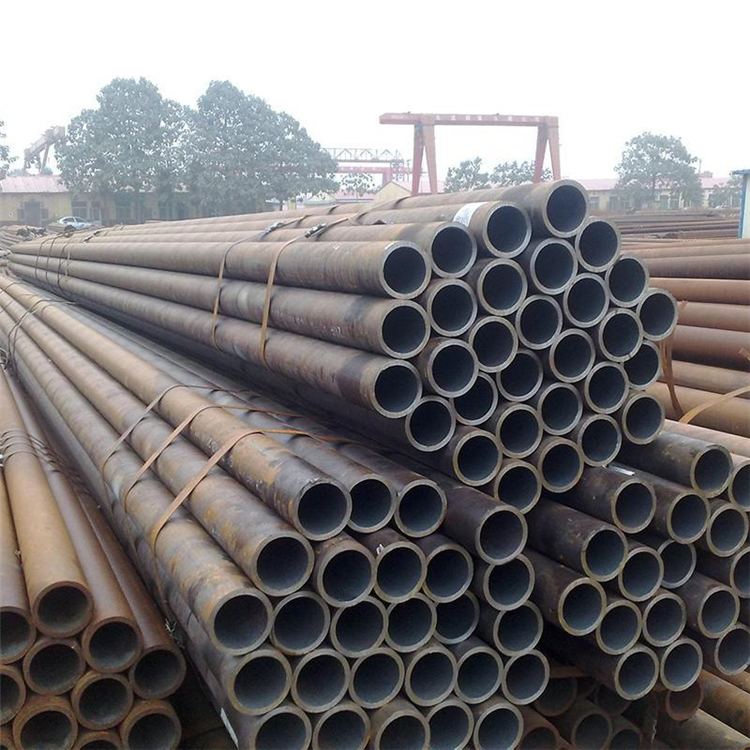
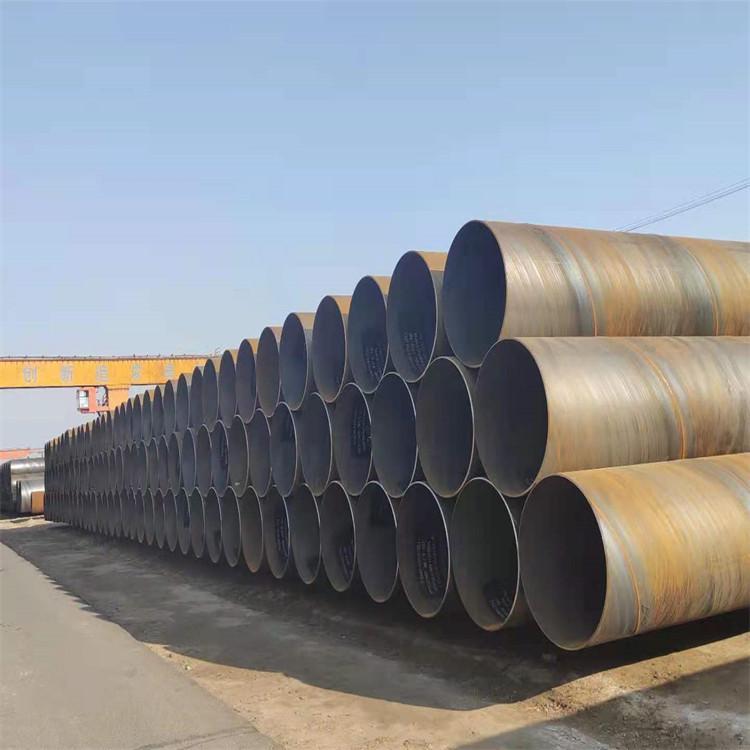
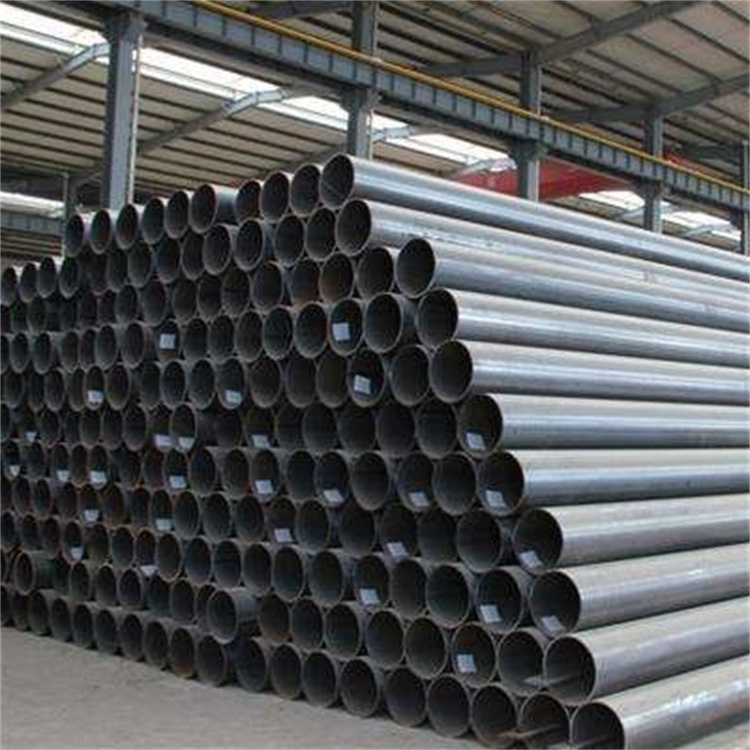

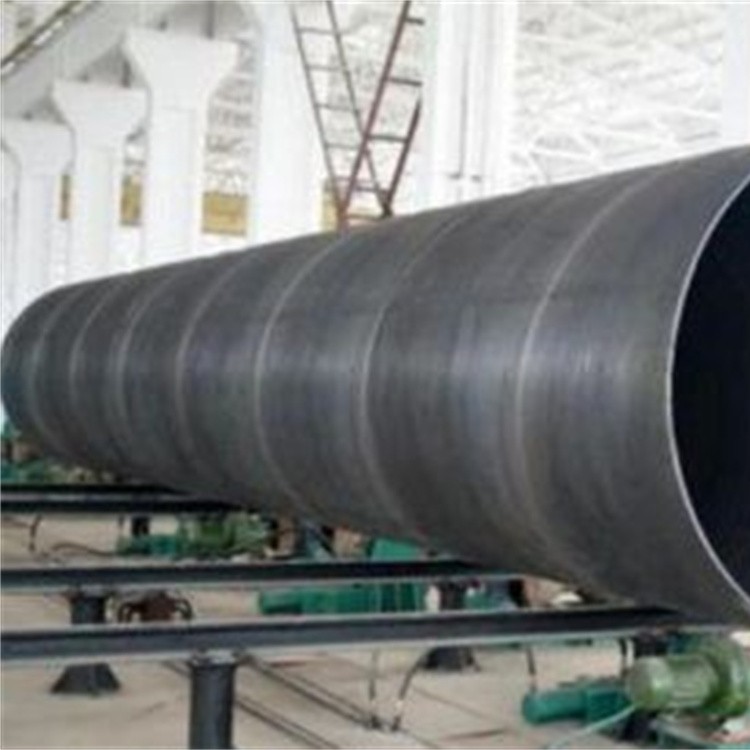
GB9948-2013 Heat Treatment of Annealed Cracking-Oil Pipe refers to: heating the steel workpiece to a certain temperature, maintaining it for a certain period, and then cooling it slowly to room temperature. It is mainly used to reduce the hardness of steel, improve its plasticity, which is conducive to cutting and cold deformation processing; it also refines the grain, uniformizes the steel structure, improves the steel properties, and prepares for future heat treatments; it can also eliminate internal stresses in the steel. It prevents deformation and cracking of parts after processing.
GB9948-2013 Heat Treatment Types and Purposes for Hot Treatment of Cracking Oil Pipes
(1) Full Annealing
Heat the steel parts to a temperature above the critical point (which varies for different steels, generally between 710-750°C, with some alloy steels reaching up to 800-900°C) by 30-50°C, maintain the temperature for a certain period, then cool slowly in the furnace (or buried in sand).
Refine grain structure, achieve uniform composition, reduce hardness, and fully relieve internal stresses. Complete annealing is suitable for forgings or cast steels with carbon content (by mass) below 0.8%.
(2) Spheroidizing Annealing
Heat steel parts to 20~30°C above the critical temperature, after holding at temperature, cool slowly to below 500°C and then air cool.
To reduce the hardness of steel, improve its machinability, and prepare for future hardening, minimizing deformation and cracking after hardening, spheroidizing annealing is suitable for carbon steels and alloy tool steels with a carbon content (by mass fraction) greater than 0.8%.
(3) Stress Relieving Annealing
The steel parts are heated to 500~650oC, held at temperature for a certain period, and then cooled slowly (usually by furnace cooling).
Eliminate internal stresses generated during steel part welding and cold straightening, as well as those produced during precision component machining, to prevent deformation during subsequent processing and use.
Stress-relieving annealing is suitable for various castings, forgings, welded parts, and cold-pressed components.
Cracking pipe market opened this week with a high start, the spot market is running robustly. The Tianjin cracking pipe market quotations are generally stable and firm, but the market took a dive at the end of Monday, leading to a collapse in traders' sentiment and hindering market activity. Additionally, the overall cracking pipe market is currently showing a dual weak supply and demand situation. The impact on the cracking pipe market is relatively negative, and without strong supportive news, there is a strong pessimistic sentiment about the future of cracking pipe prices.
The market price for cracking pipes remains stable for now, with overall transaction volume being moderate. It is understood that downstream customers show low purchasing enthusiasm, and there is no significant improvement in demand. Cracking pipe suppliers are still maintaining a wait-and-see attitude. Inventory levels are running low, restocking as needed with cautious operations. Overall, it is expected that the market price for cracking pipes will remain stable and wait-and-see in the short term.