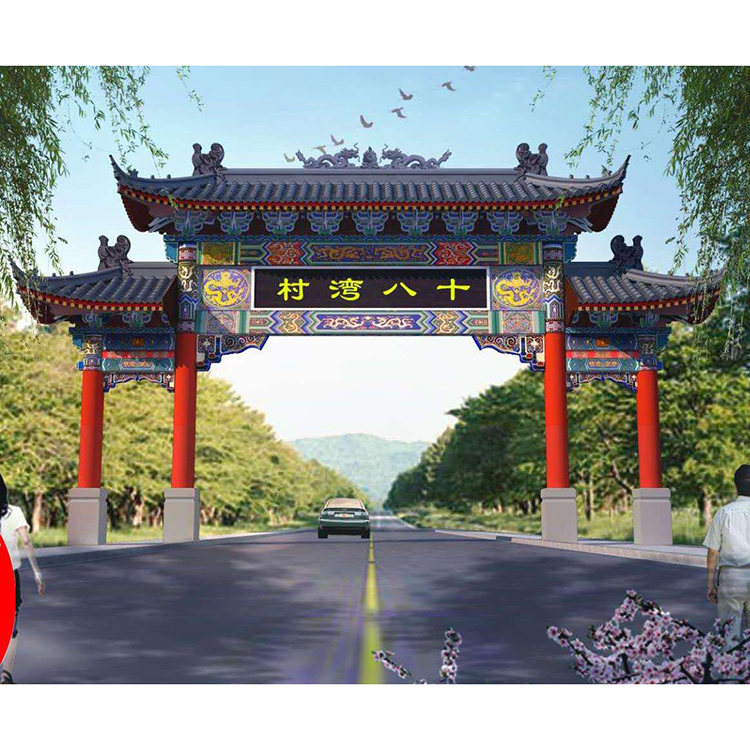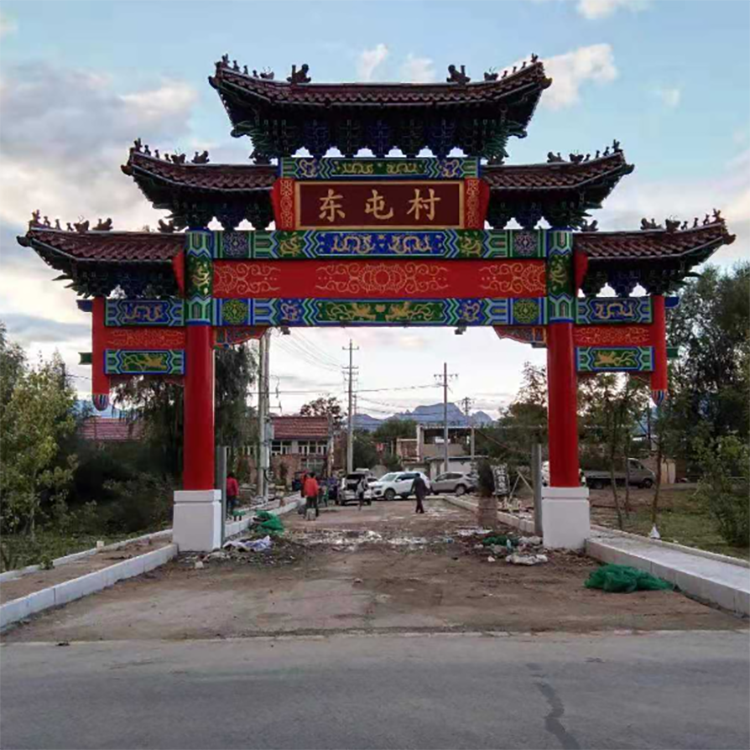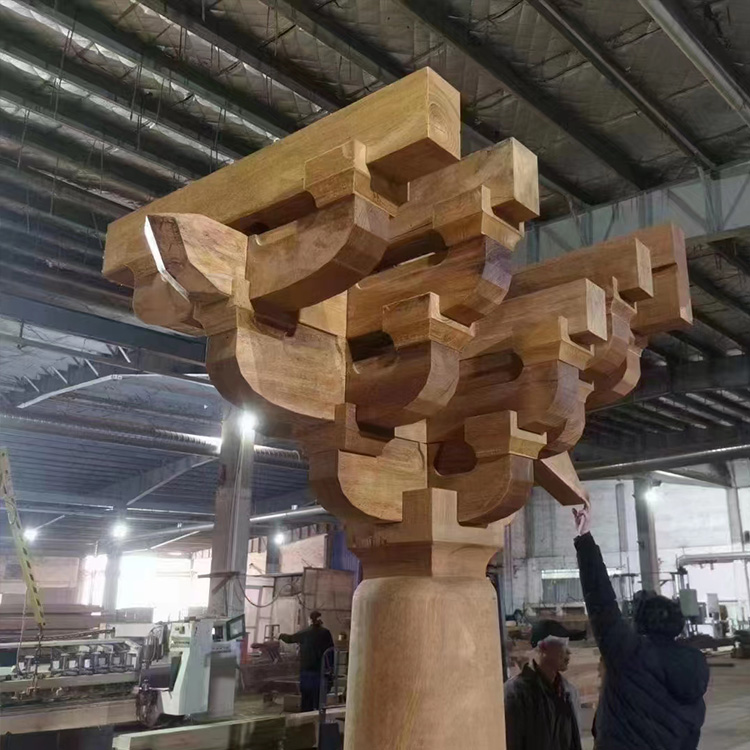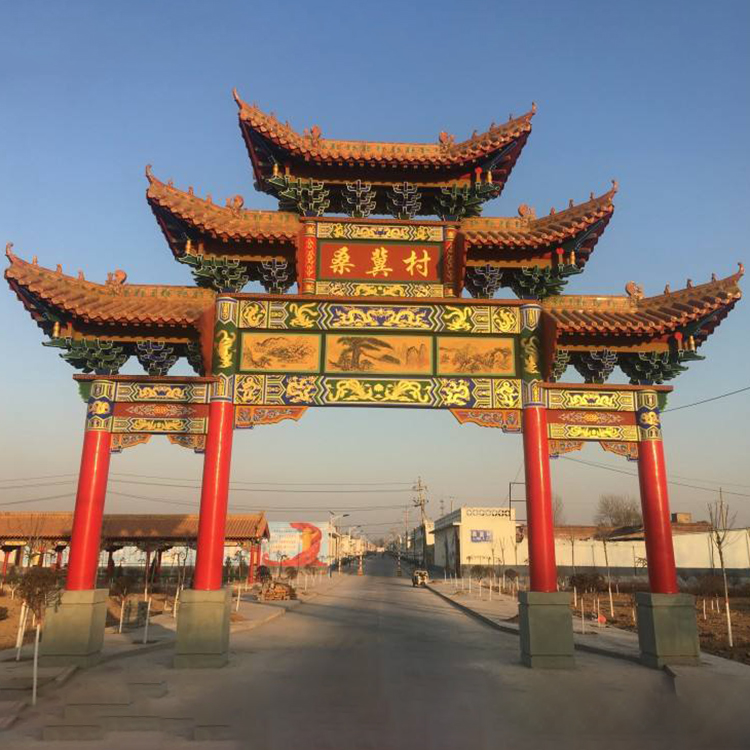

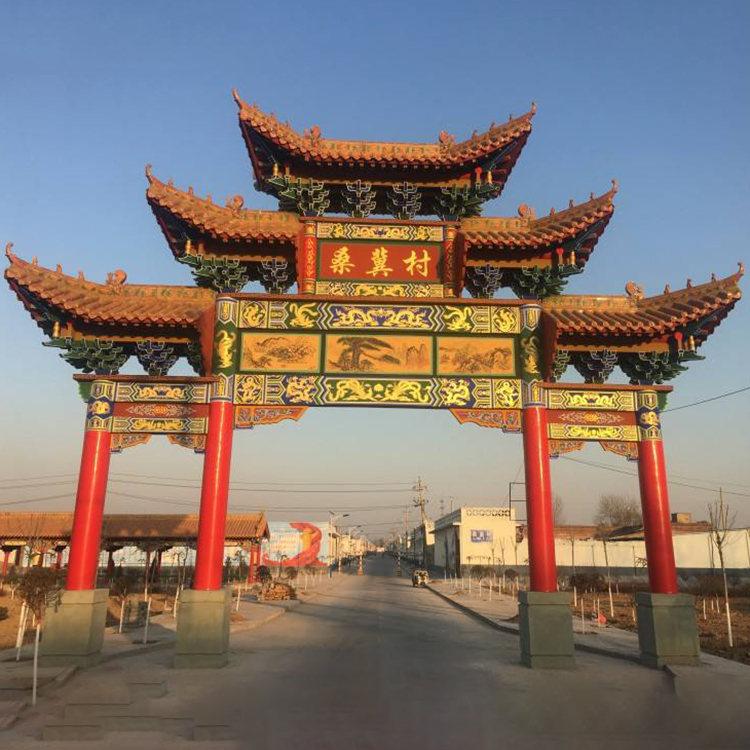
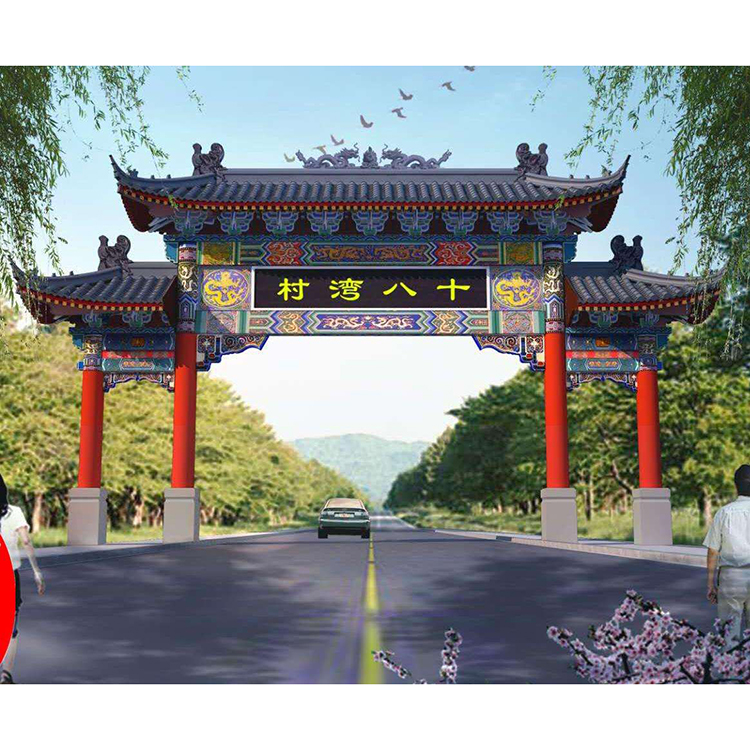


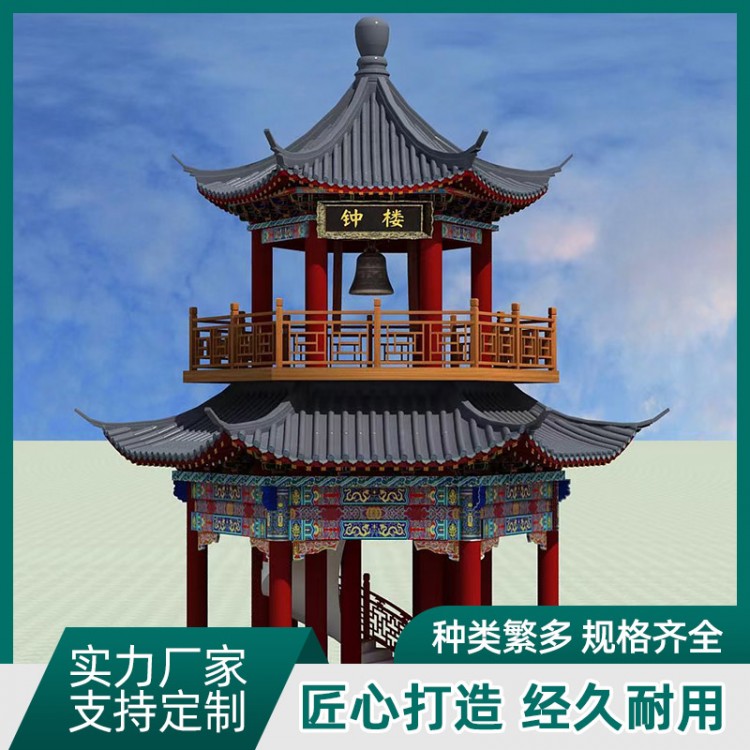
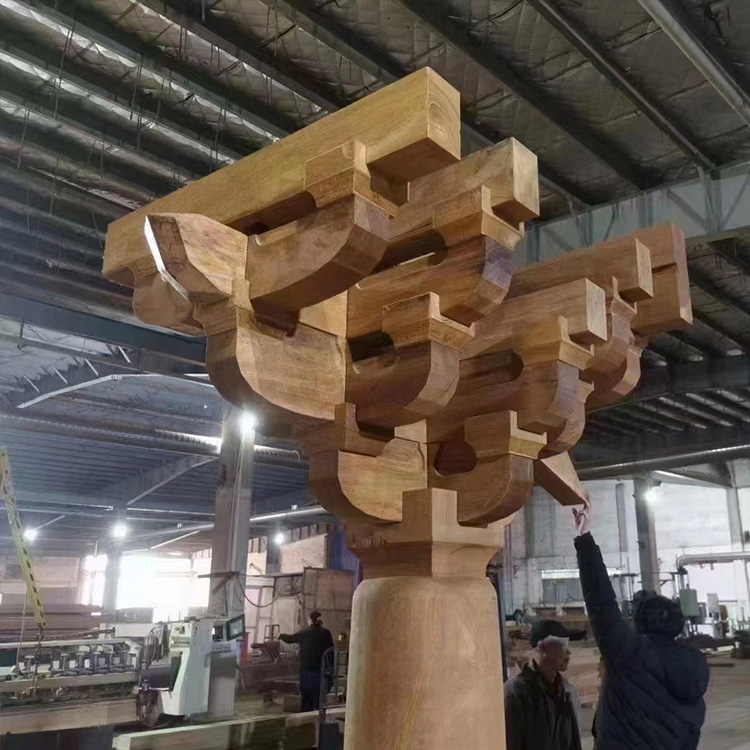







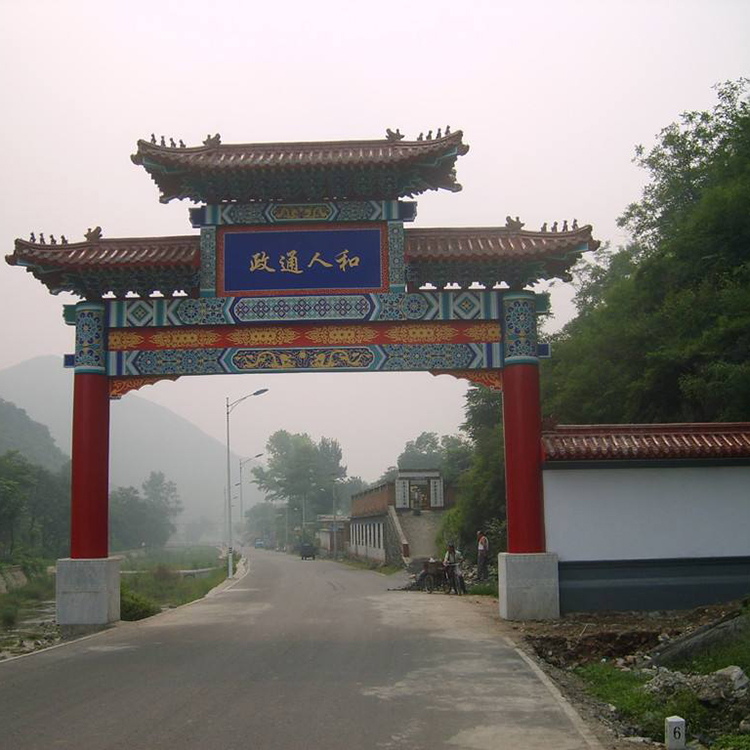

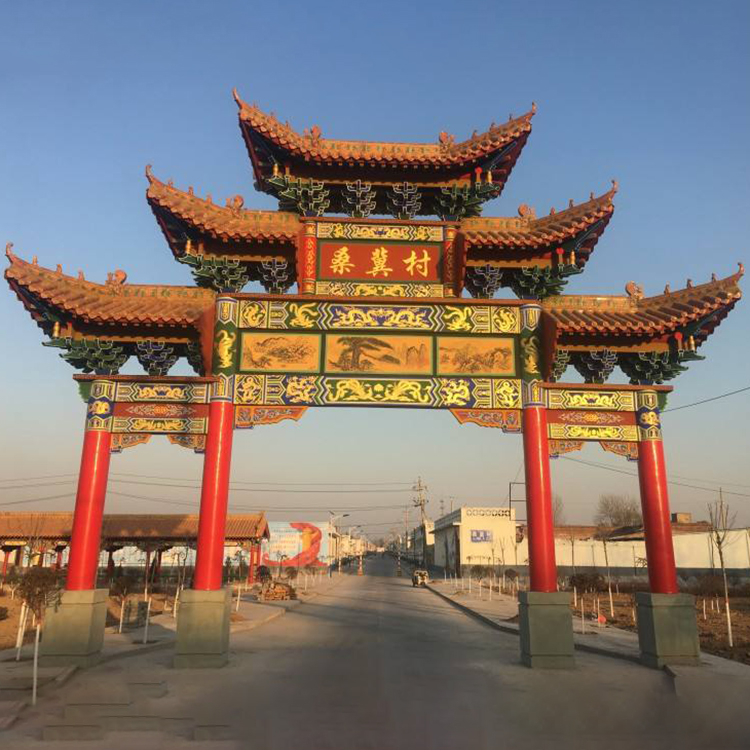
Ancient architecture archway: $8,000 - $10,000 per meter
Artificial Stone Mountain in Cement, $170~260 per square meter
Measurements are based on actual site conditions. Prices are determined by on-site measurements. Prices vary according to different requirements of Party A.
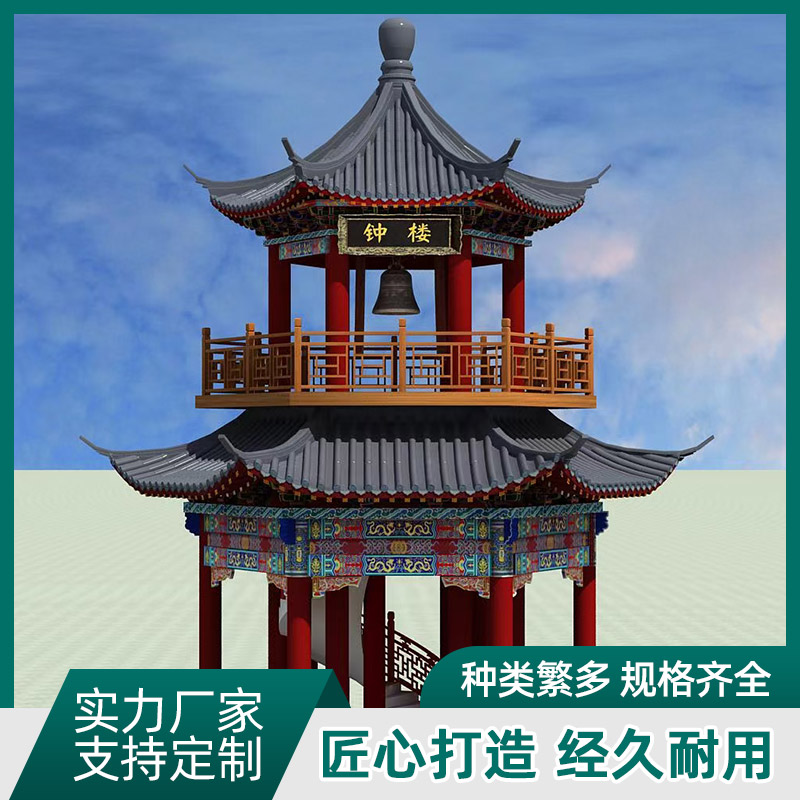
Pavilions, akin to archways, are one of China's traditional architectural structures. They were first seen during the Zhou Dynasty, originally used as memorials to commemorate filial piety. Later, they were constructed in gardens, temples, palaces, tombs, and streets, with Beijing being a city with a significant number of pavilions. These are tall, columned gate-like structures. In the past, pavilions were mainly made of wood, stone, wood and stone, brick and wood, and glazed tiles, often located at major intersections. Pavilions have served as the facade for the Chinese pavilions at several World Expos, drawing the attention of the world. For instance, the 1867 World Expo in China used pavilions made of wood, bamboo, and straw, with simple designs that were pleasing to the eye. In the 1876 Philadelphia World Expo, the Chinese pavilion had a meticulously carved and painted all-wood pavilion as its main entrance, drawing visitors and officials from various countries with its rich national characteristics. The 1900 Paris World Expo featured a Chinese pavilion with an exterior resembling the glazed pavilion of the Imperial Academy, exuding grandeur.