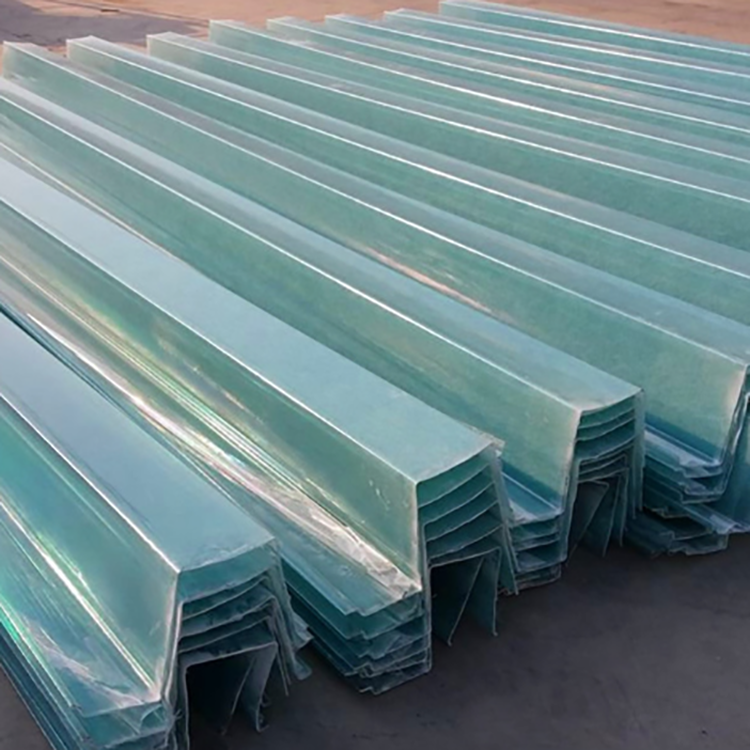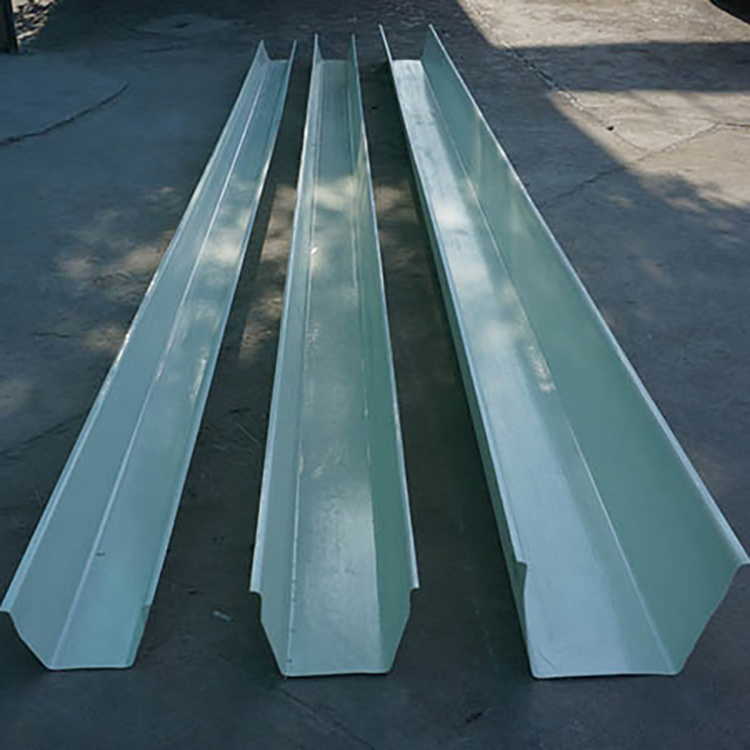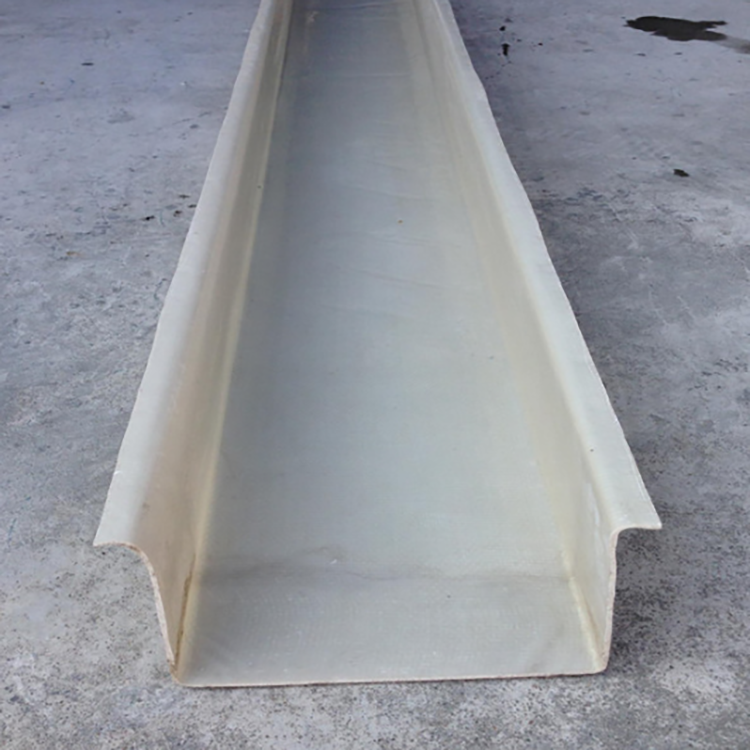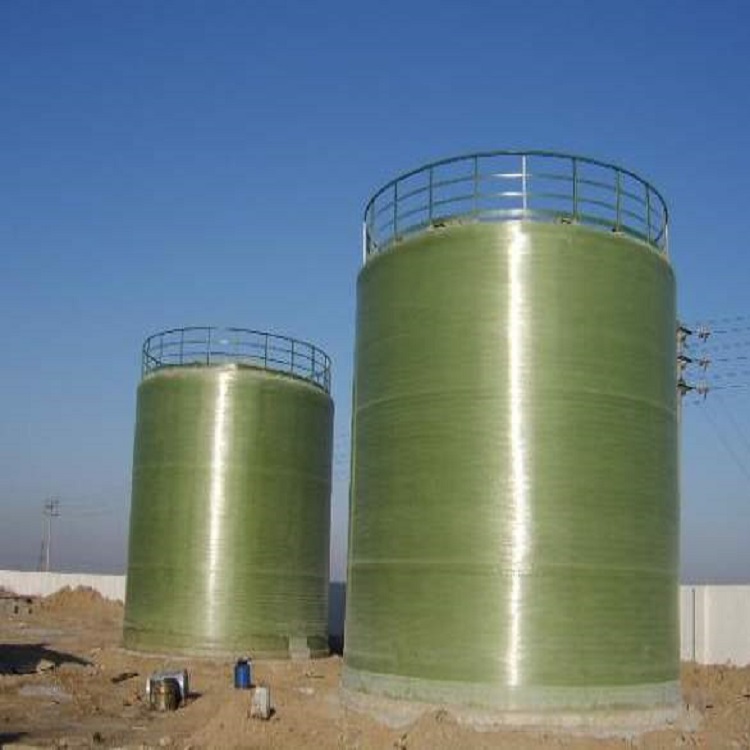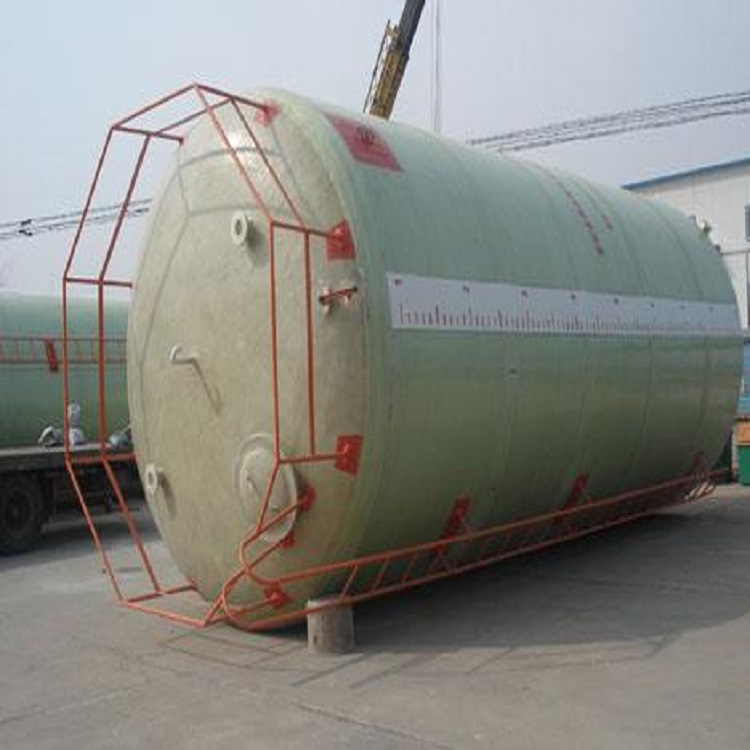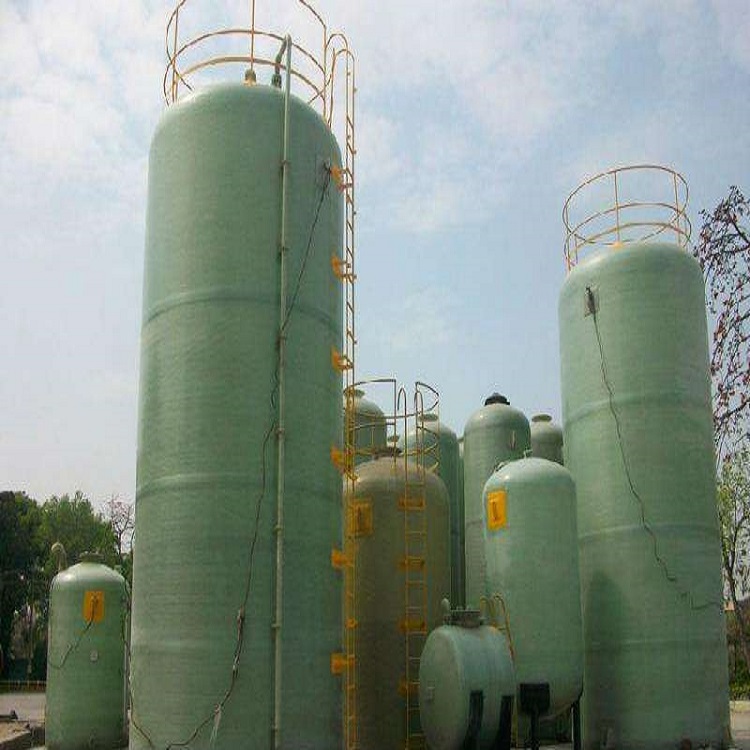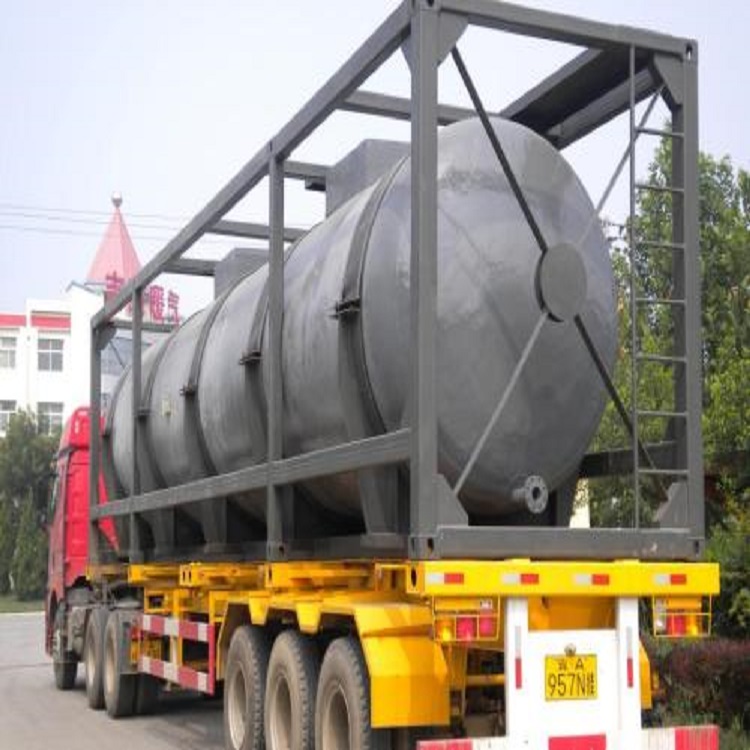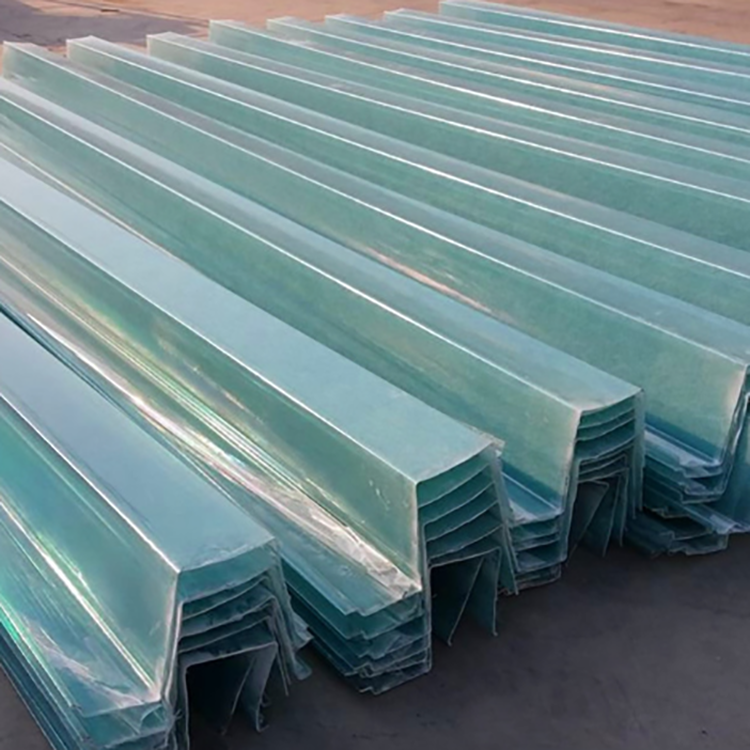

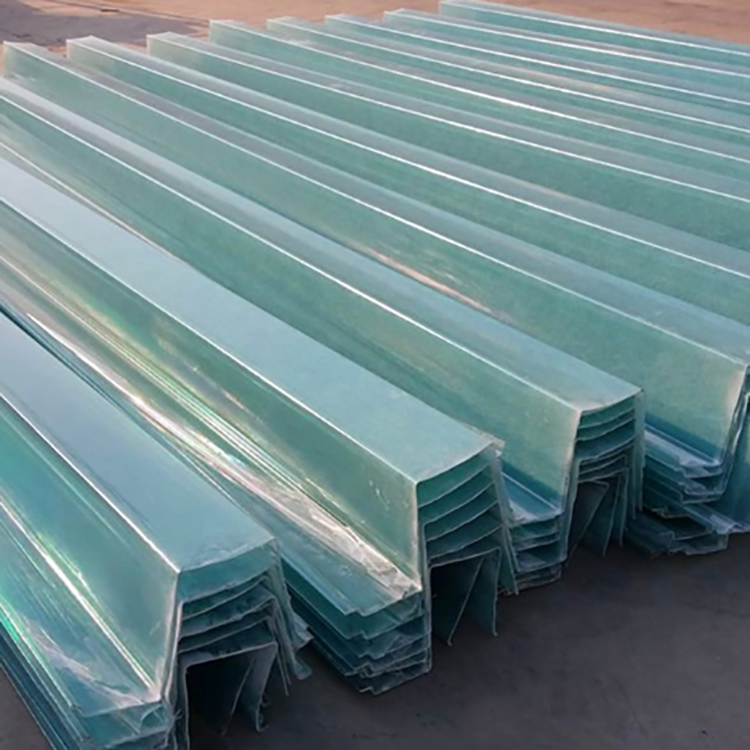
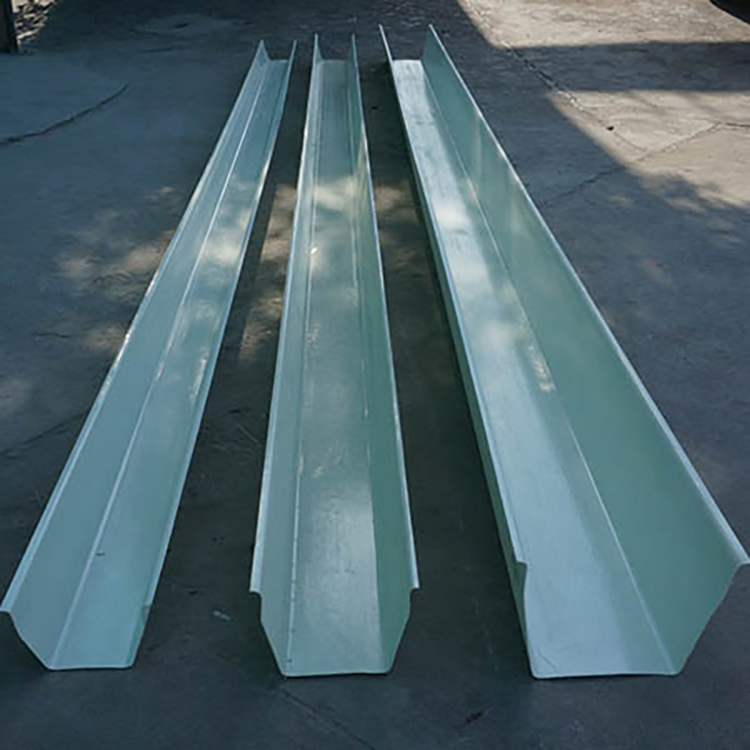
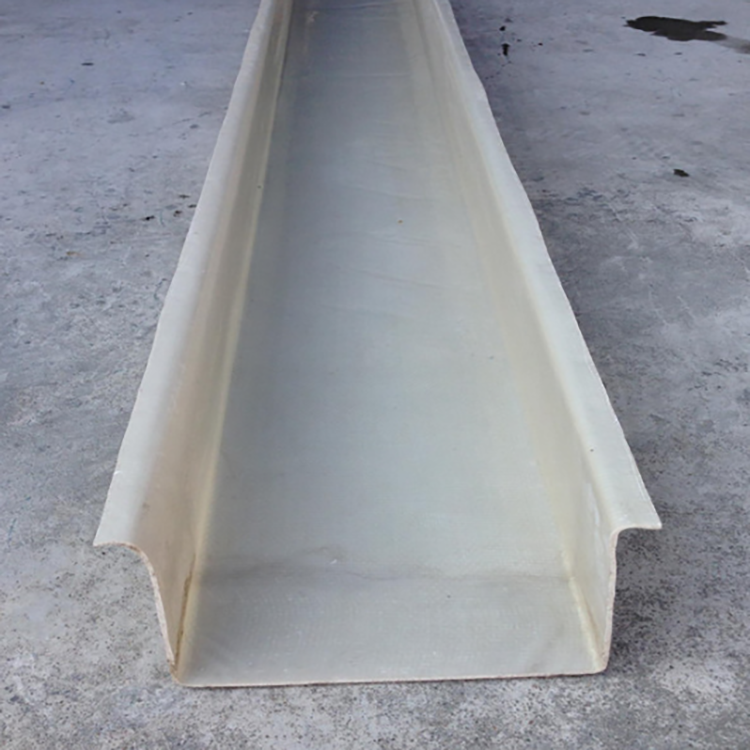


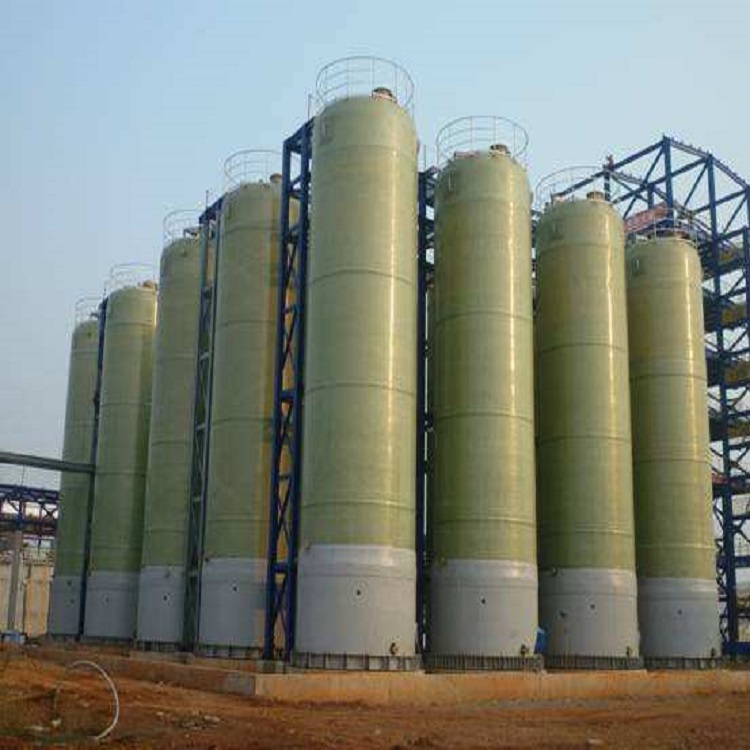
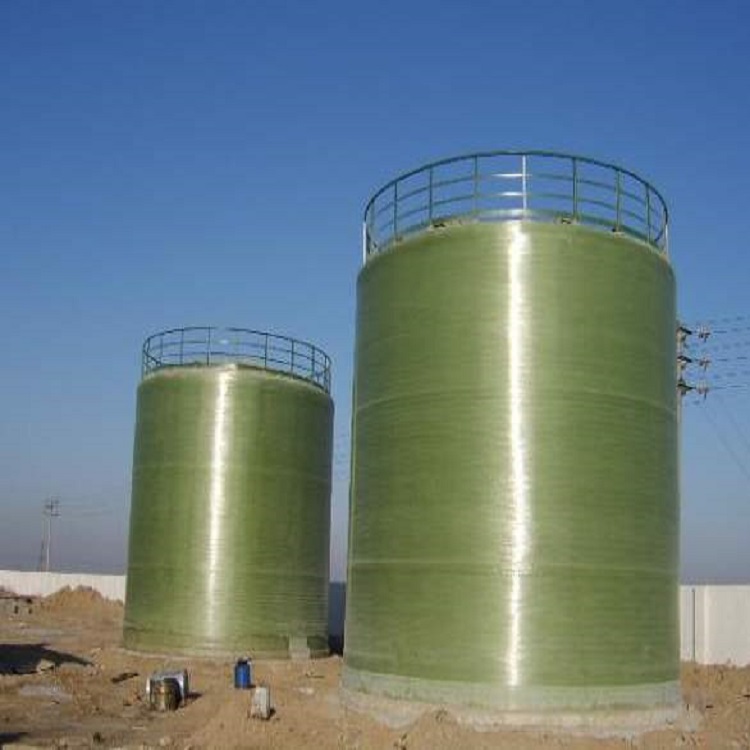
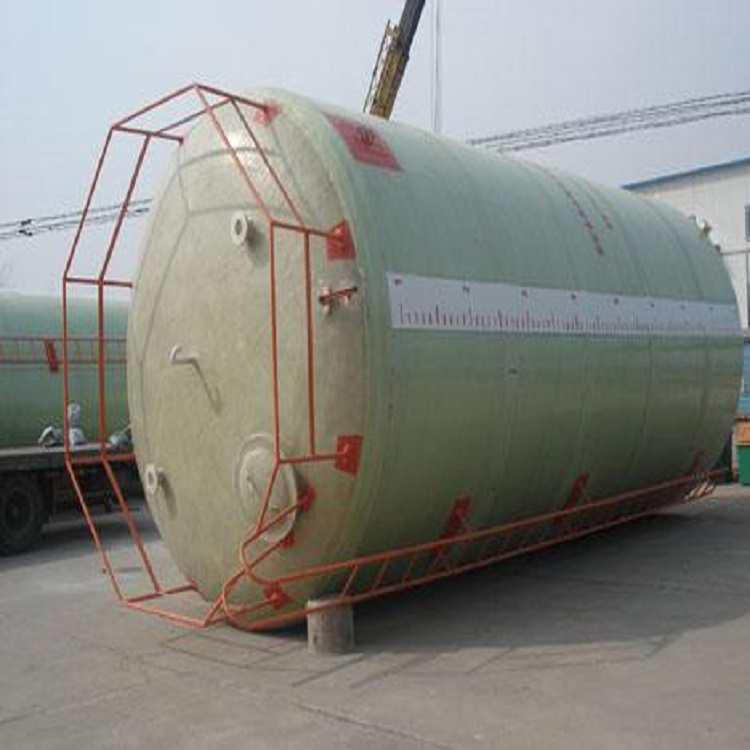
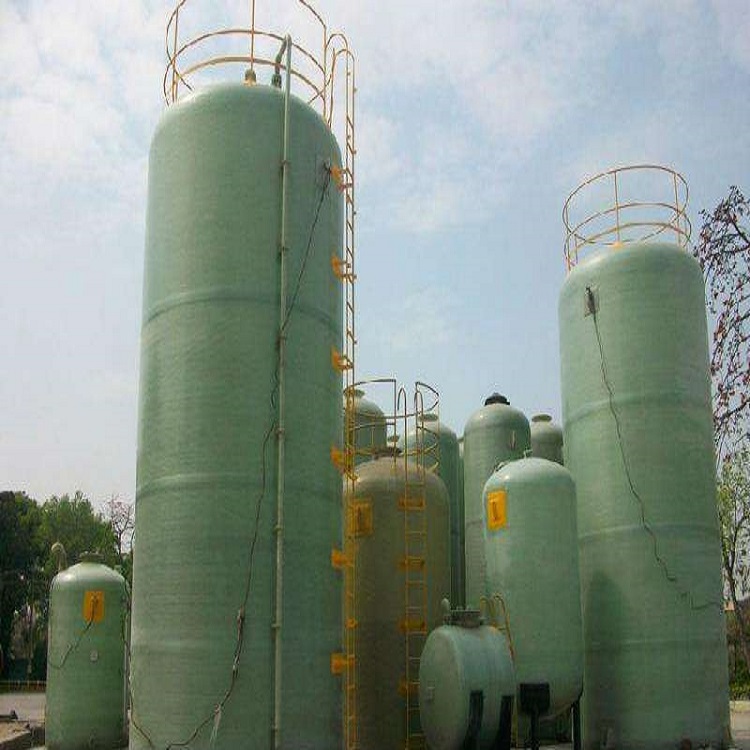





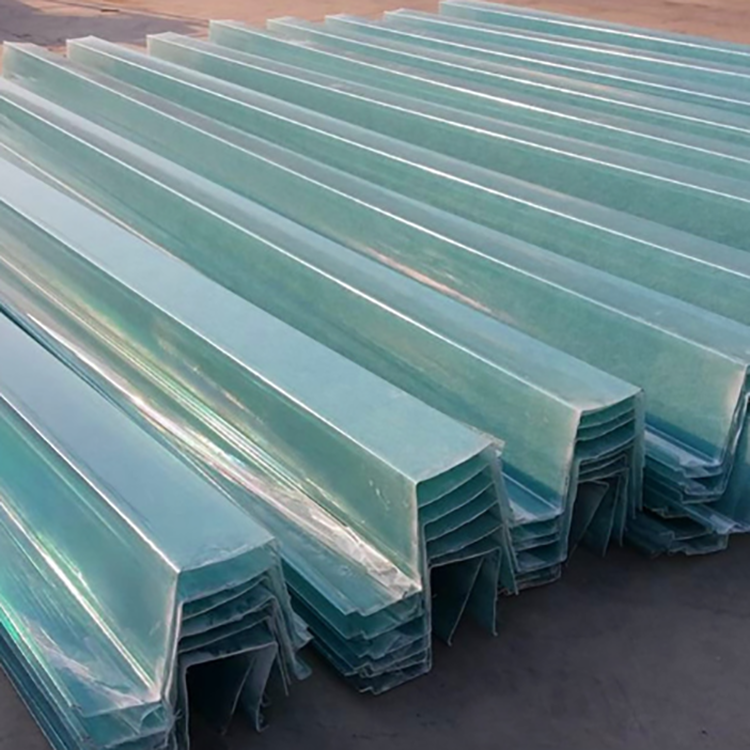
FRP gutter refers to the concave part of the two compartments on the roof of a building. Roof drainage is divided into organized drainage and unorganized drainage. Organized drainage generally collects rainwater into a gutter and discharges it through a rainwater pipe. The gutter that collects rainwater is called a gutter. Gutters are divided into inner gutters and outer gutters. Inner gutters refer to gutters inside the exterior wall, usually including daughter walls; The outer gutter is a gutter outside the wall, usually without a parapet.
Product Features:
Corrosion resistant, durable, and with a service life of over 30 years, the cost is more than three times lower than that of steel plates.
Material composition of fiberglass gutter (fiberglass water tank)
1) Structural layer and extruded profiles: o-phenylunsaturated polyester resin 196 (belonging to a type of phenolic resin, its main advantage is that it has two hydroxyl groups in its monomers, which can react with formaldehyde to form a spatial network structure, greatly enhancing the bonding ability of the resin.)
2) Impermeable layer and inner surface layer: Vinyl ester resin (a recognized corrosion-resistant resin both domestically and internationally, with a high heat deformation temperature and can withstand 99% of strong alkali and acid. It also has good toughness, waterproof and sealing properties, as well as excellent corrosion resistance)
3) Outer layer: adhesive coating resin
4) Additives: resin flame retardant (a new type of element additive introduced from abroad, meeting the requirements of green environmental protection), quick curing agent
5) Strength layer reinforcement material: alkali free glass fiber cloth
6) Inner surface reinforcement material: fiber polyester felt
7) Molding agent: Materials above cobalt salicylate have been identified through national technical testing and meet the current environmental standards of the country.