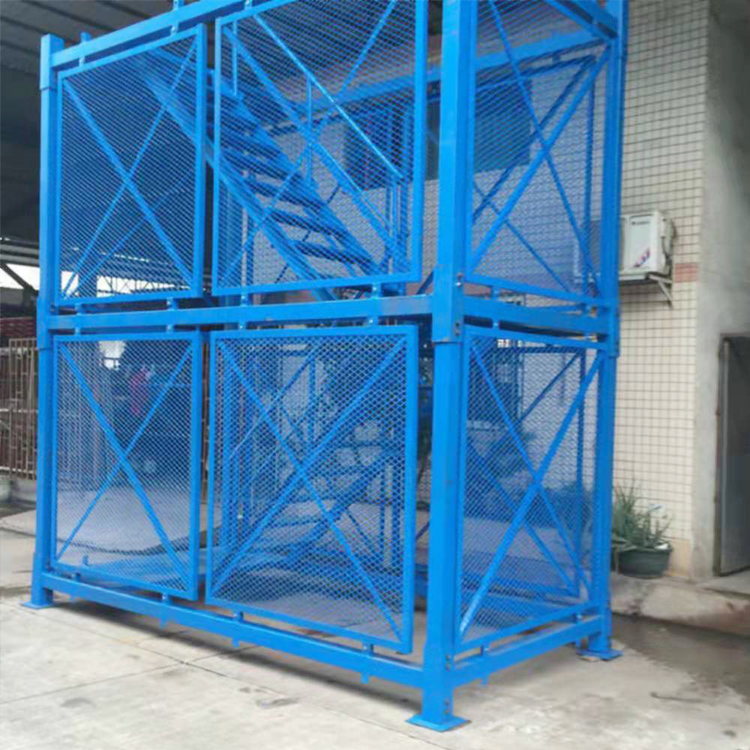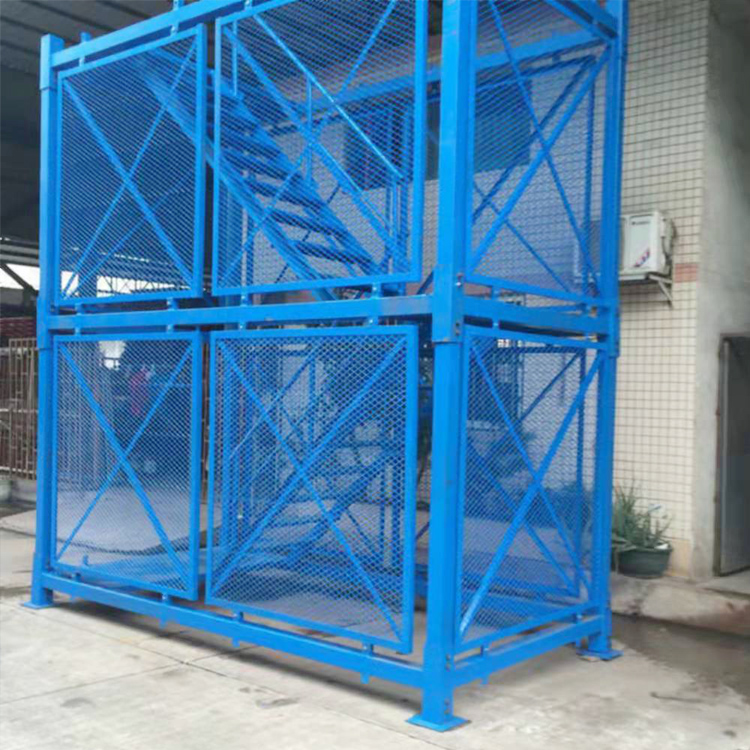


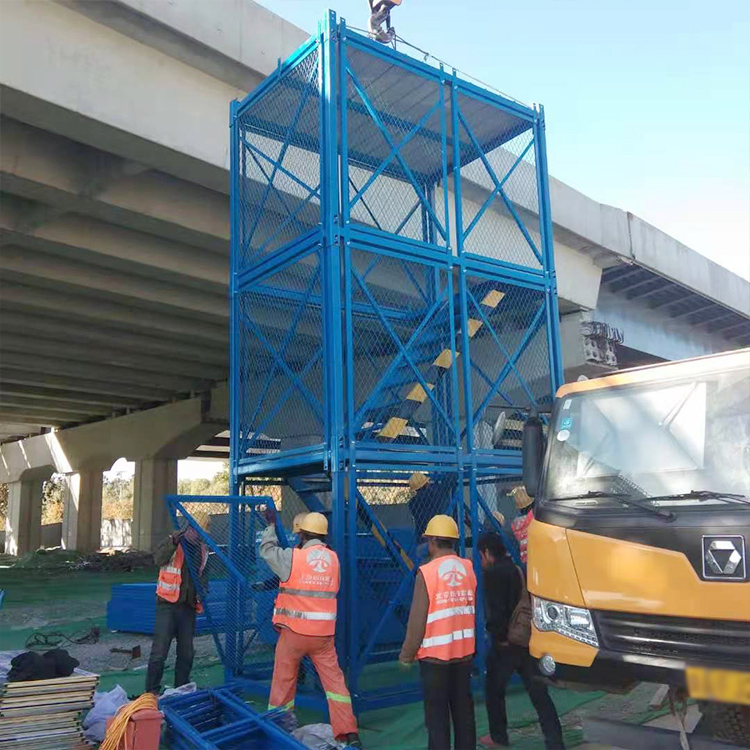







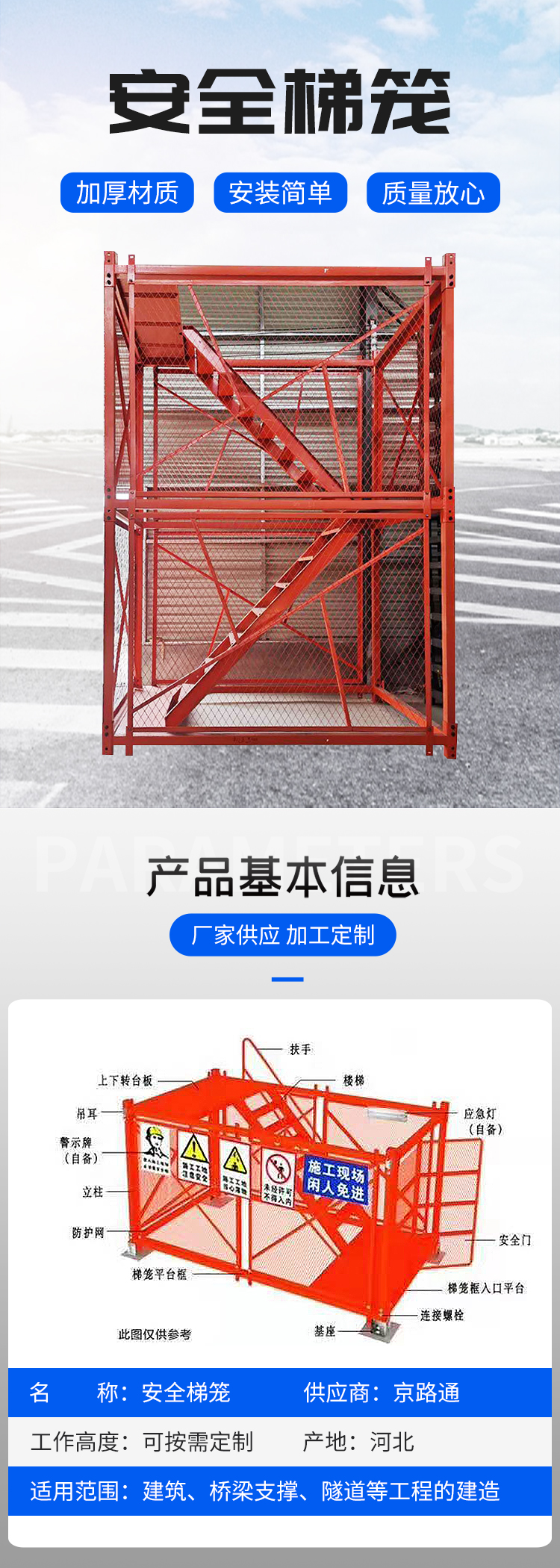
1. The adjustable base is inserted into the bottom of the upright, used for horizontal and vertical adjustment of the support system, expanding the pressure bearing surface, and transmitting force to the foundation. It is welded by screws and bottom plates, and the adjustable base cannot be adjusted too high to avoid slipping out of the upright and causing accidents.
2. The upright pole is the main component that bears vertical loads. A row of pin buckles are welded every 0.5/0.75m on the pipe fittings of the upright pole, used to install horizontal bars, braces, or diagonal bars. The pin is directly welded to the top of the pole without any loss.
3. The crossbar is a horizontal load-bearing component of the frame. It is connected to the vertical pole through the sales warehouse, and due to the presence of wedge iron in the sales warehouse, the connection between the two has good mechanical strength and high self-locking performance.
4. Horizontal braces are the horizontal load-bearing structures of a frame and are used to place ladder and footrest components. It is connected to the vertical pole through sales inventory.
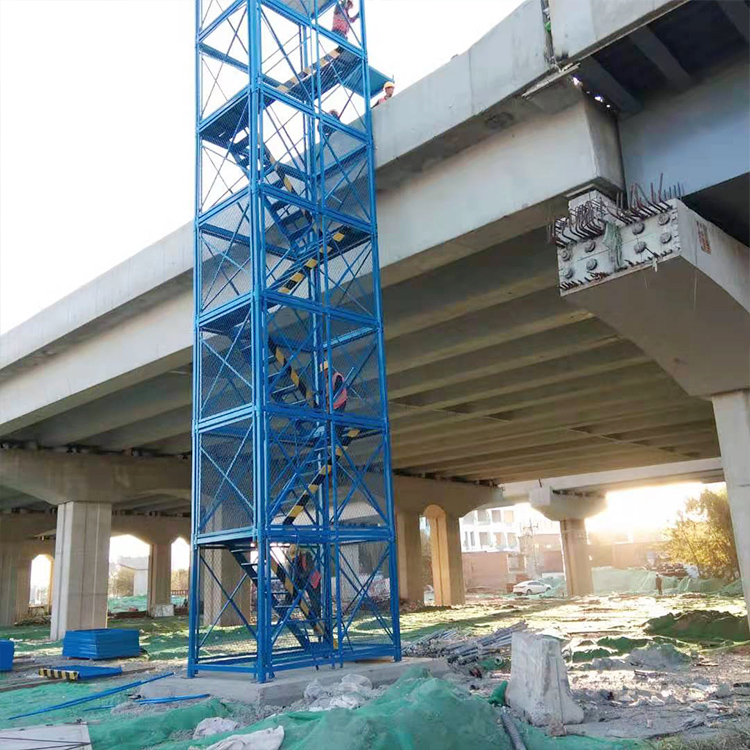
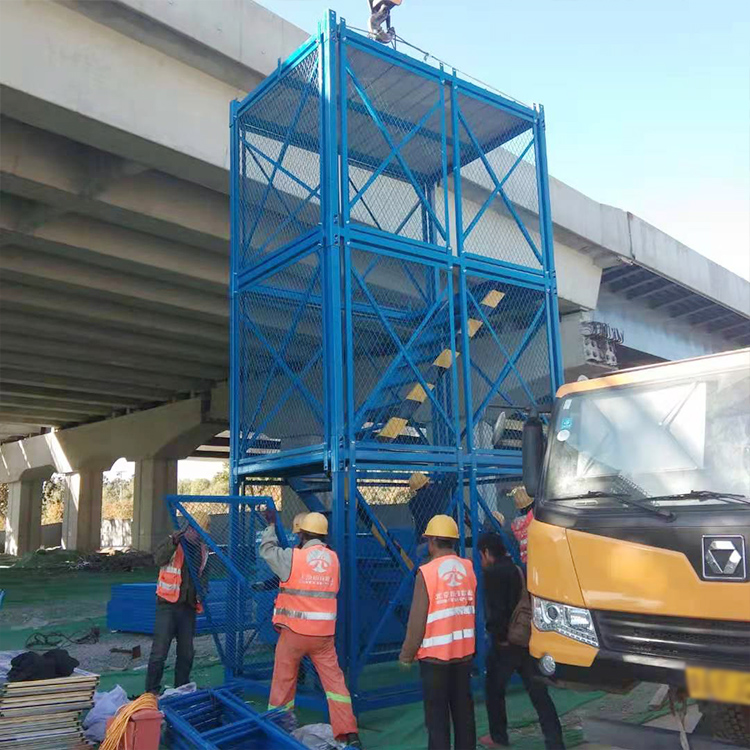
5. The ladder is placed on the crossbar for the passage of construction personnel up and down.
6. The foot pedal is placed on the crossbeam and used as a bridge board for construction channels and operating platforms.
7. Diagonal bars are components used to strengthen the entire frame. It is connected to the pin buckle of the upright pole by a specially designed diagonal joint.
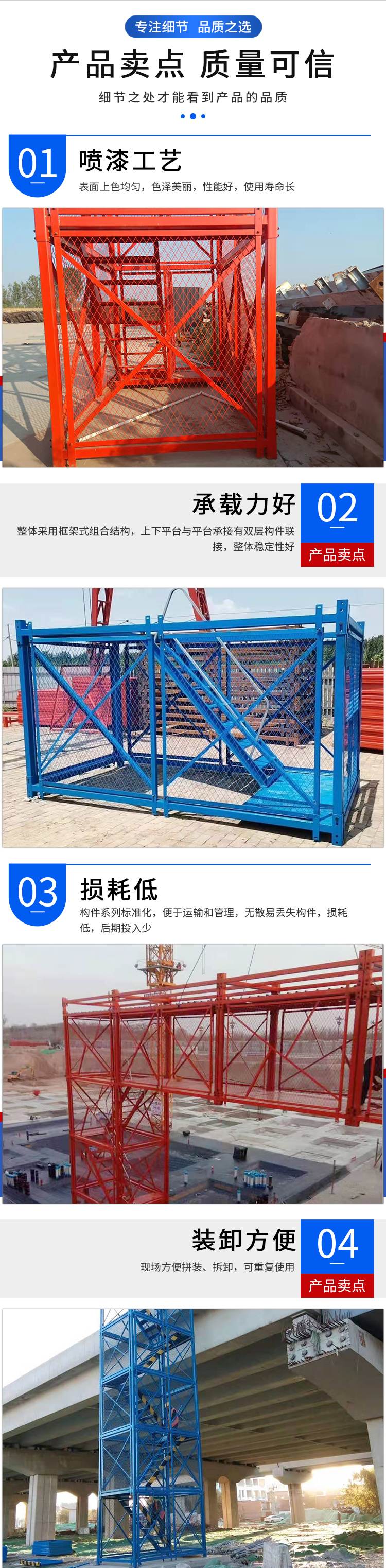
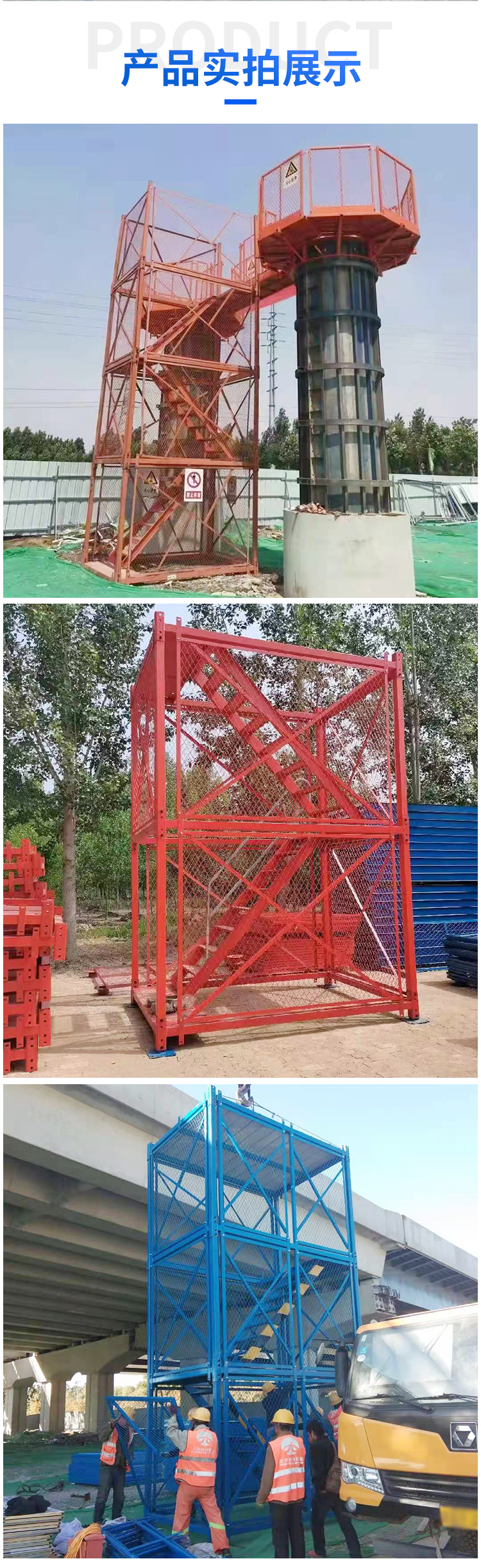
8. Horizontal bars should be installed every 0.5/0.75m on the upright pole, and handrails should be placed on both sides of the ladder. In addition, the diagonal bars of the safety ladder cage should be placed on all four sides to enhance the stability of the entire frame.
9. A Z-shaped staircase with steps should be placed every 1.5 meters for the safety ladder cage, and wall fasteners should be installed every 4-5 meters, with a height of 100 meters.