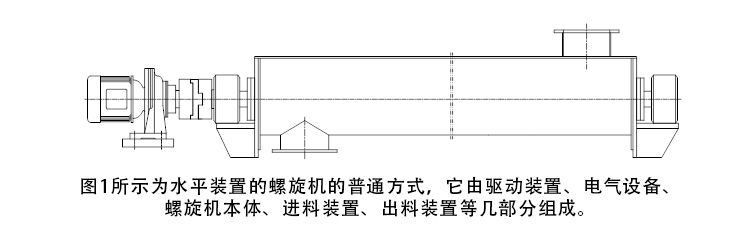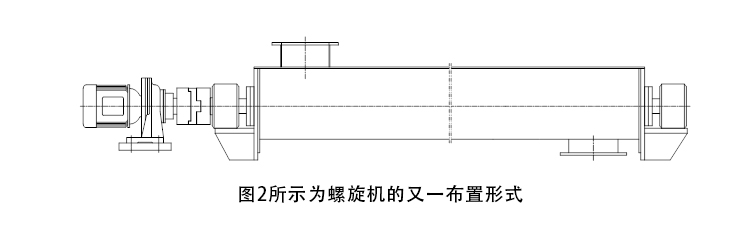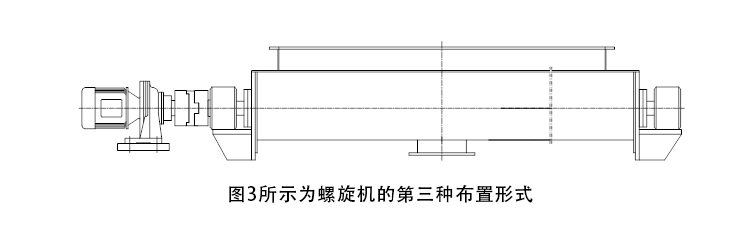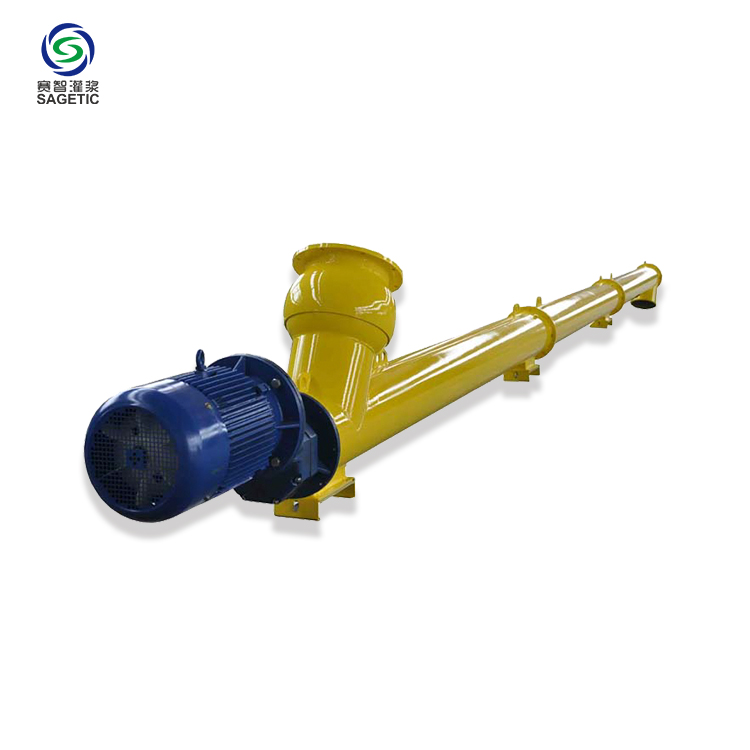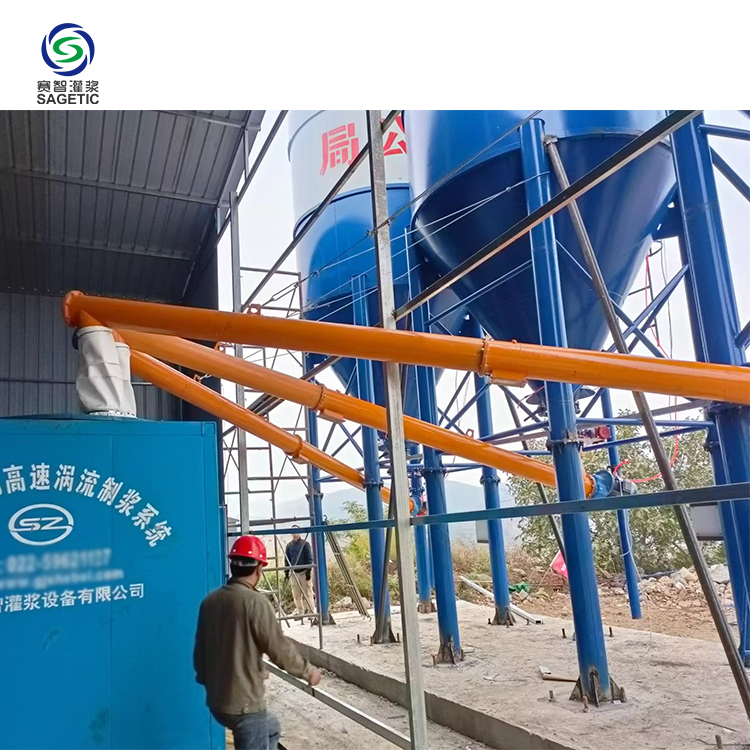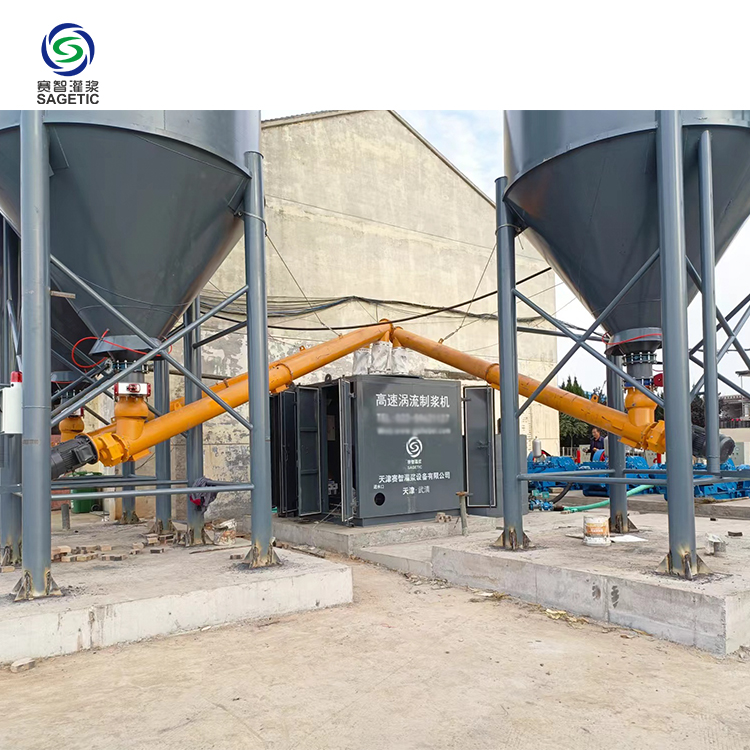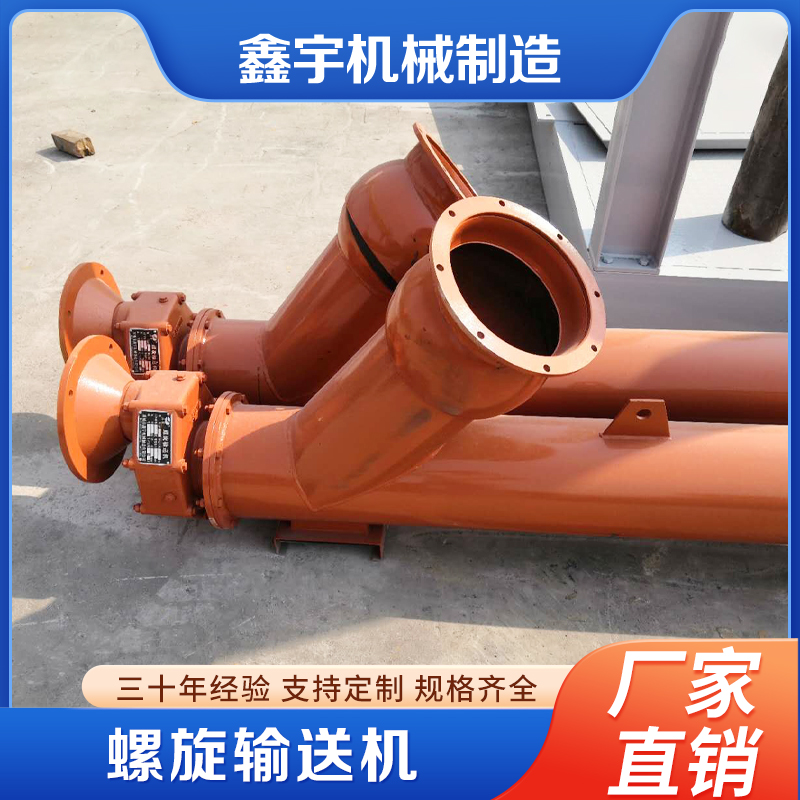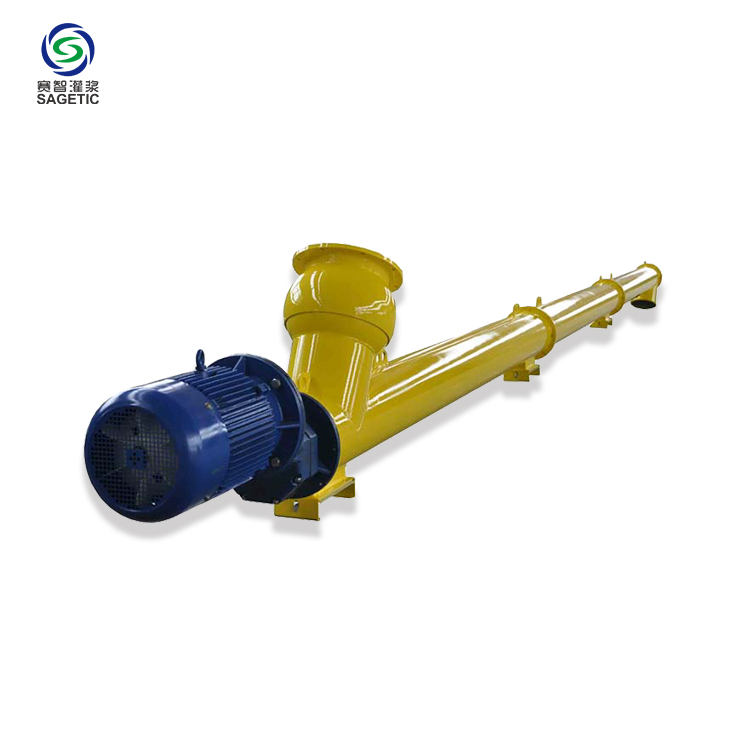
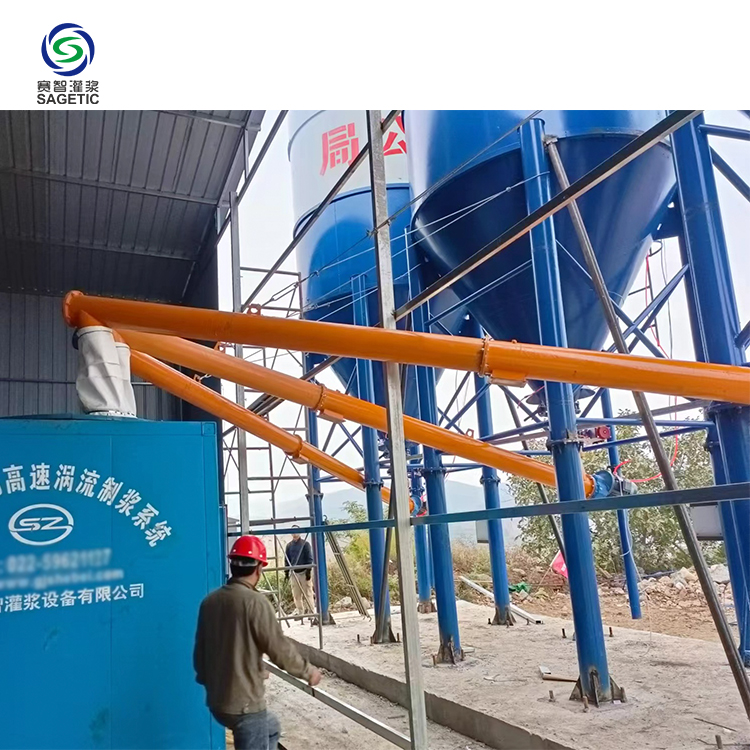


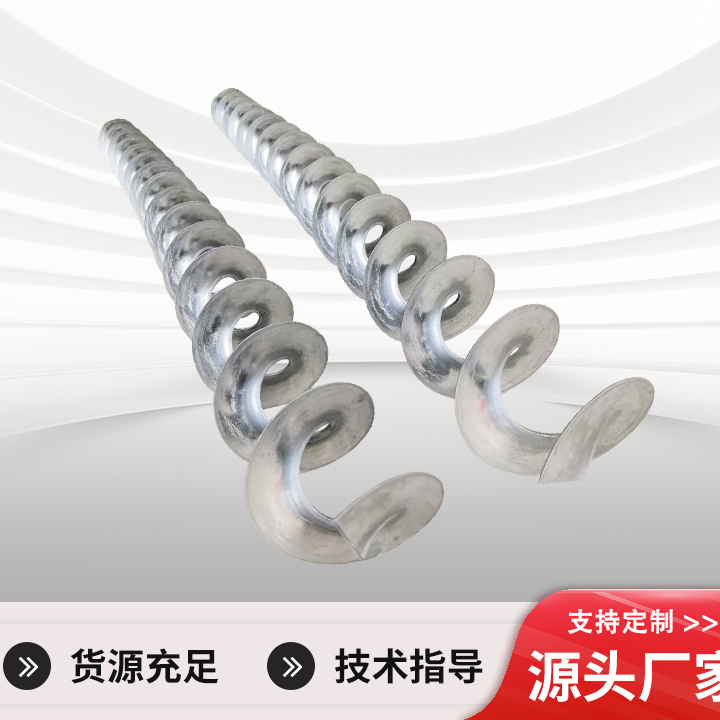
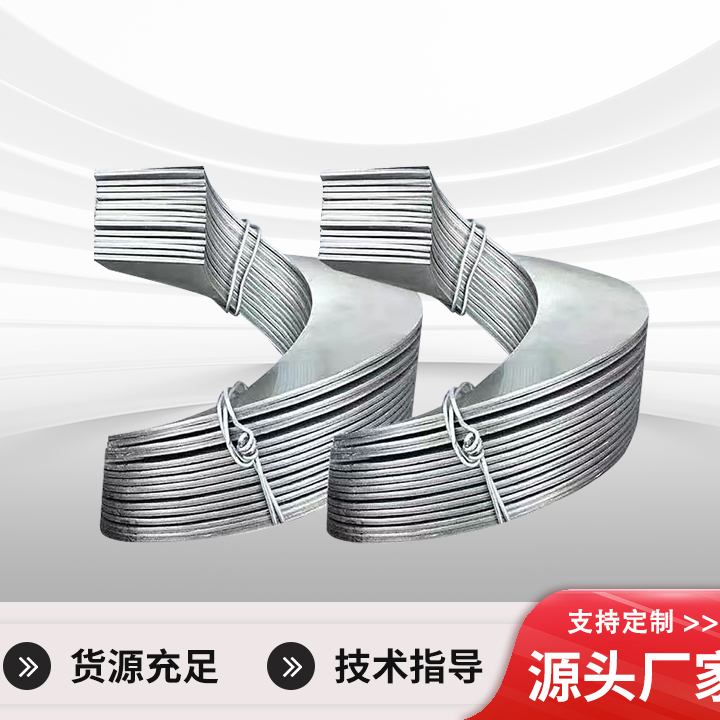
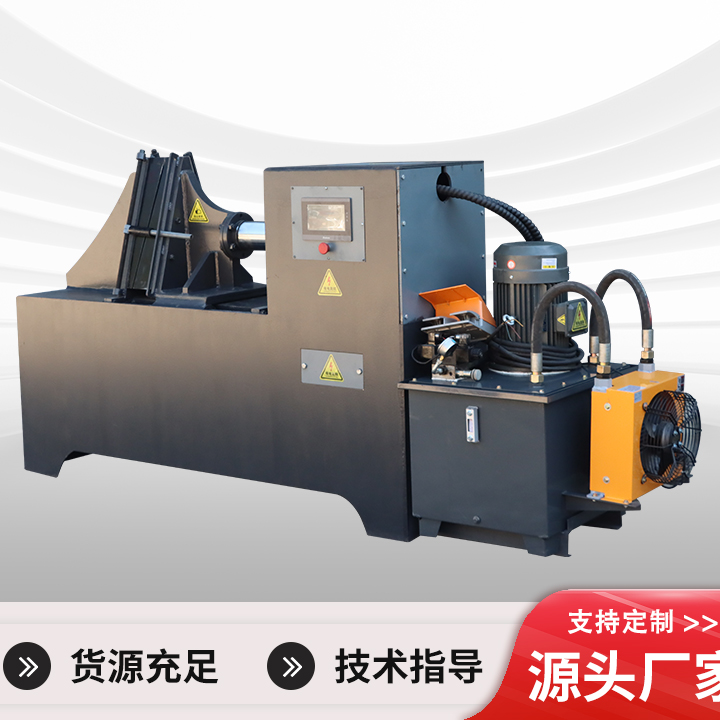





Spiral conveyor is a continuous conveying equipment without disturbance traction components, which uses rotating spiral blades to move the conveyed material along a fixed casing surface for conveying work. The conveying direction includes horizontal and multi angle conveying.
The screw conveyor (hereinafter referred to as the screw machine) is equivalent to ISO1050-75 standard and designed and manufactured in accordance with ZBJ81005.1~2-88 professional standards. Compared with the GX screw machine, it has a novel structure and advanced technical indicators. The head and tail bearings are moved outside the shell, and the middle suspension bearing adopts two interchangeable structures of rolling and sliding, both of which are equipped with dust-proof sealing devices. The sealing parts are made of wear-resistant nylon or high-strength wear-resistant plastic materials, which have low resistance, strong sealing performance, and good wear resistance. The sliding tiles need to be lubricated with cast copper tiles, alloy wear-resistant cast iron tiles, and copper based graphite low oil lubricating tiles. The discharge end is equipped with a cleaning device, and the whole machine has strong adaptability, low noise, simple operation and maintenance, and flexible layout of the inlet and outlet positions. According to the user's requirements. If necessary, an additional shaft breakage alarm device can be installed.
Spiral machines have been widely used in various industrial sectors, such as building materials, power, chemical, metallurgical, coal, aluminum magnesium, machinery, light industry, grain and food industries. They are suitable for conveying powdery, granular and small block materials with a horizontal or less than 20 ° inclination angle, such as cement, coal powder, grain, fertilizer, ash, sand, etc. The material temperature is generally below 200 ℃.
Spiral machines are not suitable for conveying materials that are prone to deterioration, high viscosity, and easy agglomeration, because these materials will adhere to the spiral during transportation and rotate without moving forward or form material blockages at the suspension bearings, which will prevent the spiral machine from working properly. Spiral machines are often used in situations with low or medium conveying volumes and small conveying lengths.