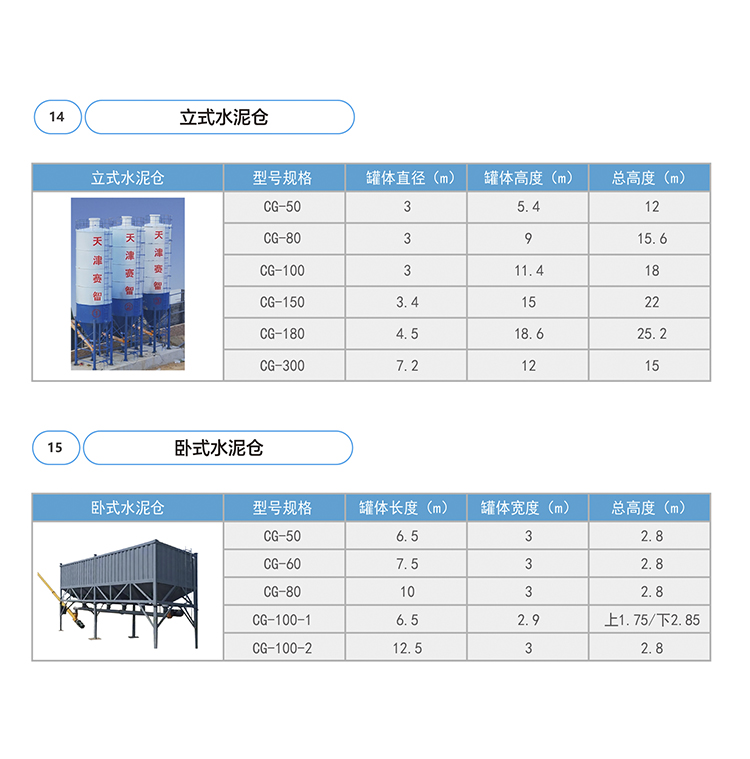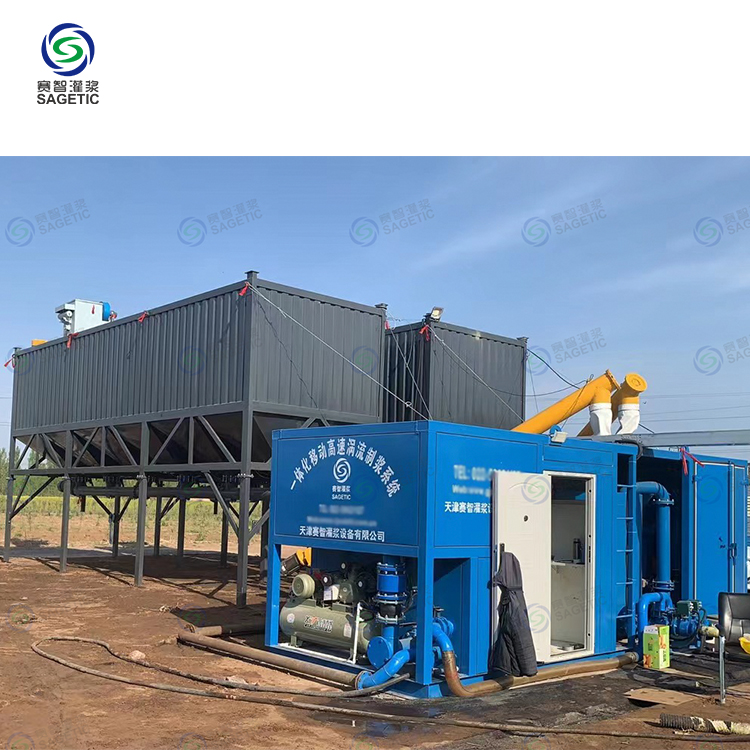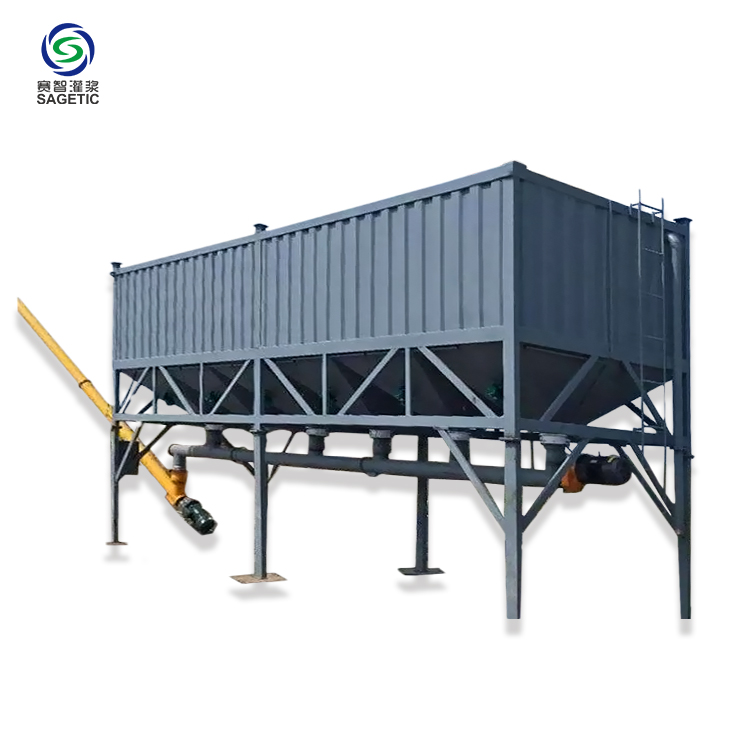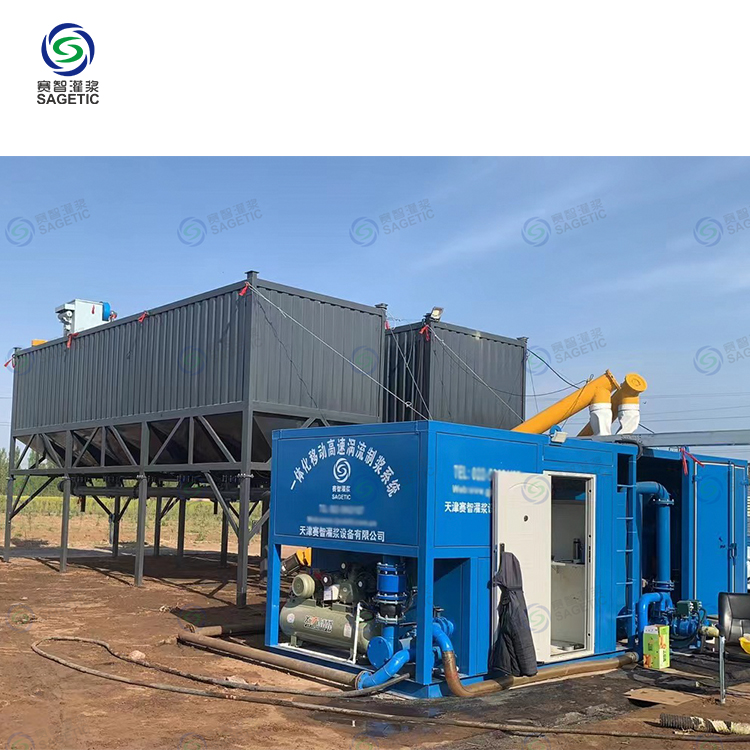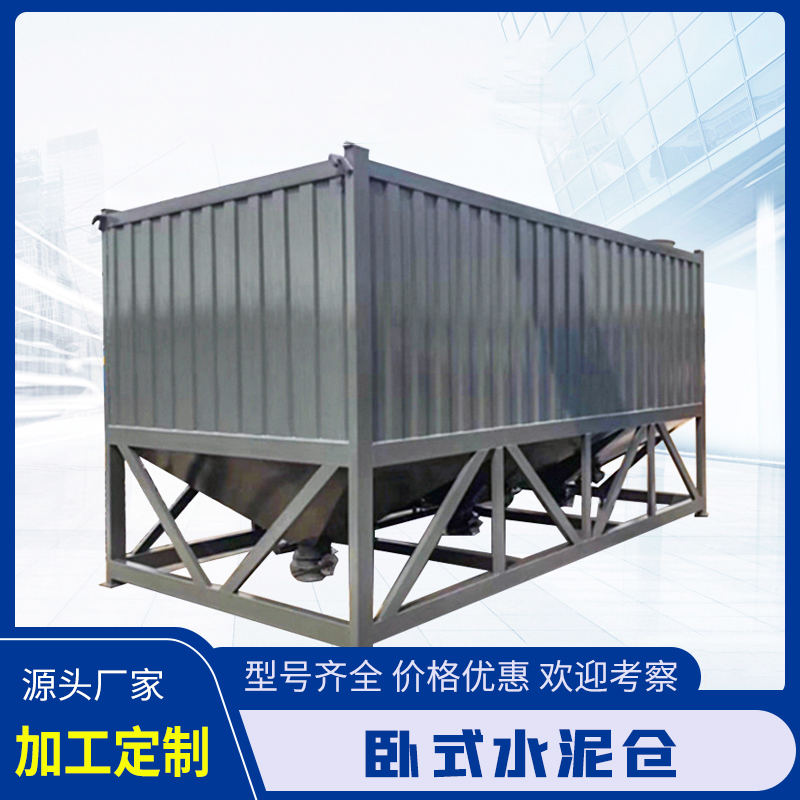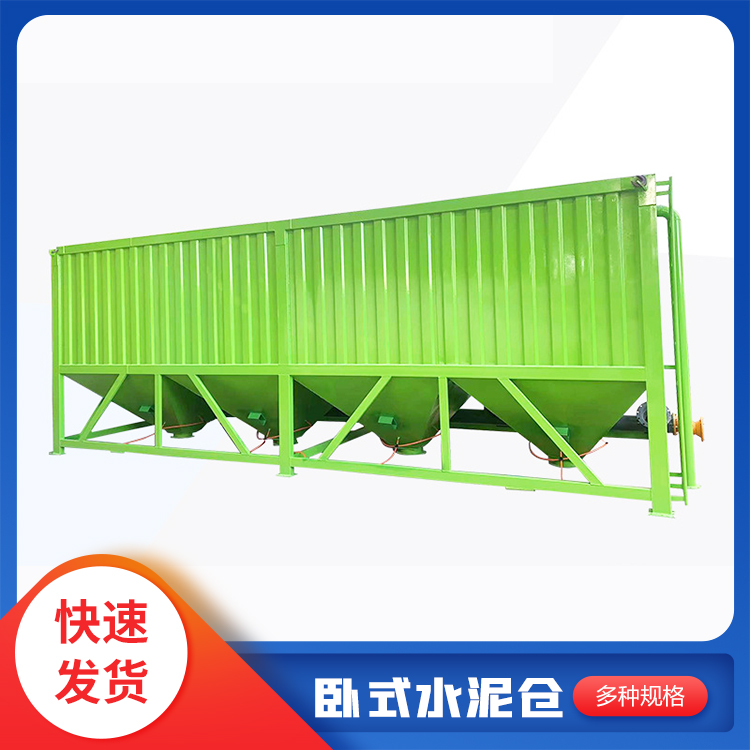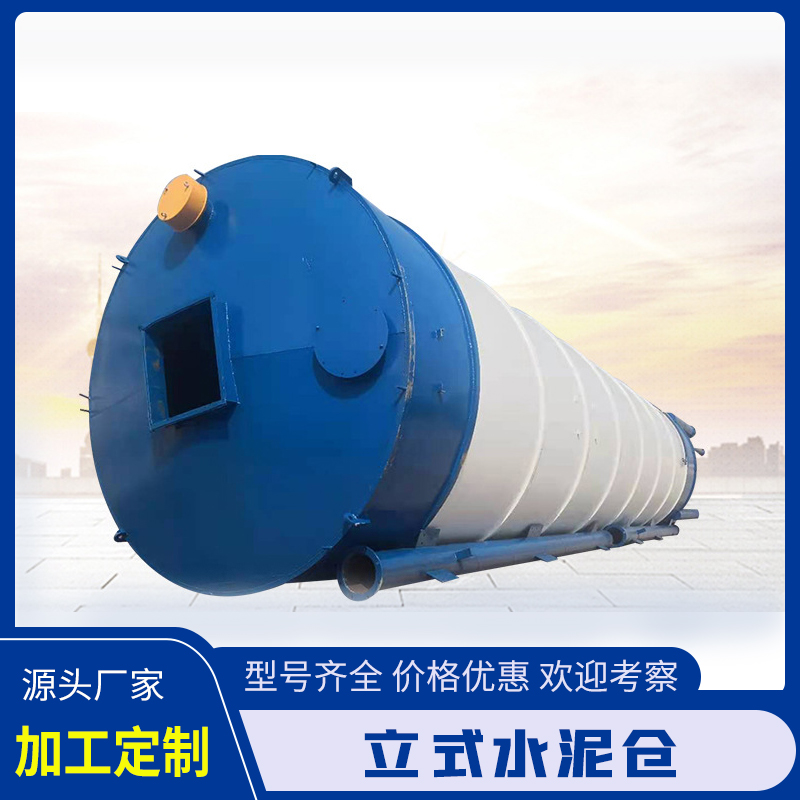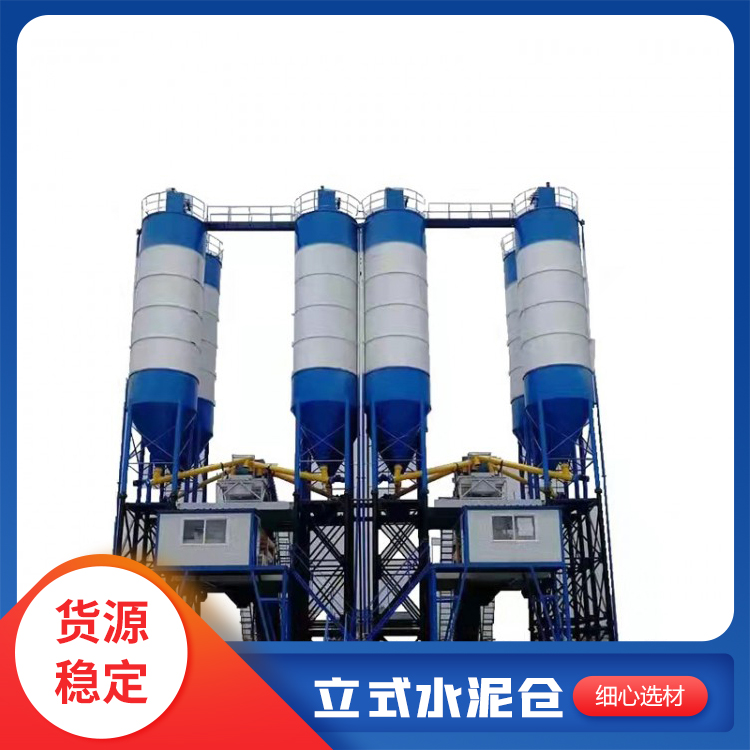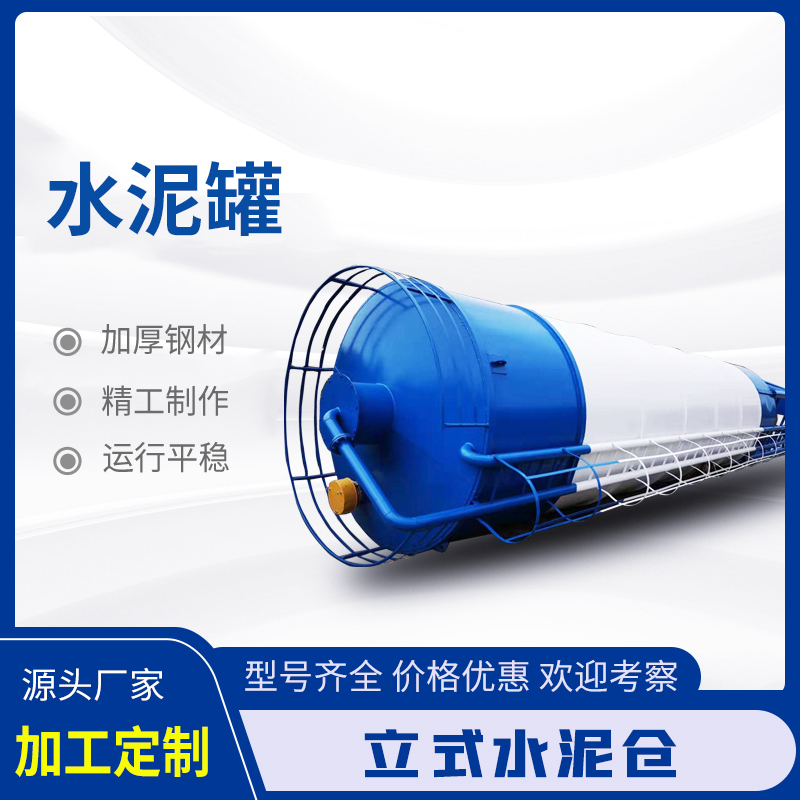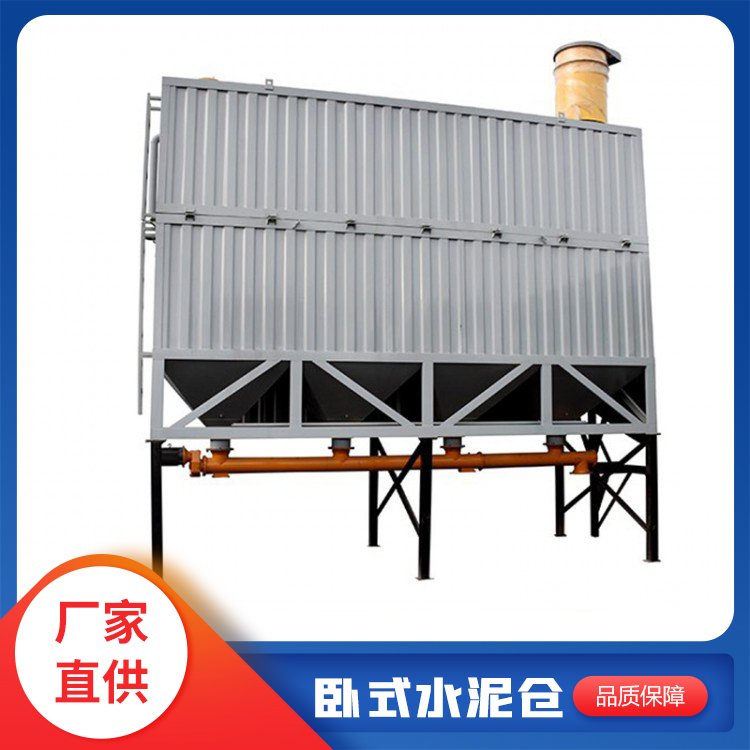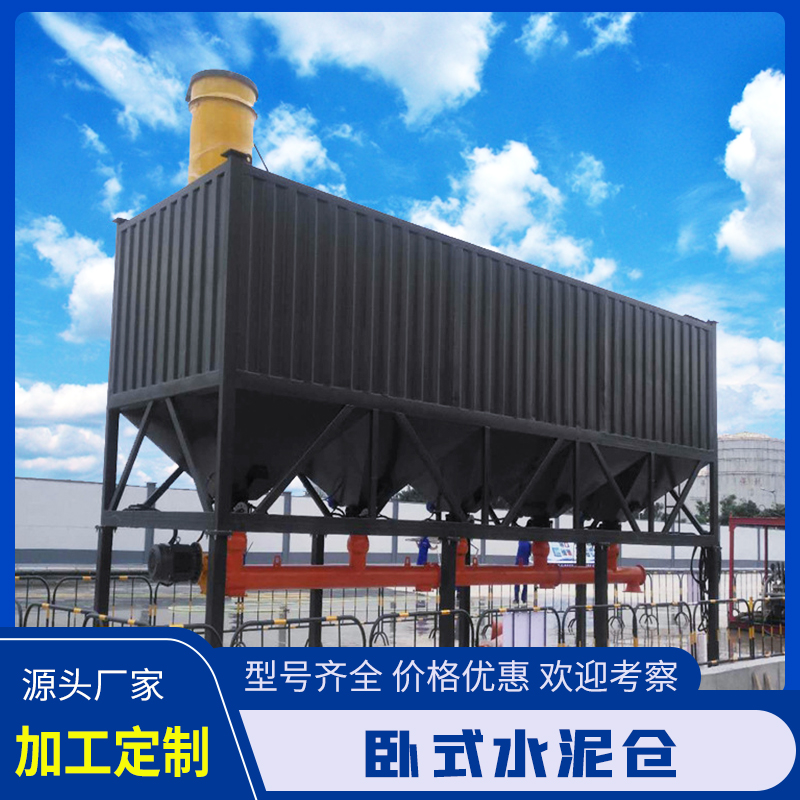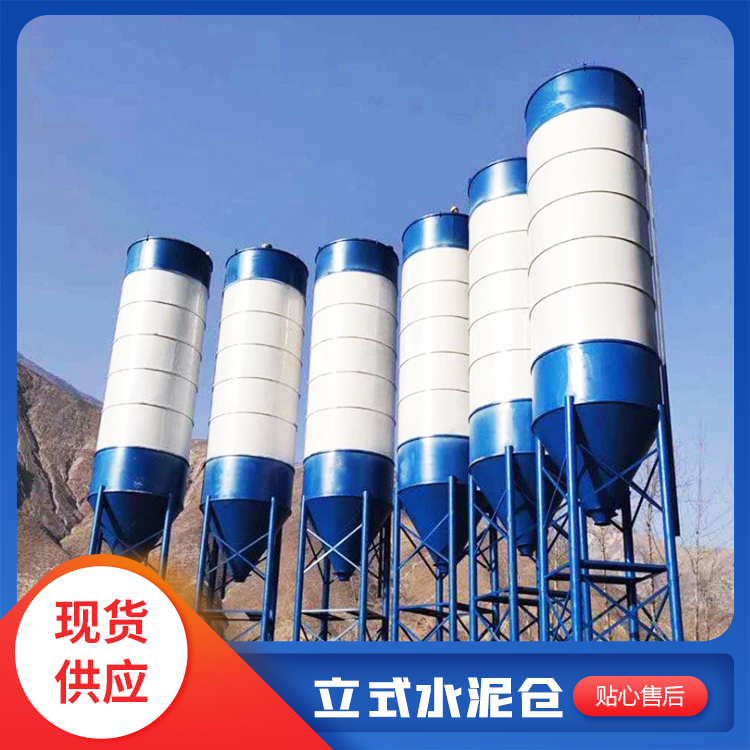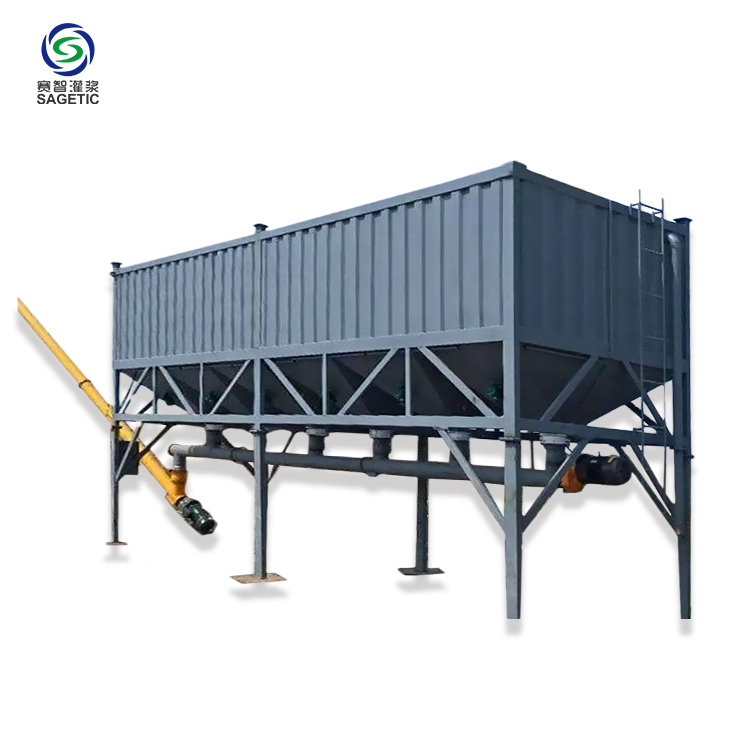

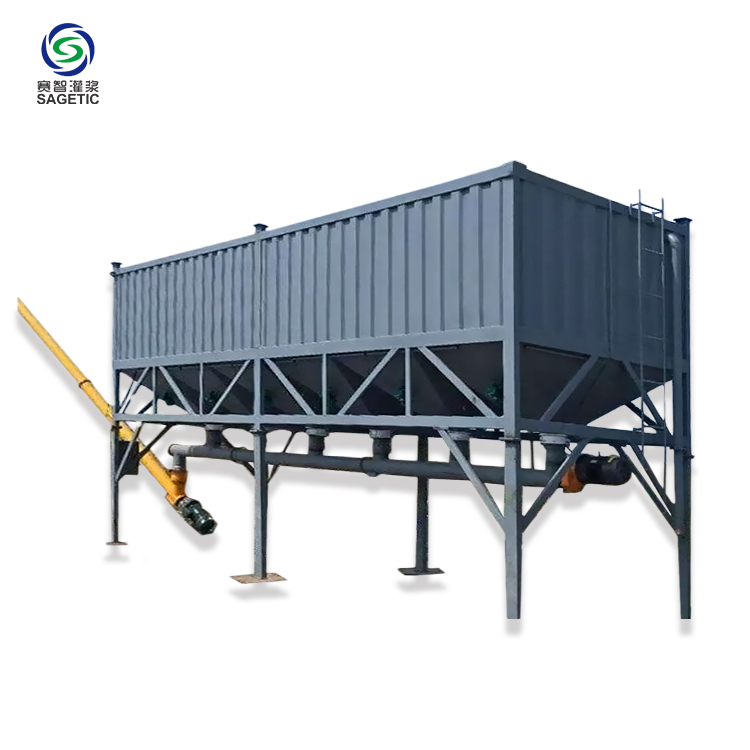

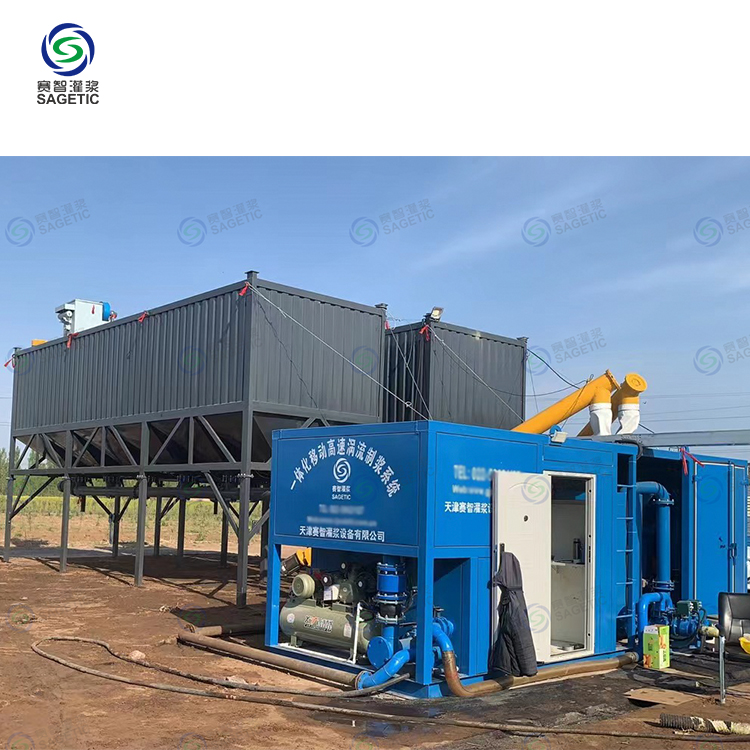


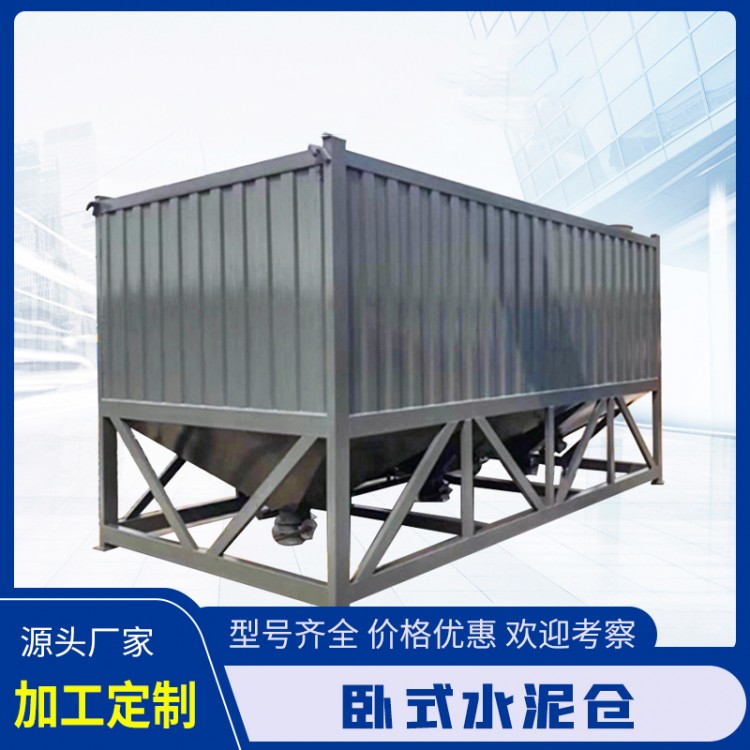
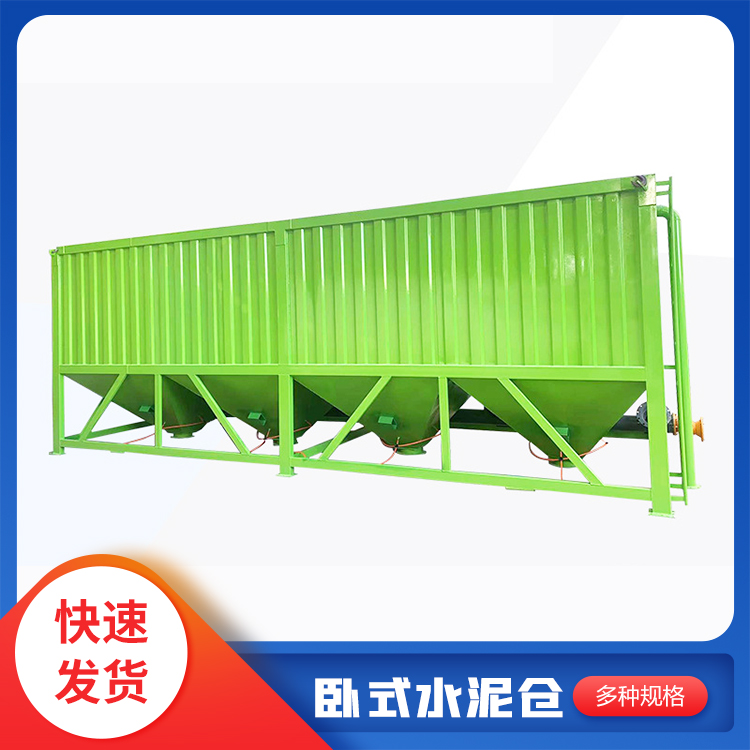

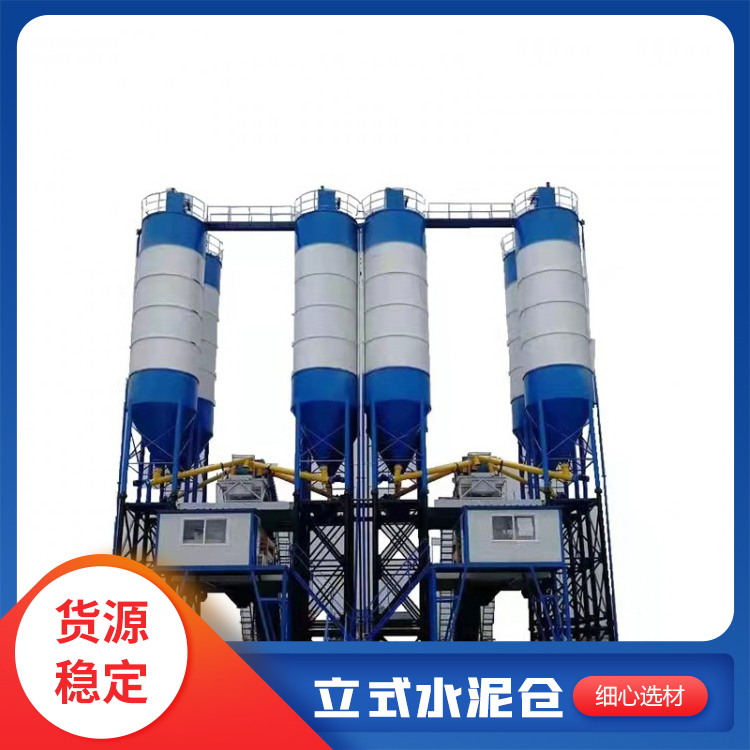





The cement silo (cement tank) consists of the following parts: steel structure of the silo body, ladder, guardrail, feeding pipe, dust collector, explosion-proof valve, level gauge, etc.
2、 Structure
The cement silo (cement tank) is a cylindrical structure, supported by four circular pipe legs at the bottom to support the entire silo body. The entire silo is made of steel structure and welded together; The top is equipped with a dust collector and a pressure safety valve.
3、 Working principle
1. When the cement silo (cement tank) is working, it must be lifted by a crane and placed on a pre fabricated concrete foundation. The verticality of the cement silo (cement tank) to the horizontal plane should be checked after it is erected, and then its bottom should be welded firmly to the foundation embedded parts.
2. After the storage bin is fixed, the cement is transported to the construction site by a bulk cement truck. Then, the conveying pipeline of the bulk cement truck is connected to the feeding pipeline of the cement silo (cement tank), and the cement in the tank is transported to the cement silo (cement tank) by the gas pressure of the bulk cement truck.
3. During the process of transporting cement into the storage bin, the operator must continuously press the button of the dust collector vibration motor to shake off the cement attached to the dust collector bag, preventing the bag from being blocked and causing a warehouse explosion.
4. Once the bag is blocked, if the pressure inside the compartment exceeds the safe pressure of the top pressure safety valve, the pressure safety valve can be opened to release the pressure inside the compartment, preventing the occurrence of explosion accidents.
5. By observing the high and low material levels, one can observe whether the warehouse is full or short of materials.
6. When the cement conveying device malfunctions, first close the manual discharge valve at the bottom of the cone to prevent cement from overflowing and causing waste.