







·Pipeline opening, sealing, and emergency repair
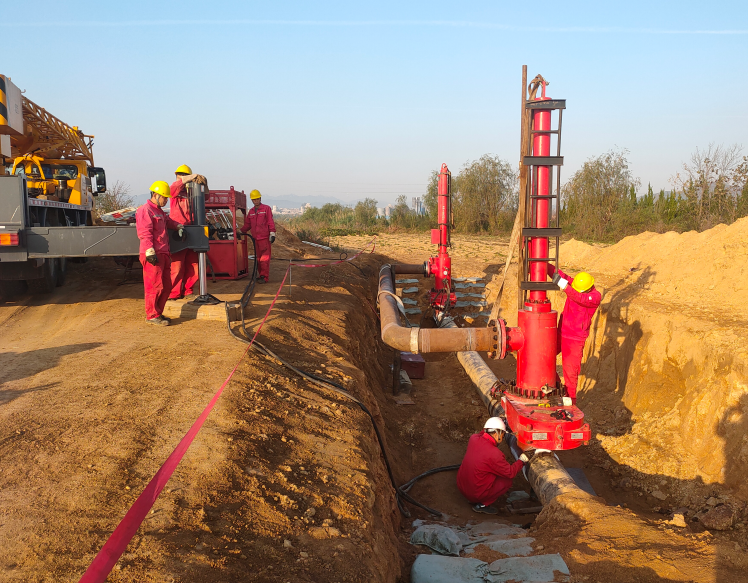
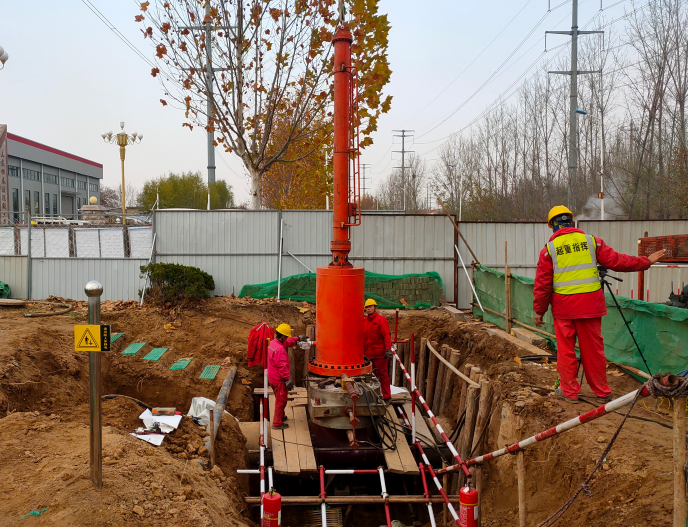
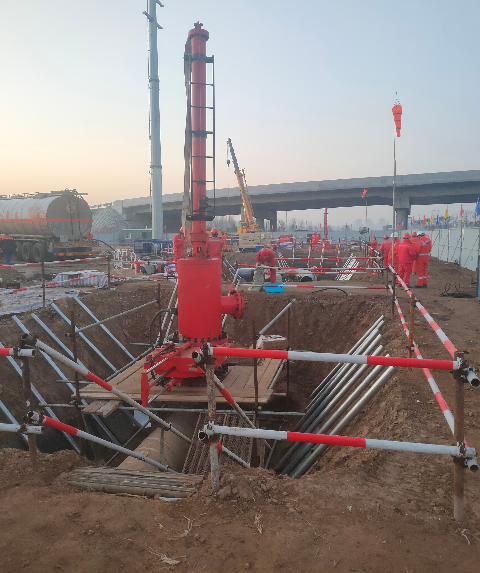
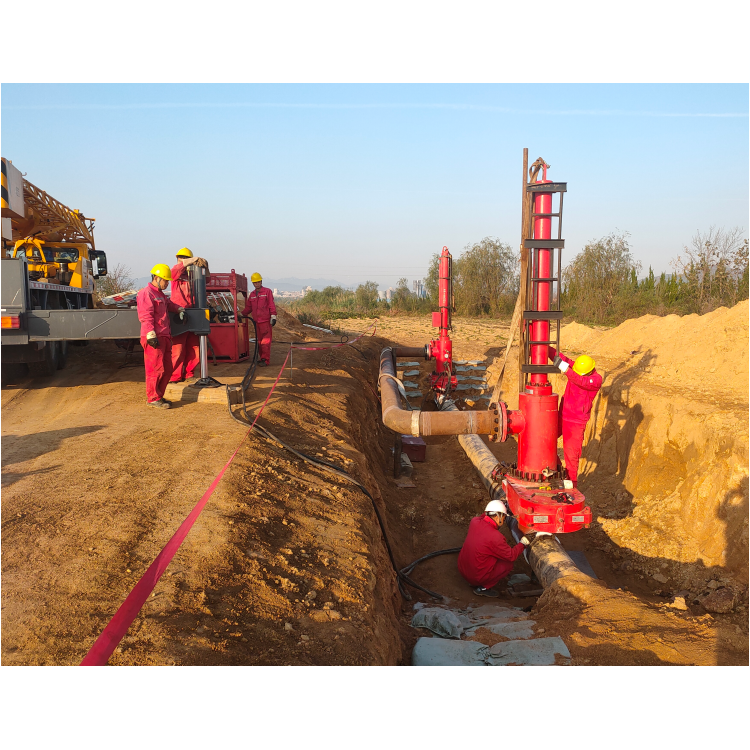
Road pressure sealing is a safe, economical, and fast pipeline maintenance and repair technology. It can complete the replacement, displacement, valve replacement, and addition of branch lines of in-service pipelines without interruption of pipeline medium transportation. It can also quickly and safely repair accident pipelines and restore pipeline operation in case of pipeline leakage. It has mature applications in oil and gas pipelines, chemical pipelines, thermal pipelines, water pipelines, etc.
The requirements for each main stage of pipeline pressure sealing construction are as follows:
1. Excavation and sealing operation pit
(1) Pay attention to the protection of pipelines, optical cables, and other surrounding facilities;
(2) Meet the basic requirements of construction operations and have sufficient working surfaces;
(3) Determine the slope angle based on the soil quality, and reinforce the slope if necessary to ensure construction safety.
2. Welding under pressure:
(1) A targeted welding process manual prepared by welding engineers based on pipeline parameters and process evaluation;
(2) Welders must hold a pressure pipeline welding certificate and have experience in welding pressure vessels or pressure pipelines;
(3) Before welding, conduct dense thickness measurement on the pipeline to be welded, calculate the allowable welding pressure under pressure, and evaluate weldability;
(4) Measure and record the grounding resistance value to ensure effective grounding of electrical equipment and pipelines, detect the combustible gas content in the working environment, and ensure construction within safe limits;
(5) Welders should wear complete protective gear to prevent occupational injuries;
(6) The team leader conducts safety technical briefing before welding.
3. Drilling operation
(1) Strictly follow the safety operating procedures for pressure testing, with the test pressure not exceeding 1.1 times the operating pressure of the pipeline when the operating pressure is high; And keep a record of the pressure test.
(2) Measure the relevant data of the opening, calculate and record the size of the opening in place;
(3) After receiving the drilling order from Party A or the supervisor, drilling operations can be carried out strictly in accordance with the standards;
(4) Strictly implement the "one person, one machine, one position" and "team leader responsibility system";
(5) There are practical and feasible emergency plans for possible unexpected situations during the drilling process.
4. Blocking operation
(1) We should follow the principle of 'downstream first, then upstream' to proceed;
(2) Measure sealing related data, calculate and record the size of the opening in place.
(3) The sealing process should be slow and smooth, and attention should be paid to adjusting the displacement and pressure of the hydraulic pump station.
5. Drain the sealing section medium
(1) When discharging liquids or fluid media, pay attention to setting up drainage holes at low points and inlet holes at high points, and determine the number of drainage holes according to the site conditions;
(2) When discharging flammable (oil, gas, chemicals) media, the work area must be strictly isolated and all hot work is prohibited.
6. Pipe cutting operation
(1) Before bundling, first check the wheelbase. After bundling, check the forward and reverse rotation of the motor to ensure that the chain is in a straight line and tightly tied to prevent the pipe cutting machine from shaking during walking.
(2) When cutting pipes, pay attention to continuous physical cooling of the blades.
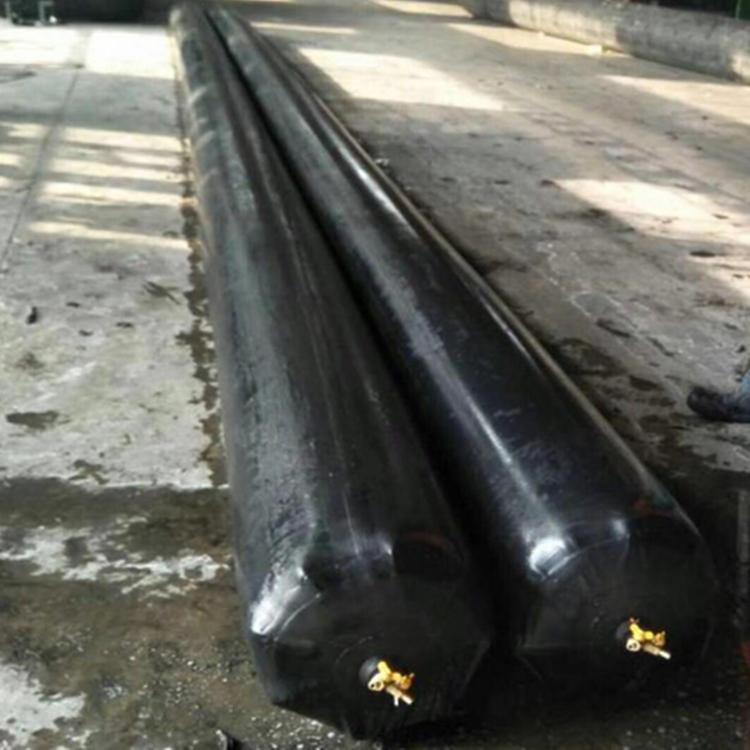
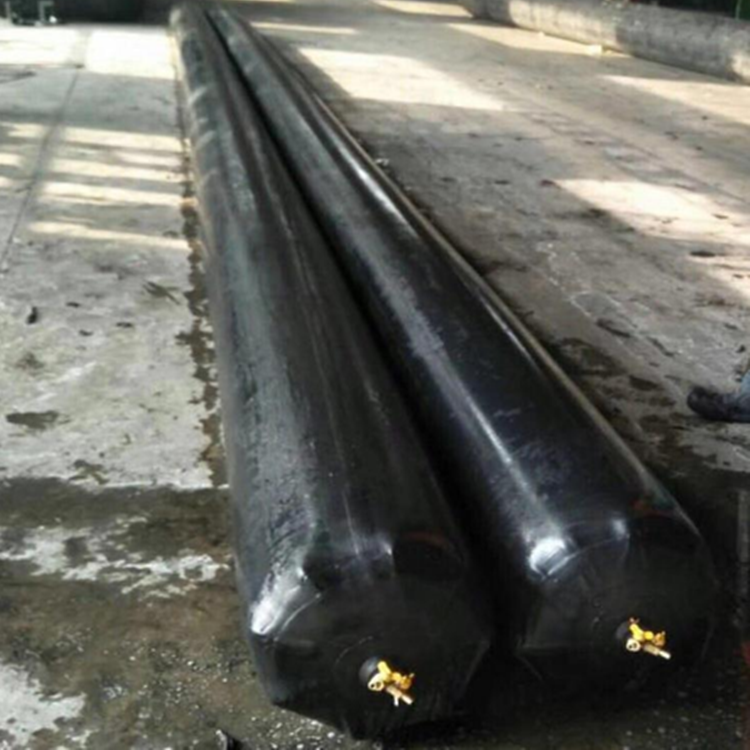
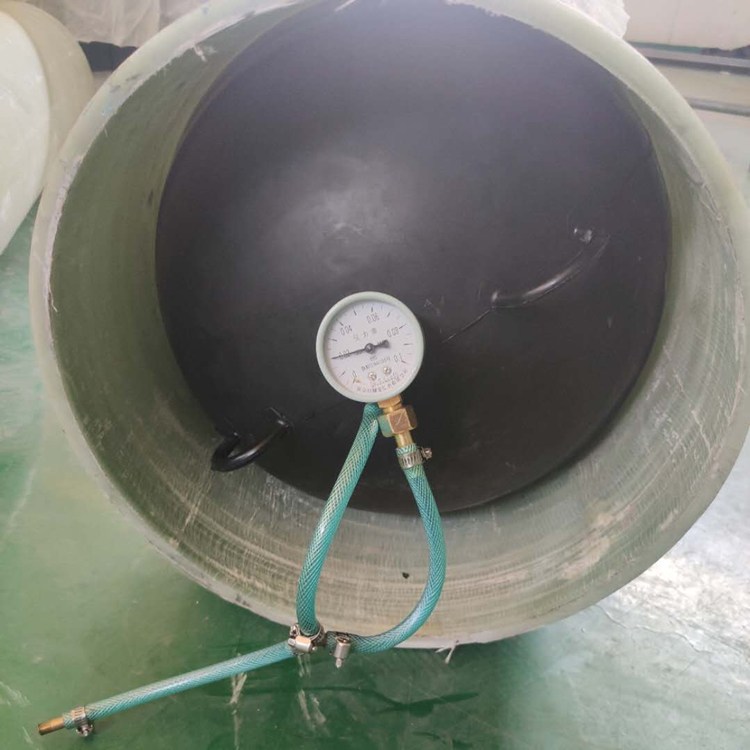
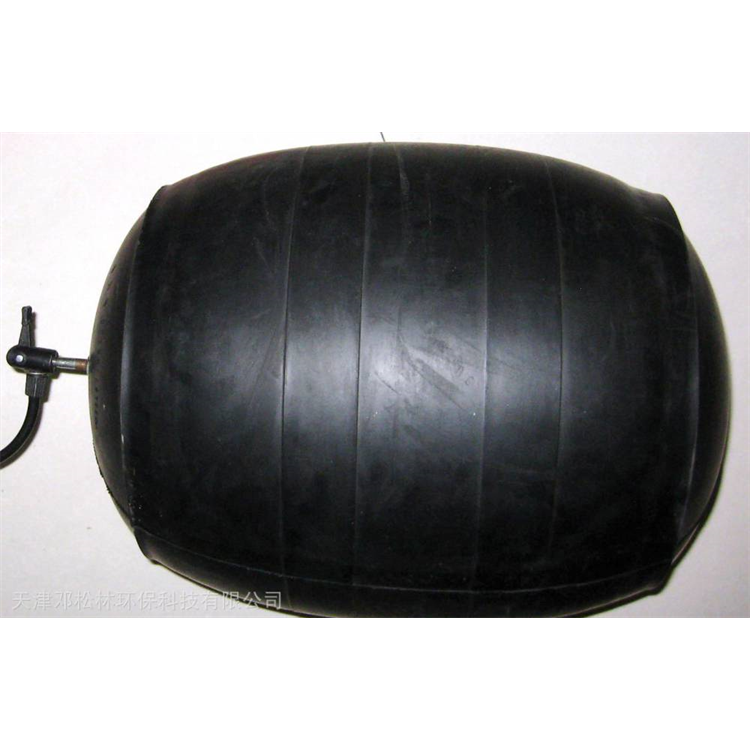
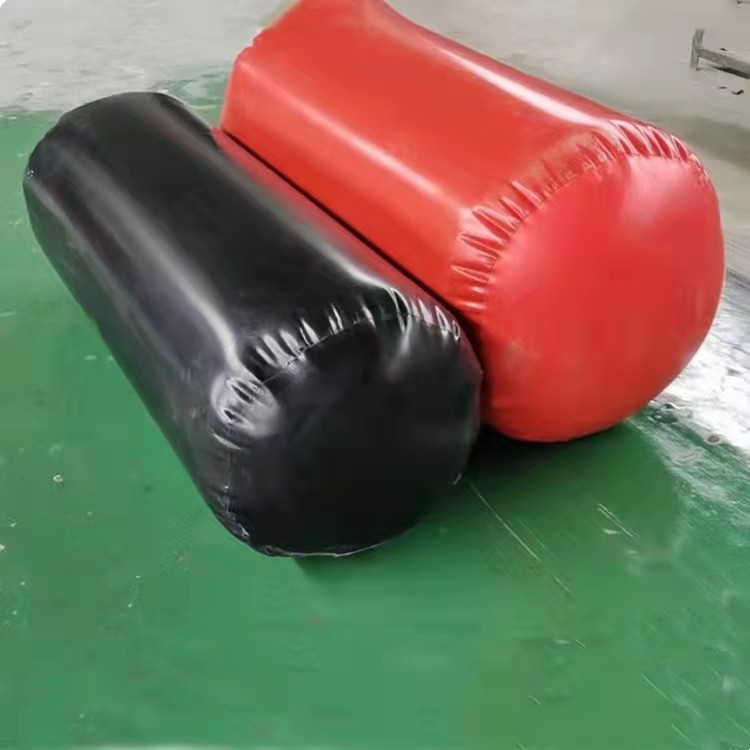
7. Construction of airbag or butter wall (using flammable and explosive medium pipelines)
(1) Firstly, clean the dirty oil on the inner and outer walls of the pipe mouth, and explosion-proof tools must be used during cleaning;
(2) The thickness of the butter wall is generally 1.5 times the diameter of the pipe;
(3) After the completion of the butter wall operation, combustible gas content detection should be carried out.
8. Pipeline alignment and welding
(1) It is strictly prohibited to strike or vibrate the pipeline to avoid loosening or collapsing of the grease wall;
(2) Construction should be carried out quickly, and the shorter the time, the better;
(3) If the ambient temperature is too high, cover and cool down the pipelines in the butter wall area.
9. Release blockage
(1) The pipeline construction must be completed and the weld inspection must be qualified;
(2) The newly built pipeline must be replaced according to the requirements, and the medium can only be injected after the nitrogen and air replacement are completed. The blockage can only be lifted after the pressure on both sides of the blockage point is consistent.
10. Blocking operation
(1) Ensure that the blocking direction is correct;
(2) Measure blockage related data, calculate and record the size of the opening in place.