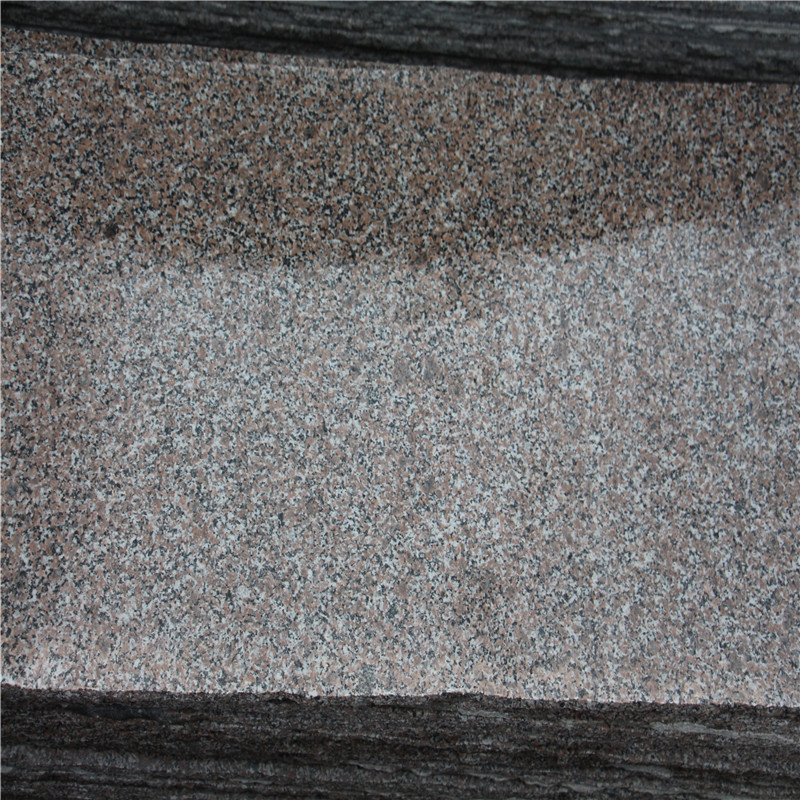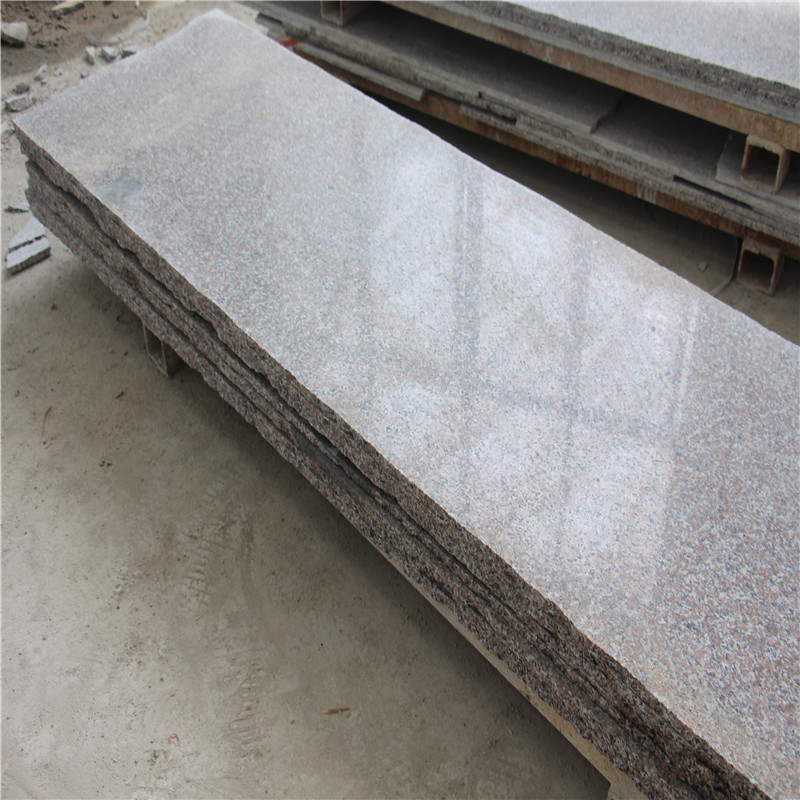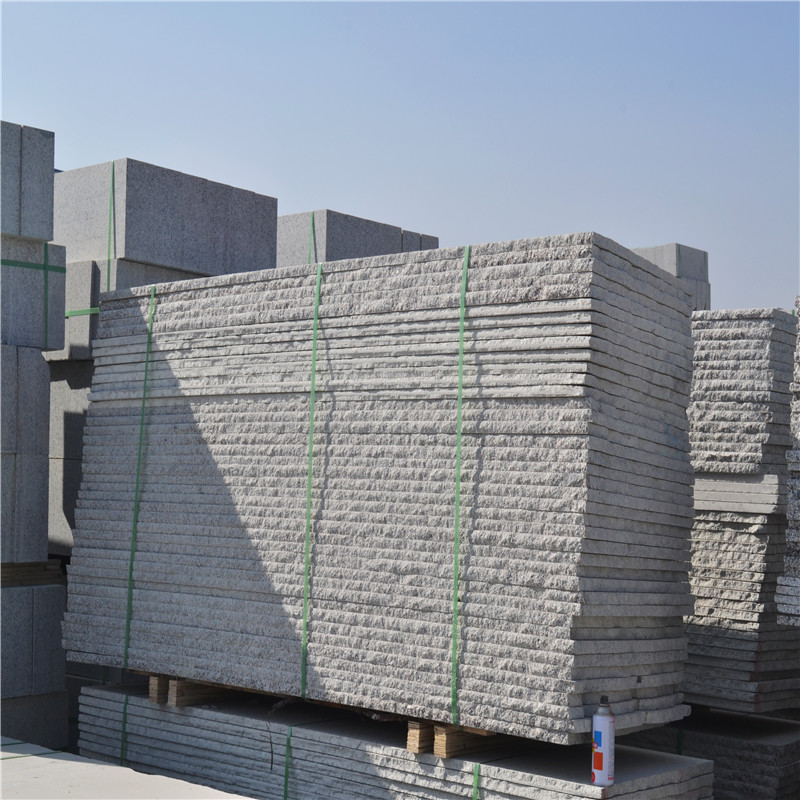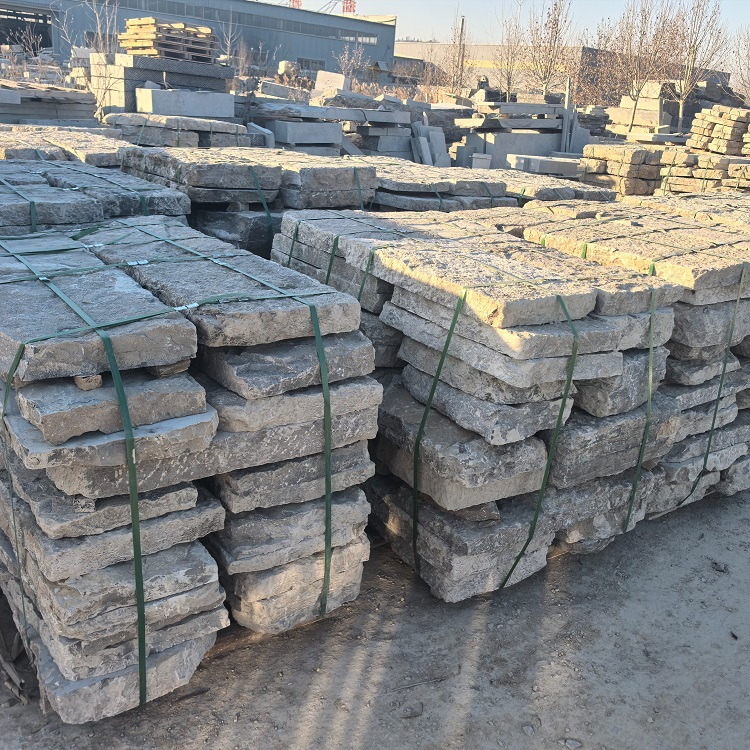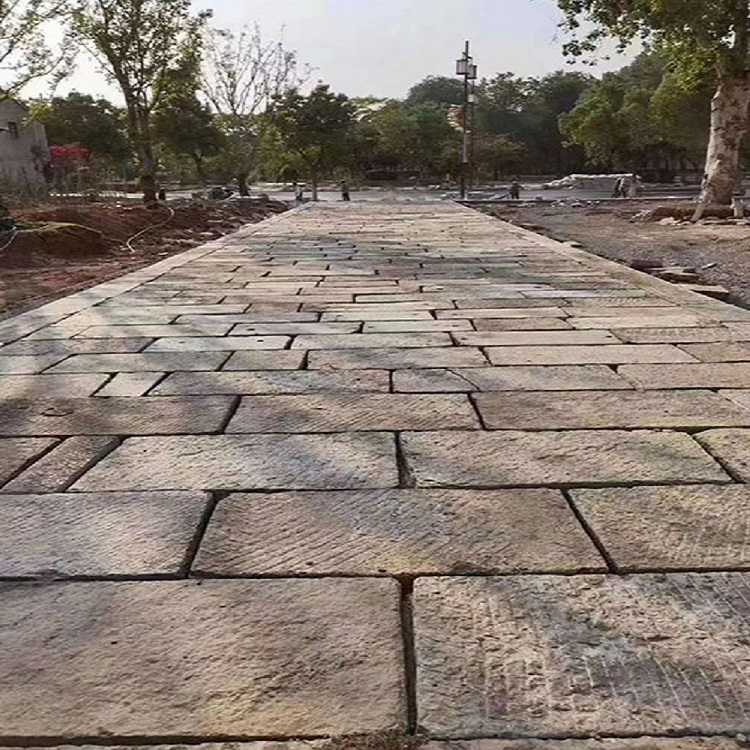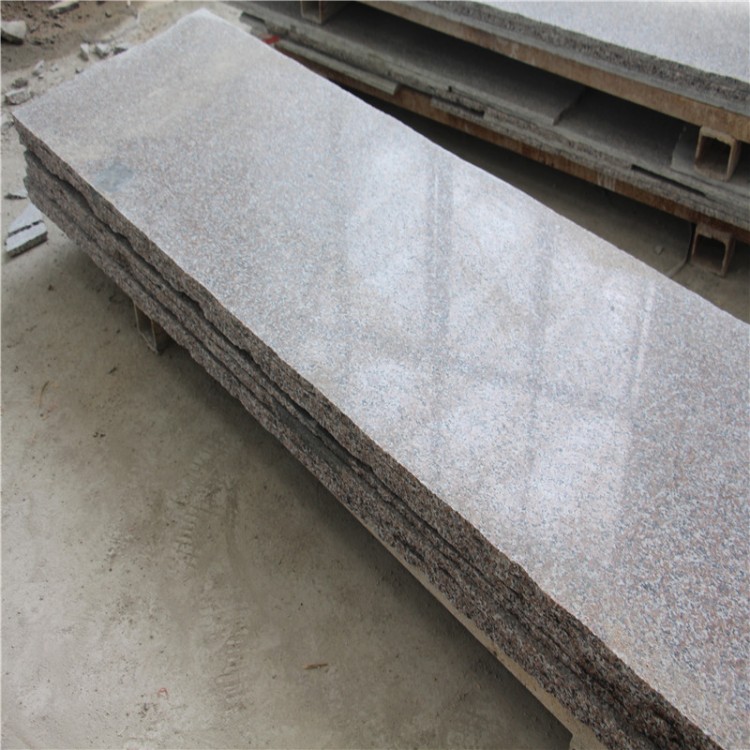


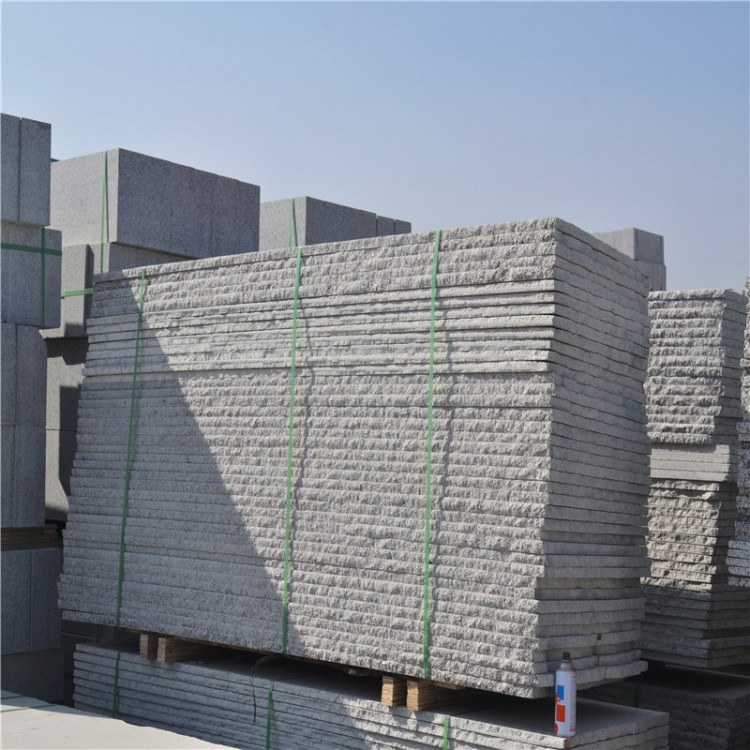
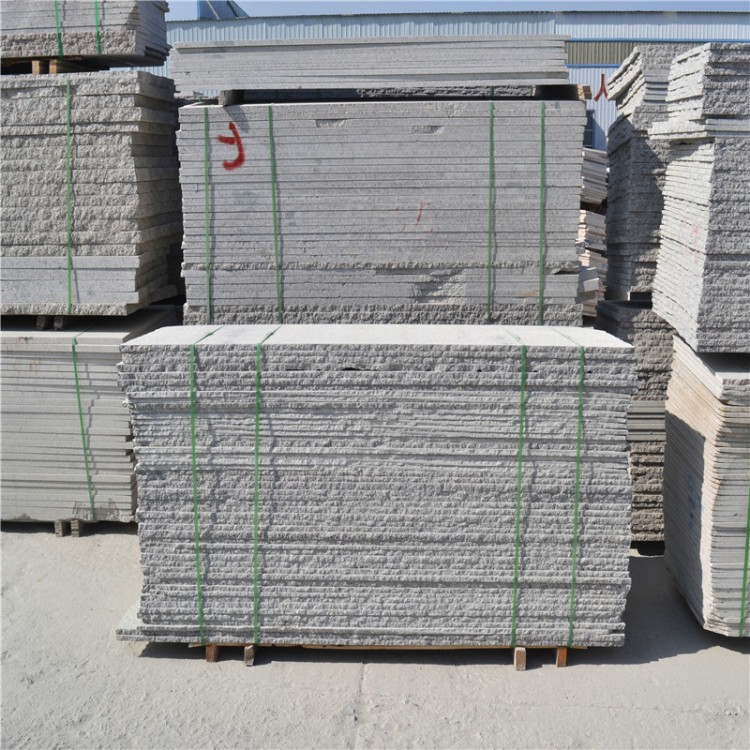


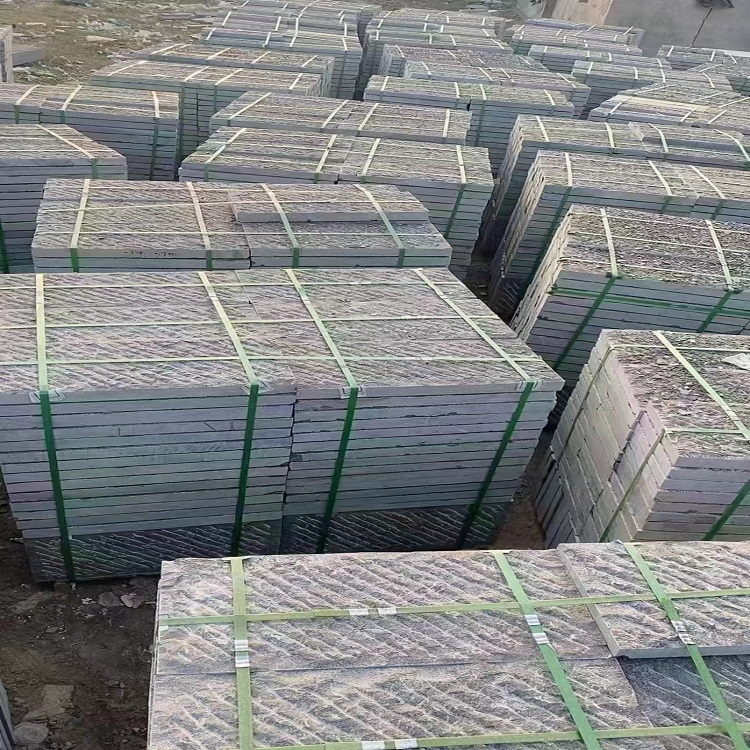
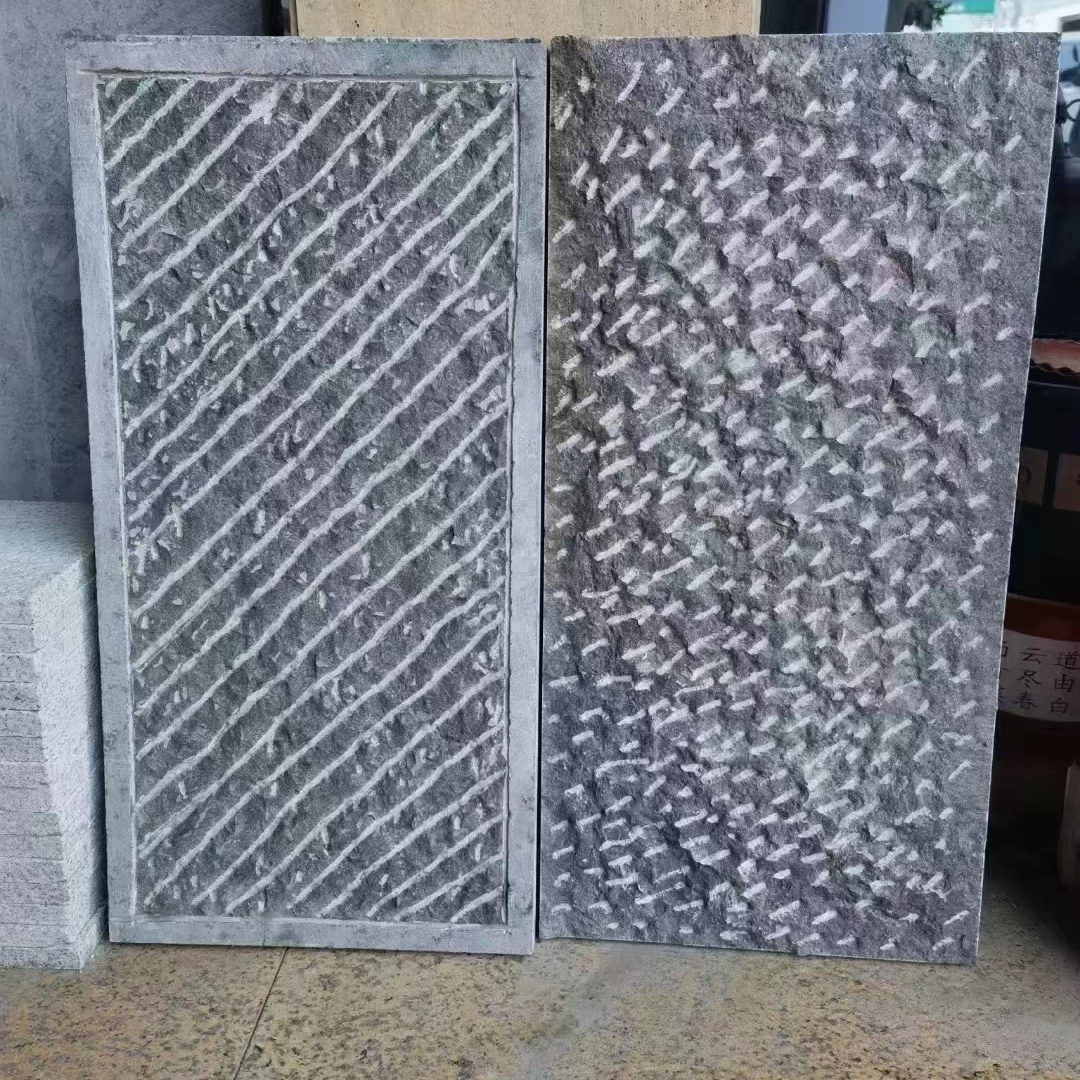
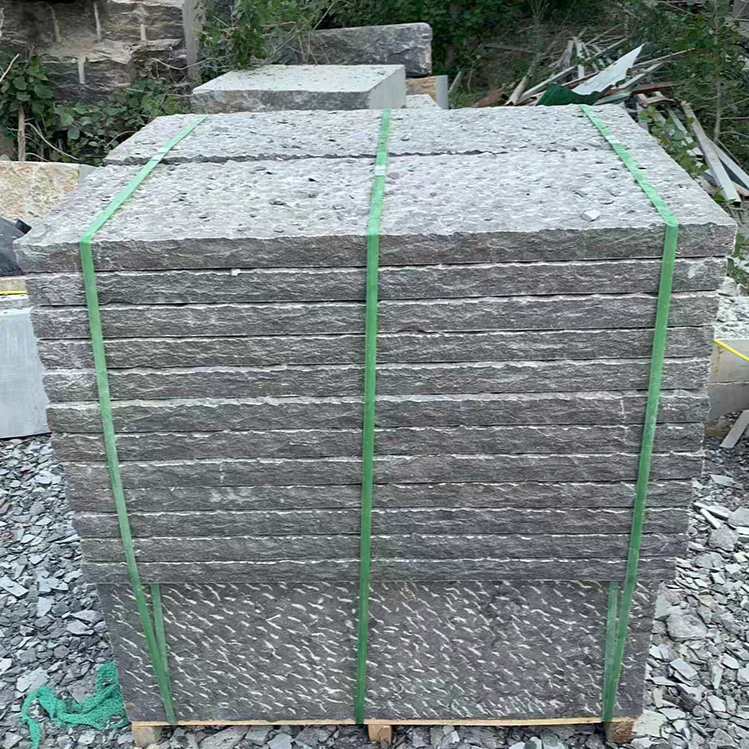
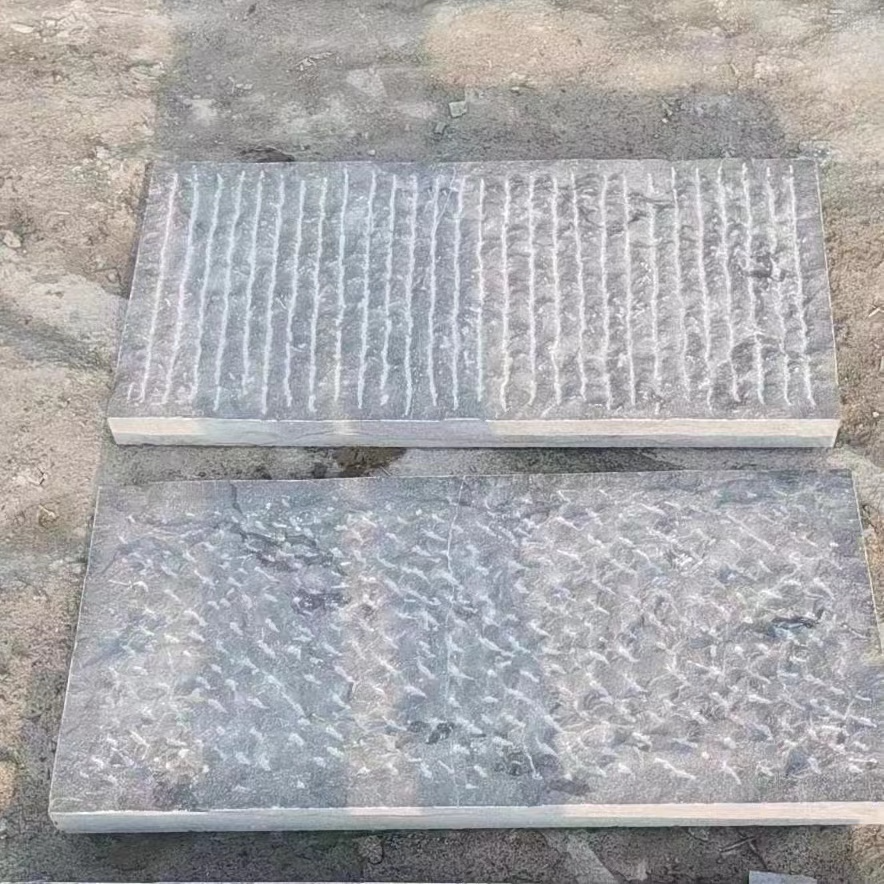
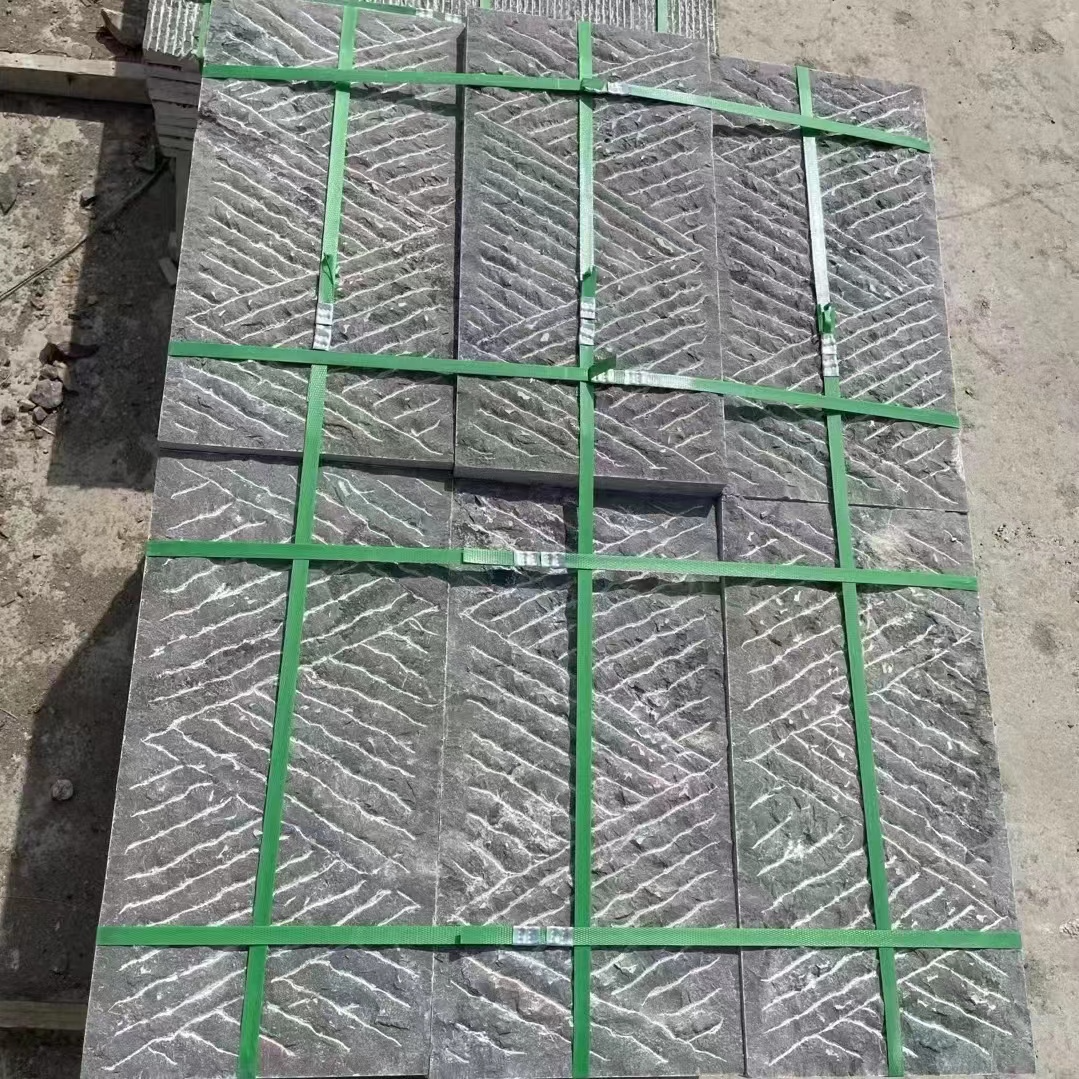





There are many reasons that can cause yellow rust stone disease. We can divide it into three categories: physical damage, chemical damage, and microbial damage. Below, we will introduce the factors related to these three aspects.
1. The damage caused by physical destruction, including freeze-thaw damage and crystal damage, occurs under low temperature conditions in winter. Freeze thaw damage refers to water entering the yellow rust stone, freezing and expanding in volume, causing the yellow rust stone to crack; Crystallization damage refers to the phenomenon where salt substances dissolve in water and infiltrate yellow rust stones through capillaries. Under dry conditions, salt components undergo crystallization, and the pressure generated by crystal expansion causes the surface to peel off in a flake or powder form. Under alternating wet dry conditions, crystal damage is severe.
2. Chemical corrosion damage: Yellow rust stone pollution or corrosion can cause rust spots, water marks, white spots and other diseases. During the process of stone mining, processing, transportation, installation, and use, it is inevitable to come into contact with iron products. The key to preventing rust is that the stone should be waterproofed by injecting resin before installation to prevent iron minerals from oxidizing and seeping out of the stone surface. After installation, the stone should be cleaned thoroughly to prevent rust caused by external contamination of the stone.
3. Microbial destruction: Some microorganisms grow on damp yellow rust stones, which not only damage the appearance and color of the stones, but also corrode the stones and their adhesives with certain metabolic products such as lichen acid. Some biological enzymes can release cations from aluminosilicates, which can be degraded and destroyed by microorganisms. The destruction of microorganisms accelerates several other destructive processes.
4. Natural reaction generation. Because the material inside the stone is composed of hematite and pyrite, these iron minerals are oxidized when in contact with air, forming ferric oxide and penetrating into the pores of the stone.