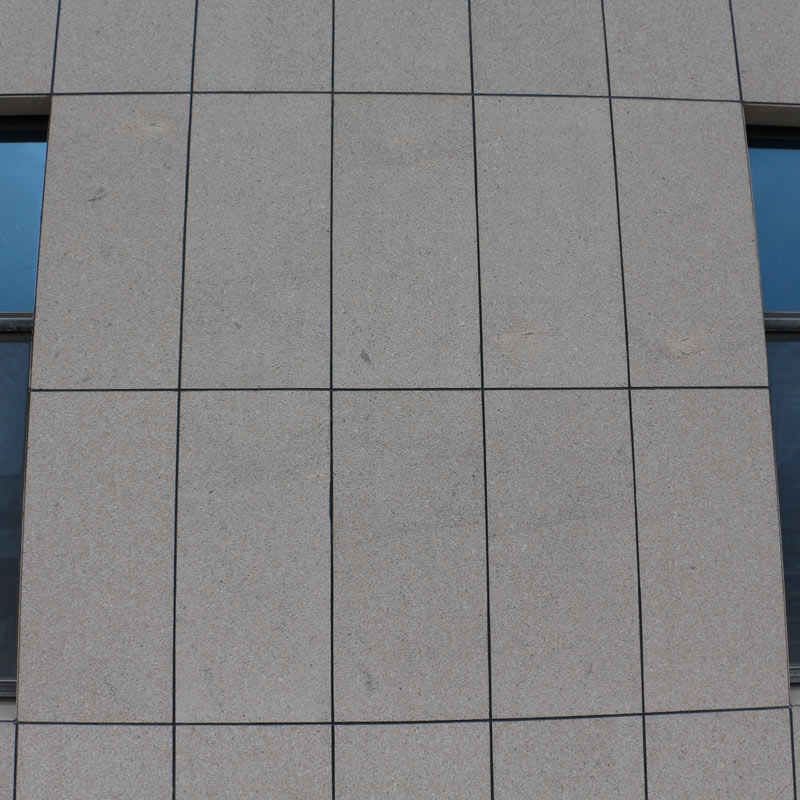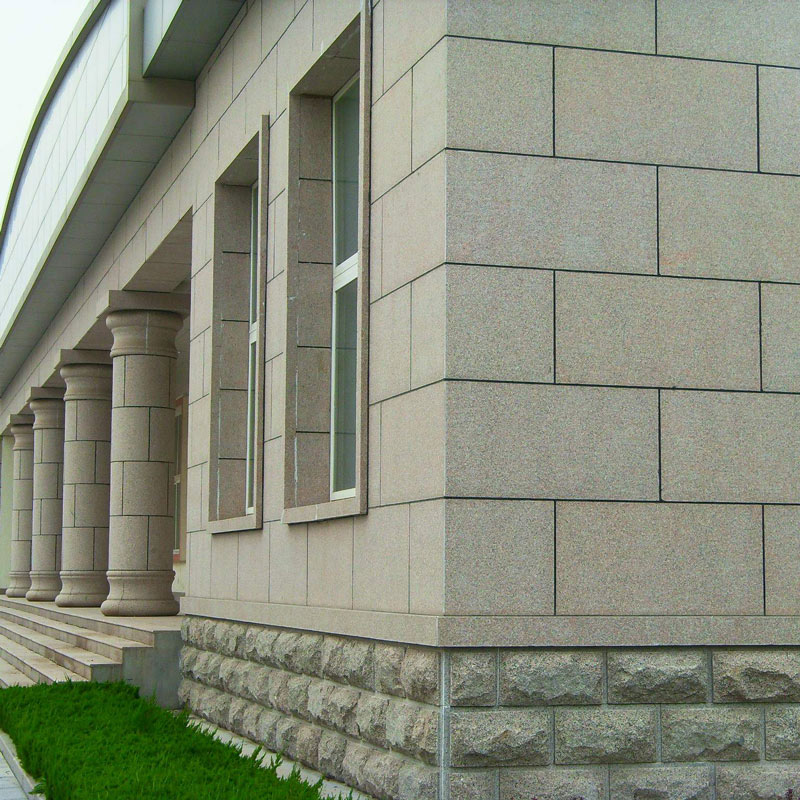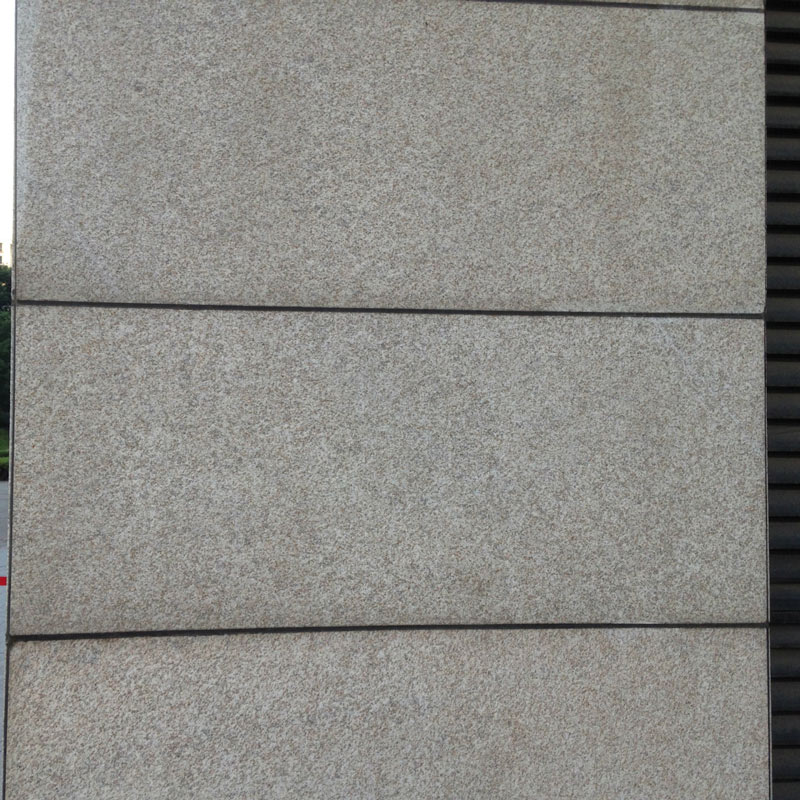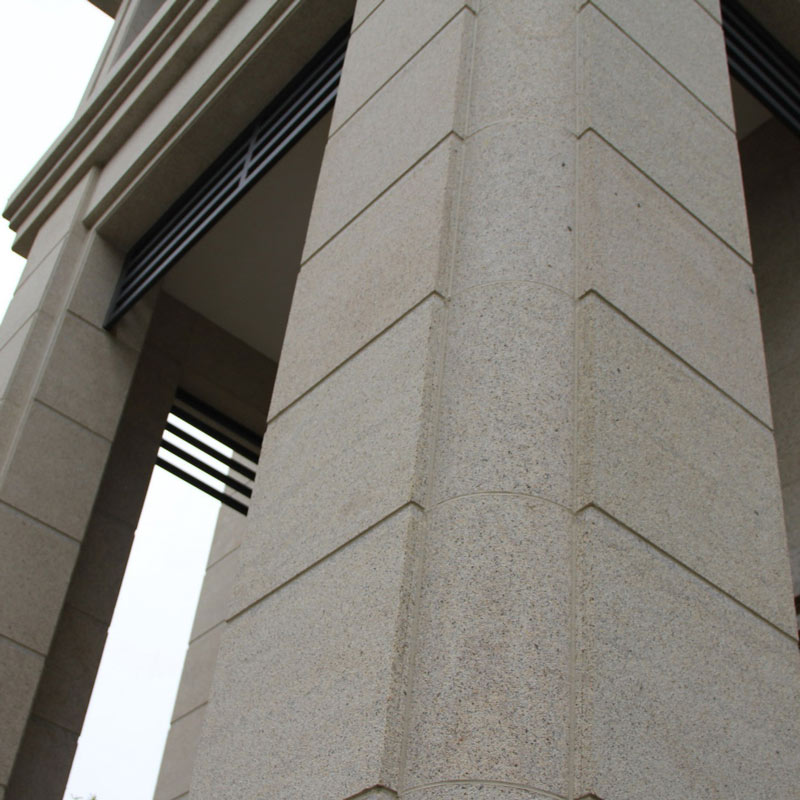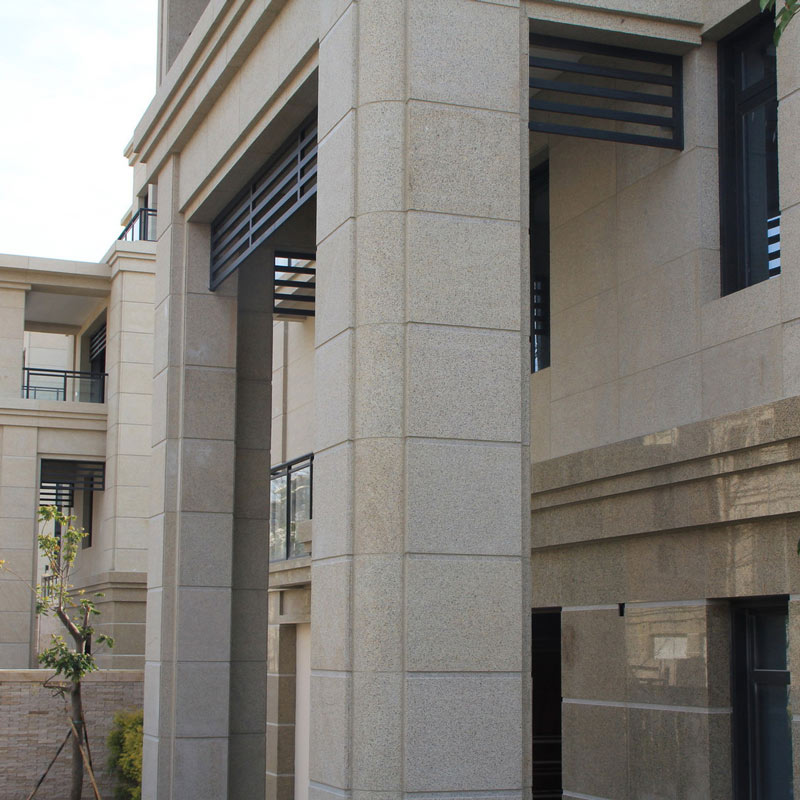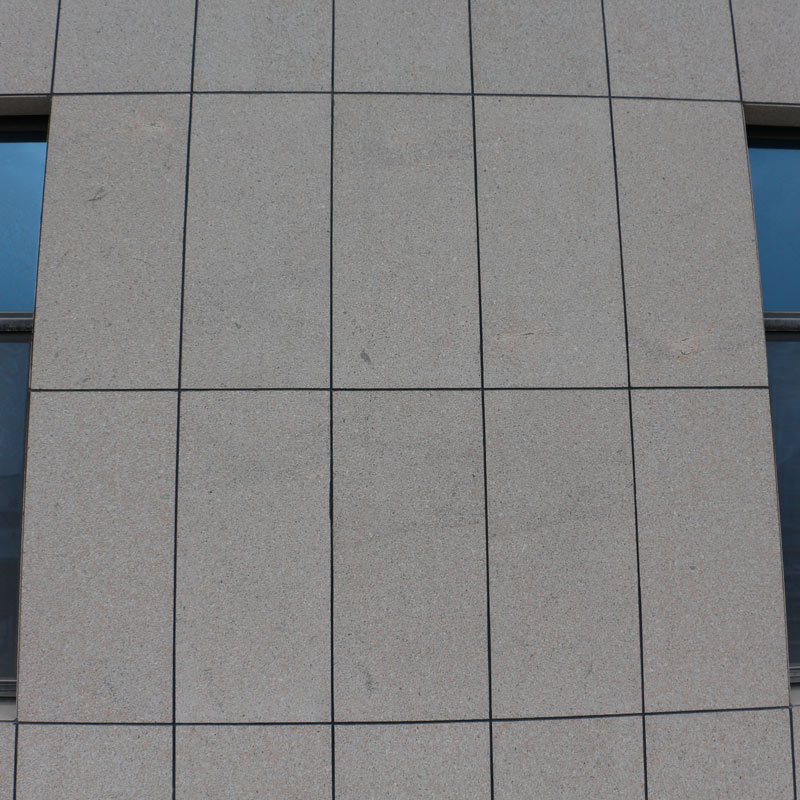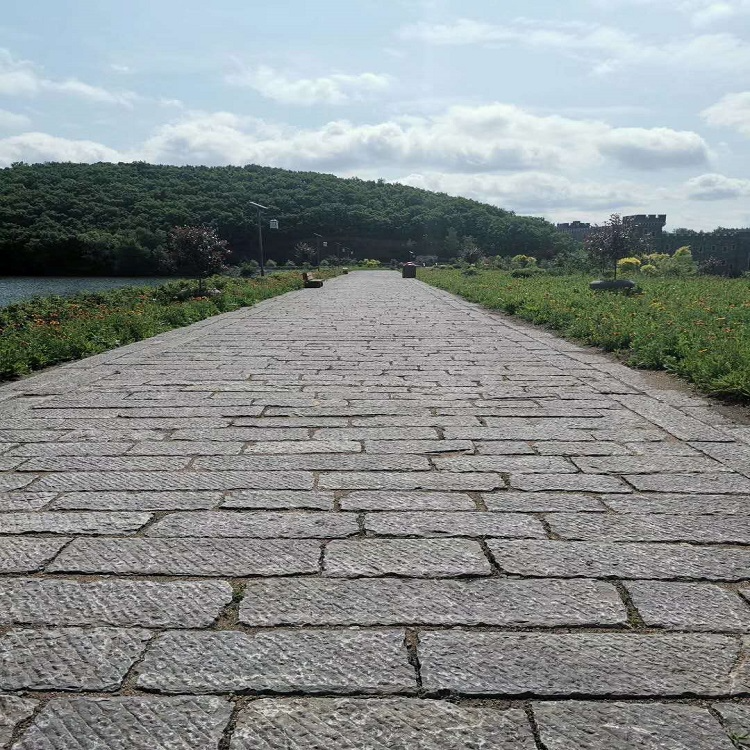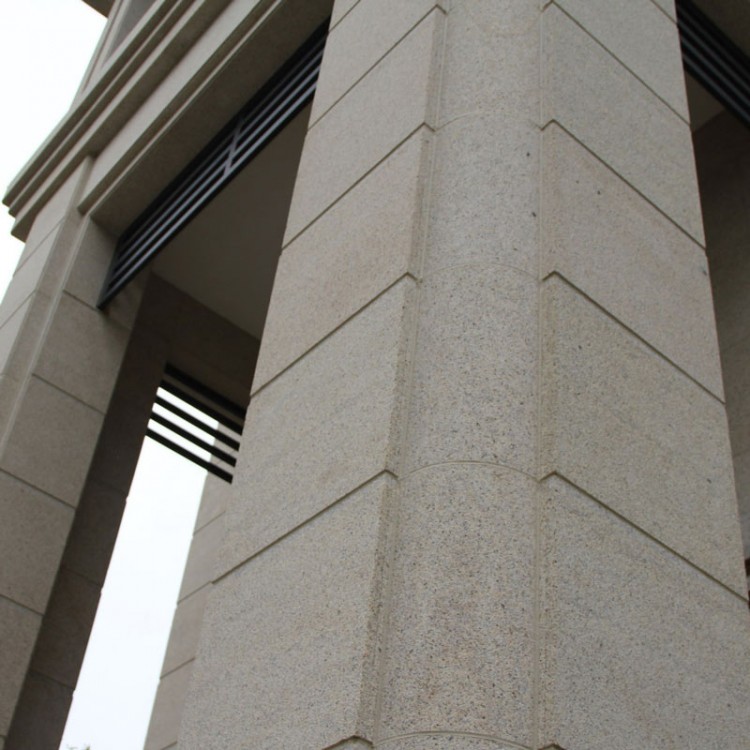


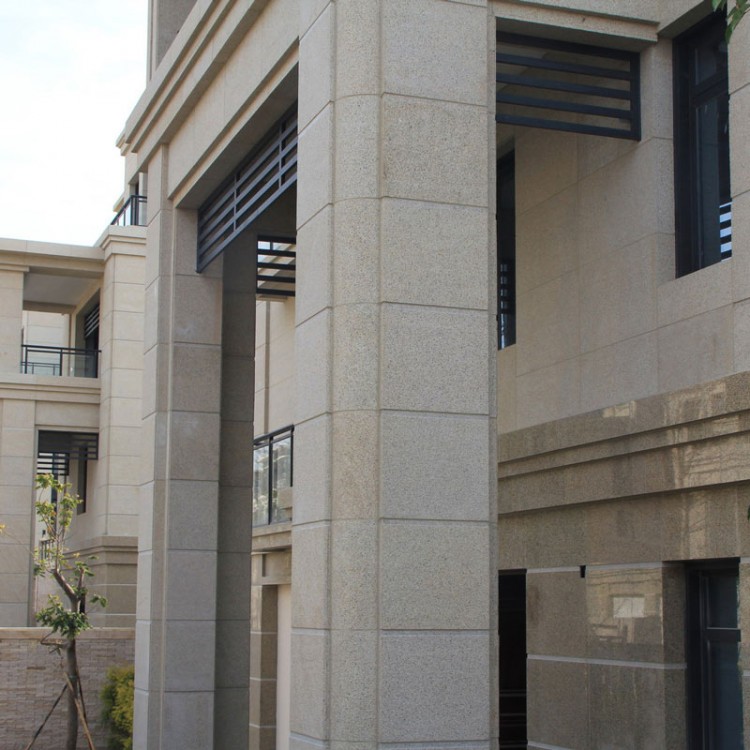
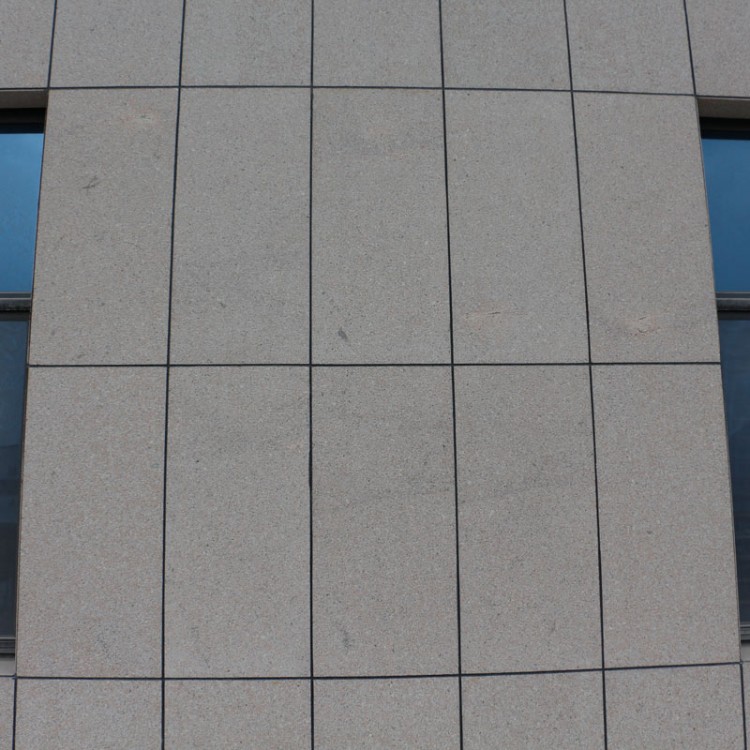


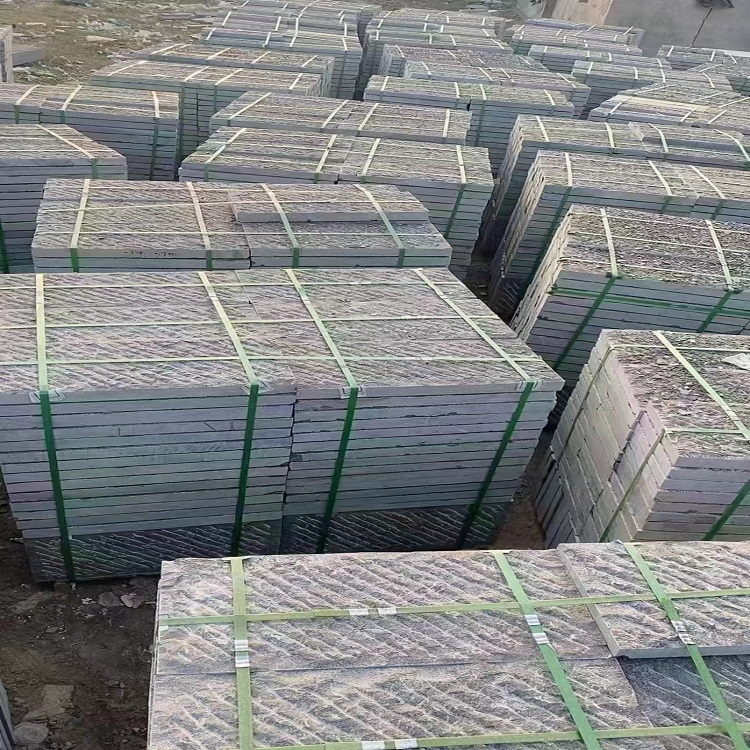





The difference between dry hanging and wet hanging of Wulian infrared wall. Wulian infrared wall dry hanging is a new construction technology in current wall decoration, and there is also a type called wet hanging stone. So how can we distinguish between dry hanging and wet hanging techniques?
1. Different methods
Dry hanging "generally refers to the construction method of using a steel skeleton for the stone base, and then connecting the stone with the steel skeleton with stainless steel hangers;" wet hanging "generally refers to the construction method of using cement mortar as the adhesive material, hanging the board first and then pouring the mortar, that is, fixing the position of the board first, and then pouring cement into the gap between the board and the wall. In order to avoid the use of cement mortar, dry hanging is supported by steel bars and requires drilling holes in the wall tiles, and then hanging the perforated angle iron as a crossbeam. Therefore, dry hanging is relatively faster than wet hanging, and it will have better wall firmness and construction effect. As a traditional decoration method, wet hanging also has some advantages, such as ensuring the width of the entire space, and of course, the later effect is also very good.
2. Different costs
The advantages of dry hanging on exterior walls are that they are not easily alkalized and have high hardness. However, the thickness of the stone used is large, so angle steel frames are generally used for fixation. Therefore, compared to wet hanging, its cost will be relatively high. When performing external wall dry hanging operations, steel and various stone materials are required, as well as slotting and punching holes, resulting in relatively high labor and material costs. On the other hand, external wall wet hanging mainly uses materials such as cement mortar, which have relatively low costs.
3. Applicable scenarios vary
Generally speaking, large-scale exterior wall construction generally adopts the construction method of exterior wall dry hanging, which is commonly used for fixtures such as building exterior walls and various halls. Wet hanging is mostly used for home decoration such as walls and floors.
4. Different usage methods
In architecture, the gap between the inner surface of dry hanging stone and the wall is determined based on whether insulation layer is needed. Generally, 50-80 centimeters can be reserved in landscape architecture, which is determined by the specifications of the angle steel skeleton used. L-shaped, V-shaped, and T-shaped are the three styles generally included in dry hanging stone components. The construction method of wet hanging is to use steel bars with a diameter of about 10 as the keel, tie the corners with lead wire, and then pour cement mortar between the stone and the wall.
5. Different processes
The thickness of dry hanging stone is generally over 30 centimeters, and the welding of auxiliary keel in dry hanging generally uses angle steel skeleton. Angle steel is welded on the square steel main keel, and then the square steel main keel is welded to the steel plate inside the wall. During construction, it may be necessary to add steel mesh to enhance adhesion, as if the structure of the inner wall is too smooth during wet hanging, it is not conducive to the adhesion of cement mortar.