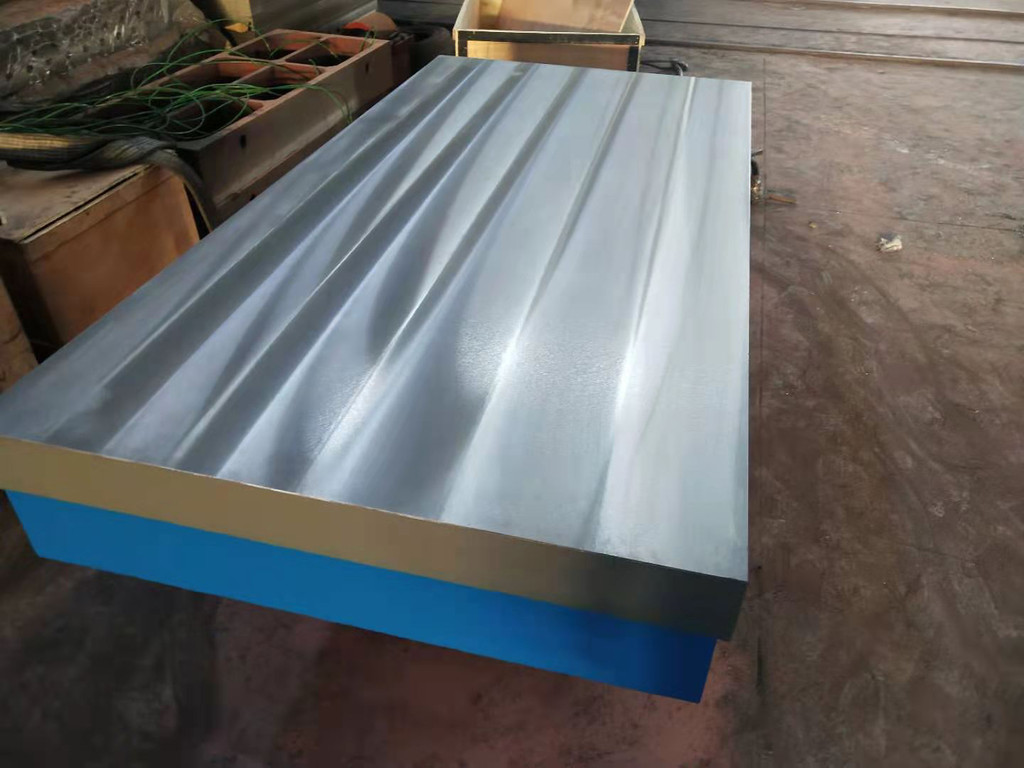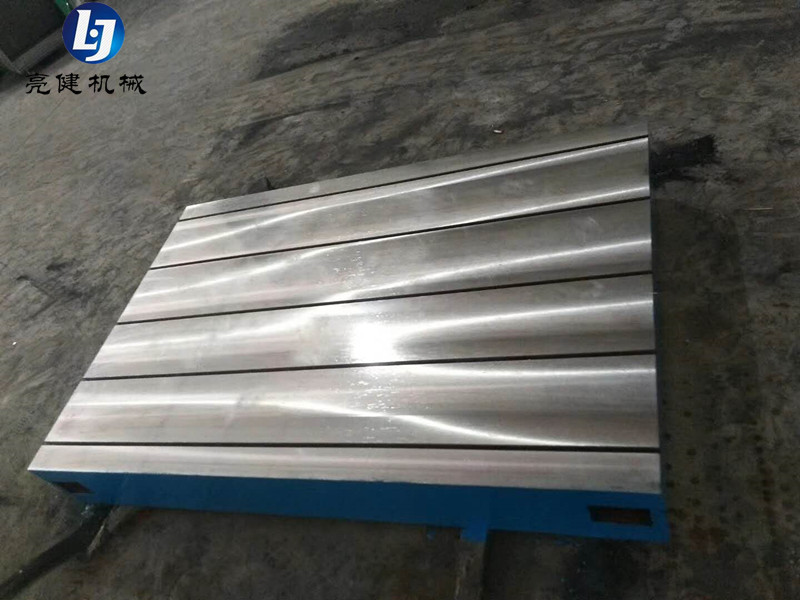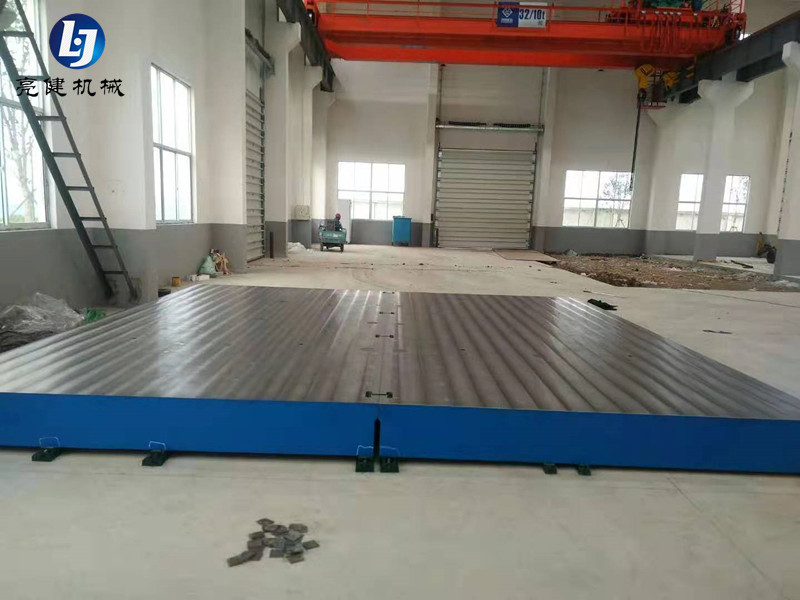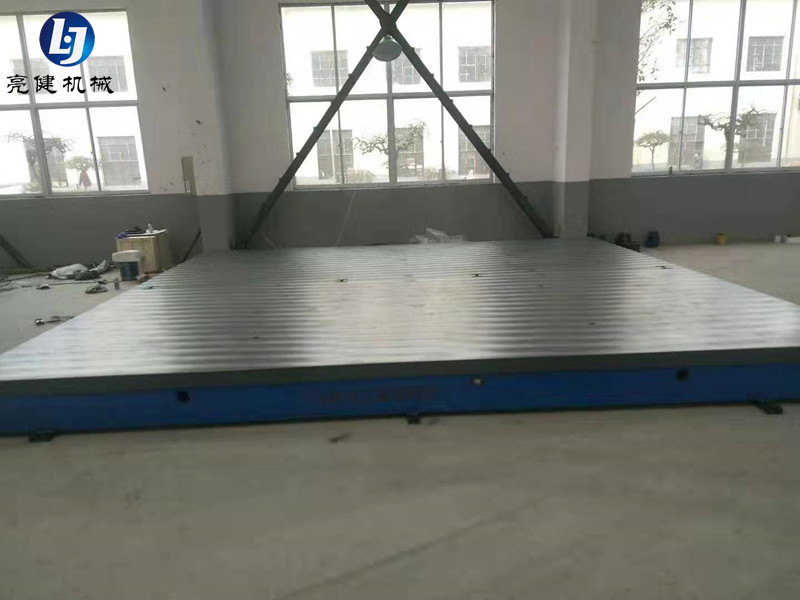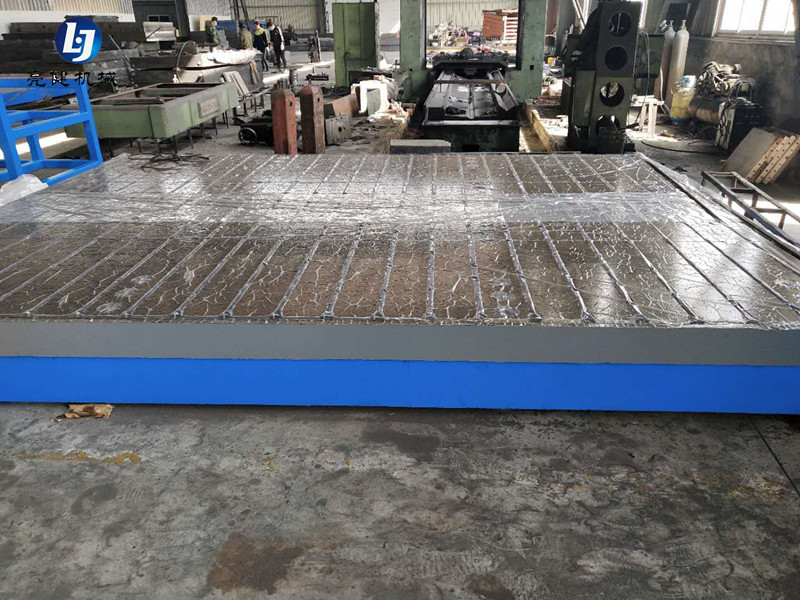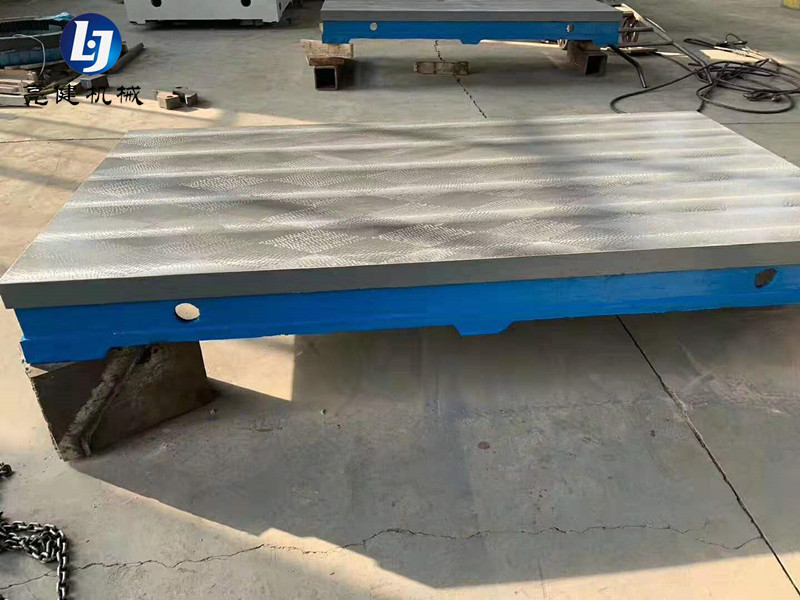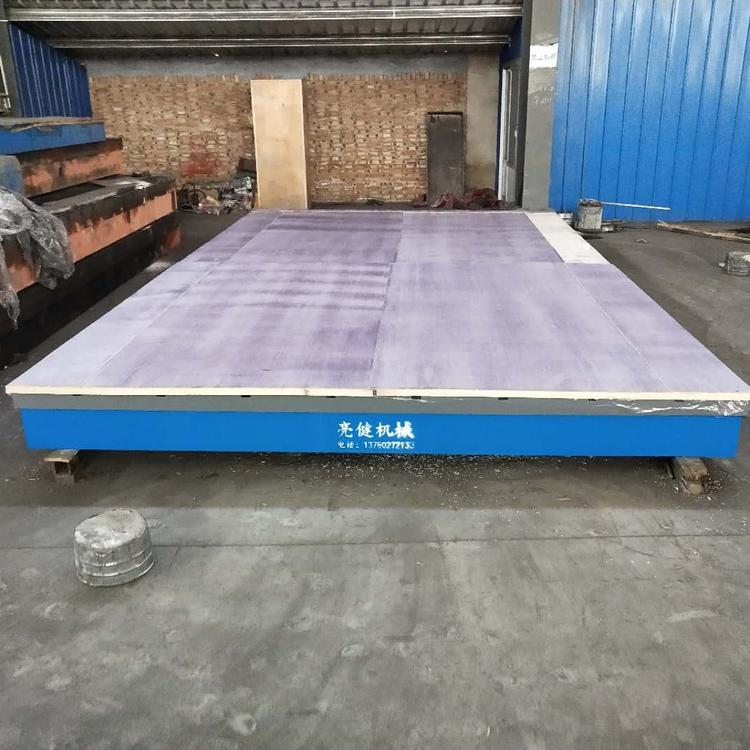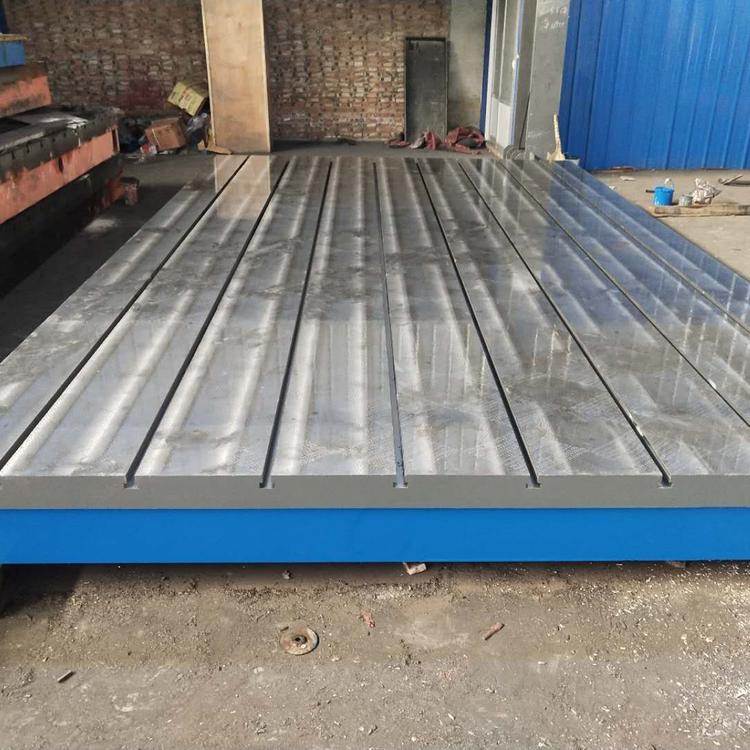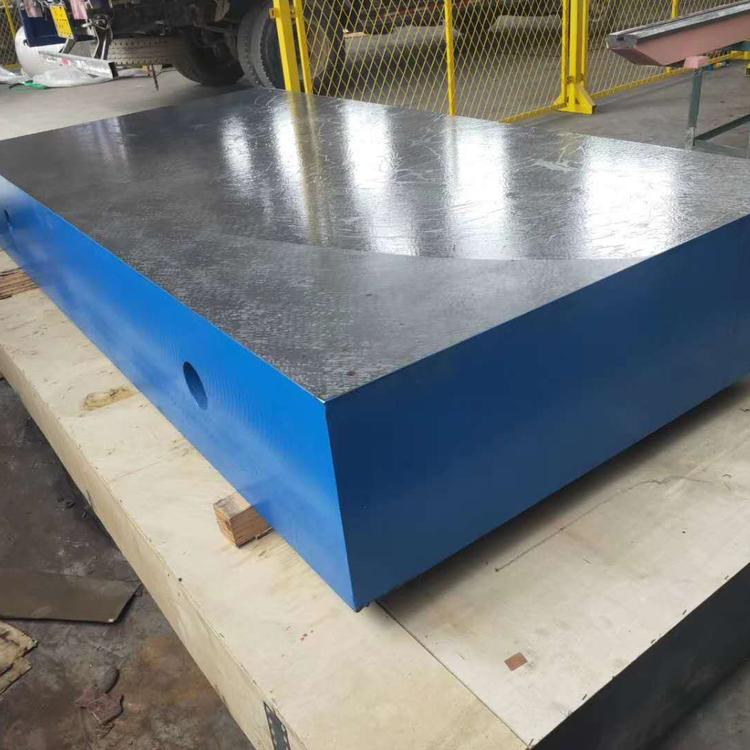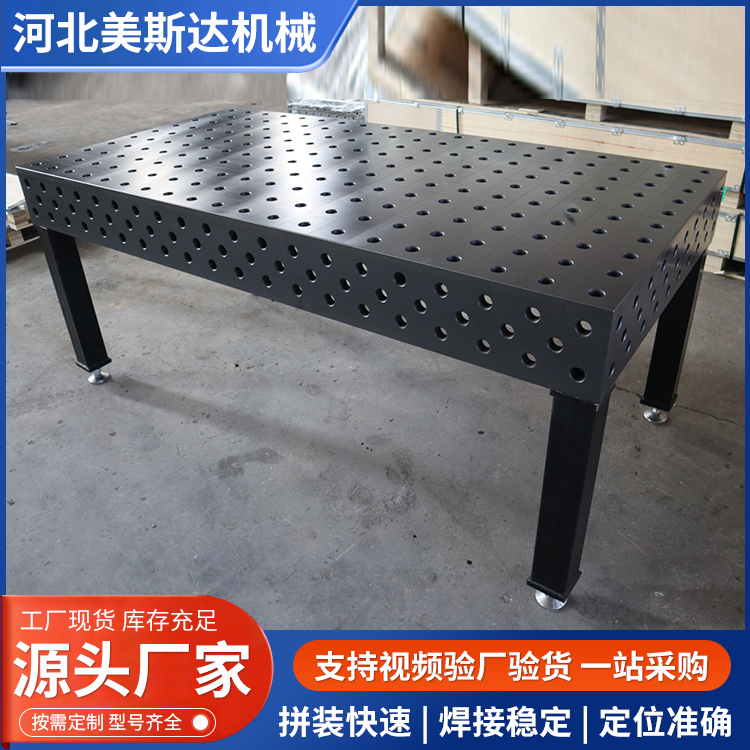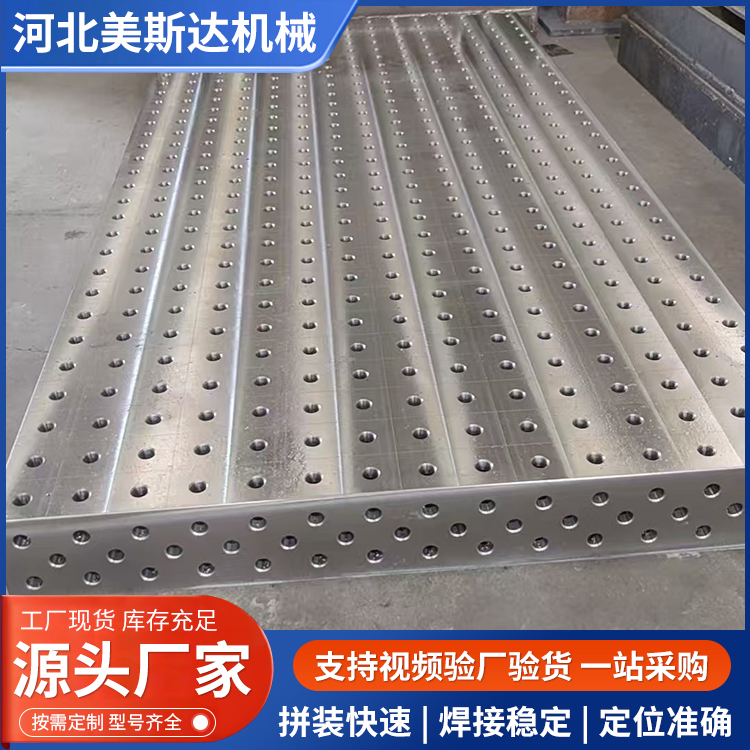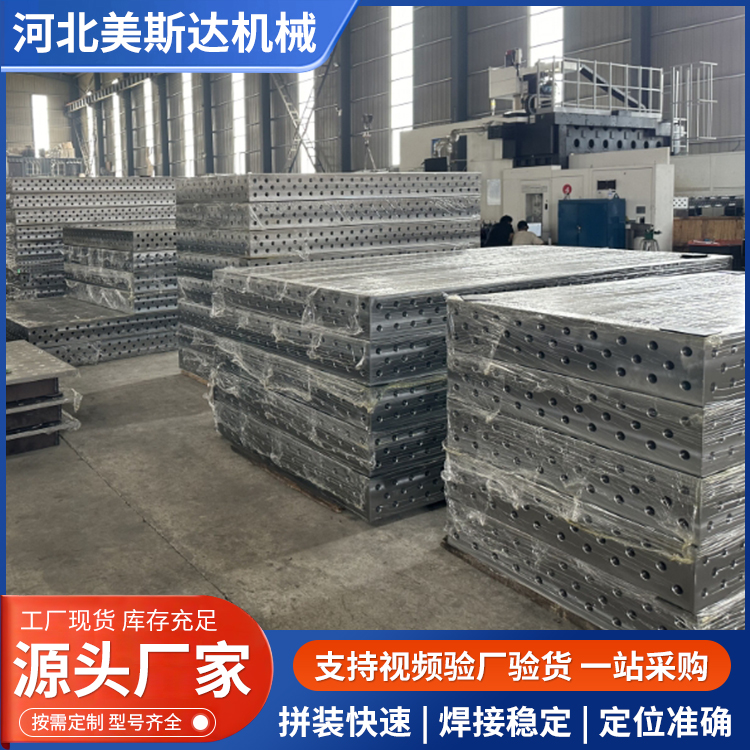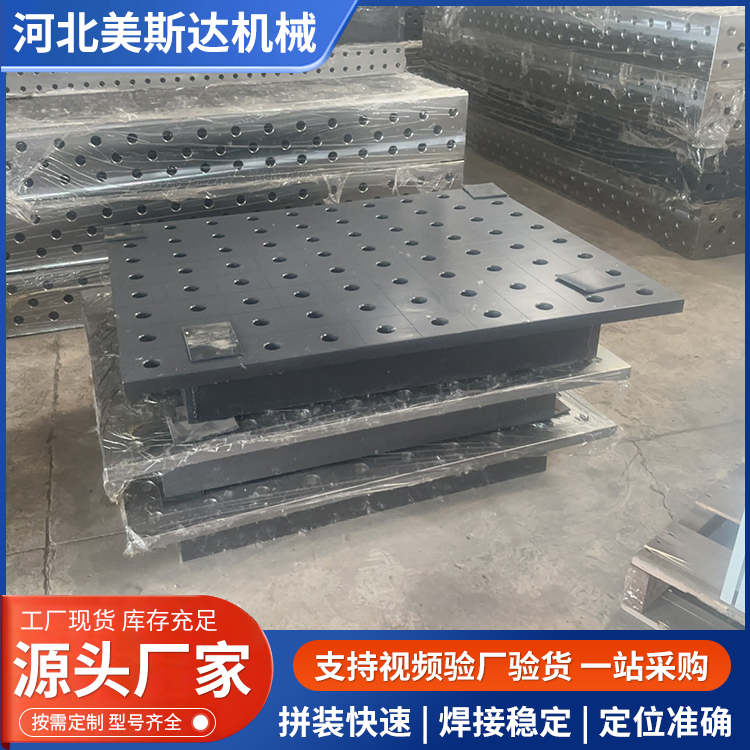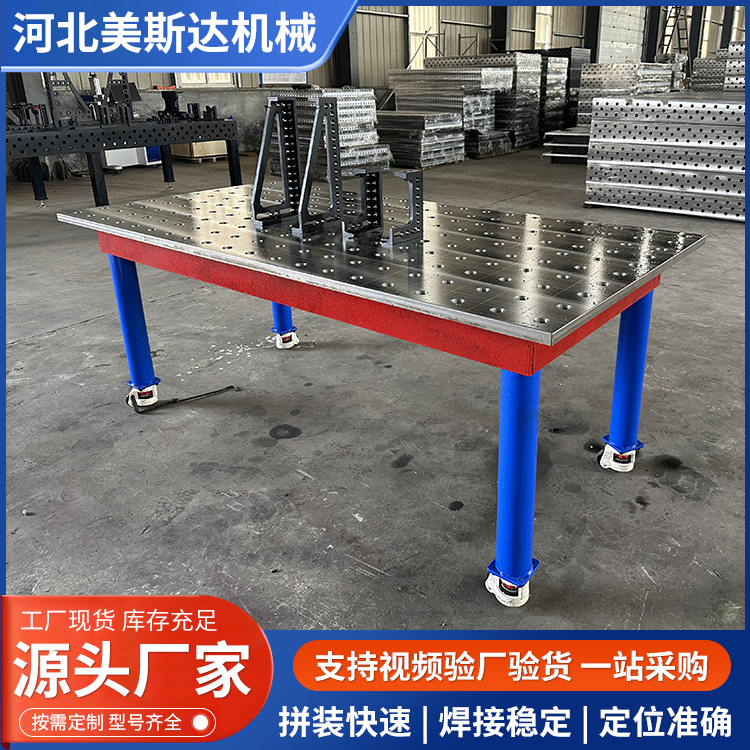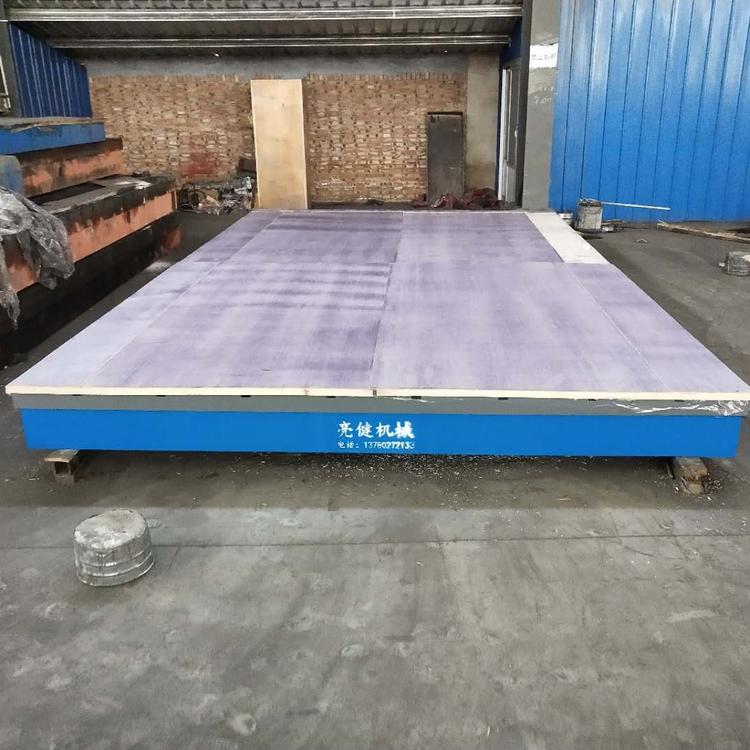

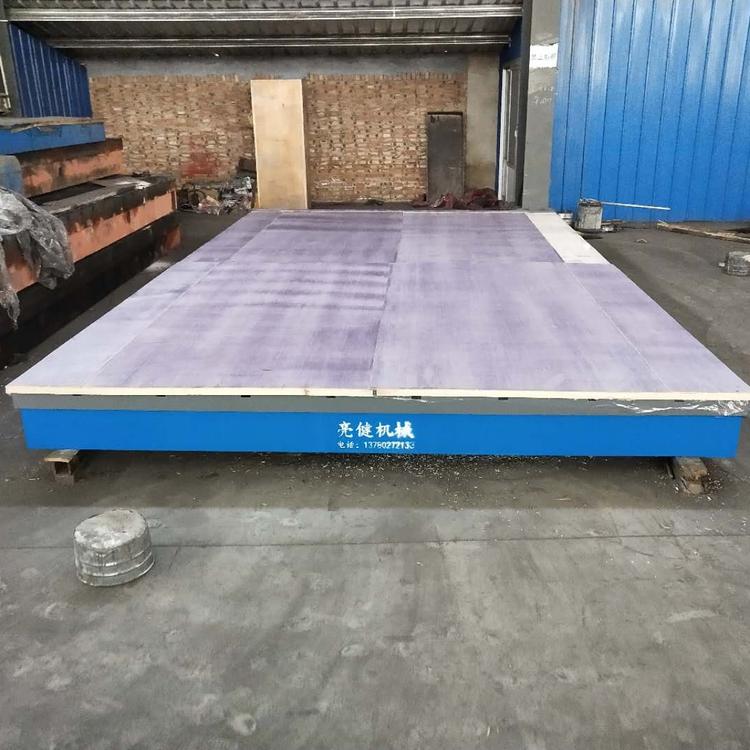
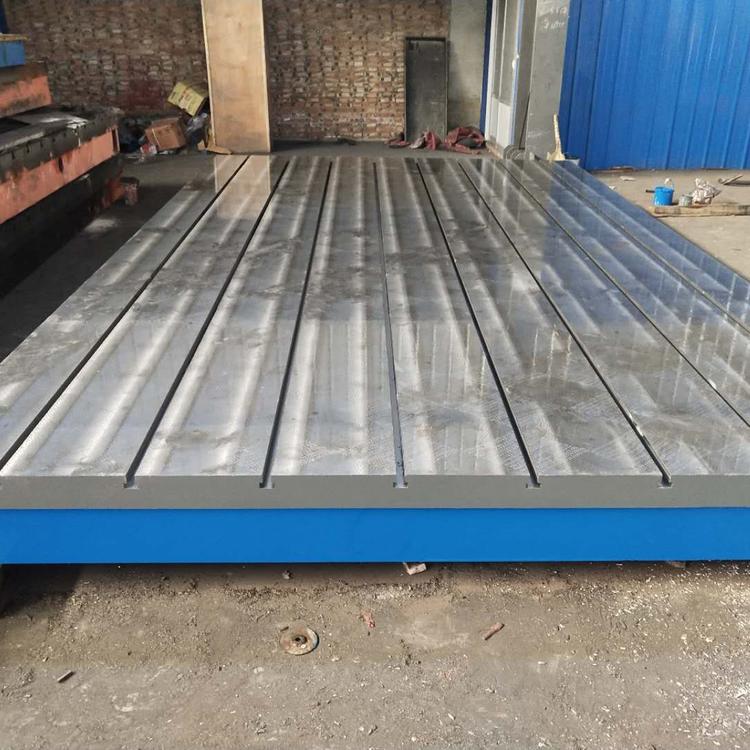
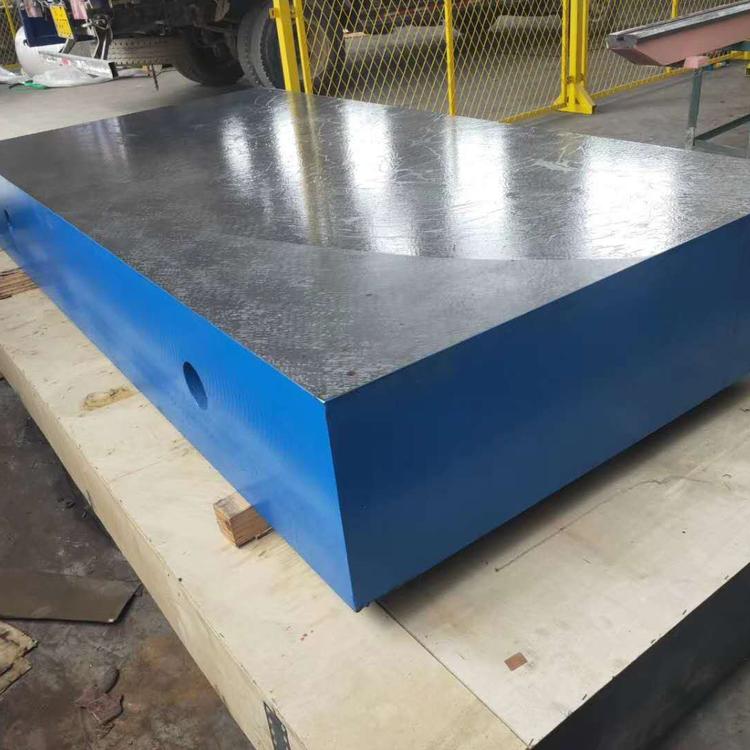


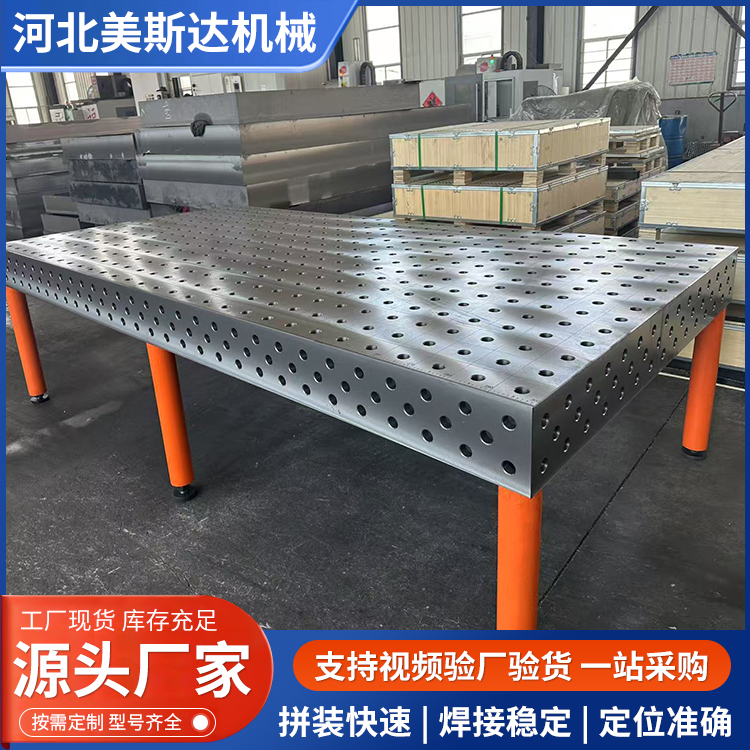
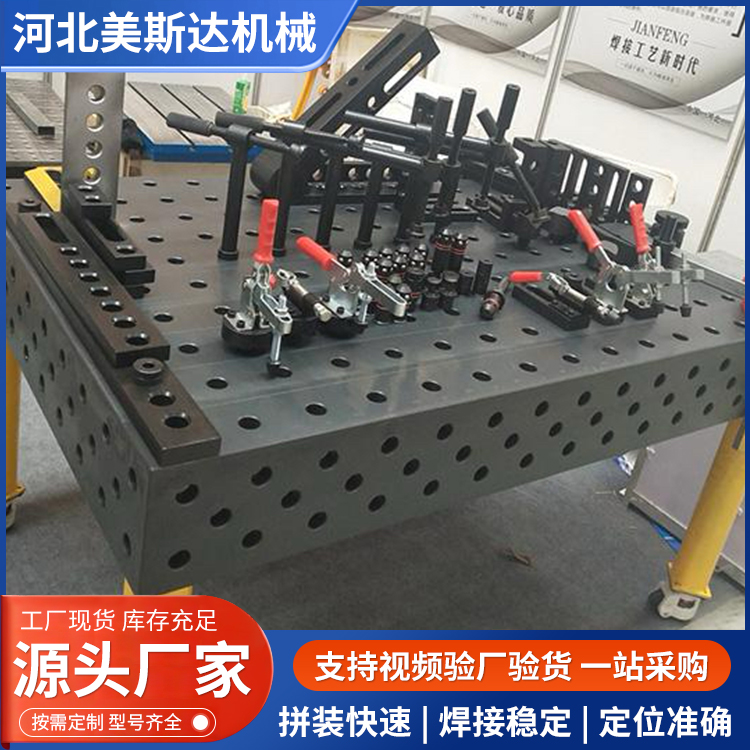
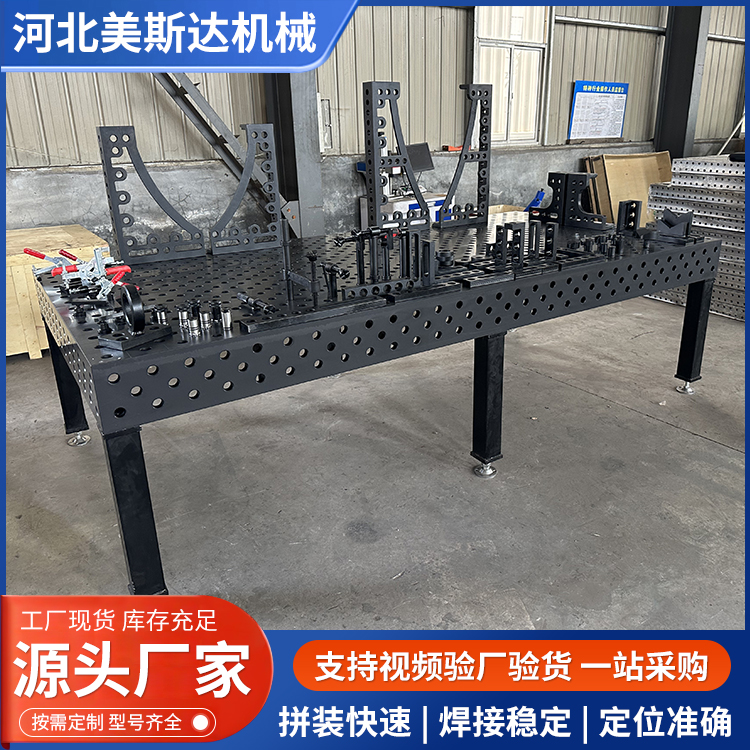
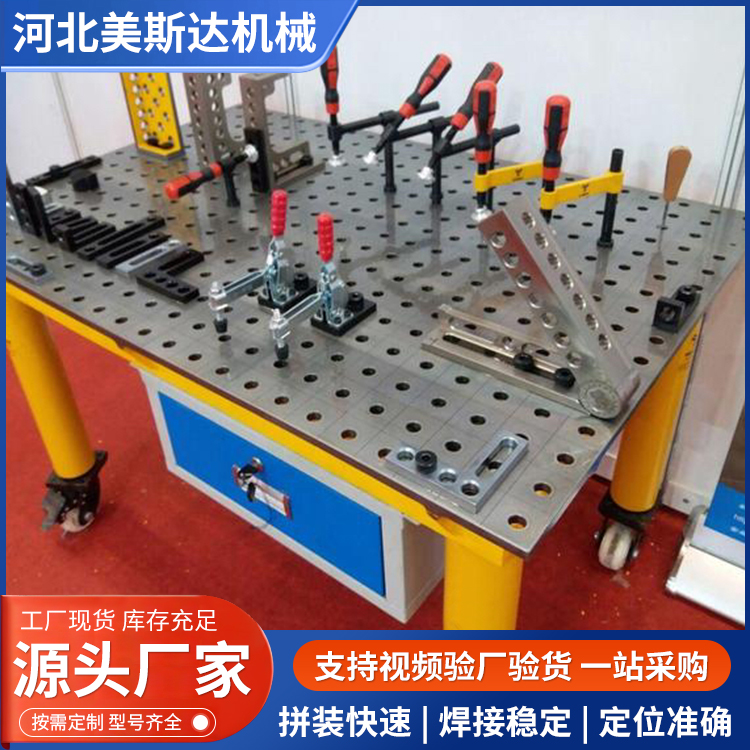
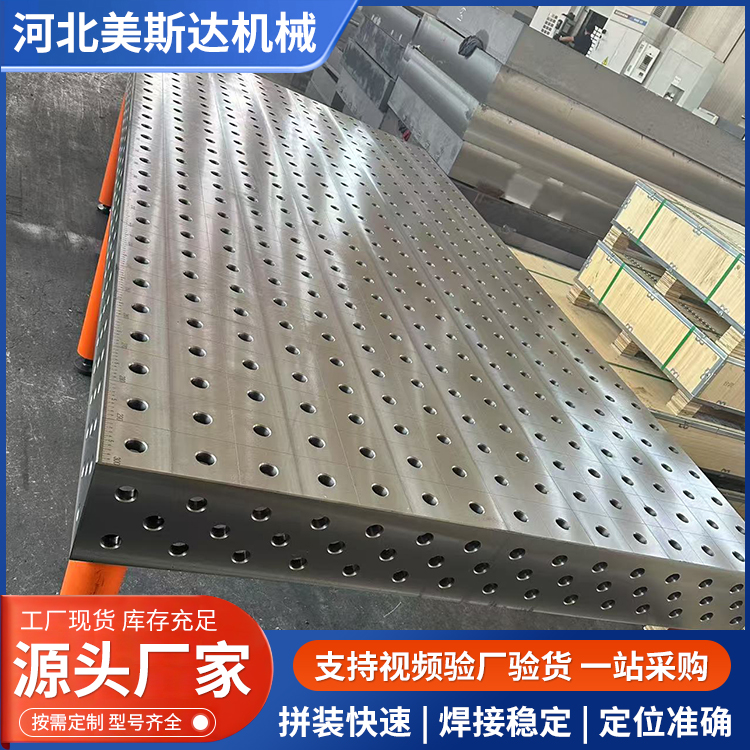





A reference plane suitable for various inspection work and precision measurement; Used as a benchmark for mechanical inspection and measurement of machine tools; Checking the dimensional accuracy or shape deviation of parts and making tight lines is also an essential basic tool in mechanical manufacturing.
Testing platform accuracy: According to the standard metrological verification regulations, it is divided into five levels: 00, 0, 1, 2, and 3.
The inspection platform should be made of fine grey cast iron or alloy cast iron materials, and its working surface hardness should be 170-220HB.
Surface quality inspection of the inspection platform: using colored hair for inspection. Within a range of 25 millimeters square on each side, there shall be no less than 25 points for Level 0 and Level 1 tablets, no less than 20 points for Level 2 tablets, and no less than 12 points for Level 3 tablets.
The inspection platform working face should usually use scraping technology. For the 3-level flat working surface processed by scraping, the maximum allowable surface roughness Ra is 5 μ m.
Inspection platform specifications (length x width) 200mm x 200mm-3000mm x 6000mm
The functional differences between the inspection platform and the marking tablet
The inspection platform is a reference plane used for precision measurement in production workshops or metrology departments; The marking plate is a reference plane used for marking in production. Although both types of flat plates are reference planes, their processing methods, plane accuracy, and functional functions are different. The working surface of the inspection platform used for coloring method needs to be scraped and ground; The working surface of the inspection platform for other purposes needs to be scraped, ground or ground; The working surface of the marking plate can be exposed to light. From this, it can be seen that the planar accuracy of the inspection platform is higher than that of the marking plate.
The inspection platform serves as a reference positioning surface when detecting the flatness of workpieces using the coloring method or as an auxiliary tool for various measurements; The marking plate serves as a reference surface in marking work