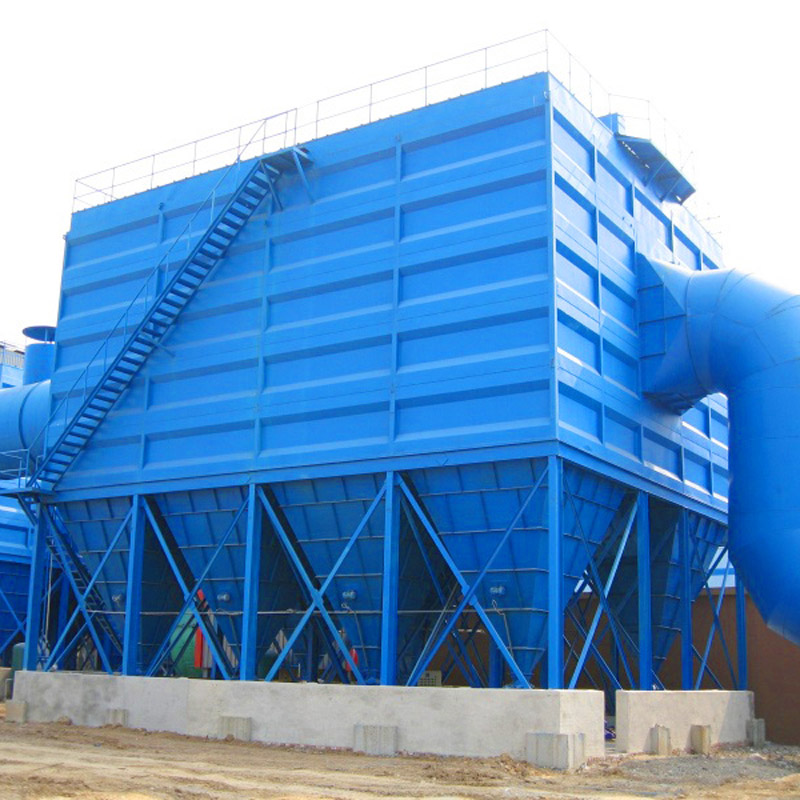


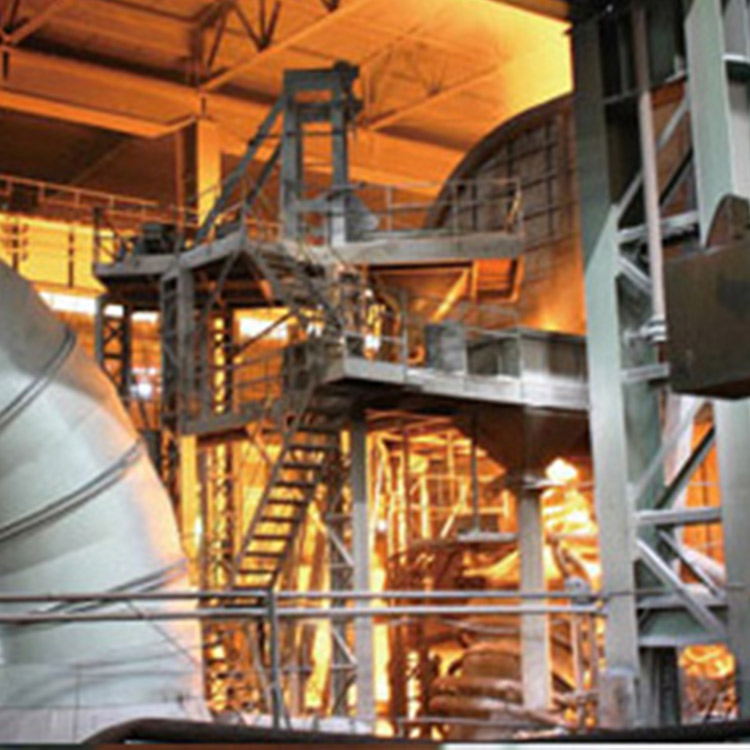
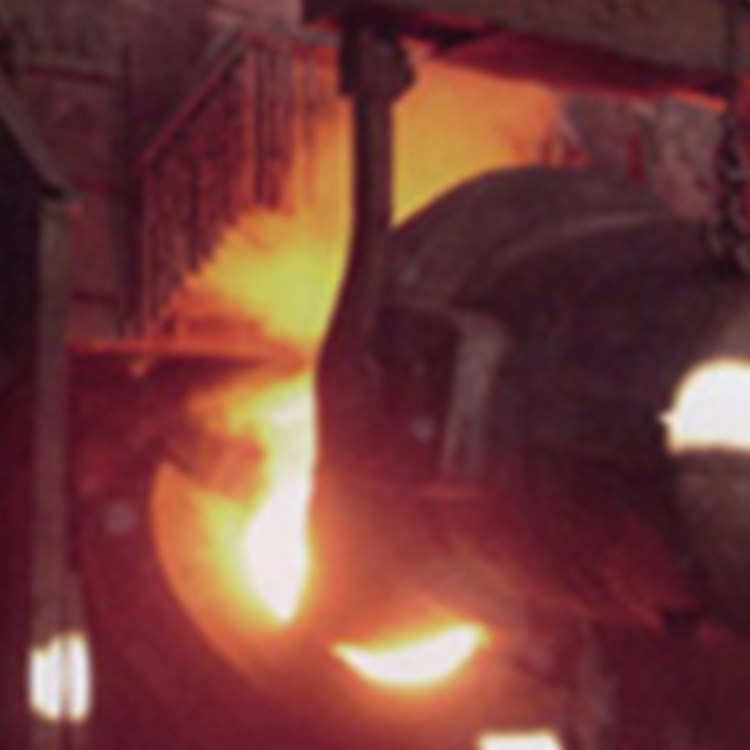








Before the introduction of the drainage type smoke hood for overhead cranes, there were various forms of capturing electric furnace smoke and dust, including semi closed smoke hood, closed hood, side suction hood, roof hood and other mature hood types. These cover types were all produced under specific historical conditions and have certain value, but their shortcomings are obvious.
Although a simple roof cover does not affect the operation of workers, it is susceptible to lateral wind interference in the workshop, and the configured air volume is large. The required motor power is also high, and the capture rate is not high; Although the semi enclosed hood is equipped with a small air volume, it is difficult to capture the smoke and dust generated during the entire process of steelmaking, feeding, slag removal, electrode replacement, and furnace repair; The air volume of the enclosed hood configuration can be slightly smaller, and the capture rate is also higher. However, the high temperature of the smoke inside the hood can easily burn the cloth bag and seriously affect the service life of equipment such as electrodes and water-cooled cables; The air volume of the side suction hood configuration is not too large, but the capture rate is very low.
How to overcome their shortcomings and leverage their strengths is a challenge for engineering and technical personnel with a sense of mission. After repeated demonstration and calculation, the technicians have absorbed the advantages of capturing smoke throughout the entire process of the roof cover without affecting the smelting operation, combined with the excellent characteristics of good airflow organization and low processing air volume of the semi closed cover, and formed a perfect combination of the two - the overhead crane passing through the drainage smoke collection cover.
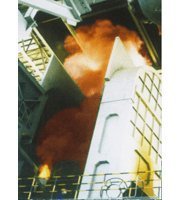
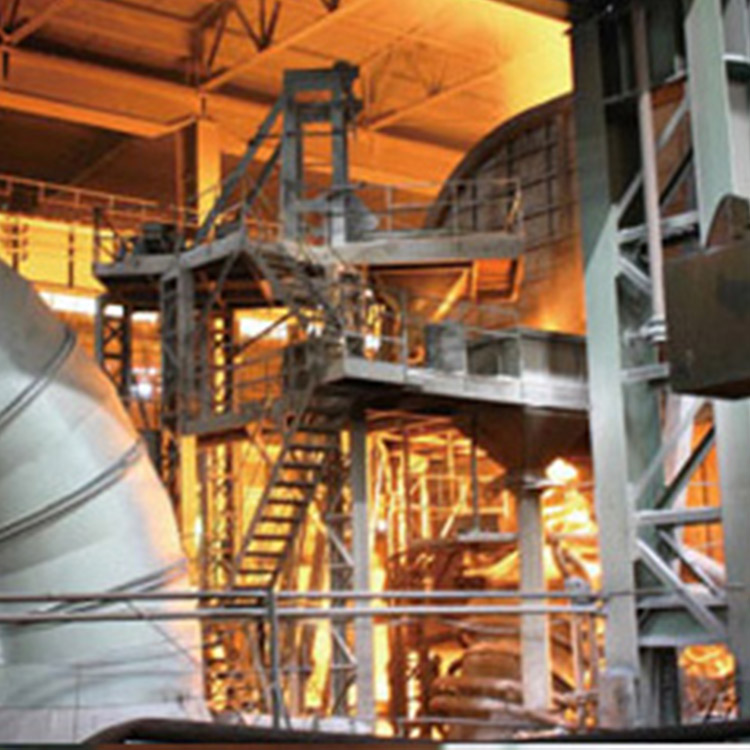
The overhead crane is mainly composed of a roof cover, a fixed drainage plate (cover), a mobile drainage cover, and other auxiliary sealing drainage plates through a drainage type smoke collection hood. The highlight of the overhead crane passing through the drainage type smoke hood is drainage - induced capture, which is why the overhead crane passing through the drainage type smoke hood has received widespread attention from industry insiders since its inception.
The advantages of this overhead crane through a drainage type smoke hood are:
(1) Capture smoke throughout the entire process without affecting operation. For the operation of furnace front workers, having a cover is basically the same as not having a cover;
(2) The dust on the job has significantly decreased, which has significantly improved visibility for crane workers;
(3) The capture efficiency reaches over 95-98%, and the environmental quality is significantly improved, fully meeting environmental standards;
(4) Objectively speaking, it provides shielding protection against electric furnace spraying, explosions, noise, etc., which is beneficial for safe production.
(5) Compared to a simple roof cover, it greatly reduces energy consumption.