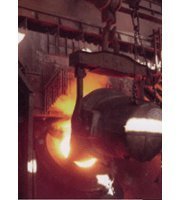

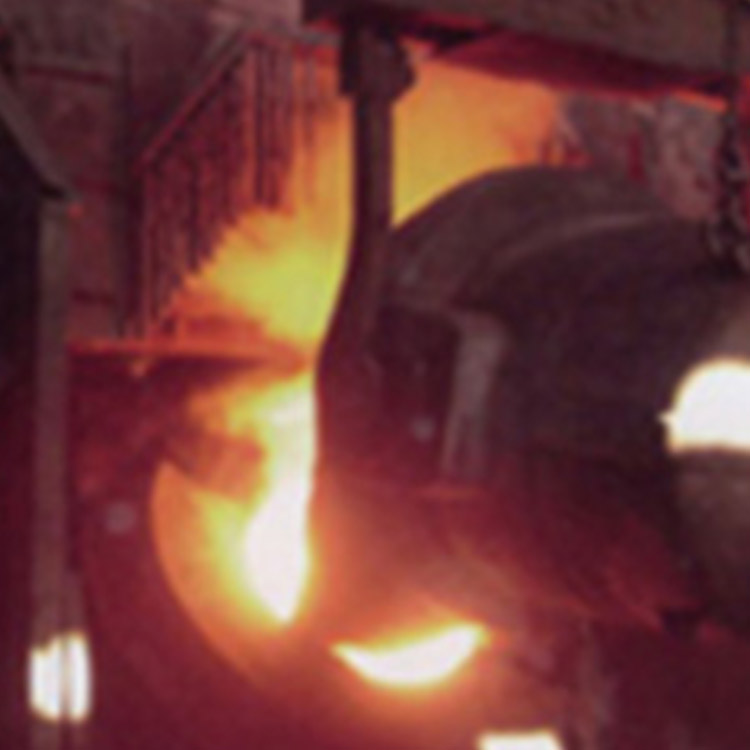
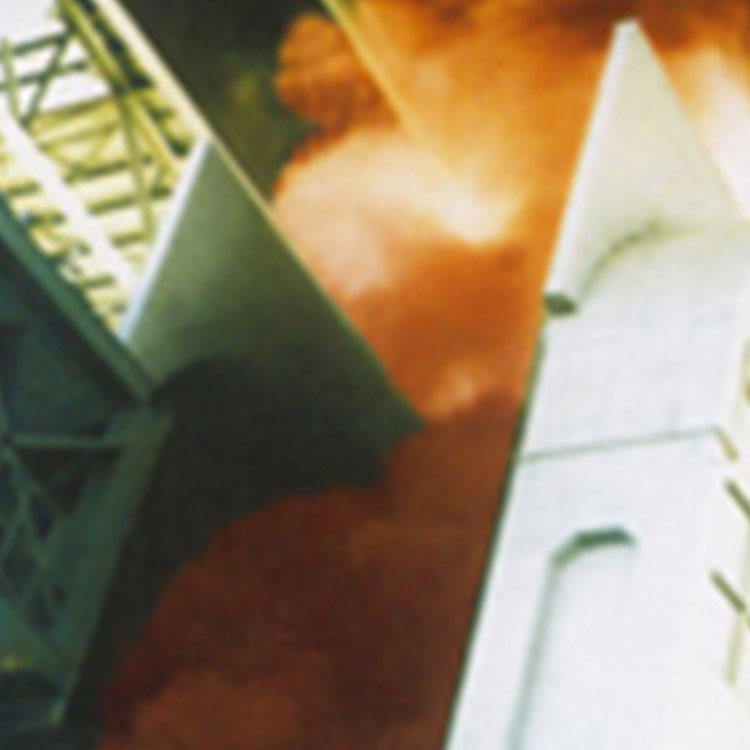








The secondary treatment of flue gas in converter refers to the mixed substances such as CO, CO2, and metal dust generated during the converter smelting process. The furnace top is equipped with a dust collection hood to collect most of the flue gas. In order to ensure the effectiveness and content of gas recovery, a certain micro positive pressure must be maintained between the hood and the furnace mouth, which limits the air volume of the primary dust removal system, especially the uneven "large yellow smoke" and "thick black smoke" generated by converter feeding, iron mixing, smelting splashing, etc., which are difficult to collect by the primary dust removal system.
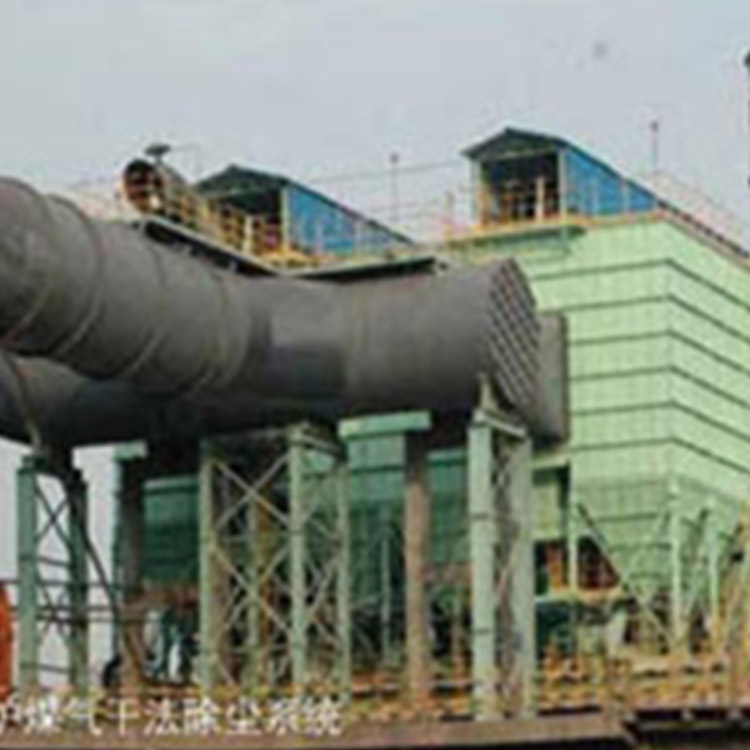
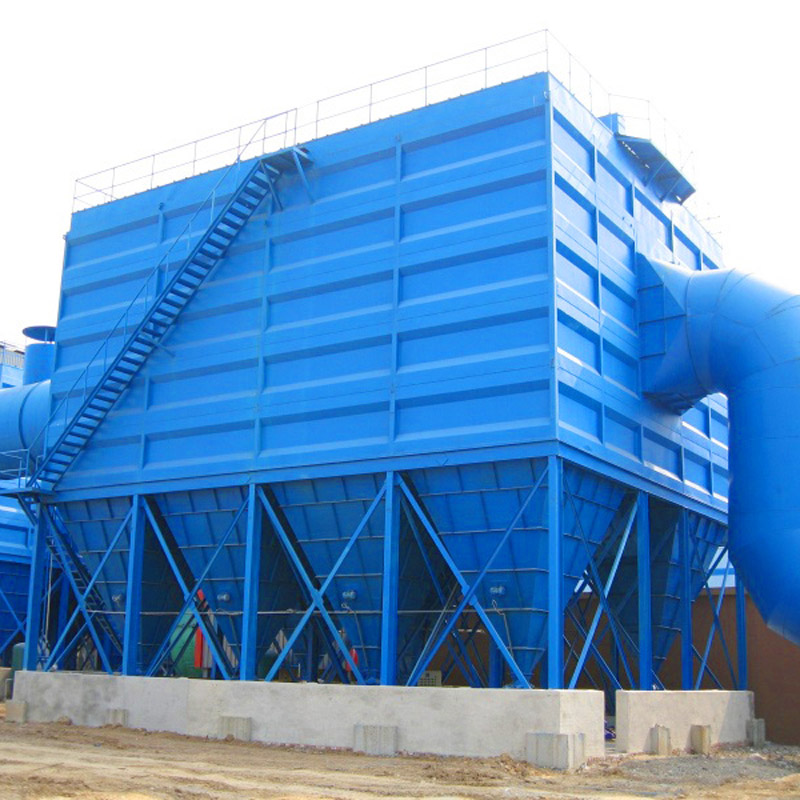
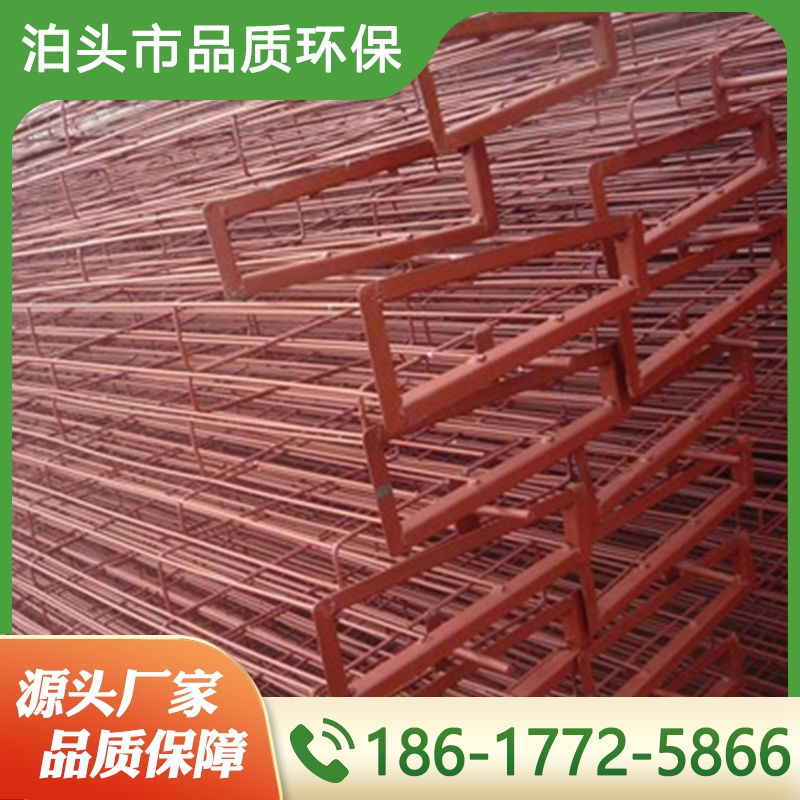
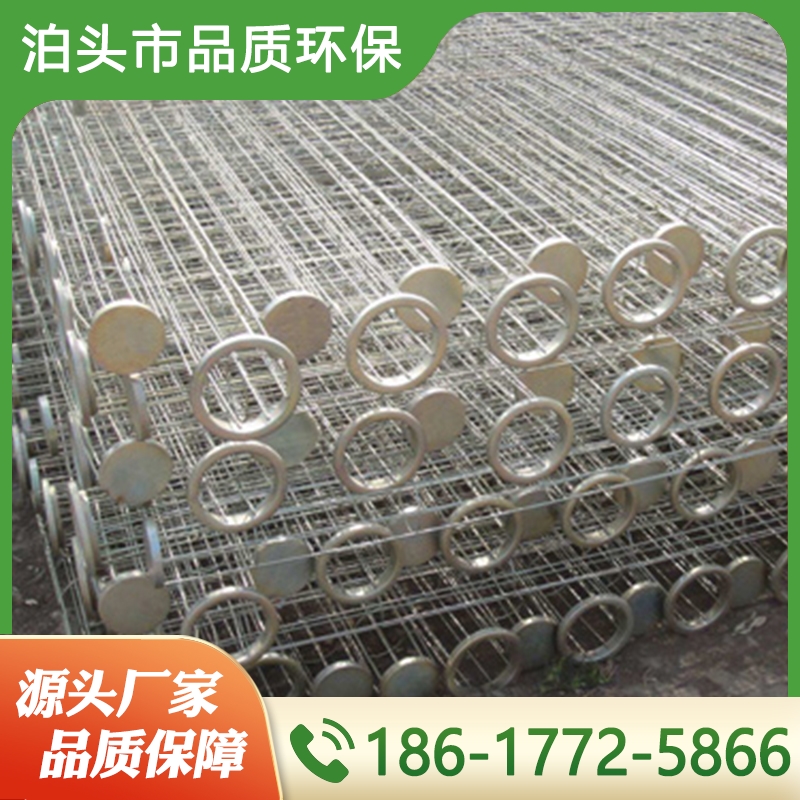
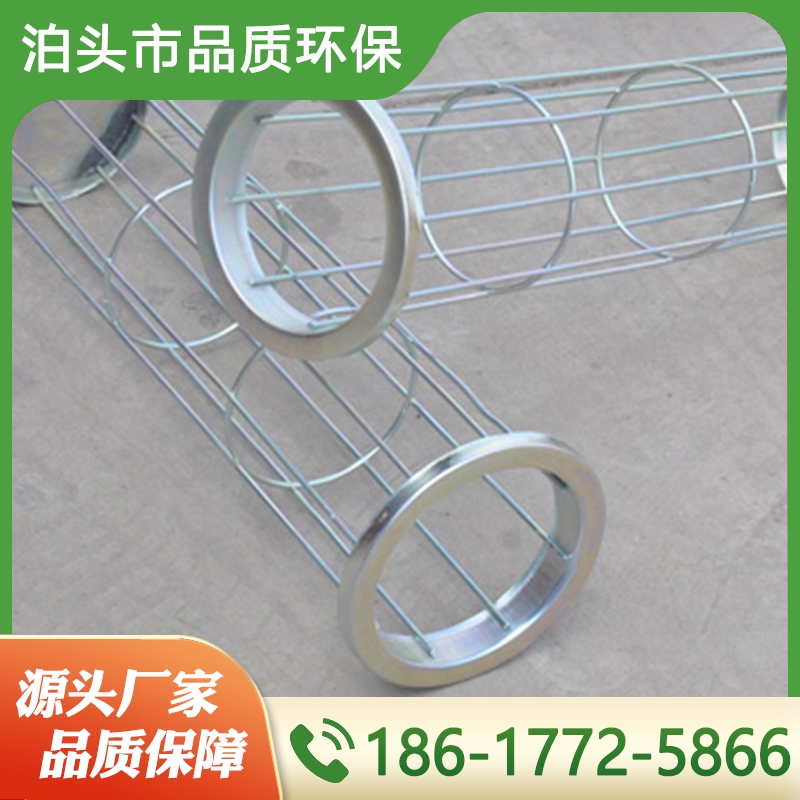
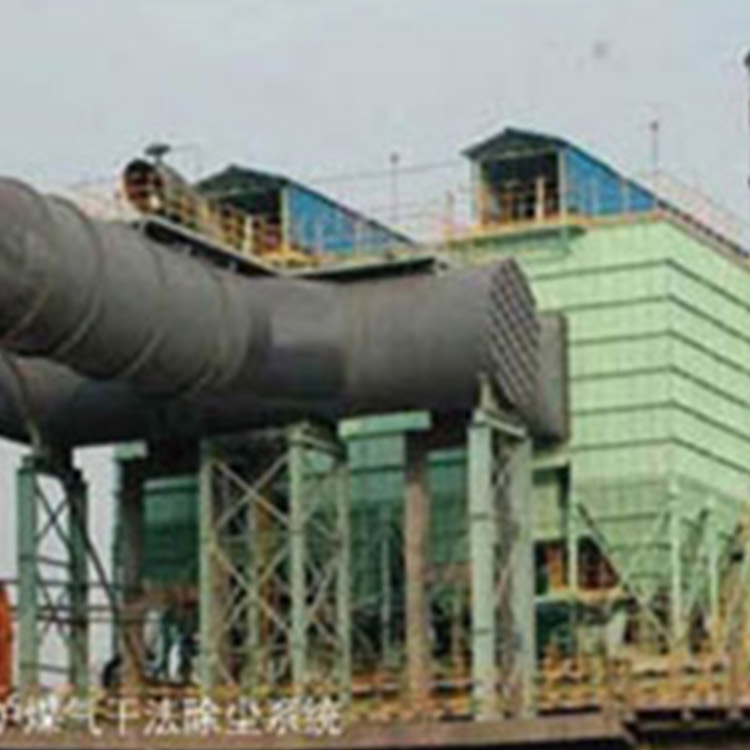
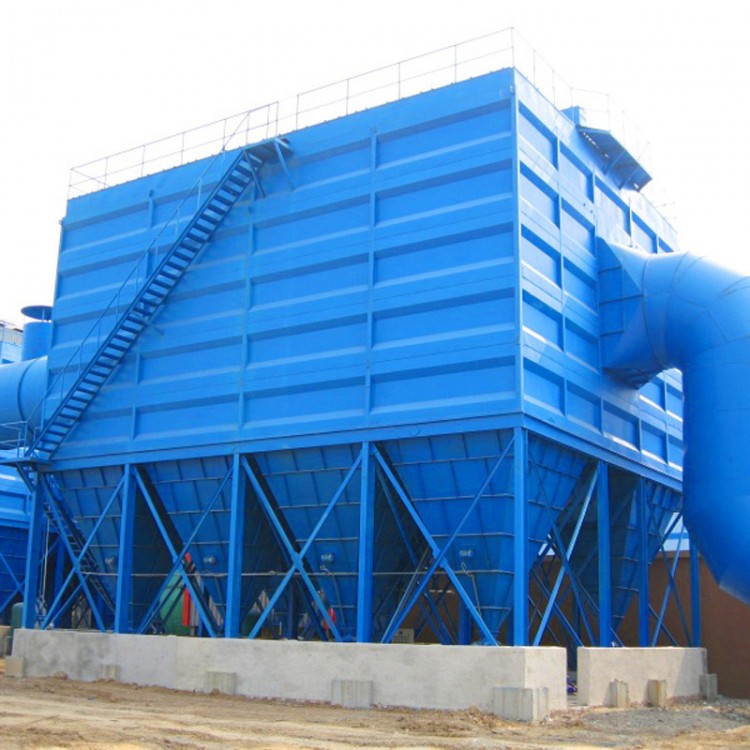
Secondly, the dust collector of the secondary treatment flue gas dust removal system of the converter adopts an atmospheric back blowing bag dust collector. Due to the poor cleaning ability of the back blowing dust removal method, the resistance of the dust collector increases and the dust removal efficiency decreases after running for a period of time.
Due to the high temperature of the flue gas in the secondary treatment of the converter, sometimes the filter material is damaged, resulting in incomplete filtration and high chimney emission concentration, even exceeding national standards. Another issue is that the fan speed of the dust removal system is constant: when the converter is in a non molten iron state, the fan runs at full speed, resulting in energy waste. Considering all these factors, in order to meet environmental requirements, it is necessary to renovate the secondary dust removal system. The capture method is side suction+fire blocking plate, which means that dust collection ports are set at the upper part of the double-sided fire blocking plates.
Although it has certain effects, there are difficult to solve defects: the space of the top lintel air duct is limited by the addition of converter materials, making it difficult to accommodate sudden large air volume, resulting in dust and gas overflowing and rising; The suction port at the back of the furnace is perpendicular to the flow direction of the flue gas. Due to the natural upward tendency of the flue gas, it is necessary to rely on a large negative pressure for forced suction, which makes it difficult to achieve both energy-saving and good dust removal effects.