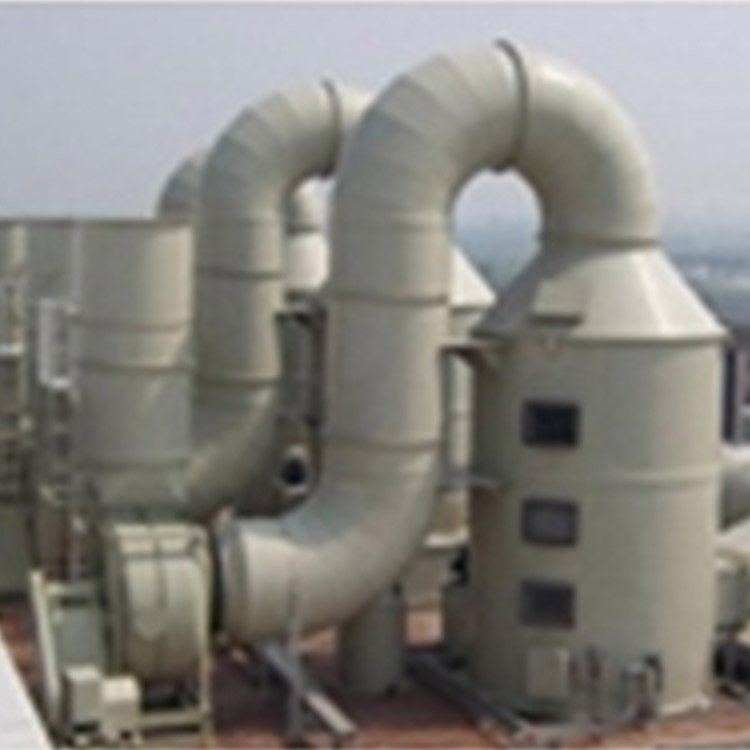

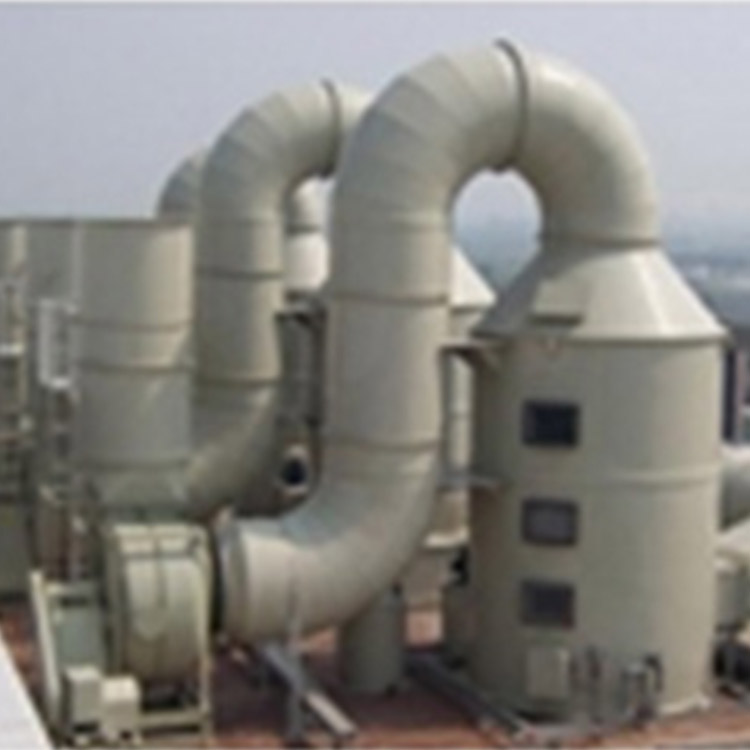
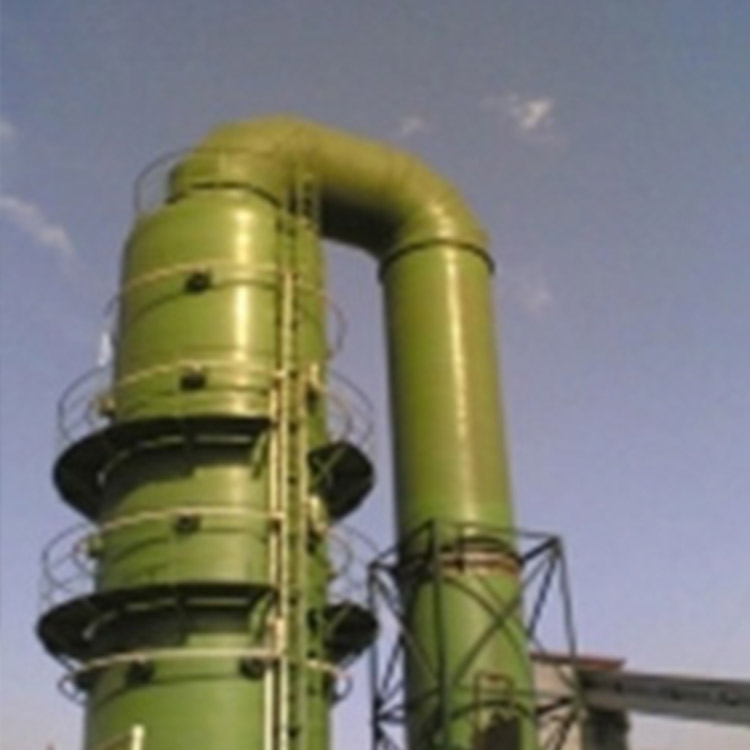








The basic principle of this process is to add limestone powder to water to make a slurry as an absorbent and pump it into the absorption tower to fully contact and mix with the flue gas. The sulfur dioxide in the flue gas reacts with the calcium carbonate in the slurry and the air blown in from the lower part of the tower to form calcium sulfate. After reaching a certain saturation, the calcium sulfate crystallizes to form dihydrate gypsum. The gypsum slurry discharged from the absorption tower is concentrated and dehydrated to a moisture content of less than 10%, and then transported by a conveyor to the gypsum storage bin for stacking. The desulfurized flue gas is treated by a defogger to remove fog droplets, and then heated by a heat exchanger before being discharged into the atmosphere through a chimney. Due to the repeated circulation of the absorbent slurry in the absorption tower through the circulation pump and contact with the flue gas, the utilization rate of the absorbent is high, the calcium sulfur ratio is low, and the desulfurization efficiency can be greater than 95%.
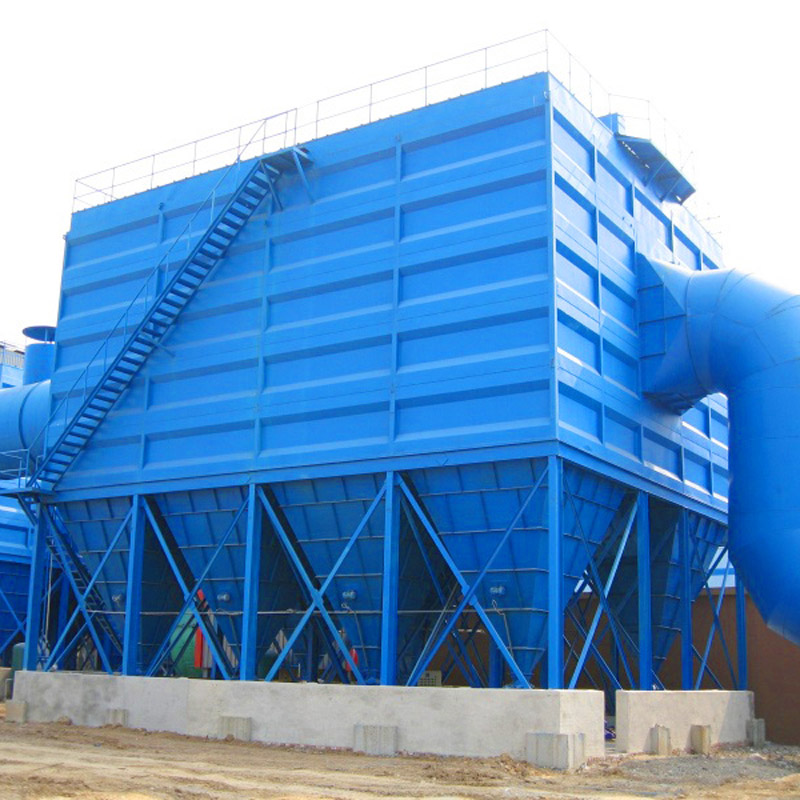
Desulfurization equipment generally refers to a series of devices used in the production of the power industry to remove sulfur elements from coal and prevent the generation of SO2 during combustion.
Sulfur causes significant environmental pollution, with sulfur oxides and hydrogen sulfide polluting the atmosphere, and sulfates and hydrogen sulfide polluting water bodies, making it a key focus of environmental protection work. In the production process of thermal power plants, a large amount of coal is burned, and coal often contains a certain amount of sulfur element. After combustion, these sulfur elements will release a large amount of SO2. If not treated properly, it will cause huge harm to the environment. Therefore, desulfurization equipment is commonly used in the power industry.
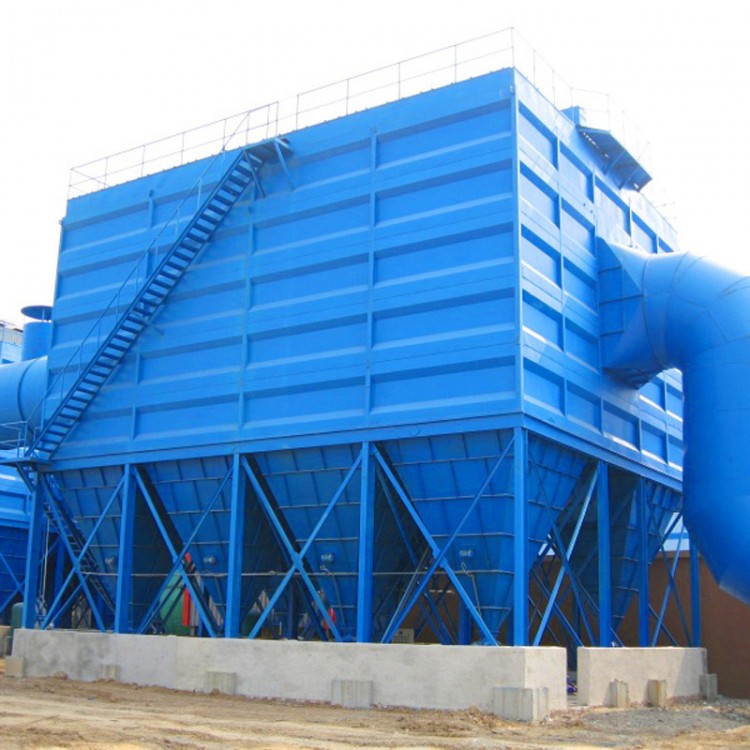
There are three main desulfurization methods in the industry today: pre combustion desulfurization, during combustion desulfurization, and post combustion desulfurization. There are also more than ten types of desulfurization processes, and different processes will use different production systems, and the selection of desulfurization equipment will also vary. The limestone gypsum desulfurization process is a widely used desulfurization technology in the world, and about 90% of the flue gas desulfurization devices used in thermal power plants in Japan, Germany, and the United States adopt this process. Therefore, we will focus on the desulfurization equipment required for this process.
① Oxygen content: The oxygen content requirement should be low to ensure safe production. High oxygen content leads to increased side reactions. Generally, it is required that the oxygen content in the gas should be less than 0.5%, the lower the better.
② Carbon dioxide: The content of carbon dioxide is generally stable. If the content is too high (such as desulfurization of variable gas), it will consume more sodium carbonate. Lowering the pH of the solution is not conducive to the absorption of hydrogen sulfide and has adverse effects on regeneration. Its content should be measured. As one of the basis for adjusting total alkalinity.