



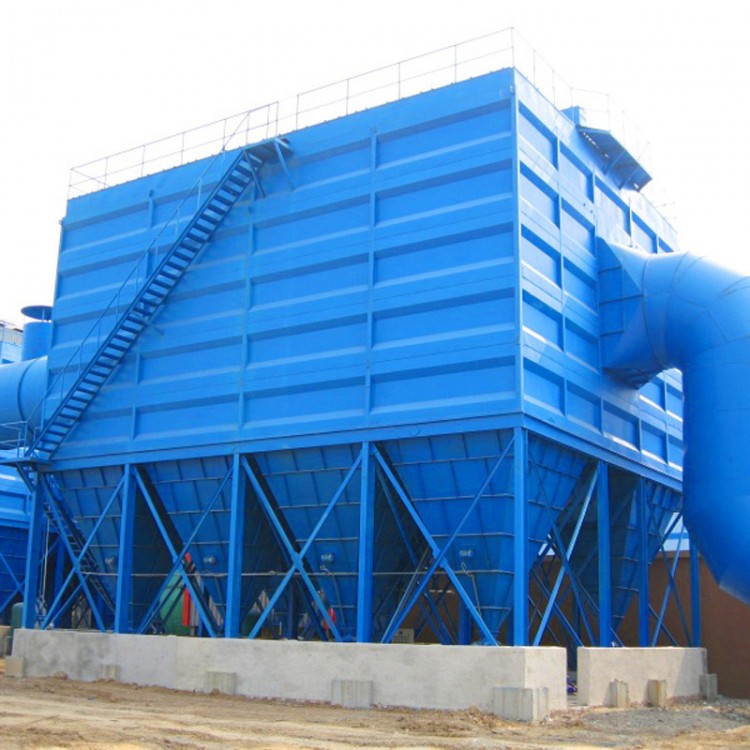






Many cities in our country suffer from severe air sulfur dioxide pollution, and the energy consumption structure dominated by coal is an important reason for the increasingly serious sulfur dioxide pollution in our country. Thermal power plants are the main consumers of coal, and their emissions of sulfur dioxide account for nearly 50% of the total social emissions. Therefore, controlling the sulfur dioxide emissions from coal-fired power plants is a key focus of sulfur dioxide pollution control in China. China mainly uses desulfurization equipment for desulfurization to reduce sulfur dioxide emissions. During the 12th Five Year Plan period, the investment demand for new desulfurization projects in the power industry is about 60 billion yuan.
According to the current total number of sintering machines in China's steel industry, which is about 1000, only 10% -20% of them have installed desulfurization devices. Among these few in-service desulfurization equipment, about one-third cannot operate normally. Therefore, the national policy on steel sintering machine desulfurization will stimulate the development of the steel sintering desulfurization industry, and the investment in the entire industry will reach 16-20 billion yuan.
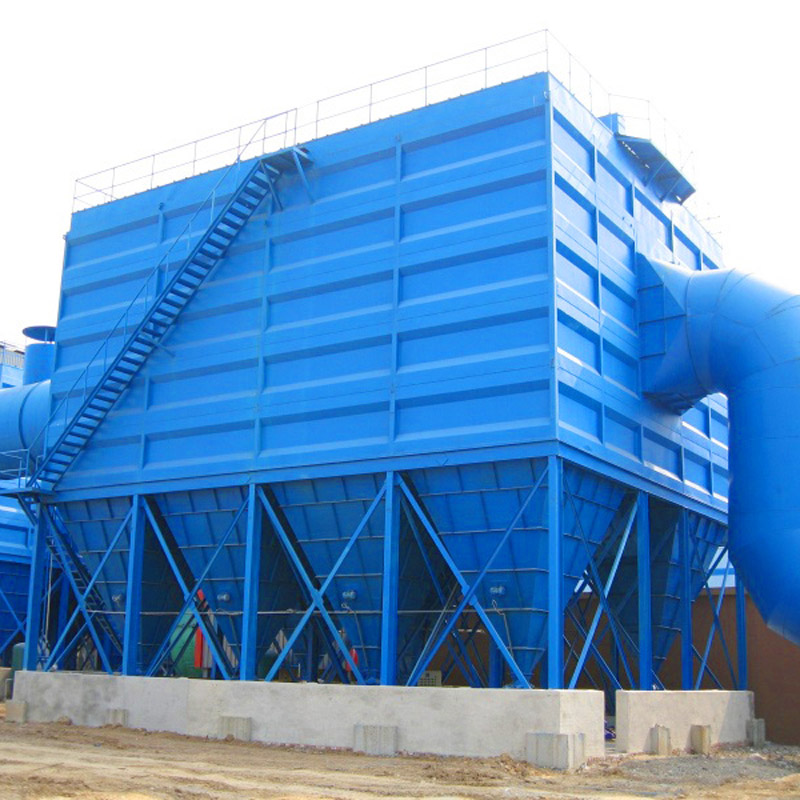
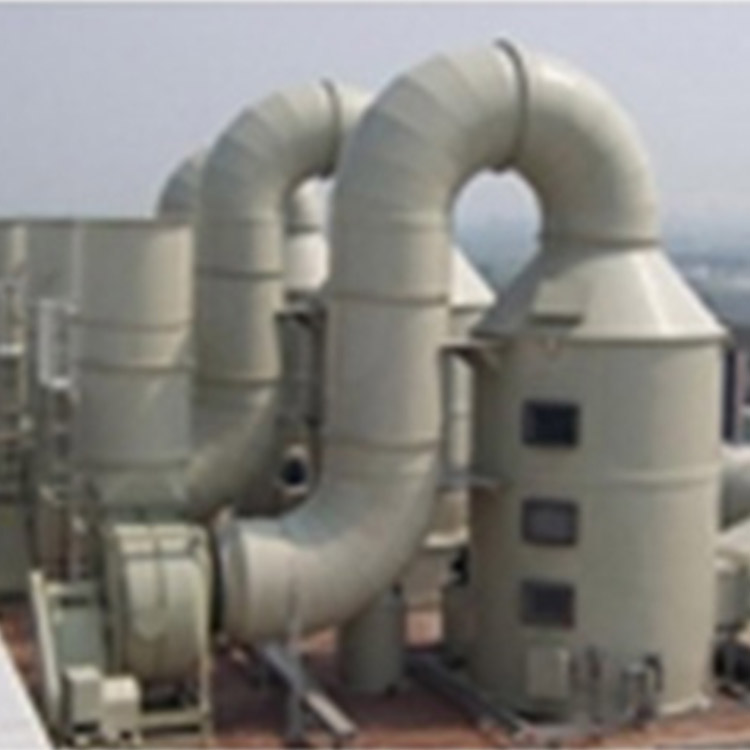
There are three main desulfurization methods in the industry today: pre combustion desulfurization, during combustion desulfurization, and post combustion desulfurization. There are also more than ten types of desulfurization processes, and different processes will use different production systems, and the selection of desulfurization equipment will also vary. The limestone gypsum desulfurization process is a widely used desulfurization technology in the world, and about 90% of the flue gas desulfurization devices used in thermal power plants in Japan, Germany, and the United States adopt this process. Therefore, we will focus on the desulfurization equipment required for this process.
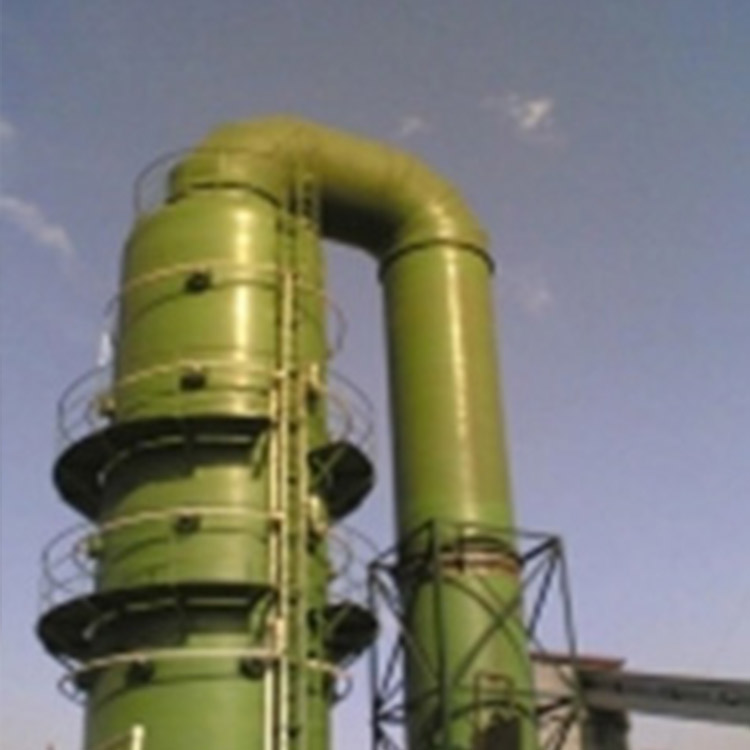
The basic principle of this process is to add limestone powder to water to make a slurry as an absorbent and pump it into the absorption tower to fully contact and mix with the flue gas. The sulfur dioxide in the flue gas reacts with the calcium carbonate in the slurry and the air blown in from the lower part of the tower to form calcium sulfate. After reaching a certain saturation, the calcium sulfate crystallizes to form dihydrate gypsum.
The gypsum slurry discharged from the absorption tower is concentrated and dehydrated to a moisture content of less than 10%, and then transported by a conveyor to the gypsum storage bin for stacking. The desulfurized flue gas is treated by a defogger to remove fog droplets, and then heated by a heat exchanger before being discharged into the atmosphere through a chimney. Due to the repeated circulation of the absorbent slurry in the absorption tower through the circulation pump and contact with the flue gas, the utilization rate of the absorbent is high, the calcium sulfur ratio is low, and the desulfurization efficiency can be greater than 95%.