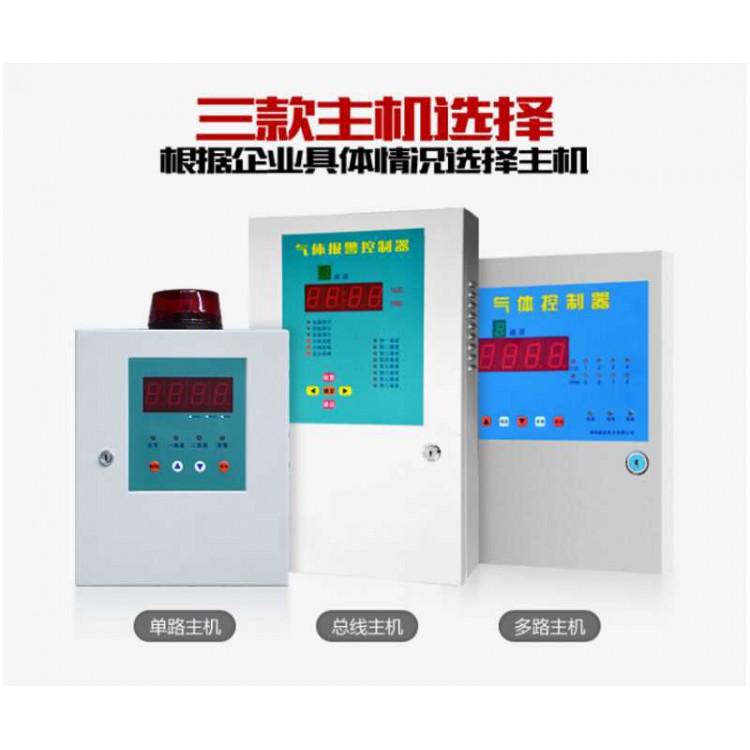












Introduction to Gas Sensors
Gas sensors are the core of gas detection systems and are usually installed inside the detection head. Essentially, a gas sensor is a converter that converts a certain gas volume fraction into a corresponding electrical signal. The detection head adjusts the gas sample through a gas sensor, usually including filtering out impurities and interfering gases, drying or cooling treatment, sample suction, and even chemical treatment of the sample for faster measurement by the chemical sensor.
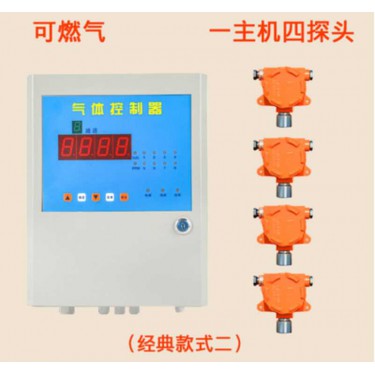
Gas Sensor Description
1. Sensitivity When the hydrogen concentration is low, the sensitivity of the hydrogen sensitive MOSFET is high. With a change in hydrogen concentration of 1ppm, the value of △ UT can reach 10mV. When the hydrogen concentration is high, the sensitivity of the sensor will decrease. 2. Gas selectivity The "gap" between palladium atoms allows hydrogen atoms to pass through, therefore, palladium gates only allow hydrogen gas to pass through and have good selectivity. 3. Response time The response time of this device is affected by temperature and hydrogen concentration. Generally, the higher the temperature, the higher the hydrogen concentration, and the faster the response. The response time at room temperature is several tens of seconds.
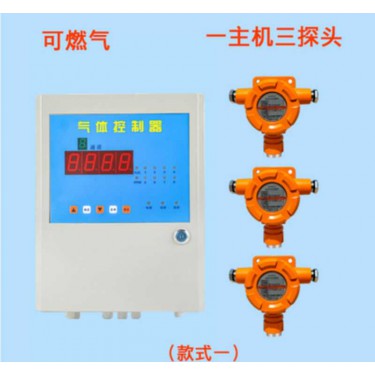
Types of gas sensors
Molecules composed of different atoms have unique vibration and rotation frequencies. When they are exposed to infrared radiation of the same frequency, infrared absorption occurs, causing changes in infrared intensity. By measuring the changes in infrared intensity, gas concentration can be determined; It should be noted that vibration and rotation are two different forms of motion, which correspond to different infrared absorption peaks. Vibration and rotation themselves also have diversity; Therefore, in general, a gas molecule will have multiple infrared absorption peaks;