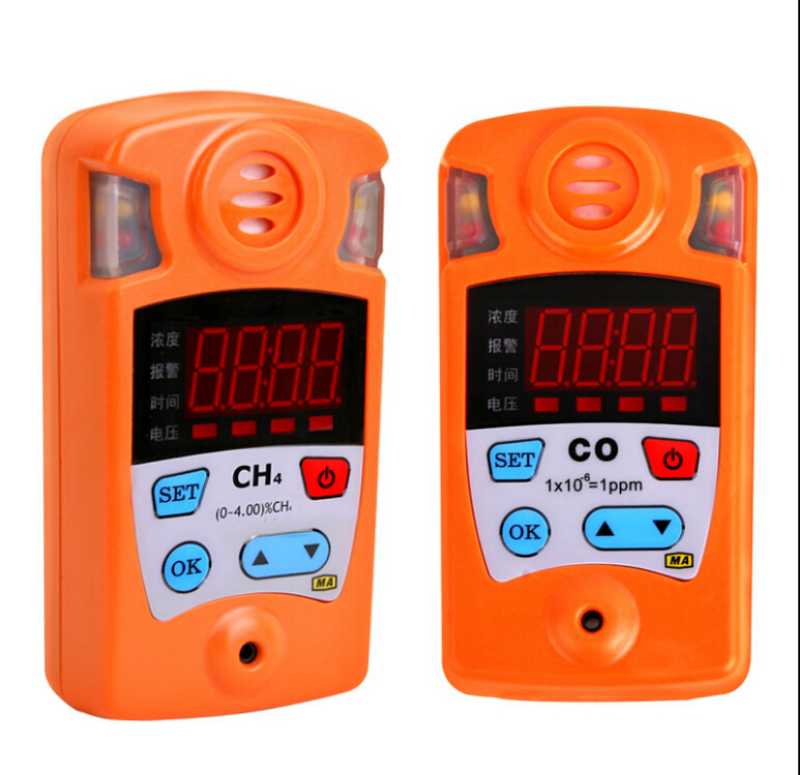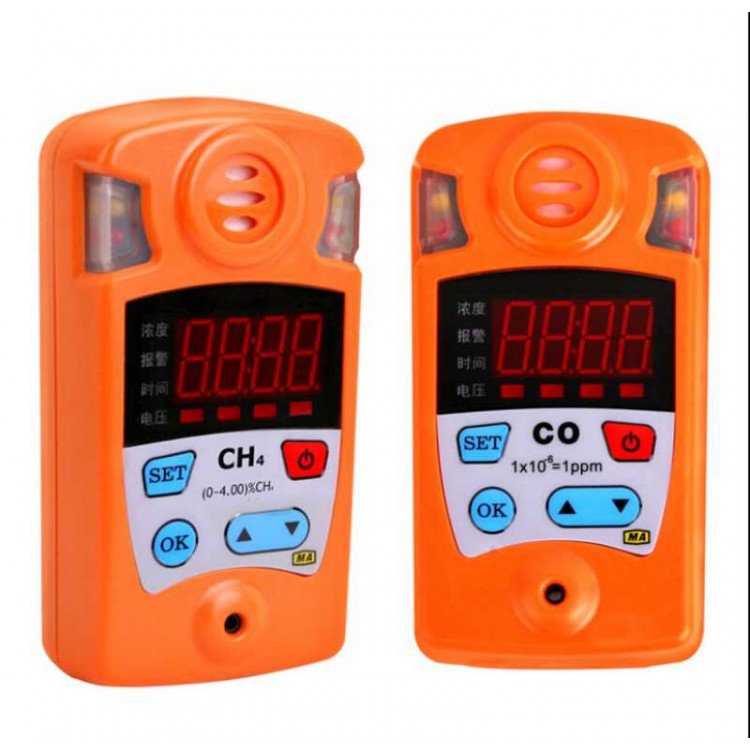













Introduction to Combustible Gas Detector
Avoid contact with water and corrosive gases. In daily life, many operators use damp cloths to wipe the screen or external casing of combustible gas detectors, which is a violation of maintenance regulations. Once moisture or water vapor enters the detector, it will damage the detector circuit and affect the alarm accuracy; Similarly, combustible gas detectors should not come into contact with corrosive substances, as this can cause certain damage to the detector.

Description of combustible gas detector
Gas detectors should be calibrated and tested regularly. Any product has a service life, and portable gas detectors are the same. Without regular use, aging can occur. Therefore, we must carefully read the user manual before use. If it is found to be expired, we should immediately stop using it and calibrate and test it or replace it with a new one. Otherwise, we cannot guarantee the accuracy and effectiveness of the test data.
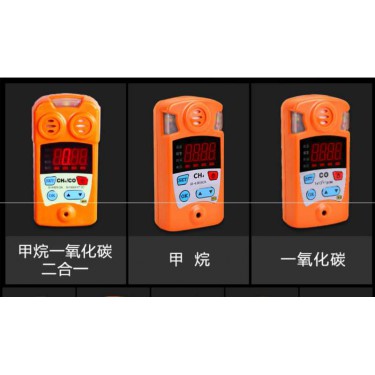
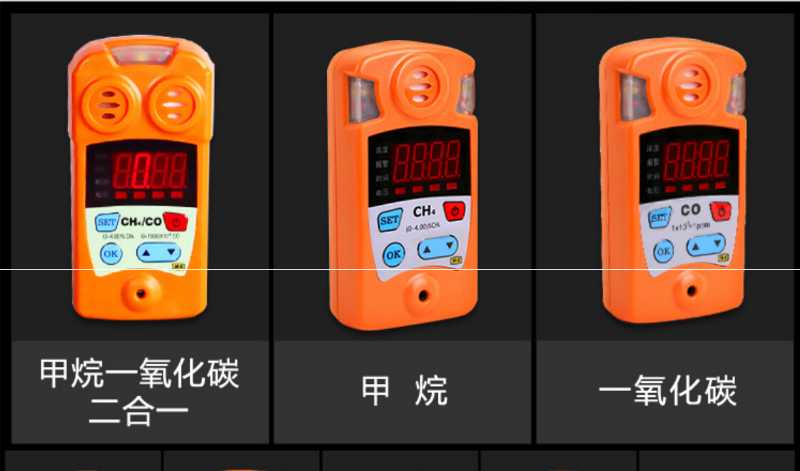
Types of combustible gas detectors
Our commonly used comprehensive combustible gas detectorThe two key reasons for the malfunction are: non-standard construction process and inadequate maintenance. Both of them have the potential to cause malfunctions in the combustible gas detector. The non-standard construction process may cause the combustible gas detector to malfunction during use. The combustible gas detector is mainly used in residential areas and should be installed near the gas pipeline and stove in the kitchen. When residents use natural gas, the gas detector should be installed on the ceiling, with a distance from the ceilingWithin 300mm; When residents use liquefied petroleum gas, gas detectors should be installed within 300mm of the ground.