


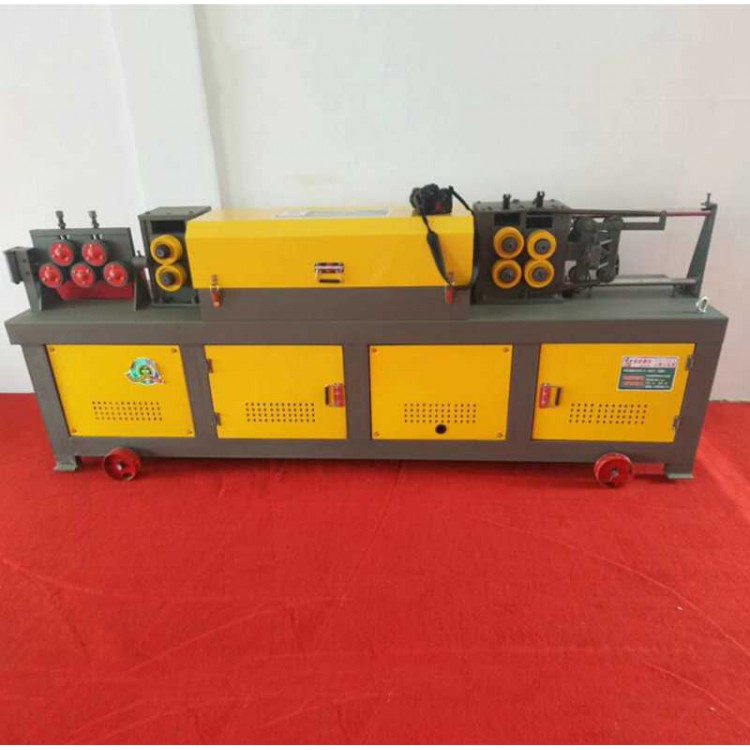












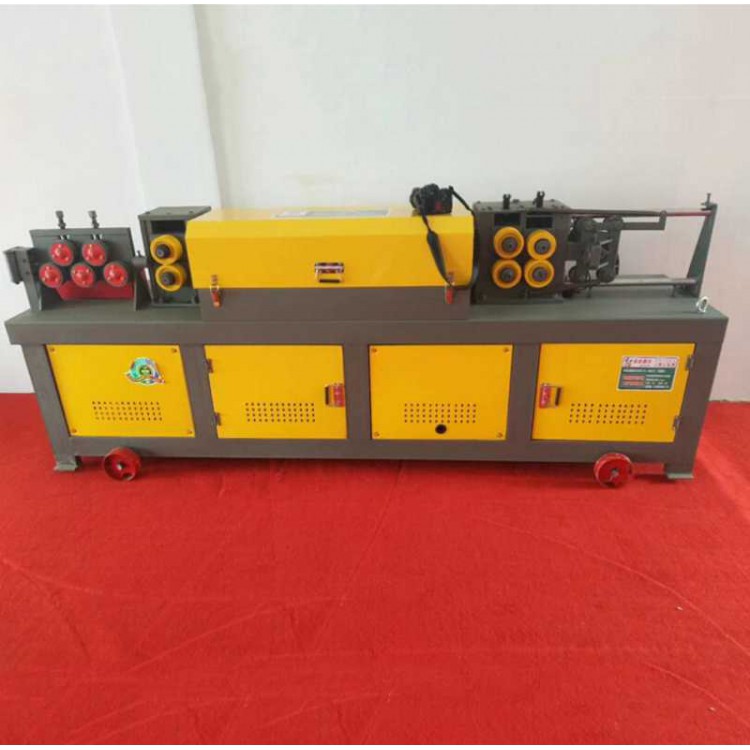
Instructions for steel bar straightening machine
1. The equipment must be managed by a dedicated person and certified for duty. 2. During the operation, the operator is not allowed to leave the machinery too far away, and the machine must be stopped when the upper plate, threading, and head are cut off. 3. During the process of straightening steel bars, if the steel bars jump out of the tray guide groove, cannot reach the fixed length mechanism, or if there are loose wires or steel bars falling off the frame, the limit switch should be pressed in a timely manner to stop cutting off the steel bars. The steel bars can only be used after adjustment is made. 4. When adjusting each batch of steel bars to the end or straightening short steel bars, a sleeve should be held to escort the steel bars to the guide and straightening cylinder to prevent injury accidents when they are freely swung. 5. Before the straightening formwork is fixed and the protective cover is not properly covered, it is not allowed to penetrate the reinforcement to prevent the straightening formwork from flying out of the machine and injuring people. 6. During the operation of the machinery, the drum must not be adjusted, it is strictly prohibited to operate with gloves, and maintenance operations are strictly prohibited during the operation of the machinery. 7. The steel bars that have been straightened or cut should be neatly stacked in small bundles according to their specifications and number. Random stacking is not allowed to prevent quality accidents caused by differences in the composition and performance of the steel bars. After the operation is completed, the power supply must be cut off. 8. Strictly implement the 'Cross Operation Policy' to ensure that the machinery is in good working condition.
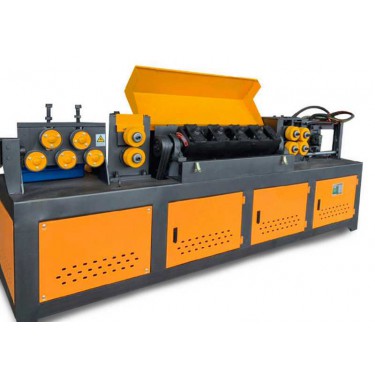
Specification of steel bar straightening machine
Waste steel bar straightening machine, also known as waste steel bar straightening machine, is a machine that can recycle and reuse waste steel bars; It is also a construction machinery equipment that can process and straighten bent steel bars, old steel bars, waste steel bars, steel bar heads, etc. The waste steel bar straightening machine is driven by dual motors, namely 5.5KW and 4KW motors, and the gear drives the 350 type reducer, making the whole machine modulation speed fast, efficient, and not stuck or vulnerable. 1. New cone-shaped guide device for the movement (no knots or jamming of scrap steel bars, smoother exit) 2. Anti shake and anti hook design at the entrance (bent steel bars are easier to enter) 3. Professional sharp special steel cutting device for better and more durable cutting 4. More reasonable inlet and outlet assembly design, easier adjustment 5. Improved global detail design, smaller sound, lower energy consumption, and easier operation!
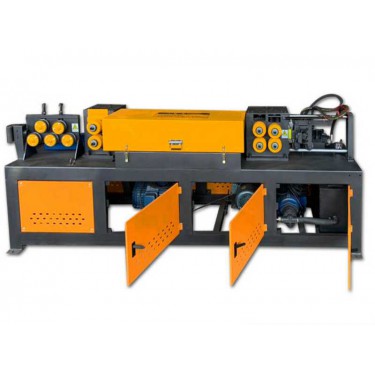
Steel bar straightening machine type
Knowledge related to maintenance and upkeep of steel bar straightening machine and hydraulic steel bar cutting machine: 1. Proper use and maintenance of equipment is a necessary part of work, which is carried out by operators and professionals based on the technical data, parameter requirements, and maintenance rules of the equipment to perform a series of maintenance work. It is also an objective requirement for the movement of the equipment itself. 2. Maintenance work includes: daily maintenance (first maintenance), lubrication and regular refueling and oil change of equipment, preventive testing, regular adjustment of accuracy, and second and third level maintenance of equipment. The readiness of maintenance directly affects the operation of equipment, the quality of products, and the production efficiency of enterprises. 3. By conducting daily inspections of the technical condition of various parts of the equipment based on the senses of the five senses, it is necessary to promptly detect faults and take measures to minimize downtime losses. 4. Adopting a maintenance method that is mainly carried out by operators and coordinated by maintenance workers, the accuracy, performance, and production efficiency of equipment may be affected by the wear, corrosion, burning, and deformation of certain components during use and operation. Although correct operation and careful maintenance can reduce damage and extend the service life of equipment.



















