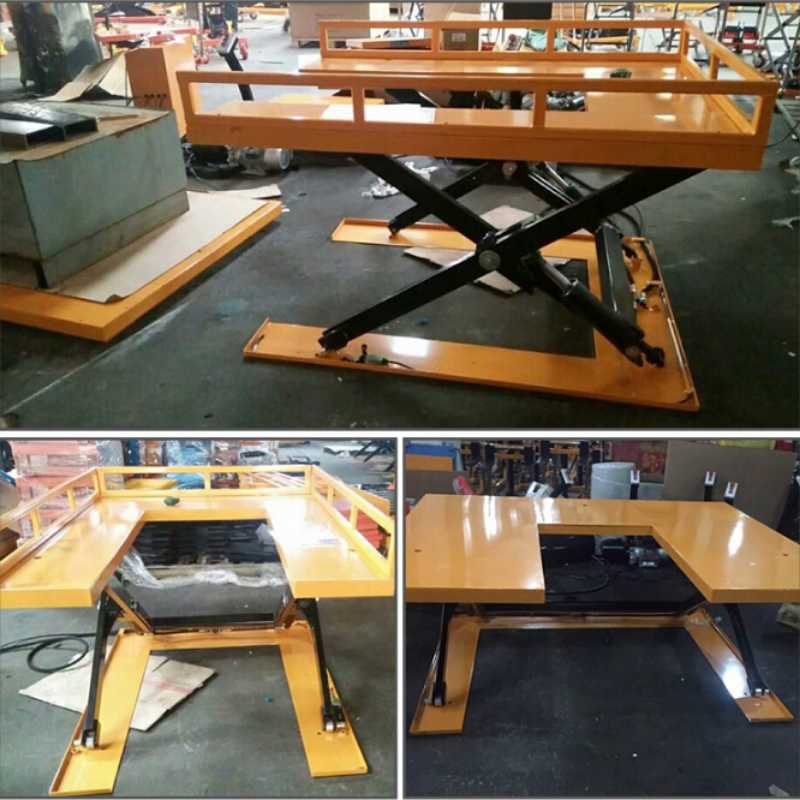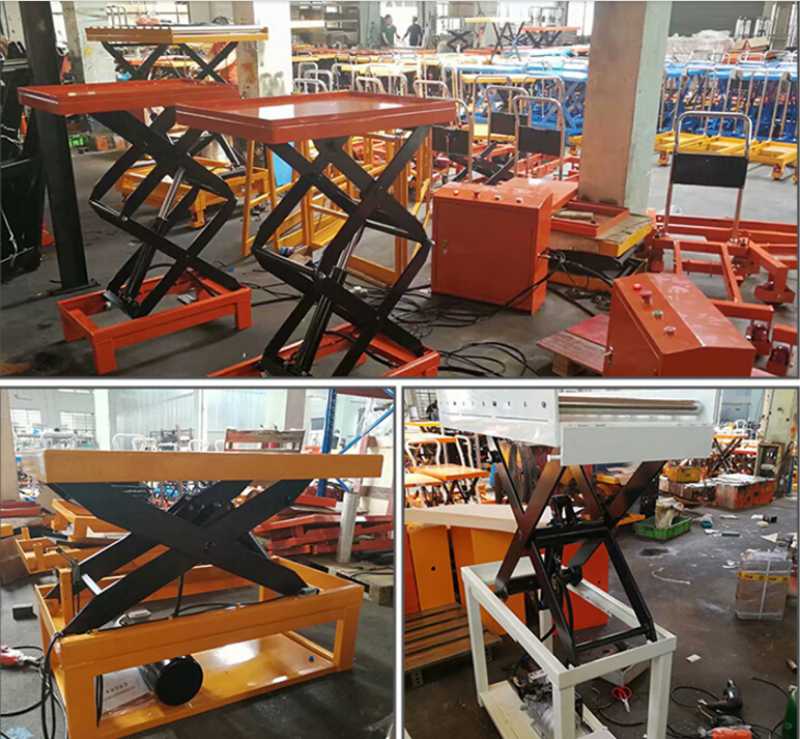
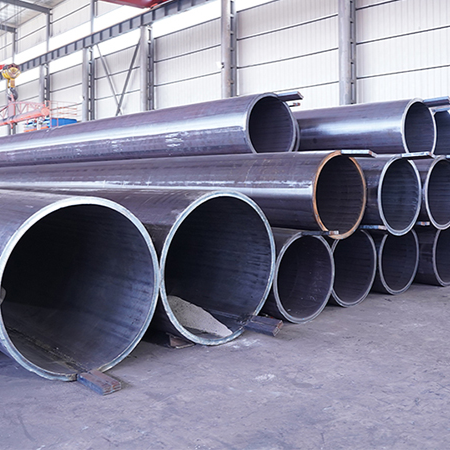






Elevator Introduction
Scope of application of lifting platform Usually used for industrial vertical transportation, emergency rescue, indoor and outdoor decoration, cleaning and other work. Requirements for lifting platforms The use of the lifting platform must be operated by designated personnel and strictly adhere to their job positions; Non designated personnel are not allowed to use it without authorization. Before activating the lifting platform, it is necessary to check whether the doors on each floor are closed and whether the emergency stop switch is reset (reset the emergency stop switch, rotate clockwise), and check the side of the emergency stop switch. After completion, the operation can be started. 3. It is strictly prohibited to ride on the lifting platform. 4. The lifting platform must not be overloaded. 5. When using the lifting platform to transport goods up and down, try to place the goods in the middle of the elevator car as much as possible to avoid them tilting and getting stuck during operation. Do not start the platform when the goods are not stacked stably. When abnormal situations are found during the use of the platform, the operator should immediately stop the platform operation and report to the equipment department to send personnel for maintenance; The fault has not been resolved, it is prohibited to use and a warning sign should be posted. 7After using the lifting platform, the operator stops the platform at the bottom level, closes the landing door, turns off the key power switch, and turns off the main power.
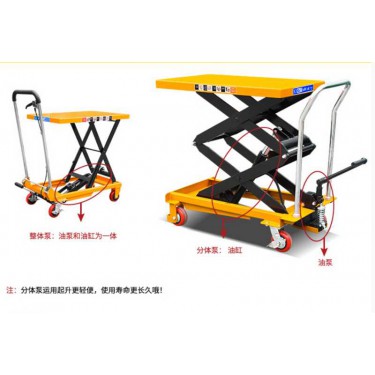
Elevator specifications
2. The driver of the platform vehicle must follow the mechanical maintenance regulations and perform various inspections and maintenance before starting the platform vehicle. Before starting work, the working range of the platform vehicle should be checked to remove obstacles that hinder its rotation and movement. 3. Leg support is an important preparation work for platform vehicle operation, and a flat ground should be selected. If the foundation is soft or uneven, it must be reinforced with wooden blocks to ensure accuracy before work can proceed. Generally speaking, platform vehicles should first raise the lower arm, then the middle arm, and finally the upper arm. During the rotation operation of the platform vehicle, it is necessary to lift the lower arm to a certain height before rotating. The rotation process should be slow, and attention should be paid to whether the distance between each arm and the platform to each equipment meets safety requirements.
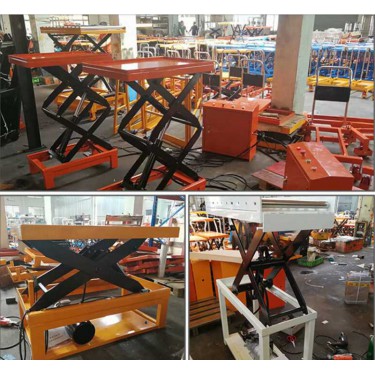
Elevator type
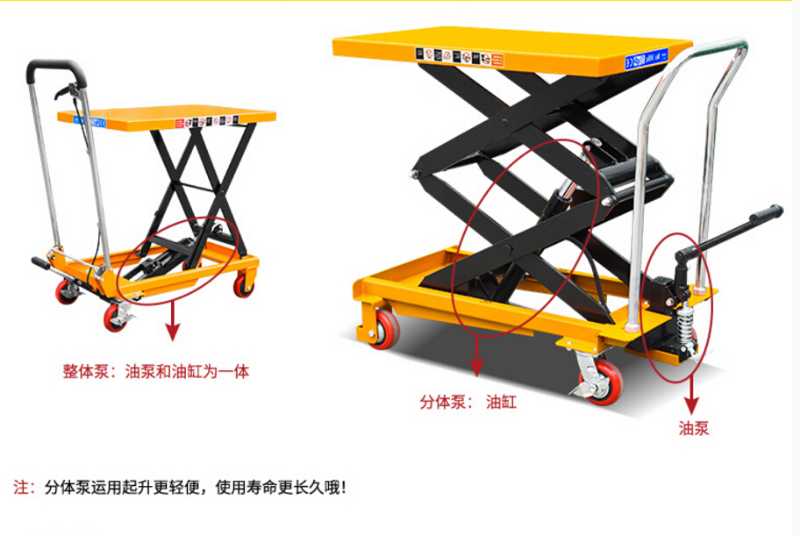
Fixed type: Rated load (kg): 1000; Lifting height (mm): 1600; Load center C (mm): 600; Fork height h (mm): 90; Fork length L (mm): 1100; Fork width outside (mm): 550; Rising speed (mm/time): 25; Descent speed: controllable; Self weight (kg): 230; Mobile: Load capacity: 500/1000/1500KG; Height: 2.5 meters; Dimensions (mm): 1400740X1880; Fork length: 870mm; Fork outer width: 740mm; Fork height: 95mm; Self weight: 265/290/320KG; Manual hydraulic platform trucks have solved the problems of small-scale extraction and equipment handling for many internationally renowned manufacturing, third-party logistics, and retail industries. They have comprehensively improved the warehousing efficiency of enterprises, enhanced material circulation efficiency, reduced material handling costs, and become one of the excellent equipment for small-scale material handling and storage that is widely used in China.